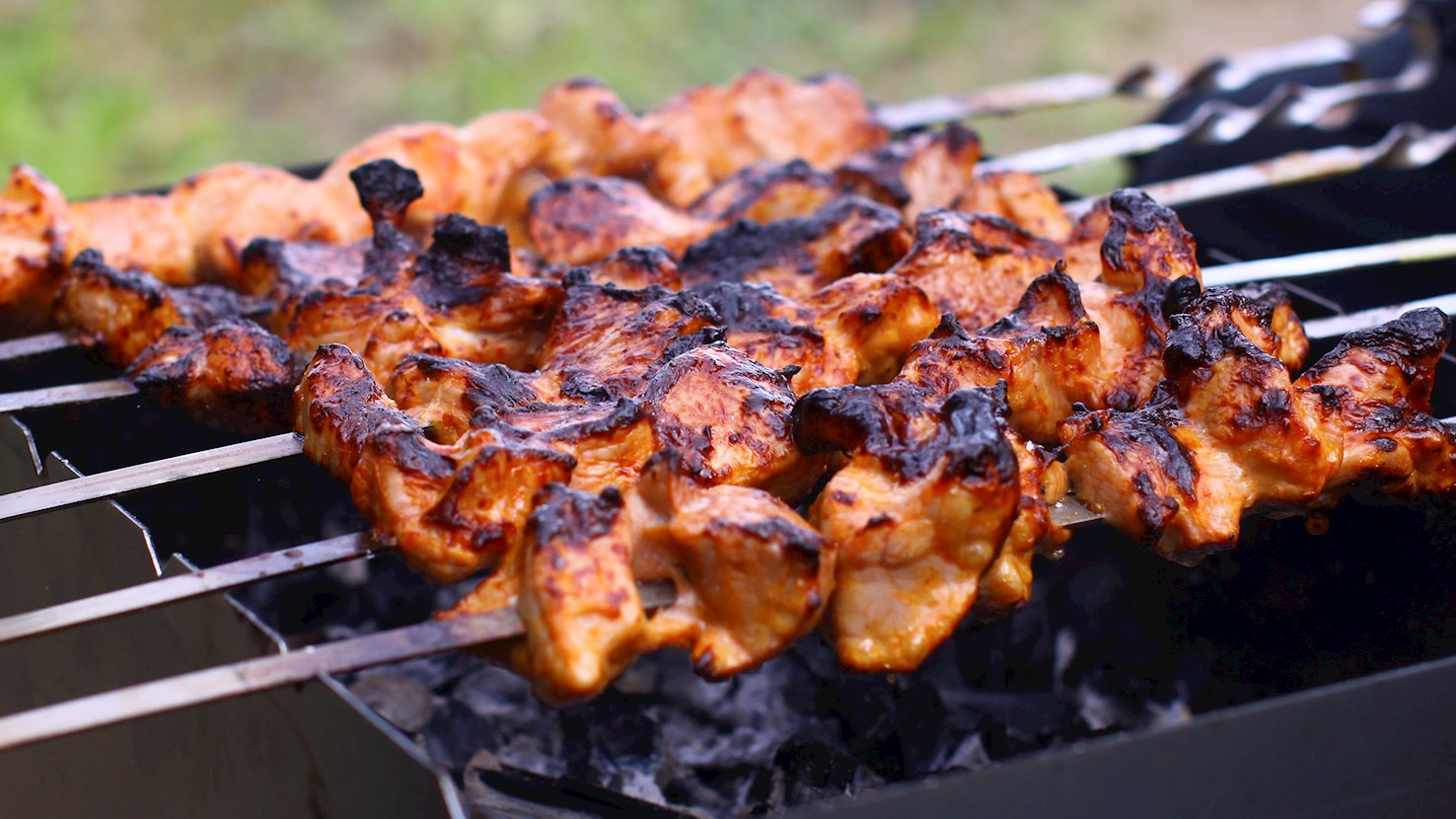
Shashlik is the name for a traditional Central and West Asian barbecue consisting of marinated, skewered, and grilled chunks of meat such as lamb, beef, or pork, depending on regional and religious preferences. Lamb, beef, or pork is usually combined with chunks of vegetables such as bell peppers, onions, mushrooms, or tomatoes. The meat is typically marinated overnight in vinegar, herbs, spices, and dry wine. In Russia, barbecue is traditionally reserved for men, who are in charge of the whole grilling process, while the women are usually busy slicing vegetables and setting the tables. Shashlik is traditionally prepared for events with a large number of people gathered around the fire, cooperating and socializing in the process, making the dish a communal affair. Because the origins of the dish lie between Turkey and Russia, many believe that the name is derived from the Turkish word shish, meaning skewer. In Georgia, shashlik is known as mtsvadi.
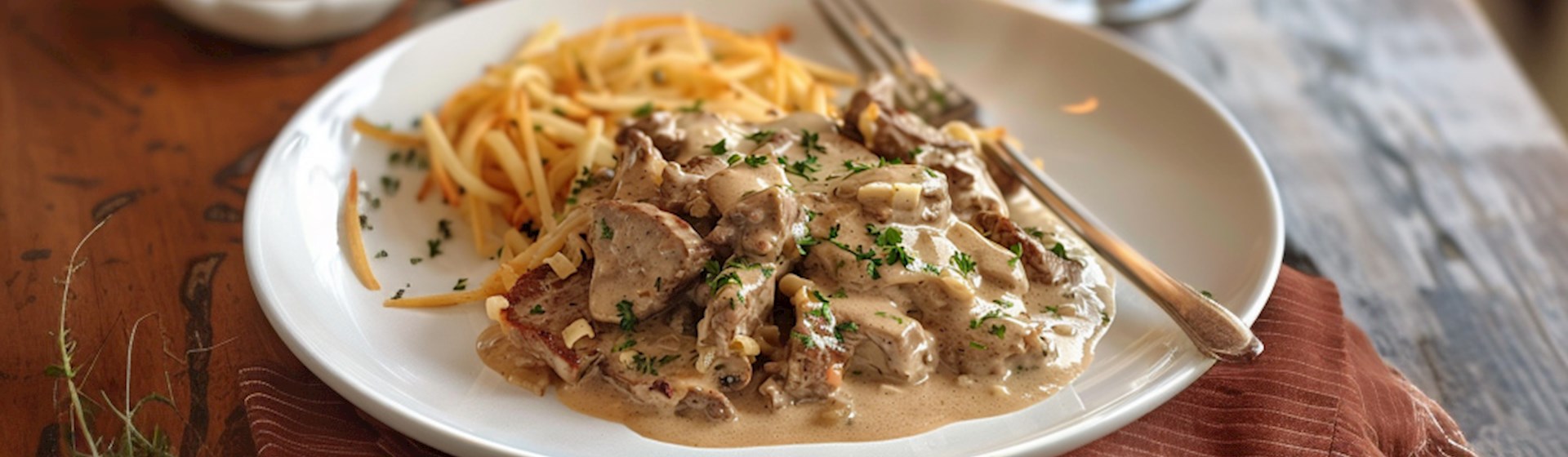
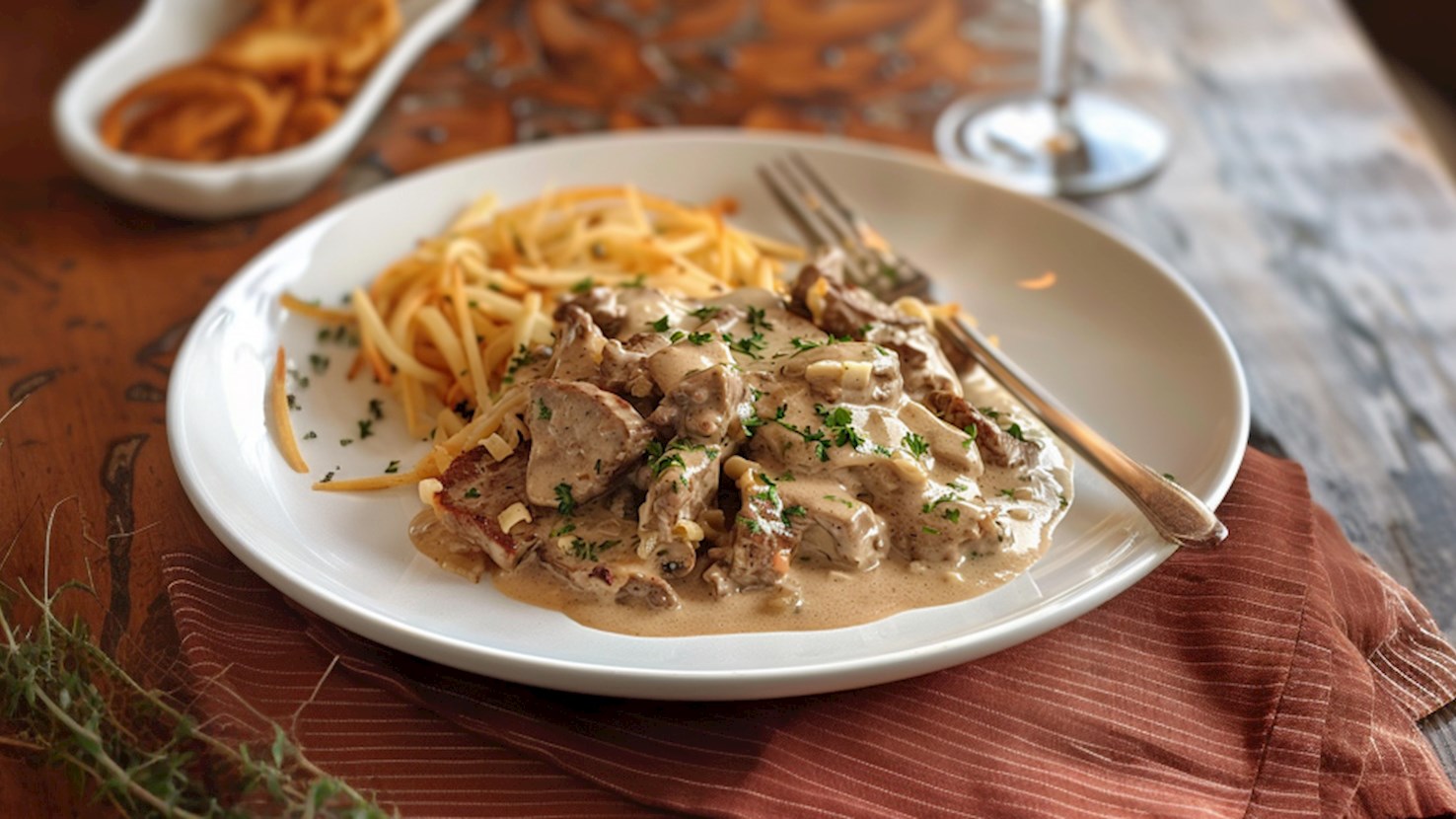
When it first appeared in the mid-19th-century Russia, beef Stroganoff was a dish made out of lightly floured beef cubes that have been sautéed and cooked in a simple sauce made from stock and mustard with only a small amount of sour cream. The origin of the dish is unclear, but it is most likely linked to a French chef—or a French-trained chef—working for the Stroganoff family. Although Russian in origin, the dish is strongly influenced by the French style of cooking—this is most obviously seen in the way the beef is cut, in either cubes or strips. The first known recipe appeared in Elena Molokhovets’s A Gift to Young Housewives, published in 1871. Since then, the dish has had major alterations. The beef is still cut in strips, but the sauce is much richer; with sliced mushrooms and onions that are cooked with beef stock and thickened a bit with sour cream that is only stirred in at the end. The dish is traditionally served with potato straws, but is often served with either rice pilav, egg noodles, or mashed potatoes.
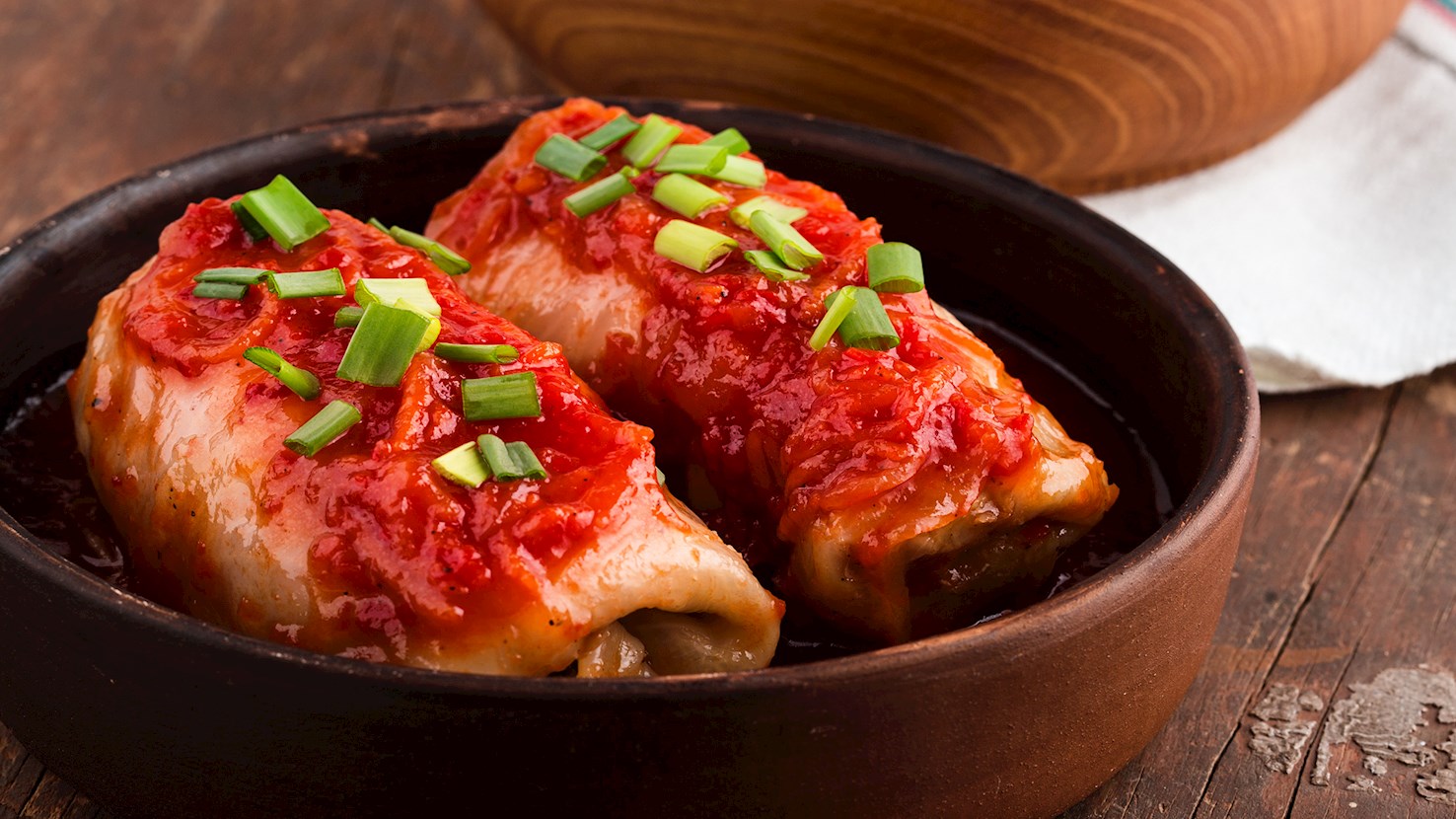
Golubtsy in Russia and holubtsi in Ukraine are regional versions of a widely known Eastern European dish consisting of cabbage leaves filled with a mixture of minced meat and rice, then cooked in a savory sauce, usually tomato-based. The name differs by language, golubtsy in Russian and holubtsi in Ukrainian, but both dishes share a common culinary heritage that dates back centuries and spans numerous Slavic cultures. These stuffed cabbage rolls are considered staple home-cooked meals in both countries and are prepared for everyday consumption as well as festive occasions. The preparation begins with separating and blanching whole cabbage leaves until they are soft and pliable. A filling is made from minced pork, beef, or a combination of the two, mixed with cooked or parboiled rice, chopped onions, salt, and black pepper. Some variations also include carrots or herbs such as dill or parsley. This filling is wrapped tightly in the cabbage leaves, forming compact rolls. Once assembled, the rolls are layered in a pot or baking dish and simmered or baked, often in a sauce made from tomatoes, onions, garlic, and sometimes sour cream. The result is a tender, savory roll with balanced acidity and depth of flavor from the cooking process. In Russia, golubtsy are typically associated with homestyle cuisine and are commonly prepared in large batches. They are often served with a dollop of sour cream and a slice of rye bread. In Ukraine, holubtsi occupy a similar place in the national cuisine, though there is a stronger emphasis on regional diversity. In western Ukraine, for example, holubtsi may be made with buckwheat or mushrooms instead of meat, especially during fasting periods or religious holidays. The tomato sauce may also be replaced with sour cream or mushroom-based sauces depending on local customs.
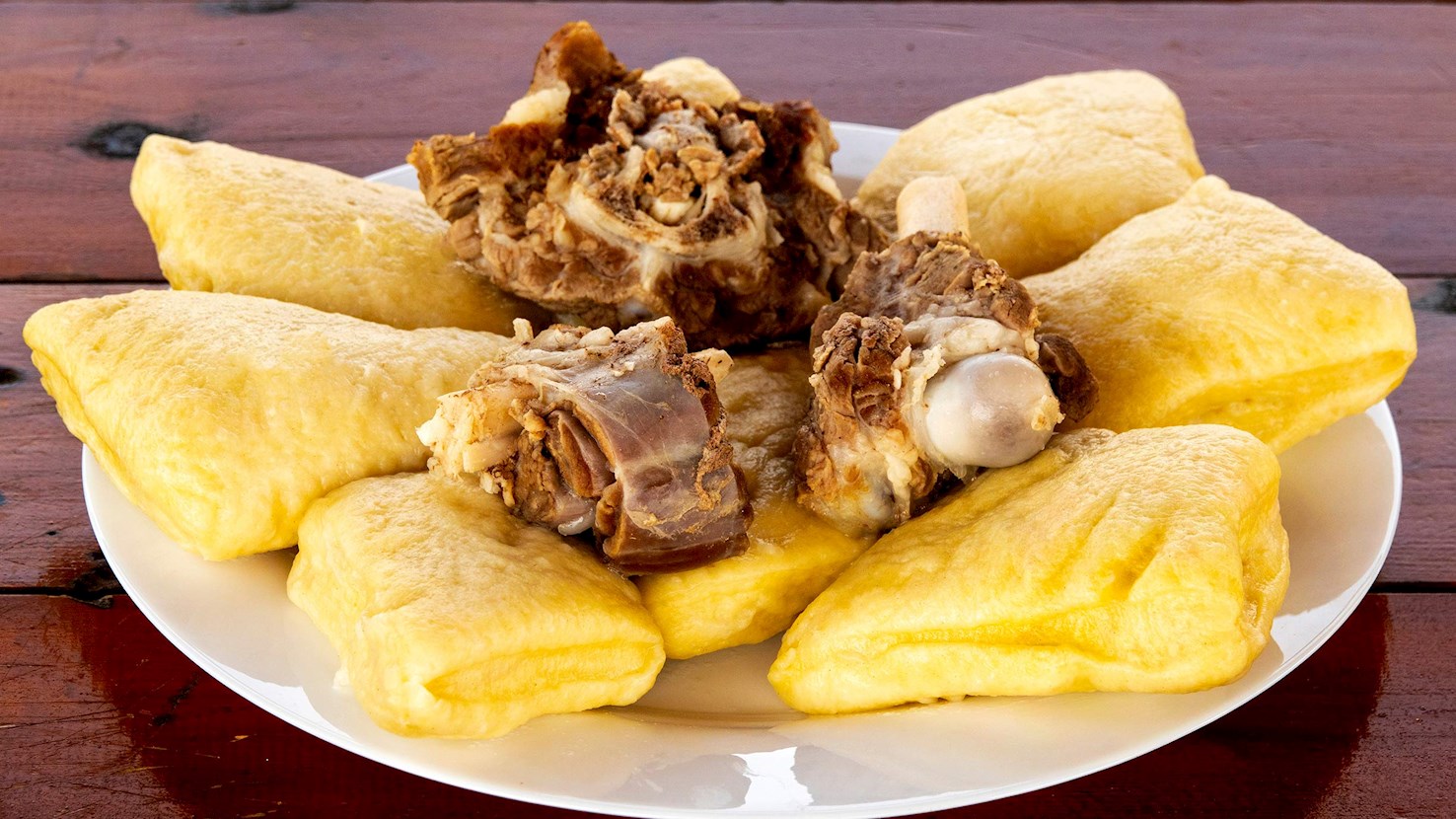
Avar khinkal is a traditional dish from the Avar people of Dagestan, in the North Caucasus region of Russia, with the main element being the dough, made from simple ingredients like flour, water, and salt, and shaped into small, flat squares or diamond-shaped pieces. These dough pieces are then boiled until they are soft and slightly chewy, creating the foundation of the meal. The dish is usually served with boiled meat, typically lamb or beef, which is cooked separately and often presented with some of the flavorful broth. The meat and broth are secondary to the dough, which is the true star of the dish. Accompanying the khinkal are various sauces and condiments, such as garlic sauce made from garlic, vinegar, and broth, as well as tomato sauce and sour cream. Chili peppers, fresh herbs like cilantro, and raw onions are often served on the side, adding vibrant flavors to the otherwise simple components. Traditionally, Avar Khinkal is served as a communal dish, with the dough, meat, and sauces arranged separately, allowing diners to dip the dough pieces in the broth or sauce and enjoy them with bites of meat.
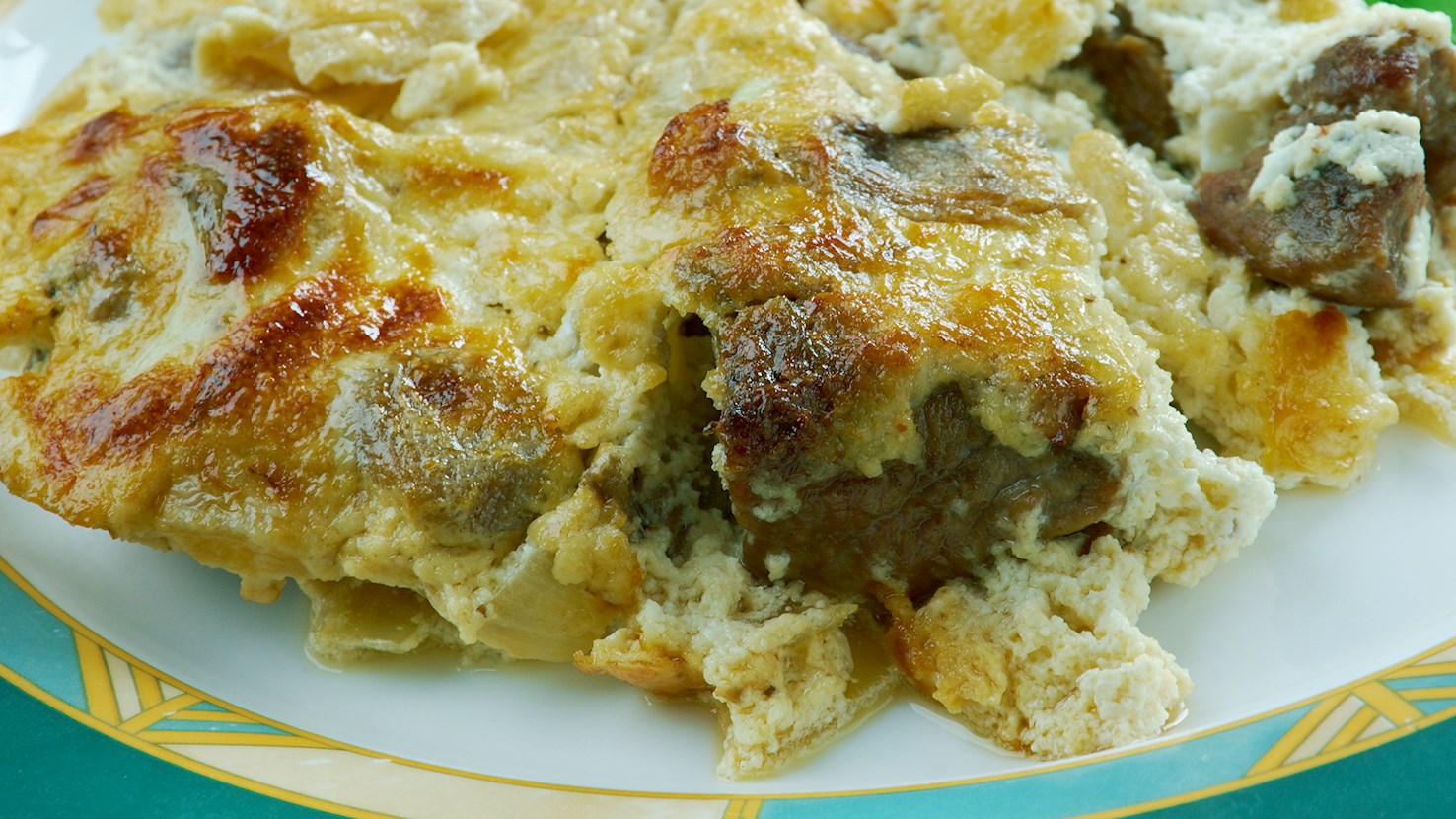
Veal Orloff is a traditional dish originating from the 19th century. It consists of thinly sliced veal that is stuffed with pureed onions and mushrooms. The combination of these ingredients is topped with Mornay sauce and baked in an oven until it develops a golden-brown color. It is believed that veal Orloff was invented by a French chef named Urbain Dubois, who was working for Prince Orloff at the time.
TasteAtlas food rankings are based on the ratings of the TasteAtlas audience, with a series of mechanisms that recognize real users and that ignore bot,
nationalist or local patriotic ratings, and give additional value to the ratings of users that the system recognizes as knowledgeable.
For the “Top 5 Russian Meat Dishes” list until April 19, 2026, 1,019 ratings were recorded, of which 808 were recognized by the system as legitimate.
TasteAtlas Rankings should not be seen as the final global conclusion about food. Their purpose is to promote excellent local foods,
instill pride in traditional dishes, and arouse curiosity about dishes you haven’t tried.