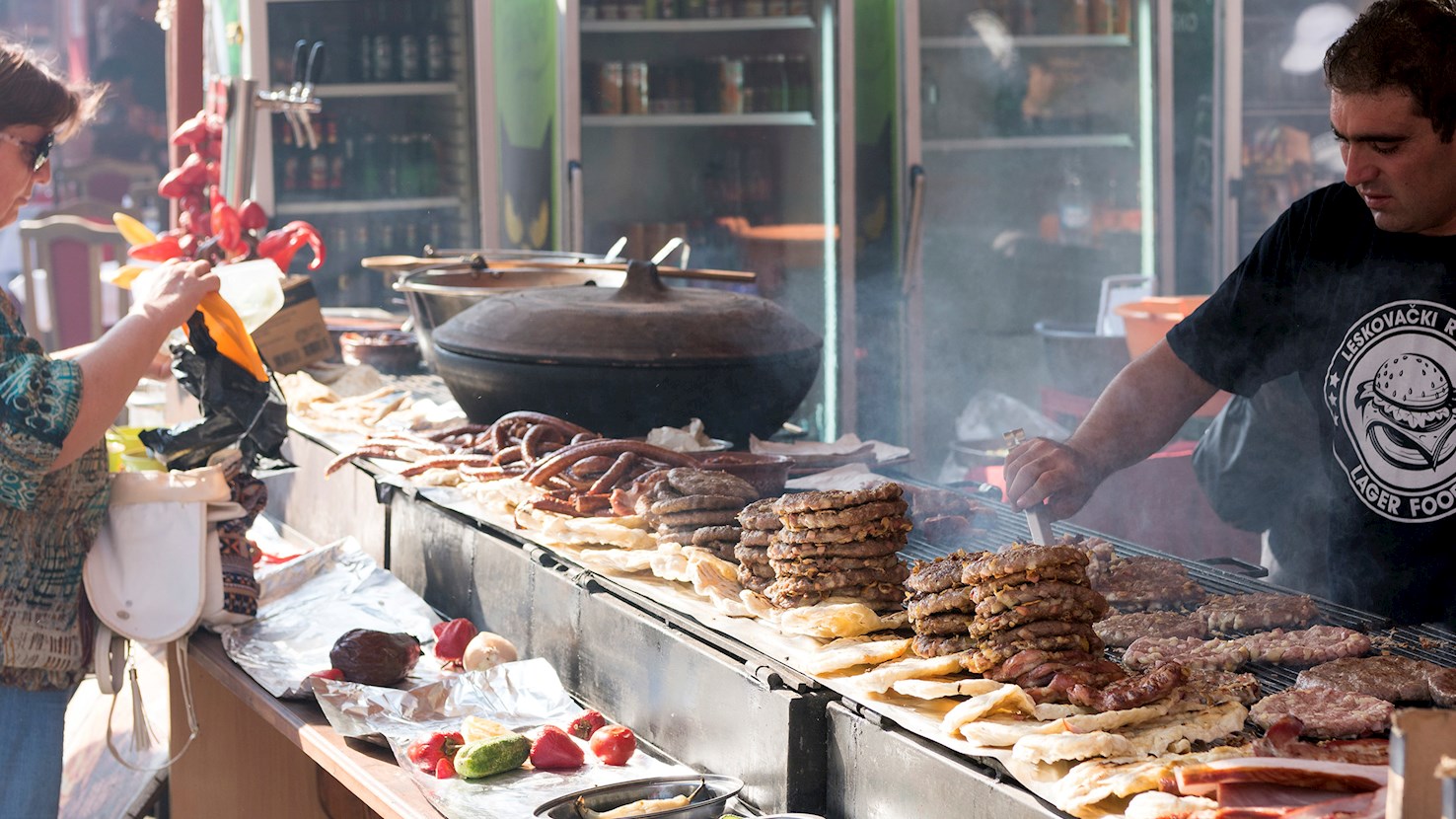
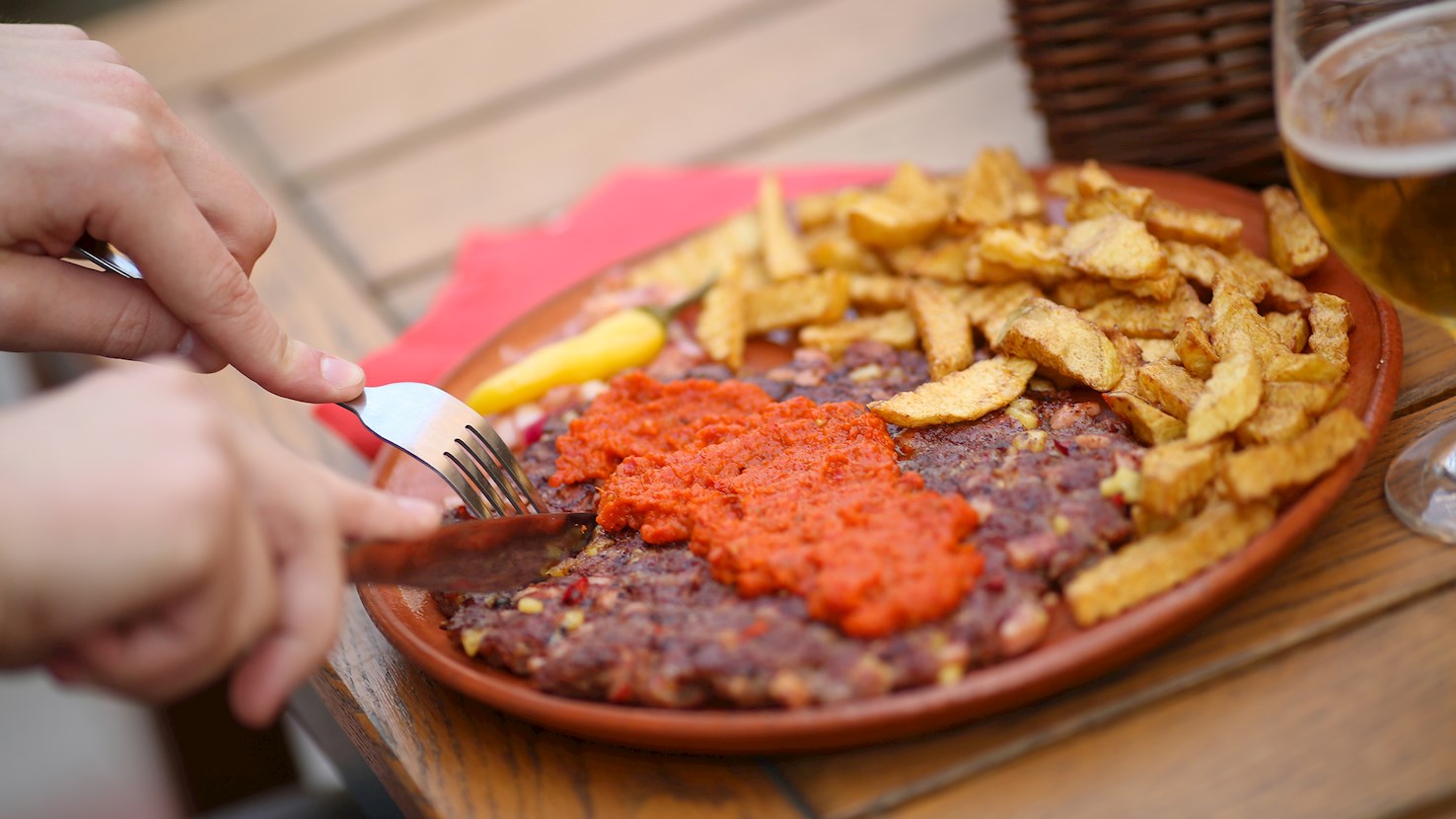
Leskovački roštilj refers to a traditional method of grilling meat which is considered the highest form of barbecue art in Serbia and beyond. Hailing from Leskovac, the technique, according to local belief, is thought to have been brought over from the Caucasus via Turkey, Greece, and Macedonia hundreds of years ago. Although the exact preparation of the meat remains a secret known only to Leskovac barbecue masters, what is generally known is that the ground mixture traditionally consists of beef that is chopped, ground (first coarsely and then finely), seasoned, and allowed to sit for at least 48 hours before cooking. Apart from the meat, the ground mixture also typically contains chopped onions and ground pepper. Leskovac grilling method calls for cooking the meat on a grill over glowing coals, a process that produces juicy flesh with a pleasant, smoky fragrance. Although beef is the most traditional choice, pork and chicken specialties are also featured on a Leskovac grill. The traditional meat specialties that go on the Leskovac grill include pljeskavica (a Serbian-style burger or meat patty), ćevapi (small skinless sausages, similar to kebabs), mućkalica (mixed meat dish), smoked sausages, uštipci (meatballs), vešalica (pork steak in lambrequin), and skewered meat, among others. Leskovac barbecue is not just a cooking technique but an essential part of local and national cuisine, tradition, and culture. This barbecue style has become internationally known over the years, and nowadays, restaurants serving Leskovac-style barbecue specialties can be found in numerous countries in Europe, USA, and Australia. To honor Leskovac barbecue, a barbecue festival called Roštiljijada is held annually in Leskovac in September. As of November 1, 2018, Leskovac barbecue has officially become a protected regional brand in Serbia.
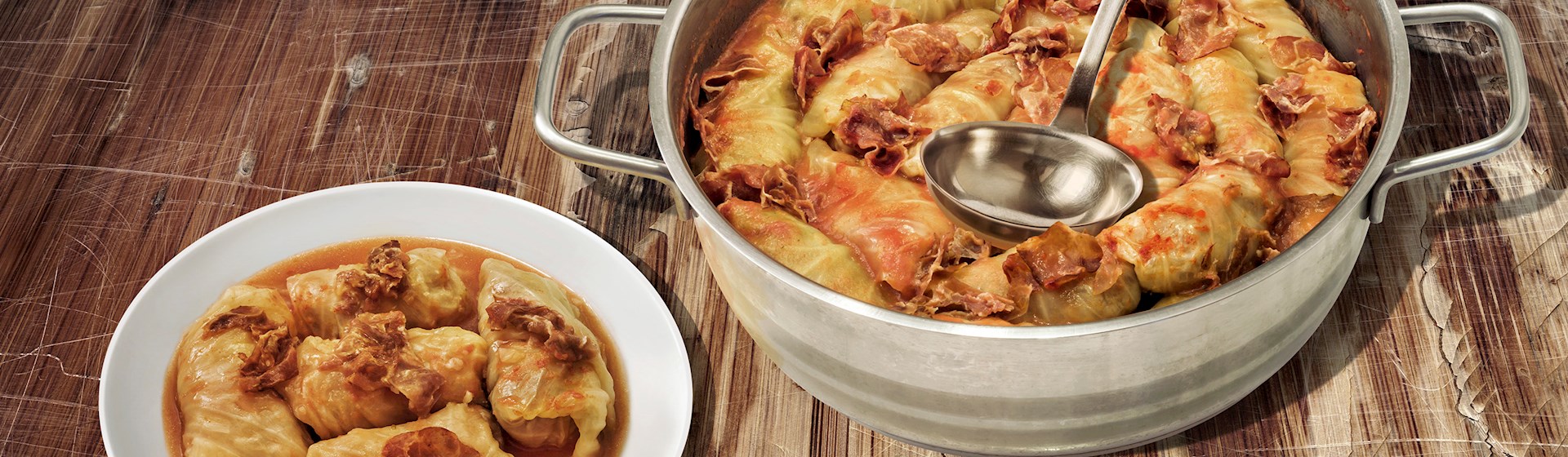
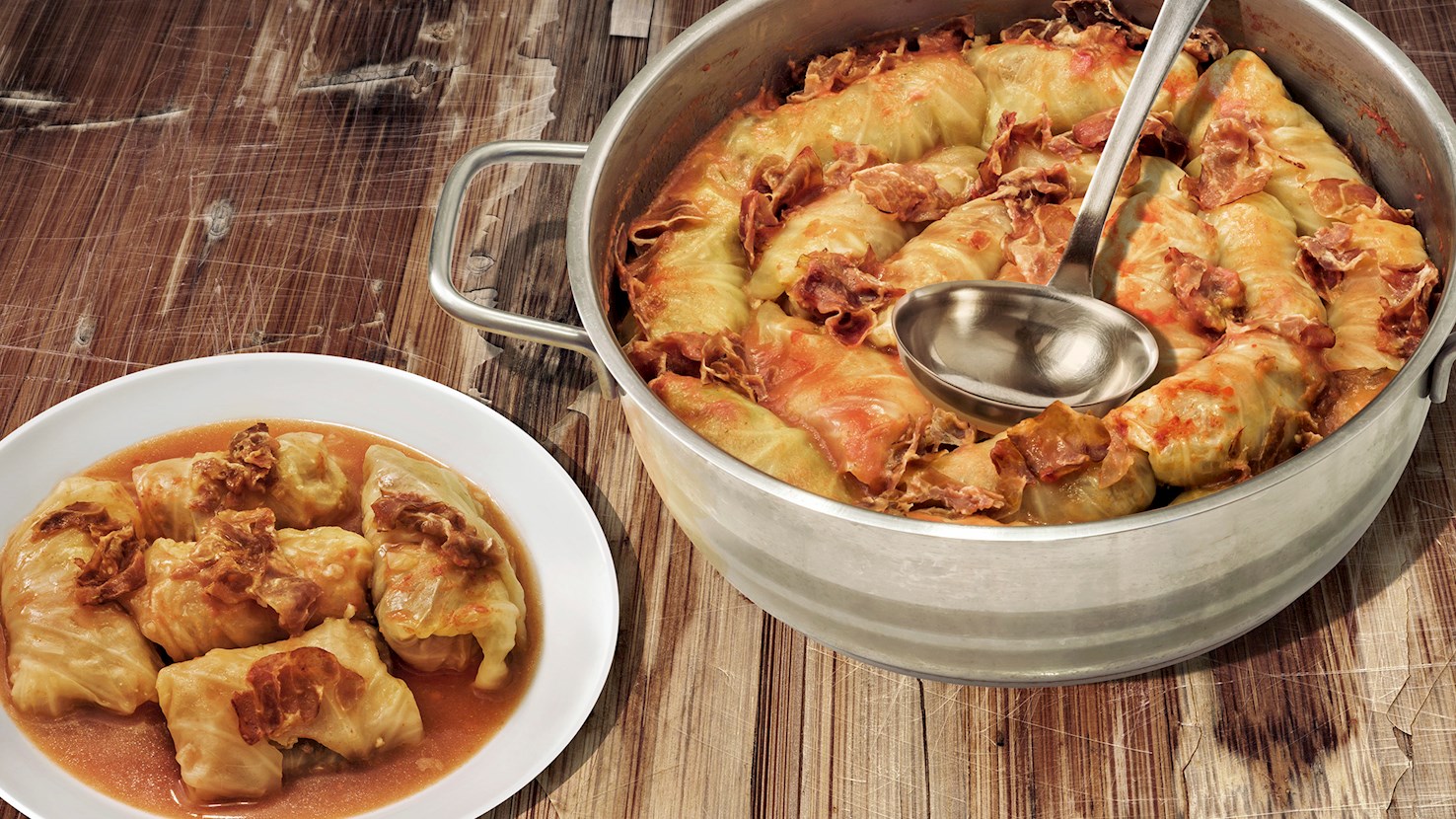
One of the staples of traditional Turkish cuisine, sarma consists of a filling that is snugly surrounded by leaves or leafy vegetables. There are numerous versions of this dish but the mixture typically combines ingredients such as minced meat, rice or bulgur, various herbs, seasonings, red pepper, paprika, ground sumac, or tomato sauce, while the typical wrapping usually includes vine, cabbage, or sauerkraut leaves, or a variety of leafy vegetables such as collard greens and swiss chard. Having its roots in the Ottoman Empire, sarma is also traditionally consumed in the Balkans, the countries of Central Europe, the South Caucasus, and the Middle East. Although it is commonly enjoyed as a filling lunch or dinner (typically during the winter season), sarma is often prepared on special occasions and holidays. The dish is usually accompanied by plain yogurt, mashed potatoes, and crusty bread on the side.
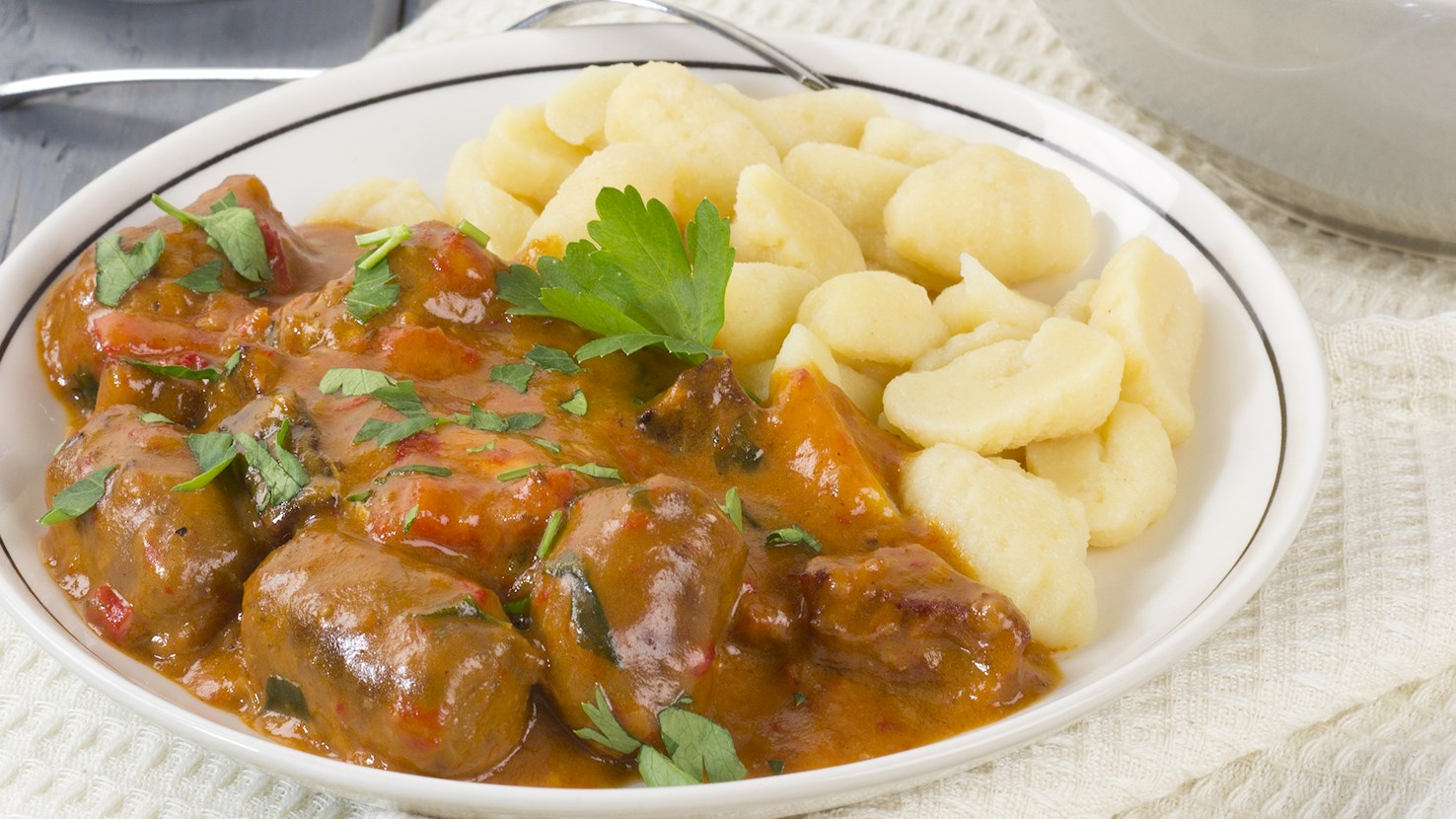
Pörkölt is Hungary's national stew, its name derived from the word pörkölni, meaning to roast or singe. The stew is made from meat such as beef, lamb, pork, or chicken, simmered in a red sauce with lots of onions, garlic, and paprika powder. It is traditionally served with dumplings, boiled potatoes, or pasta, and it is recommended to pair it with a Hungarian fruit brandy. Pörkölt's history is closely linked to the traditional Hungarian goulash, as both dishes were originally prepared as peasant meals that made hefty use of powdered paprika. Today, there are many varieties of pörkölt, with the names accordingly matching the key ingredient used in the dish, such as pacalpörkölt (tripe), marhapölkört (beef), and borjupörkölt (veal). In the Czech Republic, pörkölt is traditionally made with pork, dark bread, caraway seeds, and dark beer.
Pljeskavica, a Serbian national dish also known as the Serbian hamburger, is a flat, round patty made from minced beef, pork, and veal, or a combination of the three, with the addition of selected seasonings such as paprika, salt and pepper, and in some cases, finely minced onions and garlic. It is a simple dish that is hard to master, as the ratio of meat and fat is extremely important in the preparation process. Flavorful and juicy, the word pljeskavica comes from the word pljeskati, meaning to clap, since this is the motion made when forming the patties that are then grilled on both sides to a smoky brown color, with typical grill marks on both sides. Traditionally, the meat is then placed inside a thick flatbread called lepinja, which is as equally important as the meat - it should not be too dry, cold, nor crumbly, but moist, springy, and warm. The perfect pljeskavica should be juicy, perfectly spiced, and preferably topped with kajmak–a rich, clotted, slightly salty, local cream cheese. Along with kajmak, the perfect accompaniments to the meat include finely chopped fresh onions, bell peppers, or pickled vegetables known as turšija, but the list of possible condiments is a long one, since pljeskavica pairs extremely well with a large number of different ingredients. There are also two significant varieties of pljeskavica: one is called gourmand's pljeskavica and has hot pepper flakes, tiny cheese cubes, and pieces of bacon dispersed throughout the meat, and the other one is called stuffed pljeskavica with sliced cheese, bacon, and sometimes ham inside the meat.
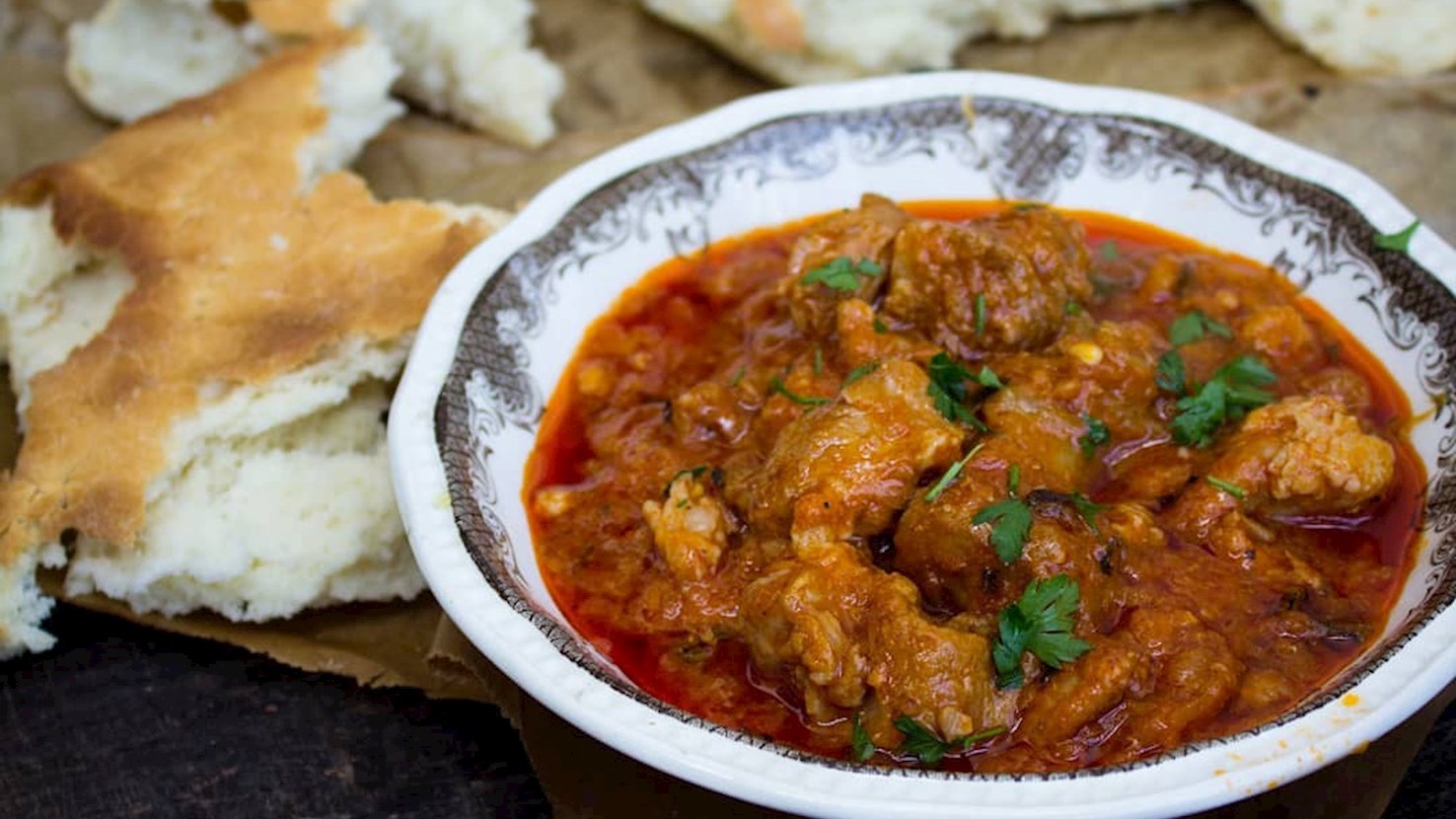
Leskovačka mućkalica is a traditional meat dish from Serbia. It is prepared with an array of ingredients, typically leftovers from yesterday's barbecue, such as grilled pork (fattier cuts are more appreciated), bacon, onions, roasted peppers, tomatoes, garlic, paprika powder, and hot chili peppers. The combination is simmered until the liquid evaporates, and mućkalica is then seasoned with salt and pepper before serving. The dish is always served warm, preferably with homemade flatbread, ajvar, and fresh salads. The name of the dish, mućkalica, is believed to be derived from the word mućkati, meaning to shake, mix, or combine, referring either to the act of shaking the pot in which the dish is cooked or to the combination of various leftovers. If desired, before serving, the dish can be transferred to an earthenware pot and baked in the oven, and it is then garnished with chopped parsley before consumption.
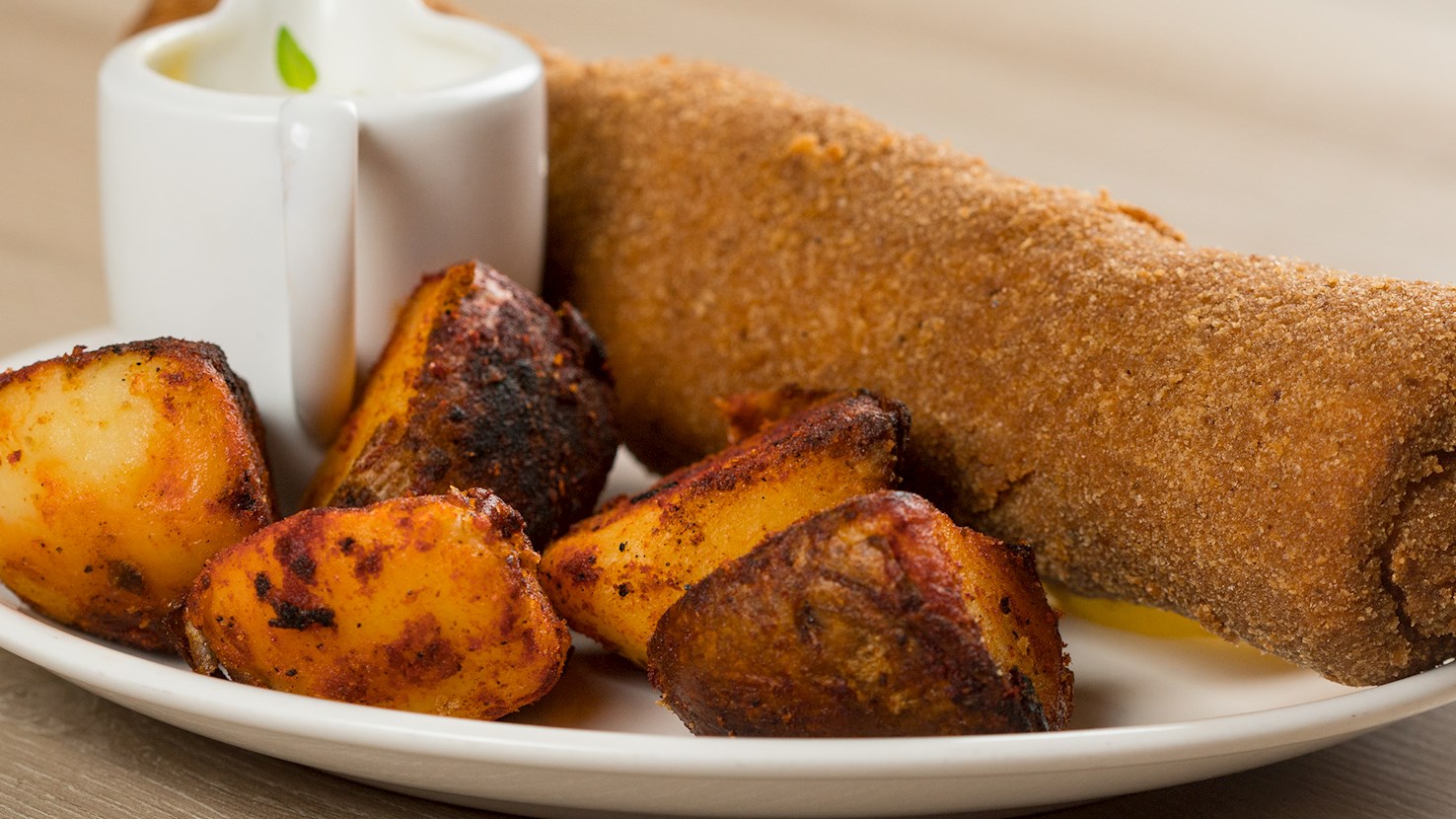
Karađorđeva šnicla is a traditional dish consisting of veal or pork cutlet that is filled with kajmak, then rolled in breadcrumbs and fried in hot oil. The cutlet was created in 1956 by a chef Mića Stojanović, who would later become a personal chef to Josip Broz Tito, the president of the former republic of Yugoslavia. The chef claims he invented it out of necessity at the restaurant Golf in Belgrade, and named it after the Serbian Prince Karađorđe. Today, the dish is a staple at many traditional restaurants and is typically accompanied by roasted potatoes, a lemon wedge, and tartar sauce on the side. The other name, devojački san (maiden's dream) refers to the phallic shape of the dish.
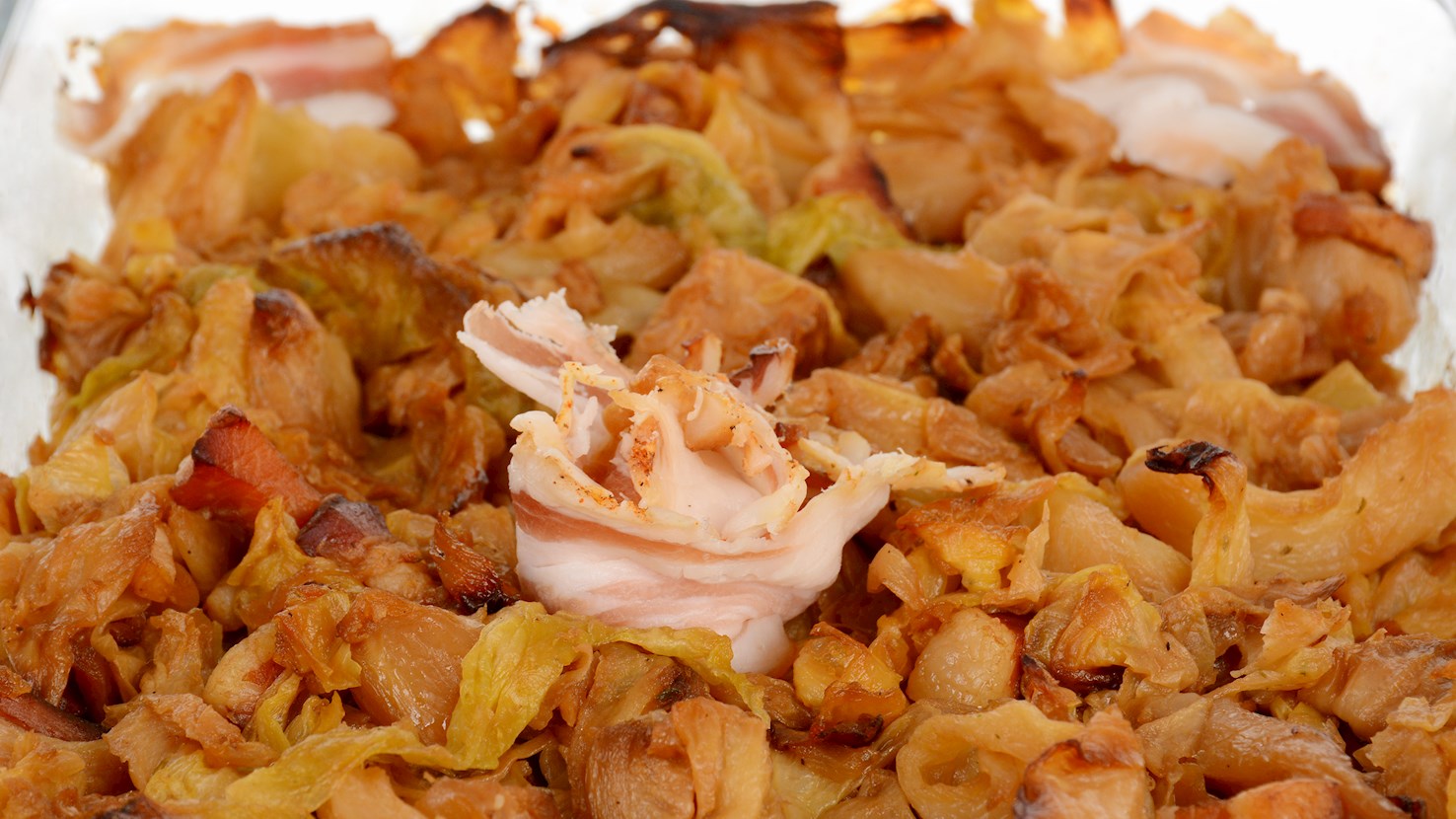
Podvarak is a substantial baked casserole of sauerkraut or fresh cabbage, onions, seasonings, and meat. Pork, smoked ribs, bacon, turkey, chicken, duck, and goose are all established choices. The defining feature is prolonged oven roasting, which concentrates the cabbage, renders fat from the meat, and produces browned, lightly crisp edges over a softer, richly seasoned interior. It may be served as a main course or alongside roasted meat. Podvarak is most strongly associated with Serbia but is also found elsewhere across the Balkan Peninsula and the former Yugoslavia, sometimes under the name podvarok. Its exact origin and earliest date are not documented. The claim that it developed directly from Ottoman expansion is therefore too definite. Fermented cabbage and baked combinations of preserved vegetables and meat existed across a much wider part of Europe, and podvarak most likely developed gradually within regional winter food cycles. Before refrigeration, cabbage fermentation provided a dependable way to extend the autumn harvest. Whole heads could be packed tightly into wooden barrels or other large containers, submerged in salted water, and left to ferment for several weeks. Lactic-acid bacteria converted natural cabbage sugars into acid, giving the cabbage its sour flavor and helping preserve it through winter. Whole-head fermentation remains especially characteristic of southeastern and eastern parts of Europe. The availability of fermented cabbage coincided with the winter supply of fresh and smoked meat following the autumn livestock slaughter. Combining sharply acidic cabbage with fatty pork, bacon, smoked ribs, or poultry created a filling meal from ingredients already stored for the colder months. Podvarak became closely associated with winter family gatherings, Christmas meals, patron-saint celebrations, and other religious occasions, although it was also valued as an economical everyday meal. The process usually begins on the stovetop. White or yellow onions are finely chopped and softened in pork lard, rendered bacon fat, or sunflower oil. Garlic is often added near the end so that it releases its aroma without burning. Some versions begin by frying chopped bacon with the onions, allowing its fat and smoky flavor to form the base of the casserole. Sauerkraut is drained and cut into thin ribbons if whole fermented leaves or heads are being used. Rinsing is optional rather than compulsory. Very salty or aggressively sour cabbage can be rinsed briefly in cold water and squeezed dry, while milder sauerkraut is often used without rinsing so that it retains more acidity. The cabbage is added to the hot fat and fried with the onions until it softens and loses part of its moisture. This stage keeps the final casserole from becoming watery and helps the cabbage absorb the flavor of the fat and seasonings. Ground sweet paprika is common, while smoked or hot paprika can deepen the color and add heat. Black pepper and bay leaves are standard additions. Garlic, dried chili, tomato paste, or a small quantity of stock may also appear. The softened cabbage is transferred to a deep clay pot, roasting pan, enamel vessel, or heavy glass baking dish. Clay holds heat particularly well and allows the cabbage to soften gradually while the exposed surface browns. A sač, with hot embers placed above and below its domed lid, can also be used and gives the casserole a more pronounced roasted character. Meat is arranged over, beneath, or partly buried in the cabbage. Thick smoked pork ribs, pork knuckle, bacon, sausages, roasted pork, chicken, turkey legs, duck, and goose all work well. Smoked turkey is a particularly established alternative to pork, while duck and goose contribute enough rendered fat to saturate the cabbage during roasting. Fish also appears in some meat-free holiday menus where fish is permitted. The casserole is baked until the meat is tender and the cabbage develops a golden-red or brown surface. The time depends on the depth of the vessel, the type and size of the meat, and whether the meat has already been partly roasted. Many versions remain uncovered for most or all of the baking period so that moisture evaporates and the upper cabbage caramelizes. Others begin covered to prevent drying and are uncovered near the end. A little water, stock, cabbage brine, or rendered fat may be added if the mixture becomes dry before the meat is tender. The ideal result has browned, slightly crisp cabbage on top while the lower layers remain soft and moist. A meat-free posni podvarak is made during Orthodox fasting periods. It omits meat, lard, and other animal products, using sunflower oil instead. Extra onions, garlic, black pepper, bay leaves, and paprika provide depth. Smoked paprika can suggest some of the aroma normally supplied by smoked meat, although it is a modern and optional addition rather than a required ingredient. Rice appears in some household variations. A small quantity of short-grain rice can be mixed into the cabbage before baking, where it absorbs moisture, oil, and meat juices. This makes the casserole denser and more substantial, but rice is not part of every version and should not be treated as a defining ingredient. Podvarak can also be made with fresh white cabbage, a form sometimes called podvarak od slatkog kupusa. The fresh cabbage is sliced, softened with onions and fat, seasoned, and then baked with meat. Without fermentation, the finished casserole is sweeter, milder, and less acidic than the sauerkraut version. The baking vessel is often brought directly to the table while the casserole is still very hot. Podvarak can be served with thick slices of crusty white bread, mashed potatoes, boiled potatoes, or kačamak, a coarse cornmeal porridge similar to polenta. These sides absorb the rendered fat and concentrated juices from the cabbage and meat. Pickled green tomatoes, sour cucumbers, fermented peppers, or other pickled vegetables may be served alongside it. Although podvarak is already acidic, these accompaniments add crunch and a fresher sour note. Cold yogurt or another cultured dairy drink can also provide a cooling contrast to the hot cabbage, paprika, and fatty meat, though neither pickles nor yogurt is compulsory. It is said that the dish tastes even better if reheated the next day, and some believe it to be a great hangover cure due to the large amounts of cabbage and garlic.
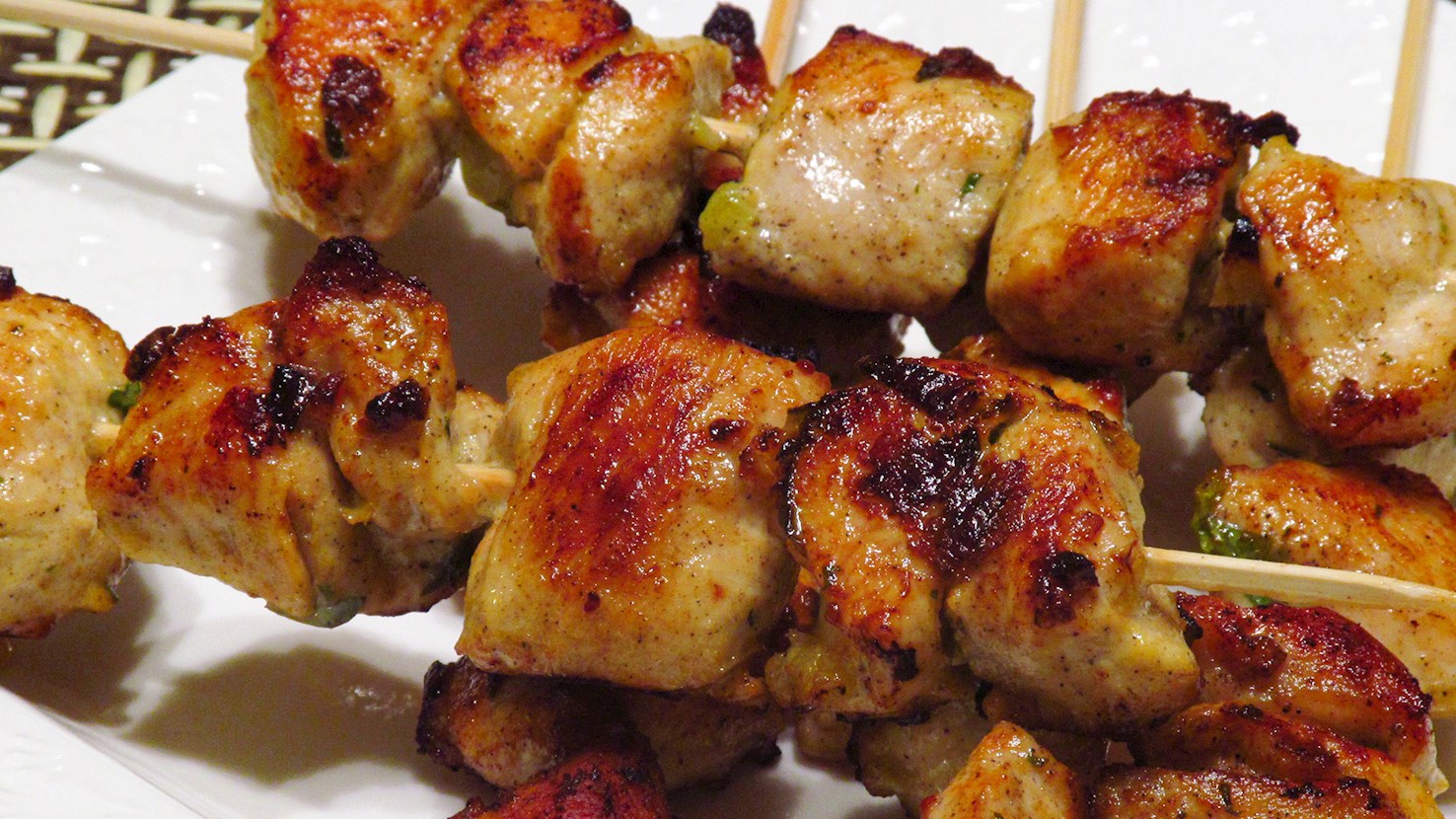
Ražnjići are a popular type of grilled meat skewer from the Balkan region, particularly in countries like Serbia, Croatia, Bosnia and Herzegovina, and Montenegro. The word "ražnjići" translates to "skewers" in English. These skewers typically consist of chunks of marinated meat—commonly pork, chicken, beef, or lamb—that are threaded onto sticks and then grilled. The marinades vary but often include a blend of herbs, spices, garlic, and sometimes vinegar or lemon juice to enhance the flavor of the meat. Ražnjići are a staple at barbecues and family gatherings and are also commonly found at local eateries and street food stalls. They are usually served with sides such as bread, fresh salad, and various condiments.
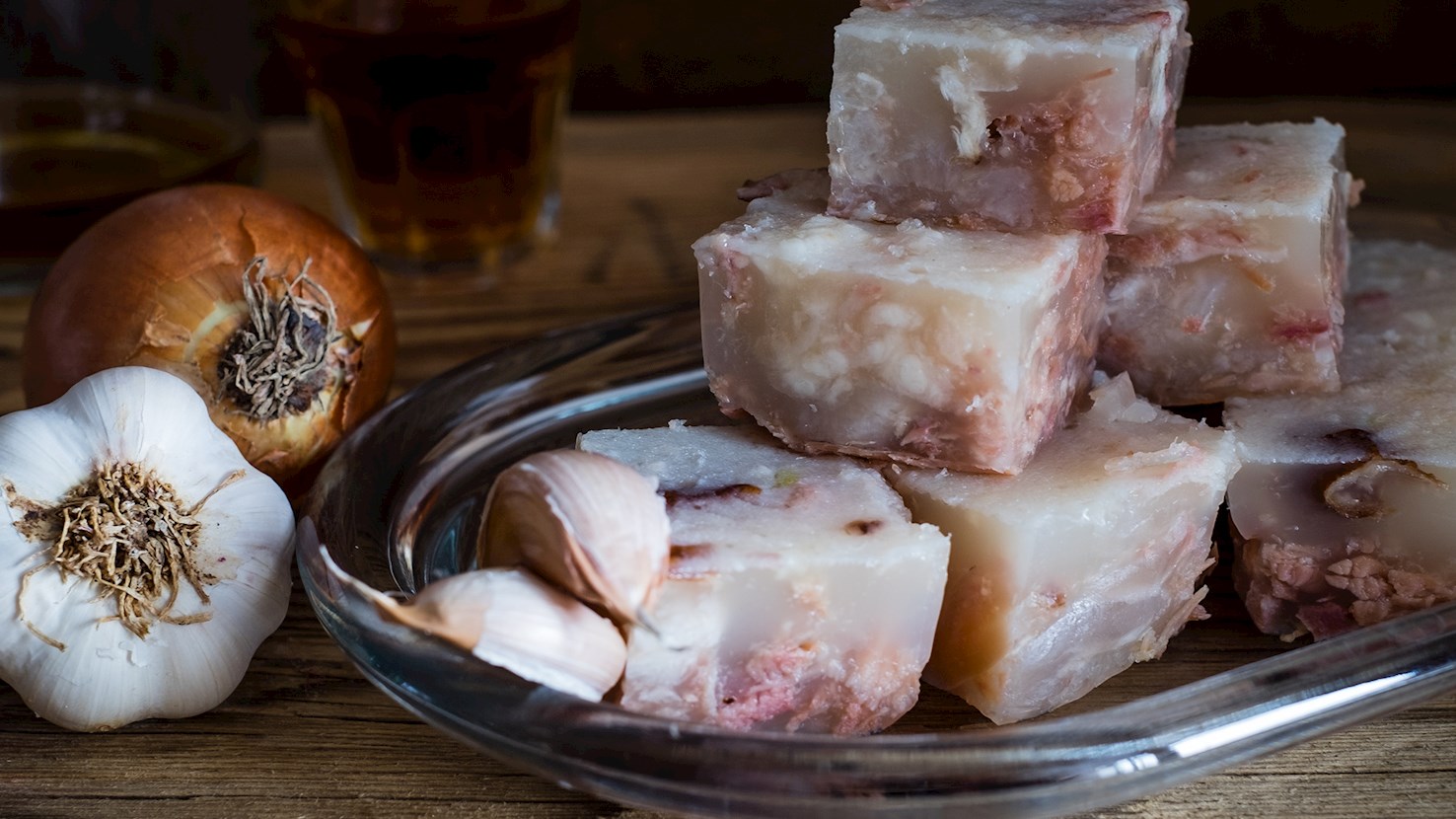
Pihtije is a cold, savory meat jelly made by slowly simmering collagen-rich cuts until the cooking liquid sets naturally when chilled. Pork trotters, hocks, ears, tail, snout, head meat, and skin are commonly used because their connective tissue releases enough gelatin to create a firm structure without commercial gelatin. The finished pihtije has tender pieces of meat suspended in a clear or lightly cloudy jelly, usually seasoned strongly with garlic and served in thick slices or squares. The meat is first cleaned thoroughly. Some methods briefly blanch the pork, discard the first water, and rinse the cuts before beginning the longer simmer. This removes foam and impurities and can produce a clearer finished jelly. The cleaned meat is then placed in a large pot and covered with fresh cold water. Pork trotters and hocks form the most reliable gelatin-rich base, while ears, snout, tail, skin, and sections of the head add further collagen and meat. Leaner pork may be included to create a better balance between jelly and solid pieces. Some versions combine fresh and smoked pork, although smoked meat produces a darker broth and a stronger flavor. Black peppercorns, bay leaves, salt, onion, carrot, celery root, and garlic may be added to the pot. Whole garlic bulbs or cloves can simmer with the meat, but finely chopped or crushed raw garlic is often added after the broth has been strained, giving the finished jelly a much sharper aroma. The contents are brought slowly to a gentle simmer rather than a vigorous boil. Foam and excess fat are removed from the surface as they appear. Strong boiling can make the broth cloudy and break the meat into small particles, while slow heating extracts gelatin more evenly. Depending on the size and type of the cuts, simmering may last from four to eight hours. The meat is ready when it separates easily from the bones and the liquid feels sticky between the fingers. The broth gradually reduces and becomes concentrated, but it does not always need to lose exactly half its original volume. Too much reduction can make the jelly excessively firm and salty. The cooked cuts are removed and allowed to cool enough to handle. All bones, hard cartilage, and unwanted pieces of skin are separated carefully from the edible meat. The meat is then shredded or cut into small pieces and distributed evenly among wide, shallow bowls, enamel pans, or individual molds. The broth is passed through a fine sieve or several layers of cheesecloth to remove peppercorns, bone fragments, cooked aromatics, and small particles. Excess surface fat may be skimmed away for a clearer, lighter result, although a thin layer of fat is sometimes left for flavor. Crushed or finely minced garlic can be stirred into the strained broth or scattered over the meat in each vessel. The hot broth is then poured over the shredded pork until the meat is completely covered. Thin slices of cooked carrot, fresh pepper, parsley leaves, or other decorative ingredients may be arranged in the molds before the broth is added. The filled vessels are cooled briefly and then refrigerated overnight. Pihtije should be chilled rather than frozen. Temperatures below freezing can damage the gel structure and cause the jelly to release water after thawing. When enough natural gelatin has been extracted, the liquid sets into a firm block that can be cut cleanly, sometimes described as being firm enough to “cut like glass.” The technique belongs to the wider family of meat aspics found across Central, Eastern, and Southeastern Europe. Its exact place and date of origin are unknown, so it cannot be assigned solely to the centuries of Ottoman rule in the Balkan Peninsula. Long-simmered meat jellies developed in several regions where collagen-rich slaughter cuts needed to be used efficiently. The word pihtija entered South Slavic languages through the Turkish pıhtı, referring to something coagulated, clotted, or thickened. The Turkish term is itself connected to a Persian word derived from a root meaning cooked. The etymology confirms linguistic influence, but it does not prove that the entire method was introduced from one source during a particular century. Pihtije became closely tied to winter pig slaughter because trotters, head meat, ears, tail, and skin were available at the same time. Cold weather also allowed large bowls of broth to set in unheated storage rooms, cellars, enclosed balconies, or other sheltered outdoor spaces before household refrigeration became common. The purpose was not to preserve the meat for an entire winter, but to use perishable slaughter cuts efficiently and keep the finished jelly cold for a limited period. A well-known seasonal custom in parts of Serbia links pihtije with Krstovdan and Bogojavljenje. The meat jelly may be cooked on January 18, left to set, and eaten on January 19 for Epiphany. Since January 18 is observed as a fasting day, the pork jelly is held until the following feast day. This is a regional holiday custom rather than a universally mandated date, and there is no reliable evidence that nineteenth-century monastery records established January 19 as the original or compulsory day for making pihtije. Pihtije is also associated with winter celebrations, family patron-saint feasts, Christmas gatherings, and other large meals. Its reliance on inexpensive collagen-rich cuts made it practical, while the firm, sliced appearance allowed it to be served as a substantial cold appetizer. Pork is the most characteristic meat, but other versions exist. An older rooster or mature chicken can produce a lighter jelly with a clearer broth and a milder flavor. The bird must contain enough skin, joints, feet, wings, neck, and bones to release sufficient gelatin. Poultry usually needs less time than pork trotters, although an older bird may still require several hours of gentle simmering. Beef shank, joints, tendons, tail, and other connective-tissue-rich cuts can produce a darker and more intensely savory version. Beef broth may have a deeper roasted or mineral character, but it does not necessarily have a pronounced iron flavor. Lamb is also used in some regional forms. Combining several types of meat is possible as long as enough collagen-rich material is included for the broth to set. Bobove pihtije is a separate meat-free version made from dried fava beans. The beans are soaked, boiled until completely tender, and mashed or puréed with garlic, salt, and sometimes pepper. The thick bean mixture is spread in a shallow vessel and left to cool until its starch gives it a firm, sliceable texture. Unlike meat pihtije, the fava-bean version is opaque and creamy rather than translucent and gelatinous. It is often finished with ground paprika bloomed in hot oil and may include additional garlic. Bobove pihtije is especially associated with meat-free patron-saint feasts and Orthodox fasting periods, when meat, dairy products, and eggs are excluded. Once fully set, meat pihtije is never reheated before serving because warmth causes the natural gelatin to soften and eventually return to liquid. A sharp knife is used to cut the jelly directly inside its pan, usually into thick squares, rectangles, or wedges. Individual molds may instead be inverted onto plates. Ground sweet or hot paprika is commonly scattered over the surface, adding color and mild pepper flavor. Finely minced raw garlic may also be added, although pihtije is often already strongly seasoned with garlic inside the jelly. Black pepper, chopped parsley, or hot ground pepper are other possible finishes. The cold meat jelly is commonly accompanied by sharp, acidic foods that balance its richness. Sauerkraut, fermented cabbage leaves, pickled green tomatoes, sour cucumbers, peppers, cauliflower, carrots, onions, and other forms of turšija all work well. Horseradish, mustard, vinegar, or raw onion may provide an additional pungent contrast. A small glass of rakija, especially plum brandy, is a frequent accompaniment at winter tables and celebrations. Its strength and fruit aroma contrast with the cold pork, garlic, and gelatin, although it is an optional pairing rather than a required part of serving pihtije.
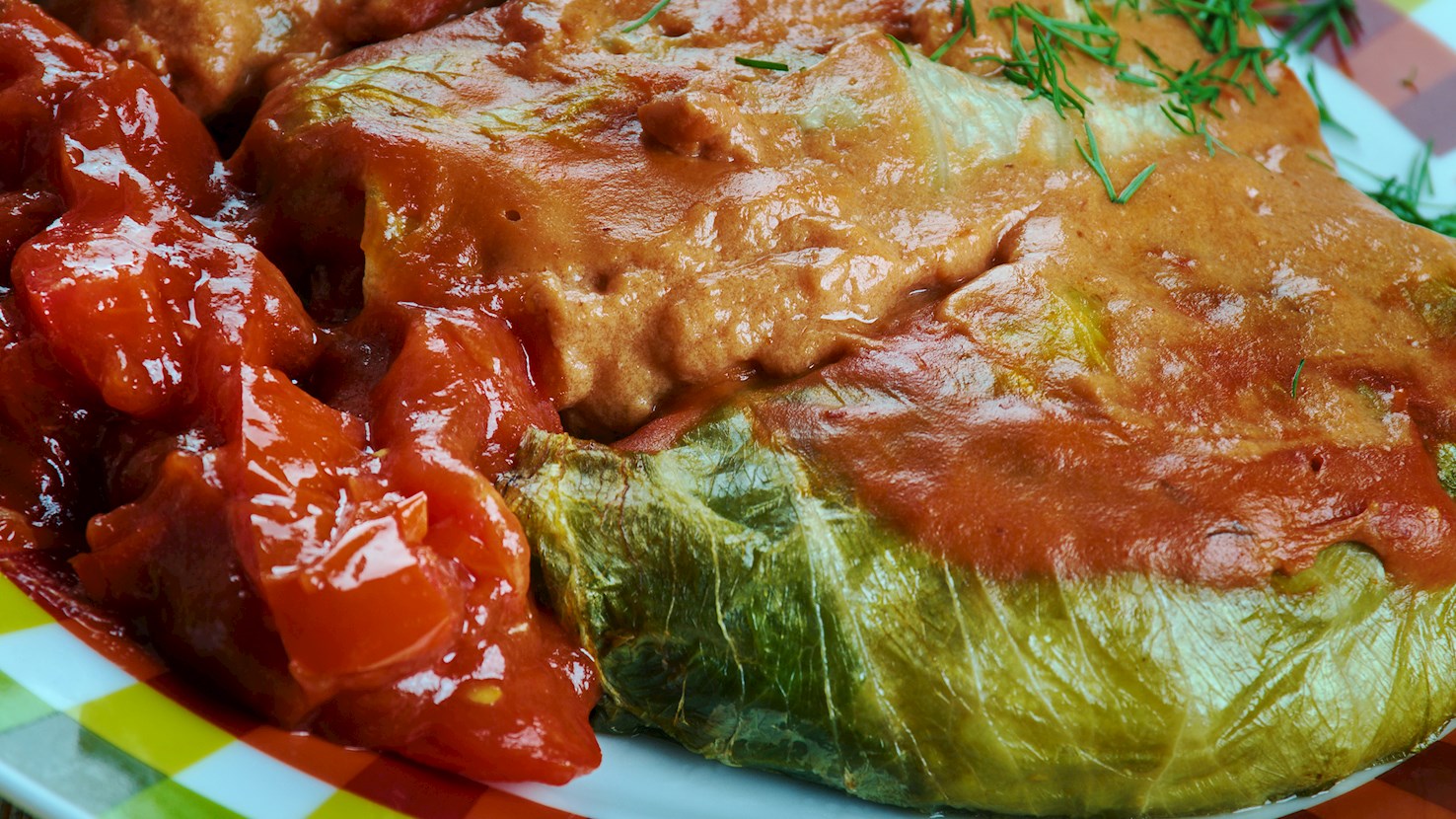
Futoška sarma is a traditional type of sarma originating from Futog in Vojvodina, hence the name. The dish is made with a combination of local Futog cabbage, pork, rice, onions, eggs, garlic, paprika powder, bacon, sausages, and dried meat. The cabbage leaves are stuffed with a mix of ground meat, garlic, rice, onions, and spices. Once assembled, the sarma is cooked for a long time with dried meat, bacon, and sausages. Near the end of cooking, a combination of flour, oil, garlic, and paprika known as zaprška is added to the dish for a better flavor and a thicker texture of the sauce. Locals claim that this type of sarma is unique becuase it's prepared with the local cabbage, which has a better flavor and is more tender than other cabbage varieties in the region.
TasteAtlas food rankings are based on the ratings of the TasteAtlas audience, with a series of mechanisms that recognize real users and that ignore bot,
nationalist or local patriotic ratings, and give additional value to the ratings of users that the system recognizes as knowledgeable.
For the “Top 12 Serbian Meat Dishes” list until August 15, 2026, 2,119 ratings were recorded, of which 1,129 were recognized by the system as legitimate.
TasteAtlas Rankings should not be seen as the final global conclusion about food. Their purpose is to promote excellent local foods,
instill pride in traditional dishes, and arouse curiosity about dishes you haven’t tried.




What People Say