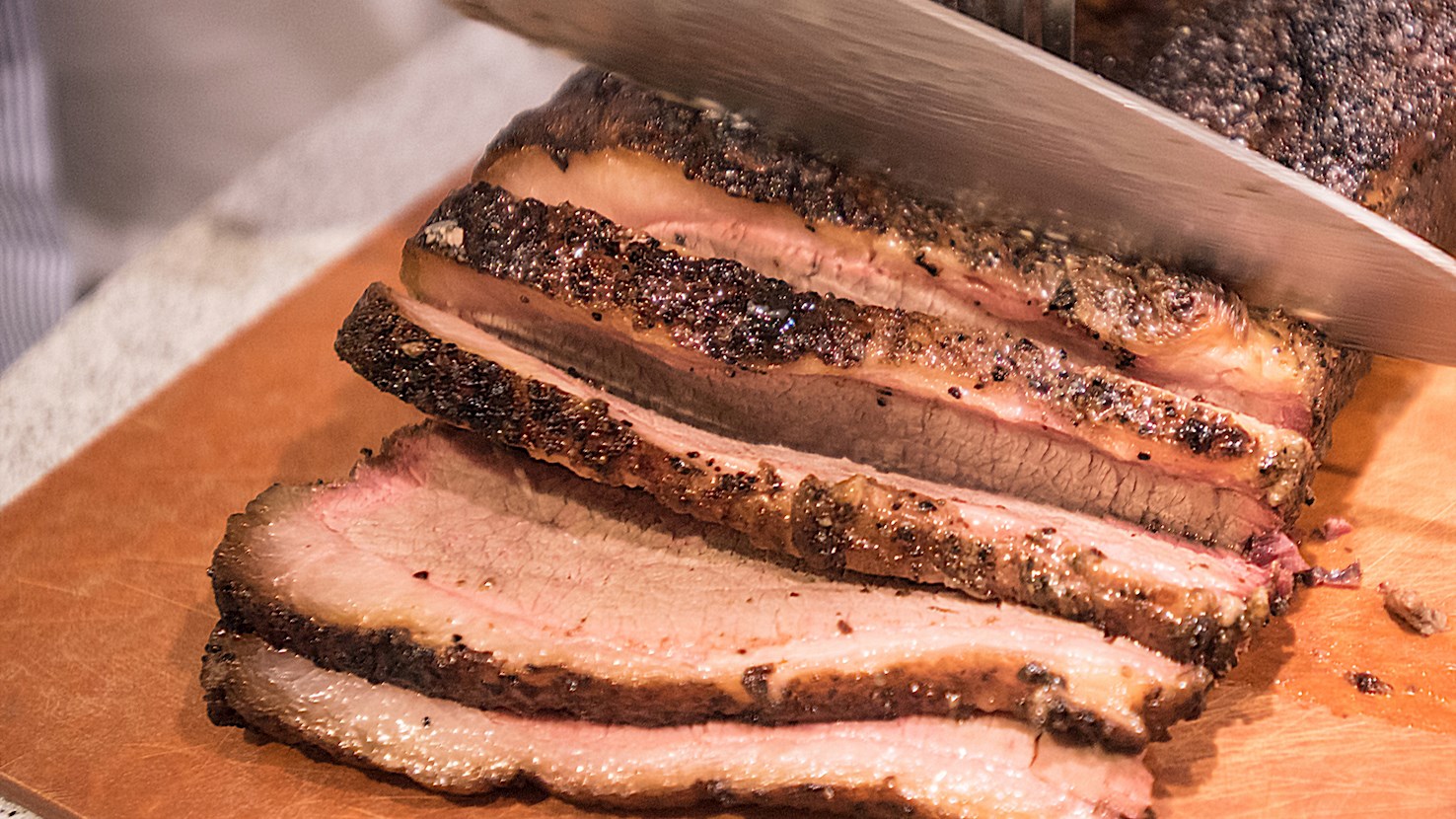
Central Texas-style barbecue originated in the Czech and German meat markets in the late 19th century. This barbecue style is typically associated with cooking brisket (the fattier portion is called point, while the leaner portion is called flat) low and slow, usually over post oak fire. The meat is seasoned with salt, pepper, and maybe a bit of cayenne or garlic powder. It is then cooked in offset smokers, while the heat and smoke from the fire go across the meat, adding an irresistible smoky flavor to the brisket (although shoulder clod, chuck short ribs, and larger short ribs are also popular). The meat is carved in front of the customer, and it is traditionally served on butcher paper (as an homage to the meat markets of yore), most often without any type of barbecue sauce on the side.
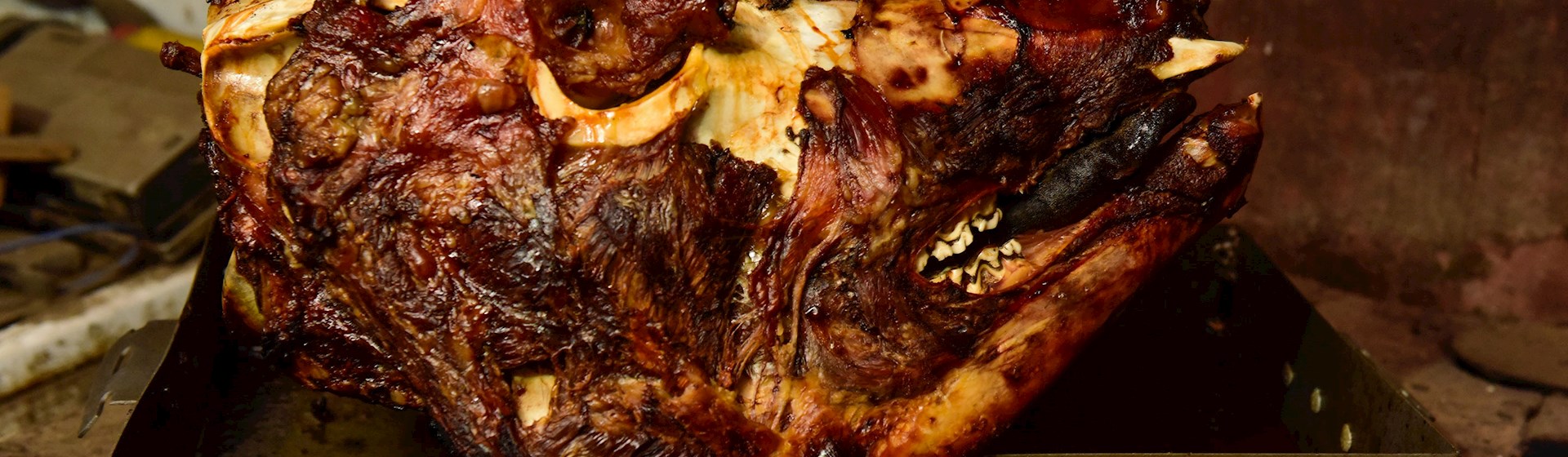
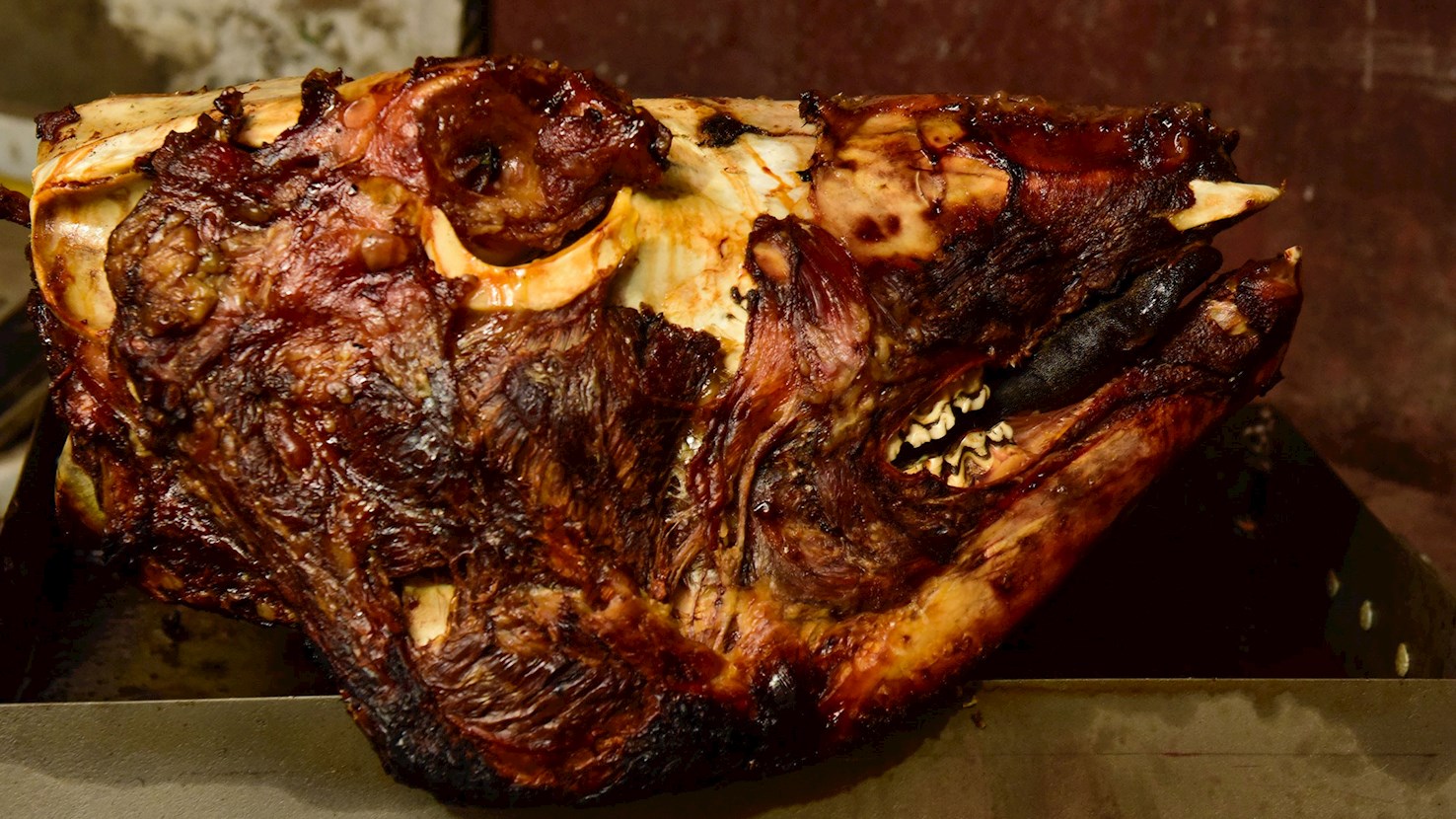
South Texas-style barbecue is an American regional barbecue style in which it's all about barbacoa and cow heads – they are cooked in a pit lined with stones or bricks, and then a mesquite fire is started in the bottom of the pit. Agave leaves are placed on top of the coals, and the heads (or other meat) are placed on top of it, while the leaves are folded over before the lid is placed over the pit. The resulting meat is so tender that it falls off the bone (or off the skull), and it is then served by the pound with sided such as onions, tortillas, cilantro, and various salsas. This barbecue style also uses cabrito – young goats that are spit-roasted or cooked over coals.
Texas-style barbecue is an American barbecue style that can be divided into 4 separate subcategories: Central Texas, East Texas, South Texas, and West Texas barbecue.
The best-known variety is the Central Texas-style that originated in the Czech and German meat markets in the late 19th century. This barbecue style is typically associated with cooking brisket (the fattier portion is called point, while the leaner portion is called flat) low and slow, usually over post oak fire. The meat is seasoned with salt, pepper, and maybe a bit of cayenne or garlic powder. It is then cooked in offset smokers, while the heat and smoke from the fire go across the meat, adding an irresistible smoky flavor to the brisket (although shoulder clod, chuck short ribs, and larger short ribs are also popular). The meat is carved in front of the customer, and it is traditionally served on butcher paper (as an homage to the meat markets of yore), most often without any type of barbecue sauce on the side.
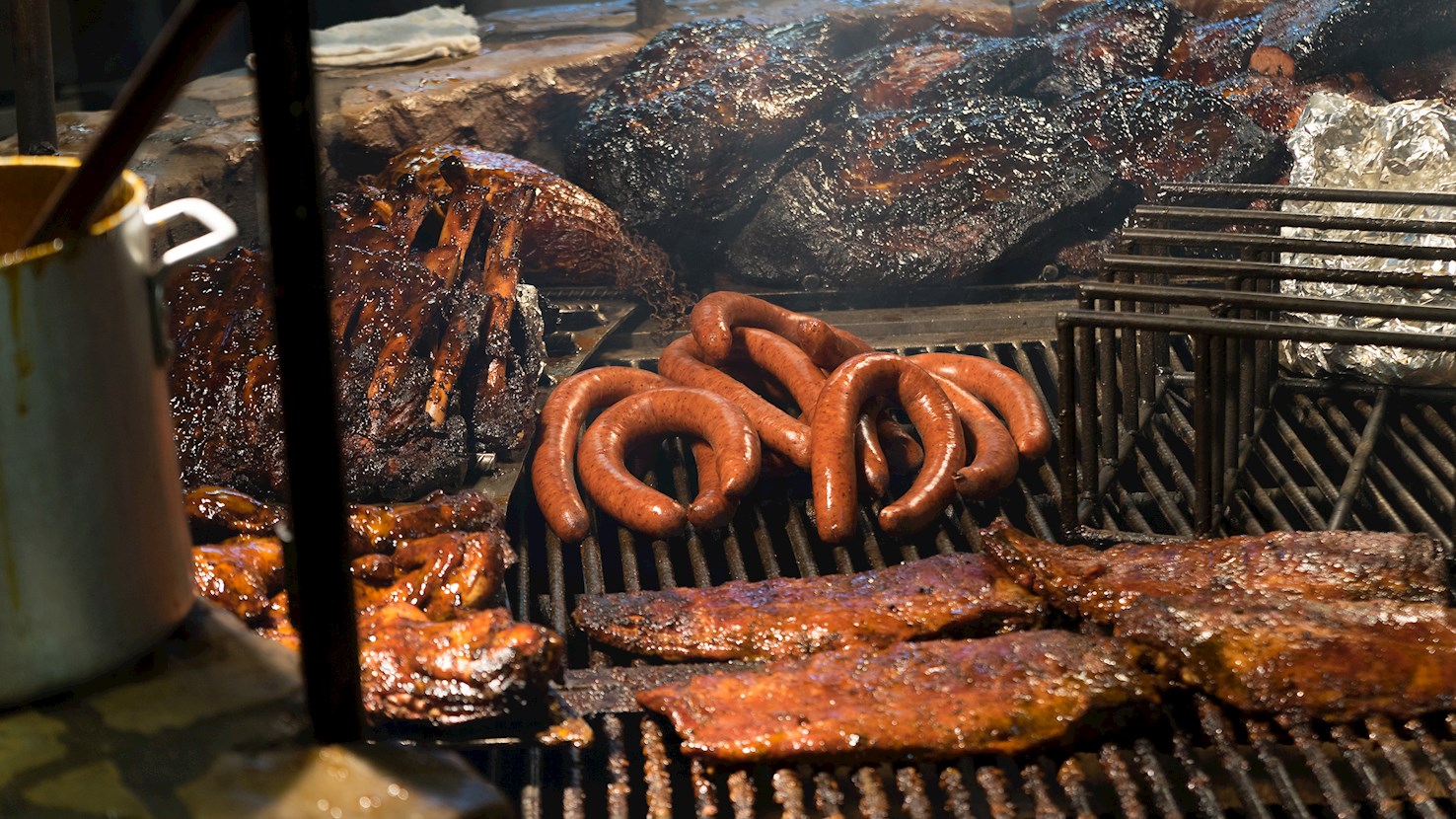
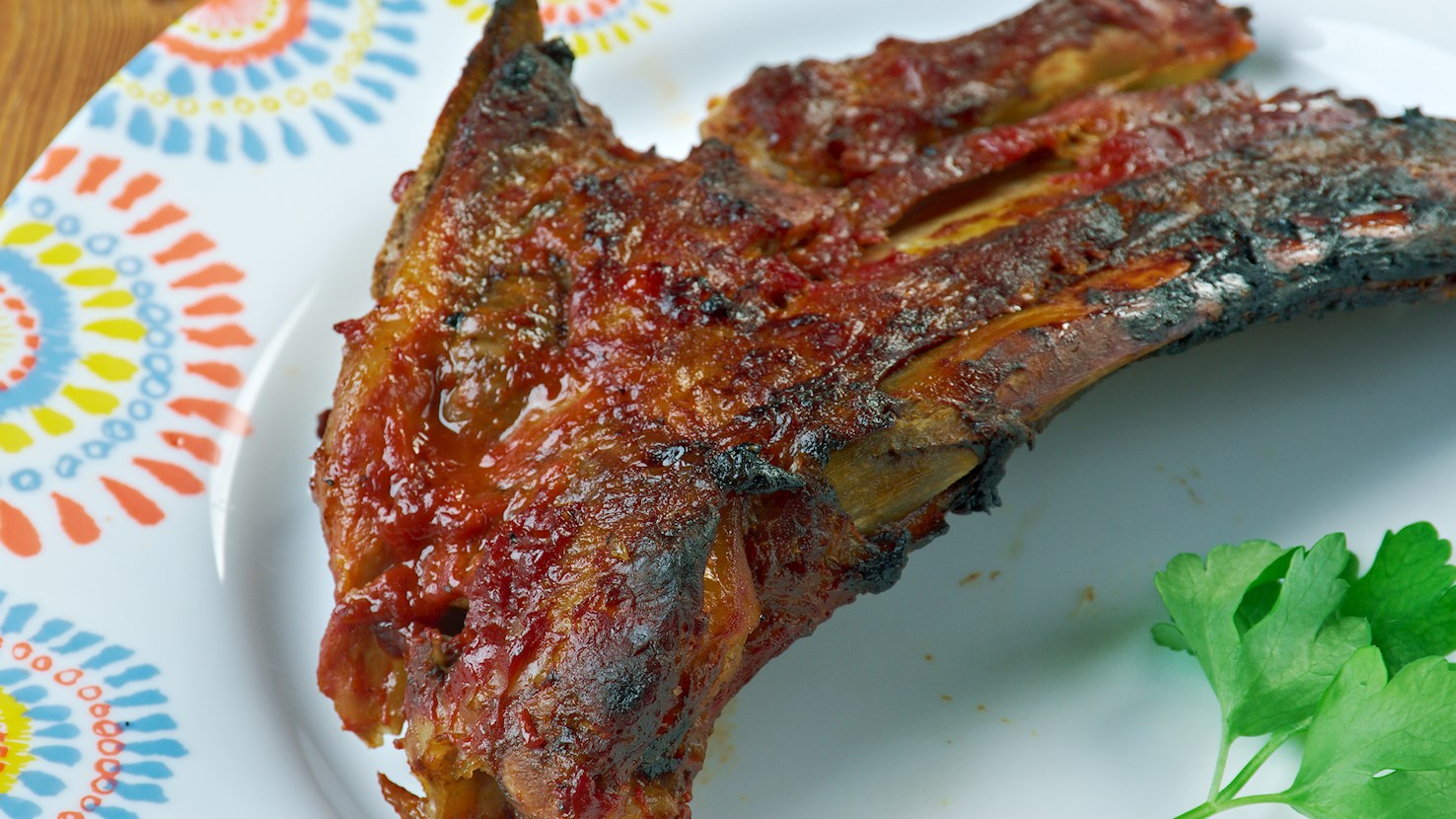
The East Texas-style is characterized by the acceptance of pork and an emphasis on barbecue sauce. Pork ribs and smoked boudin are staples of East Texas-style barbecue, and the sides include some interesting things such as greens, fried okra, and banana pudding.
In South Texas, it's all about barbacoa and cow heads – they are cooked in a pit lined with stones or bricks, and then a mesquite fire is started in the bottom of the pit. Agave leaves are placed on top of the coals, and the heads (or other meat) are placed on top of it, while the leaves are folded over before the lid is placed over the pit. The resulting meat is so tender that it falls off the bone (or off the skull), and it is then served by the pound with sided such as onions, tortillas, cilantro, and various salsas. This barbecue style also uses cabrito – young goats that are spit-roasted or cooked over coals.
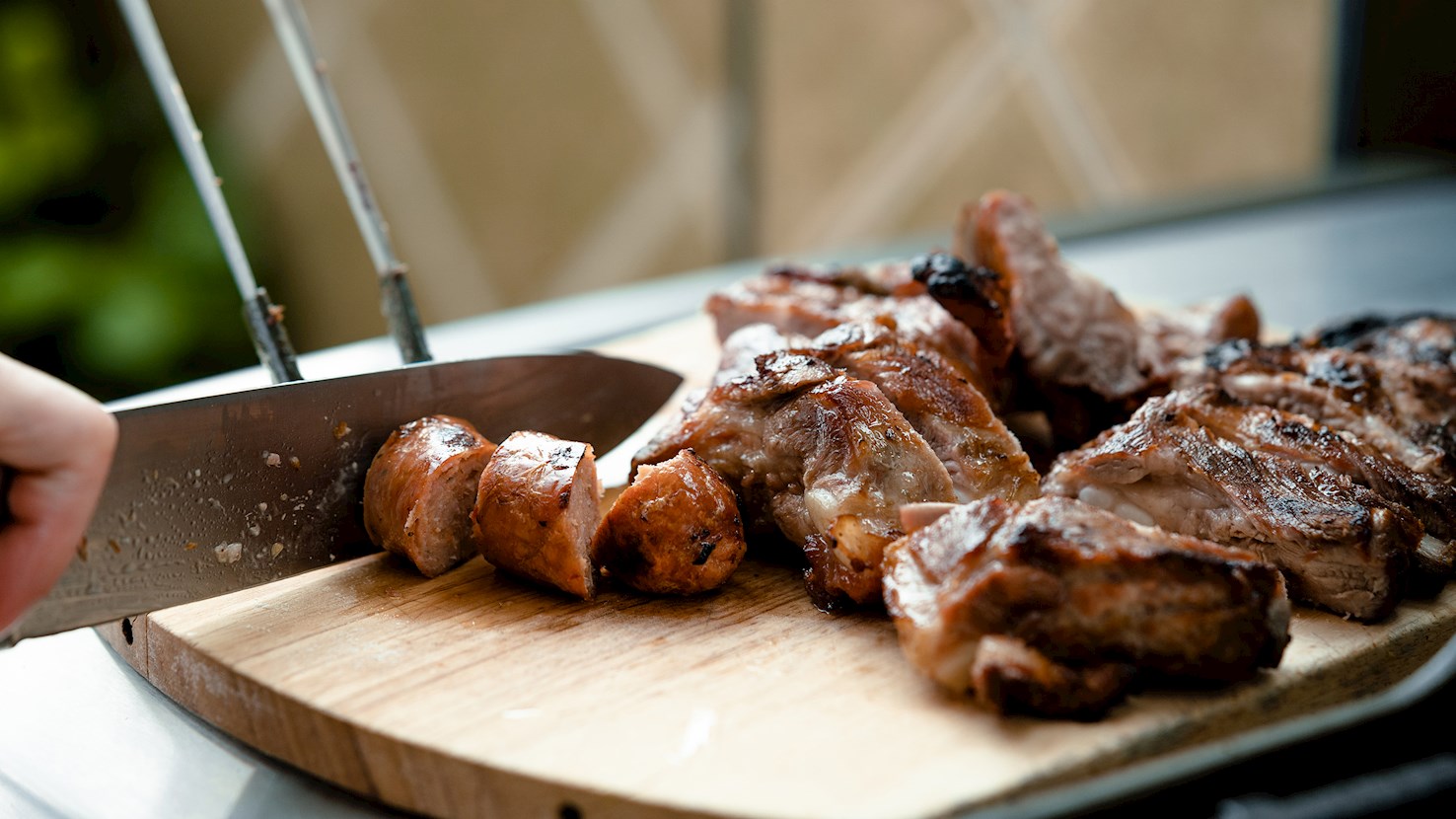
And finally, West Texas barbecue (a.k.a. cowboy style), where the meat is not smoked but cooked directly over mesquite coals. Goat, mutton, chicken, and beef are the most typical types of meat used in this barbecue-style. The cooking time is fast, so thinner meat such as sausage, ribs, and chops are typically more successful with this barbecue method.
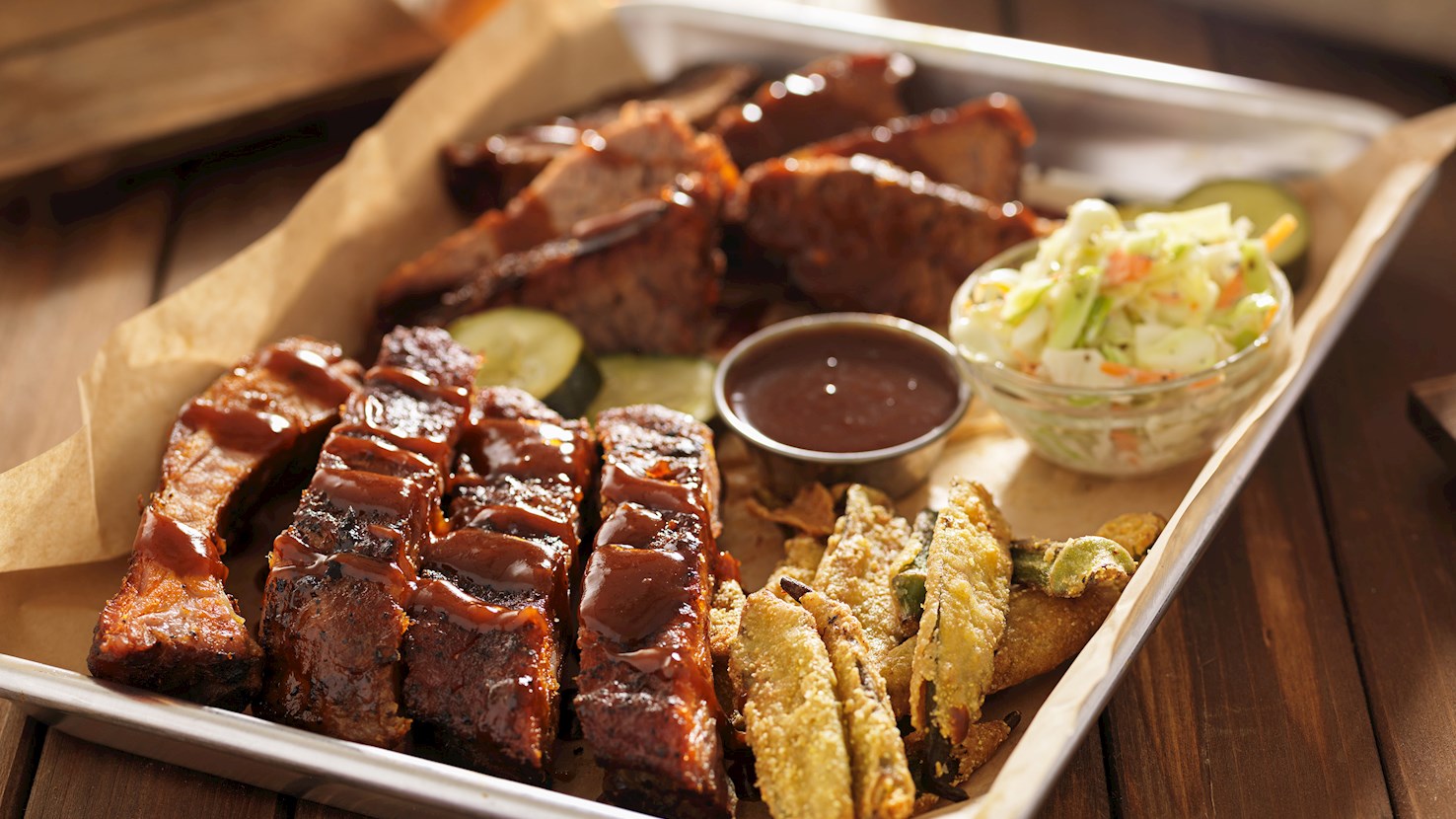
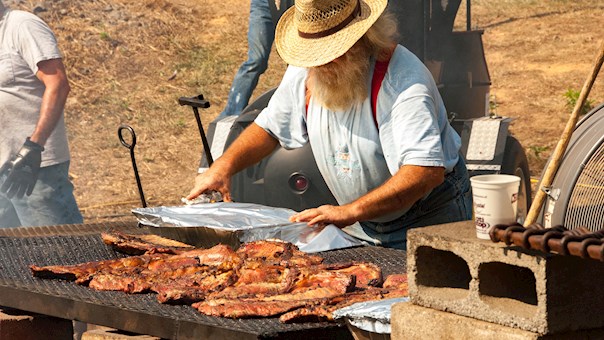
Memphis is also known as the Pork Barbecue Capital of the World. This barbecue style usually employs pork ribs and shoulders, although some restaurants still use chicken or beef. Dry rub ribs are typically seasoned with paprika and salt, giving them a rich red color, while wet ribs are usually brushed with a barbecue sauce. Combined with smoke and heat, the ribs develop a range of complex flavors during the barbecue process. When consumed on its own, the meat is often accompanied by a sauce consisting of slightly sweet vinegar and tomatoes, but pork can also sometimes get chopped and inserted into buns with mustard, vinegar, and coleslaw.
West Texas barbecue (a.k.a. cowboy-style) is a type of American regional barbecue style in which the meat is not smoked, but cooked directly over mesquite coals instead. Goat, mutton, chicken, and beef are the most typical types of meat used in this barbecue-style. The cooking time is fast, so thinner meat such as sausage, ribs, and chops are typically more successful with this barbecue method.
North Carolina barbecue can be split into two halves – in the east, they use the whole hog, while in the west, also known as Lexington-style barbecue, smokes only the pork shoulder. Eastern barbecue is usually chopped with a vinegar-and-spices-based sauce, while Lexington-style is typically used for sandwiches with a tomato-based sauce. This is probably the oldest type of American barbecue, and the wood used for it is often hickory or oak.
East Texas-style barbecue is an American barbecue style characterized by the acceptance of pork (along with the ever-popular Texas beef) and an emphasis on barbecue sauce. Pork ribs and smoked boudin are staples of East Texas-style barbecue, typically served on a bun, while the sides include some interesting things such as greens, fried okra, and banana pudding.
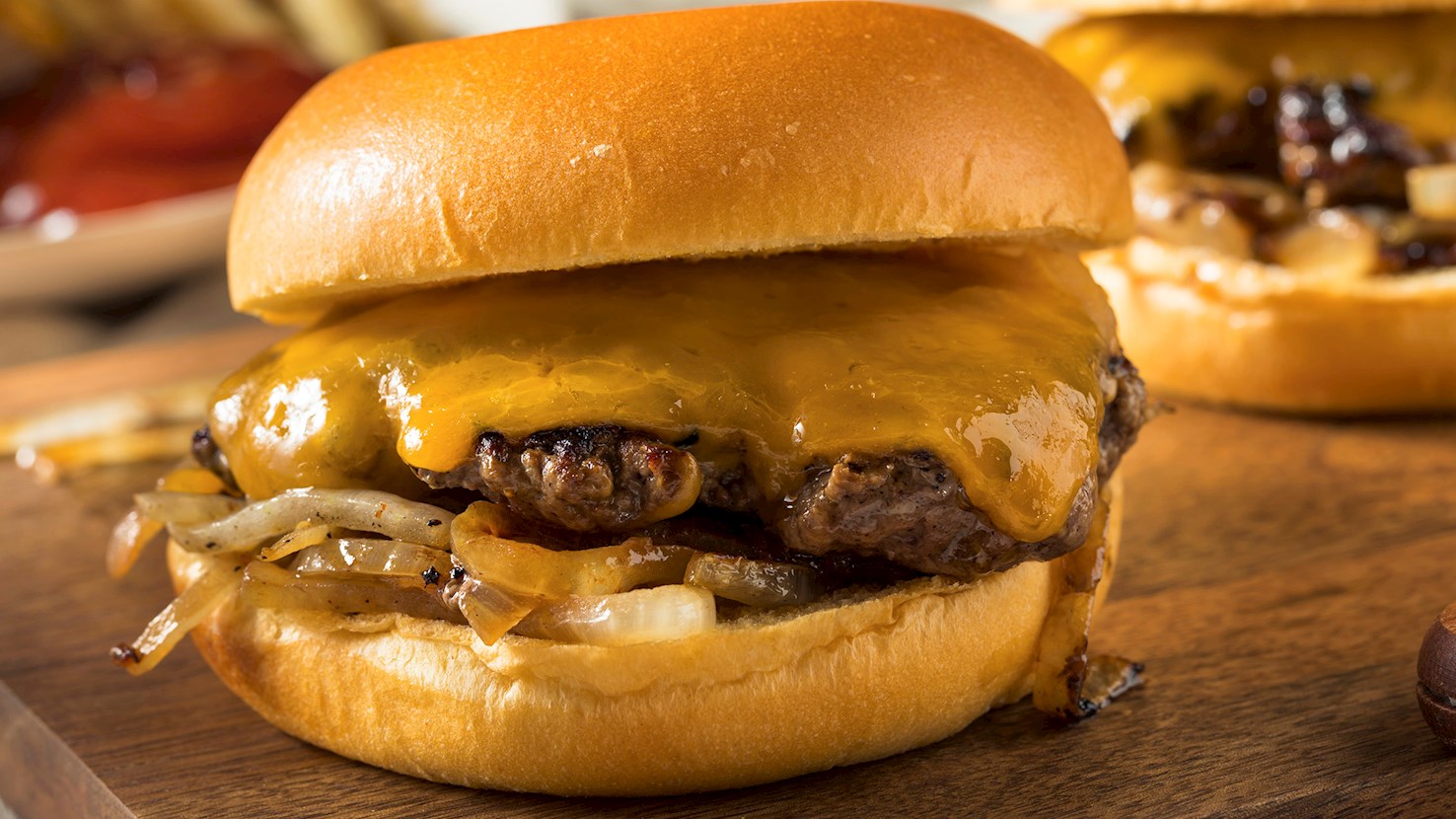
Oklahoma onion burger is prepared by smashing thin slices of onions into a beef patty. The meat and onions cook together until the onions become caramelized and crispy and the meat is fully cooked. The burger usually also contains a slice of American cheese, pickles, and mustard or mayonnaise (or both), all tucked inside soft and fluffy burger buns. It is believed that this burger was invented in the 1920s during the Depression, when onions were very cheap, and meat was expensive, so people started to add onions to the patties by smashing them into the meat with the back of a spatula.
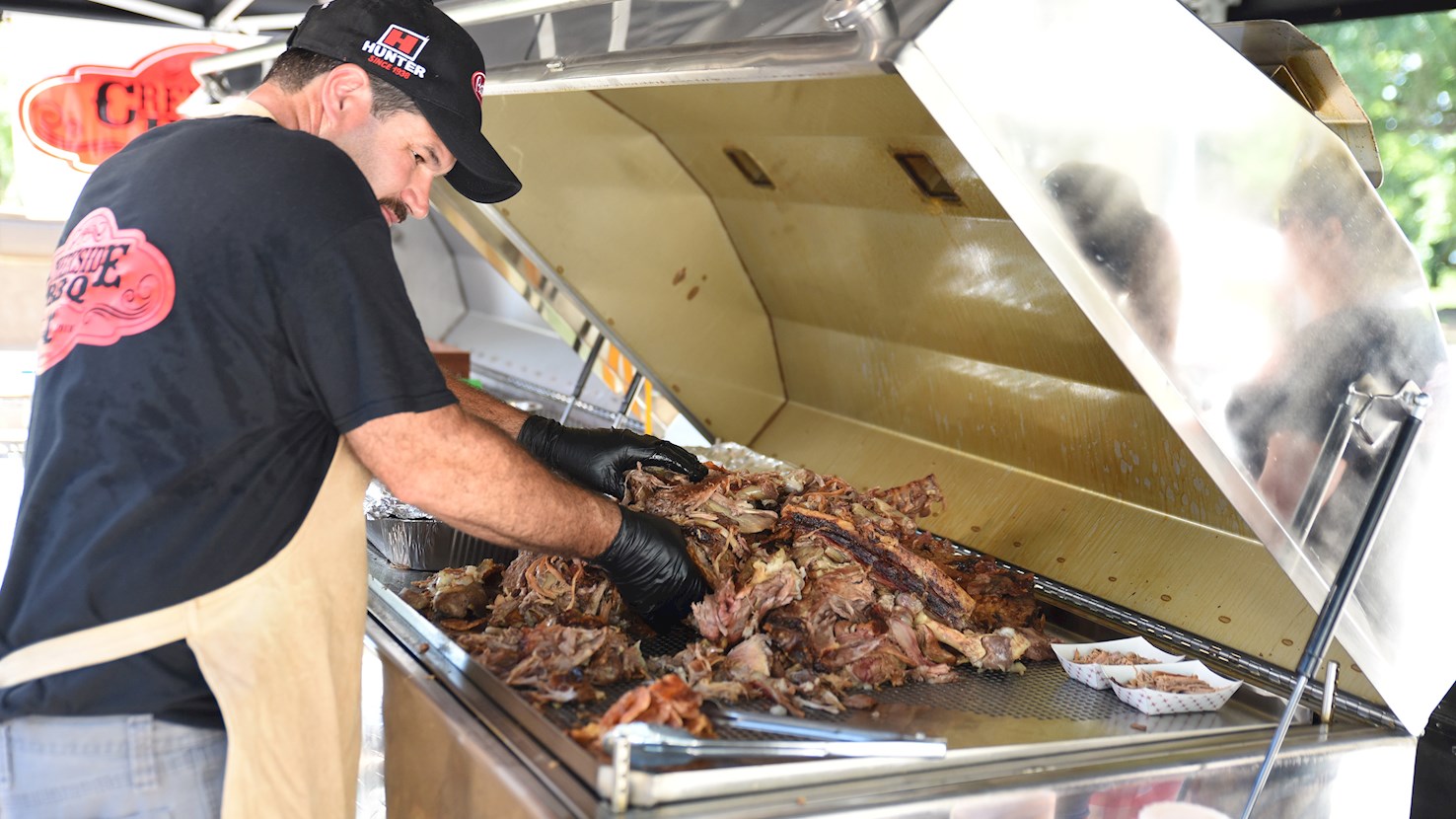
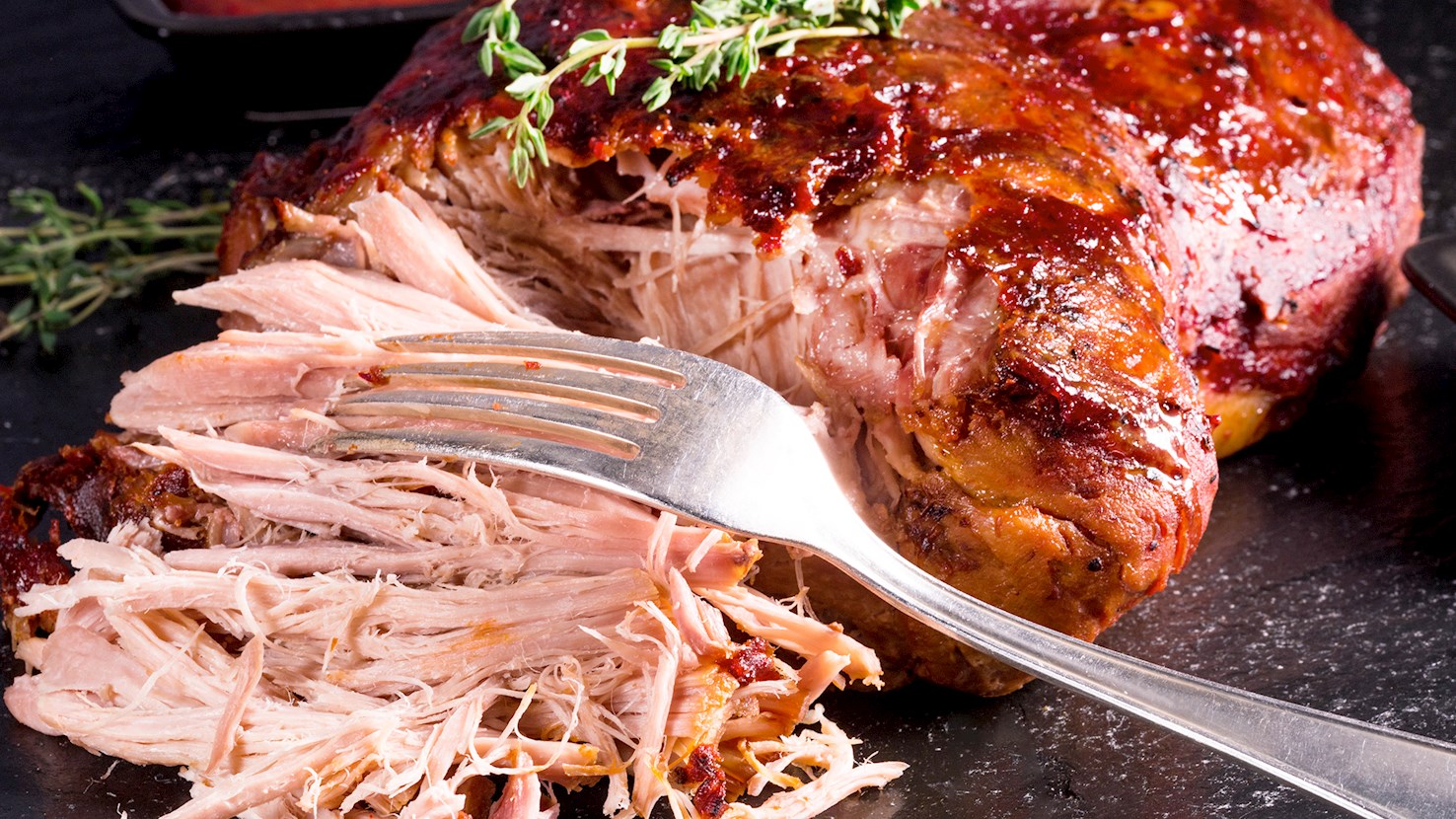
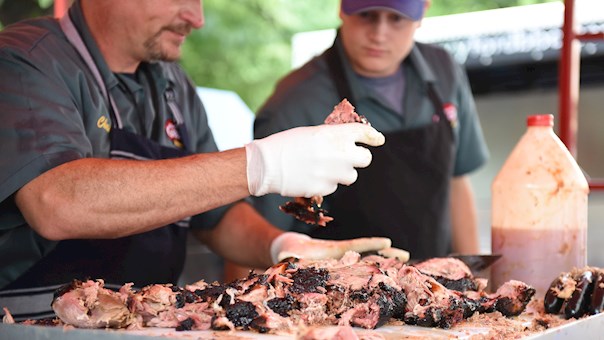
Pulled pork is an American barbecue technique of cooking pork meat slowly over low heat, resulting in tender meat that can easily be pulled into small pieces. It is a specialty that originates from the western part of North Carolina, traditionally using shoulder cuts of pork which are dressed with a vinegar, pepper, and tomato sauce. In the eastern part of the state, the whole pig is cooked and pulled, while the sauce usually doesn't contain tomatoes. Over time, it spread throughout the United States, and pulled pork can be found in many variations, ranging from different cuts of meat and cooking times to marinades and sauces. Today, pulled pork is popular throughout the world and is mostly used in a variety of sandwiches, accompanied by fries, baked beans, and tangy sauces.
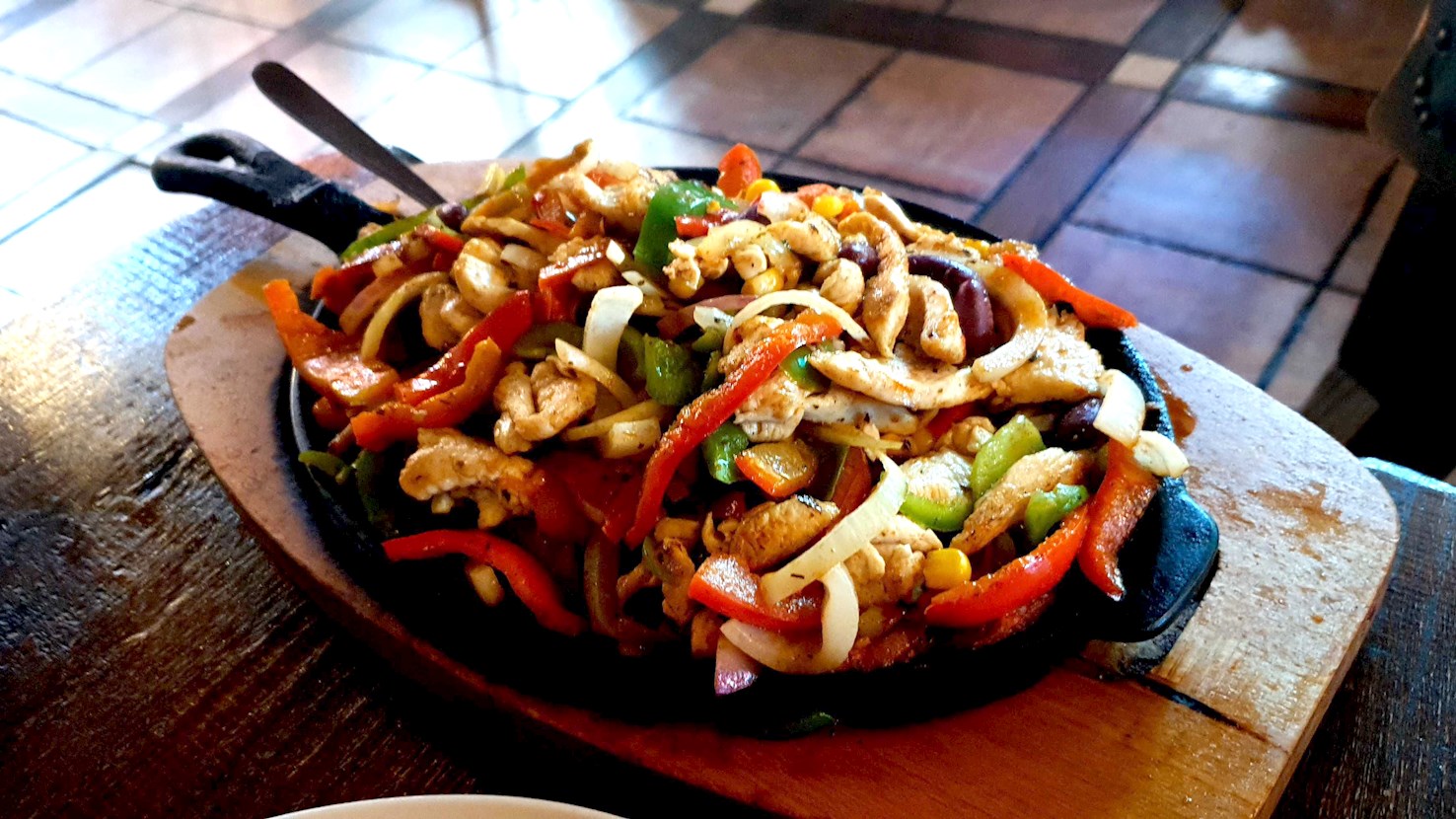
Fajitas is a popular Tex-Mex dish made from marinated, grilled skirt steak that is served in a wheat flour tortilla. The earliest printed mention of the word fajita referring to food appeared in 1971, and ten years later it had become one of the most popular dishes of Tex-Mex cuisine. The word fajita is derived from the Spanish faja, meaning girdle or strip, referring to a cheap cut of beef covering the diaphragm that was considered somewhat undesirable by many locals. In the 1930s, Mexican ranch workers used to tenderize the skirt steak by pounding and marinating it in lime juice before cooking it over an open fire and serving the meat in a wheat tortilla along with numerous condiments. Today, fajitas can be filled with grilled chicken, shrimp, and even vegetables, because the more popular the dish became, the less likely it was to be made with skirt steak. Typical condiments include ingredients such as lettuce, sour cream, cheese, tomatoes, or guacamole.
TasteAtlas food rankings are based on the ratings of the TasteAtlas audience, with a series of mechanisms that recognize real users and that ignore bot,
nationalist or local patriotic ratings, and give additional value to the ratings of users that the system recognizes as knowledgeable.
For the “Top 29 Southern American Meat Dishes” list until September 15, 2026, 3,153 ratings were recorded, of which 2,730 were recognized by the system as legitimate.
TasteAtlas Rankings should not be seen as the final global conclusion about food. Their purpose is to promote excellent local foods,
instill pride in traditional dishes, and arouse curiosity about dishes you haven’t tried.



What People Say