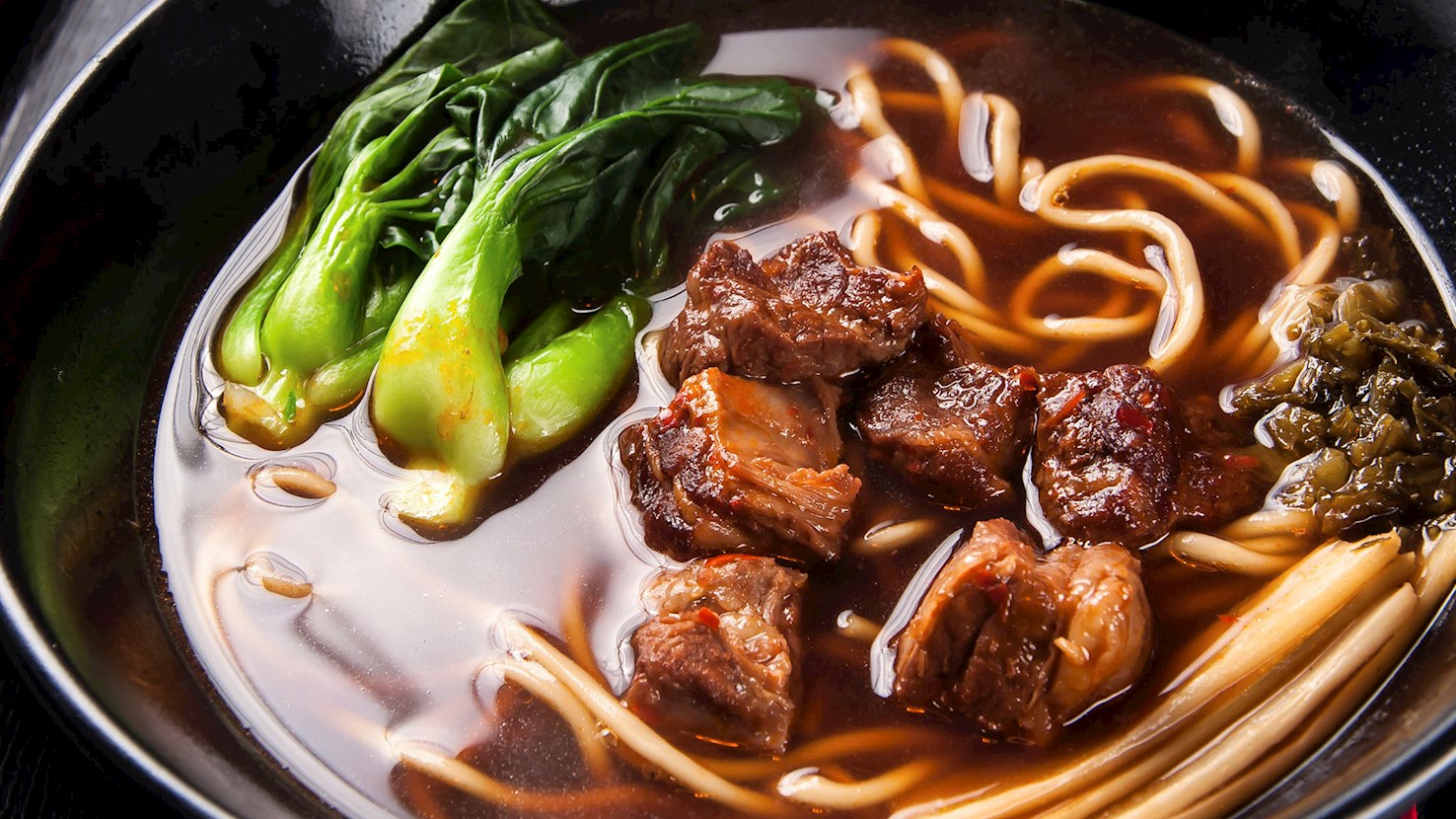
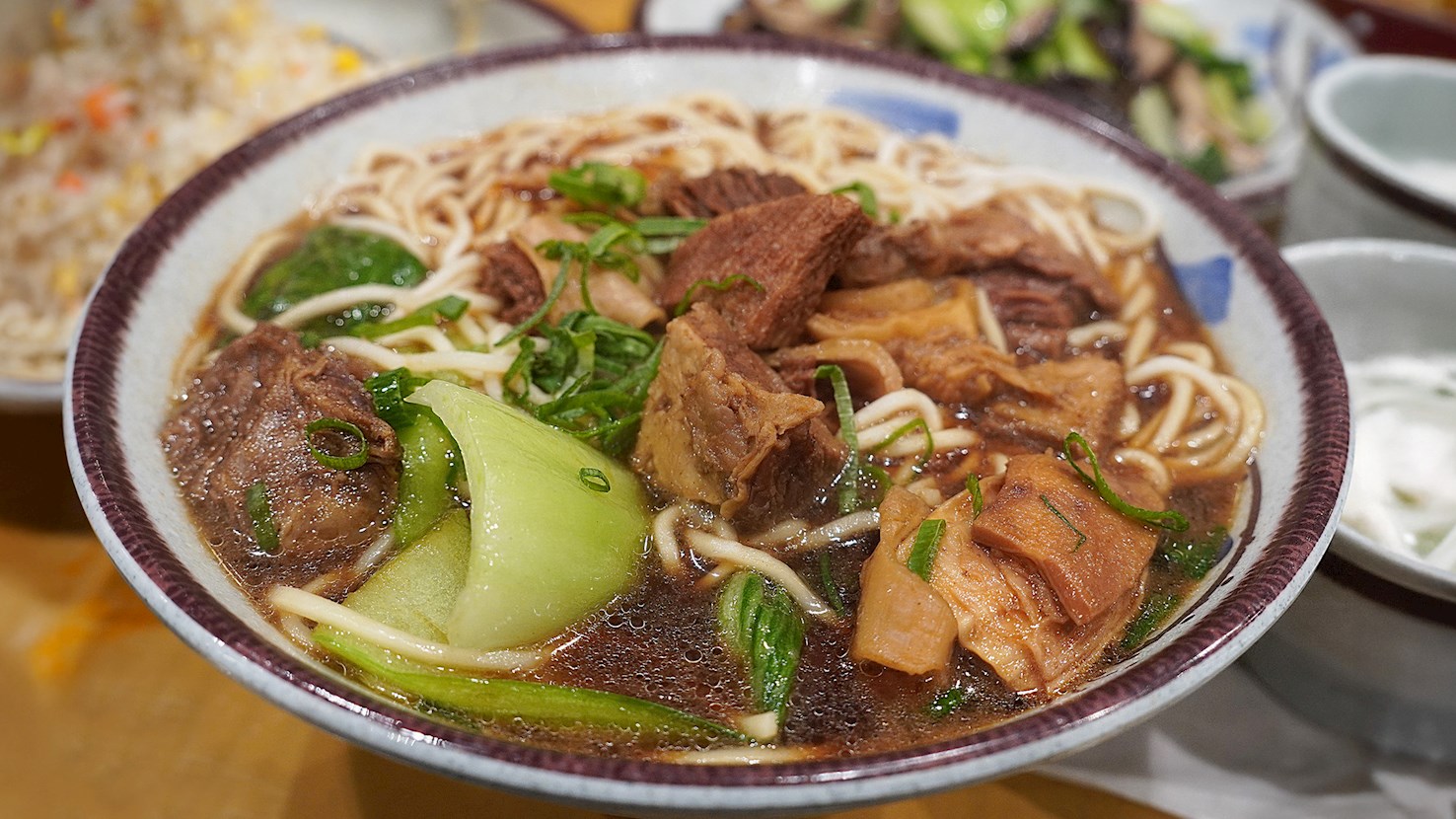
The savory, spicy beef noodle soup is the national dish of Taiwan and the source of immense pride for the locals. The dish is an ideal winter comfort food, typically consisting of beef, broth, vegetables, noodles, and spices. Beef noodle soup has a great Sichuan influence dating back to the 1940s, when China was in civil war and many Chinese people moved to Taiwan, creating this cross-provincial dish and incorporating chili bean sauce and Sichuan peppercorns into it along the way. Variations are endless when making this long-simmering stew, and in Taiwan, there are numerous side dishes to accompany it, such as seaweed and braised dried tofu. Today, there is even an annual Beef Noodle Festival held in Taipei, where various restaurants and cooks compete for the prestigious title of Best Beef Noodle.
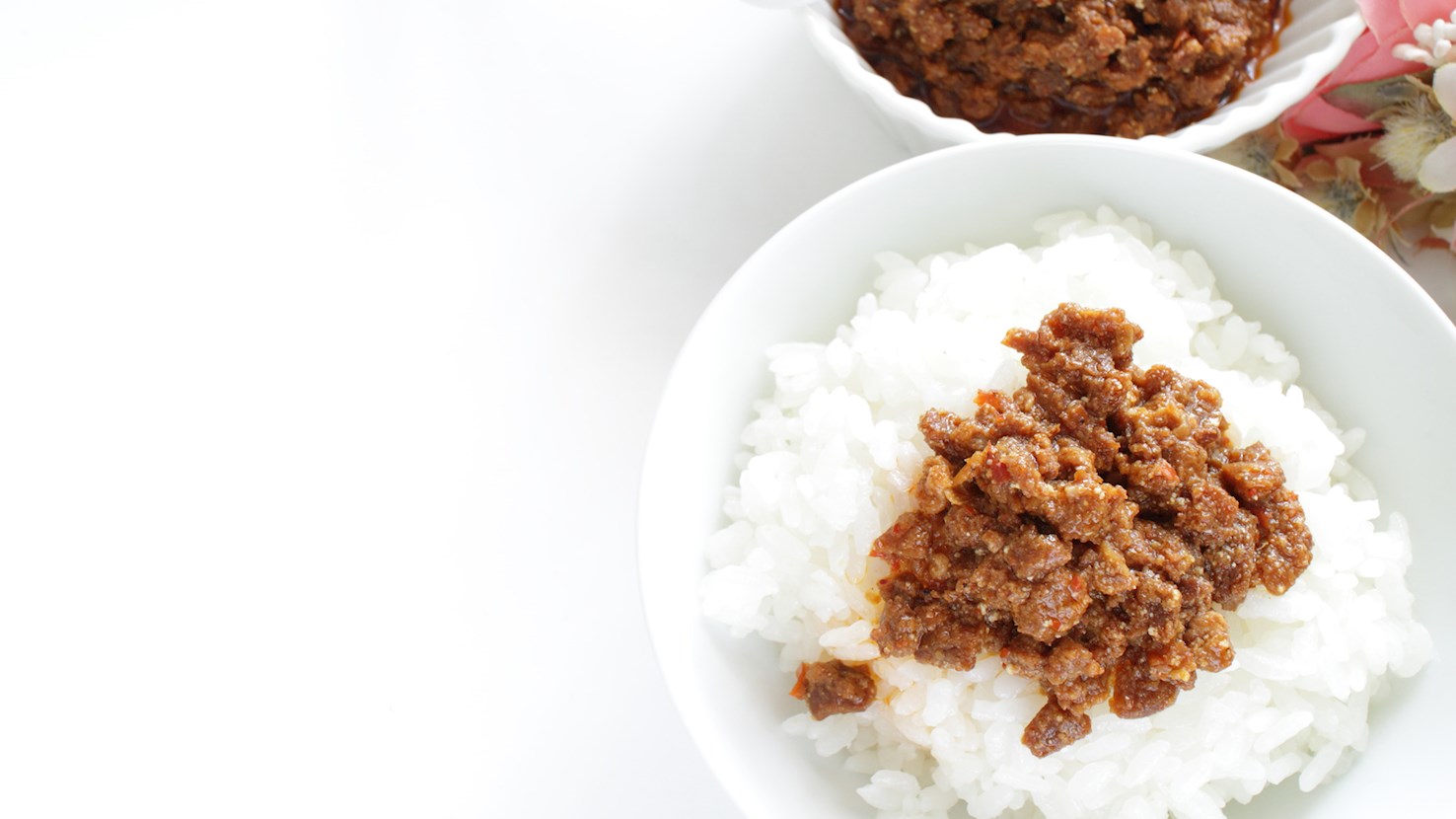
Simple, juicy, and savory lu rou fan is a popular Taiwanese dish consisting of ground pork braised in soy sauce, five-spice powder, and rice wine until it becomes tender and flavorful. It is traditionally served over rice, although some cooks like to replace the rice with noodles. Sometimes, pickled cucumbers or shiitake mushrooms are served alongside the dish. Literally translated, lu rou fan means stewed meat rice, and the dish is sometimes referred to as Taiwanese ragú. In Taiwan, lu rou fan was originally consumed as a nutritious and healthy meal for farming families, but today it can be found almost everywhere, from home kitchens to restaurants and street stalls.
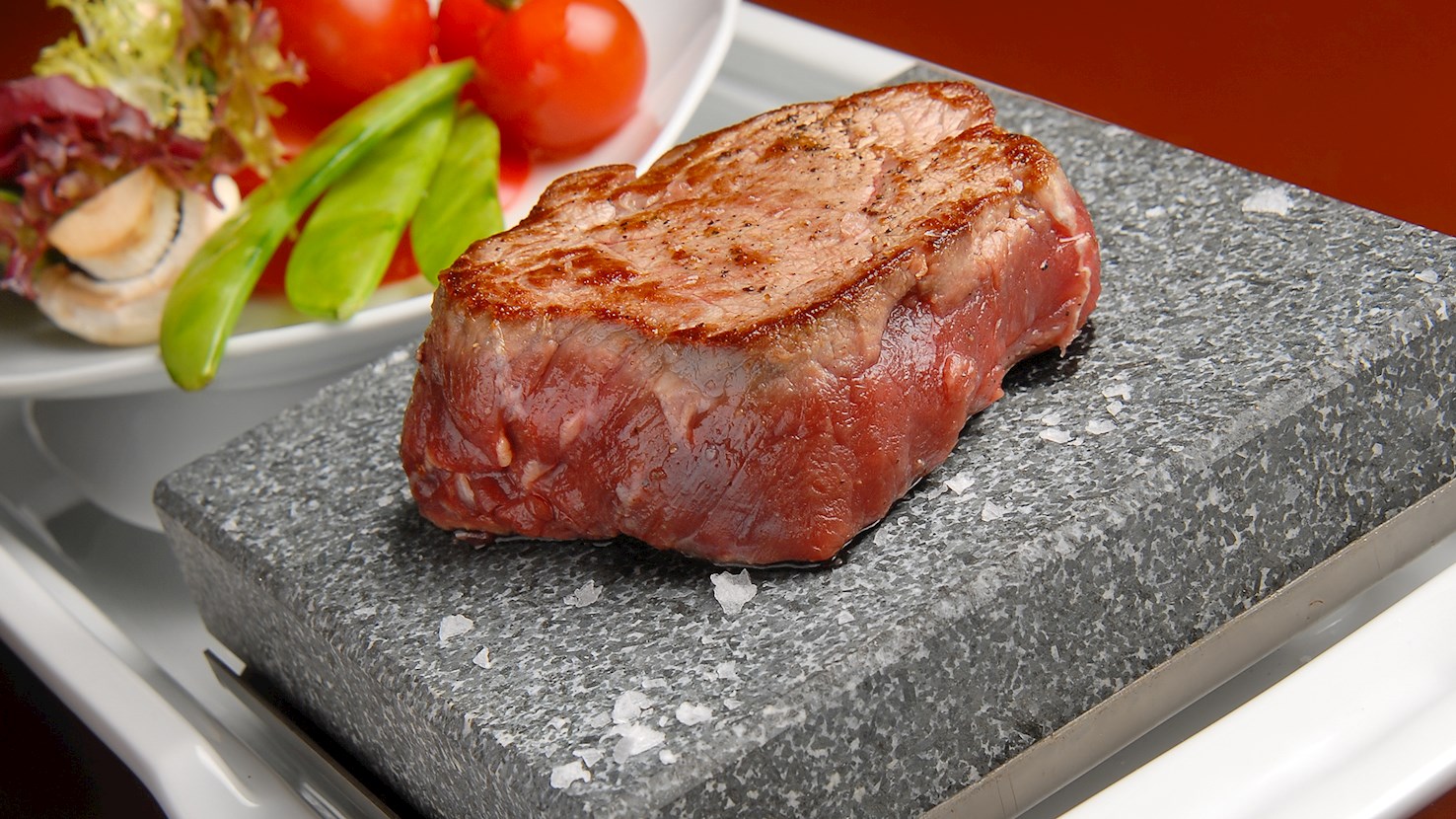
Grilled meat on a stone is a traditional meat specialty prepared in the style of the Atayal nation, one of Taiwan’s indigenous peoples. This delicacy is made with meat that is enhanced with rice wine and then grilled on sizzling hot stones. Typically eaten for lunch, the dish is traditionally accompanied by rice cooked in a bamboo tube.
Mongolian barbecue is a stir-fry dish and cooking style that originated in Taipei in the 1950s. Diners select raw meats, seafood, vegetables, noodles, and sauces, which are then cooked together on a large, round, superheated iron griddle. The chosen ingredients are handed to the cook, who quickly sears and stirs them over intense heat, often using large spatulas in a fast, dramatic motion. The food is ready within minutes, combining the smoky flavor from the griddle with the personalized mix of sauces and seasonings. It is usually served immediately in bowls, sometimes with rice or flatbreads on the side. Mongolian barbecue was invented in Taipei, Taiwan, in 1951 by a man named Wu Zhaonan. Wu was a Chinese comedian and restaurateur from Beijing who fled to Taiwan after the Chinese Civil War. He opened a restaurant in Taipei and came up with the idea of a large, flat iron griddle where various meats and vegetables could be stir-fried quickly in front of guests. He originally wanted to call it "Beijing barbecue", but because the political climate in Taiwan at the time was hostile to Beijing/Communist associations, he chose "Mongolian barbecue" instead. The name sounded exotic, neutral, and marketable — even though the dish has nothing to do with Mongolian food or barbecue in the traditional sense.Today, Mongolian barbecue is popular worldwide, especially in buffet-style restaurants where guests assemble their own combinations.
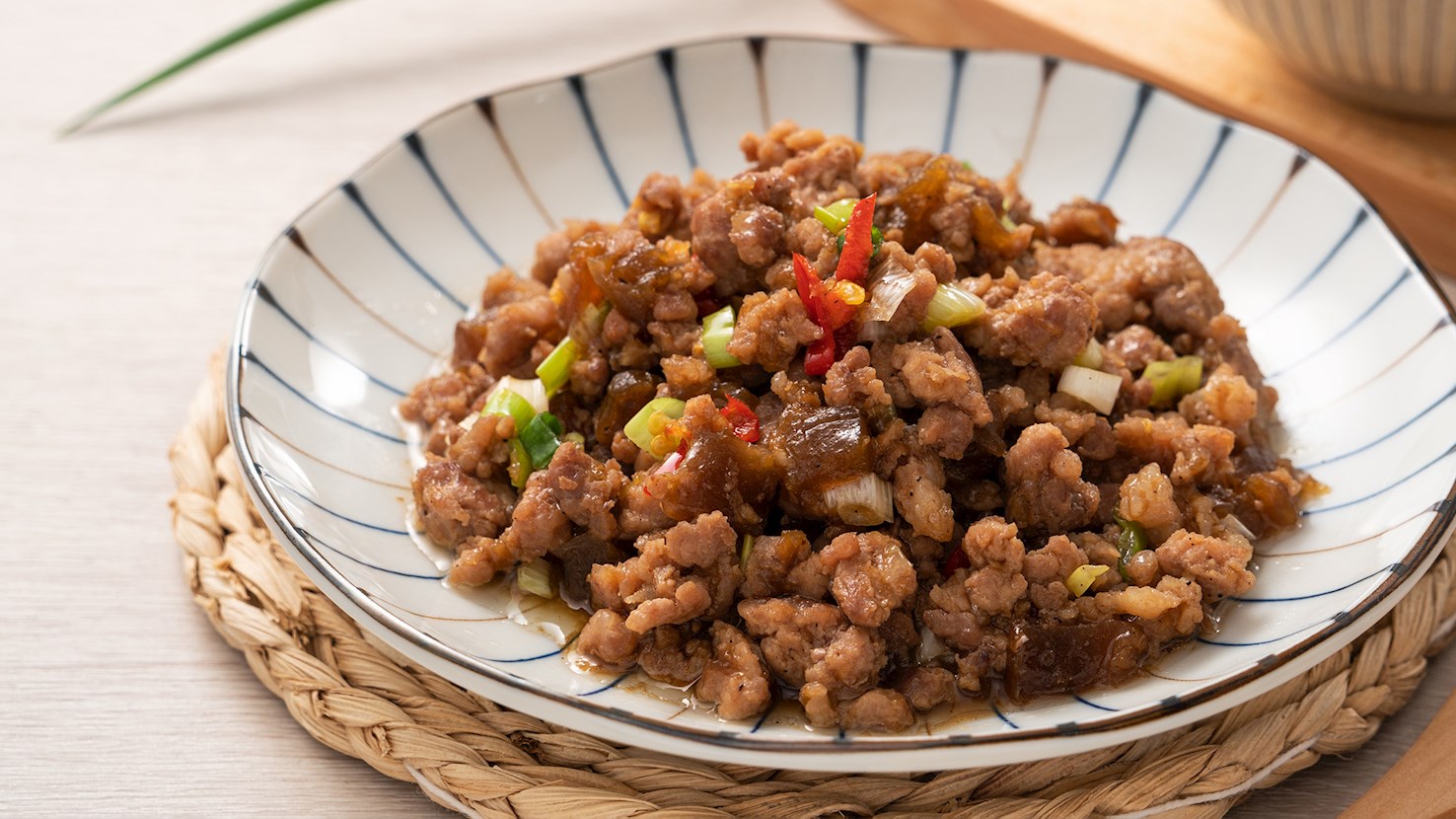
Koe-á bah is a Taiwanese dish made with ground pork and pickled cucumbers as the main ingredients. It is usually made with a mixture of ground pork, pickled cucumbers, and garlic, which is steamed with browned shallots. Typical seasonings include rice wine, soy sauce, soy sauce paste, ginger, white pepper, star anise, and sugar. Stir-fried vegetables and steamed rice, rice porridge, or noodles are common accompaniments to this dish. Taiwanese ground pork with pickles is usually served hot, topped with chopped green onions and a drizzle of sesame oil.
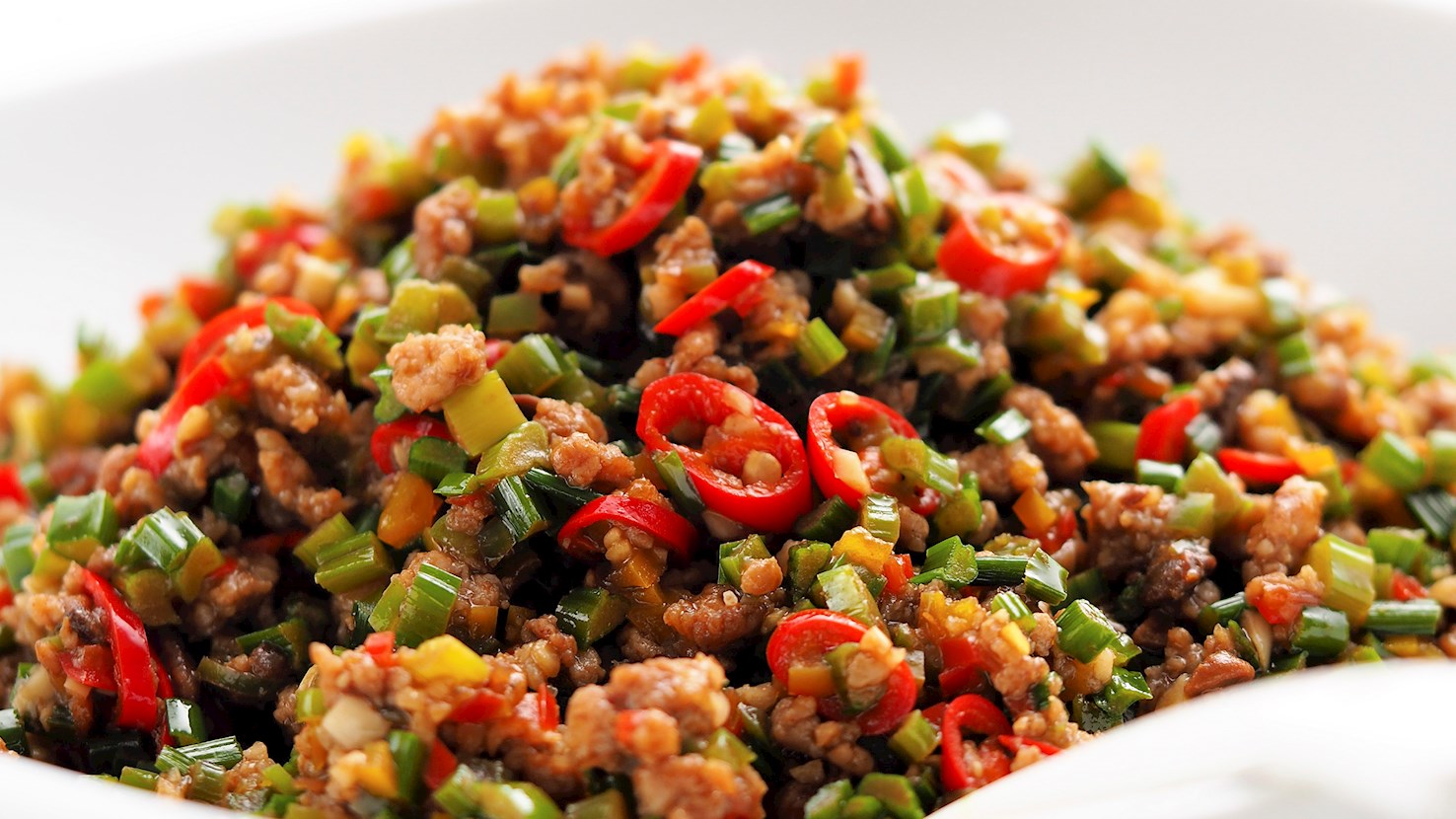
Chang ying tou is a classic Taiwanese stir-fry whose name translates as flies' heads, due to the addition of fermented black beans (dousi). Apart from beans, the dish incorporates ground pork, garlic chives, chili peppers, and various seasonings. It is a typical home cooked meal that is best served with rice or congee.
Braised beef noodle soup, is a well-known dish from China that has become especially prominent in Taiwan, where it is considered a staple of local food culture. It consists of wheat noodles served in a savory broth with chunks of soy sauce–braised beef, often accompanied by vegetables and pickled greens. The dish can be traced back to Chinese beef-braising techniques, particularly from Sichuan region where beef was more commonly eaten. When migrants brought these cooking styles to Taiwan in the mid-twentieth century, they adapted them to local tastes, creating the red-braised version that has since become a hallmark of Taiwanese street food and restaurant menus. Over time, regional variations emerged, with some emphasizing spiciness, others focusing on clear broth, and many blending influences from different parts of China to suit local preferences. Preparation begins with beef shank or brisket, which is cut into chunks and slowly braised with soy sauce, rice wine, ginger, garlic, star anise, and other aromatics until tender. The braising liquid is often combined with stock to form the base of the soup. Wheat noodles are cooked separately and placed in bowls, topped with the beef and broth, and sometimes garnished with blanched greens, scallions, and pickled mustard stems. The dish can be adjusted for depth and spice, with some versions adding chili bean paste or dried chilies to enhance heat and complexity. Today, braised beef noodle soup is eaten widely in both mainland China and Taiwan, with Taiwan in particular treating it as an everyday meal available in night markets, noodle shops, and restaurants ranging from casual to upscale. It is enjoyed at any time of day, from a quick lunch to a filling dinner.
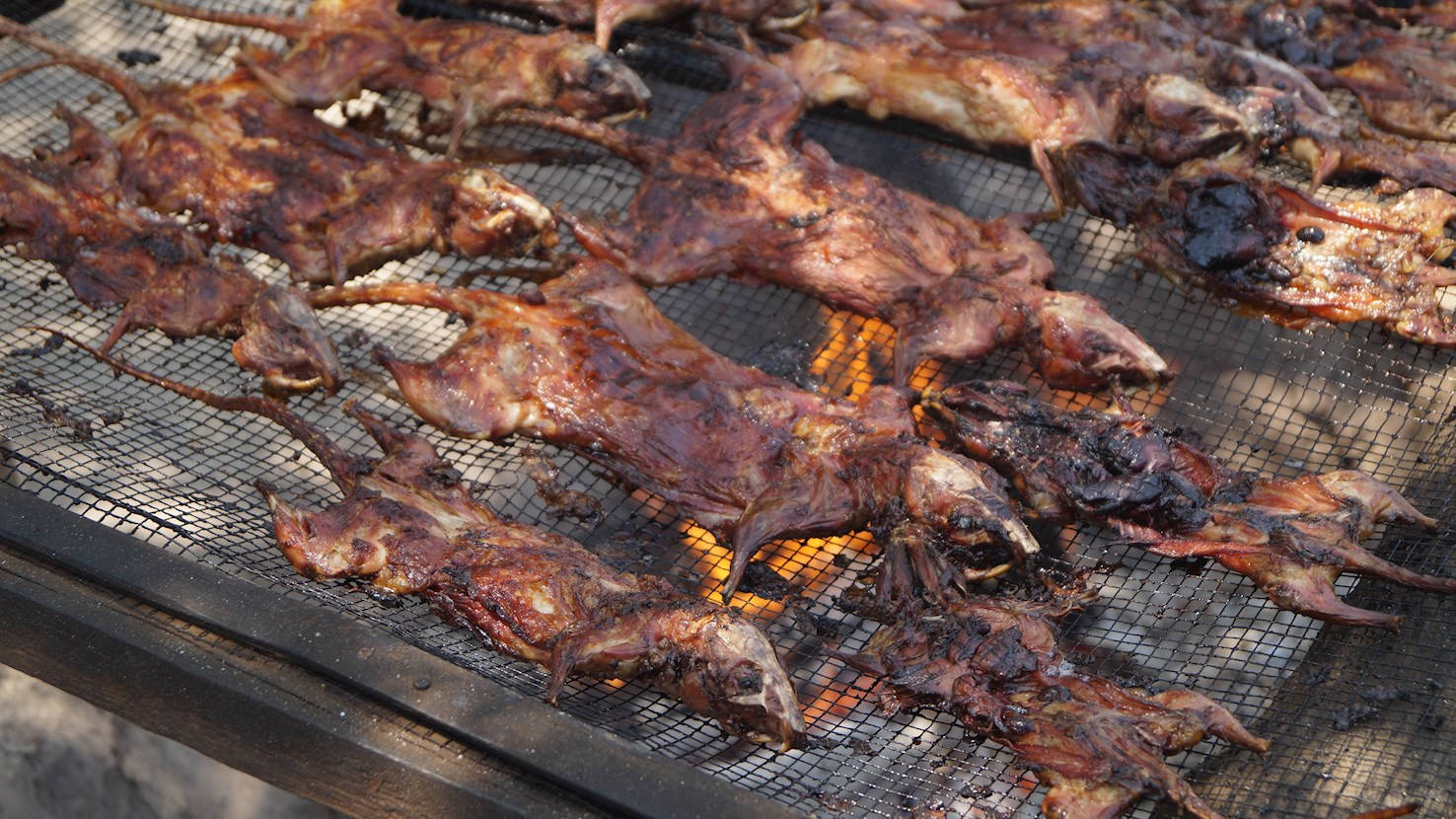
Fried wild rat with basil is an unusual delicacy typical of aboriginal Taiwanese cuisine. The dish is prepared by deep-frying locally caught wild rats which have been cleaned, skinned, and coated with seasoned batter, and then flavoring the meat with freshly chopped Taiwanese basil. Said to have a hint of gaminess in it, the flavor of wild rat meat is often compared to that of a rabbit. This dish has been traditionally prepared by the indigenous Puyuma people.
Grilled boar with papaya is a traditional dish that is typical of aboriginal Taiwanese cuisine. This specialty uses meat from the Formosan wild boar, a type of boar native to the mountainous areas of Taiwan, and combines it with chunks of sweet papaya. The dish has been traditionally prepared by the Saisiyat indigenous people.
TasteAtlas food rankings are based on the ratings of the TasteAtlas audience, with a series of mechanisms that recognize real users and that ignore bot,
nationalist or local patriotic ratings, and give additional value to the ratings of users that the system recognizes as knowledgeable.
TasteAtlas Rankings should not be seen as the final global conclusion about food. Their purpose is to promote excellent local foods,
instill pride in traditional dishes, and arouse curiosity about dishes you haven’t tried.






What People Say