

shutterstock

Top 4 Traditional Meat Dishes
in West Sumatra

Last updated on June 15, 2026
01

Sate Padang

4.4 ·

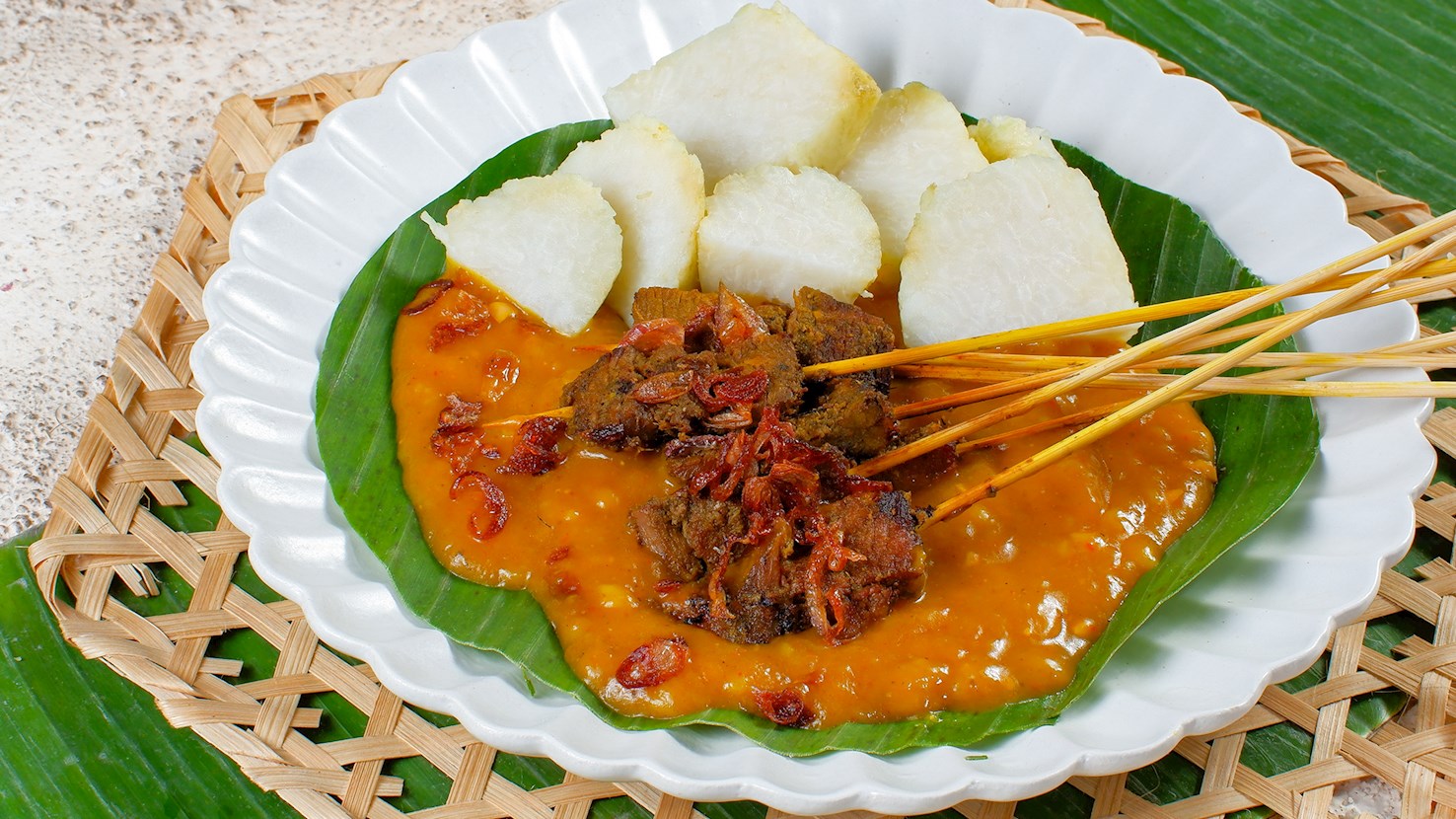
Padang satay is a spicy, rich, and aromatic Indonesian satay originating from Padang, West Sumatra, known for its thick, flavorful curry-based sauce. Unlike other Indonesian satay varieties that use peanut sauce or sweet soy sauce, Padang satay is distinct for its bold, turmeric-infused, and mildly spicy gravy, made from beef broth, rice flour, and a blend of local spices. The skewered meat—usually beef, beef tongue, or offal like intestines and heart—is first boiled in spiced broth until tender, then grilled over charcoal to achieve a smoky, caramelized crust. The signature thick, golden-brown sauce is made by reducing the broth used to cook the meat, thickened with rice flour, and enhanced with galangal, turmeric, coriander, cumin, lemongrass, and chilies, giving it a savory, slightly spicy, and deeply aromatic flavor. Padang satay is typically served on banana leaves, accompanied by steamed rice cakes (ketupat or lontong) and topped with crispy fried shallots, adding a final layer of crunch and fragrance.

02

Rendang

4.3 ·

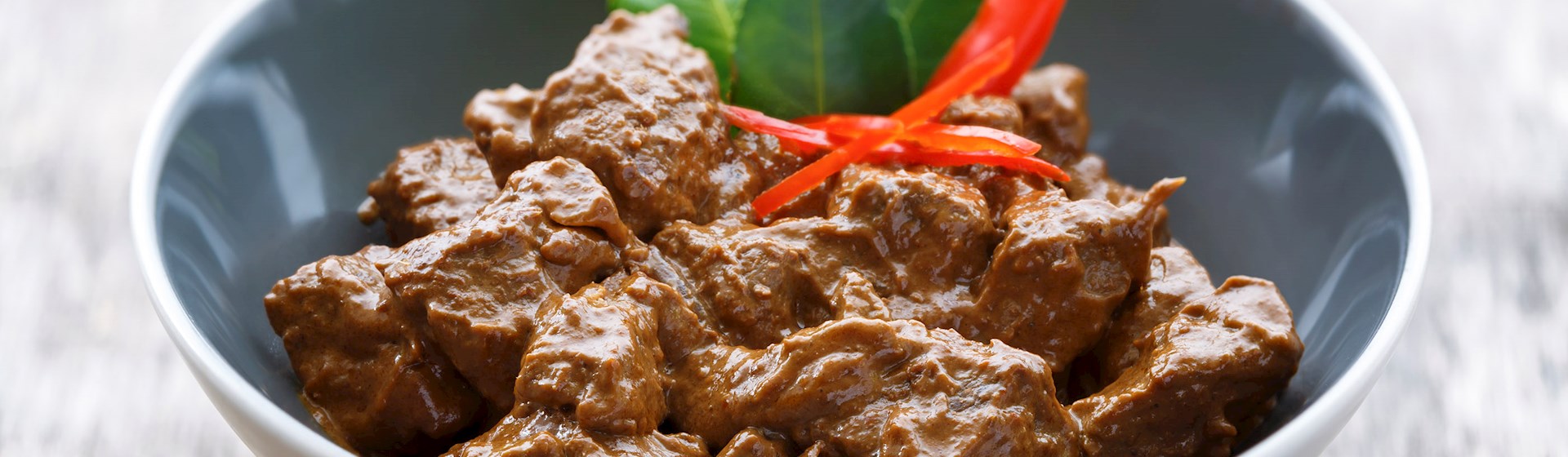
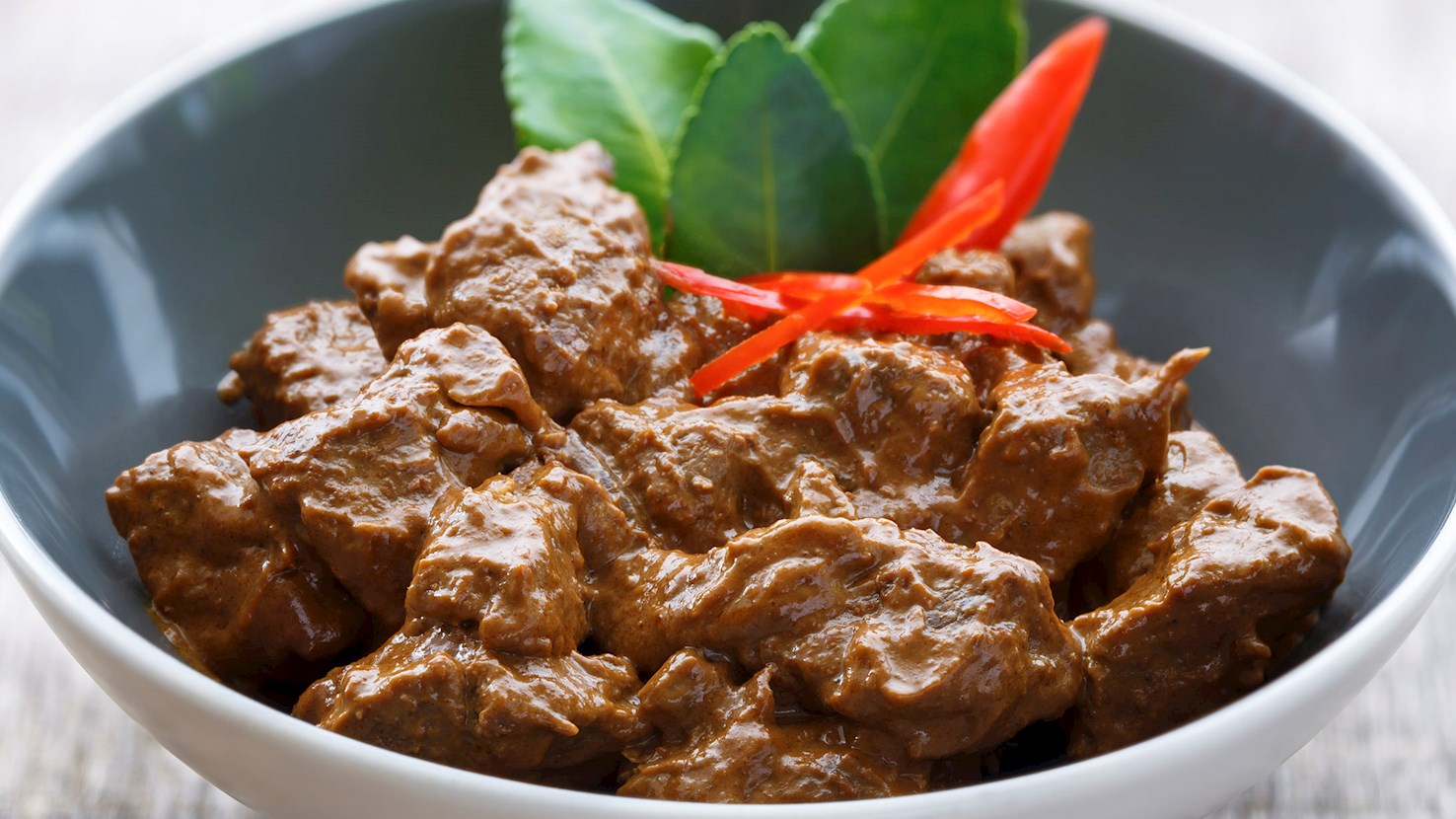
Rendang is an Indonesian meat dish which originated among the Minangkabau people in West Sumatra. The dish is famous for its spiciness and a long cooking procedure. It is often compared to Indian curry because of its consistency and unique flavors. The theory about how rendang was invented claims that the generous use of spices and long cooking hours were employed to preserve the meat in hot and tropical climates, such as Indonesian, so unsurprisingly, the need to preserve meat for a longer period appeared among the Minangkabau people. They were mainly traders who underwent long journeys and needed food which could stay fresh for weeks. However, the dish has a more symbolic meaning to them, because the main four ingredients used in rendang represent the Minangkabau society: the meat symbolizes leaders, coconut is a symbol of intellectuals, chili represents religious leadership, and other spices signify the rest of society. Today, rendang has surpassed Indonesian borders and has a reputation as one of the most delicious dishes in the world.

03

Gulai kambing

3.7 ·

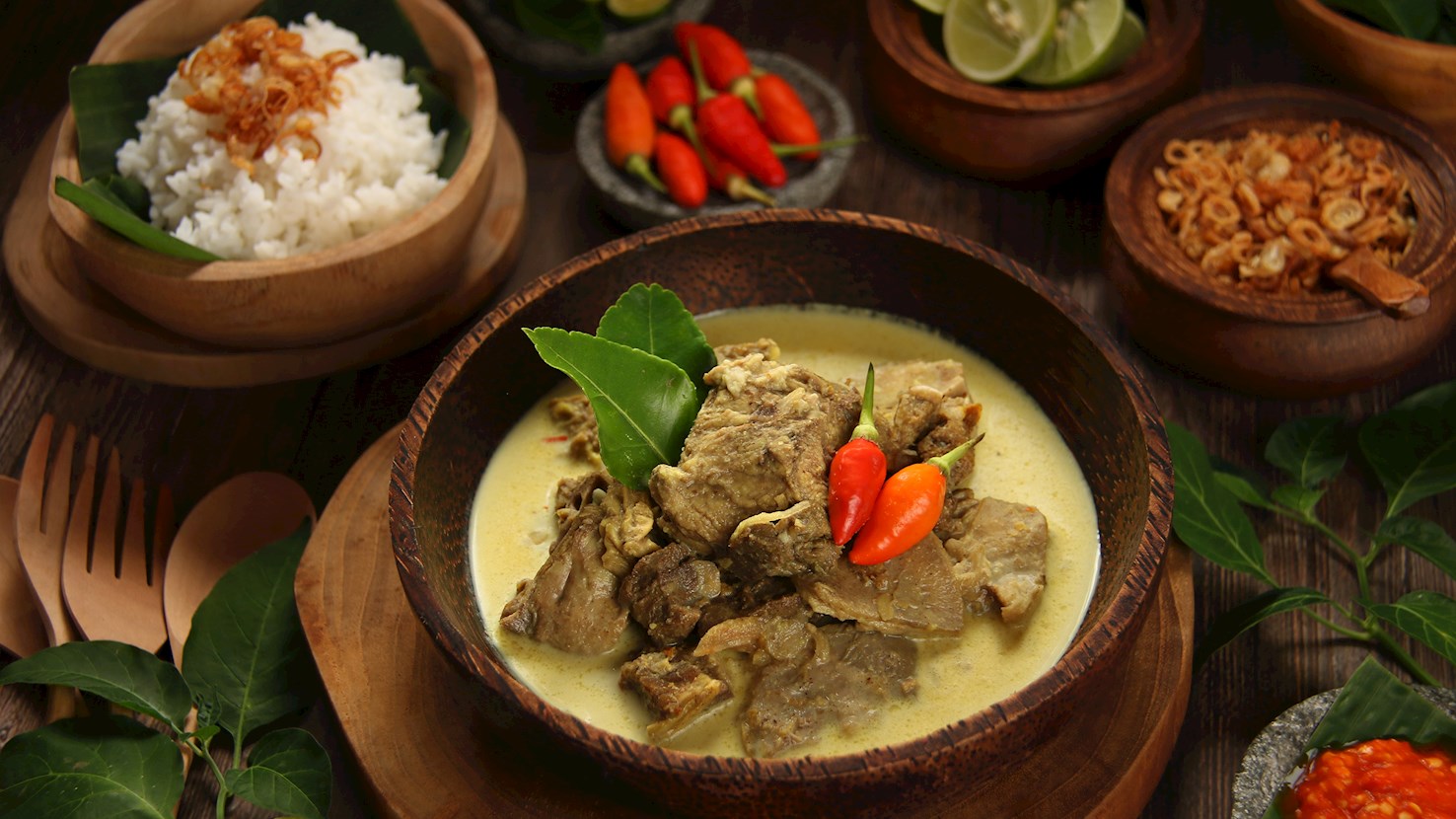
Gulai kambing is a rich and deeply aromatic Indonesian lamb, mutton or goat curry, rooted in Minangkabau traditions from West Sumatra but enjoyed widely across Java and other islands. At its heart, gulai kambing features tender pieces of lamb, mutton or goat meat (often including bone, skin, or offal) simmered slowly in a thick coconut milk broth infused with a complex blend of spices such as turmeric, coriander, cumin, galangal, lemongrass, ginger, cinnamon, and cloves. The result is a golden-yellow curry that is luxuriously creamy yet boldly spiced, with the natural gaminess of the goat mellowed and enriched by the coconut milk and aromatic base. The preparation varies slightly by region, with some versions leaning spicier or sweeter, and others using a thinner broth, but all are defined by their depth of flavor and slow-cooked warmth. Traditionally served hot with steamed rice, gulai kambing is often accompanied by condiments like sambal, pickled vegetables, or crispy shallots to enhance its taste and texture. This dish is a hallmark of festive gatherings, religious feasts, and traditional warung menus.

04

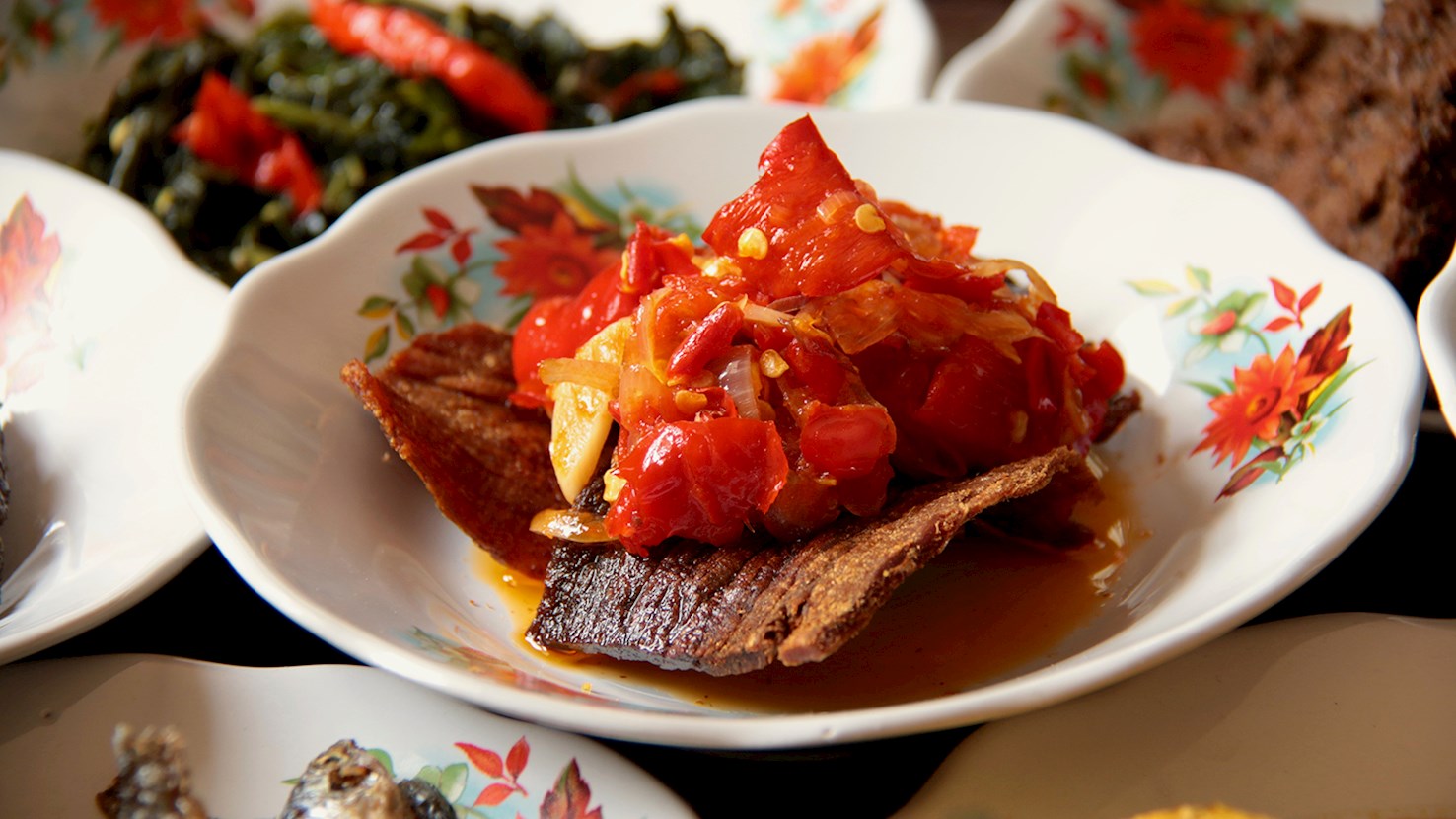
Dendeng balado

3.7 ·

Dendeng balado is a spicy beef dish from West Sumatra, Indonesia, particularly associated with the Minangkabau people and their rich, chili-forward cuisine. It consists of thin slices of dried or fried beef that are generously coated in a vibrant, spicy chili sambal known as balado. The word "dendeng" refers to the beef itself, which is typically marinated, sun-dried or fried to a crisp texture, while "balado" denotes the signature West Sumatran chili paste made from red chilies, shallots, garlic, and lime juice, often sautéed in oil to intensify its flavor. In many Padang restaurants across Indonesia, dendeng balado is a staple offering, usually displayed in tall stacks of fried dishes behind glass counters, ready to be served at room temperature as part of a nasi Padang meal. Despite its simplicity in ingredients, the preparation of dendeng balado requires patience and skill: slicing the beef thinly, drying or frying it to the right crispness, and carefully blending the sambal to preserve its brightness without overpowering the meat. Traditionally made with beef, variations of dendeng balado may also include chicken, liver, or even eggplant, but the beef version remains the most iconic.

About this ranking

TasteAtlas food rankings are based on the ratings of the TasteAtlas audience, with a series of mechanisms that recognize real users and that ignore bot, nationalist or local patriotic ratings, and give additional value to the ratings of users that the system recognizes as knowledgeable. For the “Top 4 Traditional Meat Dishes in West Sumatra” list until June 15, 2026, 485 ratings were recorded, of which 303 were recognized by the system as legitimate. TasteAtlas Rankings should not be seen as the final global conclusion about food. Their purpose is to promote excellent local foods, instill pride in traditional dishes, and arouse curiosity about dishes you haven’t tried.

Similar lists