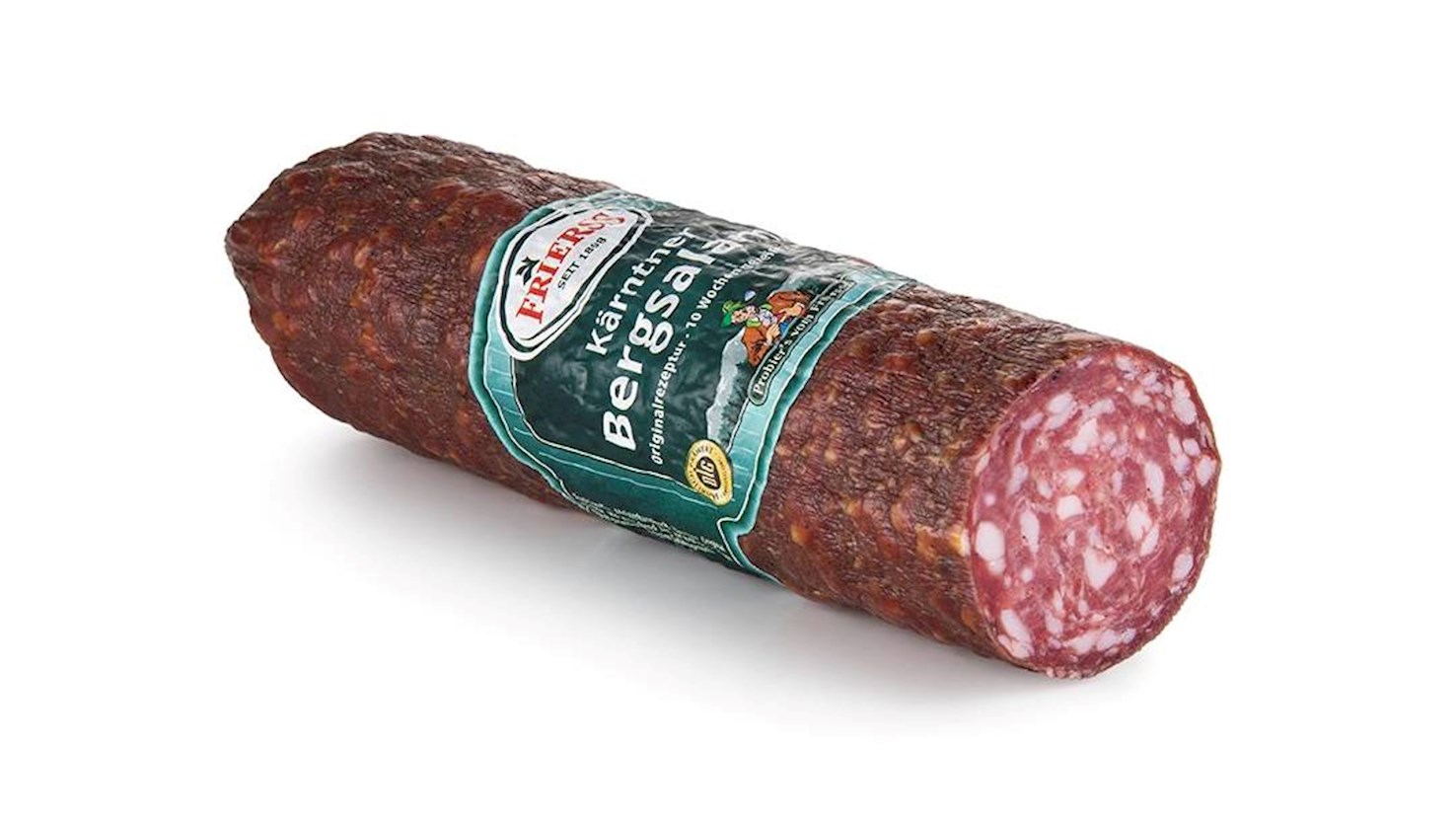
Frierss is a renowned Austrian family business with over 120 years of experience in producing high-quality charcuterie and meat products. Based in Carinthia, the company has been dedicated to craftsmanship, tradition, and innovation since its founding in 1898. Frierss is known for its exceptional selection of premium sausages, hams, and salamis, all made using carefully selected ingredients and time-honored recipes. Their commitment to quality is reflected in their use of the finest regional meats, natural spices, and meticulous production methods that enhance the authentic flavors of their specialties. Each product undergoes strict quality controls to meet the highest Austrian and international food standards, ensuring an unparalleled taste experience. The company takes pride in its traditional curing and smoking techniques, passed down through generations, which give their meats a distinctive aroma and texture. At the same time, Frierss embraces modern technology and sustainable practices to maintain their commitment to excellence while minimizing their environmental impact. Their product range includes classic Austrian delicacies, as well as internationally inspired gourmet offerings that cater to a wide variety of tastes. Whether enjoyed in fine dining settings or as part of everyday meals, Frierss products represent the perfect fusion of tradition, quality, and passion for authentic flavors.
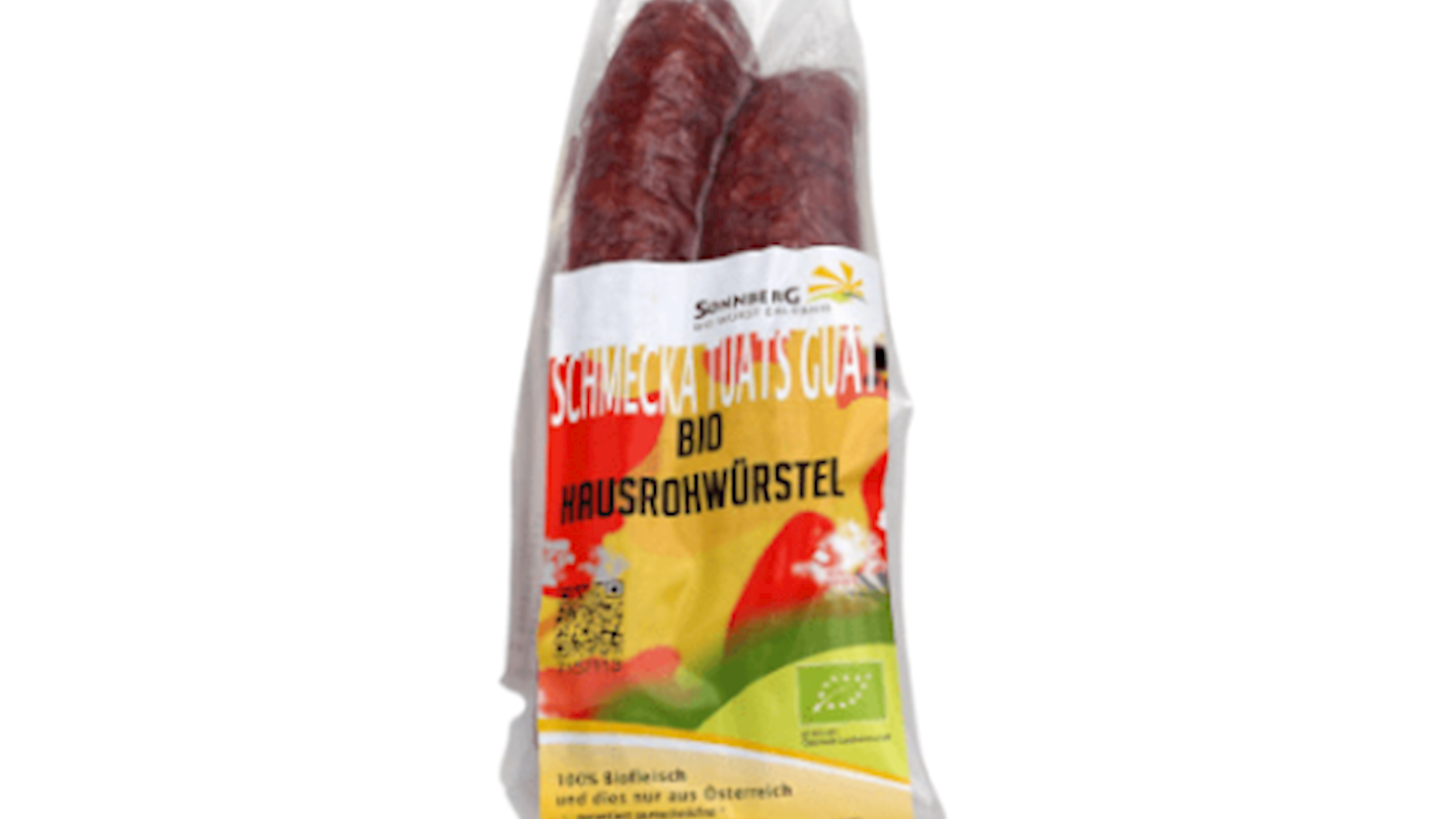
Sonnberg Biofleisch is an Austrian company specializing in 100% organic meat products. Their offerings include a variety of meats such as beef, pork, lamb, and poultry, as well as traditional sausages and charcuterie. They prioritize sustainable and ethical farming practices, working with local farmers in the region of Upper Austria to produce high-quality organic products. Their meats are free from chemicals and additives, ensuring a pure and natural taste. Sonnberg emphasizes transparency in its production processes, with a focus on animal welfare, quality ingredients, and sustainable practices.
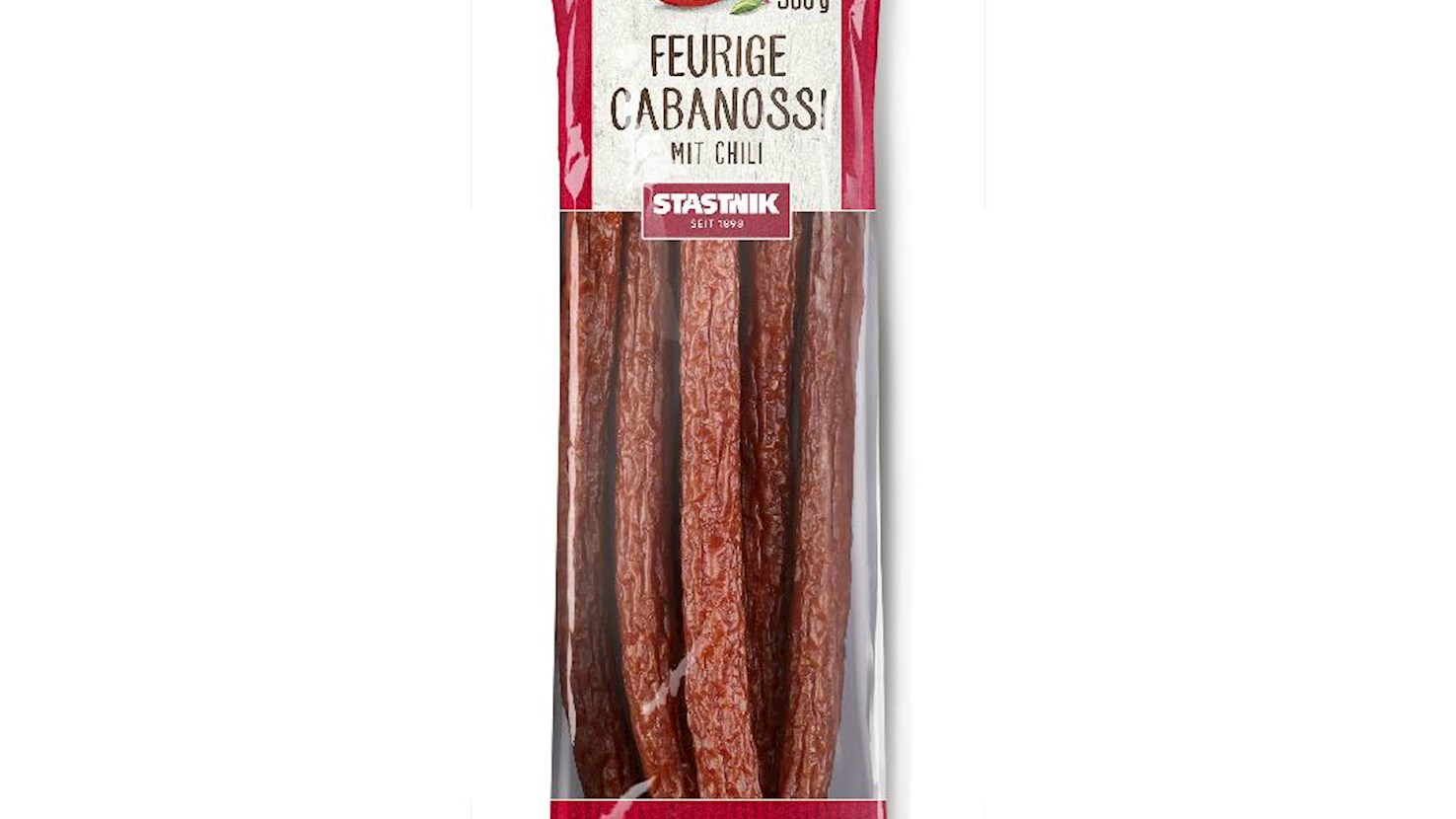
Stastnik is an Austrian family-owned company with a tradition spanning over 125 years, renowned for its premium cured meat products that blend authentic recipes with innovative approaches. Founded in 1898, Stastnik stands out with its "Slow-how" philosophy, which emphasizes carefully selected ingredients and a slow maturation process to achieve a rich, full flavor and superior quality. Their product range includes a wide selection of delicacies, such as Hungarian-style salami, cured sausages, kabanos, ham, bacon, and roasts, with a special focus on innovative products like casing-free sausages. Stastnik is synonymous with a passion for top-quality meat processing, as demonstrated by its award-winning Camembert salami, which received the prestigious AMA "Produkt Champion" award. A perfect fusion of tradition and modern technology, a commitment to excellence, and irresistible flavors make Stastnik one of the leading producers of cured meat specialties in Austria and beyond.
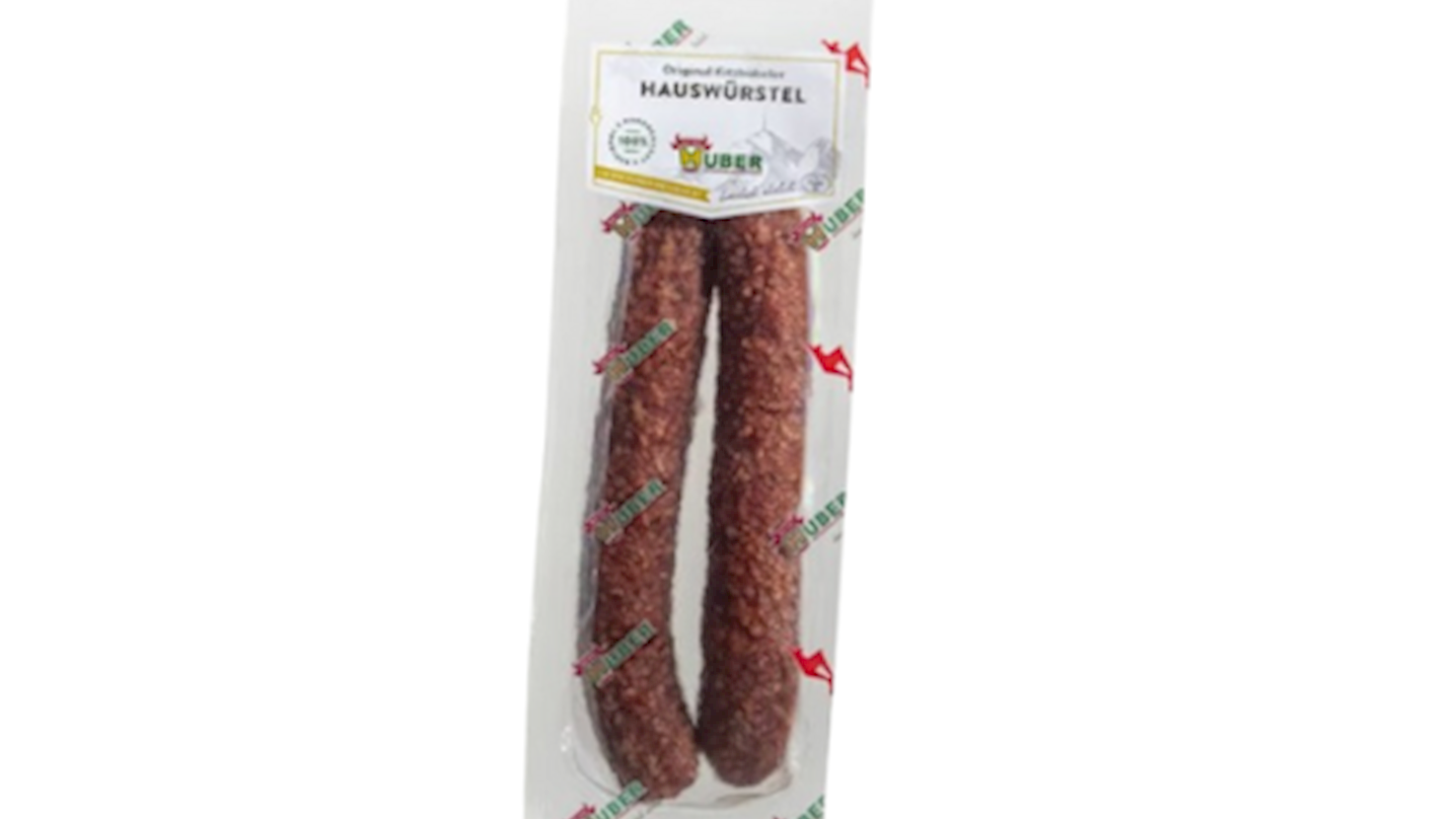
Metzgerei Huber is a well-established butcher shop located in the heart of Austria, specifically in the region of Tyrol. Known for its dedication to high-quality, locally sourced meat products, Metzgerei Huber has become a respected name in the world of traditional Austrian butchery. The company specializes in offering a wide range of meats, including fresh cuts of beef, pork, and poultry, as well as a variety of cured meats, sausages, and other specialty products.
What sets Metzgerei Huber apart is their commitment to using the finest local ingredients and following traditional butchering methods passed down through generations. Their products are crafted with attention to detail, ensuring both exceptional taste and quality. From classic Austrian sausages to more modern variations, each product is made with care, aiming to provide customers with an authentic taste of Austrian meat products.
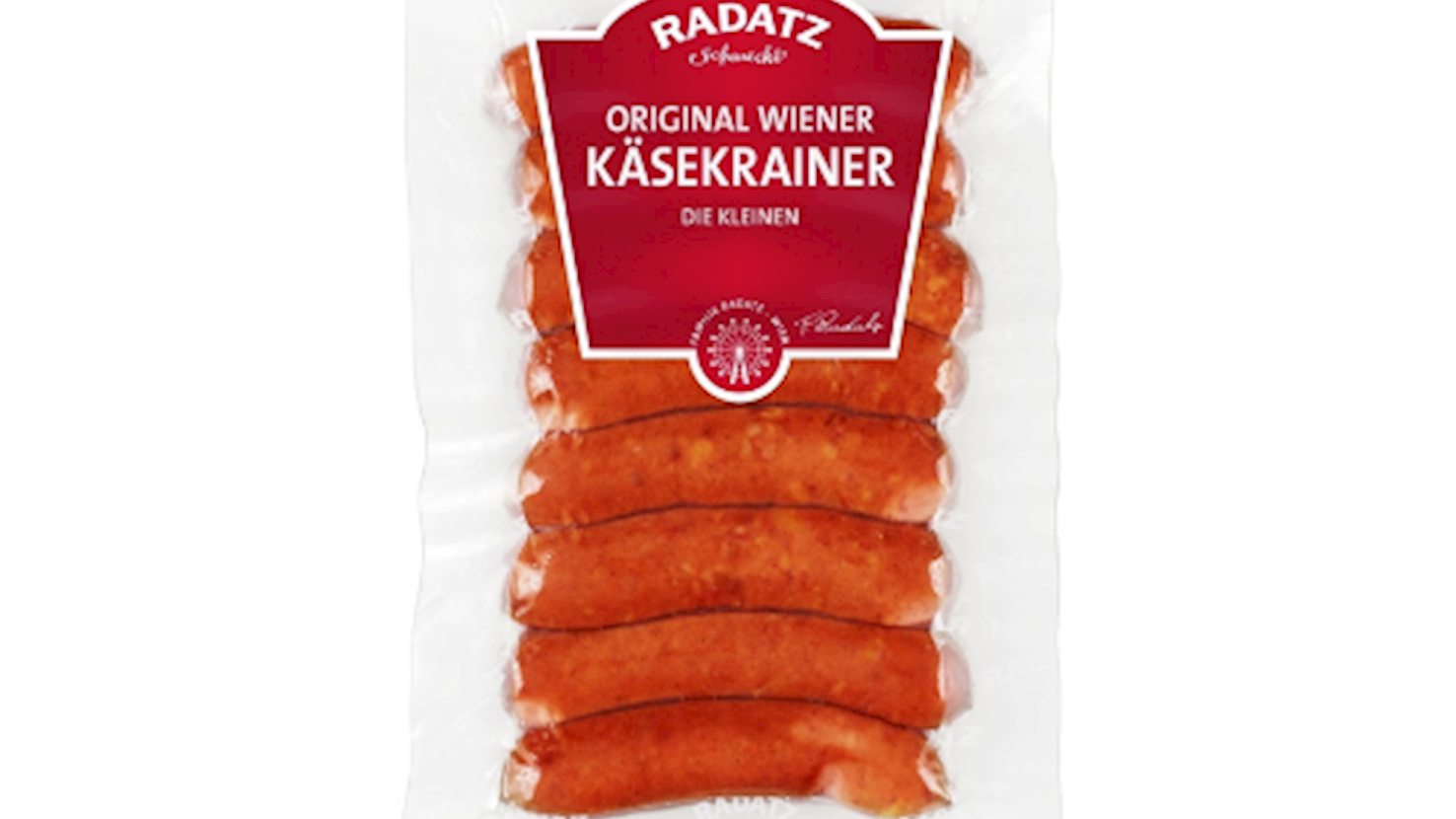
Radatz is a renowned family-owned producer of meat products based in Vienna, founded in 1962 by Franz Radatz. Over the decades, it has become a symbol of Austrian butchery tradition, distinguished by its commitment to handcrafted production, time-tested family recipes, and high quality standards. Among its rich assortment of over 700 products, one standout is the Käsekrainer – a sausage filled with Emmental cheese, available in both classic and spicy varieties. In addition to its numerous butcher shops and wholesale outlets in Vienna and the surrounding area, Radatz also has a strong international presence, exporting its products to no less than 27 countries worldwide. Today, the name Radatz represents a blend of tradition, flavor, and exceptional craftsmanship that is recognized far beyond the borders of Austria.
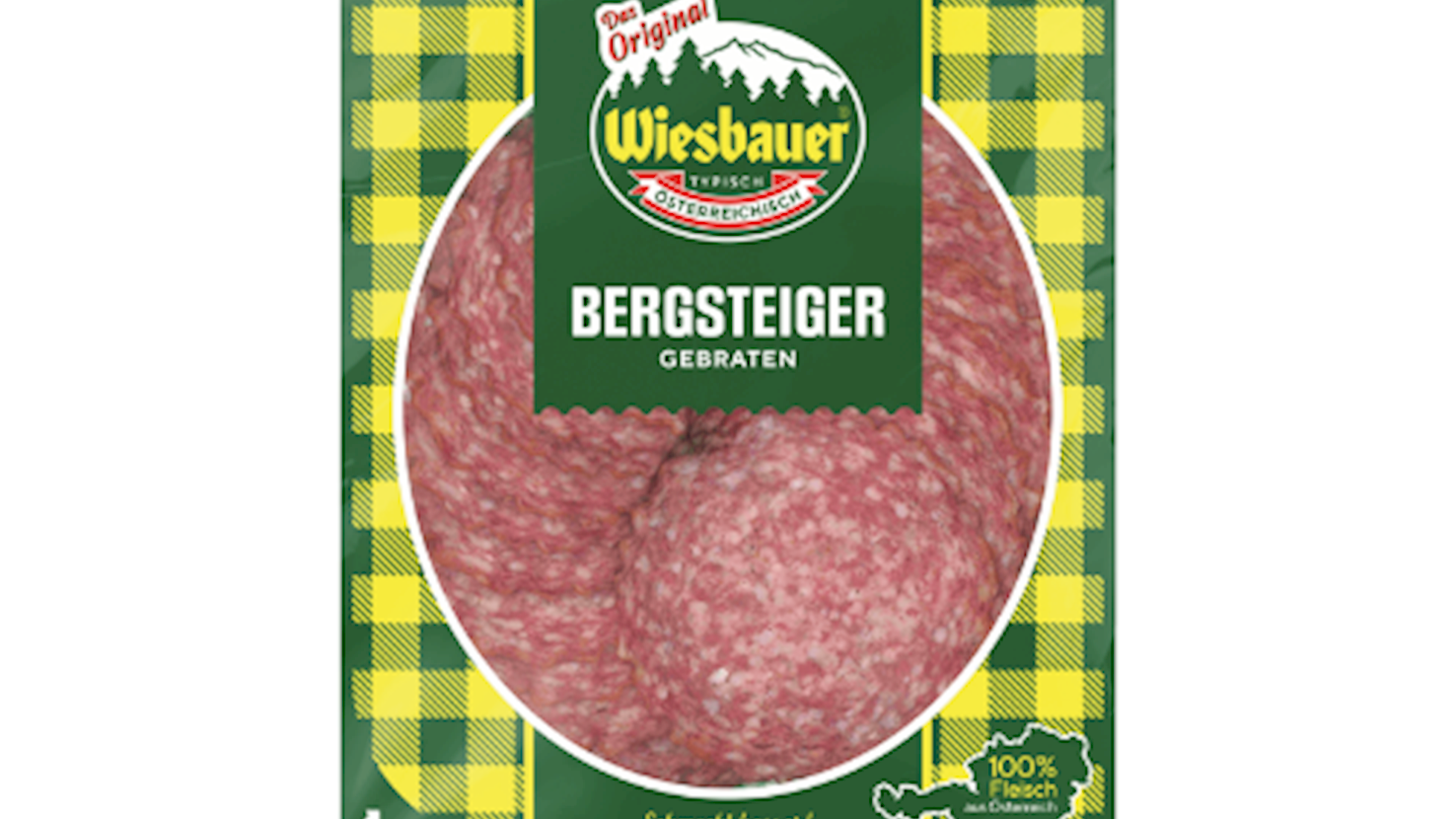
Wiesbauer is an Austrian meat producer headquartered in Vienna, founded in 1931 when Franz Wiesbauer opened a small butcher shop in Vienna’s Fünfhaus district. The company evolved from a traditional artisan butcher into one of Austria’s leading producers of sausages, ham, and other cured meat specialties. It is particularly known for Bergsteiger, a durable dry sausage introduced in the same year as the company’s founding, which has since become one of its most iconic products. Wiesbauer builds its identity on the combination of traditional craftsmanship, modern production technology, and Austria’s long-standing culture of meat specialties. Its product portfolio includes dry sausages, salami, ham, frankfurters, barbecue products, sliced deli meats, and specialty items for the professional foodservice sector. The company emphasizes quality raw materials, standardized production, and continuous innovation within a traditionally rooted food category. Today, Wiesbauer operates through several affiliated companies and production sites, serving both the Austrian market and international customers.
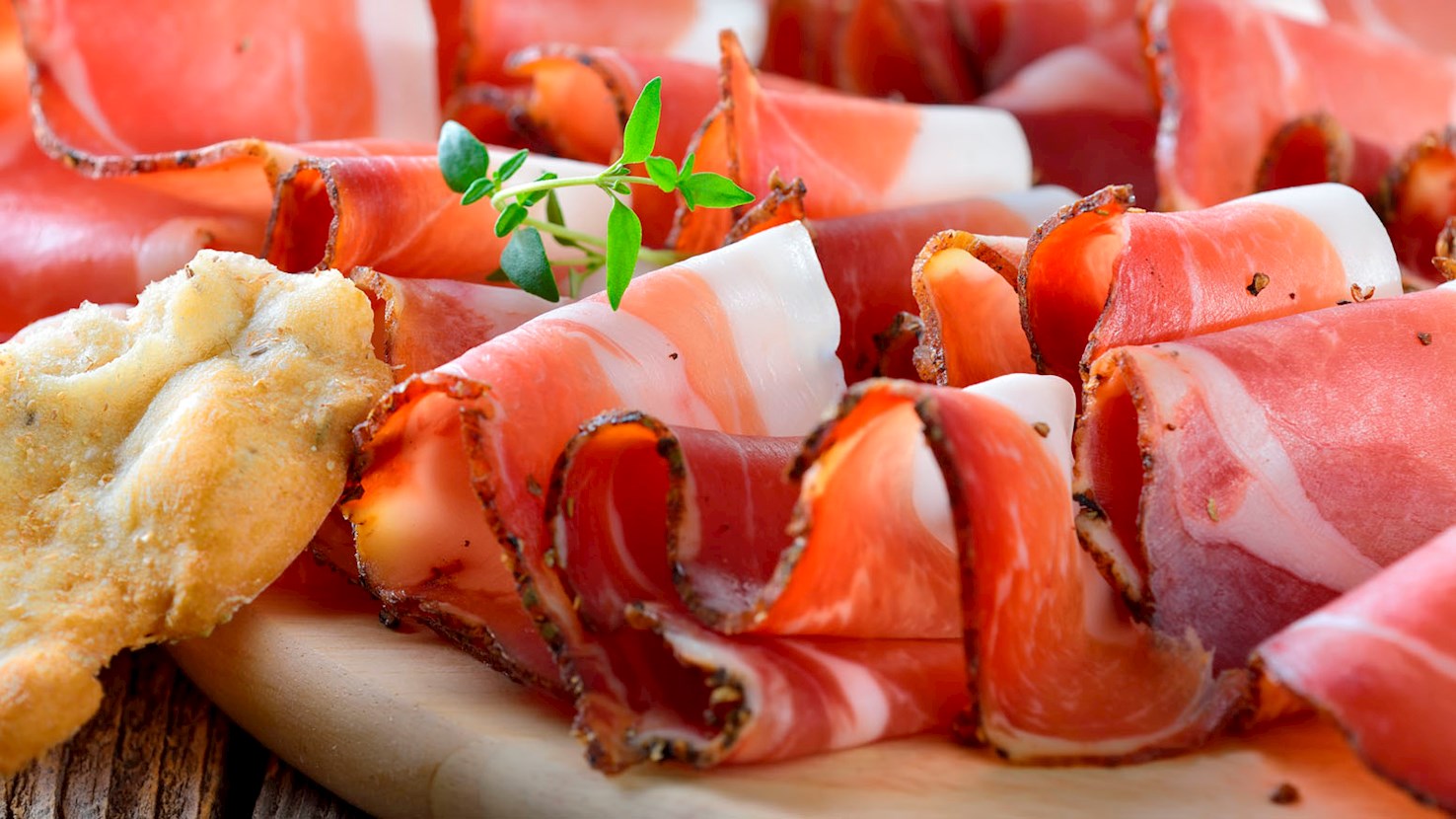
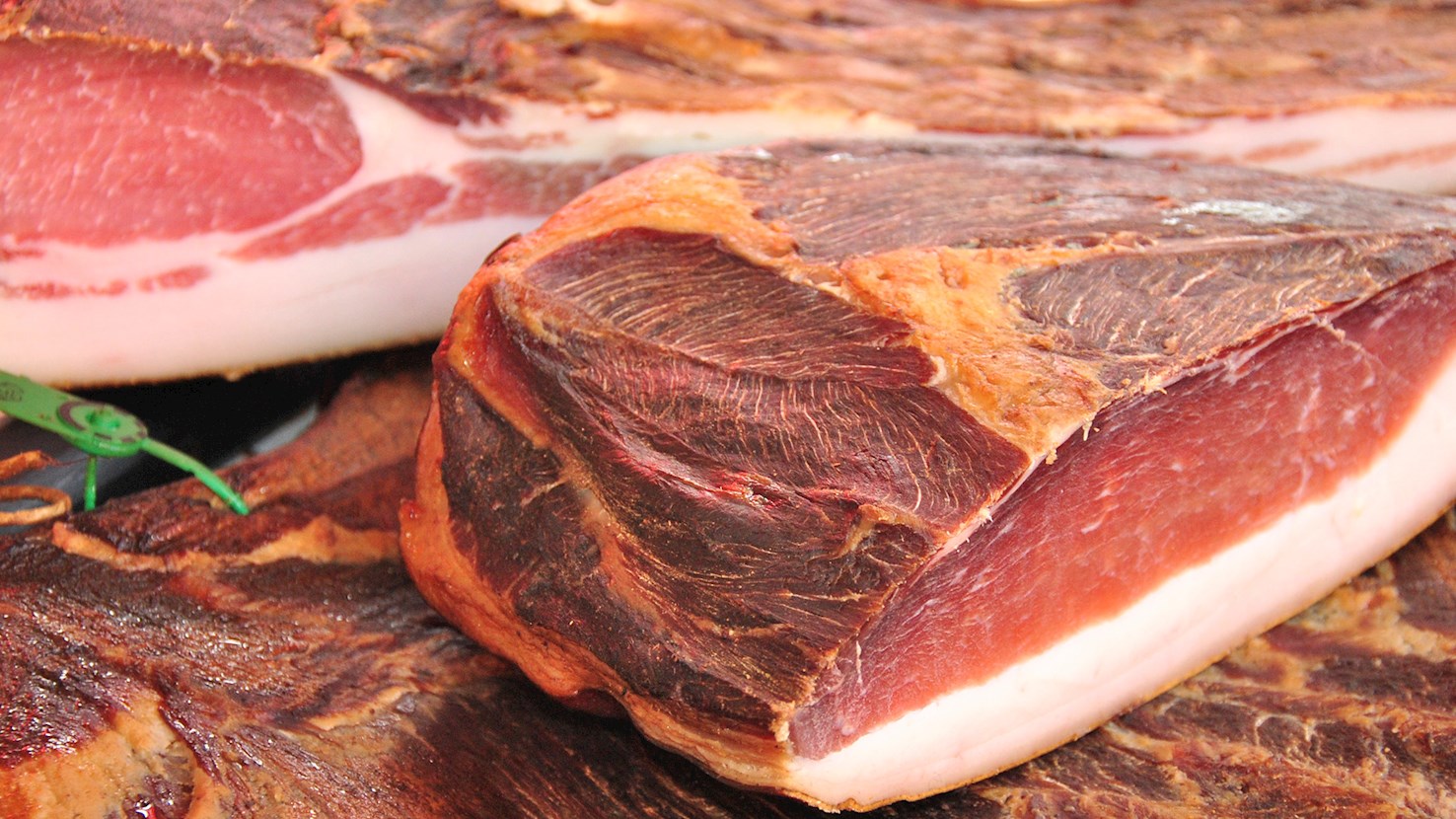
Produced in a traditional manner by Austrian farmers, Tiroler Speck is one of the oldest Tyrolean specialties whose origins can be traced back to the 1500s. This bacon is first dry-salted and seasoned with a special blend of spices, cold smoked over beech wood, and finally dried and matured in the crisp Alpine air. Prepared in this manner, Tyrolean bacon developes its uniquely intense flavor. Traditionally served in thin slices, Tiroler Speck is an essential part of what is known as Bretteljause or Marend, a typical Austrian platter with assorted meats.
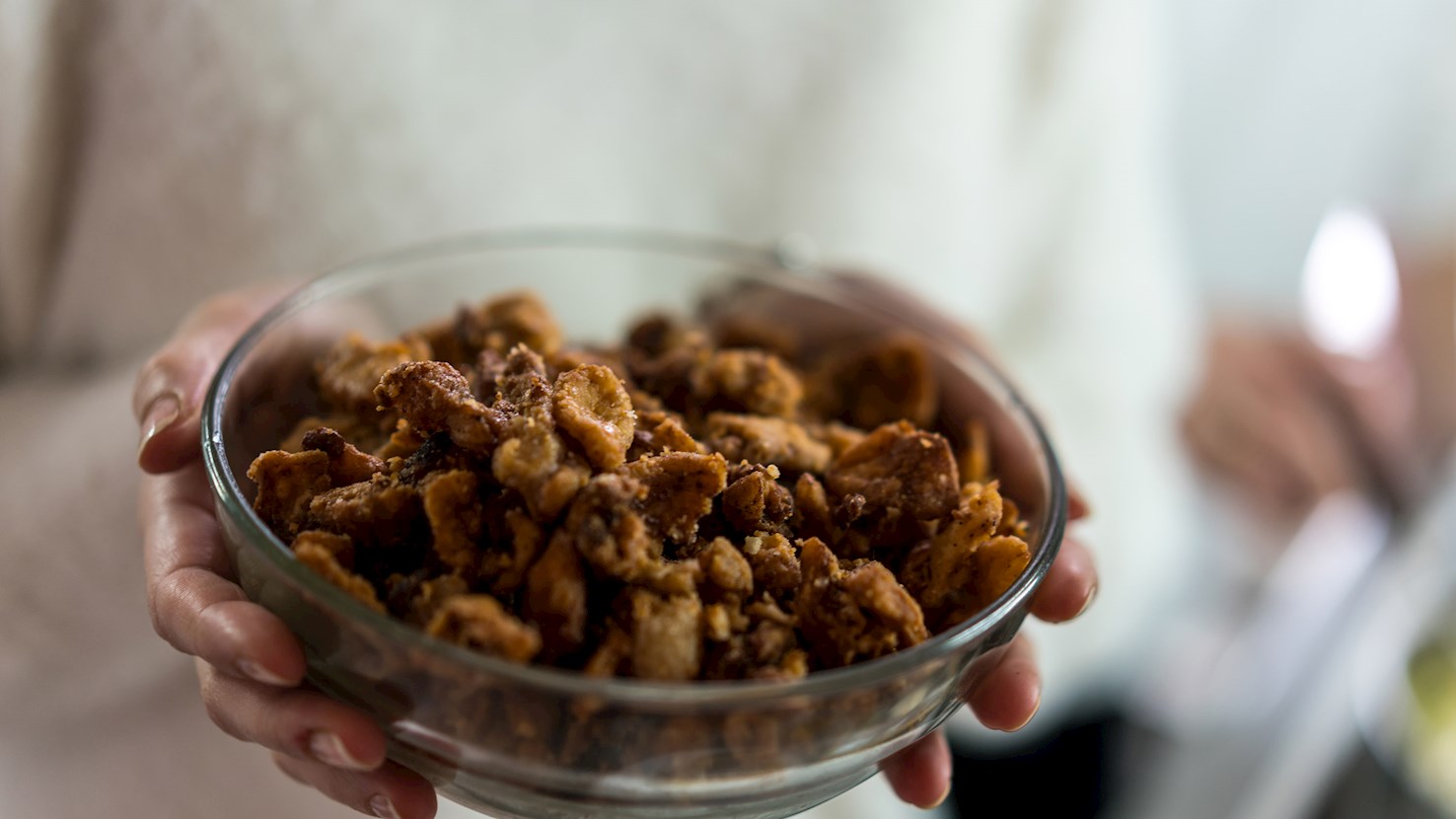
Čvarci or ocvirki is a traditional specialty that's popular in Southeastern Europe and the Balkans. This variety of pork rinds or cracklings is usually homemade, and it's made by thermally extracting fat from the lard. The lard is usually cut into blocks and fried in its own fat until it melts away and tough and crispy pork rind remain in the pot. During the process, čvarci are constantly stirred with big spoons, and milk is often added in order for them to obtain the color of caramel. Salt is typically added to the mixture, while some cooks like to add garlic or onions to the mixture. Čvarci are typically made in late autumn or winter, often during the pig slaughter, and they're usually enjoyed as a snack, served with bread and raw onions and paired with beer or rakija on the side. Small pieces of čvarci are often used in savory snacks such as pogačica s čvarcima.
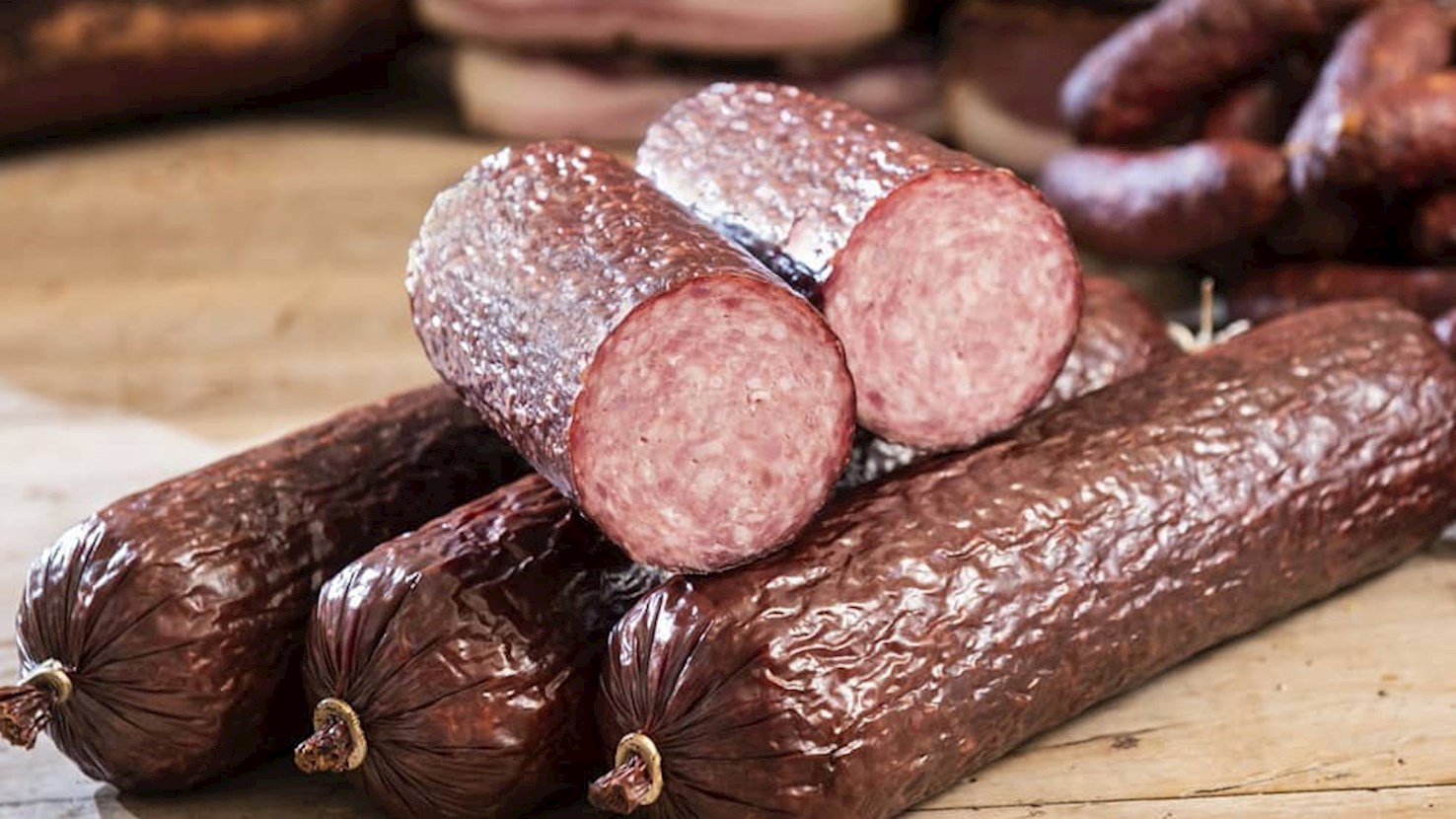
Jausenwurst is a traditional snack sausage originating from Austria. These sausages are made with a combination of lean beef, pork, and pork fat. They're typically flavored with caraway, coriander, nutmeg, salt, and black pepper. The ground meat and fat are mixed together with the spices and seasonings, and the combination is then stuffed into casings, smoked over beechwood, and cooked. Once cooked, the sausage is placed into cold water for a few minutes, then lightly dried in air and chilled. People usually enjoy Jausenwurst thinly sliced as a snack.
Traditionally produced in the Alpine Gailtal region since the 15th century, the delicious Gailtaler Speck is an Austrian variety of bacon. The meat used for its production must come from pigs reared either in the Gailtal Valley or the wider Carinthian area. It is first dry-salted, pressed, and marinated in brine; then seasoned with pepper, garlic, and juniper; and lastly air-cured and cold-smoked over beech and elder wood. Characterized by a rich, salty flavor and a well-pronounced aroma of smoked meat, this Carinthian delicacy is typically enjoyed as an appetizer but it can also be used in cooking, as it imparts a smoky flavor to various dishes. Gailtaler Speck is marketed with two different types of tags: the green ones indicate an artisan product, handmade by farmers, while the red ones are reserved for the Gailtaler Speck made by commercial producers.
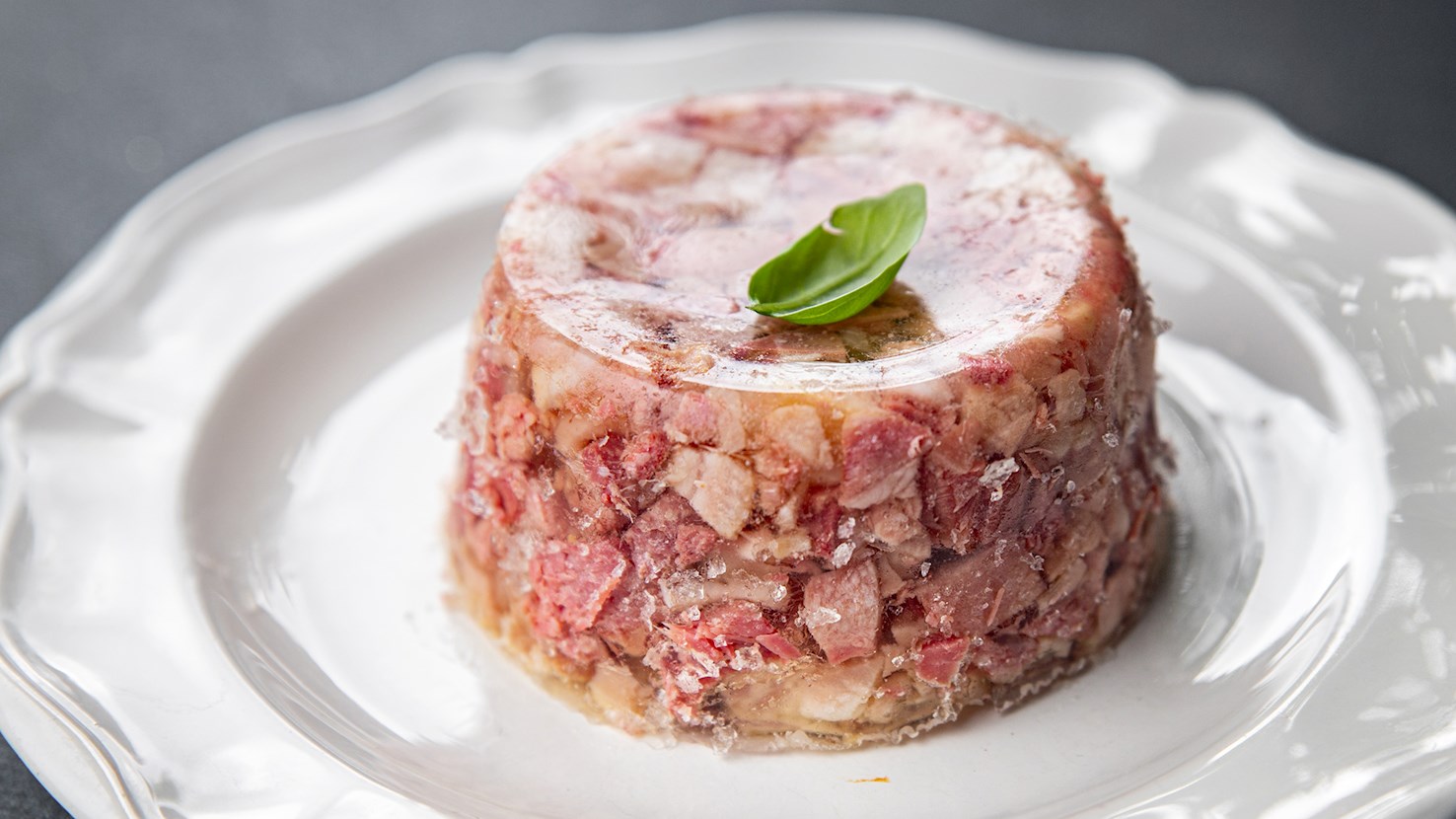
Sülze (or Sulz in Austrian cuisine) is a type of German meat jelly or aspic, typically made with pork. The preparation of Sülze begins with simmering meat, often including parts rich in collagen like pork knuckles, ears, or even tongue, along with vegetables and spices. The collagen from the meats creates a natural gelatin as it cools. The meat is then removed from the bones, cut into small pieces, and mixed back into the strained broth. This mixture is poured into a mold and left to cool, typically overnight. The gelatin in the broth solidifies as it cools, creating a jelly-like consistency. Sülze is served cold and is often sliced and served with garnishes like pickles, onions, or a side of bread. It can be found in many traditional German and Austrian restaurants and is a common sight in local delis. It's a classic example of nose-to-tail cooking, where all parts of the animal are used, helping to reduce waste.
Bergsalami is a type of dry-cured salami traditionally made in the Alpine regions of Austria, Germany, and Switzerland. The name "Berg" means "mountain" in German, reflecting its origins in mountainous areas where traditional curing and drying techniques have been perfected over centuries. This semi-hard salami is typically made from high-quality pork or a mix of pork and beef, seasoned with garlic, black pepper, and spices, and encased in natural or artificial casings. It is then slowly air-dried and sometimes lightly smoked, developing a rich, mildly tangy, and smoky flavor with a firm texture. The extended drying process allows Bergsalami to have a dense consistency and a balanced combination of meaty, spicy, and slightly fermented notes. Bergsalami is commonly sliced thin and enjoyed on rustic bread, in sandwiches, or as part of a charcuterie platter, often accompanied by cheese, pickles, and a glass of red wine or beer. Due to its long shelf life and portability, it has been a staple food for mountaineers and travelers.
Krakauer is a robust, cured sausage prominent in German and Austrian cuisine. It is characterized by a coarse, visible meat texture and a composition primarily based on lean beef mixed with pork and pork fat. The links are generally thick and elongated, encased in a firm skin that snaps upon biting, revealing a succulent interior. The flavor profile is bold, driven by garlic and smoke, with background notes of white pepper, paprika, and occasionally caraway. The sausage draws its name from the city of Kraków, though its current form solidified within the butchery practices of German and Austrian territories during the 19th century. It became a staple due to its shelf stability and distinct flavor, adapting Central European smoking and scalding methods to local tastes to create a durable, versatile product. Manufacturing begins with cold beef and pork, which are ground to a rough consistency rather than a fine paste. These meats are combined with curing salts, spices, and crushed ice or ice water to create a binding emulsion. The mixture is stuffed tightly into natural hog intestines and allowed to rest to ensure the cure penetrates. The sausages then undergo hot smoking to develop flavor and color, followed by scalding in hot water to fully cook the meat, resulting in a product with a firm, elastic texture. Distinctions are significant between the two nations. In Germany, the sausage tends to be darker and firmer, emphasizing beef content and intense smoking, making it ideal for roasting or grilling. Conversely, the Austrian style is often paler and juicier with a higher proportion of pork and a subtler smoke profile, lending itself well to being eaten cold or lightly warmed. Other adjustments include altering the intensity of garlic or the amount of paprika used. Krakauer can be consumed heated or cold. It is frequently prepared by grilling or pan-frying and served sliced inside bread rolls. Common condiments include sharp mustard, grated horseradish, or fermented cabbage. Beverage pairings often favor crisp pilsners, malty Märzen beers, wheat ales, or dry white wines, which cut through the savory, salty richness of the meat without being overpowered by the garlic notes.
TasteAtlas food rankings are based on the ratings of the TasteAtlas audience, with a series of mechanisms that recognize real users and that ignore bot,
nationalist or local patriotic ratings, and give additional value to the ratings of users that the system recognizes as knowledgeable.
For the “Top 7 Austrian Meat Products” list until June 10, 2026, 418 ratings were recorded, of which 316 were recognized by the system as legitimate.
TasteAtlas Rankings should not be seen as the final global conclusion about food. Their purpose is to promote excellent local foods,
instill pride in traditional dishes, and arouse curiosity about dishes you haven’t tried.
The initial list of top producers was compiled based on available reviews, awards, local recommendations, media and blog coverage, and consumer reviews.
The list will be updated with ratings from TasteAtlas local ambassadors and TasteAtlas users.