

M.B.

Top 9 Bulgarian Meat Products

Last updated on June 15, 2026
01

Pastarma Govezhda

4.1 ·

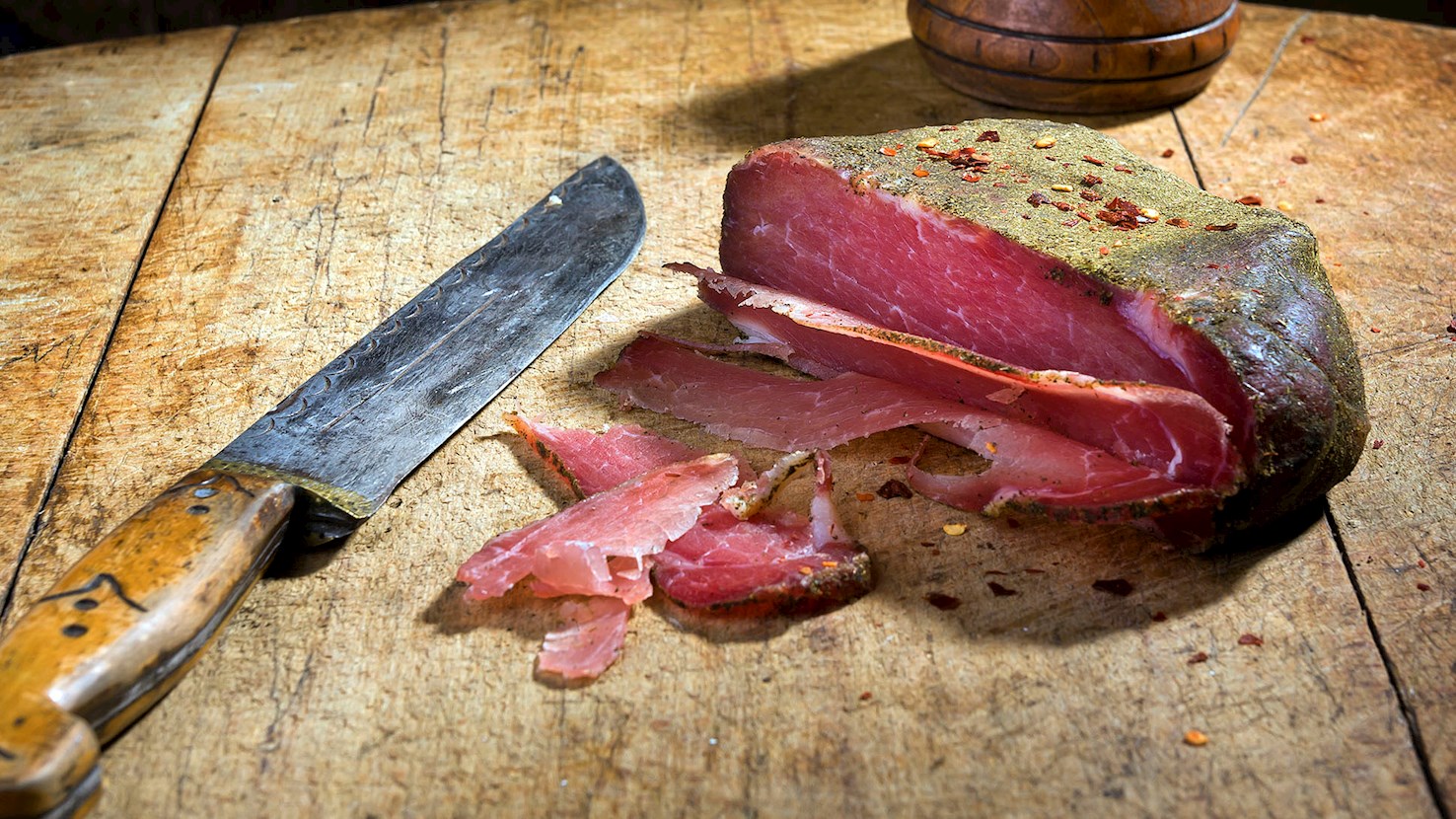
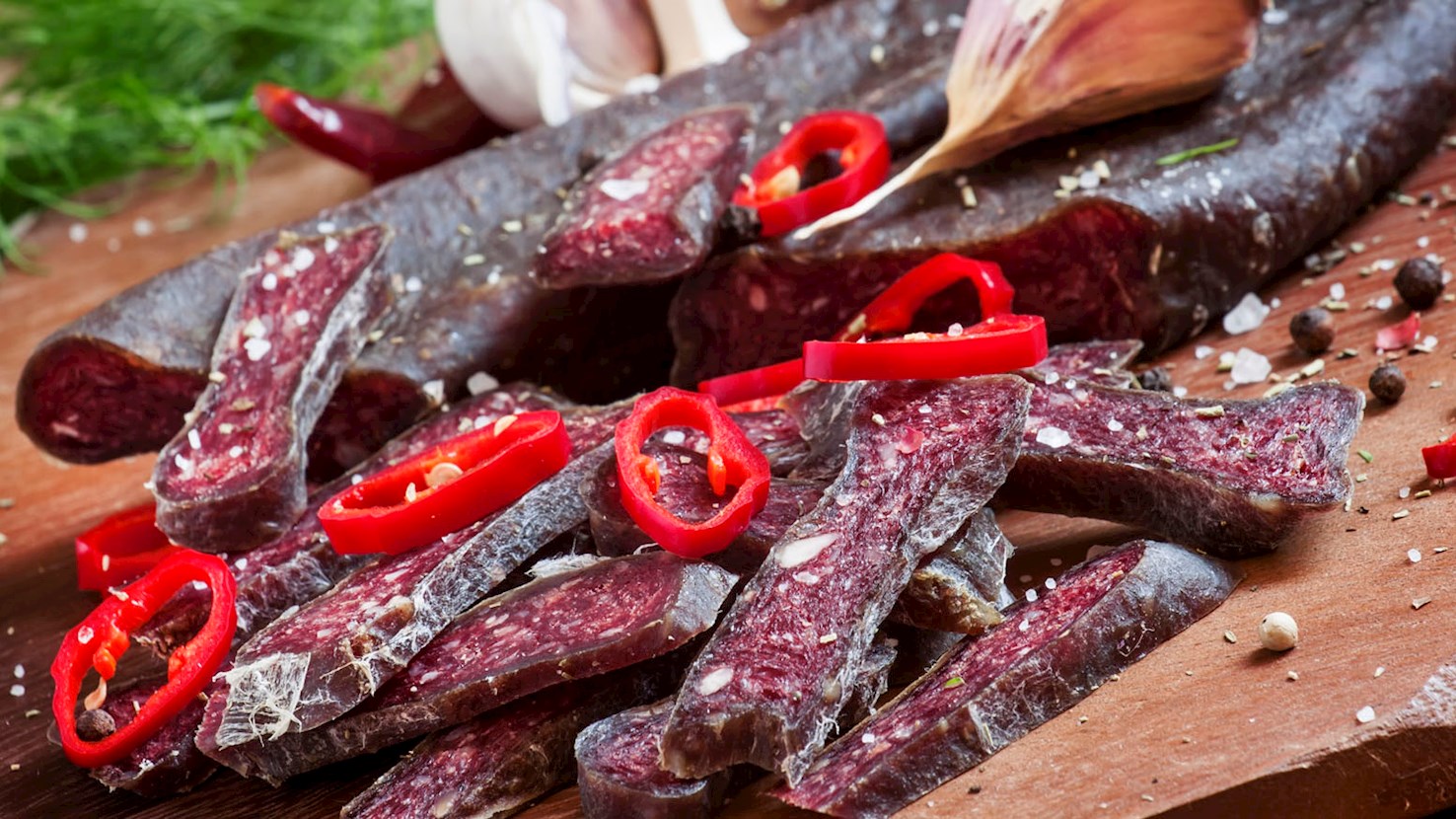
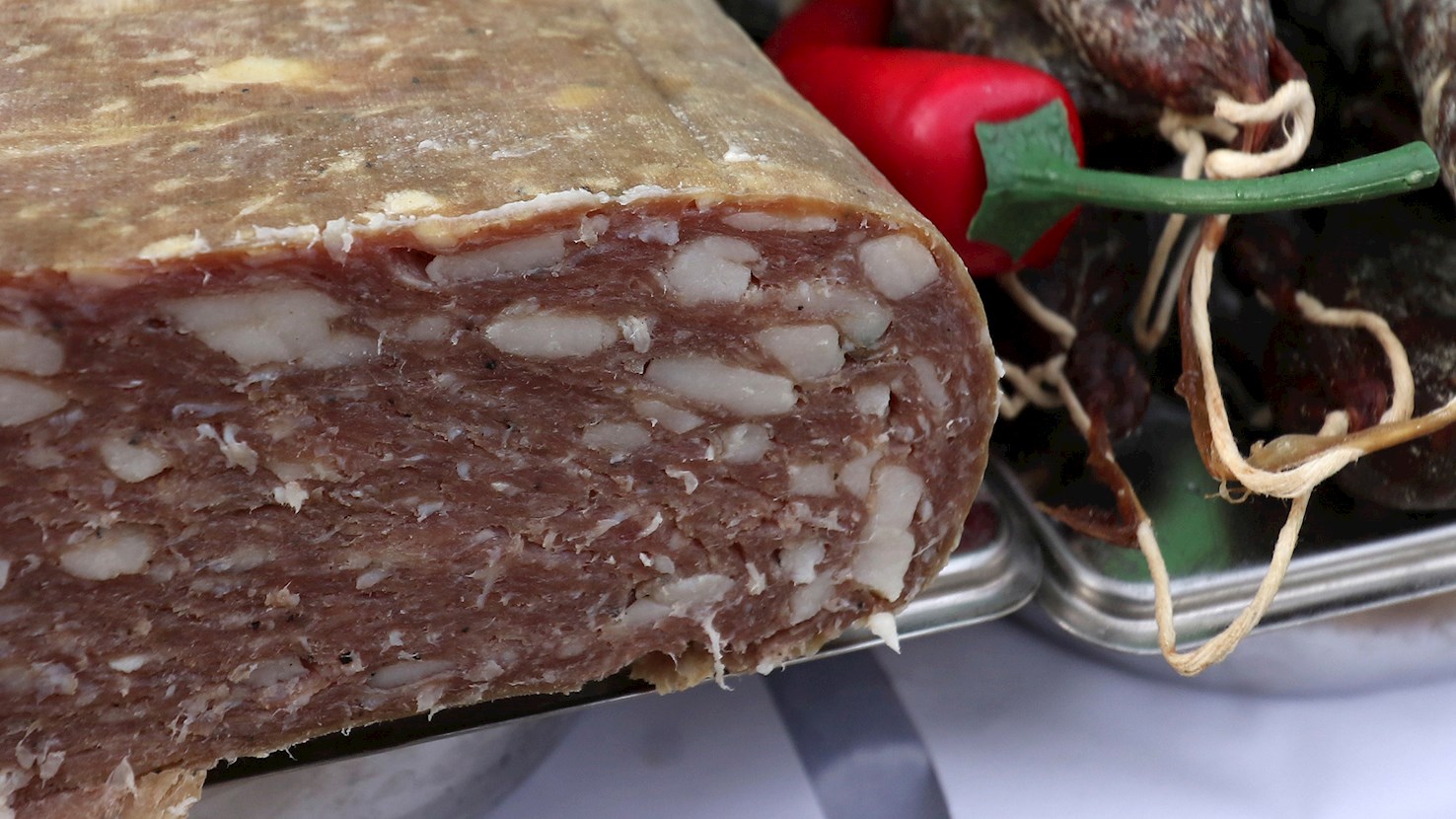
Pastarma govezhda is dried raw meat that has been produced in Bulgaria since the 19th century. The word pastarma is of Turkish origin and means pressed and salted dried meat. Despite production becoming industrialized, the traditional recipe remained unchanged. Therefore, only fresh beef is to be used and salted. It is strictly forbidden to add any other spices or foreign extracts that would alter pastarma’s original flavor. The most important part of the procedure is drying in air-conditioned chambers where the temperature and humidity are constantly monitored in order to create favorable conditions for the development of the specific micrococci and lactobacilli that give pastarma its distinctive flavor. During this phase, pastarma is pressed in wooden-panel presses to develop a dense texture. Due to pressing, it has a smooth surface and an oblong, flattened shape. With the pleasant, clean flavor of mature beef, pastarma is often served sliced and enjoyed as a cold appetizer.

02

File Elena

4.1 ·

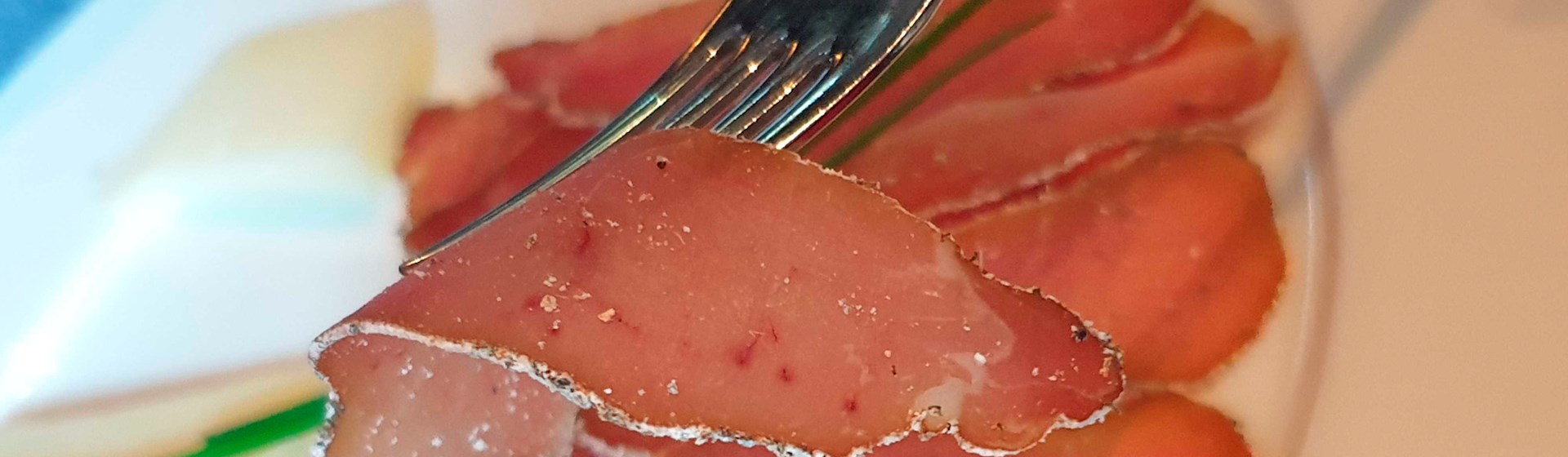
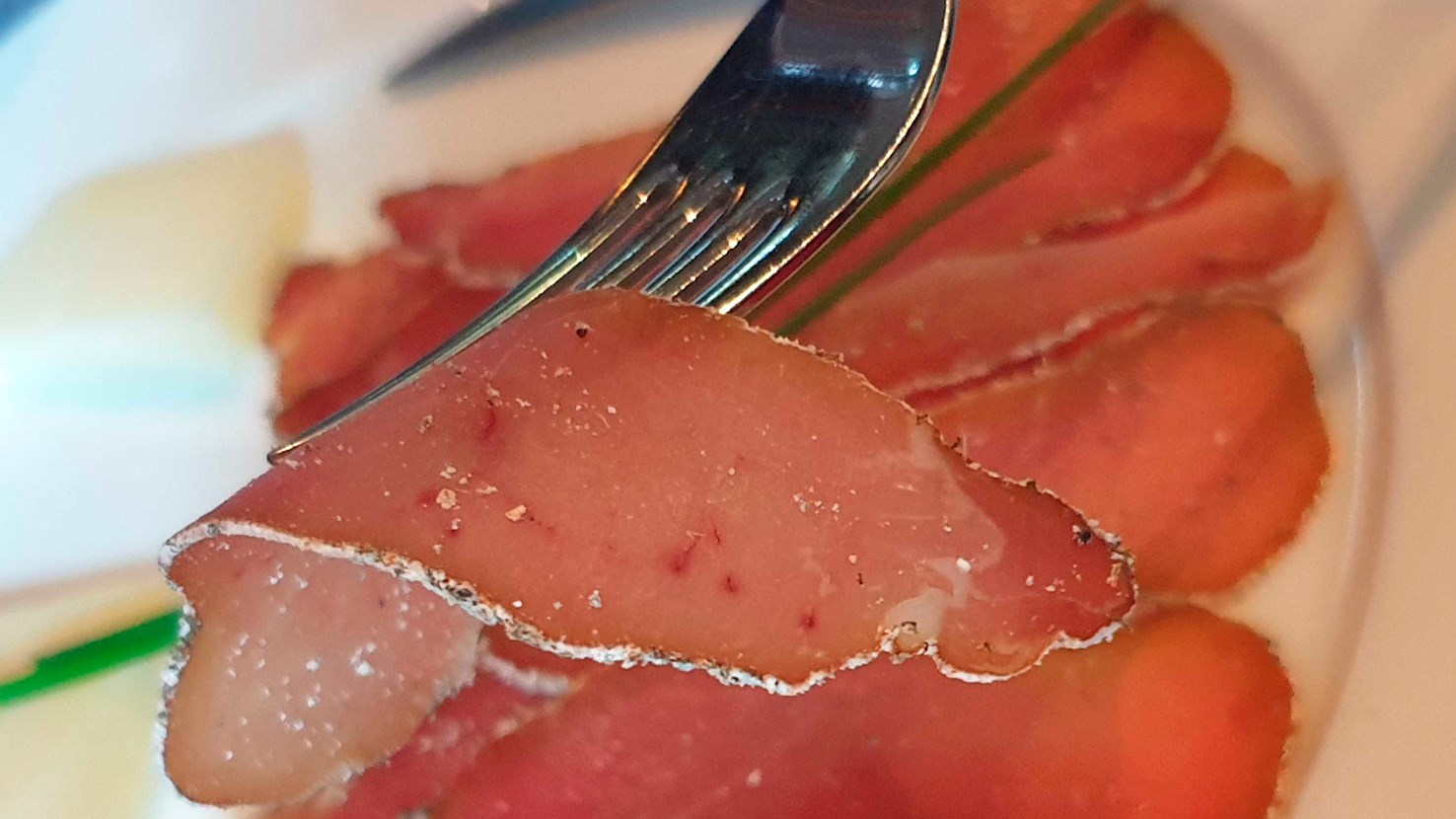
File Elena is a dried raw meat product made from chilled or frozen pork tenderloin. The name refers to the city of Elena in northern Bulgaria. When the country was a part of the Ottoman Empire, it was almost impossible to sell pork products for religious reasons. The first record of a product similar to Elena being made from pork dates back to the 1850s. The fillets, locally called ribitsa, are salted and dried in a controlled environment suitable for natural microflora to develop and provide the meat with its typical aroma. The fillets are repeatedly pressed in wooden presses giving the file Elena its flattened appearance. After the final pressing, the fillets are rolled in a mixture of ground black pepper and crumbled savory. This particular method of applying the mixture allows the essential oils in the spices to be preserved and absorbed in meat. Consequently, the final product is salty, yet aromatic and succulent. File Elena has won multiple awards at fairs and exhibitions in Bulgaria and Europe, including the 2010 and 2013 IFFA international exhibitions in Germany. Traditionally, File Elena is served as an appetizer with a glass of wine or beer on the side.

03

Kayserovan vrat Trakiya

4.1 ·

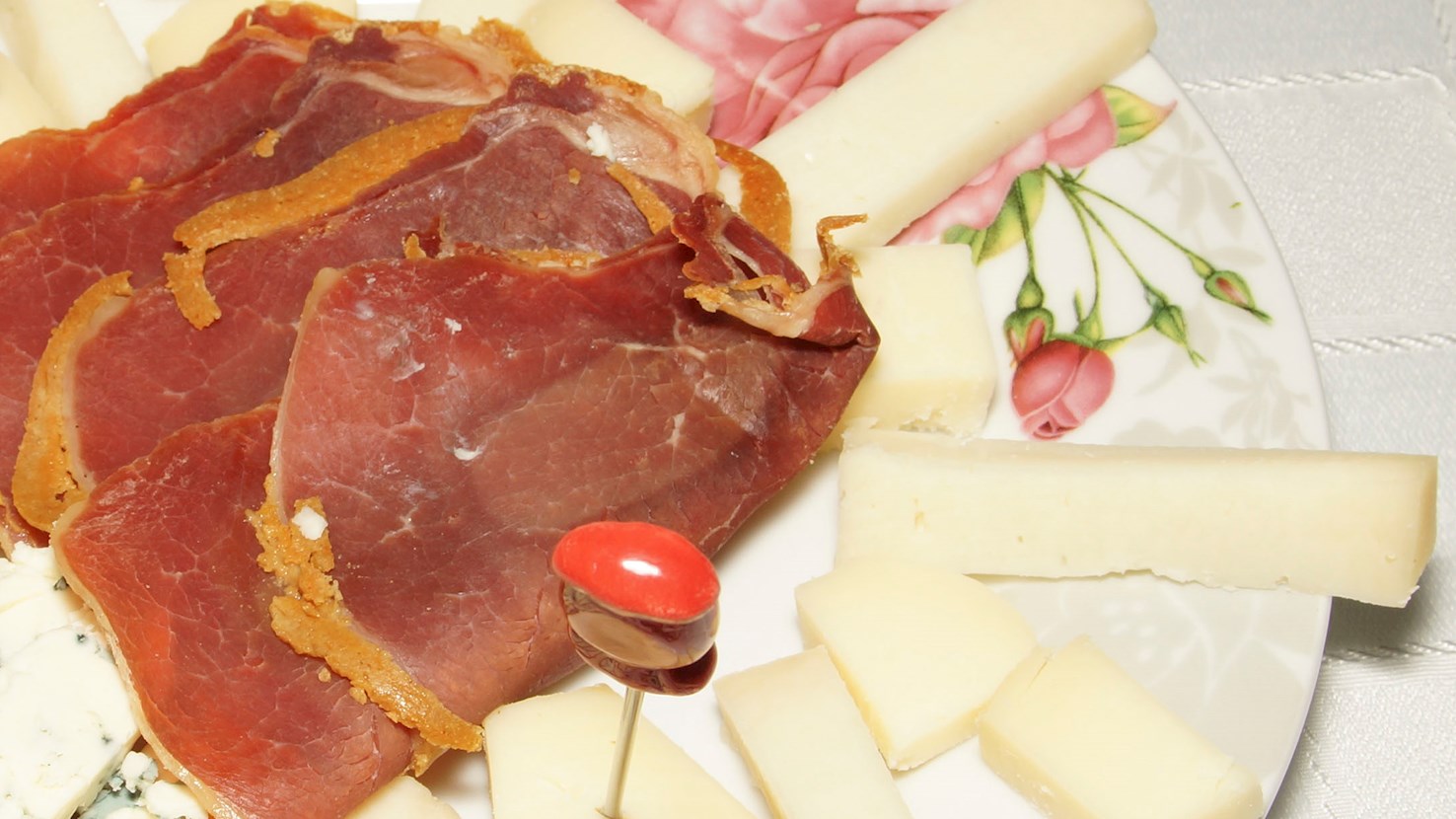
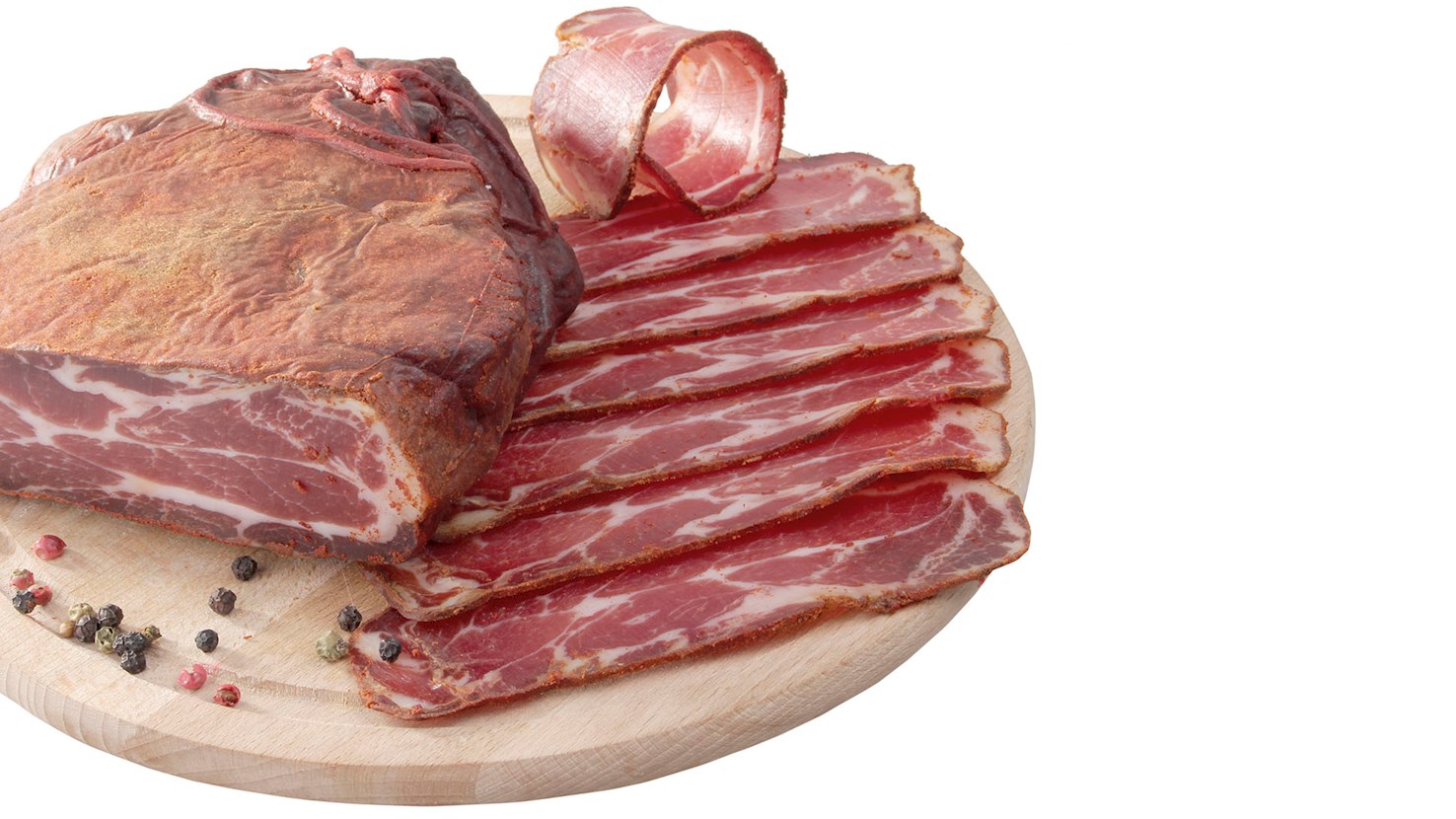
Kayserovan vrat Trakiya is raw cured meat that's been produced in Bulgaria for more than 30 years from carefully selected fresh pork collar. This delicacy obtains its flattened shape during the drying and curing phase, when the meat is repeatedly pressed. Its distinctive, well-defined brownish-red crust comes from coating the meat with the Kaiser mixture (kayserova smes) prepared from natural herbs such as red peppers, fenugreek, garlic, twine or hemp yarn, and white wine. The slices of Kayserovan vrat Trakiya are vividly red, marbled with a thin layer of salmon-pink fat. The aromas of the spices used in the Kaiser mixture transfer to the meat and make every bite special. Kayserovan vrat Trakiya is usually served with local cheeses and fresh vegetables.

04

Gornooryahovski sudzhuk

3.8 ·

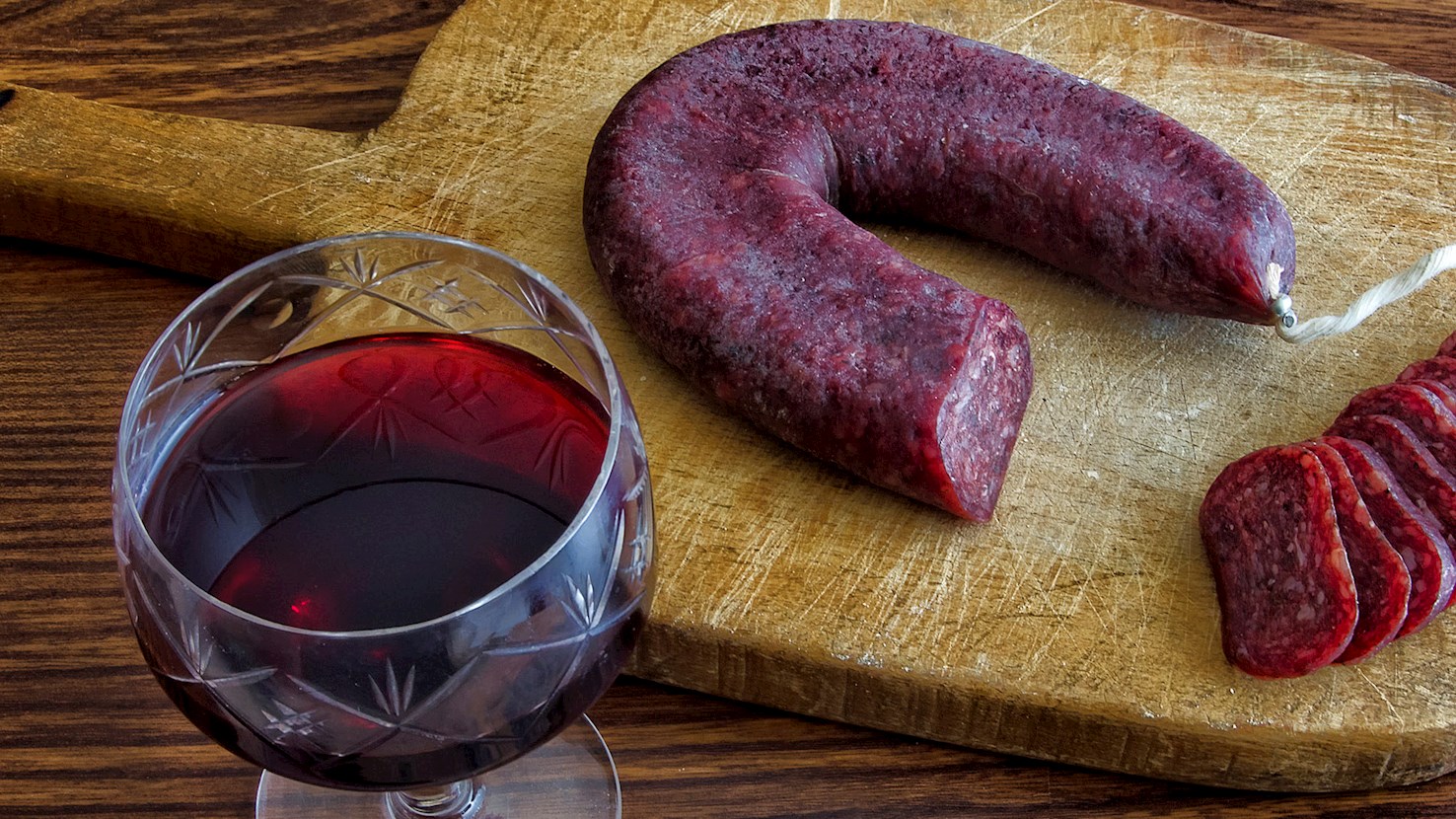
Gornooryahovski sudzhuk is a traditional sausage made in Gorna Oryahovitsa. In 1538, Suleiman the Magnificent issued a decree granting his grand vizier Rüstem Pasha Opuković lands and taxes from the production of sudzhuk in this area. These sausages were also known as sara and smarlama, but in the 1940s, they were promoted under the name Gornooryahovski sudzhuk on the Bulgarian market, where they became a highly requested product due to their distinctive flavor. Gornooryahovski sudzhuk sausages are made with beef coming from healthy, well-fed animals aged 12 months or more with a high glycogen content that makes them juicy. The spicy flavor of Gornooryahovski sudzhuk results from a mixture of black pepper, cumin, and savory which are added to the meat based on a traditional recipe. The sausages are bent into a horseshoe shape and left to mature in drying rooms where their surface gets covered in a coat of white mold. This process is monitored by manufacturers because it is crucial to stop it in the moment when the sausages acquire their distinctive flavor and aroma. The production of Gornooryahovski sudzhuk sausages is of great importance to the area due to a large number of consumers and the high sales price that lead to the area's economic growth and development.

05

Lukanka Panagyurska

3.8 ·

Panagyurska lukanka is a Bulgarian sausage made from pork and beef. The name Panagyurska is derived from the city of Panagyurishte, where it was first made. The term lukanka was coined in the 19th century to describe meat products containing onions, since lukanka (luk) is a Bulgarian word for onions. Intrestingly, onions are no longer used to prepare this delicacy, but the name remained. In 1958, the recipe and quality standards for lukanka Panagyurska were published in Bulgarian State Standard Nr. 2589-58 and have not changed since. The sausage mixture is made from ground beef (replaceable by fresh buffalo meat) and pork with the addition of salt, black or white pepper, and cumin. The final product is a dry-cured sausage of a superb taste and a pronounced spicy aroma. This authentic flavor made Panagyurska lukanka very popular and easily distinguishable among similar products.

06

Elenski But

3.5 ·

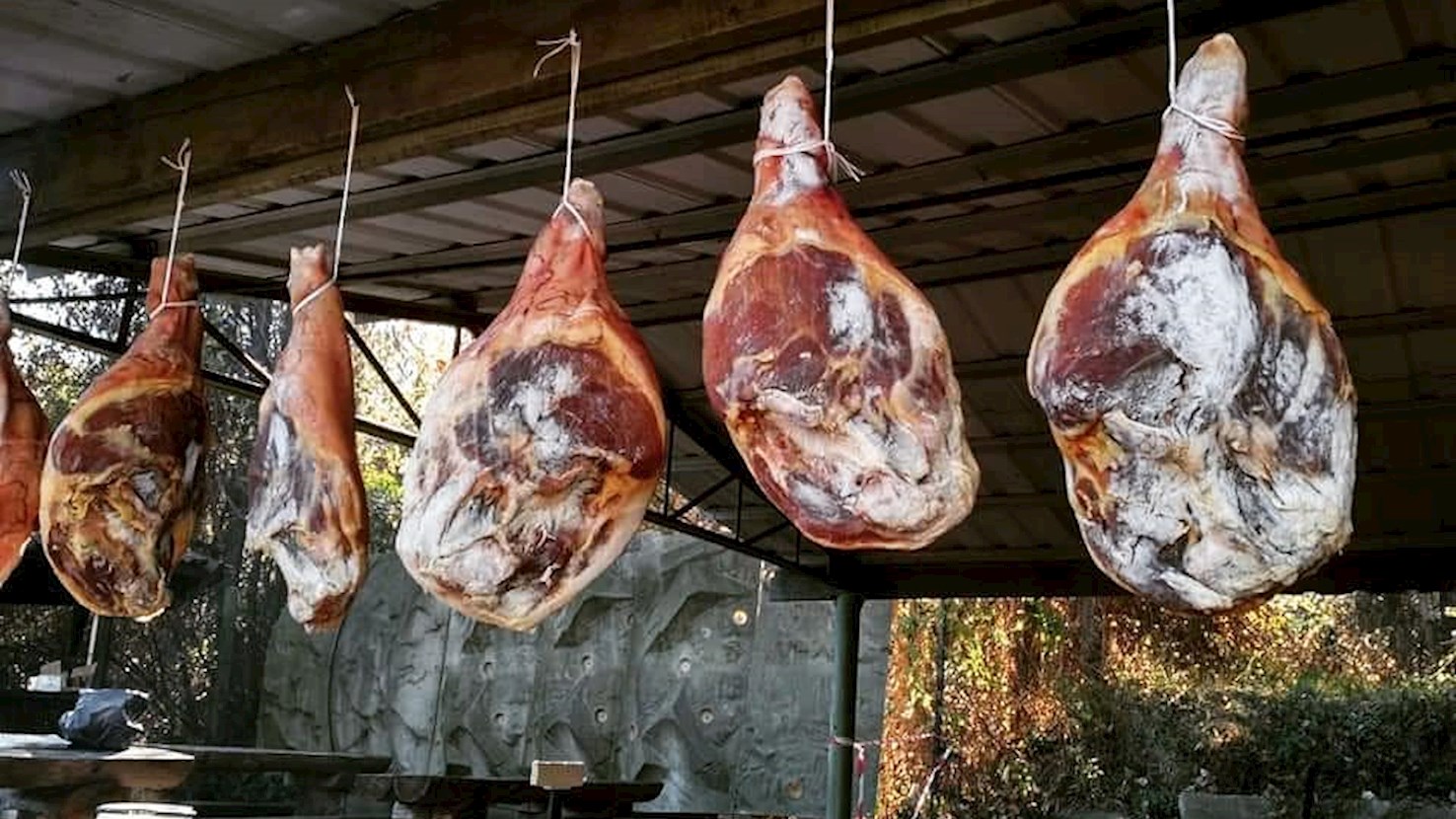
Elenski but is a traditional dry-cured meat product hailing from the Bulgarian town of Elena and nearby villages. This specialty is made with fresh pork leg that is cut, salted, and then cured over a bed of salt and bacon in a wooden cask that is typically made of oak. Once the curing process is finished, the pork leg is first rinsed with boiling water and sauerkraut juice, and it is then air-dried for at least 6 months. The finished meat product is usually consumed raw or lightly baked, and it makes for a perfect meze when served with a glass of Bulgarian red wine or beer on the side. Elenski but is still traditionally prepared in numerous households in Elena, although the practice is less common these days. This cured pork specialty is available in almost every restaurant in Elena. In the past, when no refrigerators existed, people used to bury elenski but in bran, wheat, or corn flour to keep it from spoiling.

07

Role Trapezitsa

3.5 ·

Role Tra­pe­zit­sa is a raw dry-cured meat delicacy made from frozen or chilled pork collar of the highest quality. The name of this unique product derives from Tra­pe­zit­sa, a his­tor­i­cal hill in Vel­iko Tar­no­vo, which was once a Bul­gar­ian capital. In accordance to the traditional recipe from 1981, pork collars are prepared with a mixture of salt and natural seasonings such as black or white pepper and garlic before being stuffed into natural casings. The filled casings are left to drain by hanging them on sausage trolleys. After 24 hours, the trolleys are moved to dry in natural or air-conditioned drying chambers where the temperature and humidity are constantly monitored and regulated. The meat is pressed several times, and therefore, Role Tapezitsa has a flattened shape. The final product is a very soft and tender specialty with a distinct aroma of seasonings used and an especially pronounced garlic flavor.

08

Banski Starets

3 ·

Banski starets (meaning an old man from Bansko) is a traditional dry-cured pork sausage originating from the Bulgarian town of Bansko. This meat specialty is typically made with a mixture of seasoned minced pork (fillet and tenderloin) that is stuffed into pork intestines, pressed, and then air-dried for at least 6 months before consumption. Typical seasonings include cumin, black pepper, and salt. With a rich salty flavor, this pork sausage is available in folk taverns and restaurants in Bansko, as well as in Bansko’s supermarkets. Banski starets is a traditional meze dish that is typically served as a dry appetizer, and it is usually paired with a glass of Bulgarian wine or rakia (local schnapps).

09

Strandzhanski dyado

n/a ·

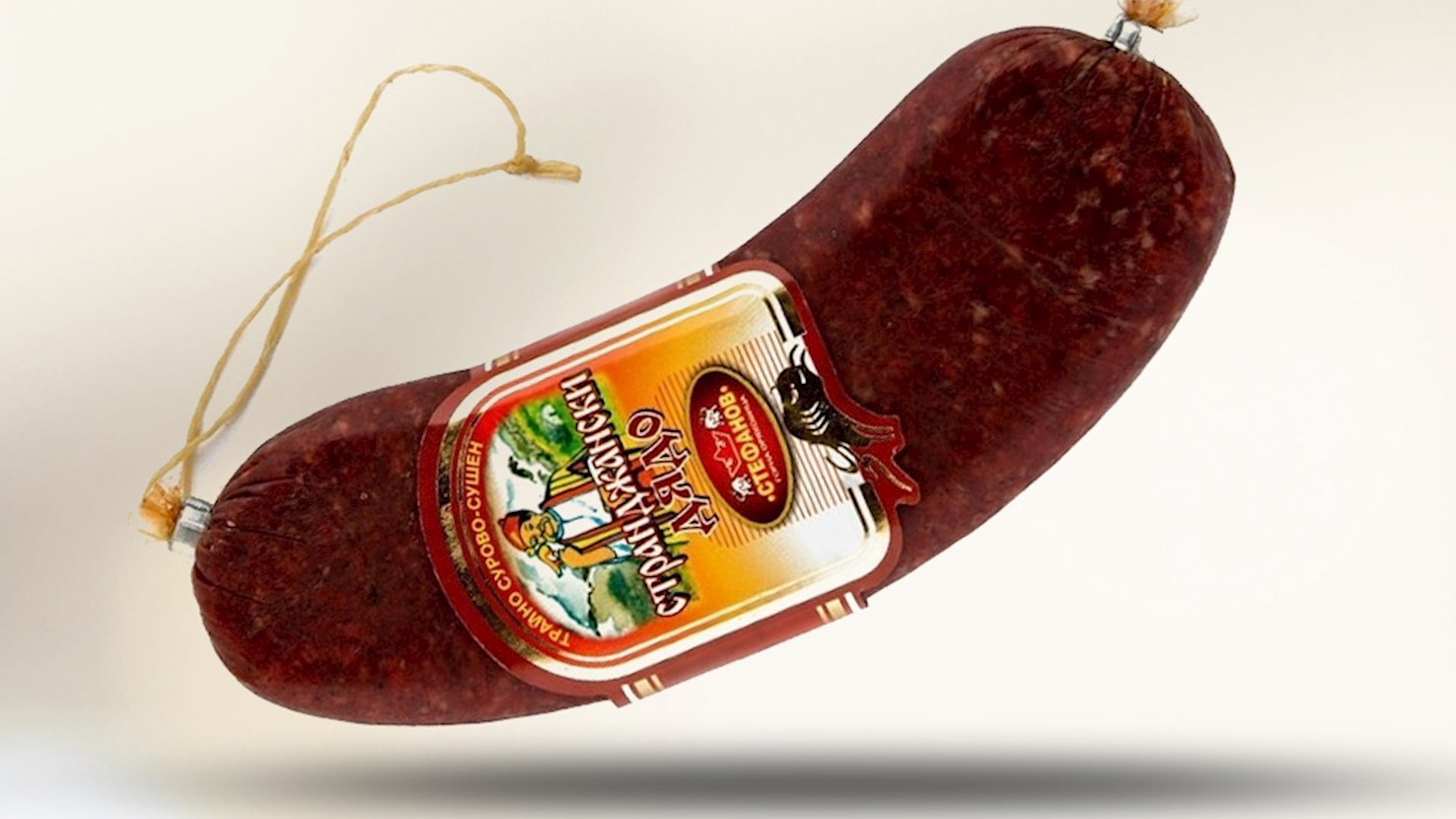
As the name suggests, strandzhanski dyado is a meat delicacy that hails from the mountainous Strandzha region in Bulgaria. This raw and dried salami is typically made by combining ground pork and pork tripe with a blend of seasonings such as savory (chubritsa), paprika, salt, black pepper, and dried hot peppers. The meat mixture is then usually stuffed inside a pig stomach and tied or sewn tightly before being pressed and left to dry for about 10 days. The surface of the meat is traditionally covered with ashes to accelerate the drying process. After this period, the meat is left to dry and mature in a well-aerated place for about 40 to 60 days, during which it develops its distinctive flavor. The term dyado is a local reference to pig tripe, and besides this pork offal, other pork parts can also be used in the preparation of strandzhanski dyado such as the appendix, locally known as the baba, the intestines, or the urinary bladder.

Read more
View all
View map
About this ranking

TasteAtlas food rankings are based on the ratings of the TasteAtlas audience, with a series of mechanisms that recognize real users and that ignore bot, nationalist or local patriotic ratings, and give additional value to the ratings of users that the system recognizes as knowledgeable. For the “Top 9 Bulgarian Meat Products” list until June 15, 2026, 644 ratings were recorded, of which 166 were recognized by the system as legitimate. TasteAtlas Rankings should not be seen as the final global conclusion about food. Their purpose is to promote excellent local foods, instill pride in traditional dishes, and arouse curiosity about dishes you haven’t tried.

Similar lists