ASK SPEKEHUS AS is a producer of cured meats based in Norway. The company's product line includes a variety of traditionally crafted cured meats. The production process emphasizes the use of high-quality ingredients and time-honored methods. ASK SPEKEHUS AS sources its meats from local Norwegian farms. The company is known for its artisanal approach to curing and has gained recognition for its adherence to Norwegian culinary traditions.
Hallegaard is a farm located in the rural area of Denmark, near the village of Østermarie. This farm specializes in producing high-quality meat products, based on traditional methods without the use of nitrites or artificial additives. Hallegaard prides itself on its commitment to natural and sustainable agriculture, creating meat and products that reflect authenticity and quality.
On the farm, animals are allowed to graze freely throughout the year, which contributes to the better flavor of the meat. All products are made with great respect for tradition and craftsmanship, focusing on preserving the natural environment and sustainable practices.
In addition to meat production, Hallegaard also has a Gårdbutik (farm shop), where visitors can purchase their products directly from the farm. The shop offers various meat specialties, including sausages, cured meats, and other farm products.
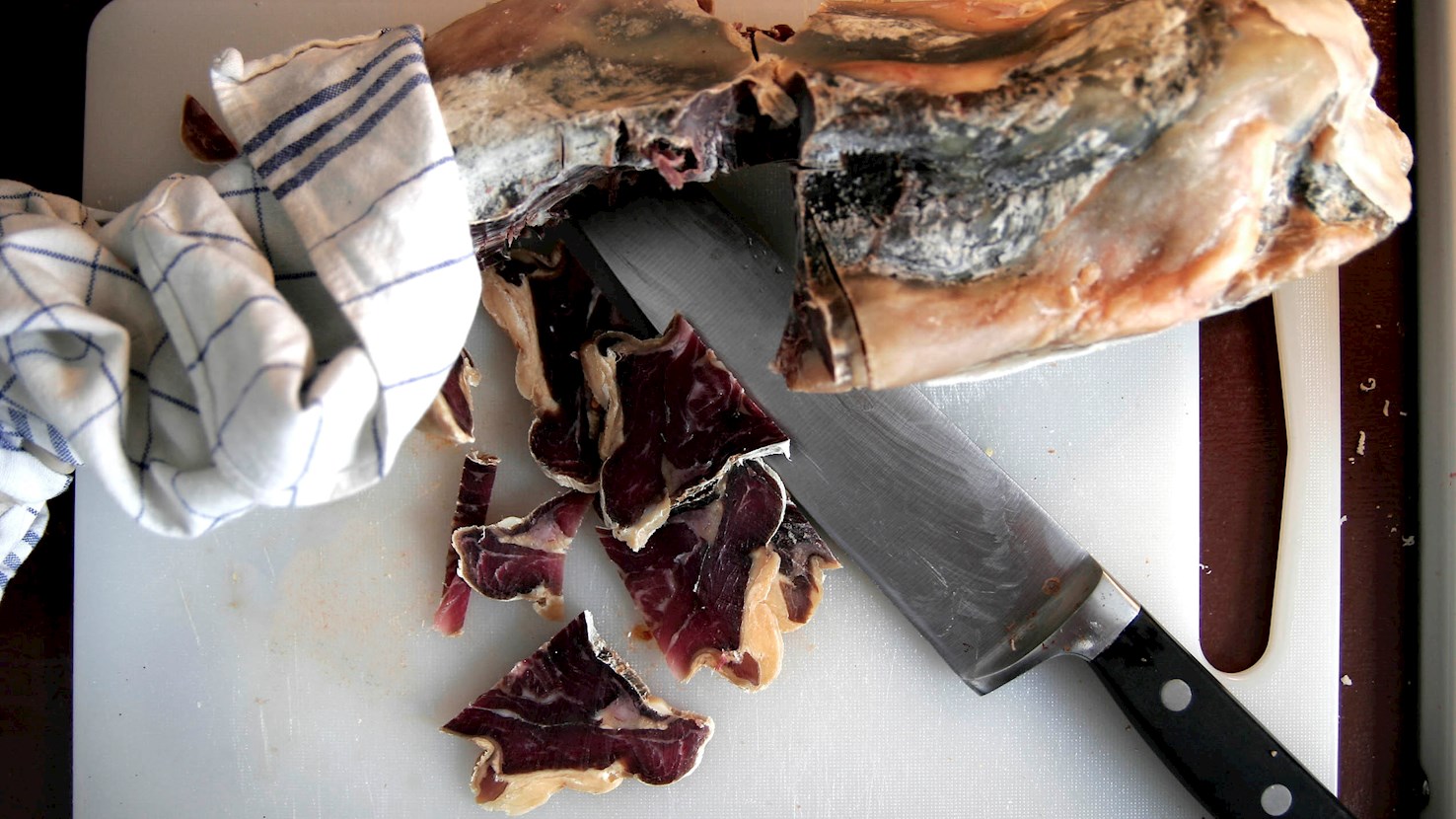
Fenalår fra Norge is a smoked leg of mutton traditionally produced in Norway and believed to have been around since the Viking era. The meat comes from lambs living in the mountains of Norway that are slaughtered in autumn. The meat is salted and left to dry for 3-6 months (traditional variety) or 5-9 months (matured variety) in a controlled environment. There are two types of Fenalår fra Norge found on the market, the traditional one with bone, and the riper, less salted and boneless one. The production method used today is based on Norway’s long history of hanging mutton legs to dry in the fresh mountain air to preserve the meat to use during the cold winter. In 2015 Norwegian producers signed their first contracts for the export of this delicacy and Fenalar already became an exclusive dish in French and Swiss restaurants. Fenalår fra Norge is traditionally eaten during the Christmas holidays in Western Norway and is often served with thin crisp bread or rømmegrøt – a sour cream porridge.
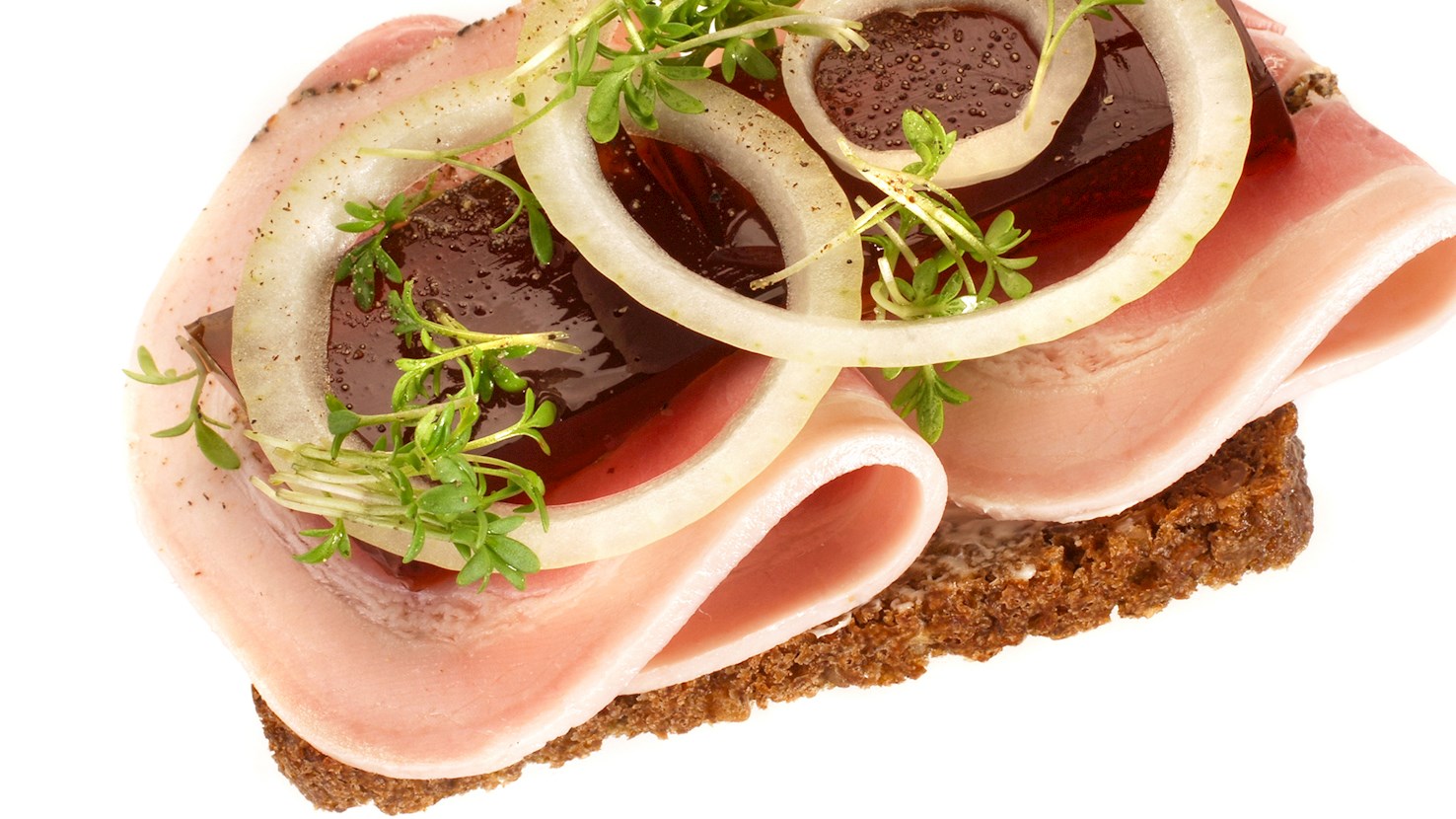
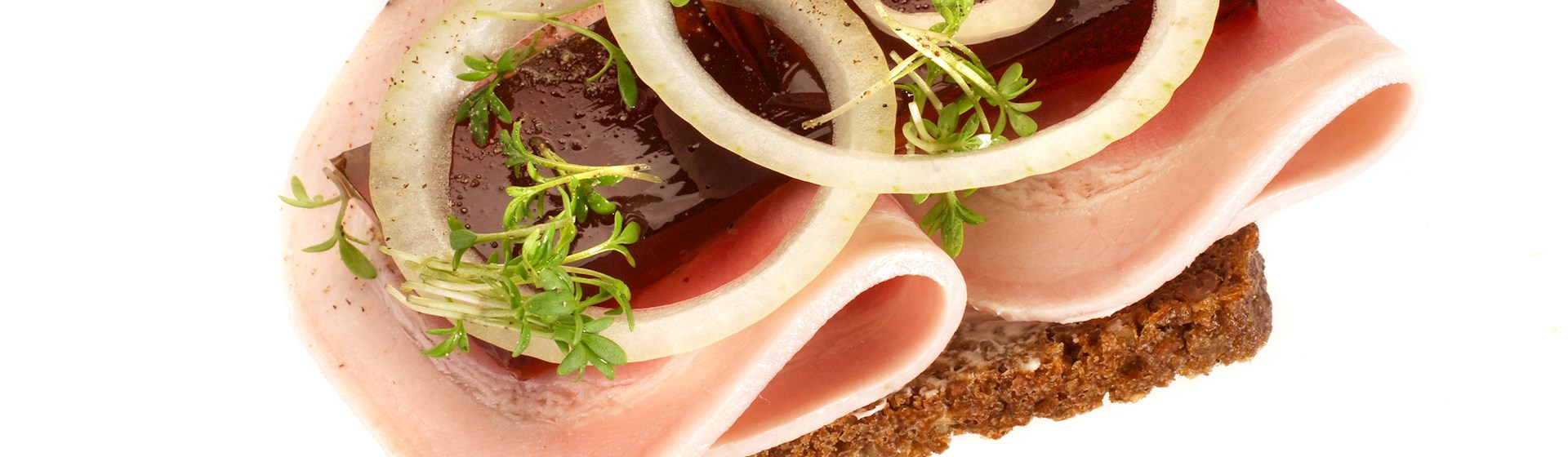
This classic Danish meat roll is traditionally prepared with flat pork belly that is filled with a combination of herbs and spices before it is rolled, cooked, and left to cure in a seasoned brine. When placed in brine, the roll is pressed to attain its characteristic rectangular shape. It is usually sliced and enjoyed as a cold cut on the popular smørrebrød sandwiches, or as a part of a buffet meal.
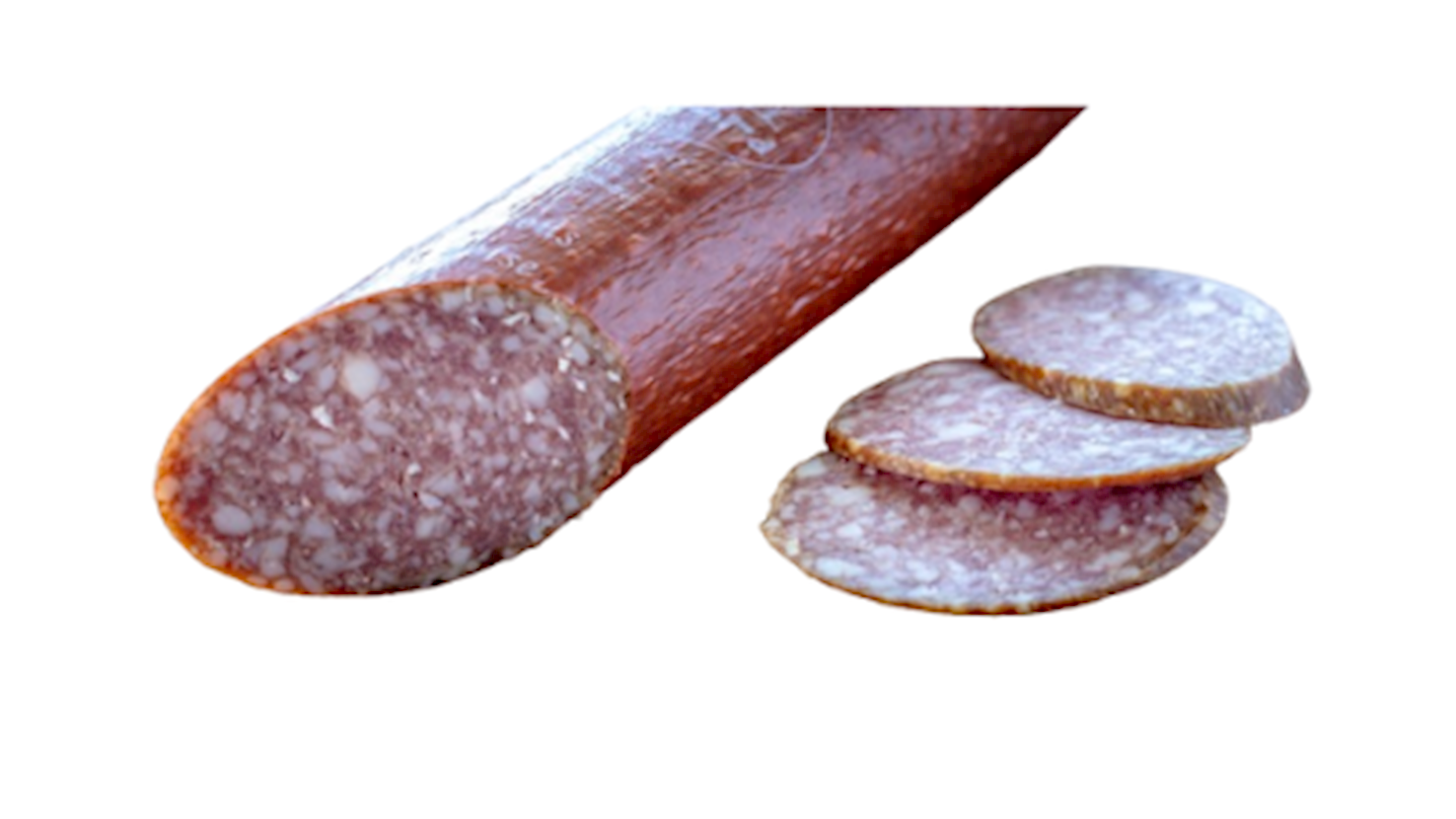
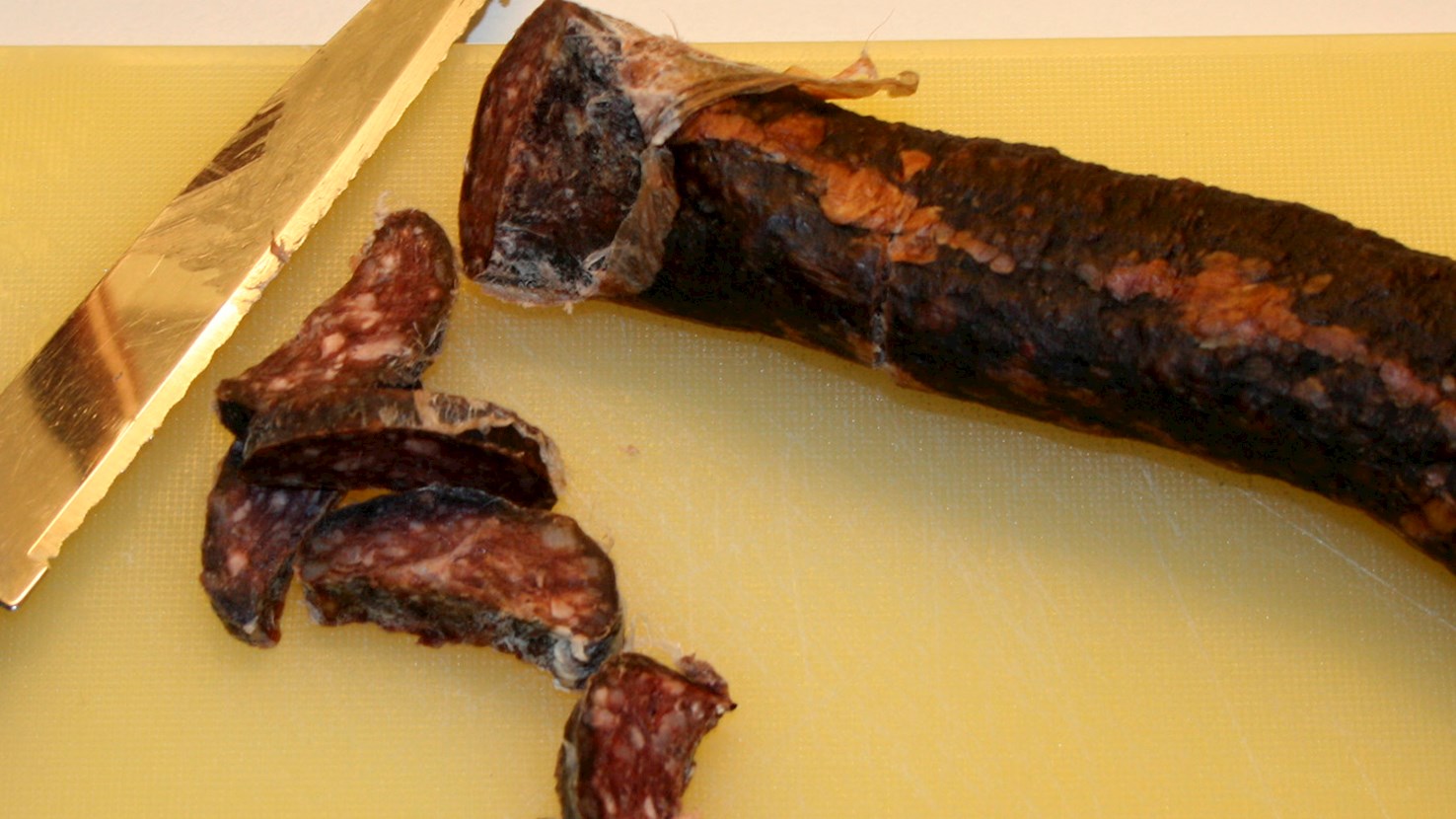
Morrpølse is a traditional sausage. It is believed that this sausage is one of the oldest processed foods in the country, dating back to the Viking era. Traditionally, it was made with a combination of sheep tripe and offal meat such as kidneys, lungs, heart, tongue, colon, stomach, and esophagus, which were finely chopped or ground, seasoned with spices, then stuffed into the gut of the animal and hung in a cold place for a few months. Due to the fact that the chambers needed to be heated by burning wood from time to time, the sausages were also cold-smoked. Nowadays, the sausage is usually made from pork, goat, sheep, or wild game, with a proportion of 70% lean meat and 30% fat. Once ground, the meat is seasoned with salt, pepper, nutmeg, caraway, and dried and crushed juniper berries. The sausages are stuffed into natural casings, fermented, cold-smoked, and dried before they're ready for consumption.
Falukorv is a traditionally made sausage that originally stems from the city of Falun, but is nowadays made by several meat companies in Sweden. The sausage is made with a mixture of pork and beef or veal meat that has been ground and combined with potato starch, water, and a selection of mild spices. The meat content in the sausage must be at least 40%. Its flavor is smoky and salty, while the color of falukorv, once sliced, is brownish-pink. The sausage can be eaten on its own, fried, used in sandwiches or in Beef Stroganoff where it stands as a substitute for beef.
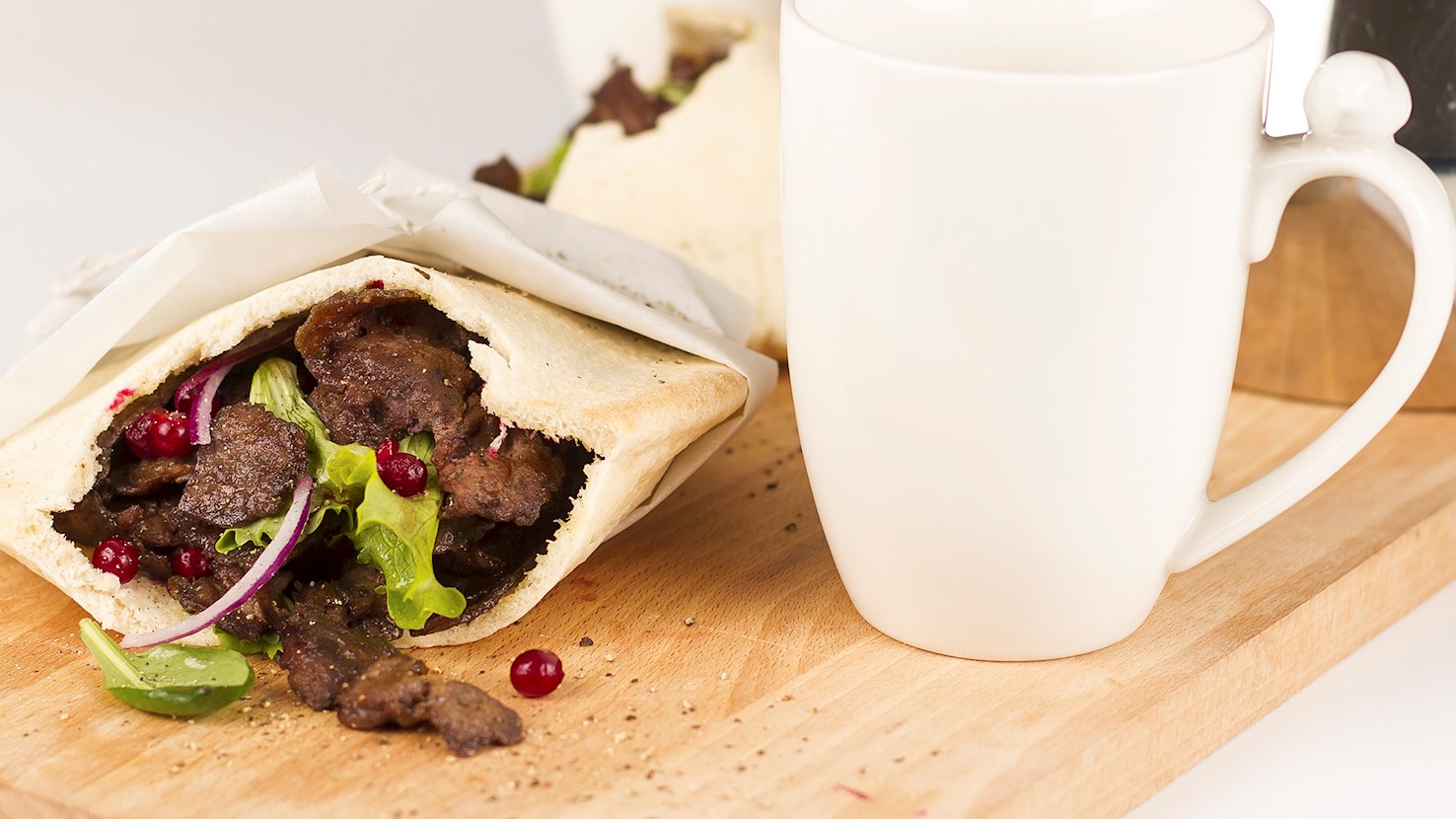
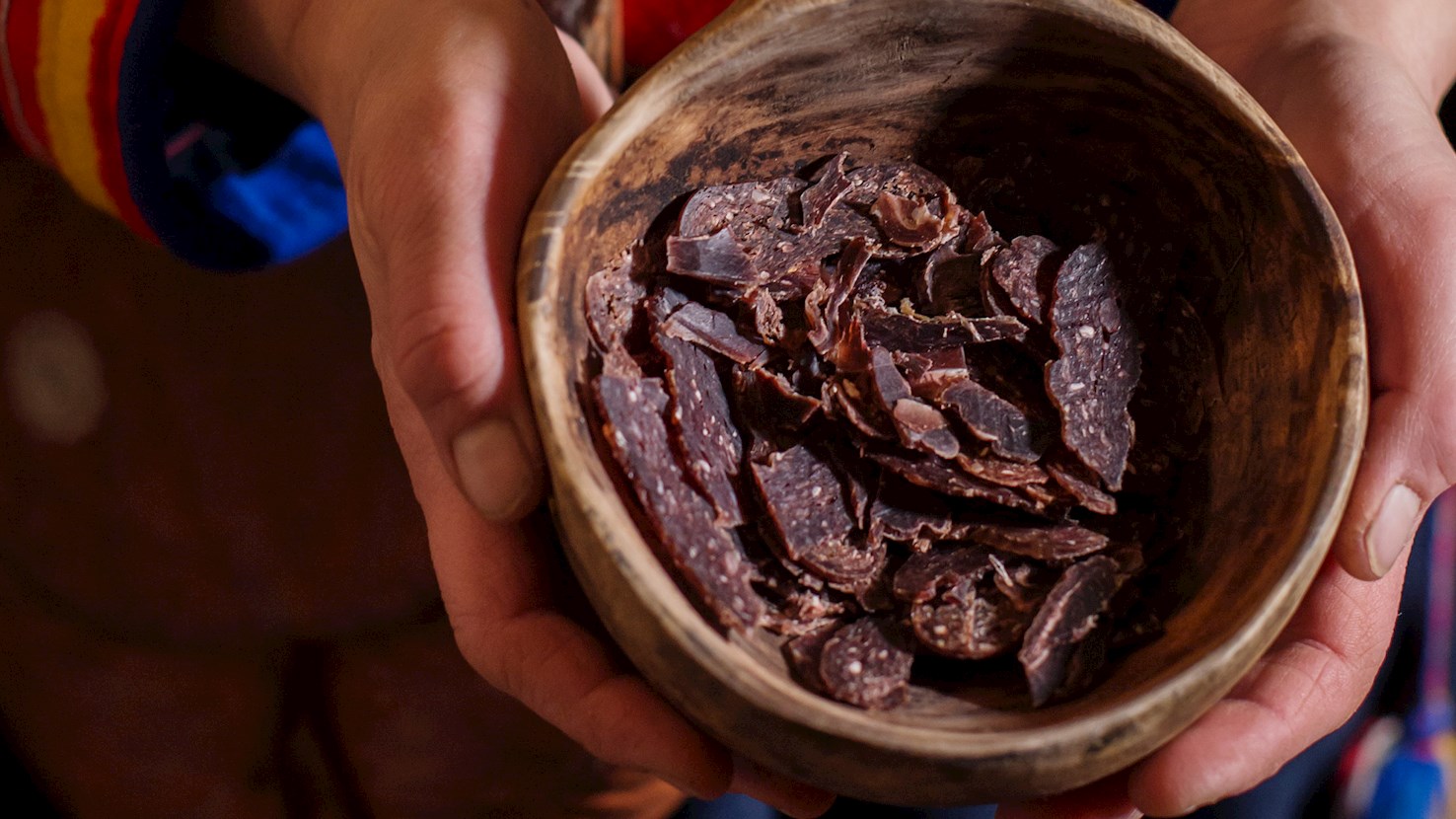
Reindeer suovas is a traditional meat product. It is prepared by dry-salting reindeer meat, then smoking it over an open fire in a peaked hut for 8 hours. The meat can be consumed raw or cut into pieces, then grilled. These semi-wild reindeers are slaughtered every autumn and winter, but the salting, smoking, and curing are done throughout the year. Flavorful, yet delicate, suovas is often accompanied by pickled mushrooms and lingonberries or lingonberry jam. It is prepared by the Sámi indigenous people living in an area called Sápmi. When Sámi venture on long trips, they traditionally pack suovas and unleavened bread to eat on the trail.
Vindelnrökt skinka is a traditional smoked ham made from whole boneless ham or various cuts like topside, silverside, rump, knuckle, and roll. This ham comes from pigs and is hot-smoked using alder wood in traditional smoke kilns. There are two main types based on their smoking method: hams smoked in a flat position, and hams smoked in nets. The ones smoked in a flat position have an irregular shape and thickness with a rough surface, and the color ranges from hazelnut shell to roasted coffee bean, while the outer fat and tendons are warm cinnamon tones. Flat hams weigh between 3-6 kg. Hams smoked in a net have a uniform and homogeneous shape, light burnt brown color with shades of hazelnut, and weigh between 1-3 kg. The production of the hams takes place in Degerfors in the province of Västerbotten.
Reindeer herding has been strongly interwoven with the culture, heritage, and diet of the Sámi indigenous nomadic herders from the Sápmi cultural region. Using old food preserving methods, the nomadic herders continue to prepare a wide range of meat delicacies based on reindeer meat, including Sámi reindeer gurpi, a cured meat product that is made with a combination of leftover reindeer meat, lumps of fat, and salt. After the curing process, the meat mixture is shaped into a long loaf before it is enclosed within reindeer caul and cold-smoked over slightly damp birch wood for about two or more hours. This traditional meat specialty has represented an essential protein source for the Sámi people as its long shelf life has made it suitable for consumption during their long hikes. Although it was rarely cooked in the past, gurpi is nowadays commonly grilled or fried in butter or reindeer fat, and it is typically accompanied by sides such as fresh salads, vegetable mashes, or Scandinavian berry preserves or sauces.
Fenalår is a cured meat made from the salted and air-dried leg of lamb or sheep. It is produced throughout Norway and is closely tied to the country’s long sheep-farming culture, where salting and drying meat enabled food storage through the colder months. Today, it is also protected as a Norwegian geographical indication. The work starts with a whole hind leg of lamb or sheep, often with the bone left in, though modern producers may also use deboned, netted legs. The meat is trimmed, salted either with dry salt or brine, and then left to cure before being rinsed or wiped and hung to dry in a cool, airy place. Large producers use controlled drying rooms, while older home methods relied on naturally cool storage spaces and good ventilation. The maturing period usually lasts at least a few months, and some legs are aged much longer for a firmer texture and deeper flavor. In parts of western Norway, especially around Voss, the meat may be lightly cold-smoked before or during curing, partly for flavor and partly because smoke helped protect the meat in damp coastal conditions. During drying, the leg loses moisture, and the flavor becomes more concentrated. The finished fenalår is dark red to reddish brown, firm but not hard, and pleasantly salty, with a clear lamb or mutton character. Good fenalår should taste savory and rounded rather than aggressively salty or rancid. It is never cooked before serving; it is eaten as a cured meat, sliced very thinly across the grain. Fenalår is served all over Norway, especially on festive tables, Christmas buffets, and Constitution Day spreads, but it is also common as snack food, hiking food, or part of a cold lunch. It is usually eaten at room temperature in paper-thin slices, often with flatbrød, butter, sour cream, scrambled eggs, or potato salad. At informal gatherings, the whole leg may be placed on the table so guests can carve their own slices. Aquavit is a classic pairing, especially when fenalår is served as part of a larger cured-meat spread, while beer works well with its saltiness and dense, savory flavor.
TasteAtlas food rankings are based on the ratings of the TasteAtlas audience, with a series of mechanisms that recognize real users and that ignore bot,
nationalist or local patriotic ratings, and give additional value to the ratings of users that the system recognizes as knowledgeable.
For the “Top 8 Scandinavian Meat Products” list until June 01, 2026, 151 ratings were recorded, of which 124 were recognized by the system as legitimate.
TasteAtlas Rankings should not be seen as the final global conclusion about food. Their purpose is to promote excellent local foods,
instill pride in traditional dishes, and arouse curiosity about dishes you haven’t tried.
The initial list of top producers was compiled based on available reviews, awards, local recommendations, media and blog coverage, and consumer reviews.
The list will be updated with ratings from TasteAtlas local ambassadors and TasteAtlas users.