





shutterstock

Top 6 African Meat Soups

Last updated on June 15, 2026
01

Pèpè soup (Pepper soup)

4.2 ·

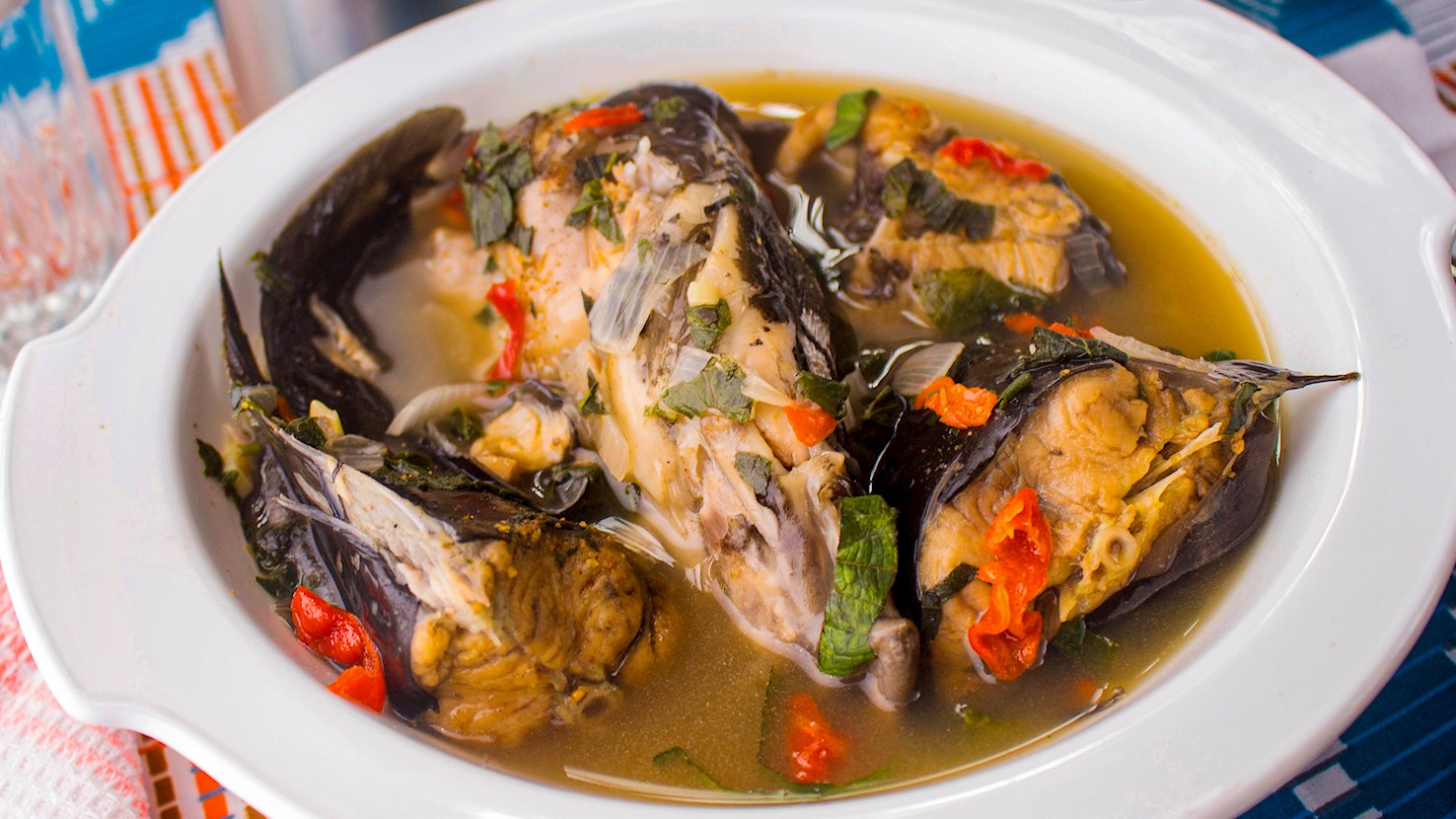
Pèpè soup is a traditional soup with intense aromas, made with njansa nut as the main ingredient. It is also popular in Nigeria and throughout West Africa. A spicy nut known as njansa is the key ingredient in pèpè soup, acting as a thickener and giving the soup its signature flavors. Other ingredients include meat or fish, garlic, ginger, hot peppers, onions, and water. The soup can be served on its own or it can be paired with yams, rice, and plantains when served as a main dish.

02

Sharba Libiya

3.8 ·

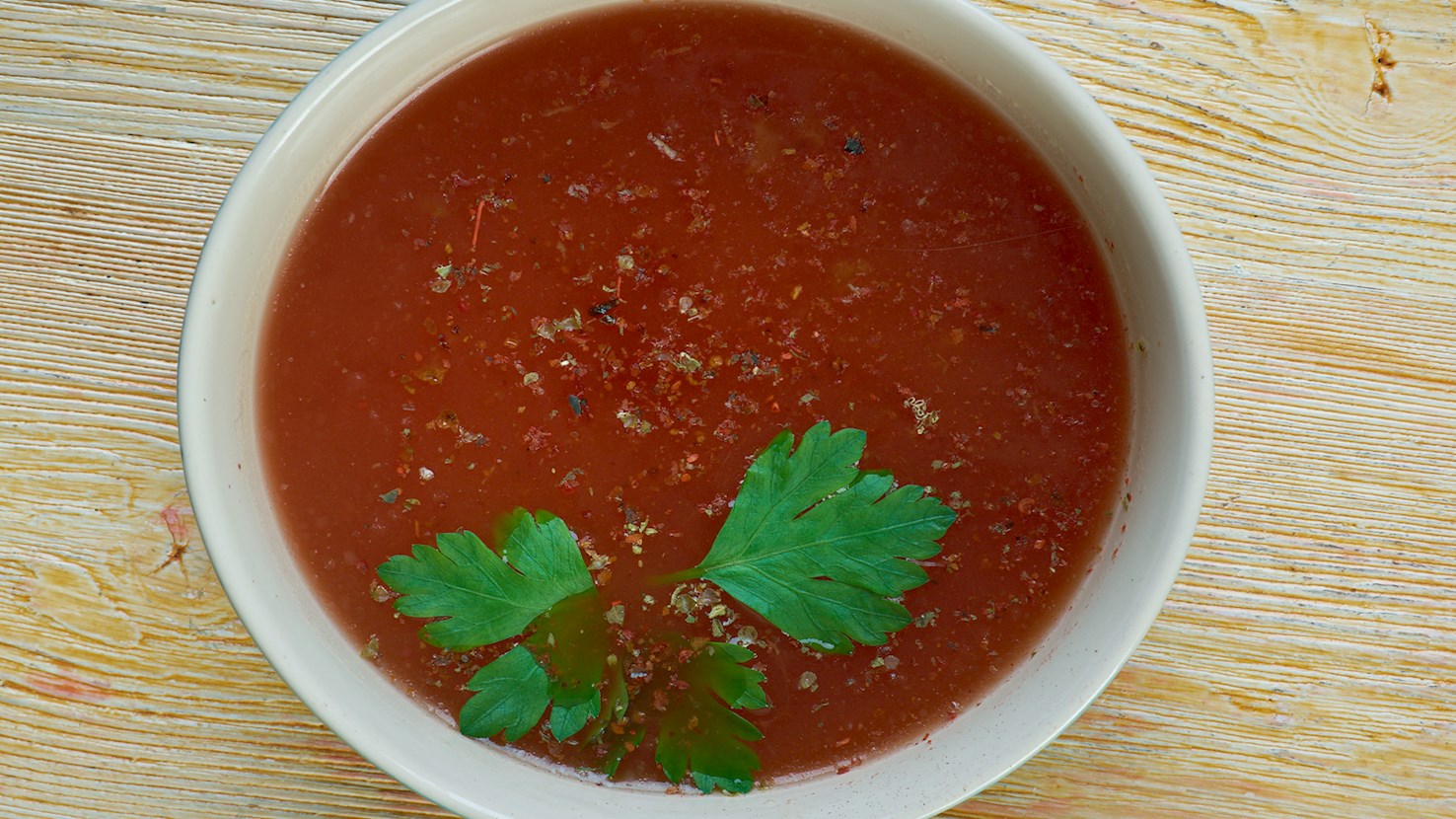
Sharba Libiya is often considered the national dish of Libya, and it is especially popular during Ramadan. Although there are versions made with chicken or fish, the traditional version of this aromatic soup is prepared with lamb and dried mint as the key ingredients. Apart from those, the soup consists of onions, tomatoes, olive oil, tomato paste, chopped parsley, tiny pasta, and chickpeas. It is heavily flavored with turmeric, red paprika, black pepper, cinnamon, cardamom, bay leaves, and shaiba leaves (also known as dagad phool in Indian cuisine). When served, sharba Libiya is typically paired with lemon wedges and tanoor bread on the side in order to make the dish even more satisfying and nourishing.

03

Chorba beïda

3.2 ·

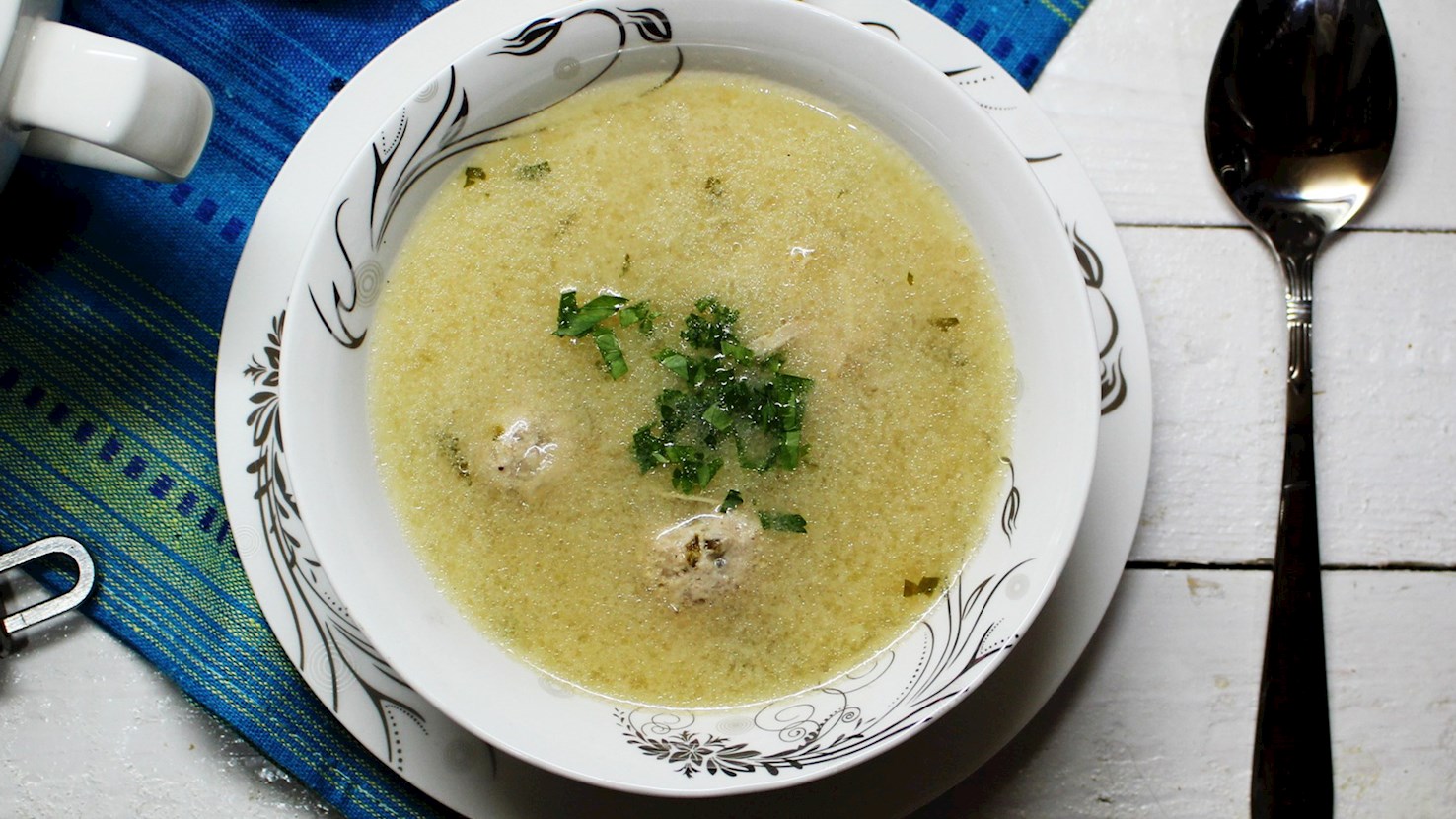
Chorba beïda is a rich and nourishing Algerian white chicken soup that's traditionally prepared for Ramadan. It's usually made with a combination of chicken, onions, carrots, celery, garlic, butter, cinnamon, chickpeas, and seasonings. The chicken pieces are first browned and the vegetables are cooked until they soften. Water is added to the pot and the soup is simmered for a while along with chickpeas. Near the end of cooking, a combination of egg yolks, lemon juice, and parsley or coriander is stirred into the soup. When served, chorba beïda is often accompanied by crusty bread on the side.

04

Fah-fah

n/a ·

Fah-fah is a traditional soup originating from Djibouti. It's usually made with a combination of goat meat, cabbage or kale, leeks, garlic, onions, potatoes, hot peppers, coriander, salt, and pepper. The meat and vegetables are placed into a pot, covered with water, and gently simmered. After some time, the garlic and coriander are added to the pot and the soup is simmered until the meat is tender. Once done, fah-fah is typically served in individual bowls with canjeero (injera) flatbread on the side. The soup is usually made in the southern parts of the country and it's often served for dinner.

05

Sharba Libiya bil dajaj wa alzatar

n/a ·

Although the traditional sharba Libiya soup is made with lamb and mint, this variety, known as sharba Libiya bil dajaj wa alzatar is much lighter, prepared with chicken and thyme as the key ingredients. Apart from chicken and thyme, the soup is made with onions, tomatoes, tiny pasta, and flavorings such as parsley, cinnamon, bay leaves, cardamom, turmeric, and cloves. Served with lemon wedges and fresh bread on the side, this aromatic soup is a staple of every Iftar table during Ramadan.

06

Hassa dernawi

n/a ·

Hassa dernawi is a thick Libyan soup that is traditionally prepared and consumed during winter. It consists of lamb, chopped tomatoes, tomato paste, water, and flavorings such as turmeric, chili powder, and black pepper. The soup can be additionally thickened with white flour, while fresh herbs such as coriander, basil, and mint are important elements of this hassa soup variety hailing from the city of Derna. It is recommended to serve the soup piping hot with a lemon wedge on the side.

Read more
View all
View map
About this ranking

TasteAtlas food rankings are based on the ratings of the TasteAtlas audience, with a series of mechanisms that recognize real users and that ignore bot, nationalist or local patriotic ratings, and give additional value to the ratings of users that the system recognizes as knowledgeable. For the “Top 6 African Meat Soups” list until June 15, 2026, 292 ratings were recorded, of which 47 were recognized by the system as legitimate. TasteAtlas Rankings should not be seen as the final global conclusion about food. Their purpose is to promote excellent local foods, instill pride in traditional dishes, and arouse curiosity about dishes you haven’t tried.

Similar lists