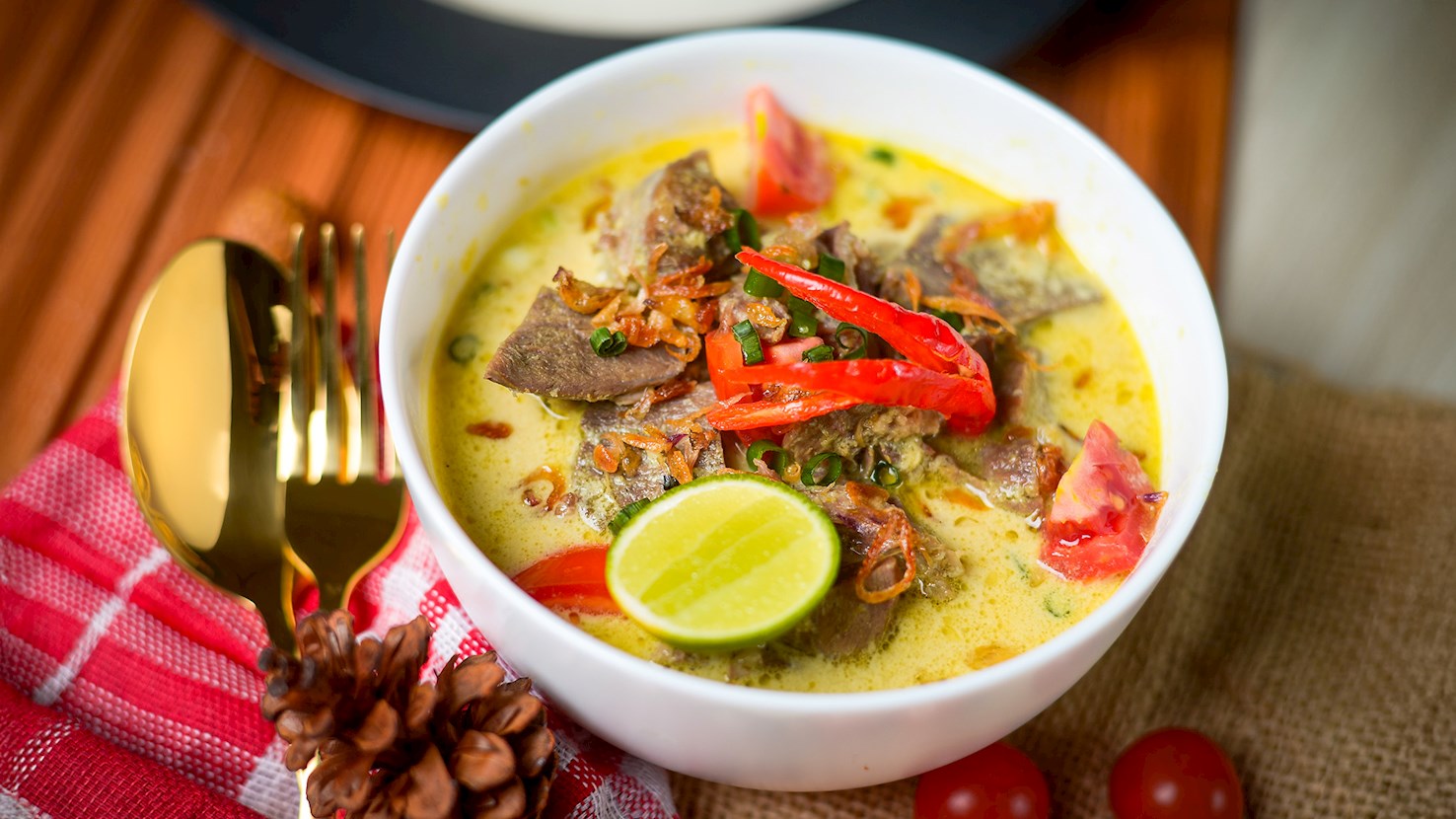
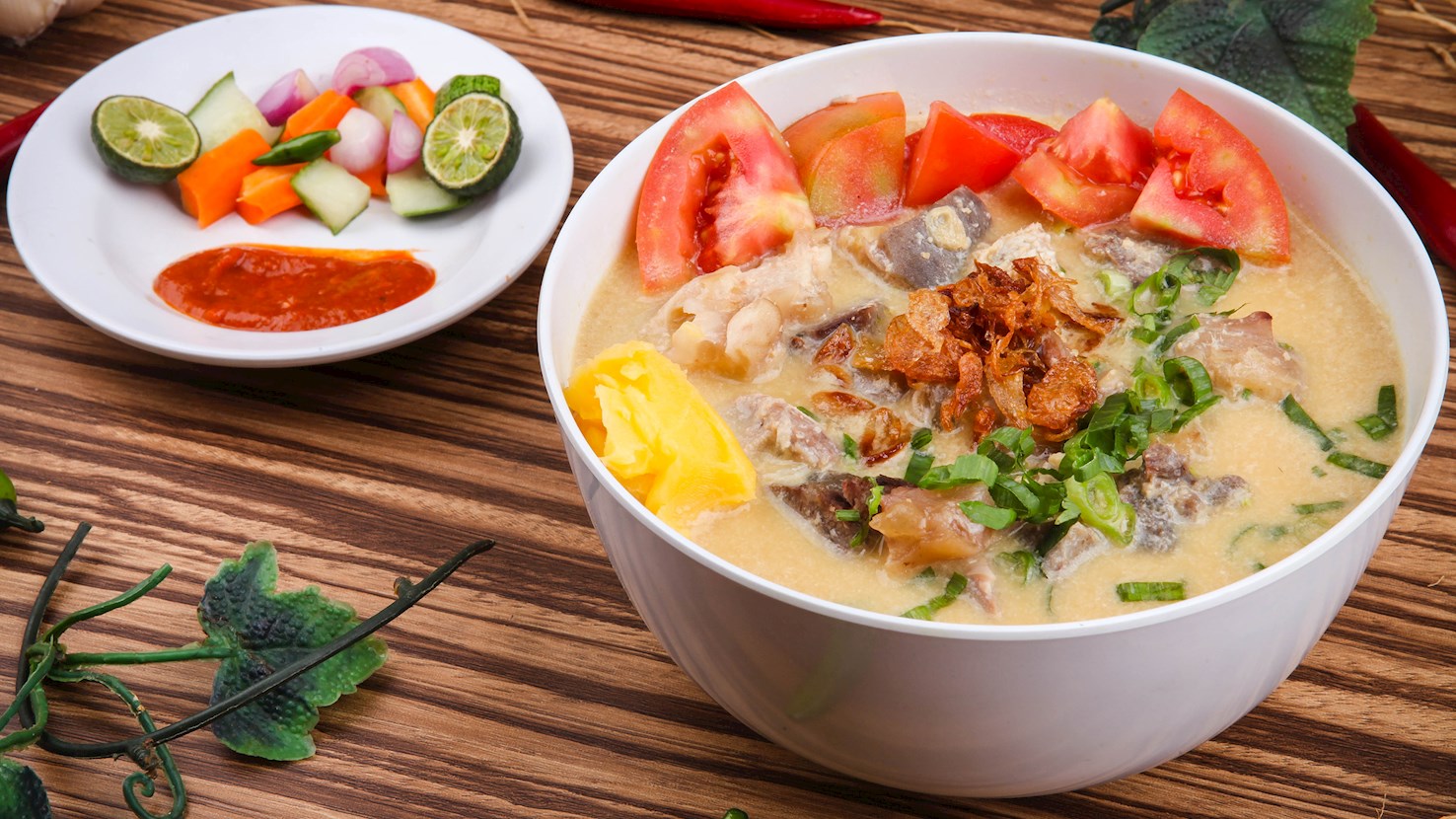
Soto Betawi is a hearty beef soup consisting of chunks of meat and offal that are slowly simmered in a coconut milk broth, which is usually enriched with various spices such as lemongrass, turmeric, galangal, kefir lime leaves, and coriander. When served, the soup is accompanied by different condiments that typically include tomatoes, scallions, sweet soy sauce, and emping crackers. Because of its name, it is believed that the dish originated in Jakarta among the Betawi people, and today it is one of the most popular dishes in the city, usually sold at various street stalls, restaurants, or hawker-style establishments. Soto Betawi is traditionally enjoyed with steamed rice and pickled acar on the side.
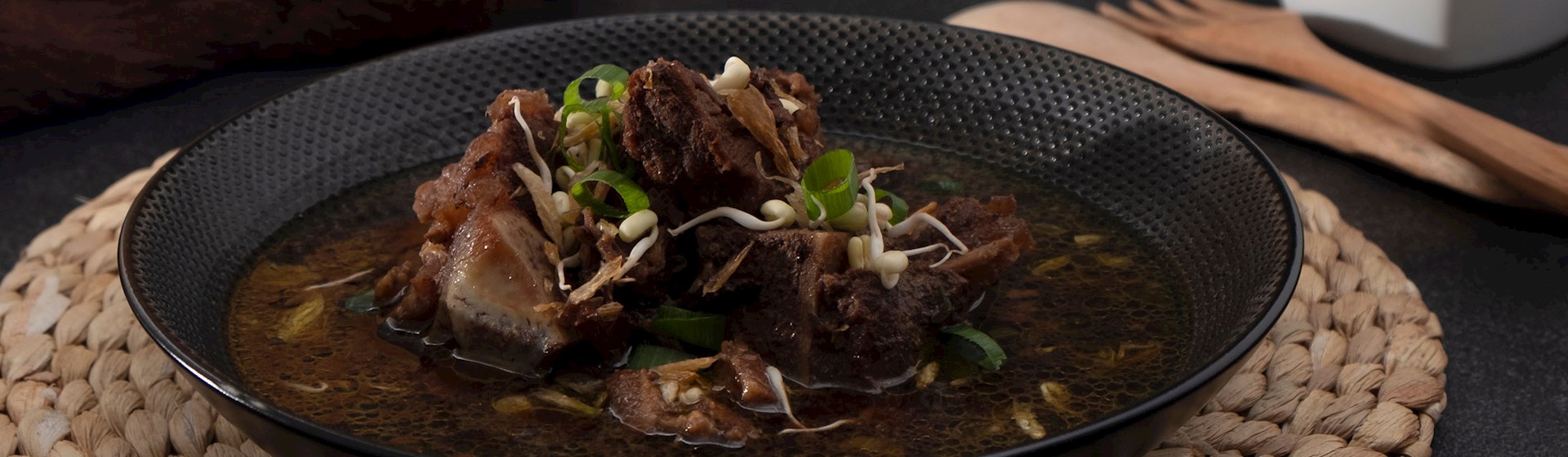
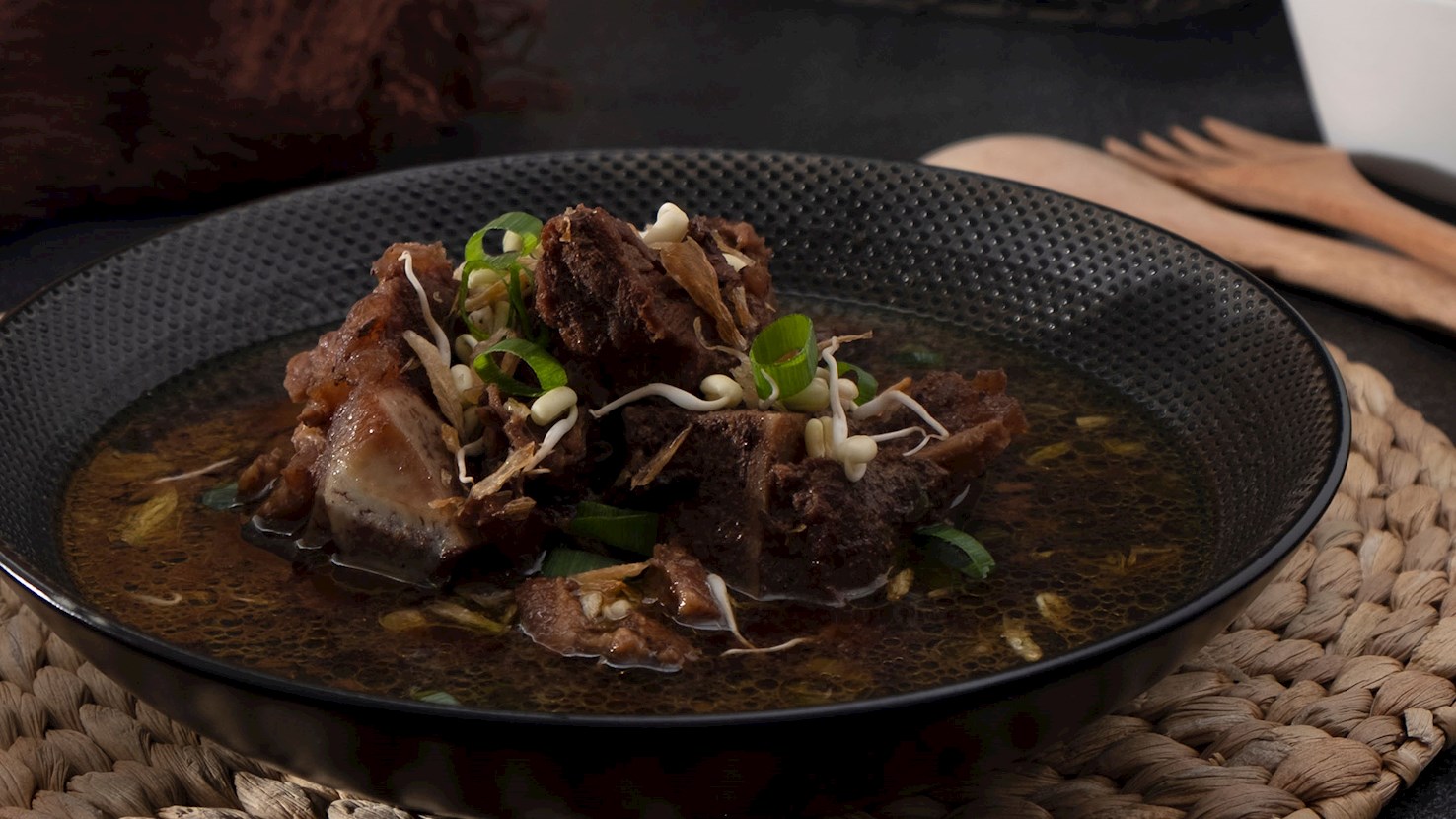
Rawon is a unique Indonesian dish with origins in East Java. This flavorful soup is usually made with slow-braised beef and other traditional Indonesian ingredients such as lime leaves, lemongrass, ginger, and chili. However, the key element is buah kluwek, the Indonesian black nut. This unusual Indonesian spice is highly toxic when raw, and always needs to be fermented before consumption. It is ground with other ingredients and spices, giving the dish its earthy and sour taste and the unique dark black color. The origin of the dish is believed to be the city of Surabaya, the capital of East Java. Primarily prepared as a plebeian dish, it soon became a favorite among royalty and quickly grew in popularity. Today it can easily be found on the menus of numerous traditional Indonesian restaurants. It is usually served alongside plain rice, salted eggs, bean sprouts, and sambal - a spicy Indonesian chili paste.
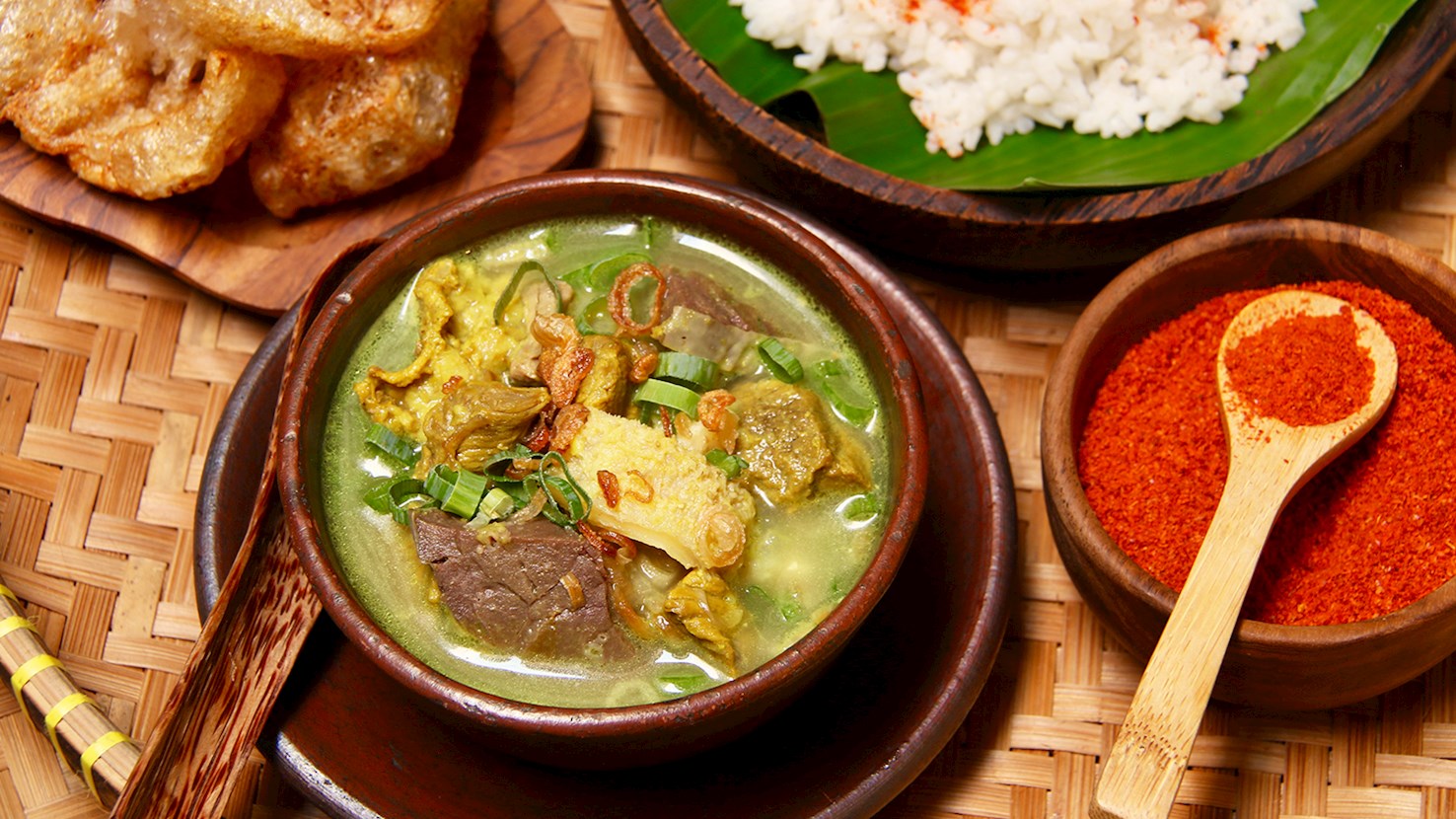
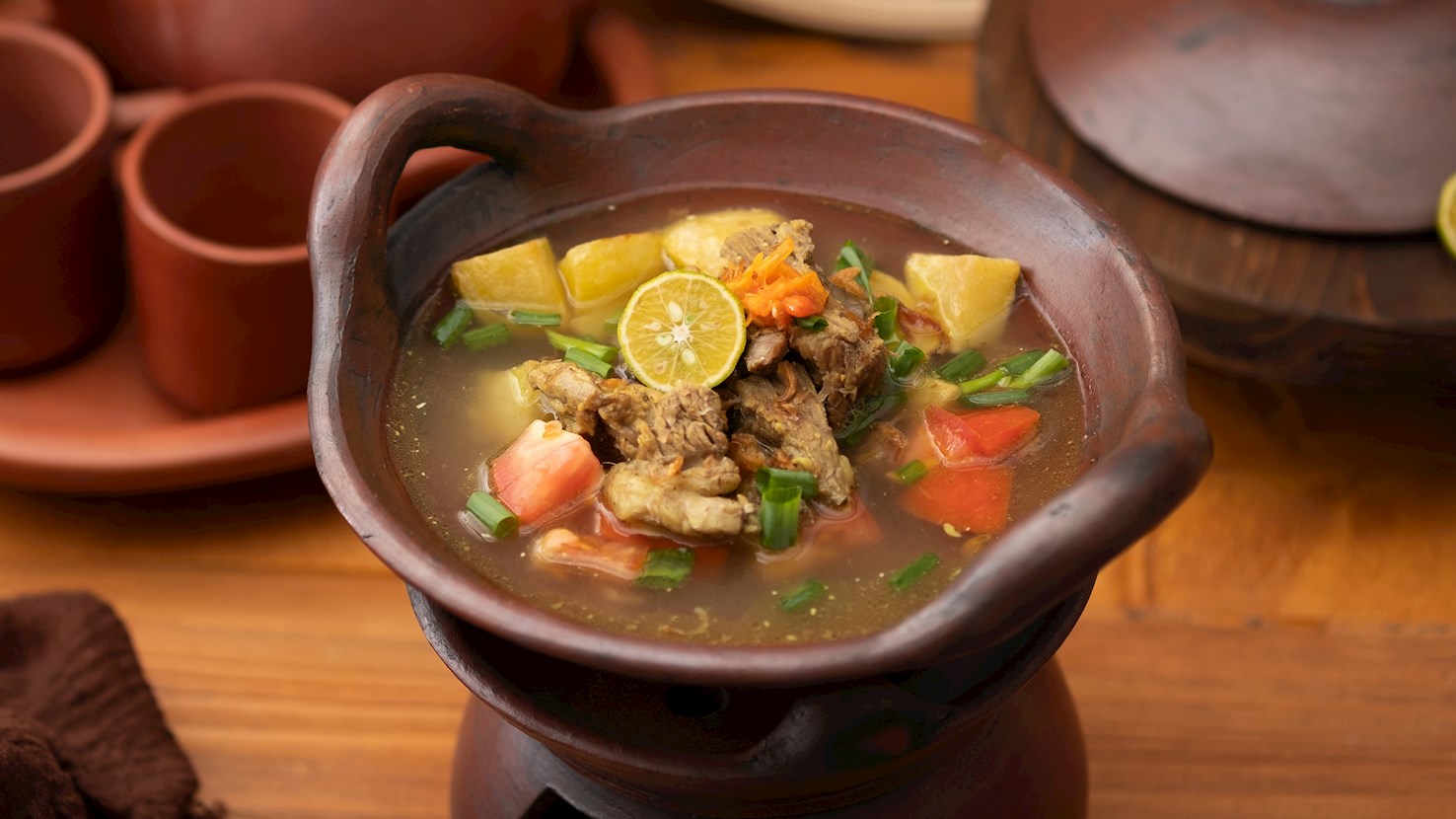
Empal gentong is a richly spiced beef soup hailing from the city of Cirebon in West Java, known for its deep, golden broth and ceremonial cooking method. At first glance, it may resemble other Indonesian meat soups such as soto or gulai, but empal gentong distinguishes itself through its use of offal, coconut milk, and a unique wood-fired clay pot that lends the stew its name. The word "gentong" refers to the large earthenware pot in which the dish is traditionally simmered over an open flame fueled by wood, usually teak or mango, which imparts a subtle smokiness to the broth. Inside this pot, chunks of beef and innards (typically tripe, intestine, or lung) are slow-cooked in a golden yellow broth infused with a spice paste made from garlic, shallots, turmeric, coriander, galangal, ginger, and candlenuts. The addition of coconut milk gives the soup its signature richness, while fried shallots and fresh chives sprinkled on top add brightness and contrast. Though traditionally served with steamed rice or lontong (compressed rice cakes), what truly defines the experience of eating empal gentong is the balance between earthy, creamy, and aromatic elements. Cirebon itself sits at a crossroads of Javanese and Sundanese culinary influences, and empal gentong embodies this intersection: complex like many Central Javanese dishes but with the spiced assertiveness and rustic charm of Sundanese foodways. Historically, empal gentong was a celebratory dish, served at gatherings, communal prayers, and significant events, where cooking over fire in a clay pot wasn’t just about taste but about togetherness and continuity. Today, it is a street food icon as well as a sit-down specialty, served from roadside stalls where the sight of bubbling gentong pots remains a familiar and comforting image. While modern vendors may replace the clay pots with metal pans and gas stoves, purists argue that the soul of the dish resides in its traditional form: smoke, clay, and time.
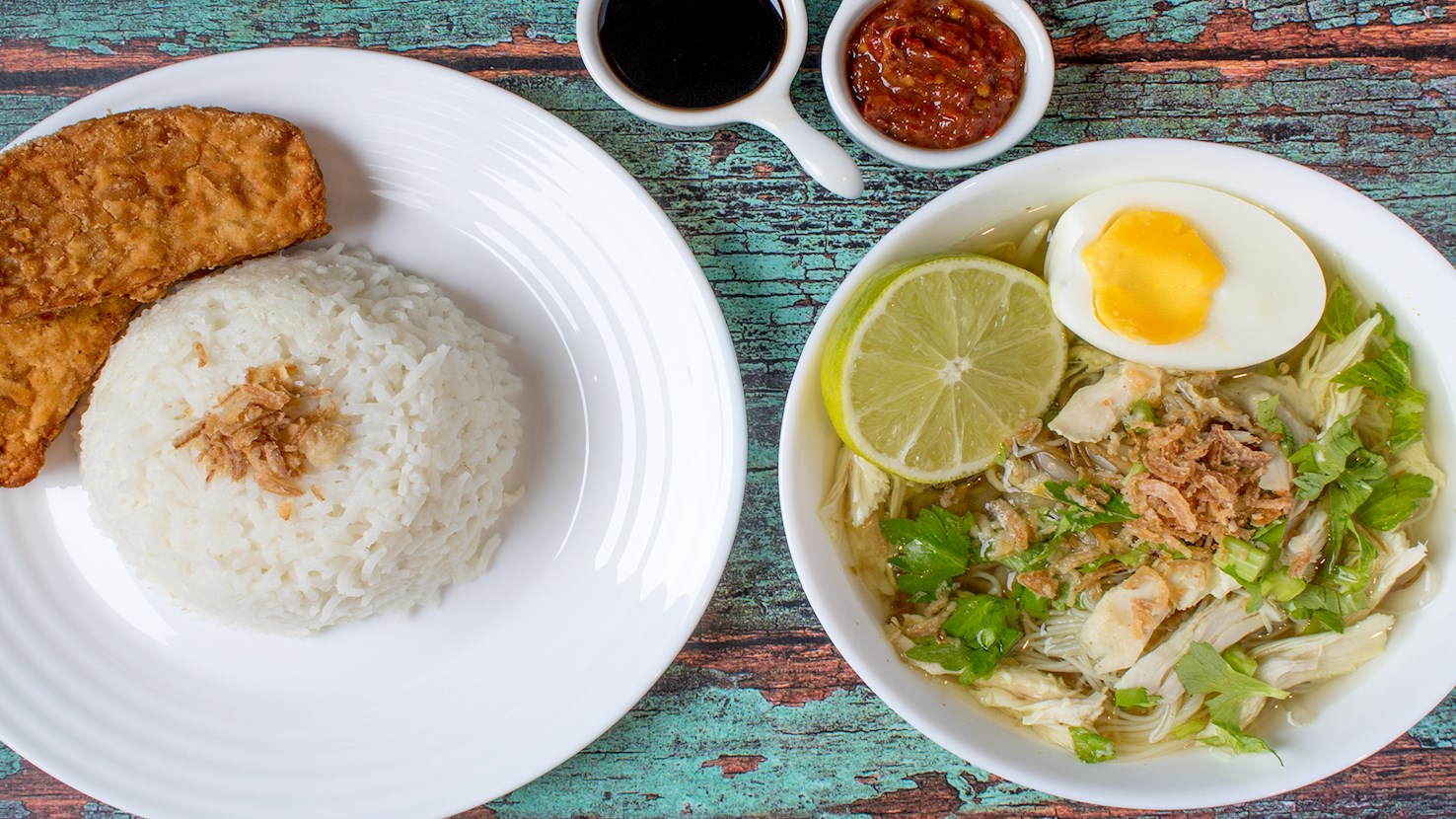
Soto Lamongan is a beloved Indonesian chicken soup that originates from Lamongan, a city in East Java. What makes soto Lamongan unique is its clear, fragrant broth infused with turmeric, and most notably, the addition of "koya" — a finely ground topping made from fried garlic and shrimp crackers (krupuk udang). Koya is sprinkled generously over the soup just before serving, adding a deliciously salty, umami crunch that elevates the entire dish. The soup itself is made by simmering chicken in a broth flavored with spices like garlic, shallots, coriander, turmeric, galangal, and lemongrass. The chicken is typically boiled, shredded, and added back to the broth or placed on top of the rice in the bowl. Unlike creamy sotos (like soto Betawi), soto Lamongan is known for its light, clear, golden-yellow broth, but it packs deep flavor. Traditionally, it’s served with steamed rice, often already placed in the bowl before the soup is poured over. Common accompaniments include boiled egg, shredded cabbage, vermicelli noodles (sohun), bean sprouts, fried shallots, lime wedges, and of course, koya. A side of sambal (chili paste) is usually offered for those who want extra heat. Soto Lamongan is commonly enjoyed for breakfast or lunch, served in humble warungs, roadside stalls, or at home.
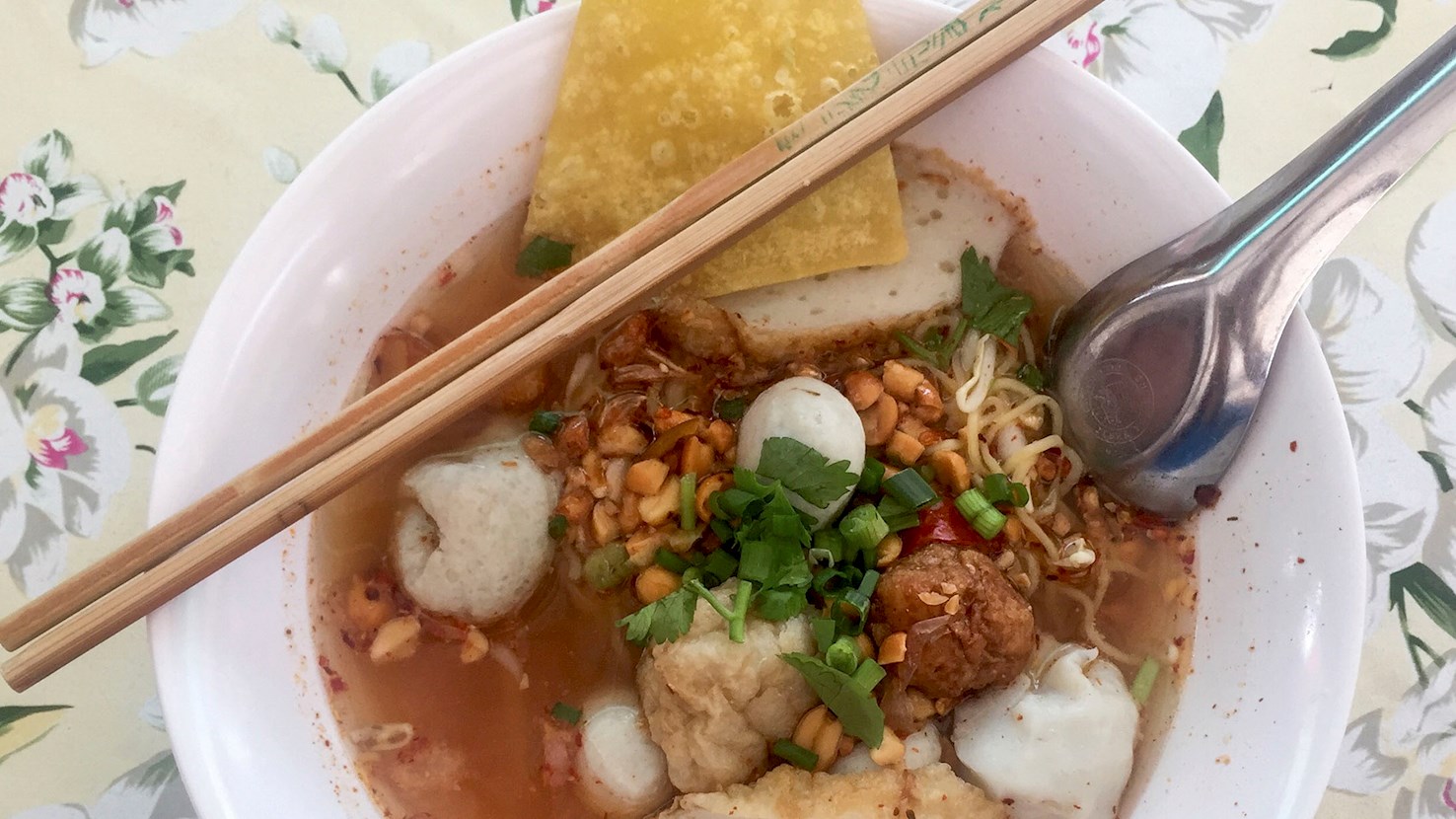
Bakwan Malang is a savory Indonesian meatball soup that originates from the city of Malang in East Java. It consists of a flavorful broth served with a variety of bakso or meat-based components, such as beef meatballs, tofu stuffed with ground meat, fried wontons, and crispy dumplings, typically accompanied by yellow noodles or vermicelli. The name “bakwan” in this context refers not to vegetable fritters, as it does in some regions, but rather to the ensemble of meatball components, while “Malang” denotes the dish’s geographic origin. The broth is usually made from simmered beef bones and seasoned lightly with garlic and shallots, allowing the richness of the meat and the texture of the accompaniments to stand out. Vendors and street stalls throughout Malang and other parts of Java serve bakwan Malang as a complete, customizable bowl, often allowing customers to choose their preferred items from a display before ladling the hot broth over the selection. Condiments like sweet soy sauce, sambal, fried shallots, and lime are commonly added at the table to adjust flavor and heat to personal taste. While similar to bakso in its core components, bakwan Malang is specifically defined by its East Javanese origin and the variety of toppings that come with it.
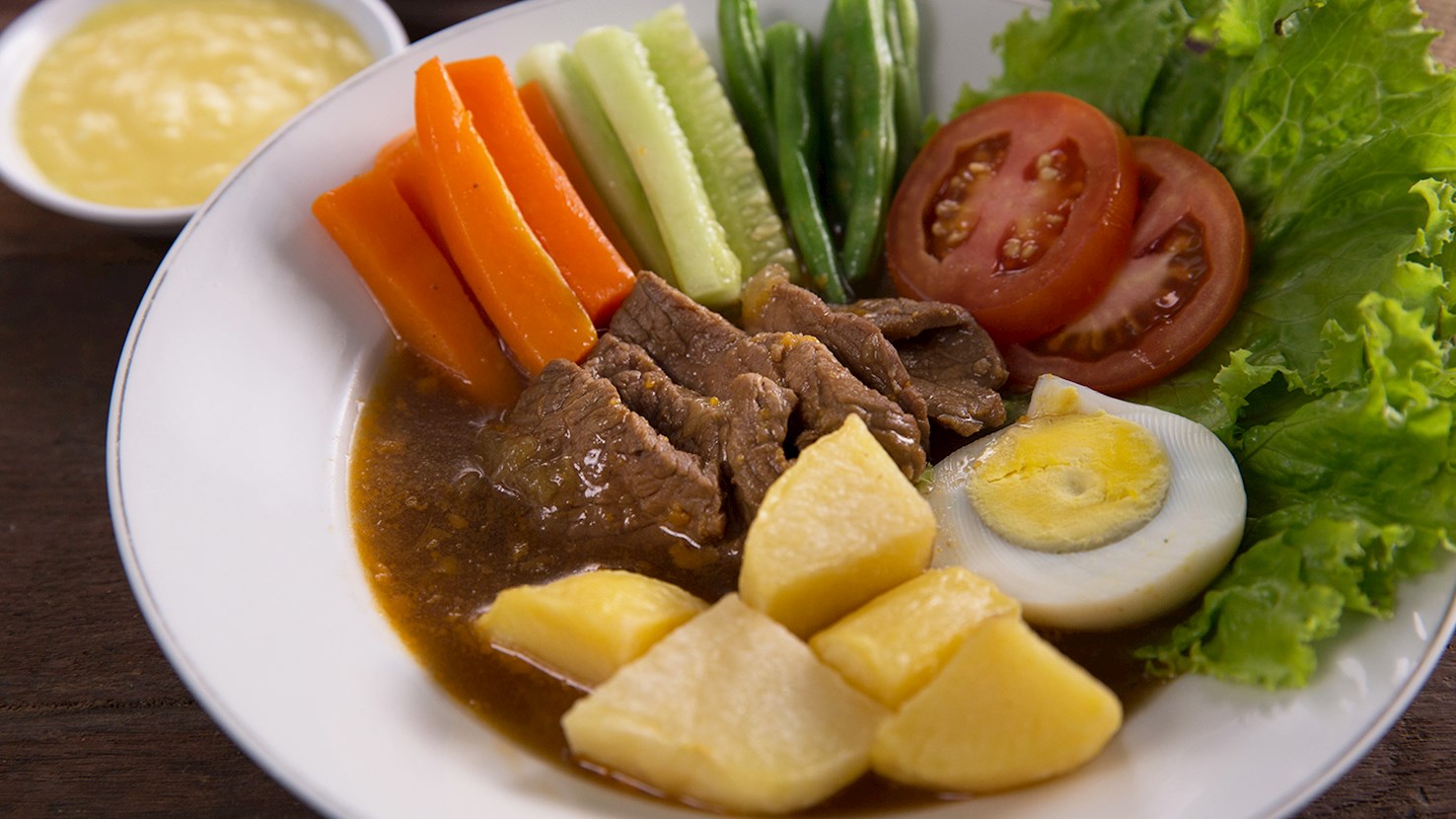
Selat Solo is a Central Javanese beef dish served in a lightly sweet, aromatic broth and accompanied by vegetables, originating from the city of Solo (Surakarta) in Indonesia. The dish reflects the culinary fusion between Dutch colonial influences and local Javanese tastes, evolving over time into a distinctly regional specialty. The name “selat” comes from the word “salad,” introduced during the colonial period, though the final dish bears little resemblance to a Western salad. It consists of stewed beef, usually tenderloin or another lean cut, braised in a thin sauce made from sweet soy sauce, garlic, shallots, nutmeg, cloves, and black pepper. The beef is cooked until tender and served warm, submerged in the broth that doubles as both cooking liquid and sauce. Alongside the beef, Selat Solo is commonly served with blanched vegetables such as carrots, green beans, and potatoes, either boiled or fried. Garnishes often include a slice of hard-boiled egg, pickled cucumber, and a light splash of mustard or Worcestershire sauce to enhance the dish’s slightly tangy, savory dimension. Unlike grilled steaks in Western cuisine, Selat Solo emphasizes slow cooking and a balanced flavor profile that leans toward the sweet and aromatic, typical of Central Javanese dishes. Originally associated with elite households and adapted from colonial kitchen practices, selat Solo has long since become part of everyday cuisine in the region. It is widely available in local warungs, home kitchens, and restaurants across Solo and neighboring cities.
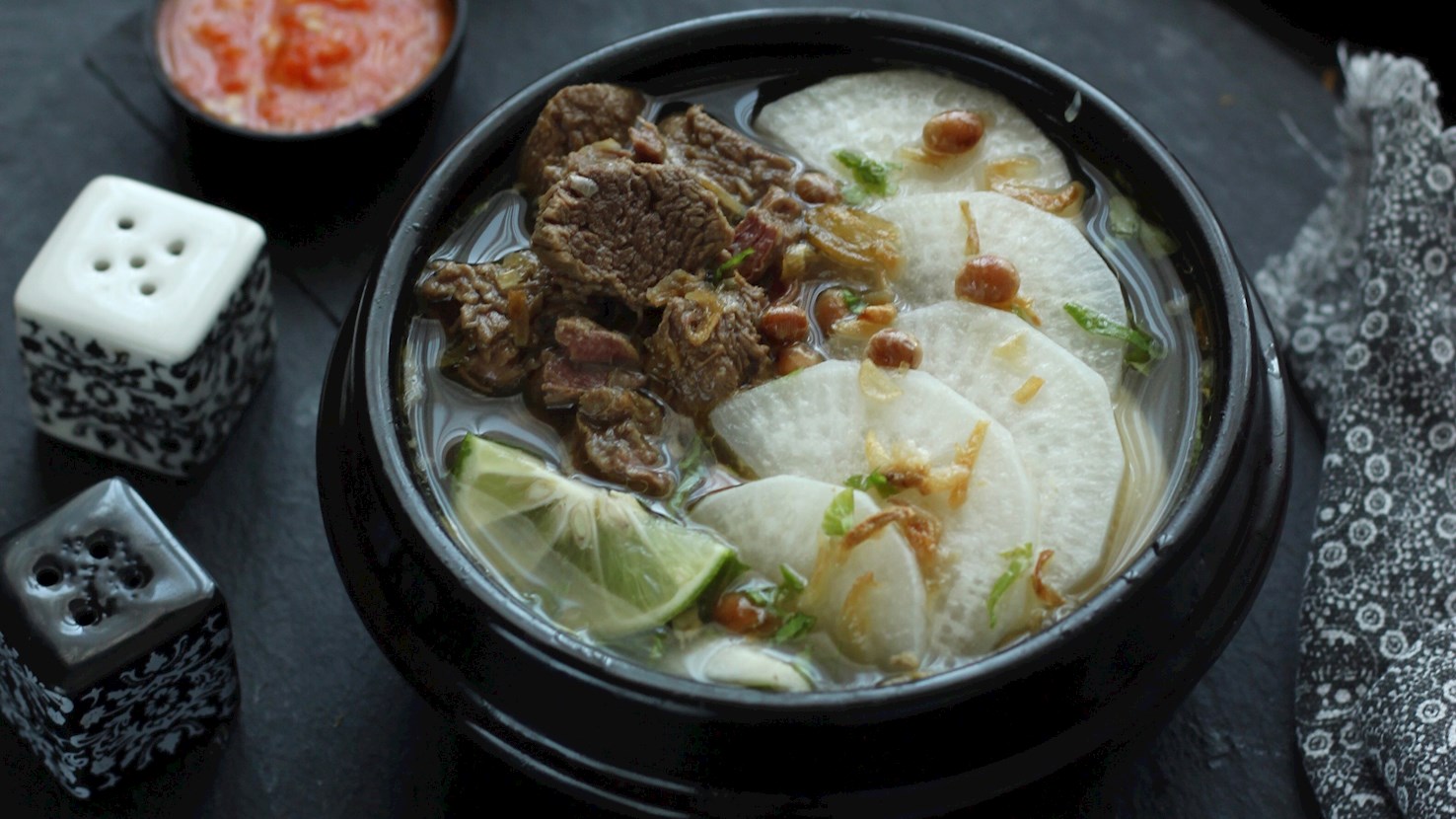
Soto Bandung is a clear beef soup that originates from the city of Bandung in West Java, Indonesia. It belongs to the broader category of soto, which encompasses a diverse range of Indonesian soups, each defined by regional ingredients and preferences. What distinguishes Soto Bandung from other variants is its light, transparent broth and the unique inclusion of sliced daikon radish (lobak) and preserved salted soybeans (kedelai goreng), ingredients that are uncommon in most other soto styles across the archipelago. The dish is centered around beef, typically brisket or shank, which is simmered slowly in water along with simple aromatics such as garlic, shallots, and galangal. This slow simmering process extracts flavor while maintaining the clarity of the broth. Unlike the turmeric-based or coconut milk-infused versions found in other parts of Indonesia, Soto Bandung emphasizes a clean, refreshing profile. The addition of white radish provides a subtly sweet and earthy undertone, while the salted soybeans introduce a savory, crunchy element that complements the tenderness of the beef. These beans are usually added just before serving to preserve their texture. Garnishes are modest and typically include chopped scallions, fried shallots, and slices of lime, with optional additions such as sambal or emping crackers on the side. Steamed rice is served separately or placed directly into the soup, depending on personal preference. The flavor is mild compared to some other soto types, aligning with Sundanese cuisine’s preference for freshness, balance, and restraint in seasoning.
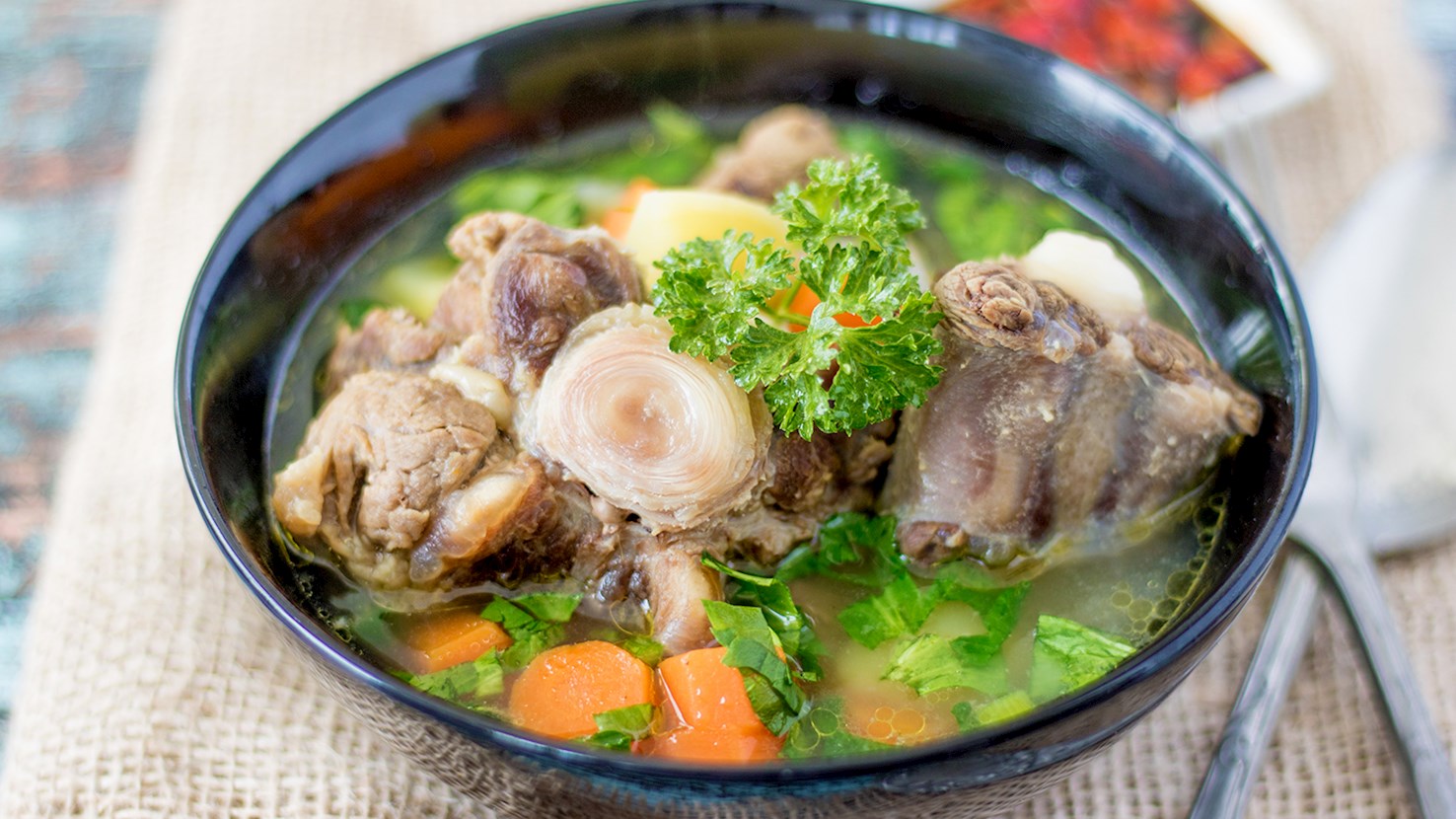
Sop buntut is an Indonesian oxtail soup known for its rich broth, tender meat, and subtly spiced aroma. The dish originates from Java, particularly Jakarta, where it has become a staple of both home cooking and refined restaurant menus. A reflection of Indonesia’s multicultural culinary influences and its love for slow-cooked comfort food, sop buntut combines local ingredients with techniques that reflect Dutch colonial and broader Asian culinary traditions, resulting in a dish that is hearty, elegant, and deeply satisfying. At its core, sop buntut consists of oxtail pieces that are simmered slowly until the meat becomes fall-off-the-bone tender. The clear, golden broth is seasoned with a delicate blend of spices such as nutmeg, cloves, white pepper, garlic, shallots, and sometimes cinnamon, which together create a warm and fragrant flavor without overwhelming the palate. Carrots, potatoes, celery, and tomatoes are commonly added to the soup, contributing a gentle sweetness and textural contrast that balances the richness of the meat. The soup is typically served hot, accompanied by steamed rice, a squeeze of lime juice, chopped scallions, and sambal for a touch of heat, making it a complete and satisfying meal. The origins of sop buntut are often traced back to the influence of Dutch and European cuisine during the colonial era, when oxtail soup was introduced to the archipelago. However, the Indonesian version has evolved into something uniquely local. Unlike its European counterparts, which may rely on cream or wine, sop buntut is lighter and clearer, relying instead on the natural flavors of bone marrow and aromatic spices. Over time, it has become an iconic part of Indonesian gastronomy, especially among Javanese households and in upscale dining establishments that serve refined versions of traditional dishes. There are variations across regions and preferences. Some recipes call for the oxtail to be fried or grilled before being added to the broth, which adds a layer of smokiness and texture. Others maintain a purely boiled approach for a cleaner, more delicate broth. Regardless of the method, the essence of sop buntut lies in its slow preparation and the layering of flavors that develop over time. It is often reserved for special occasions or enjoyed as a nourishing weekend dish, symbolizing both comfort and celebration.
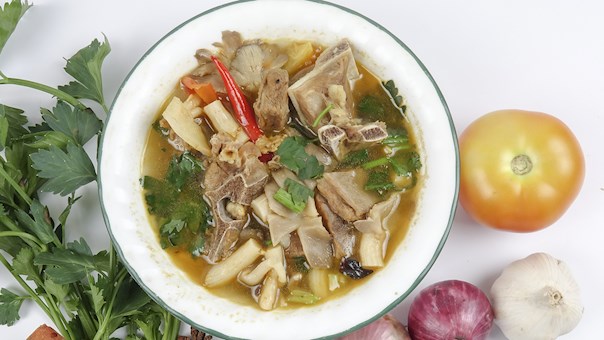
Soto kaki is a rich, aromatic Indonesian soup that originates from Jakarta and is most commonly associated with Betawi cuisine. The name translates to “leg soto,” referring to its defining ingredient: cow’s leg or trotter, often including skin, tendons, and marrow-rich bones. This dish stands out among Indonesia’s many regional soto variations due to its use of gelatinous cuts of meat and a savory, coconut milk–based broth. It is a popular street food in the capital city and is typically served hot, especially in the evening or at night, by roadside vendors and small eateries. The broth of soto kaki is made by simmering bones and cow’s leg parts for several hours to extract flavor and gelatin, creating a thick, slightly oily base. The soup is further enriched with coconut milk and a blend of spices that usually includes garlic, shallots, ginger, galangal, lemongrass, coriander, and sometimes nutmeg or cinnamon, depending on the vendor or home recipe. The result is a full-bodied, fragrant soup with a creamy texture and depth from the combination of beef and coconut elements. Turmeric gives the broth its characteristic pale yellow color. The meat in soto kaki is soft and tender, often slightly chewy due to the connective tissue in the cuts used. It is usually served alongside or over steamed rice or compressed rice cakes called lontong, and topped with a range of condiments such as fried shallots, lime wedges, sambal, sweet soy sauce, celery leaves, and occasionally emping crackers or sliced tomatoes. Some versions include vermicelli or glass noodles as well. Diners often personalize their bowls with these toppings and sauces to suit their taste preferences. While soto kaki is available in various parts of Indonesia, it is most closely linked to Jakarta’s street food culture, particularly in Betawi neighborhoods and areas where night markets thrive. It has been a mainstay in the city’s culinary offerings for decades and is often enjoyed as a hearty late dinner. Vendors often advertise their soto kaki with large cauldrons placed in front of carts or stalls, displaying the cooked cow leg or bones as a visual marker of authenticity.
Soto tangkar is a beef-based soup from Indonesia, specifically associated with the Betawi people of Jakarta. It is known for its rich coconut milk broth, tender cuts of beef or ribs, and a spice blend that reflects the layered flavor profile common in Betawi cuisine. The term soto refers to a wide category of Indonesian soups made with broth, meat, and spices, while tangkar originally referred to rib bones or less premium cuts of beef. Historically, during the colonial era, these parts were more accessible to local communities, who developed flavorful ways to prepare them, resulting in what is now known as soto tangkar. The defining feature of soto tangkar is its broth, which is made with a combination of coconut milk and a fragrant spice paste consisting of shallots, garlic, candlenuts, coriander, turmeric, ginger, galangal, and lemongrass. This paste is sautéed until aromatic and then combined with beef stock and coconut milk, creating a slightly thick, golden-yellow broth. Beef ribs, brisket, or tendon are simmered in the broth until tender, absorbing the spices while contributing depth to the soup itself. Soto tangkar is typically served hot and accompanied by steamed rice, emping crackers, and sometimes sambal for added heat. In some versions, a small amount of lime juice is added before serving to brighten the flavor. Fried shallots and chopped celery leaves are commonly used as garnishes. While its preparation shares some elements with other coconut-based soups like soto Betawi, soto tangkar tends to have a more robust flavor due to the inclusion of bone-in cuts and a slightly spicier profile. The dish is most commonly found in Jakarta and surrounding areas, often sold by street vendors, food stalls, and in Betawi-focused restaurants. Though once associated with humbler origins, soto tangkar is now widely appreciated across social classes and is considered a staple within the broader spectrum of Indonesian soto dishes.
TasteAtlas food rankings are based on the ratings of the TasteAtlas audience, with a series of mechanisms that recognize real users and that ignore bot,
nationalist or local patriotic ratings, and give additional value to the ratings of users that the system recognizes as knowledgeable.
For the “Top 11 Javanese Meat Soups” list until June 15, 2026, 474 ratings were recorded, of which 232 were recognized by the system as legitimate.
TasteAtlas Rankings should not be seen as the final global conclusion about food. Their purpose is to promote excellent local foods,
instill pride in traditional dishes, and arouse curiosity about dishes you haven’t tried.