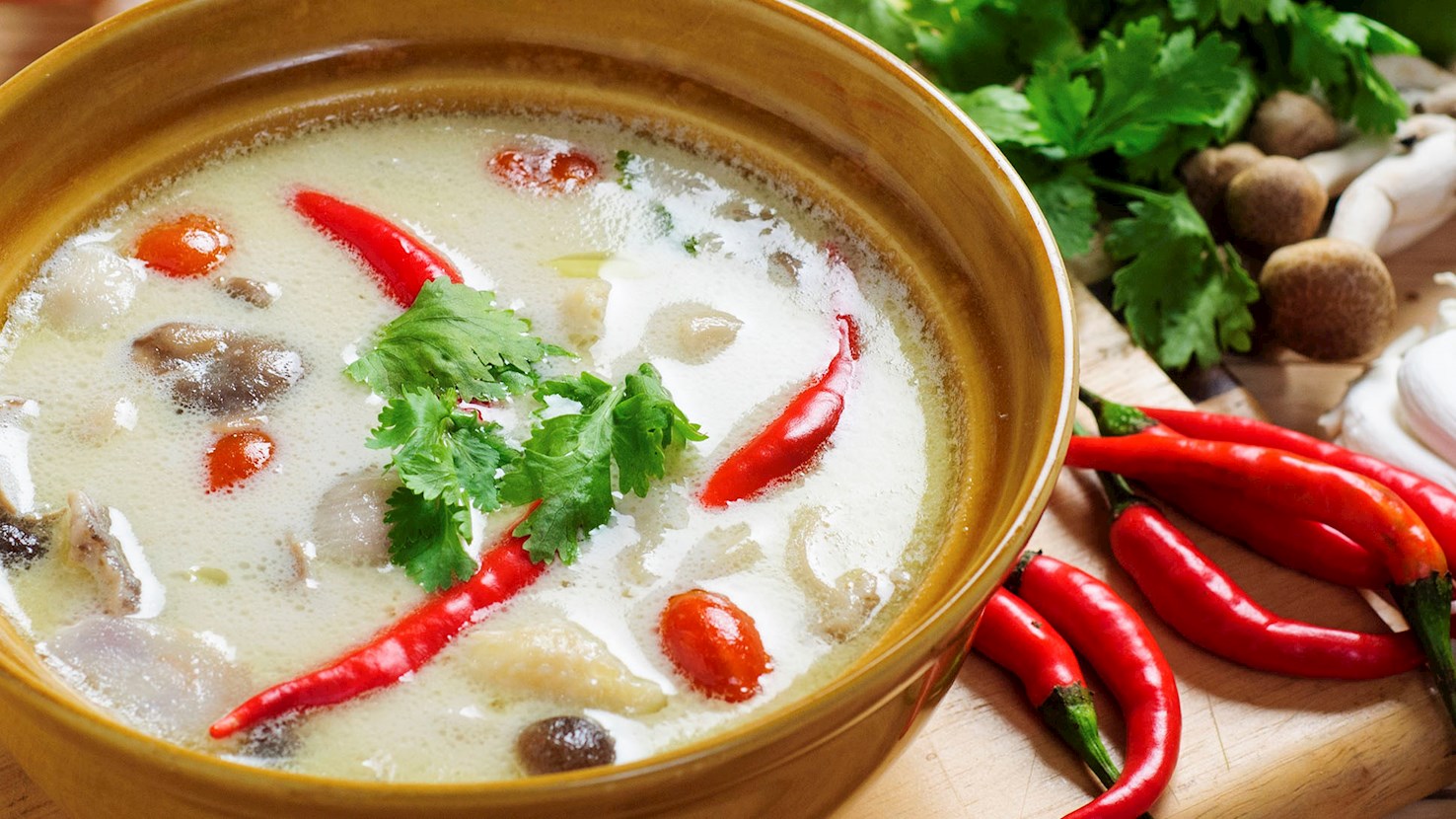
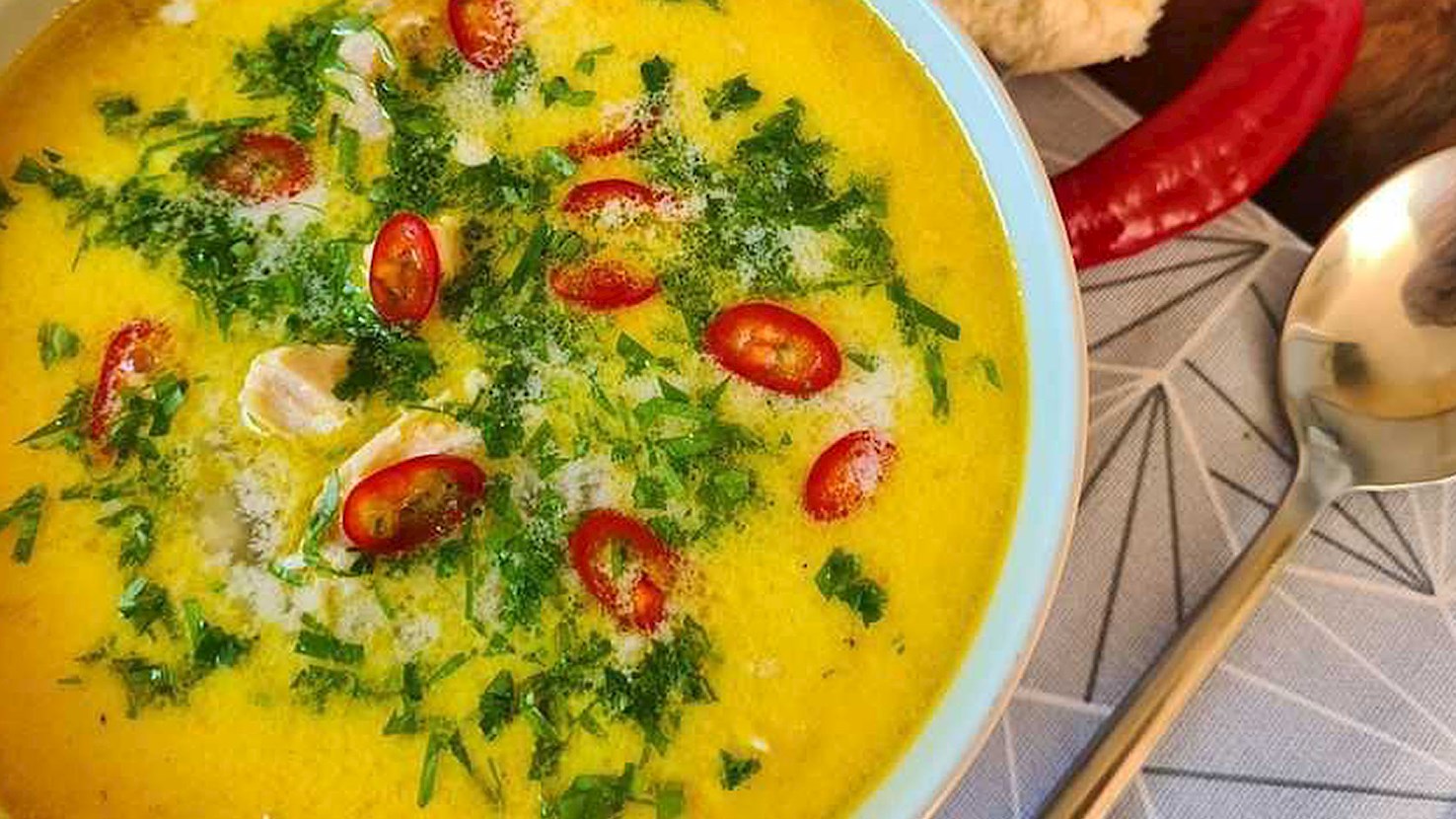
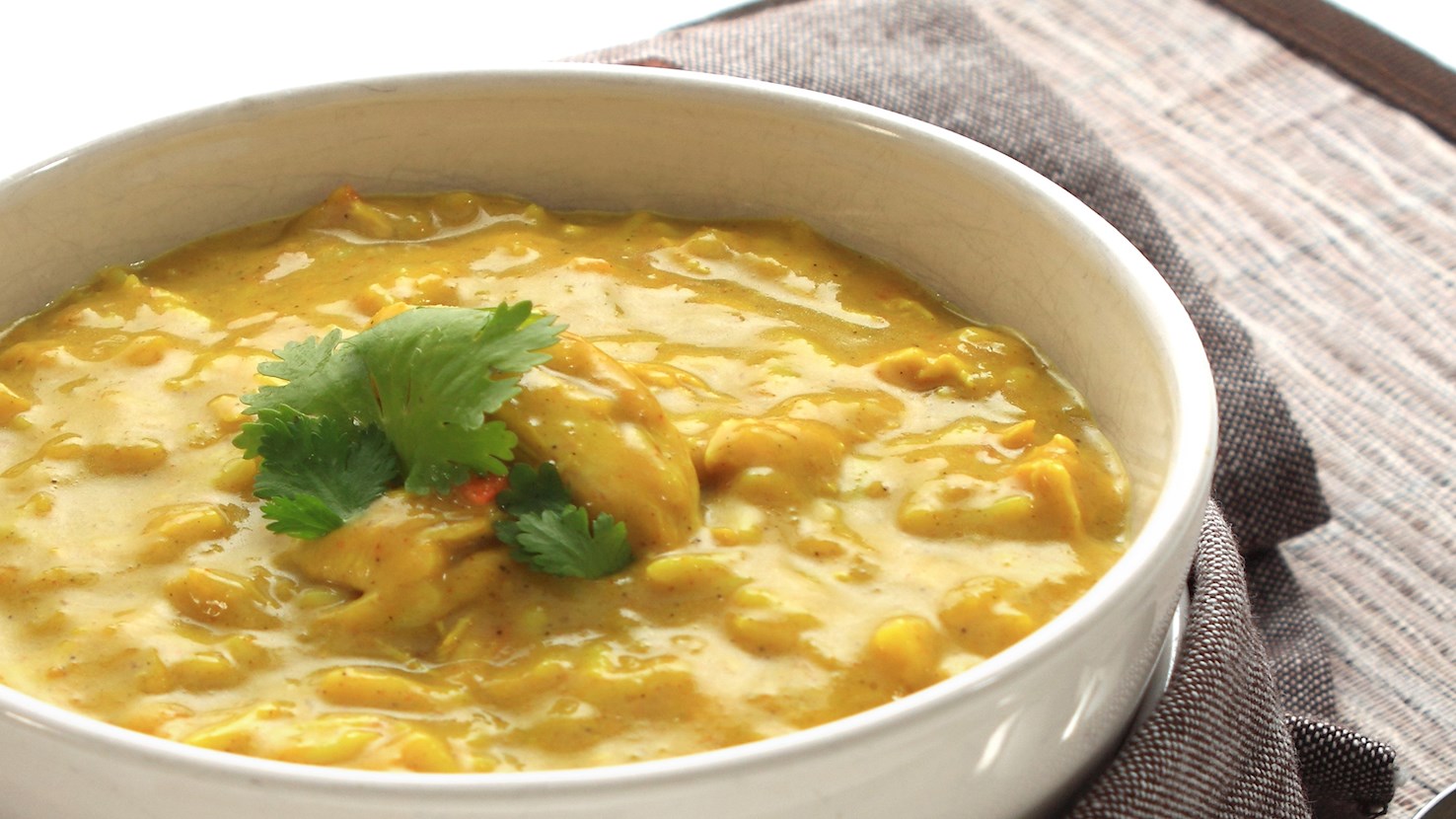
Tom kha gai is a comforting Thai soup that combines subtle flavors and simple ingredients. It starts with chicken, usually boneless thighs, simmered in coconut milk and chicken stock or water for a rich base. The key ingredient, galangal, similar to ginger, adds a sharp, citrusy, almost piney flavor. Lemongrass and makrut lime leaves are also essential, giving the soup a light, citrusy note. Thai chilies are included to add a bit of heat but are balanced by the savory taste of fish sauce. Mushrooms, like straw or oyster, are thrown in for texture. The soup gets a slight sweetness from palm sugar and a tang from a bit of lime juice, which must be added off heat. Typically served hot, tom kha gai is often garnished with a sprinkle of cilantro or green onions. It's enjoyed alongside or over a bowl of steamed jasmine rice, making for a simple yet flavorful meal.
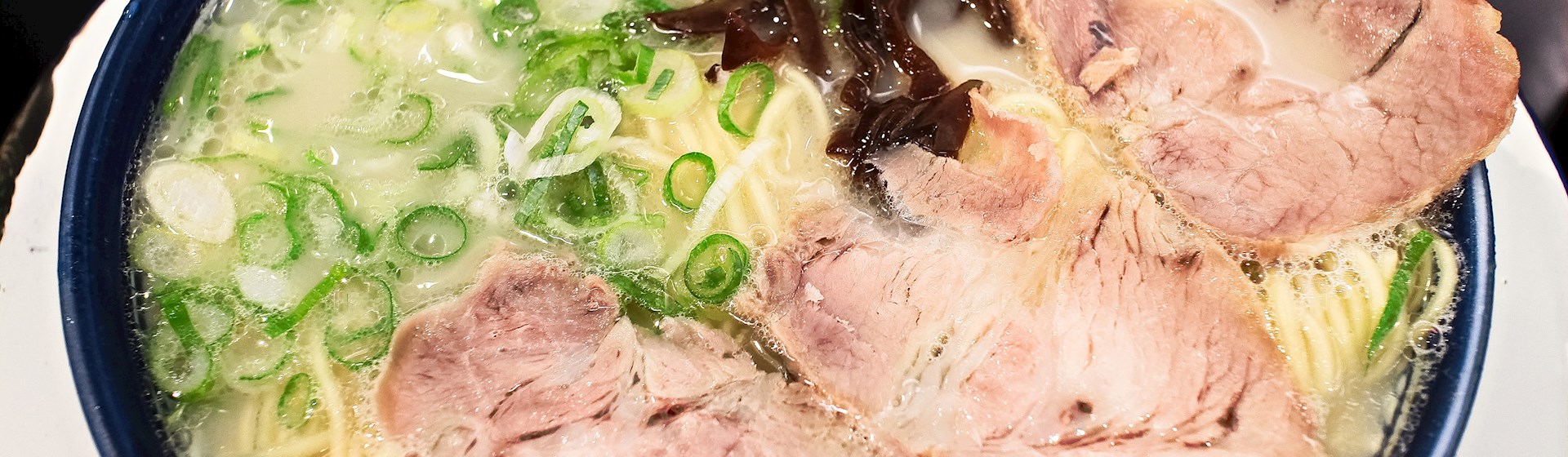
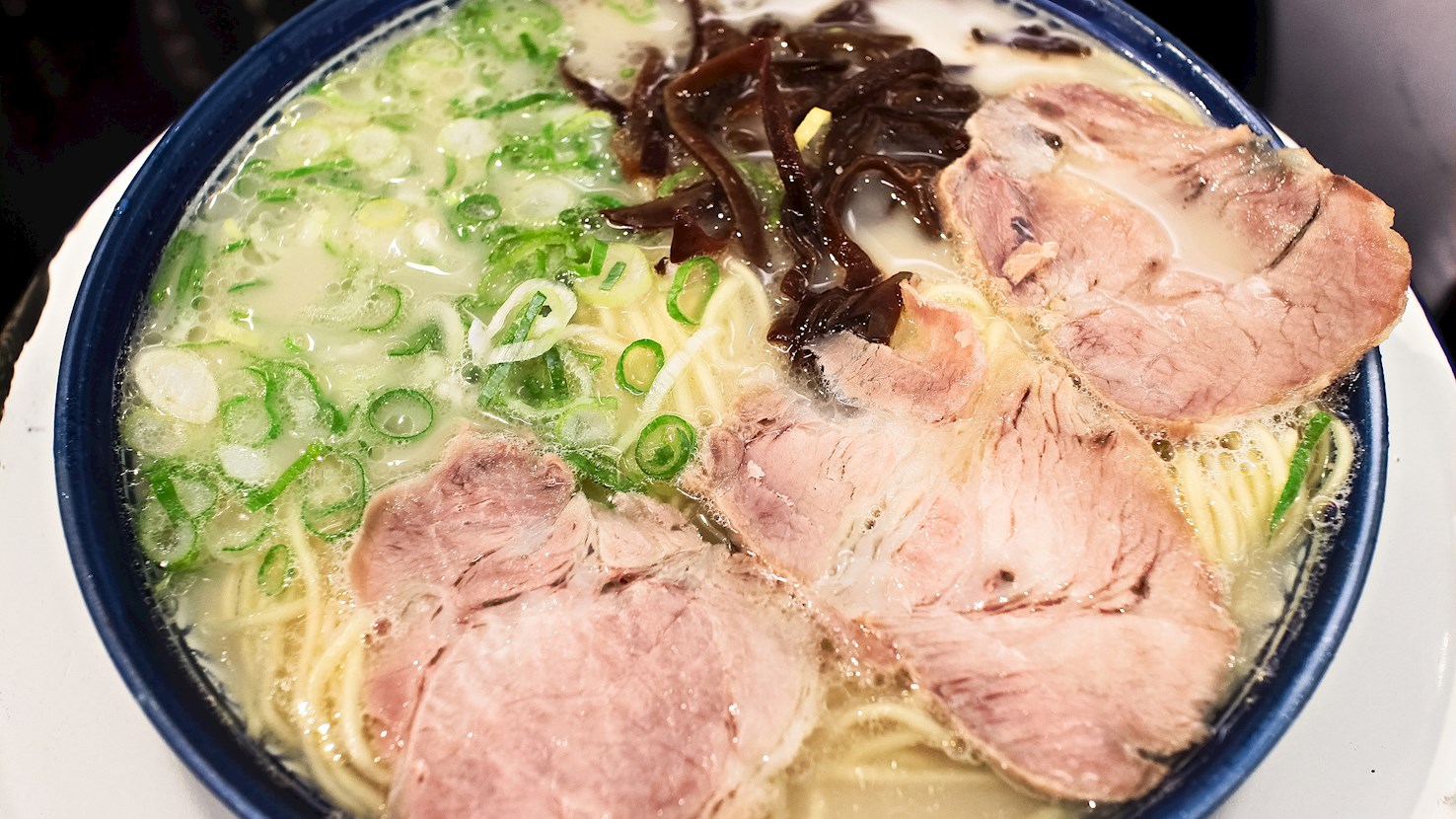
Milky, lip-smacking broth and extra thin wheat noodles are the main charachteristics of this ramen, originally from Fukuoka. Although at its basic, ramen prepared this way consists of nothing more than pork bones broth, noodles, chashu pork, and green onions — additional toppings are often included as well, though — each said component takes time and care to prepare, most notably the broth which can cook for as little as 8 to 12 hours to up to 36 to 60 hours, depending on the recipe and the desired outcome. The preparation begins by simmering the bones, pork skin, and pig's trotters in water first, which is a step that helps remove the dirt and scum. The bones are then washed and scrubbed of scum under running water, and placed in a fresh pot of water so they are completely covered and then simmered for a minimum of 8 to 12 hours. At some point, while the broth cooks, roasted vegetables can be added to give it a more complex flavor. Once cooked, the broth is filtered to rid of it of all impurities. Also, while the broth is cooking, other components of the ramen are prepared. Chashu pork is made with pork belly which is rolled and tied with a kitchen twine, so it cooks more evenly and it doesn't fall apart as it cooks. It is cooked typically in a mixture of mirin, soy sauce, sake, and sugar, together with some herbs and aromatics like ginger, scallions, and garlic. When cooked, the cooking liquid is filtered and can be used to make a ramen egg, if desired. Once all of these components are made, it's time to cook the noodles. The key is not to overcook them, so only a 10-second boil will suffice. The basic rendition of hakata ramen consists of only broth and thin, straight noodles, topped with slices of chashu pork and chopped green onions, seasoned with just salt or either soy sauce, mayu sauce, and/or tare. However, this basic rendition can be upgraded with additional toppings such as mayu, sweet corn, ramen egg, menma, crushed garlic, and nori sheets.
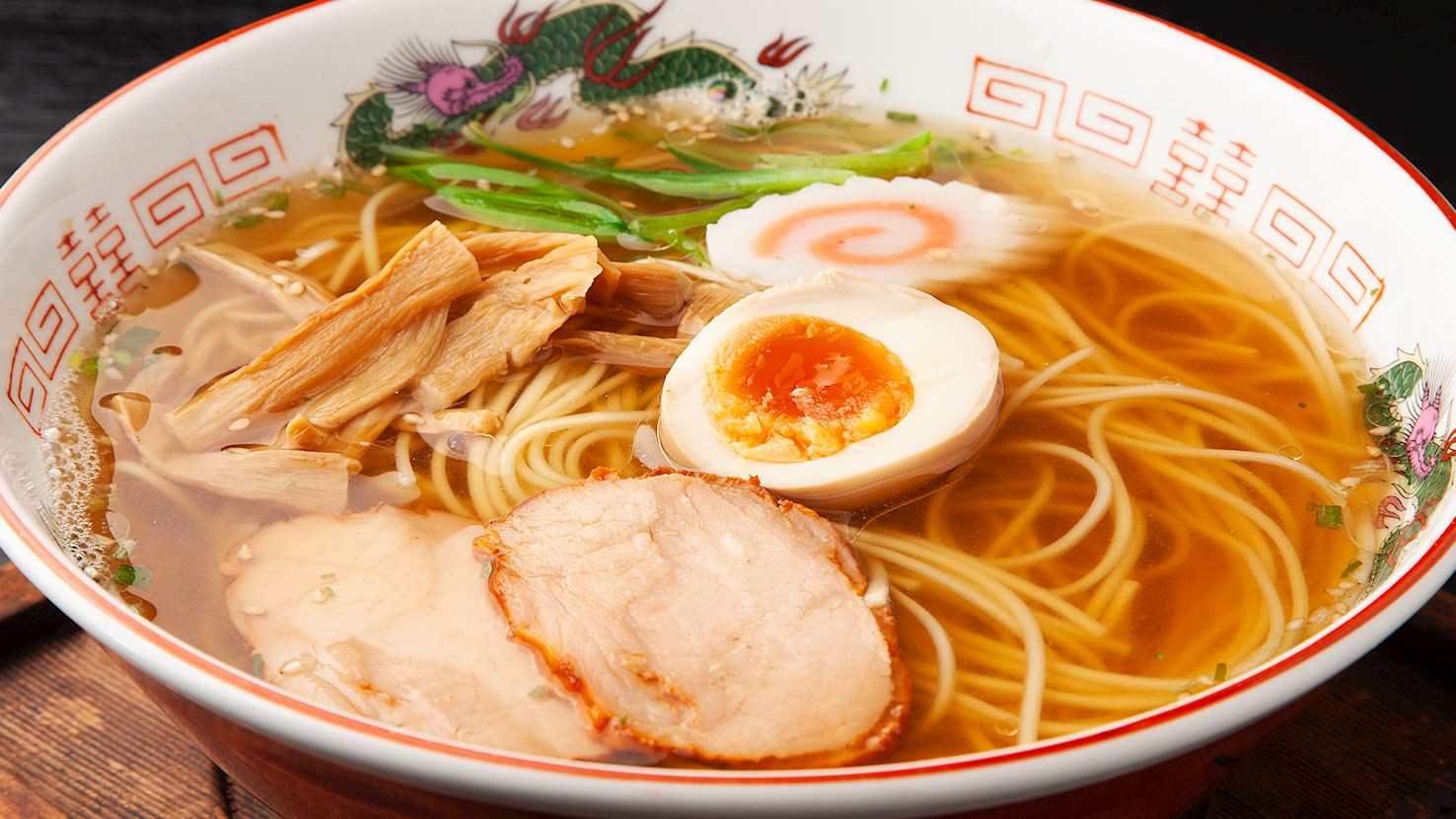
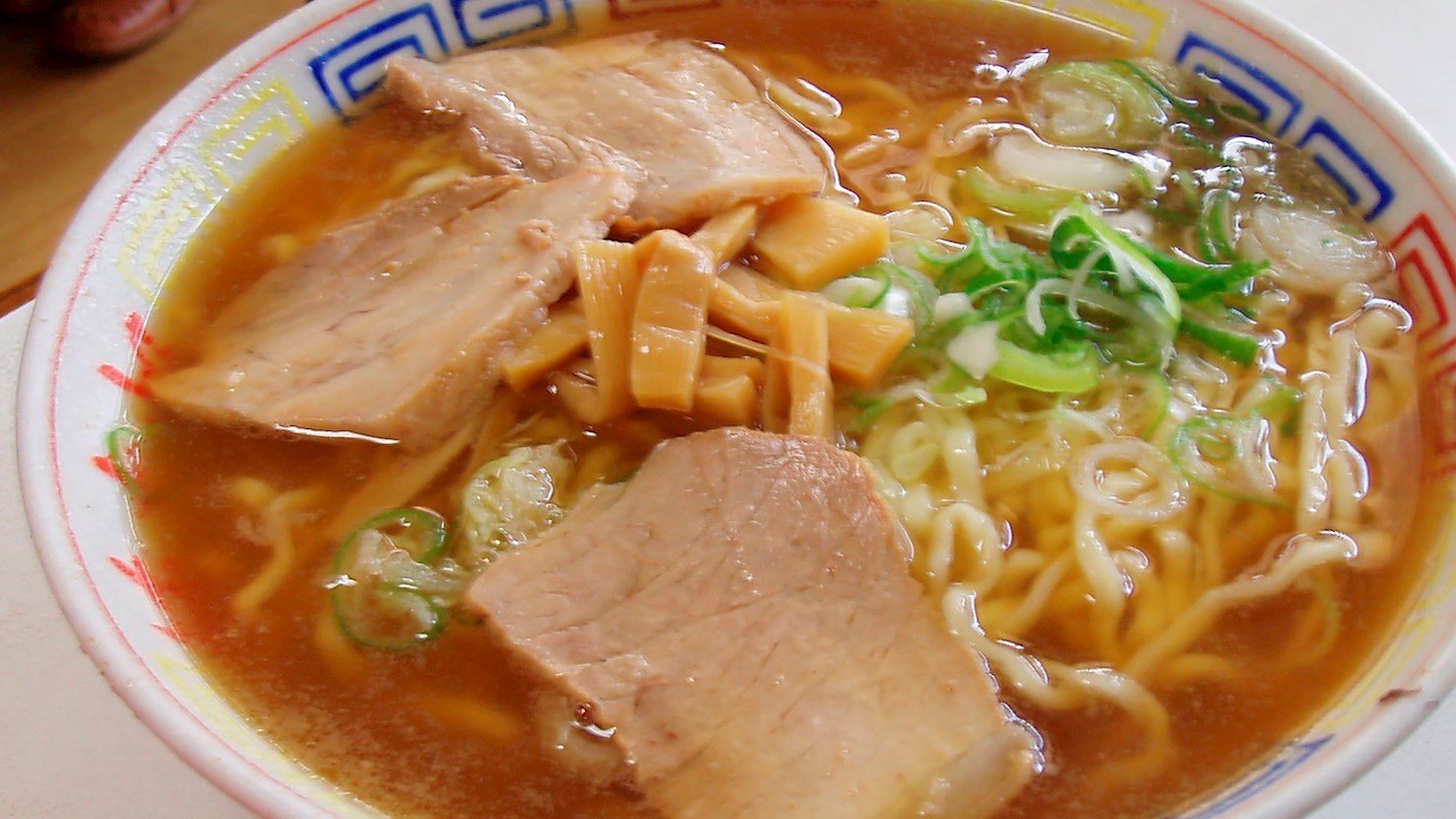
The ramen restaurant G Men 7’s chuka soba has been the inspiration for this old-school shoyu ramen recipe, which, unlike other shoyu ramens, does not have dashi components — there is only one kind of broth made with pork and chicken. The soup and the tare should be made a day in advance so the flavors have time to develop. The recipe is adapted from the YT channel Way of Ramen, a popular and respectable channel that is the go-to place for any and every ramen lover.
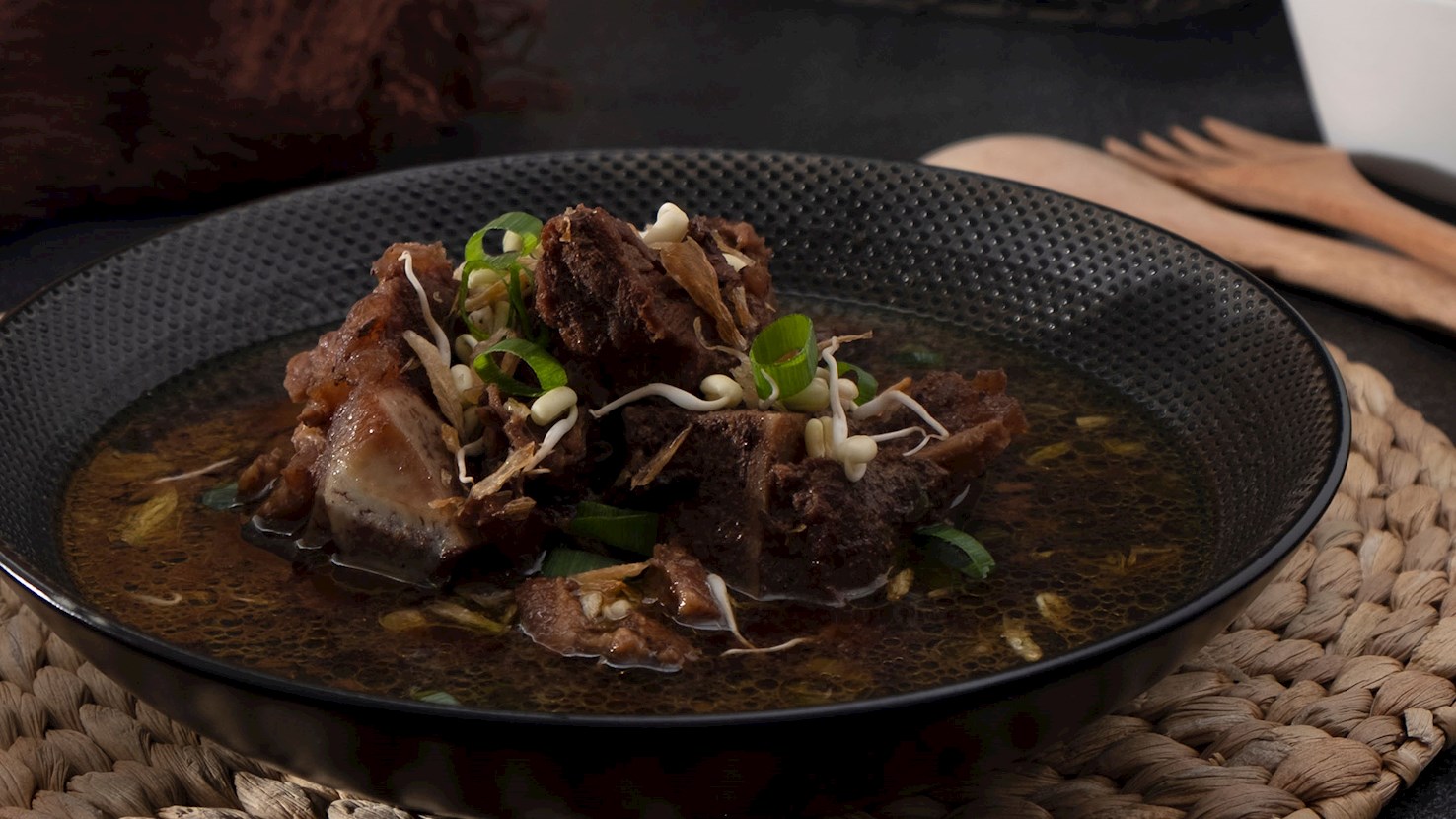
Rawon is a traditional Indonesian black beef soup known for its deep, earthy flavors and distinctive dark color, which comes from keluak (Indonesian black nuts). Originating from East Java, it is a beloved dish often served with rice and condiments. The dish is made by simmering beef, typically brisket, shank, or ribs, in a spiced broth. The seasoning includes a paste of (typically) keluak, shallots, garlic, candlenuts, red chilies, turmeric, cumin, pepper, ginger, cutcherry, galangal, coriander, and shrimp paste, which is sautéed until fragrant before being added to the broth. Kaffir lime leaves, lemongrass, green onions or leeks, and sometimes tamarind contribute additional depth to the flavor. The result is a rich, savory soup with a slightly nutty and tangy profile. Rawon is often garnished with bean sprouts, fried shallots, and scallions and served with accompaniments like sambal (spicy chili paste), salted egg, and krupuk (crispy crackers). Its bold, aromatic taste makes it a standout dish in Indonesian cuisine.
Ciorba Radauteana is a traditional Romanian soup known for its rich, tangy flavor, originating from the Radauti area. It is primarily made with chicken, although originally, turkey was used, and parts like the thighs, wings, backs, and necks are preferred to maximize flavor. The soup starts with boiling chicken to create a hearty broth, which is then clarified to remove impurities. Vegetables such as carrots, parsnips, celery, onion, and peppers are commonly added to the broth to cook, while the distinct sour taste is achieved by incorporating vinegar or lemon juice. A key feature of ciorba Radauteana is the creamy thickening mixture, made from a blend of egg yolks, sour cream, and flour, tempered with a bit of the hot broth to prevent curdling before being introduced back into the soup. This process gives the soup a rich, smooth texture. Traditionally, the soup is served hot with a dollop of sour cream, freshly chopped parsley, and sometimes, extra vinegar or hot peppers on the side for an added kick.
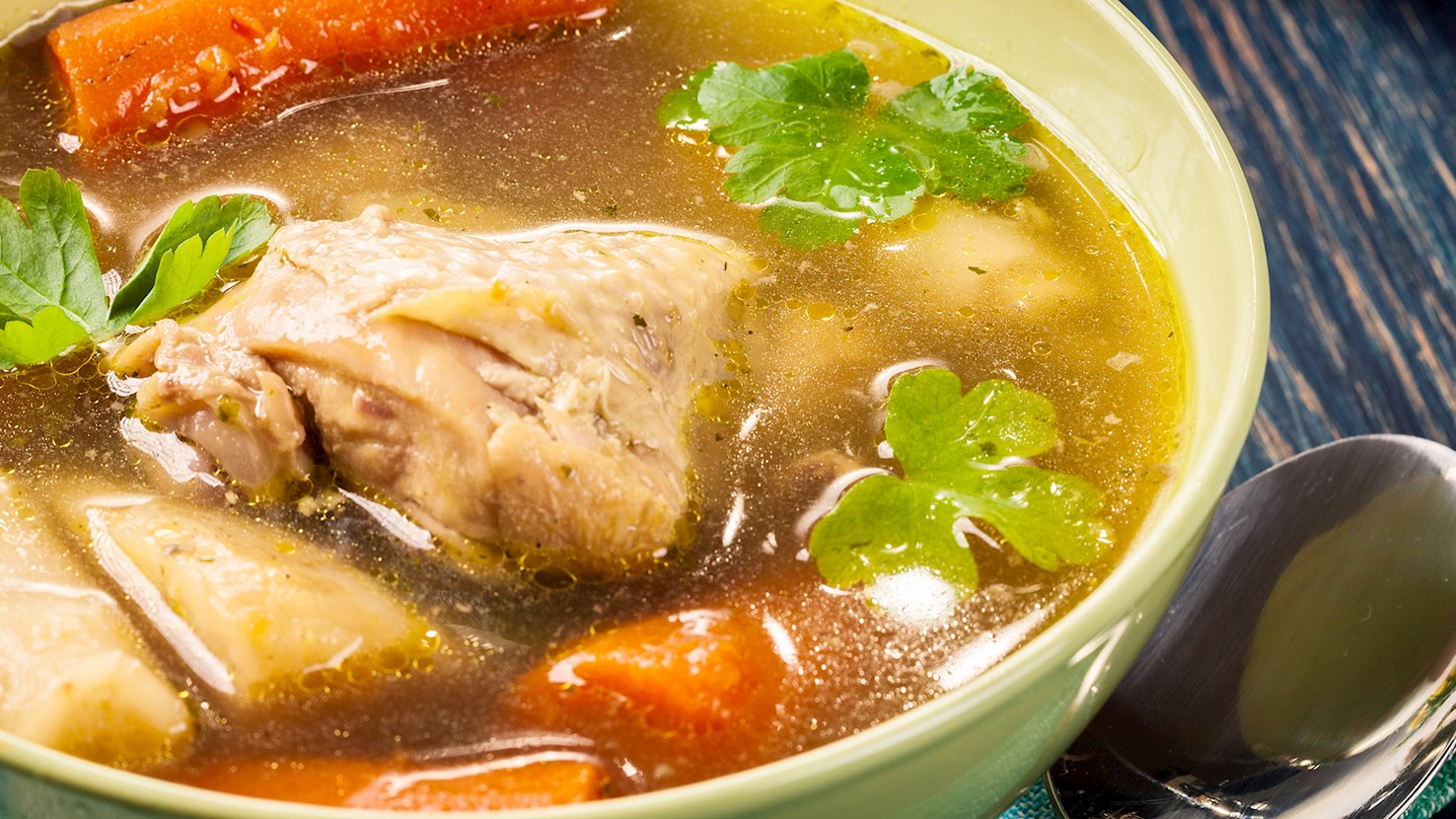
Golden in color and with a pleasant aroma and a few spicy notes, the Mexican chicken soup caldo de pollo is surprisingly simple to make. A fresh chicken is cut into pieces without removing the skin and bones and simmered in water with plenty of vegetables and fresh herbs. Carrots, zucchinis, corn on the cob, chili peppers, garlic, onion, celery, cilantro, and parsley are among the most common ingredients, while rice and potatoes are often added to make the dish more filling. Garnishes play an important role in this dish, since they are added according to personal taste, and can include hot tortillas, hot sauce or guacamole, sliced onion, fresh avocado, chili peppers, and a squirt of lemon or lime.
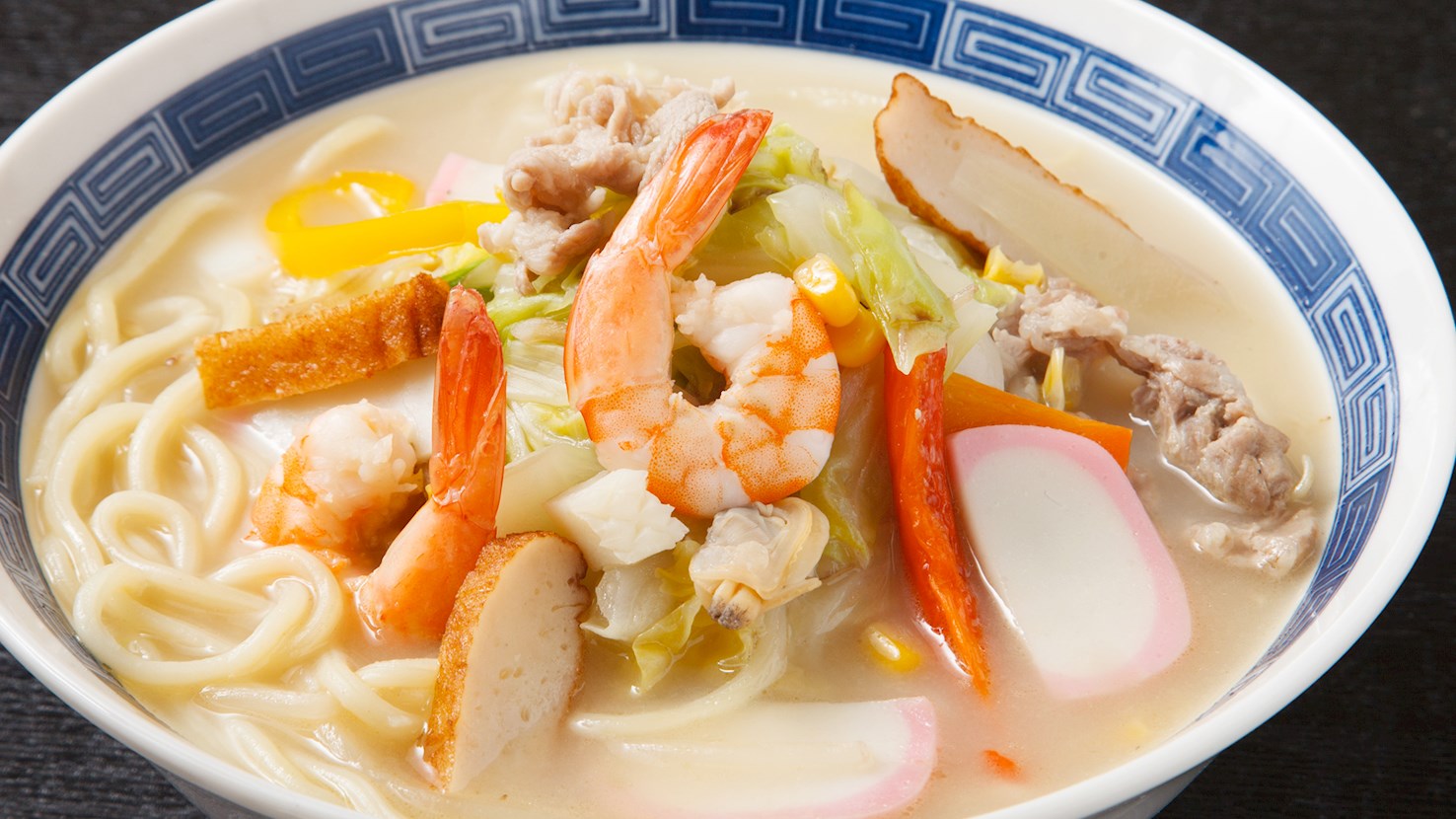
Typical for the Japanese city of Nagasaki, champon is a rich, filling noodle dish with pork, seafood, and vegetables simmered in a savory broth. Generally, it belongs in the ramen dish family, and the main element which differentiates it from ramen is the fact that all the ingredients are cooked in the same pot or wok. The first step is frying the ingredients in lard — generally, the meat, cabbage, carrots, and onions are fried first, followed by more delicate ingredients such as seafood, sprouts, and mushrooms. Then, a stock seasoned with soy sauce, mirin, and sake is poured in, and the ingredients are simmered shortly before the finishing touch — the addition of champon noodles. Champon is served piping hot in deep serving bowls, and has several regional varieties. The cities of Tottori and Amagasaki season it with extra soy sauce, in Akita miso soup is used instead of broth, while in the city of Okinawa topping includes a scrambled egg, and noodles are substituted with rice.
Derived from Tamil words miḷaku-taṇṇīr, which stands for pepper-water, this hot and spicy soup is a beautiful evidence how two different cultures — in this case, Indian and British — can intertwine to create an exceptional dish. Originated in India and perfected by the British, mulligatawny started as a modest, vegetable-based and abundantly spiced broth intended to be served with rice. Nowadays, the base for mulligatawny is chicken, veal, or even mutton stock with curry as a predominant spice, garnished by pieces of meat, onion, celery, apples, almonds, lentils, chickpeas, and cream — the latter can be substituted with coconut milk or yogurt for a fresher taste. The best thing about mulligatawny is its versatility – it can be as spicy and as dense as you like, and it can serve both as an appetizer and as a full meal.
Belonging to the shoyu ramen group and originating from Kitakata, Kitakata ramen is consists of a soy sauce base, pork bone broth, and hirauchi jukusei takasuimen noodles, which are thicker than most ramen noodles and wavy. Still, although the broth is typically made with pork bones, different restaurants make the broth differently, but in any case, it will include naiboshi (sardines). Also, unlike most ramen noodles, noodles for this type of ramen have a higher ratio of water to flour and need to mature before they are ready for use. The finished bowl of Kitakata ramen is usually topped with chashu pork, bamboo shoots, naruto fish cakes, and spring onions.
This is an authentic recipe for so'o apu'a, a traditional Paraguayan meatball soup made with ground beef, corn flour, and aromatic vegetables simmered in a light yet flavorful broth. The recipe is approved by Margarita Miró de Ibars, Paraguay's foremost culinary historian, who dedicated her life to documenting and preserving the country's traditional cuisine. Her version stays true to the dish's humble origins, offering a comforting, nourishing meal deeply rooted in Paraguayan home cooking. The recipe is adapted from the website of Cocina Rica (cocinarica.com.py), the best-selling gastronomic magazine in Paraguay.
TasteAtlas food rankings are based on the ratings of the TasteAtlas audience, with a series of mechanisms that recognize real users and that ignore bot,
nationalist or local patriotic ratings, and give additional value to the ratings of users that the system recognizes as knowledgeable.
For the “Top 11 Meat Soup Recipes” list until June 17, 2026, 14,245 ratings were recorded, of which 7,110 were recognized by the system as legitimate.
TasteAtlas Rankings should not be seen as the final global conclusion about food. Their purpose is to promote excellent local foods,
instill pride in traditional dishes, and arouse curiosity about dishes you haven’t tried.