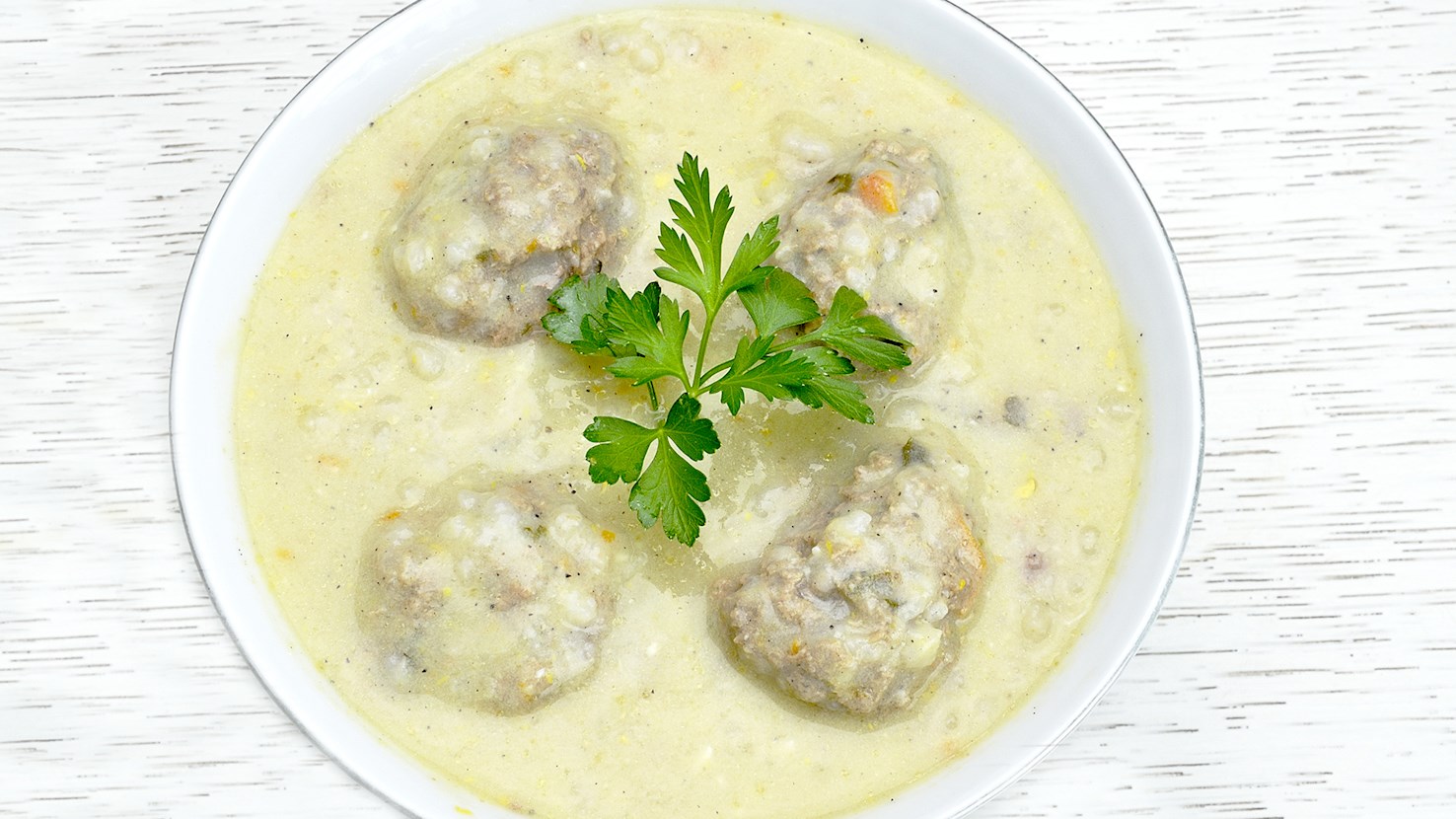
This hearty Greek soup couples tender beef meatballs and a creamy, flavorful broth. The meatballs and the broth are usually seasoned with various fresh herbs, and the whole dish is finished with the addition of avgolemono—the creamy egg and lemon sauce—which thickens the broth and adds the characteristical zesty flavor. Traditionally associated with wintertime, youvarlakia is usually accompanied by bread and enjoyed as a nutritious main course.
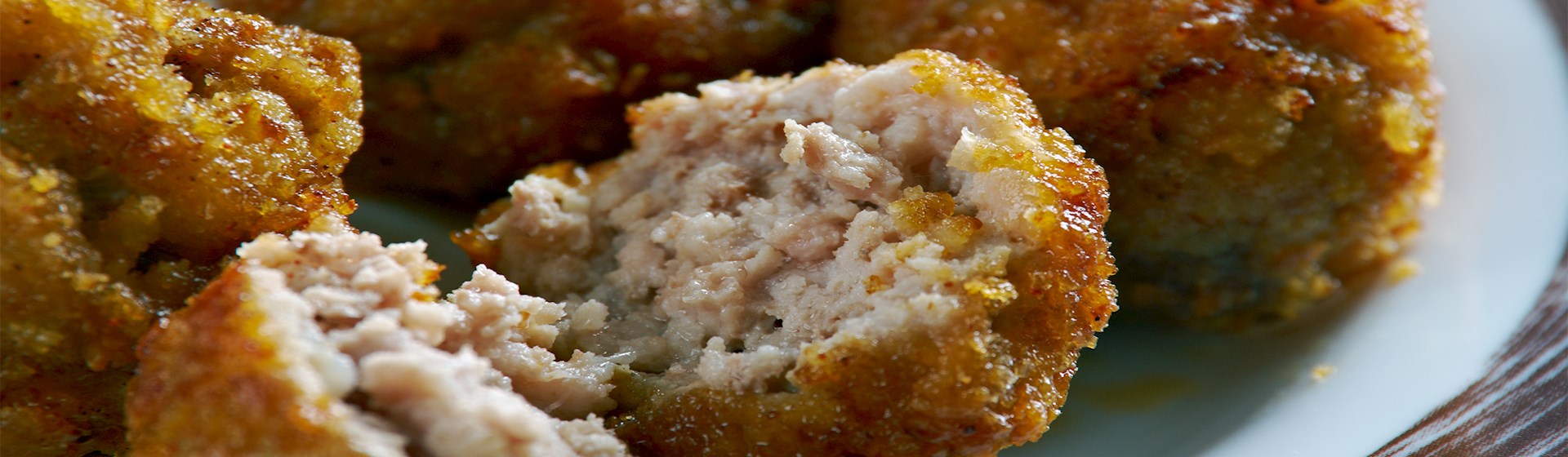
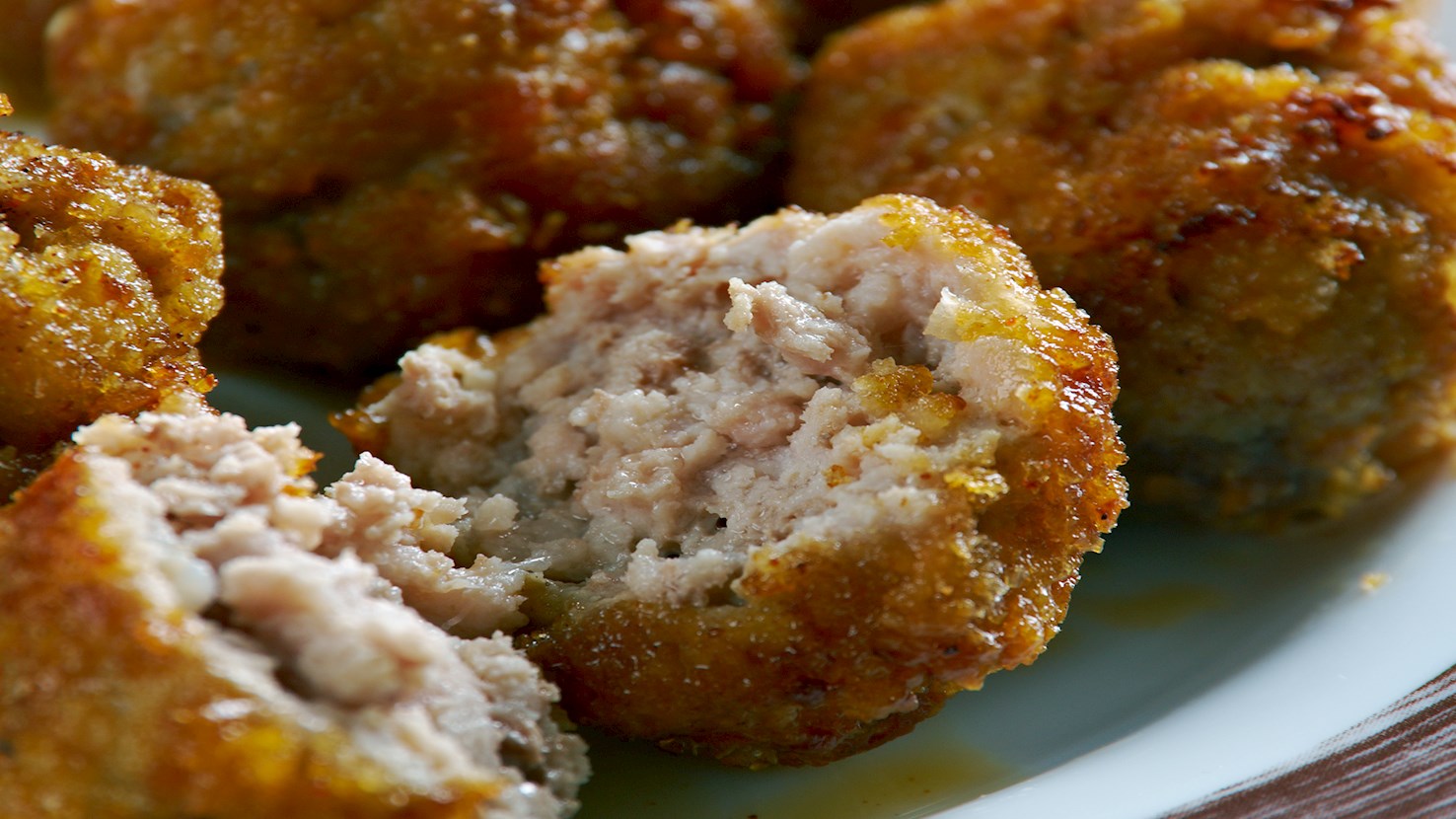
Keftedakia are small meatballs from Greece, typically made with ground meat, grated onion, garlic, bread, eggs, and a generous amount of herbs. The mixture is usually flavored with fresh spearmint, dried oregano, black pepper, and sometimes cumin, giving the meatballs their distinctive aromatic character. Although similar fried meatballs are found throughout Greece, versions associated with Smyrna and Asia Minor cooking are especially known for their warm spices and abundant mint, a style that became more prominent in Greece after the arrival of Greek refugees from Asia Minor in the early 20th century. The preparation usually begins with stale bread soaked in milk, wine, or water, then squeezed and mixed with ground beef, pork, lamb, or a combination of meats. Grated onion, garlic, eggs, chopped mint, oregano, salt, and pepper are added, and the mixture is kneaded until soft and cohesive. It is often left to rest so the flavors can develop and the texture can firm up before shaping. The meatballs are rolled into small, bite-sized rounds or ovals, lightly coated in flour, and fried in hot olive oil until crisp and deeply browned on the outside while remaining tender and juicy inside. Some regional versions include a splash of ouzo, while others use lamb instead of pork or beef for a stronger, more rustic flavor. A related variation is simmered in tomato sauce rather than fried, often with cumin and other warm spices. Keftedakia are most commonly served as part of a meze spread, usually with lemon wedges, tzatziki, fried potatoes, pita bread, or a simple salad. Their round shape also makes them ideal for popular Greek picnics, where keftedakia are served as snacks, but they can also be served as appetizers or as a main course.
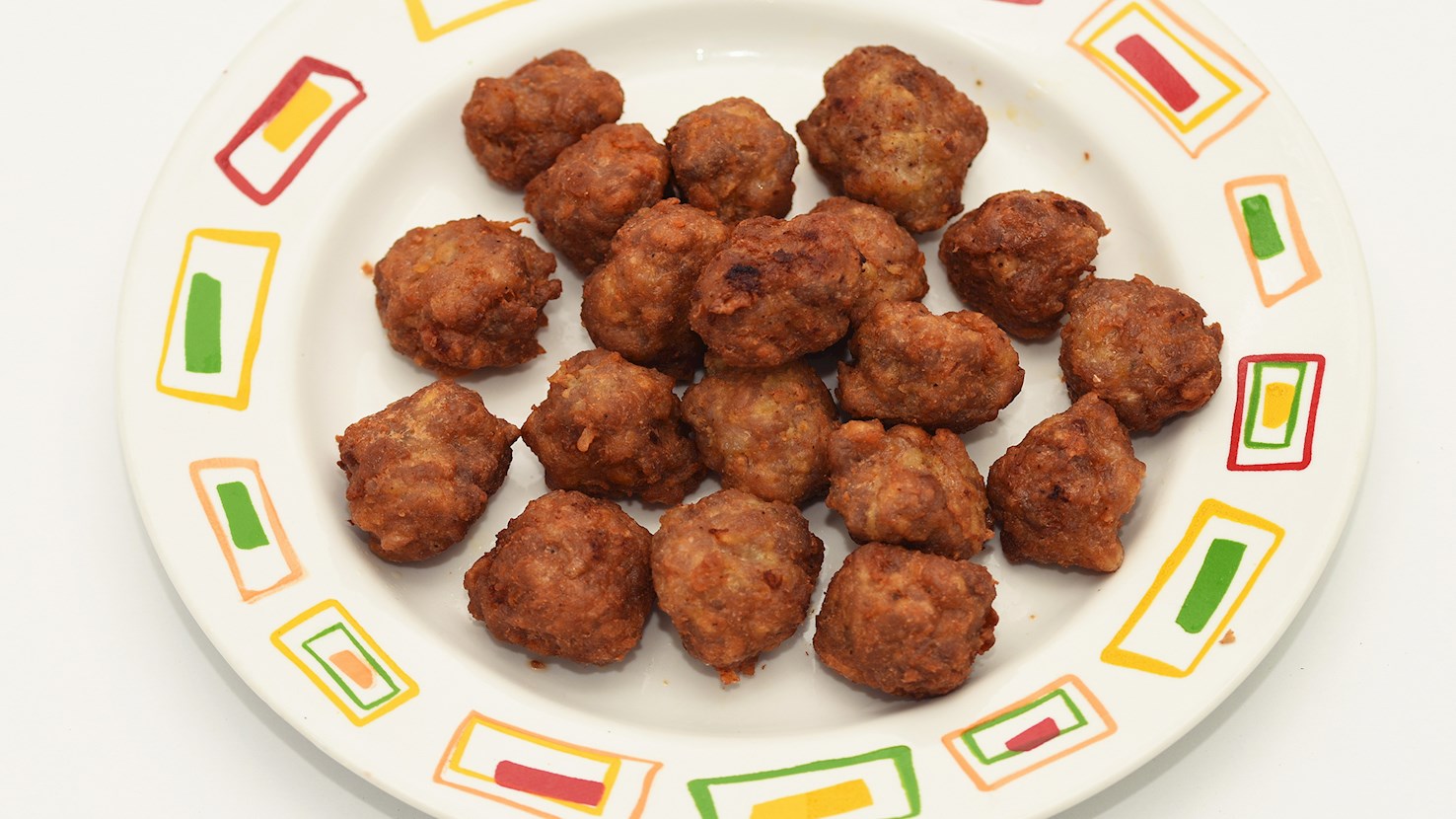
Chiftele are crispy, deep-fried Romanian meatballs traditionally made from minced pork or chicken, bread crumbs, and mashed potatoes, flavored abundantly with onions, garlic, lovage, and parsley leaves. Apart from the traditional meat-based chiftele, there are also those made from vegetables such as potatoes, peas, or mushrooms. They can be enjoyed as a main course with mustard or mayonnaise, or as a snack, when they are accompanied by tomatoes, cheese, cucumbers, and radish.
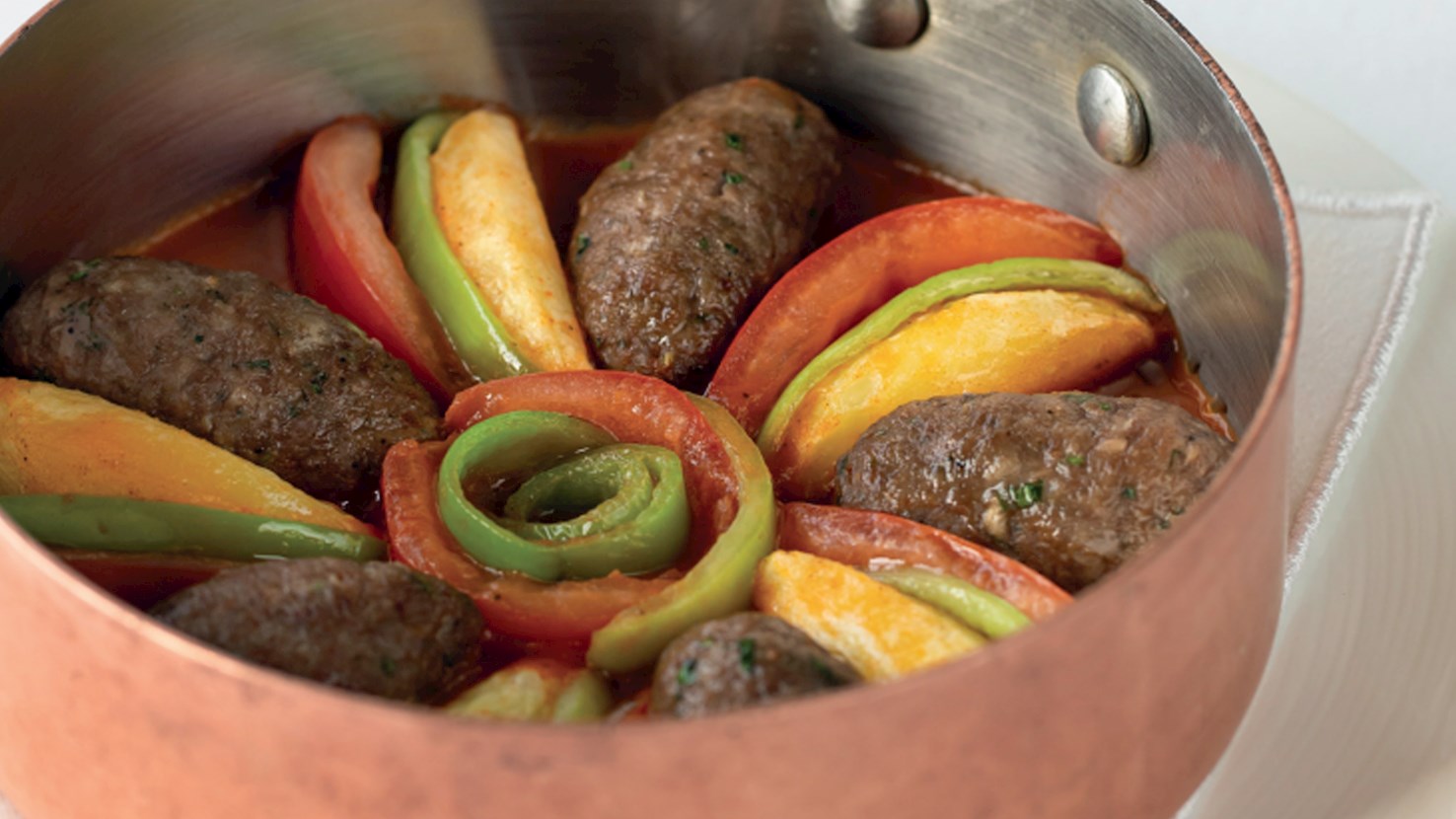
İzmir köfte is a Turkish comfort food dish consisting of köfte (meatballs), peppers, and potatoes in a simple tomato sauce. The dish can either be prepared on a stove or baked in the oven. Köfte are typically made with ground beef or lamb, onions, flour, stale bread, and eggs, flavored with a variety of spices such as red pepper flakes, cumin, black pepper, and mint. Before serving, İzmir köfte are traditionally garnished with chopped parsley on top. It is recommended to use plain rice or a slice of crusty bread as accompaniments. The dish originated and was named after Smyrni, or modern-day Izmir, where it was initially prepared by Greek citizens and was called soutzoukakia smyrneika. It is believed that the dish was brought to other areas in Greece in the 1920s, following the great migration after the Greco-Turkish War.
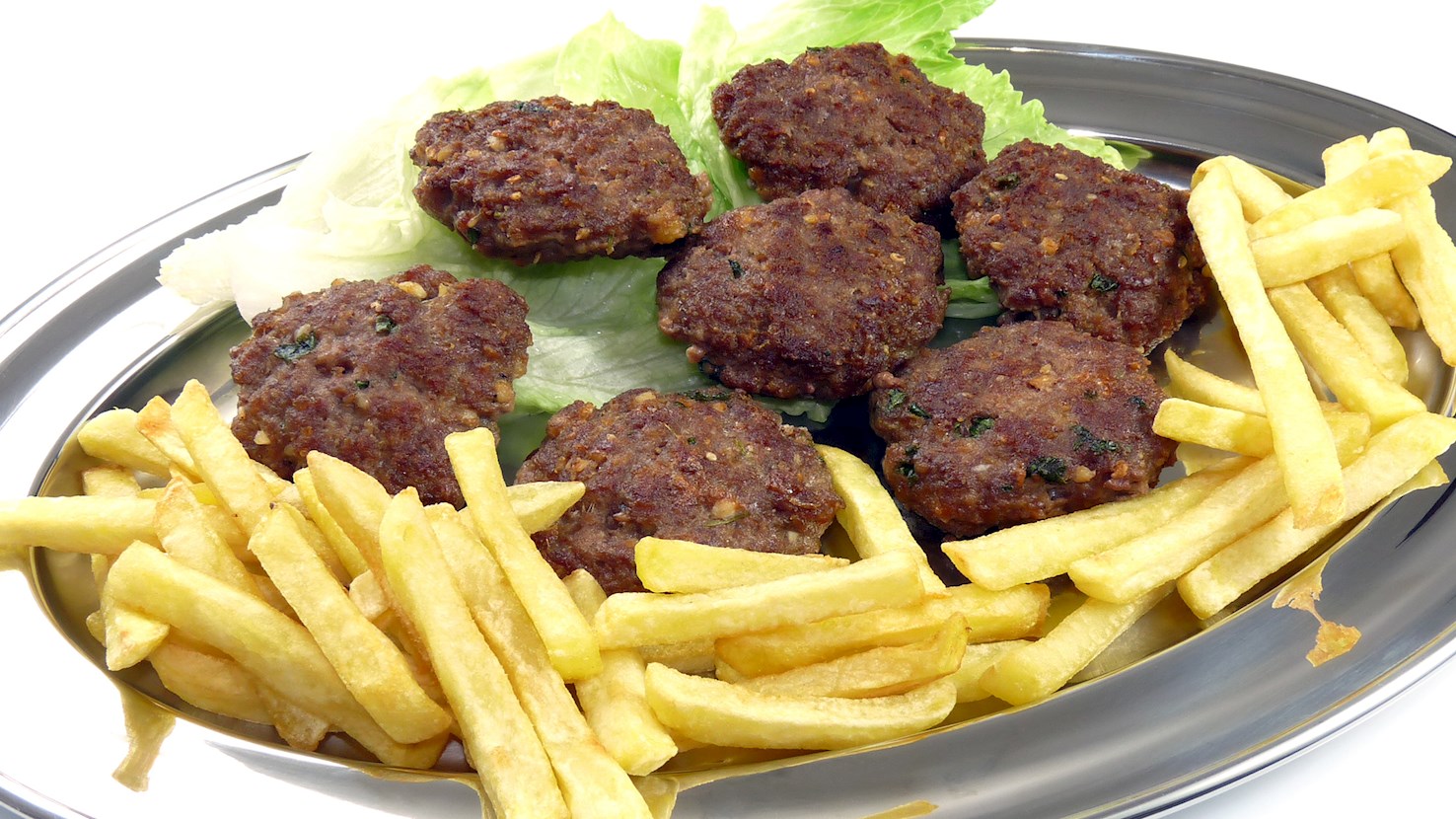
These delectable fried meatballs are prepared in both Albania and Kosovo either as a main dish or an appetizer. The origin of qofte fërguara can be ascribed to Turkish and Middle Eastern influence on the region, evident in both the ingredients and the method of preparation. The mixture for the meatballs is made by combining either minced lamb or beef, and sometimes even chicken meat with feta cheese, garlic, onions, breadcrumbs, and mint leaves. The mixture is seasoned with salt, pepper, often oregano, and sometimes cinnamon. The resulting mass can be shaped into balls, patties, ovoids, or even sausages, which are fried and served warm with potato fries and rice pilaf, or roasted vegetables, accompanied by a yogurt-based dip.
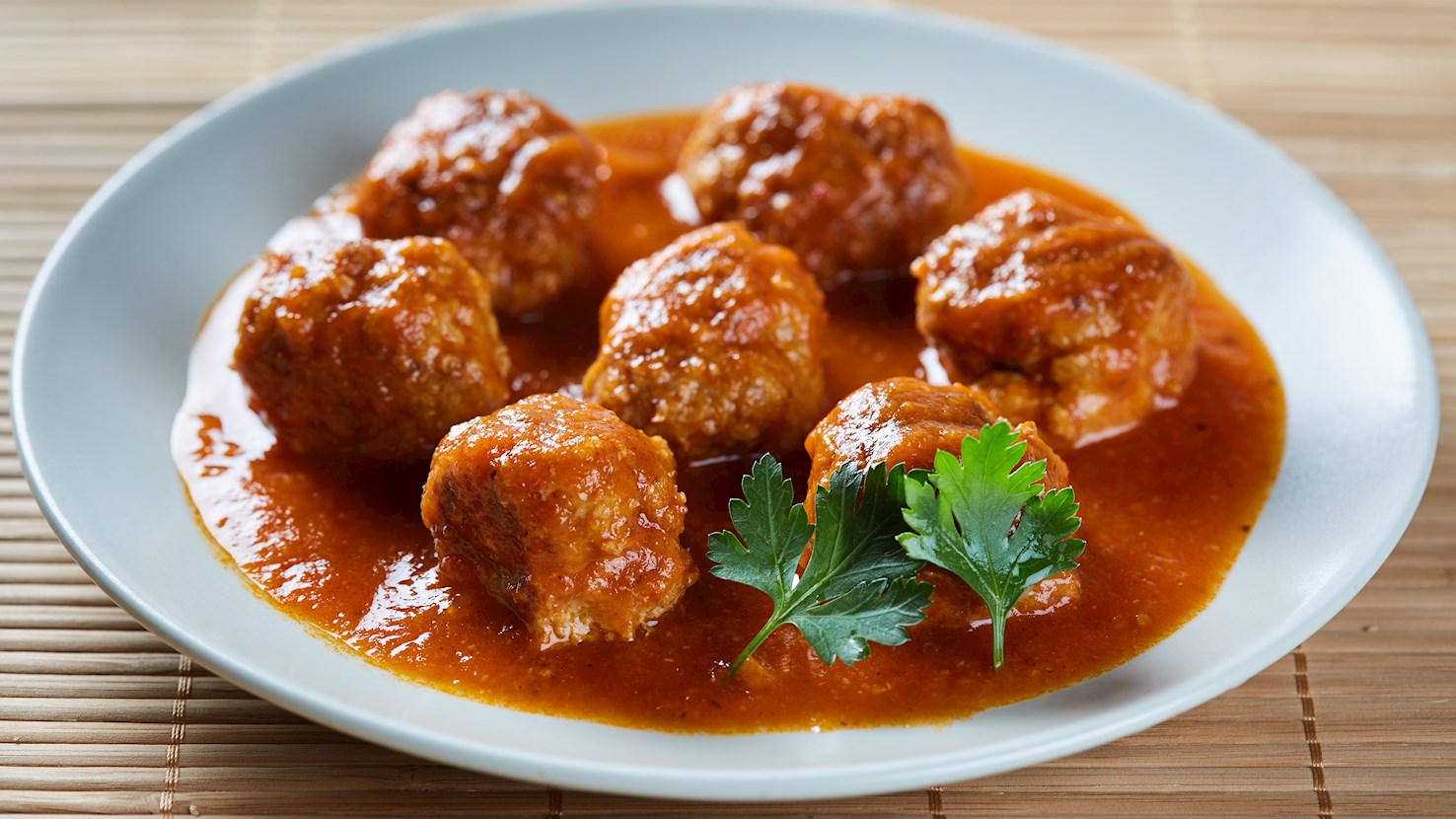
This classic Bulgarian dish consisting of meatballs in rich tomato sauce is an authentic delicacy from the city of Chirpan. The region around the city is famous for the production of numerous vegetables, so it is no surprise that kjufteta po Chirpanski uses lots of them. The meatballs are typically prepared with ground meat, onions, eggs, cumin, salt, pepper, and flour, while the sauce uses a variety of vegetables and spices such as onions, tomatoes, celery, paprika, parsley, bell peppers, and garlic. It is believed that almost every home in Chirpan has its own version of the dish and uses their own combination of herbs and spices.
TasteAtlas food rankings are based on the ratings of the TasteAtlas audience, with a series of mechanisms that recognize real users and that ignore bot,
nationalist or local patriotic ratings, and give additional value to the ratings of users that the system recognizes as knowledgeable.
For the “Top 6 Southeastern European Meatballs” list until October 15, 2026, 1,192 ratings were recorded, of which 584 were recognized by the system as legitimate.
TasteAtlas Rankings should not be seen as the final global conclusion about food. Their purpose is to promote excellent local foods,
instill pride in traditional dishes, and arouse curiosity about dishes you haven’t tried.



What People Say