


shutterstock

22 Mochi Varieties
Ranked From the Best To the Worst

Last updated on May 22, 2026
01

Daifuku

4 ·

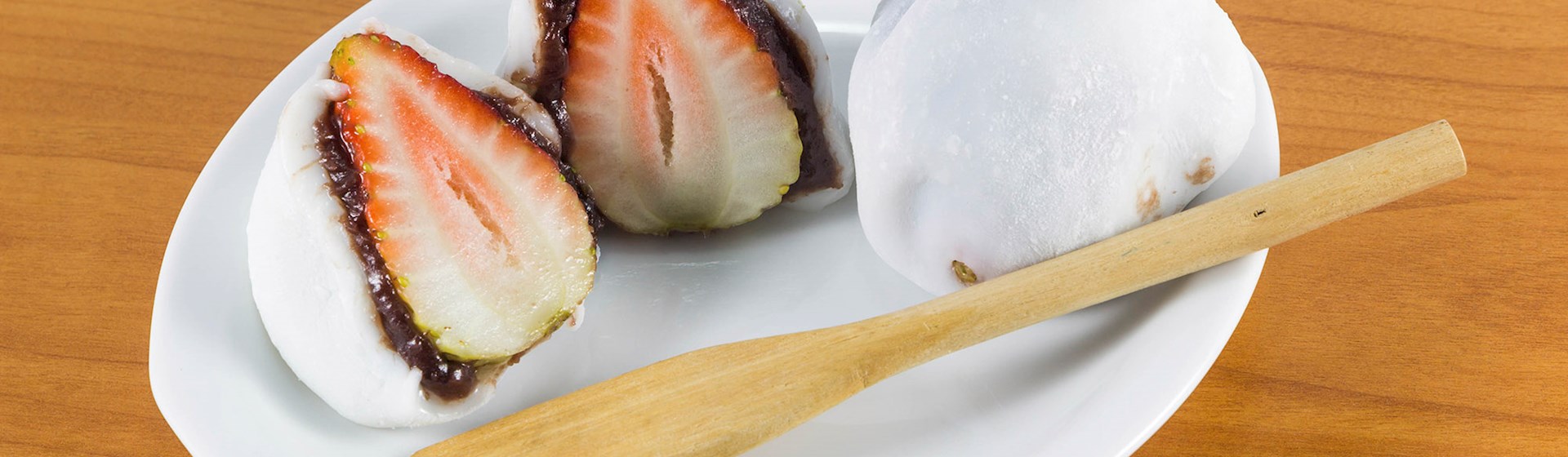
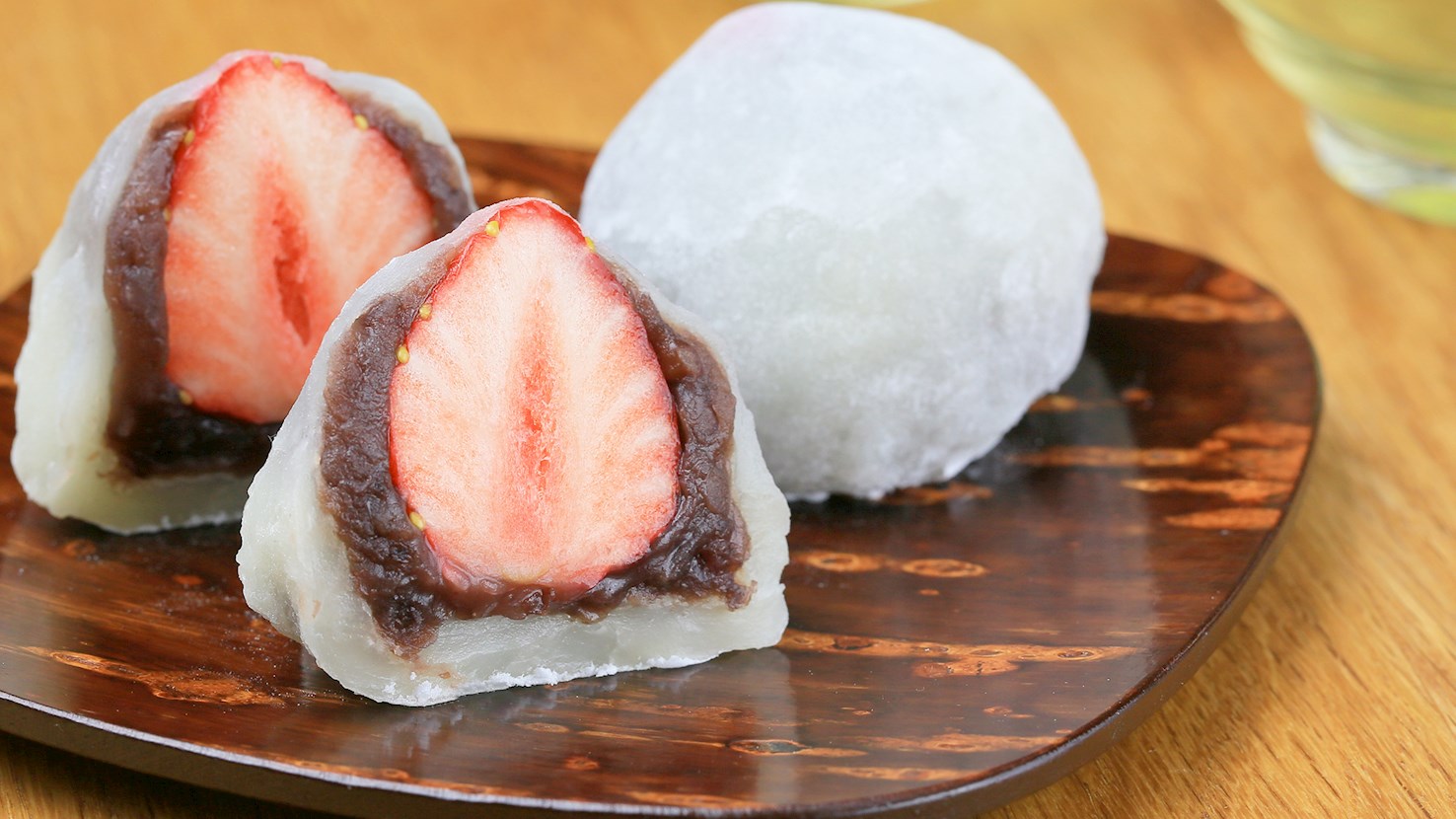
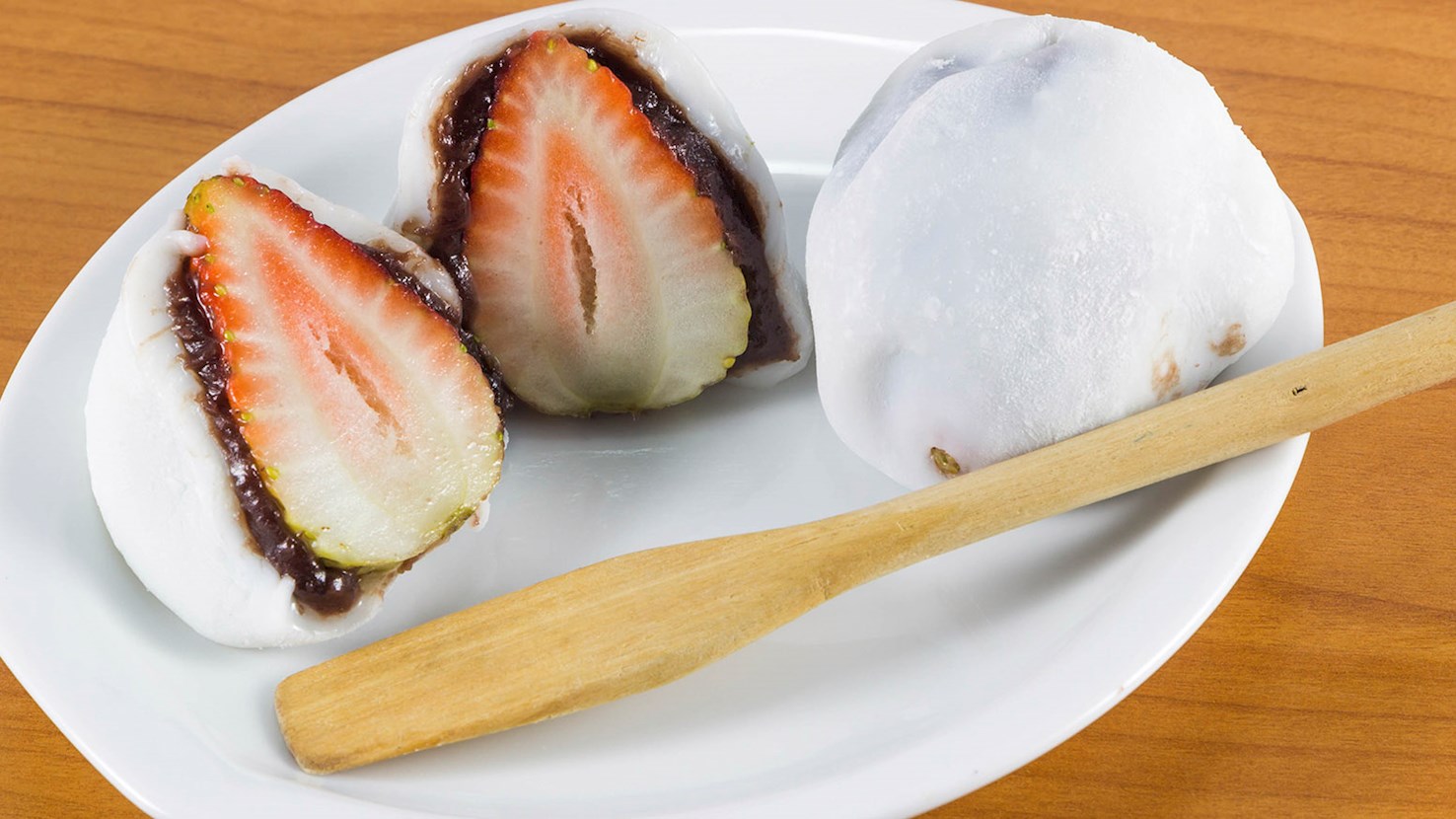
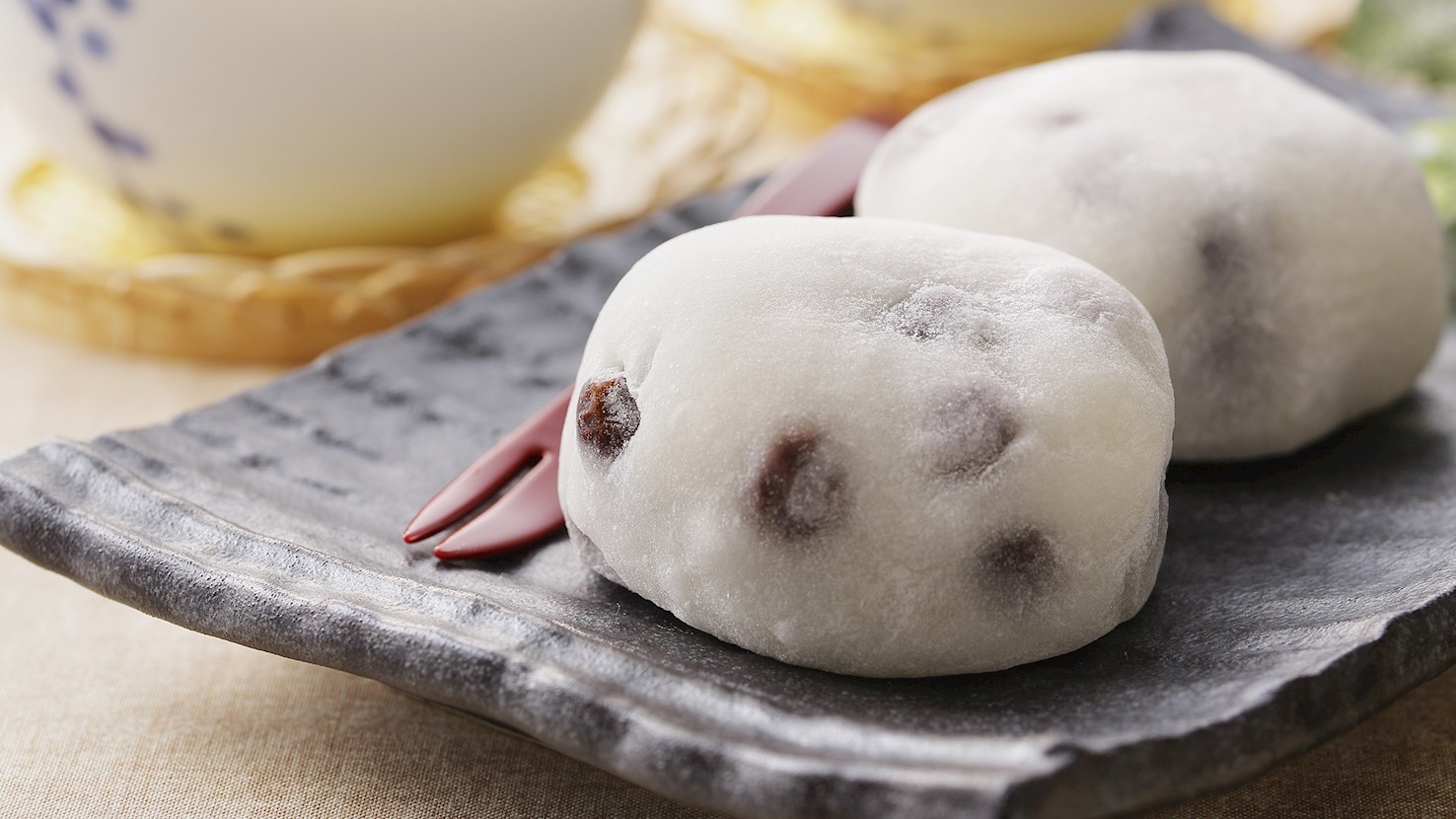
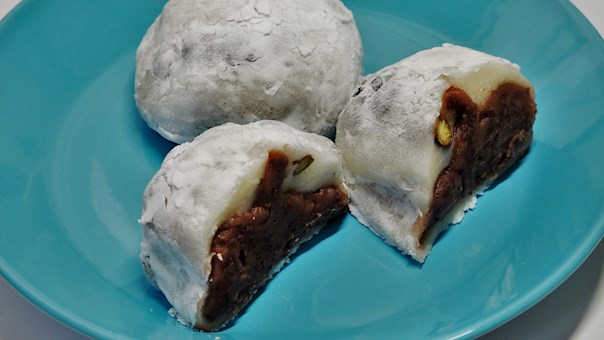
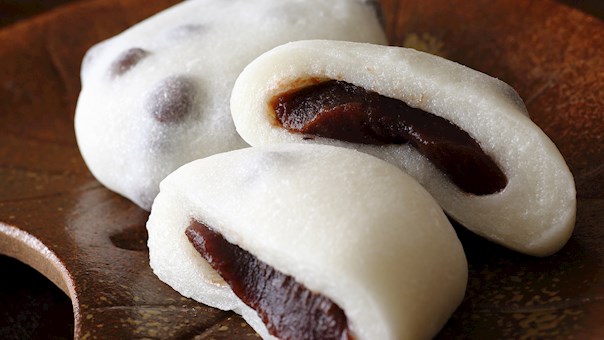
Daifuku, often referred to as daifukumochi, is a popular Japanese confectionery. It is usually shaped into small round balls, which consist of a chewy outer layer and a creamy, sweet filling. The daifuku shell is made with mochi, a glutinous ingredient created through the time-consuming process of crushing boiled or steamed rice. It is often tinted with different colors, most commonly pale pink and light green, creating a decorative and appealing treat. Each daifuku cake is filled with the luscious creamy and sweet content, and the most common is the traditional semi-sweet red bean paste, popularly called anko or tsubuan. Other popular fillings include chestnut, mocha, apricot, or caramel flavored creams and pastes, or occasionally ice cream. The most famous seasonal variety is the ichigo daifuku, filled with a whole strawberry wrapped in a thin layer of red bean paste. Daifuku is eaten as a dessert or a quick snack and it is usually served accompanied by a cup of refreshing green tea. Different daifuku varieties can be found across Japan and are easily available in convenience stores, supermarkets, restaurants, and dessert shops. They are also commonly served during traditional Japanese tea ceremonies.

02

Ichigo daifuku

4 ·

Ichigo daifuku is one of the most interesting versions of the traditional Japanese daifuku sweets. All daifuku varieties consist of a chewy mochi shell, made with pounded glutinous rice and various fillings which are hidden inside the shell. Ichigo stands out as one of the unique types since it uses whole strawberries as fillings. In the most traditional type, the strawberry is first wrapped in a thin layer of sweet red bean paste, referred to as anko in Japanese, and then in a layer of soft white mochi. Modern variations occasionally switch anko with white bean paste, and the mochi shell is sometimes colored pale red to signify the color of the strawberry. Ichigo daifuku is a seasonal confectionery, usually consumed in the spring when strawberries are in season. When cut, this sweet treat showcases a beautiful and visually appealing combination of red berries, dark anko paste, and a pale white layer of mochi. Although it is a staple dessert in Japan, ichigo daifuku first appeared in the 1980s. Many famous confectionery shops claim that they created the first ichigo, but the real history is unknown. Just like other daifuku varieties, ichigo is always enjoyed freshly prepared.

03

Yatsuhashi

3.8 ·

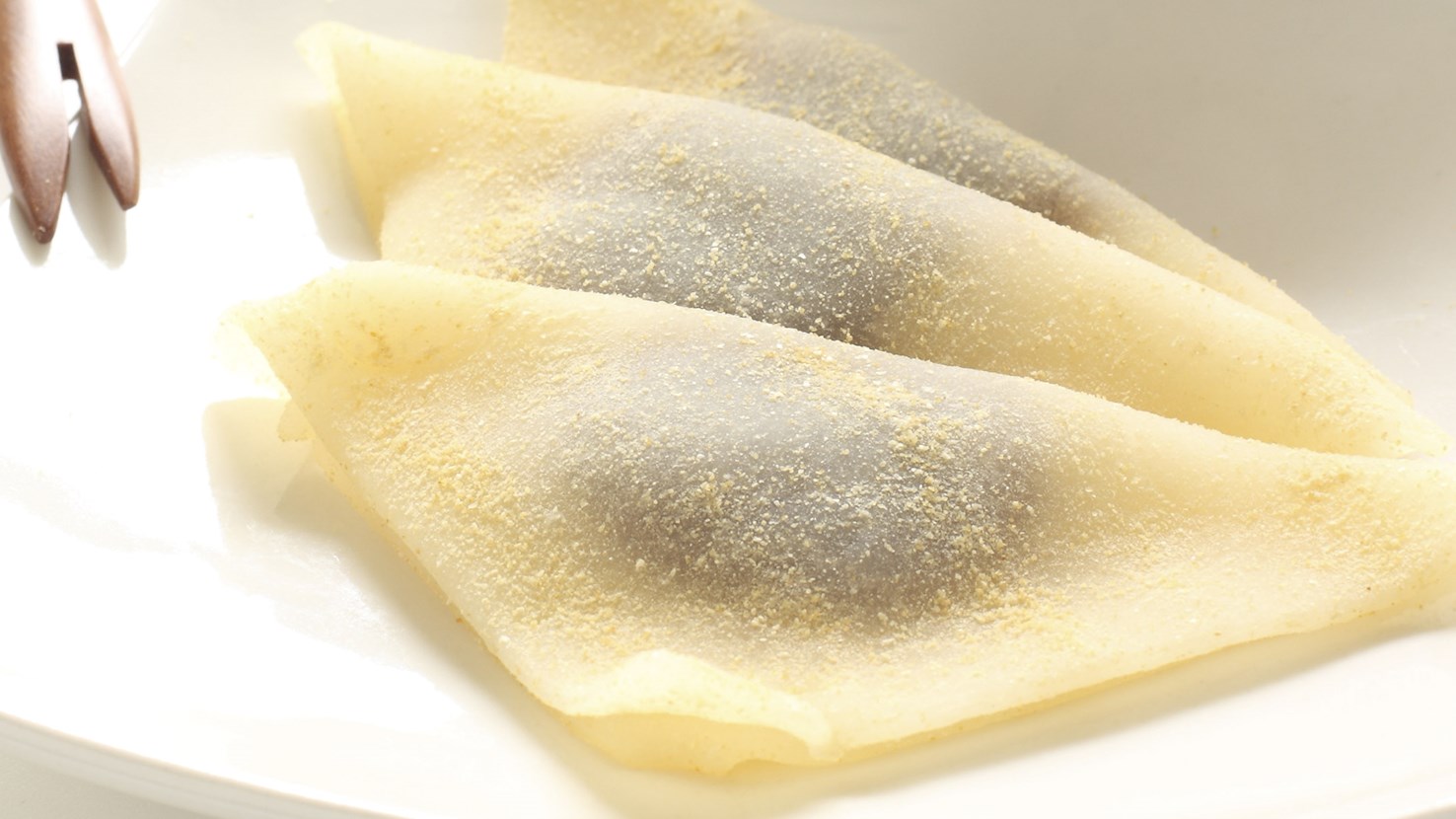
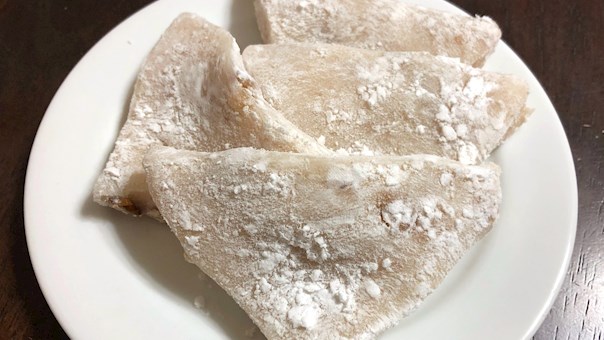
One of the best known meibutsu or regional specialty products of Kyoto, yatsuhashi is a type of wagashi - traditional Japanese confections that are often served with tea and sold mainly as souvenir sweets called miyagegashi. Reflecting hundreds of years of the city’s history and traditions, this popular Kyoto meibutsu first appeared in 1689 and was named after Kengyo Yatsuhashi, a famous Japanese harp player and composer of koto music, which is why the most traditional yatsuhashi is shaped like koto. Over time, Japanese omiyage or souvenir industry started introducing other varieties. Yaki yatsuhashi is a crispy baked, cinnamon-flavored cookie made from sticky rice flour, while its raw version called nama yatsuhashi is typically folded into a triangle and has a soft, almost mochi-like texture. It most often comes flavored with green tea or black sesame, wrapped around the sweet red bean paste, but it's also available in a number of other flavors.

04

Warabimochi

3.8 ·

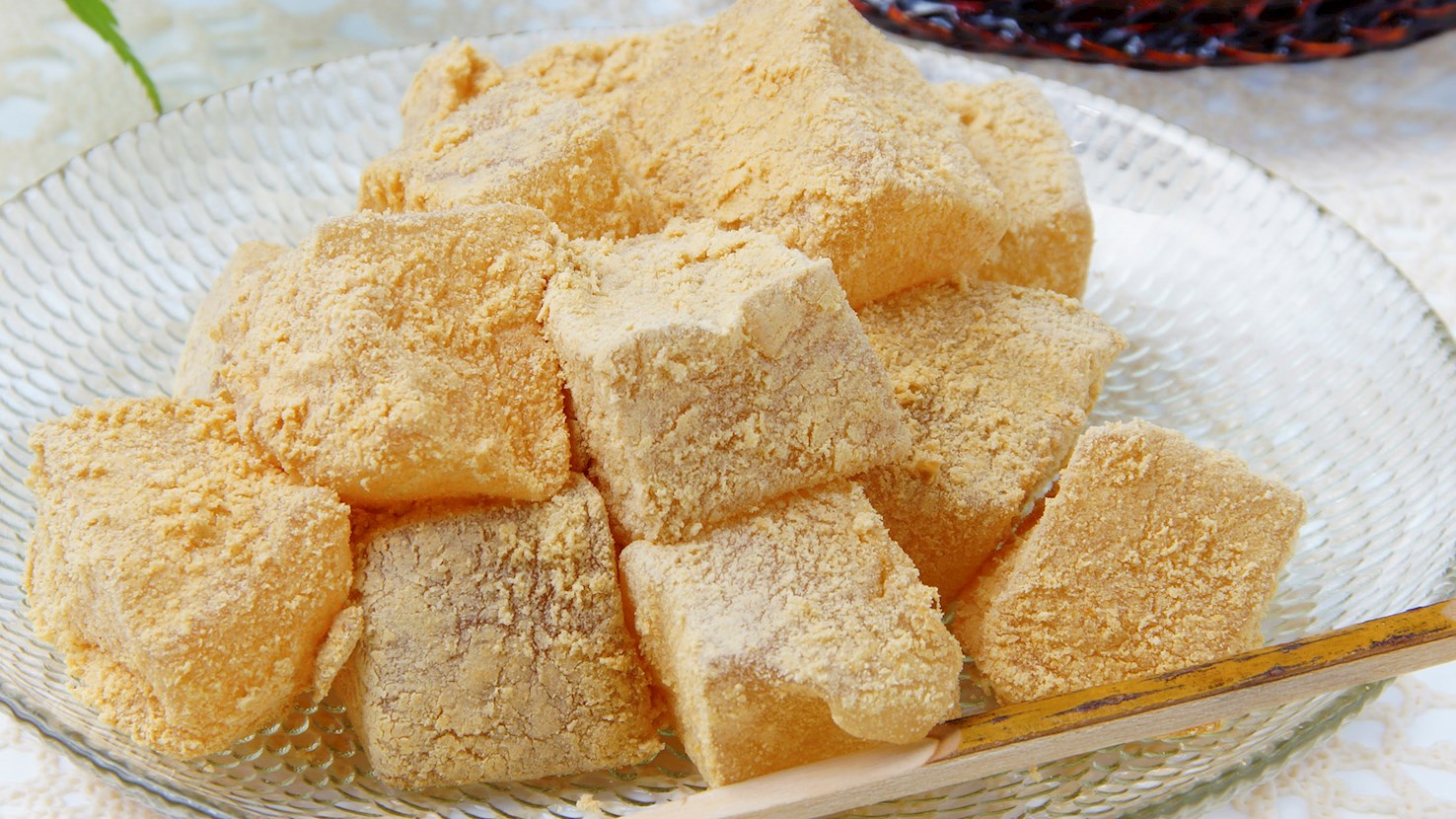
Warabimochi is a sweet Japanese concoction reminiscent of jelly. It is made from bracken starch, and is traditionally dusted with sweet toasted soybean flour known as kinako. Warabimochi is one of the most popular sweets in the Kansai area, typically consumed in the summertime, since it is praised for its cool, chewy, and soft texture. The name of the dish comes from an edible wild plant, warabi (bracken), which grows at the sides of rivers and is harvested in late winter. Warabimochi has been present in Japan since before the Heian era, and it was also one of the favorite treats of Emperor Daigo. Today, it can be bought from numerous street food trucks, which are similar to ice cream trucks in the West.

05

Sakuramochi

3.8 ·

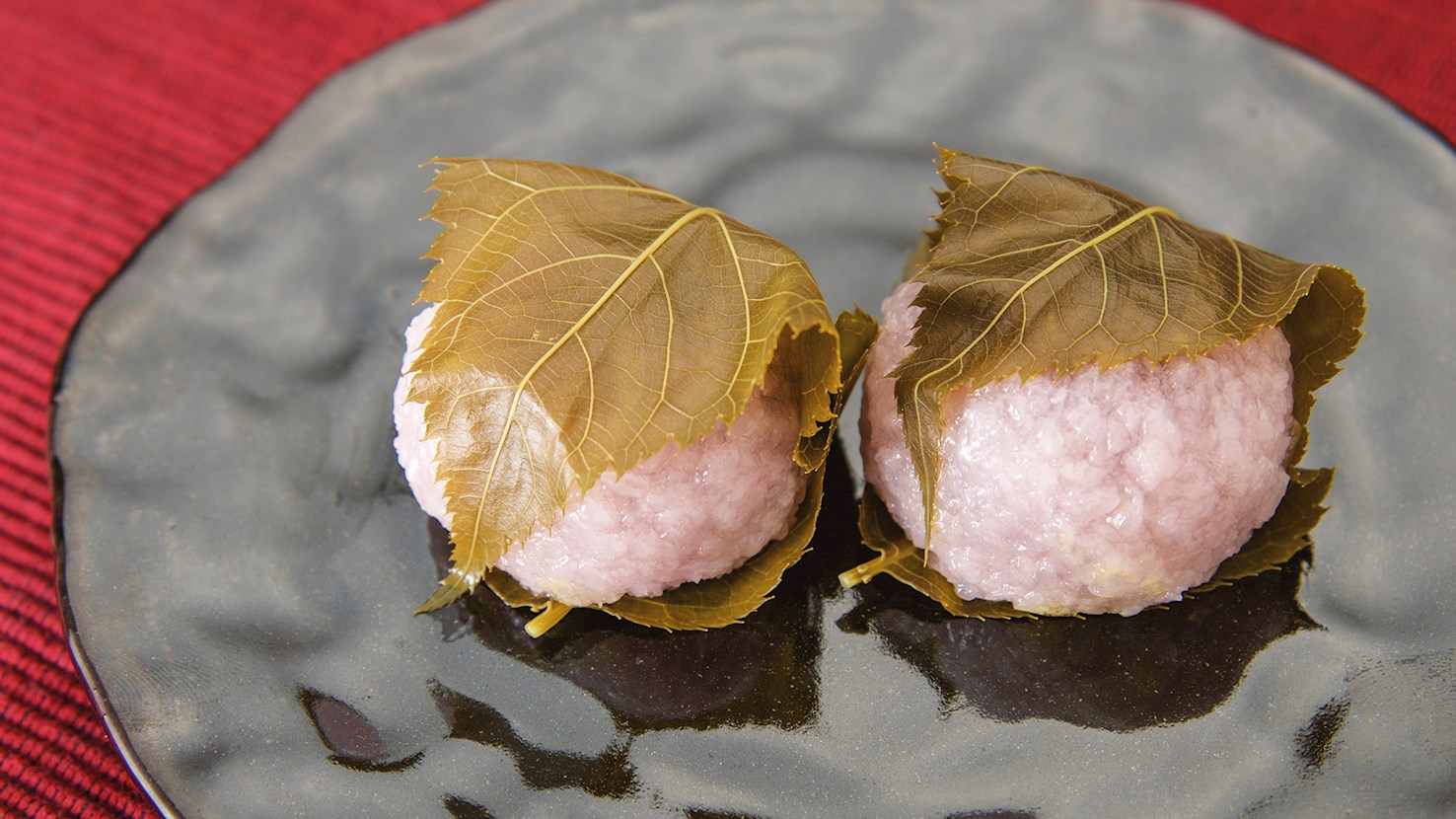
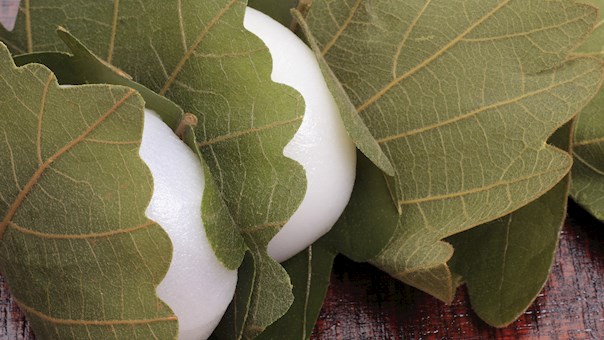
Sakuramochi is a traditional dessert that is made to depict sakura (cherry blossom), so the rice cake is usually pink in color. Most of the times, sakuramochi contains red bean paste and it is covered with a salty cherry blossom leaf, which some people consume together with the rice cake, and some don't. Although the sweet treat is sold throughout the year, it can be found most easily in spring, when cherry blossoms are in season. It is believed that sakuramochi was invented in 1717 in Edo by a guard named Yamamoto Shinroku, using the leaves from the trees along the Sumida River. He started to sell his new treats; people loved them, and that is how sakuramochi was born. Today, there are two versions of sakuramochi, the domyouji mochi from Kansai, consisting of steamed rice filled with anko and wrapped with a leaf, and the chomeiji mochi from Kanto, made with a pink crepe instead of rice.

06

Kinako mochi

3.5 ·

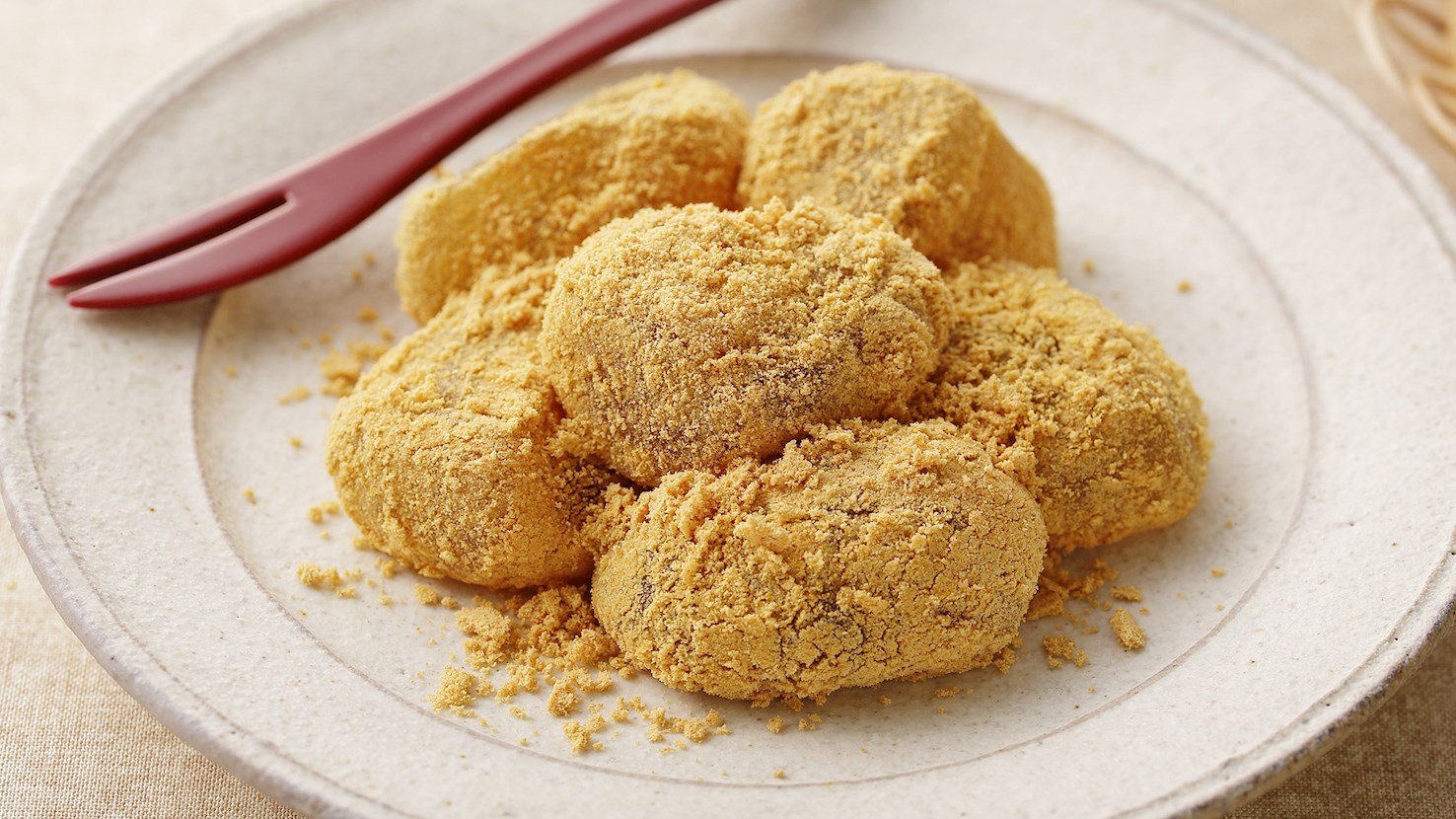
This classic mochi variety combines chewy rice cakes made from glutinous rice and kinako—roasted soybean powder. The cakes can be made from scratch, but since their preparation is time-consuming, most people use pre-packed versions (kiri mochi). Before they are dusted with a combination of sugar and powder, the cakes can be boiled or toasted, and they should be dipped in water so that the powder would stick to the cake. The roasted soybean powder gives the cake a subtle nutty flavor, which perfectly pairs with the sweetness of the mochi. Optionally, this dessert can be drizzled with kuromitsu—black sugar syrup similar to molasses. Kinako mochi is best enjoyed freshly prepared.

07

Kusa mochi

3.5 ·

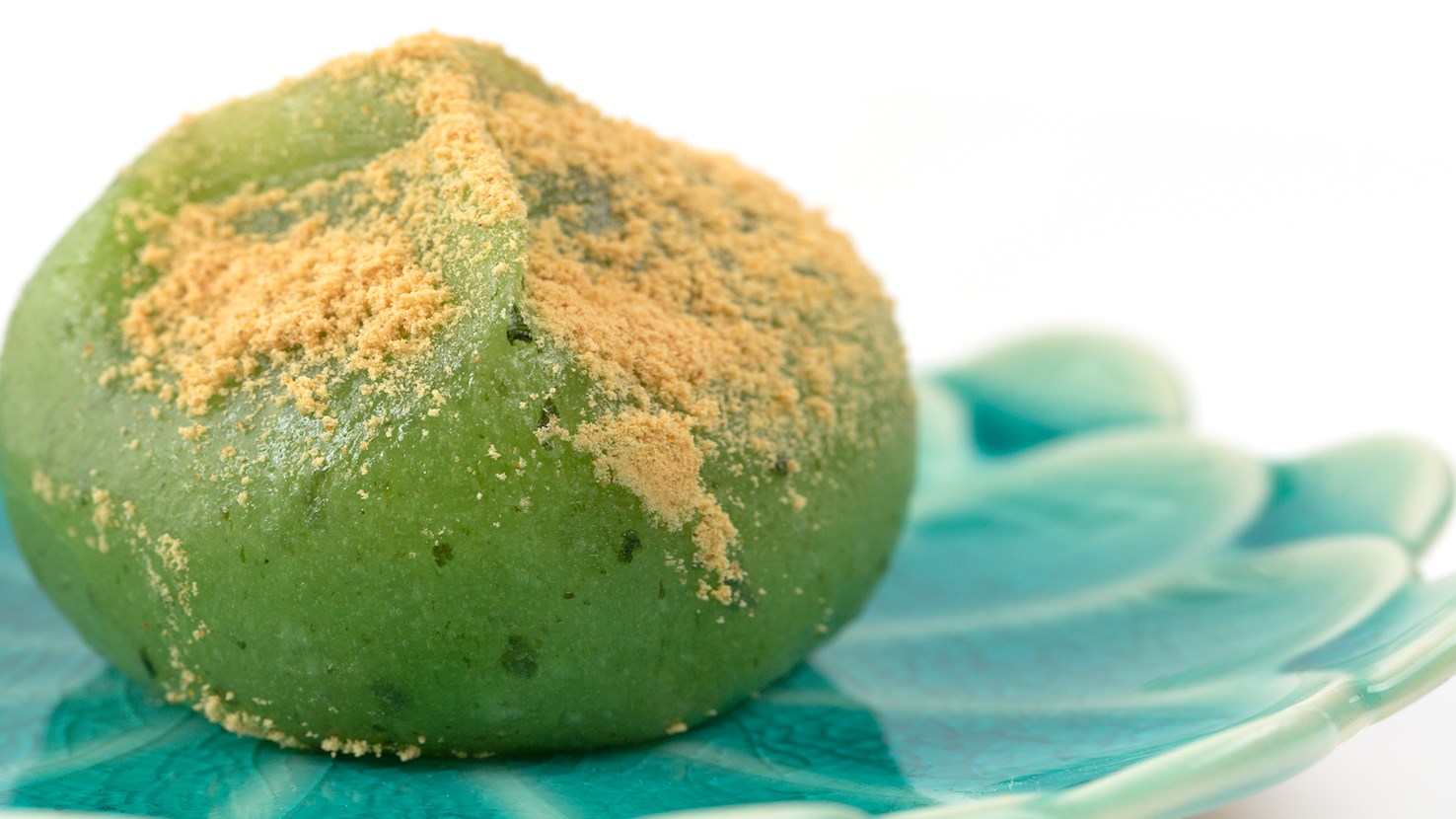
Kusa mochi is a sweet Japanese treat made with glutinous rice flour infused with mugwort paste. It is characterized by its deep green color, delicate flavor, and the typical sticky texture. Even though it can be eaten plain, it is often incorporated with other ingredients and wrapped around various fillings. Because of its vibrant color, it is considered a seasonal treat that is usually enjoyed in springtime.

08

Mame daifuku

3.5 ·

Mame daifuku is a beloved Japanese sweet dating back to the Edo period. The sweet consists of a rice cake filled with anko, soybeans, or azuki beans. Mame daifuku is commonly served at Japanese tea ceremonies, although it can also be served alongside coffee. Many believe that it is a morning snack and should be consumed on the same day that it was produced.

09

Botamochi

3.3 ·

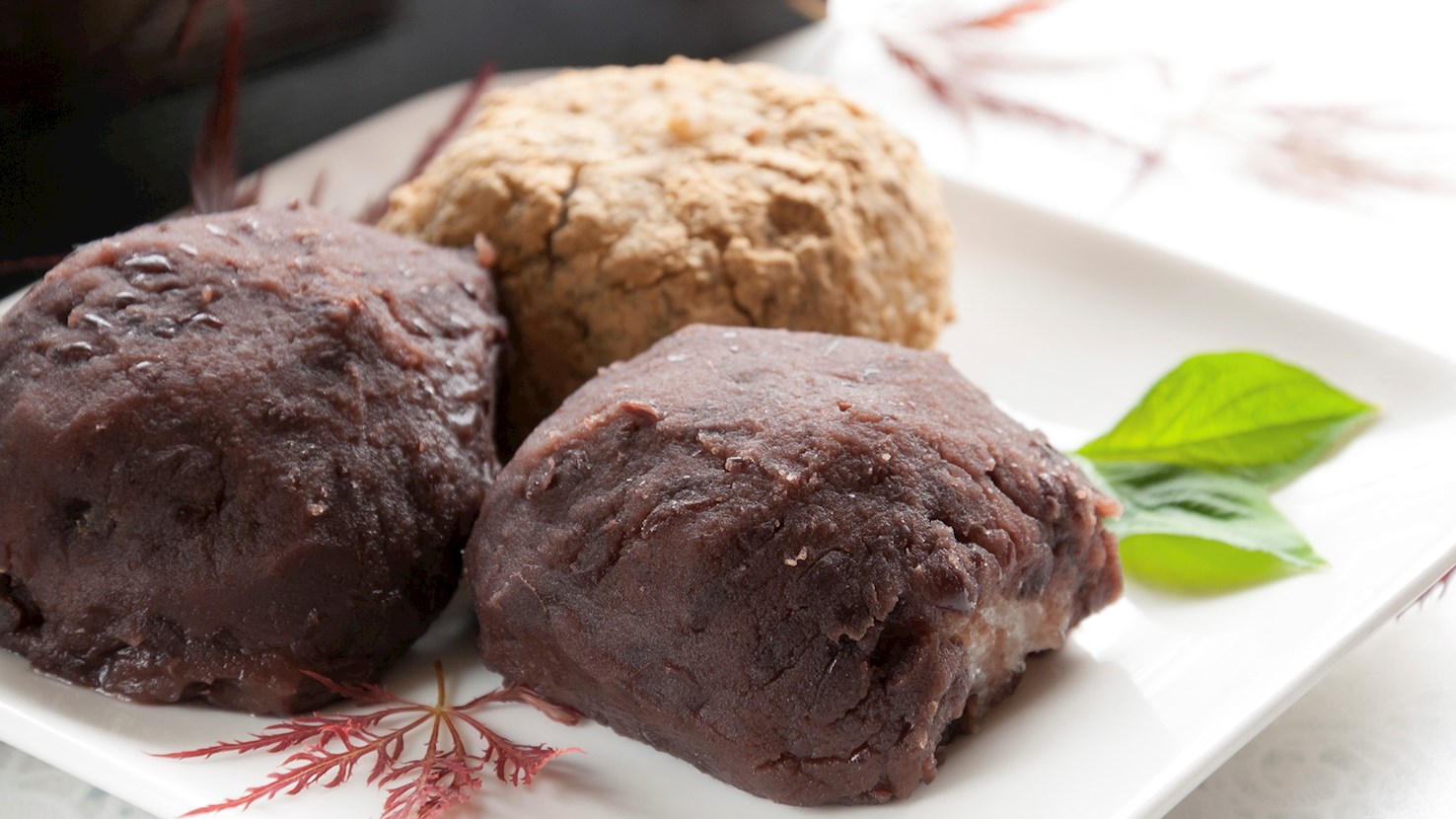
Botamochi or ohagi is a sweet Japanese confection consisting of glutinous rice stuffed inside a ball of azuki bean paste. The name of this treat consists of two words: bota, which is derived from botan, meaning tree peony, and mochi, meaning sticky, pounded rice. The shape of botamochi is supposed to resemble a tree peony flower. Although botamochi and ohagi are the same, botamochi is served in spring, while ohagi is served in autumn, and is supposed to resemble hagi, also known as bush clover flower. These sweets are especially popular around spring and autumn equinox, when numerous Japanese people visit ancestral graves and make offerings such as flowers, incense, botamochi, and ohagi. There are some variations on the sweets, so they can also be coated with black sesame or toasted soy bean powder, depending on personal preferences.

10

Kuzumochi

3.2 ·

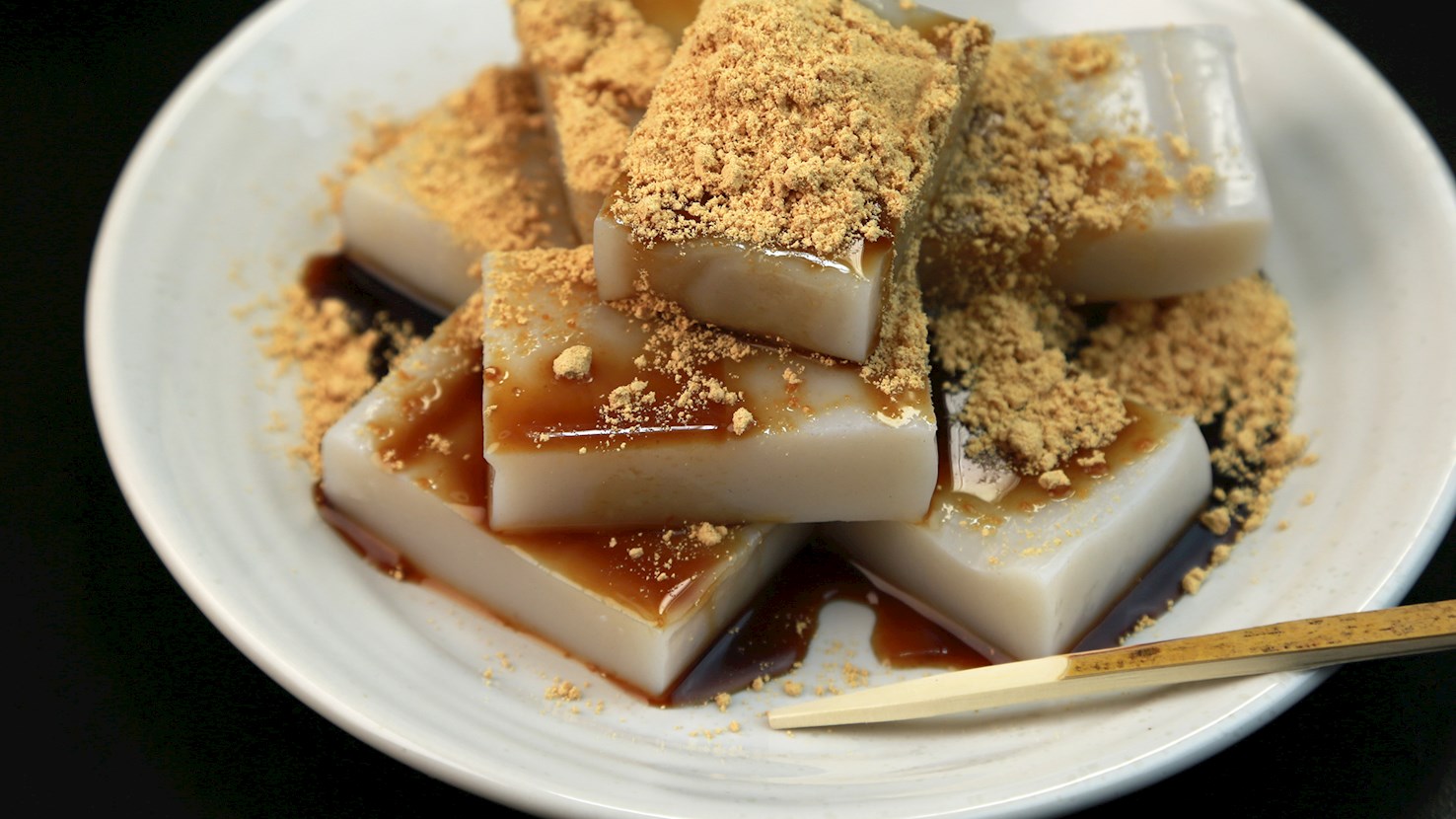
Kuzumochi is a light Japanese dessert made with starchy kuzuko powder. This natural and unprocessed powder is extracted from the kuzu plant and is widely used in Japan as a thickening agent. To make kuzumochi, it is simply dissolved in sweetened water and the mixture is poured in molds and left to set. Kuzumochi is characterized by its gelatinous texture and mild flavor, which make it a perfect summer dessert. It is usually served chilled, dusted with roasted soybean powder and doused in brown sugar syrup.

11

Zunda mochi

3.1 ·
12

Kashiwa-mochi

3 ·
13

Hishi mochi

2.8 ·
14

Shio daifuku

2.6 ·
17

Kagami mochi

n/a ·
19

Coffee daifuku

n/a ·
20

Purin daifuku

n/a ·
About this ranking

TasteAtlas food rankings are based on the ratings of the TasteAtlas audience, with a series of mechanisms that recognize real users and that ignore bot, nationalist or local patriotic ratings, and give additional value to the ratings of users that the system recognizes as knowledgeable. For the “22 Mochi Varieties Ranked From the Best To the Worst” list until May 22, 2026, 768,607 ratings were recorded, of which 496,938 were recognized by the system as legitimate. TasteAtlas Rankings should not be seen as the final global conclusion about food. Their purpose is to promote excellent local foods, instill pride in traditional dishes, and arouse curiosity about dishes you haven’t tried.

Similar lists