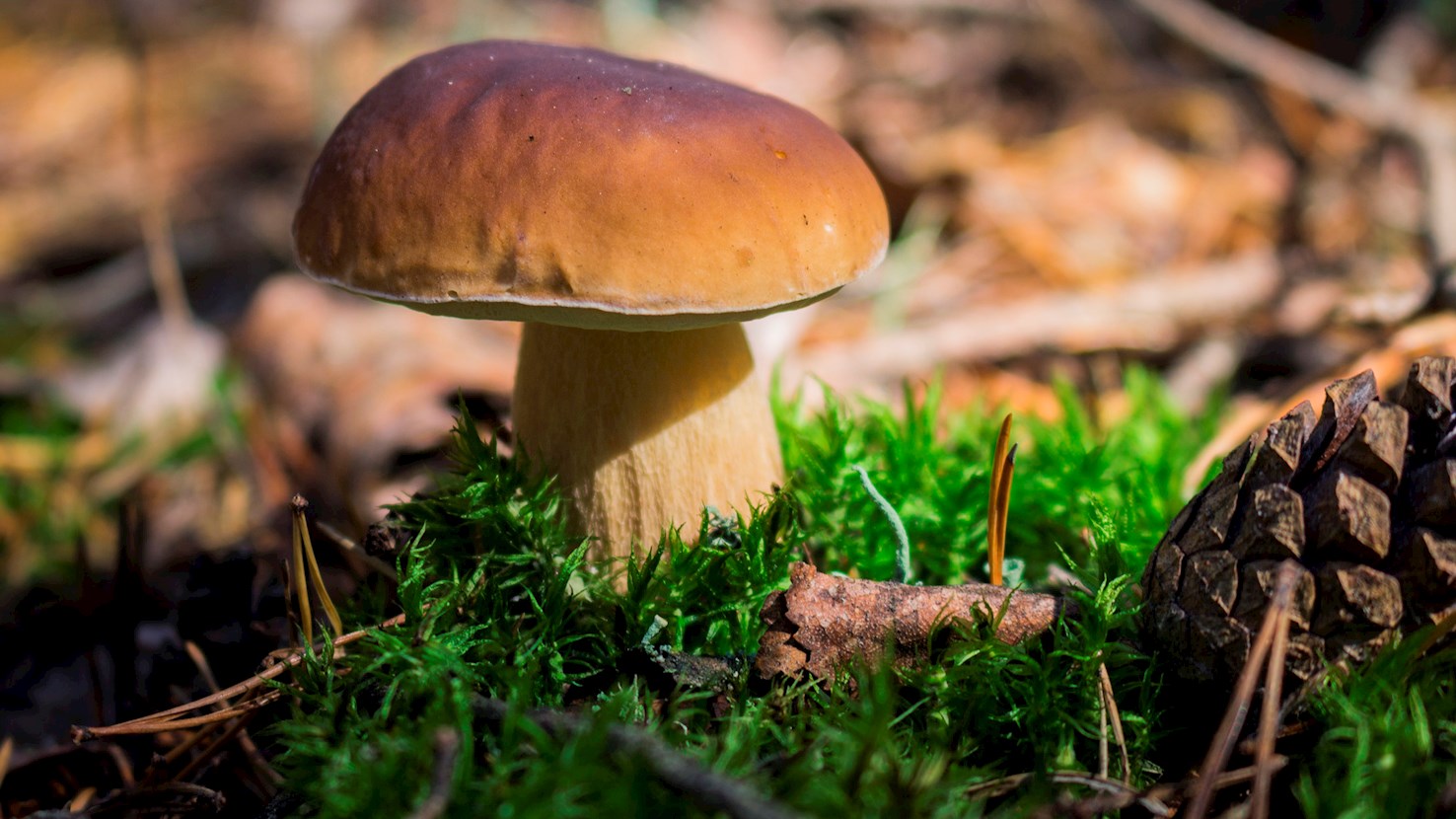
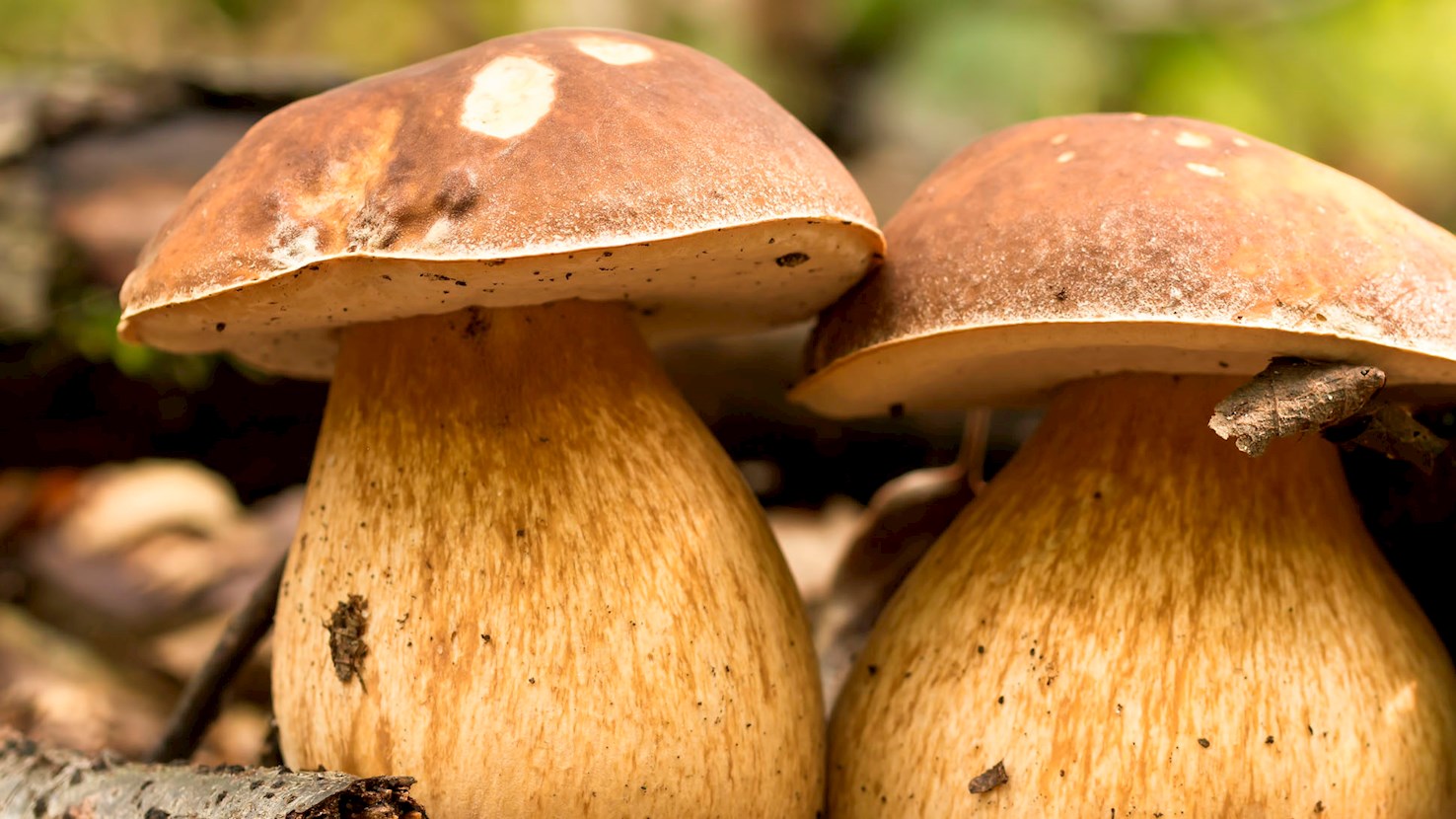
The region of Molise (in particular, the parts around Isernia and Campobasso) is famous for its high-quality mushrooms, and it is especially renowned for their porcini. The term actually refers to a few different species, but Boletus edulis is the one people usually refer to under that name. Porcino is a rather large mushroom, usually brown or reddish-brown with a slightly sticky texture and a strong flavor. They can be dried, preserved in oil, or frozen, and served in almost every type of dish, from appetizers or thick soups to hearty pasta or risotto dishes.
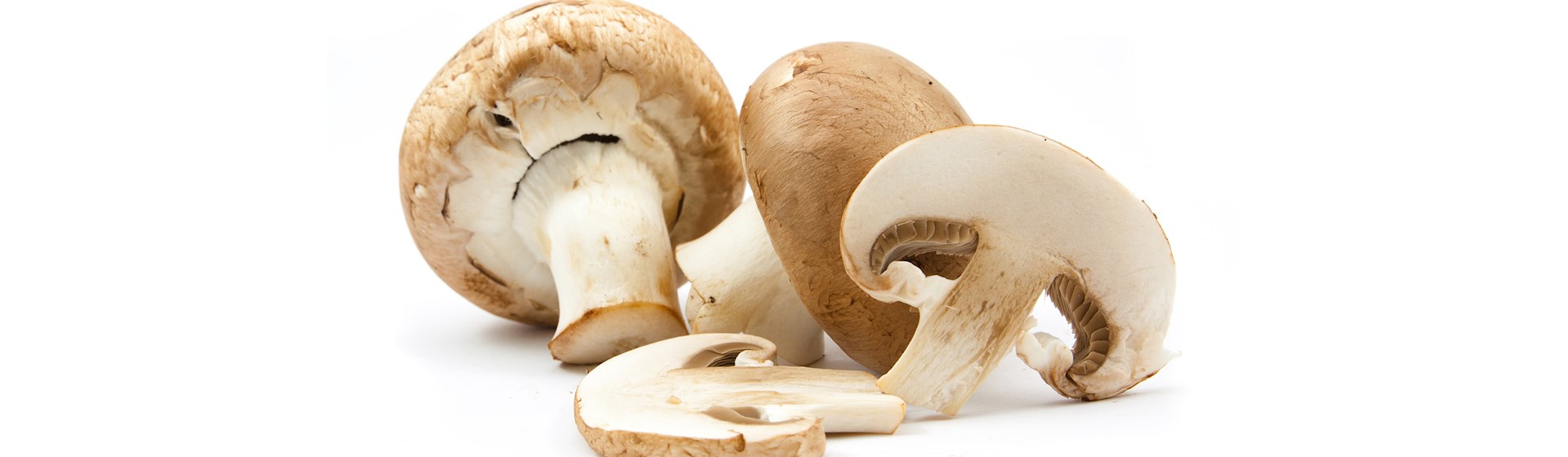
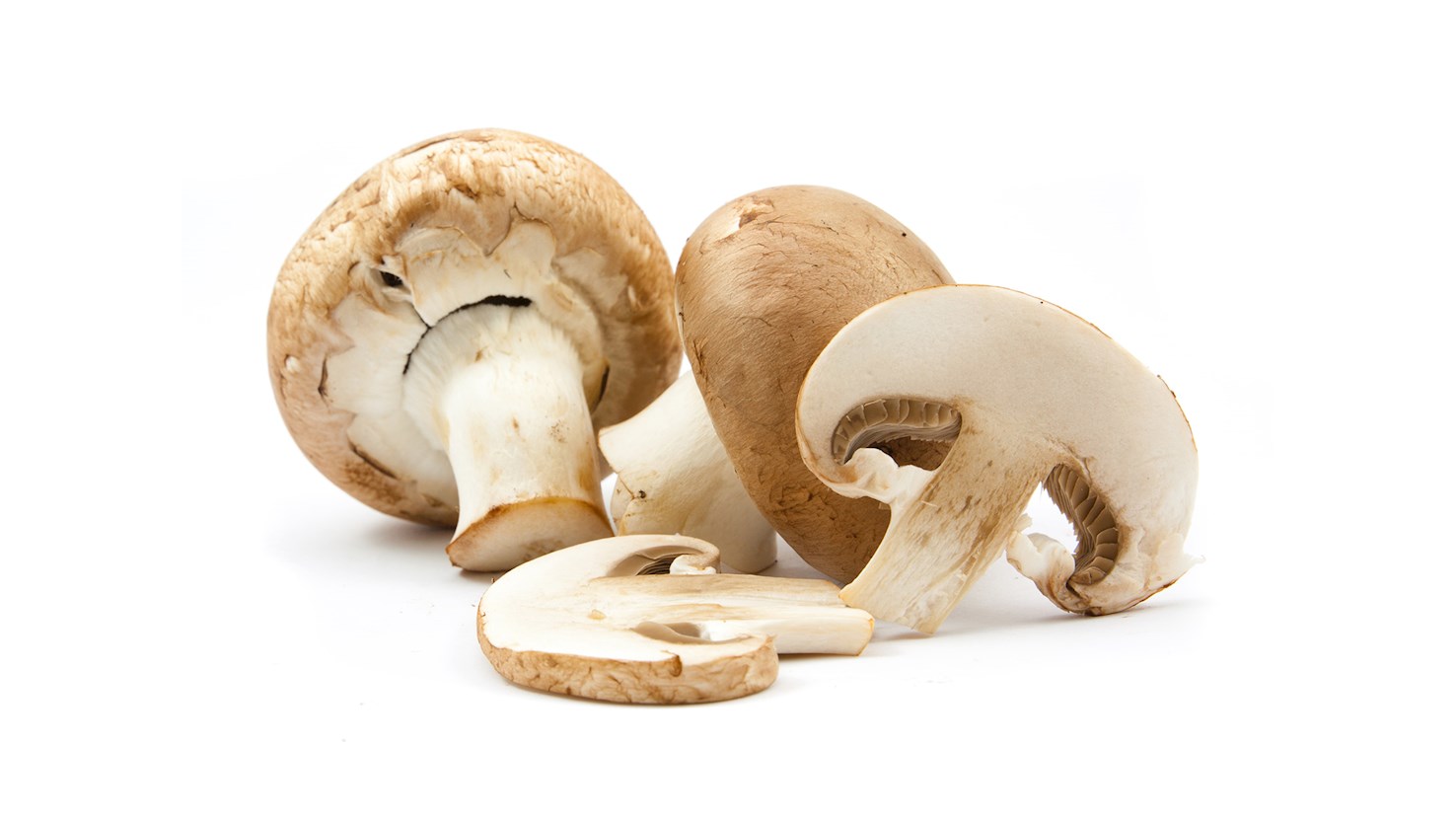
Champignons de Paris, also known as button mushrooms or white mushrooms, are one of the most commonly cultivated and consumed mushrooms worldwide. They are small, round, and have a white to light brown color. These mushrooms have a mild flavor and firm texture and are versatile and used in various culinary applications, from salads and soups to sautés and stews. They are named after Paris because they were first cultivated in the 17th century by the gardener of King Louis XIV in Versailles.
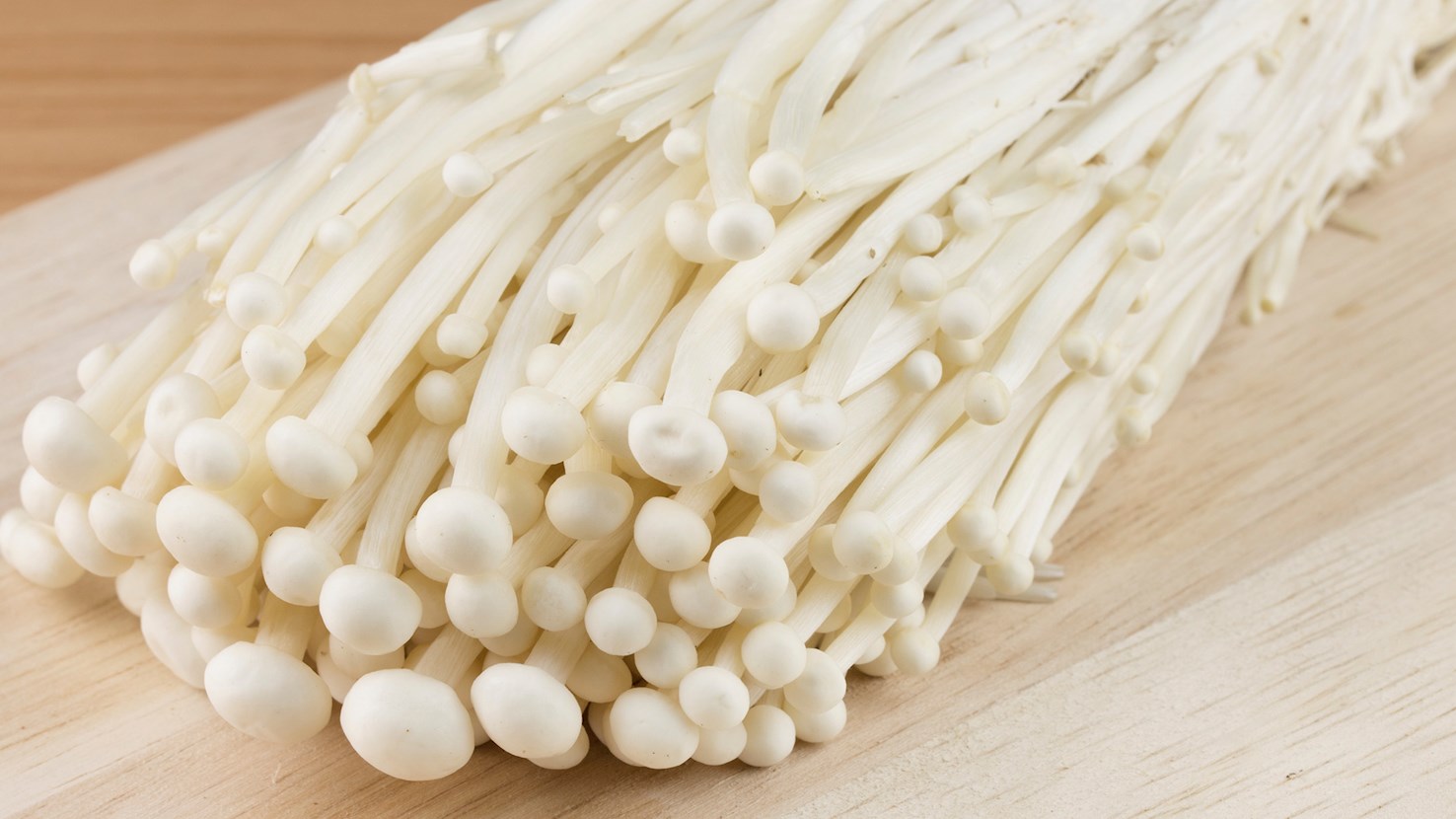
Enokitake are long and thin mushrooms with tiny caps on one end, characterized by their mild, slightly fruity flavor and an unusual visual appearance. The mushrooms are commonly used in numerous Asian dishes, particularly in the cuisines of Japan, China, and Vietnam. Their crispy texture makes them ideal for dishes such as nabemono and sukiyaki, but enokitake are also often used in soups, salads, and stir-fries. The mushrooms are very easily cultivated and are grown in clusters. Rich in antioxidants, enokitake can be found either fresh or canned in numerous Asian stores.
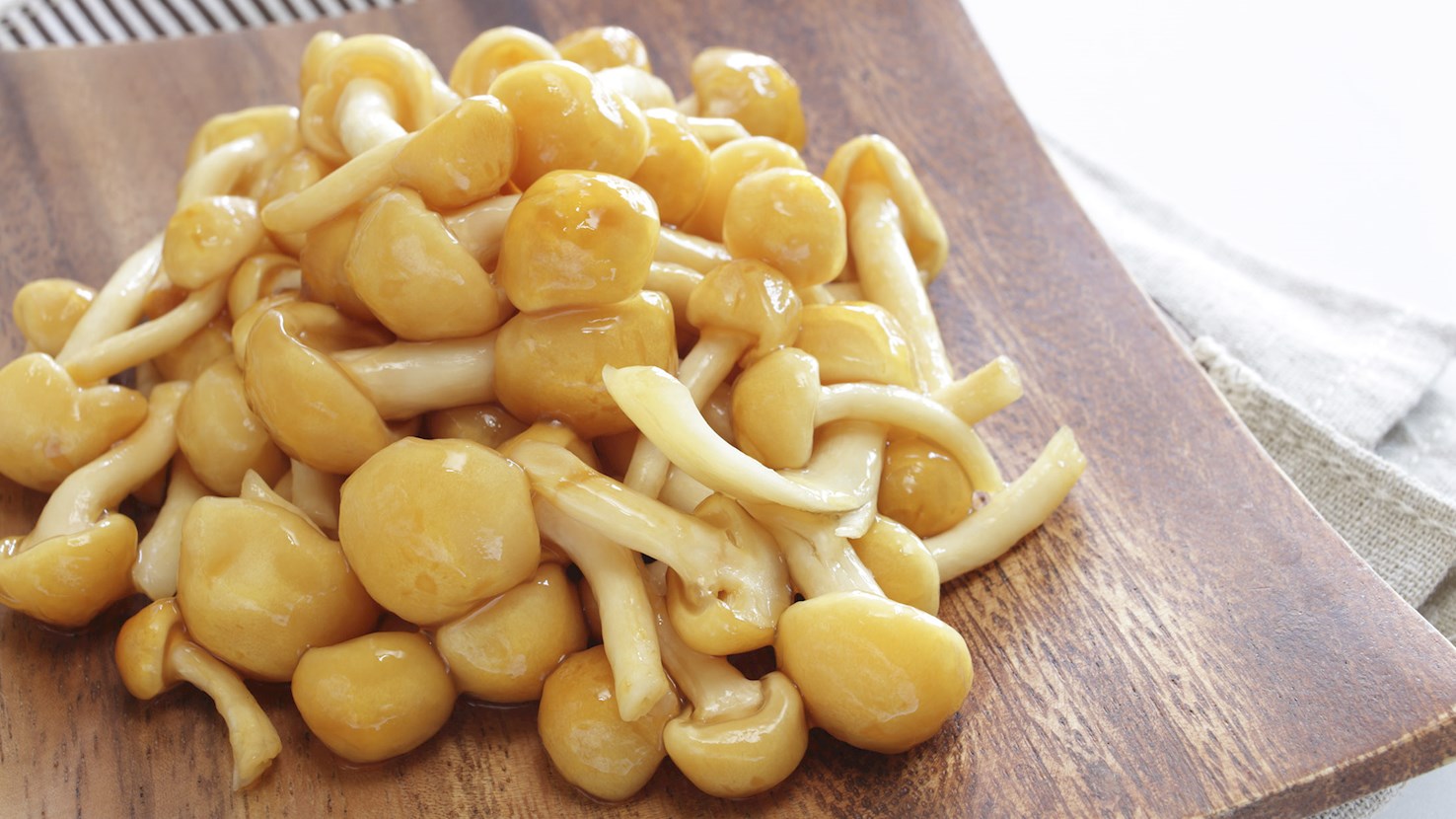
Even though small in size, these Japanese mushrooms are packed with vitamins and minerals. With a short white stem and a copper-colored cap, they typically grow in tiny clusters and are usually found in oak and beech forests in Asia. The caps of these small mushrooms are covered in a layer of natural gelatin, which gives them a unique, almost shiny appearance. It is this coating that differentiates nameko mushrooms from other varieties and gives them a unique and peculiar texture. They have a mild, slightly earthy flavor and a nutty aroma. The most popular dish made with nameko is the legendary Japanese miso soup, in which the gelatinous texture of the mushrooms perfectly matches the rich, slightly salty taste of the soup. Nameko mushrooms can also be used in other varieties of soup or as an ingredient in pasta sauces, risottos, and Japanese stir-fries. They are usually bought and prepared fresh, but canned varieties can be found in numerous supermarkets around the world. Although native to Japan, where they have been eaten for centuries, they are garnering more and more international popularity.
Also known as the Porcino di Borgotaro, this variety of mushroom grows in the coniferous Apennine forests of Emilia Romagna and Tuscany. They can be found in larger numbers around the provinces of Borgo Val di Taro, Parma, Pontermoli, Massa, and Carrara. Fungo di Borgotaro has been cultivated since the early 1700s and today there are four recognized types. Boletus Aestivalis, locally called Rosso (red) or Fungo del Caldo (hot weather mushroom), can be found in chestnut groves between May and September. Boletus Pinicola, called Moro (dark), is found either during summer in chestnut groves or during fall in beech and silver fir woods. Boletus Aureus, also called Magnan, grows in chestnut and oak woods from July to September. And lastly, Boletus Edulis, called Fungo del Freddo (cold weather mushroom) can be found growing in beech, silver fir, and chestnut woods, from September until the first winter snow. Being such a versatile food, Porcino di Borgotaro can be served as an appetizer, raw and thinly sliced, sautéed, grilled or prepared in various pasta, tortellini and gnocchi sauces.
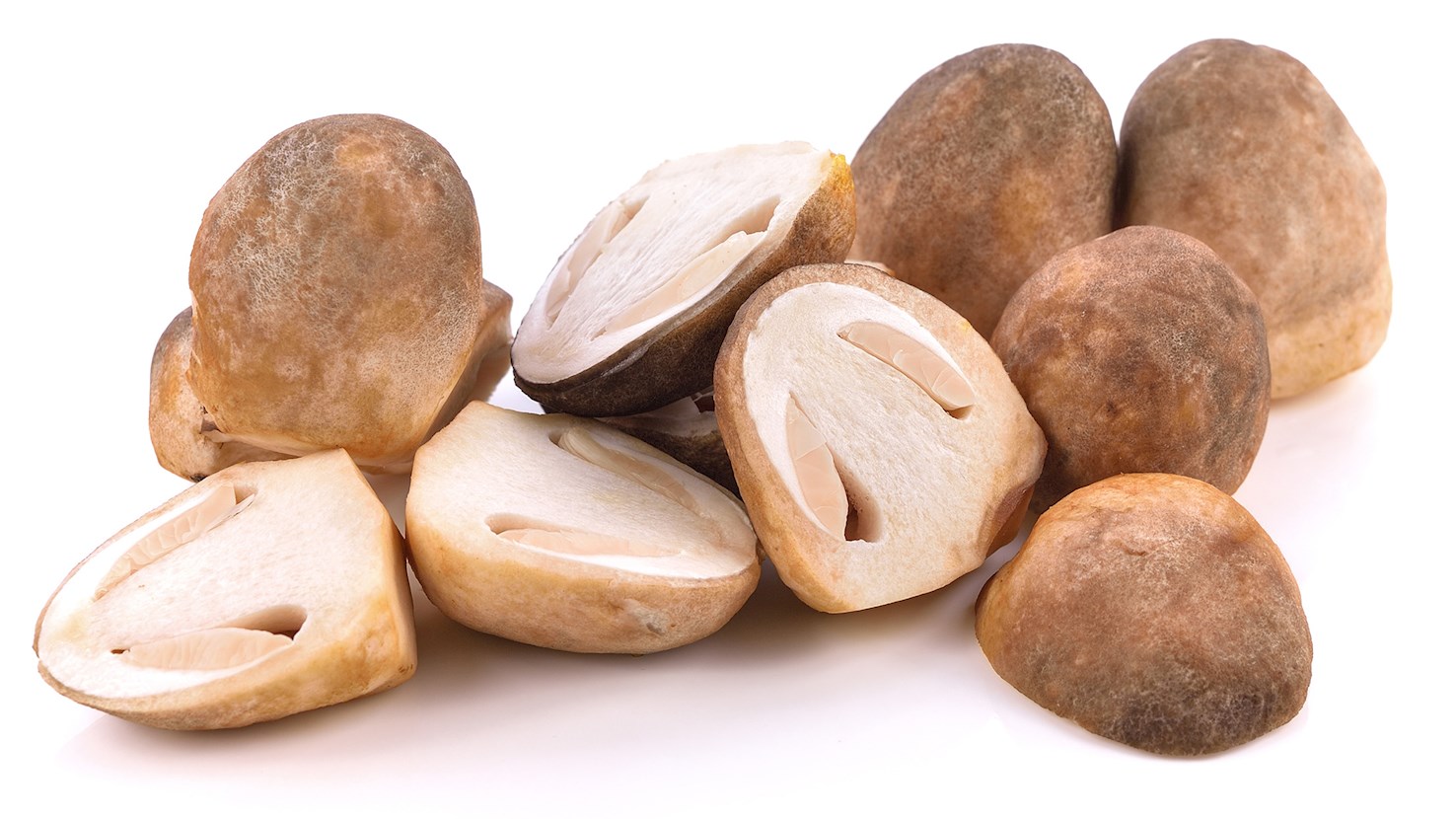
Straw mushrooms (lat. Volvariella volvacea) are a type of edible mushroom from China that are cultivated in East and Southeast Asia. These mushrooms are recognized for their pink spore print and are commonly grown on rice straw beds. They are often referred to as paddy straw mushrooms and are praised for their agreeable flavor and versatility in cooking. In terms of texture and flavor, straw mushrooms have a creamy texture and a mild, nutty flavor, making them a popular addition to soups, stir-fries, and curries in Asian cuisine.
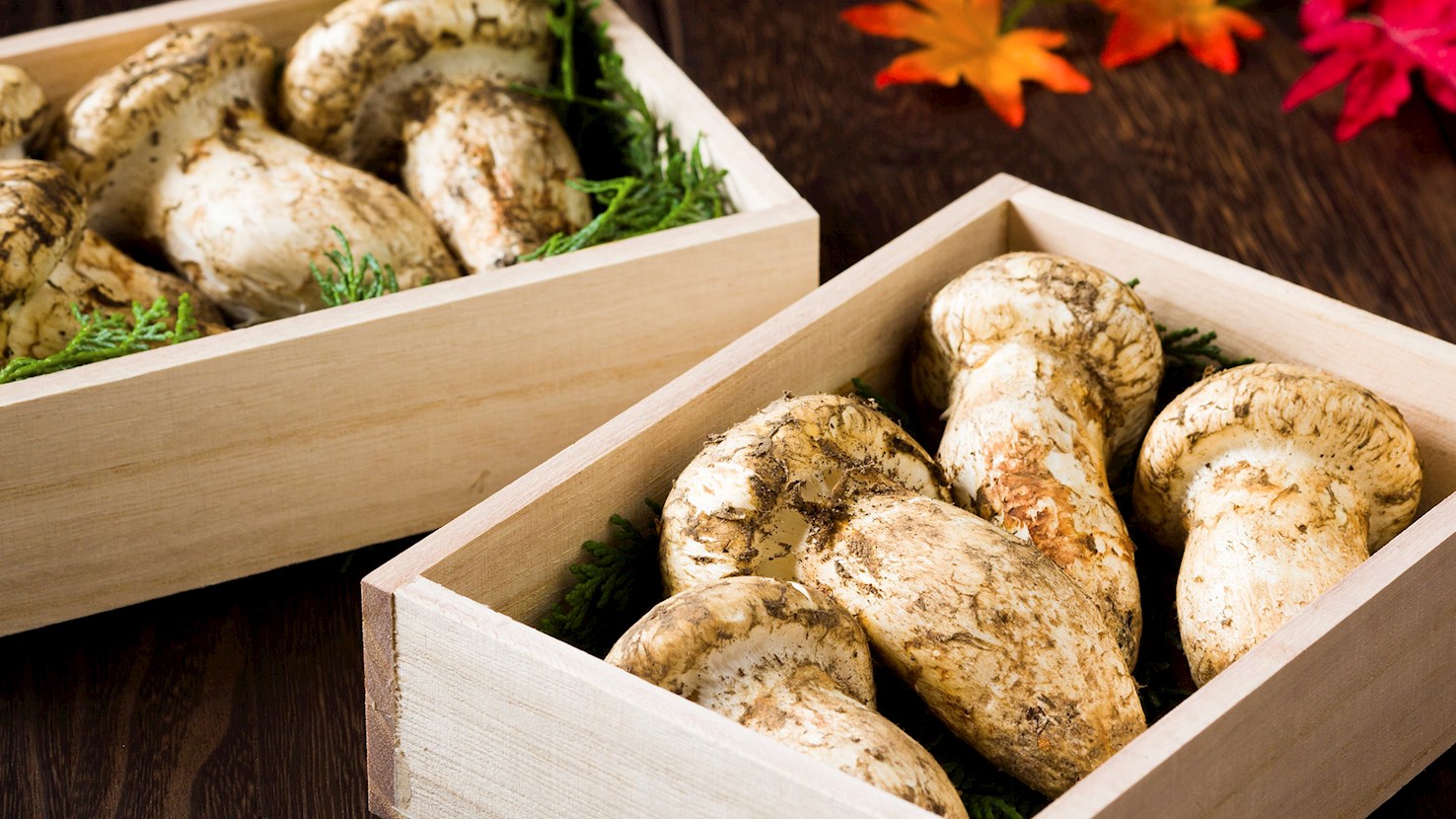
Matsutake are extremely expensive Japanese mushrooms characterized by a strong, distinctive, and aromatic odor. They are always gathered by hand, found under fallen leaves near pine trees, hence the name matusutake, or pine mushrooms in Japanese. The mushrooms are gathered from the end of September to the middle of November. It is said that matstutake have a spicy and fruity scent, with a hint of cinnamon. Traditionally, they are cooked with a light seasoning in order to fully appreciate their flavor. Some of the more popular matstutake dishes include matsutake gohan (a combination of rice and mushrooms) and dobin mushi (mushrooms steamed in a clay teapot).
Djon djon mushrooms are a rare, edible type of black mushroom (lat. Psathyrella coprinoceps), native to Haiti and one of the most iconic and prized ingredients in Haitian cuisine. These mushrooms are valued not only for their deep, rich, and earthy flavor but also for their ability to impart a distinctive black or dark gray color to dishes. Djon djon mushrooms are small, thin, and dark brown to black in color. When fresh, they have a delicate structure and resemble other small wild mushrooms. However, they are almost always found dried in Haitian markets, where they are sold in small packets. Djon djon has a deep, earthy, umami-rich flavor, often described as being similar to truffles or porcini mushrooms, but with its own unique essence. It has a slightly smoky, woodsy aroma that enhances the flavor of any dish it is used in. The broth made from rehydrating the mushrooms is rich and flavorful, making it a sought-after ingredient in Haitian cooking. Djon Djon mushrooms are typically used in their dried form, as they are difficult to find fresh. The mushrooms are soaked in hot water to extract their flavor and color, and the resulting liquid is used as a broth or cooking base. The mushrooms themselves are rarely eaten whole, as their flavor and color are released into the broth. One of the most famous dishes that use djon djon mushrooms is diri ak djon djon (black mushroom rice). In this dish, rice is cooked in the black, mushroom-infused broth, which gives it a distinct black color and a savory, earthy taste. Often, this rice is served with seafood like crab, shrimp, or fish, as the flavors pair perfectly. Other dishes, such as soups and stews, also use the djon djon-infused broth as a flavorful cooking base. Djon djon is seen as a luxury ingredient in Haitian cuisine. It is often used in dishes served during special occasions, celebrations, and family gatherings, such as holidays or large feasts.
TasteAtlas food rankings are based on the ratings of the TasteAtlas audience, with a series of mechanisms that recognize real users and that ignore bot,
nationalist or local patriotic ratings, and give additional value to the ratings of users that the system recognizes as knowledgeable.
TasteAtlas Rankings should not be seen as the final global conclusion about food. Their purpose is to promote excellent local foods,
instill pride in traditional dishes, and arouse curiosity about dishes you haven’t tried.





What People Say