Shutterstock

Top 6 Central European Mustards

Last updated on June 03, 2026

Best Central European Mustards

01

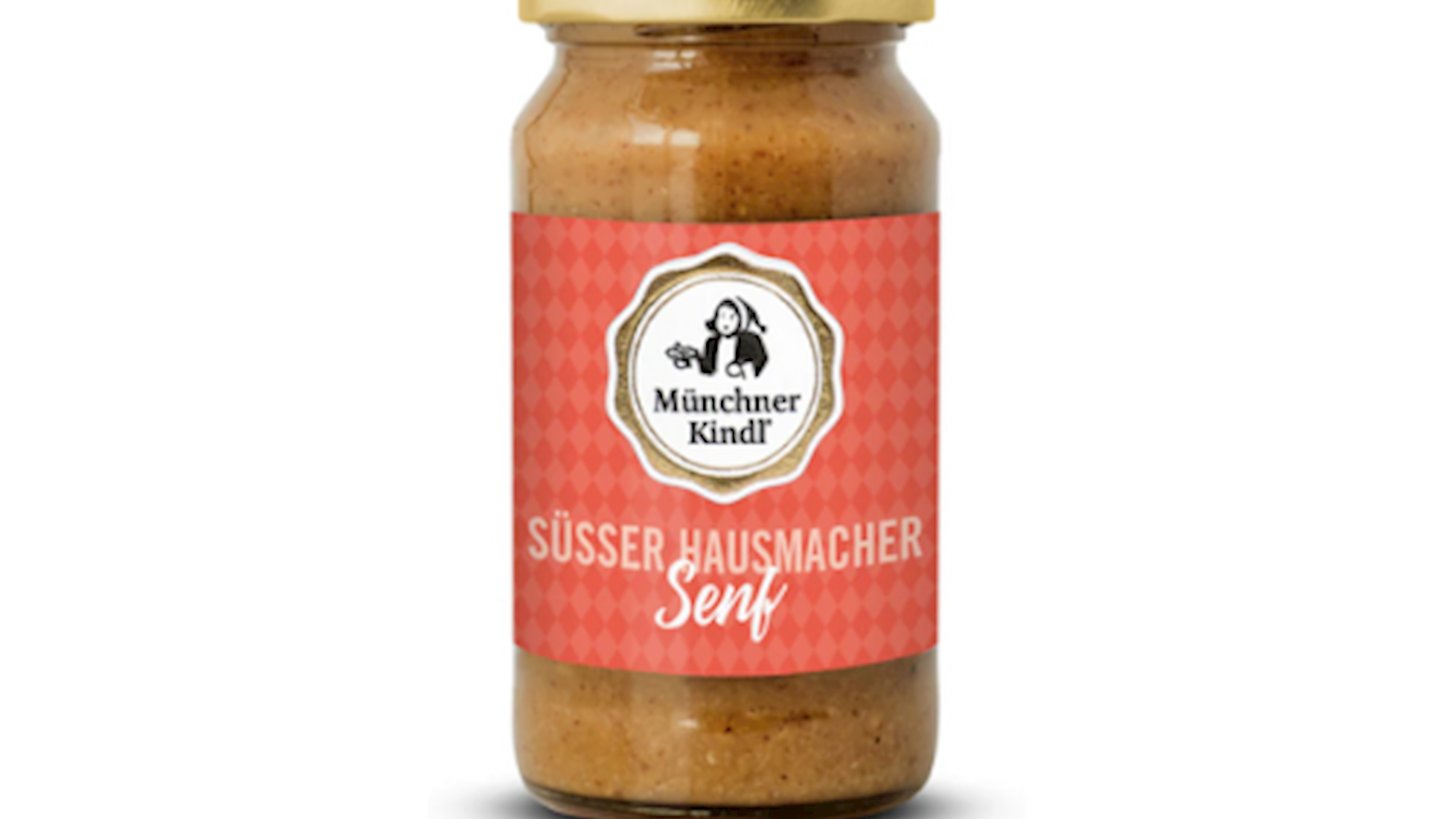
Münchner Kindl

4.3 ·
Münchner Kindl is a traditional Bavarian mustard producer based in Munich, with roots tracing back to the early 20th century and the historic Viktualienmarkt. The brand has built its identity around a combination of local heritage, artisanal production, and a modern organic philosophy. All products are made in its own manufactory in Munich, using ingredients from certified organic farming and long-term regional suppliers. The core range includes classic Bavarian sweet mustard and medium-hot mustard, both known for their balanced flavor, natural texture, and clean ingredient lists without artificial additives. Alongside these classics, the assortment features specialty mustards such as fig mustard, mango mustard, horseradish mustard, and beer mustard, designed for contemporary cooking and creative pairings. The portfolio is further expanded with BBQ sauces, grill sauces, and mayonnaises, positioning the brand beyond the traditional role of mustard as a simple condiment. Products are free from palm oil and often suitable for vegetarian diets. Münchner Kindl is positioned as an authentic, regionally rooted brand that treats mustard as a serious culinary ingredient rather than a secondary accompaniment. Its products are used both in home kitchens and professional gastronomy, particularly where clean flavors, natural composition, and clearly defined aromas are valued.
02

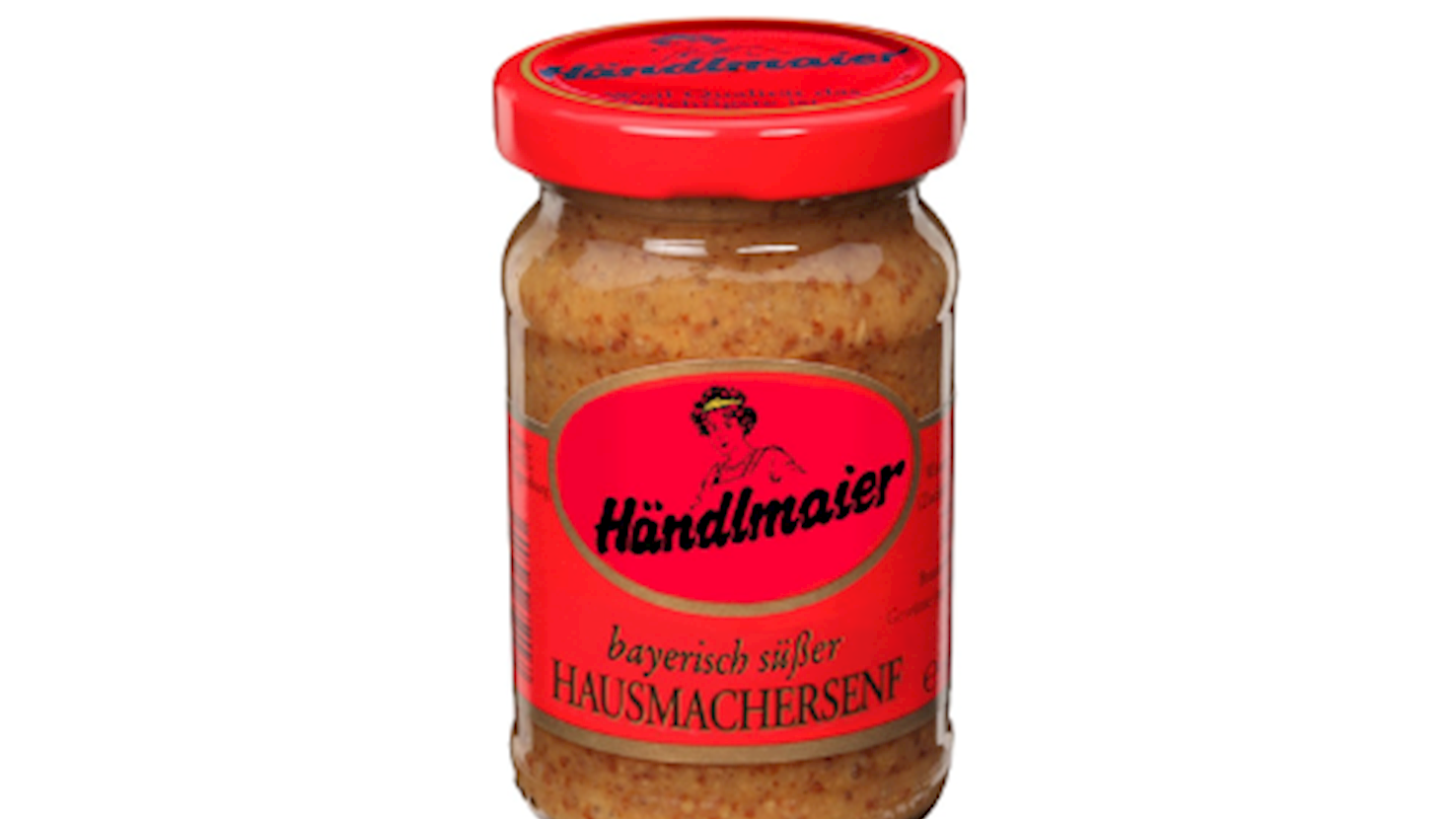
Händlmaier

4.3 ·
Händlmaier is a German family-owned company based in Regensburg, Bavaria, specializing in the production of mustard and condiment sauces. Its origins date back to 1910, when the foundation was laid for what would become one of Germany’s most recognized mustard producers. The company’s signature sweet Bavarian mustard was developed as an accompaniment to traditional sausages, particularly Weißwurst, and gradually became the cornerstone of the brand’s identity. This sweet mustard is characterized by a balanced combination of mild heat and pronounced sweetness, with a creamy yet slightly grainy texture achieved through a specific grinding process of mustard seeds. Today, the company’s portfolio includes a range of mustards, from medium-hot and extra-hot varieties to flavored options, as well as sauces designed for grilling and contemporary cuisine. Production relies on carefully selected raw materials and standardized processing methods to ensure consistent flavor and quality. Over the decades, Händlmaier has remained a family-run enterprise, maintaining continuity of production in Regensburg. The brand holds a strong position in the German market, particularly in Bavaria, where sweet mustard forms part of the regional culinary identity. At the same time, its products are exported internationally, representing a traditional element of German food culture. Händlmaier stands as an example of a specialized producer that has successfully elevated a regional product to national and international recognition.
03

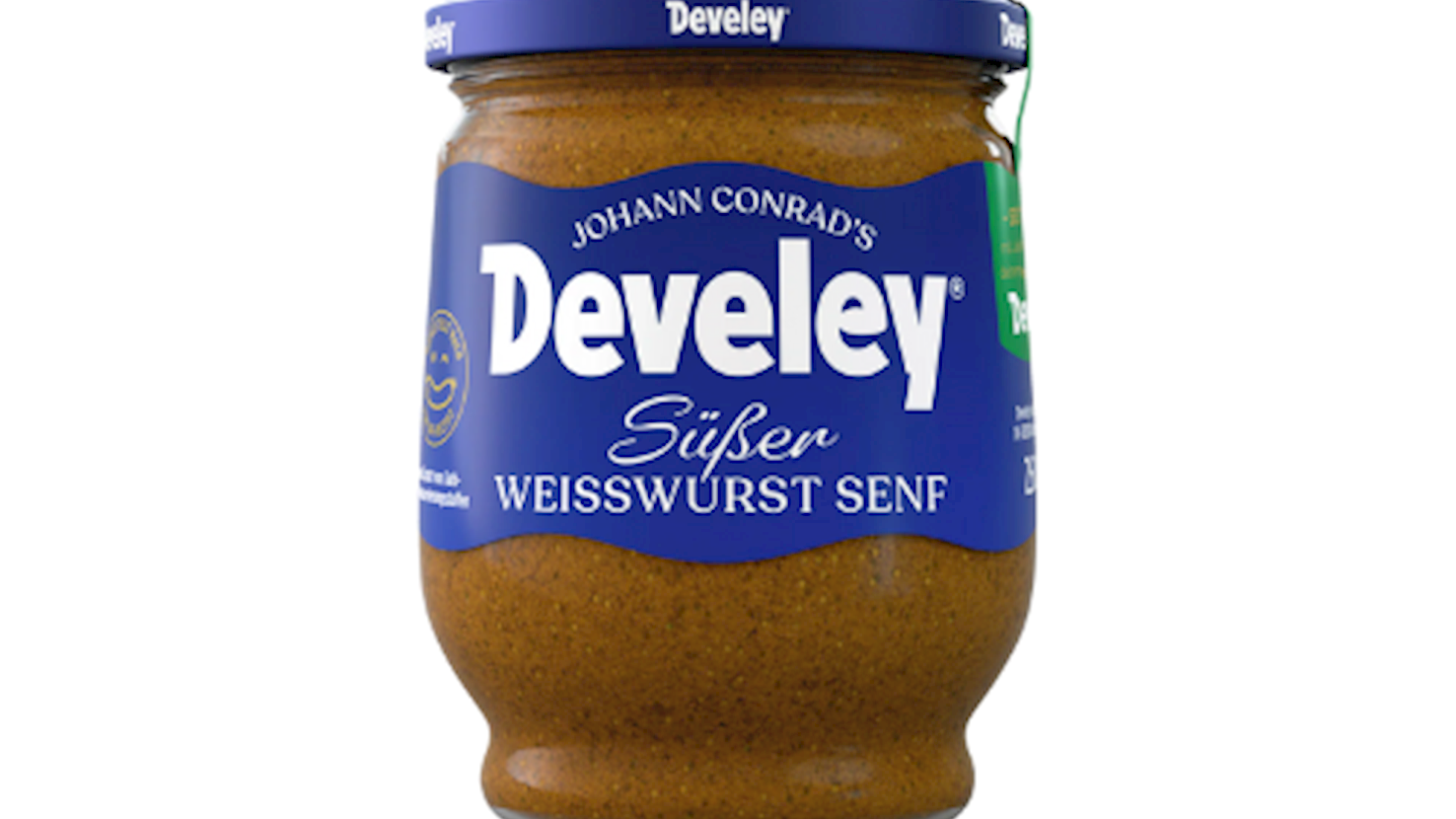
Develey

4.1 ·
Develey is one of Germany’s oldest and most established producers of mustard and condiments, with origins dating back to 1845 and strong roots in Bavarian food culture. The brand is best known for its broad mustard portfolio, ranging from mild, creamy German-style table mustards to more assertive and piquant recipes influenced by French traditions. Beyond mustard, Develey produces a wide assortment of ketchups, mayonnaises, dressings, BBQ sauces, and specialty condiments designed for both everyday household use and professional kitchens. Its product philosophy focuses on clear, balanced flavors, reliable texture, and functional versatility rather than extreme spiciness or novelty. Combining traditional recipes with modern production and quality-control standards, Develey has built a reputation for consistency and accessibility. Today, the brand is widely present in retail and foodservice channels in Germany and internationally, positioned as a dependable, heritage-driven condiment specialist with long-term consumer trust.

Best Central European Mustard Types
01

Düsseldorfer Mostert

4.3 ·

Also known as ABB mustard, this is a specialty from Düsseldorf that has been produced since the early 18th century. The name 'ABB' derives from the initials of company founder Adam Bernhard Bergrath, who also invented the mustard. This malty brown mustard is made with brown and yellow mustard seeds and mixed with unfiltered Düsseldorf spirit vinegar. The method of production has remained virtually unchanged since 1726, and a 500kg granite millstone is still used to grind the seeds. In 1884, while he was living in the town of Nuenen, Dutch painter Vincent van Gogh included a gray mustard pot bearing the initials ABB and the anchor symbol into his painting 'Stilleven met flessen en aardewerk' (Still life with bottles and ceramic). Today, ABB mustard is offered in the same traditional, cork-topped, gray stoneware pot with the company founder's initials and a blue anchor on the front.

02

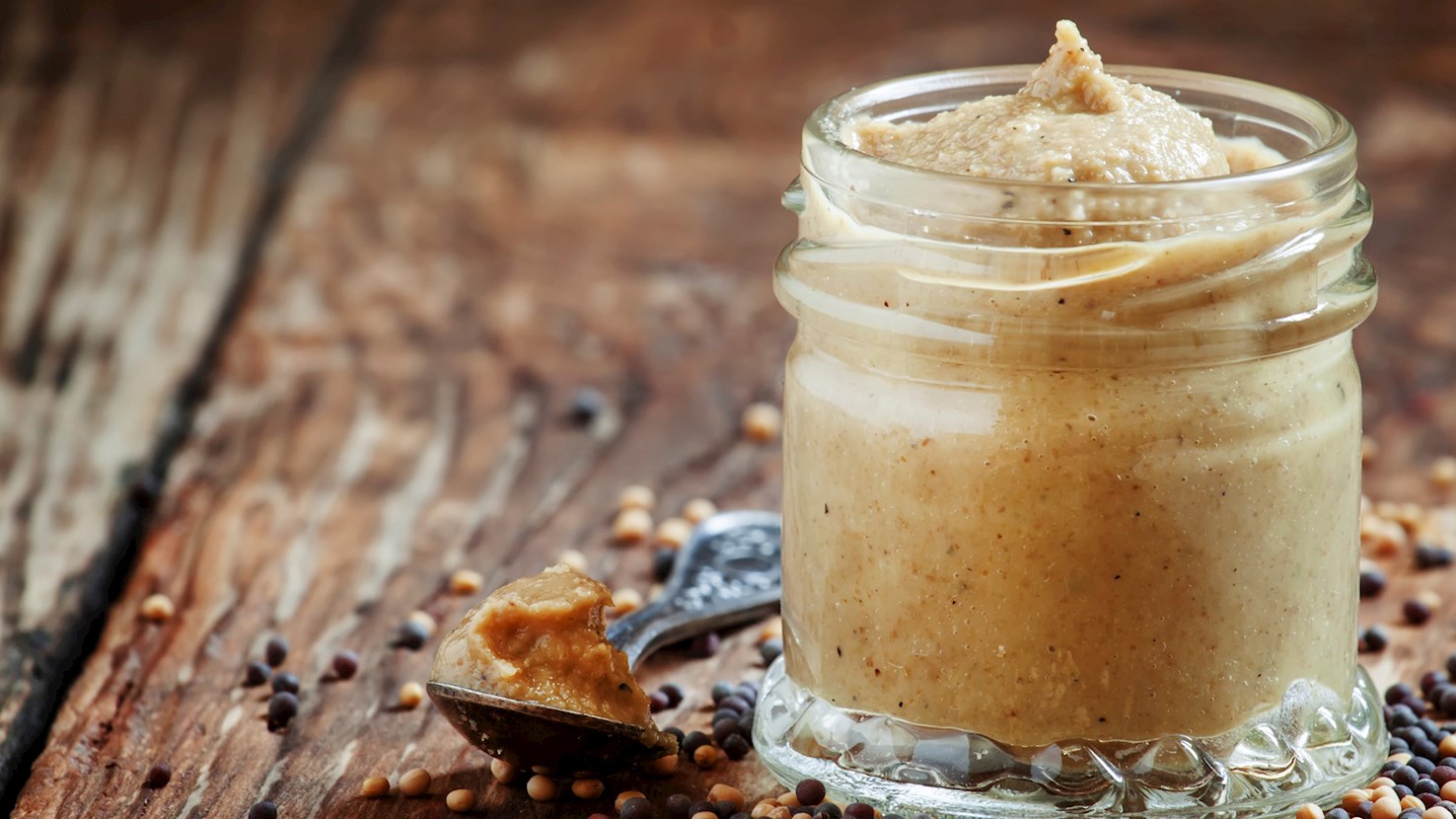
Bayerischer Süßer Senf

4.2 ·

Bayerischer Süßer Senf is a Bavarian sweet mustard that is traditionally paired with Weißwurst sausages or Leberkäse. It was invented by Johann Conrad Develey in Munich in the 19th century. Develey recognized that a sweet version of mustard was missing on the market, so he added sugar, spices, and vinegar to brown and yellow mustard, then boiled the concoction. Red-hot pokers were dipped into the mixture in order for the sugar to caramelize, resulting in an excellent flavor of the mustard. Later on, cloves, pimento, nutmeg, onions, salt, water, and brown icing sugar were added to the mustard grains, which were no longer boiled, but rough-ground, and a new Munich specialty has been created.

03

Hausmachersenf

3.6 ·

Hausmachersenf (translated from German as "homemade mustard") refers to a style of mustard that is traditionally made at home in small batches, using recipes that often date back generations. Unlike commercial mustards that might be more uniform in taste and texture, Hausmachersenf can vary greatly depending on the specific recipe used. Ingredients typically include mustard seeds, vinegar, water, and a variety of spices and herbs. The texture can range from smooth to coarse, and the flavor profile can be anything from sweet to spicy. Hausmachersenf is a popular accompaniment to meats, sausages, and cheese in German cuisine, adding a unique and robust flavor to traditional dishes.

04

Samoborska muštarda

n/a ·

Sharp, intense, and piquant, samoborska muštarda is a traditional condiment produced in the city of Samobor. It consists of mustard seeds, sweet wine must, grape jam, salt, and sugar. Muštarda has complex aromas ranging from fruity to peppery. It is believed that the French, who had been living in the area from 1808 to 1812, taught the people of Samobor how to make this aromatic condiment. Today, it is regularly used to enrich the flavors of boiled and roasted meats such as beef, pork, and a variety of sausages.

05

Tierenteyn mustard

n/a ·

An artisan mustard variety with a long tradition, dating back to 1790, Tierenteyn mustard or Tierenteyn -verlent mustard is made with a selection of mustard seeds that are finely ground before they are mixed with vinegar and salt. Entirely free from any preservatives, this condiment is characterized by a smooth and yellow-golden texture with a distinctly sharp and tangy flavor derived from the dark mustard seeds used in the preparation. Always fresh and never more than three days old, this quintessential product of Ghent is exclusively prepared and sold in a shop located on the Groentenmarkt. Buying the mustard is a unique experience in itself as the fresh mustard is typically ladled from a large barrel into traditional stoneware jugs with the company’s signature and the year 1790 written on them. The sharp-flavored mustard is usually smeared over slices of bread and paired with thin slices of local Ganda ham, or with different types of cheese, meat-based dishes, or pâtés. It is also used to flavor various traditional dishes such as carbonnade flamande.

06

Groninger mosterd

n/a ·

Groninger mosterd is a distinctive mustard originating from the Groningen province in the northern Netherlands. Known for its robust and slightly sweet flavor, this mustard reflects the agricultural heritage of the region, where mustard seeds have been cultivated for centuries. Groninger mosterd stands out for its coarse texture and balanced taste, which combines a mild heat with a hint of sweetness, making it versatile in various culinary applications. The mustard’s development is closely linked to Groningen’s history as an agricultural hub with rich soil and favorable growing conditions for mustard seeds. Over time, local producers refined their methods to create a mustard that complements the hearty and straightforward cuisine typical of the region. Preparation involves grinding mustard seeds coarsely to retain texture and mixing them with water, vinegar, sugar, and salt to achieve a balanced flavor profile. The inclusion of sugar is a distinctive element that softens the mustard’s natural pungency and introduces a subtle sweetness. This process results in a condiment that enhances dishes without overpowering them, allowing it to be used both as a table mustard and in cooking. Groninger mosterd is commonly enjoyed in northern Dutch cuisine, often served alongside smoked sausages, cheeses, and breads. It also features in traditional dishes such as stamppot and as an accompaniment to sandwiches and cold cuts.

Read more
View all
View map
About this ranking

TasteAtlas food rankings are based on the ratings of the TasteAtlas audience, with a series of mechanisms that recognize real users and that ignore bot, nationalist or local patriotic ratings, and give additional value to the ratings of users that the system recognizes as knowledgeable. For the “Top 6 Central European Mustards” list until June 03, 2026, 111 ratings were recorded, of which 98 were recognized by the system as legitimate. TasteAtlas Rankings should not be seen as the final global conclusion about food. Their purpose is to promote excellent local foods, instill pride in traditional dishes, and arouse curiosity about dishes you haven’t tried.

The initial list of top producers was compiled based on available reviews, awards, local recommendations, media and blog coverage, and consumer reviews. The list will be updated with ratings from TasteAtlas local ambassadors and TasteAtlas users.

Similar lists