




shutterstock

Top 15 European Mutton Dishes

Last updated on June 15, 2026
01

Arrosticini

4.2 ·

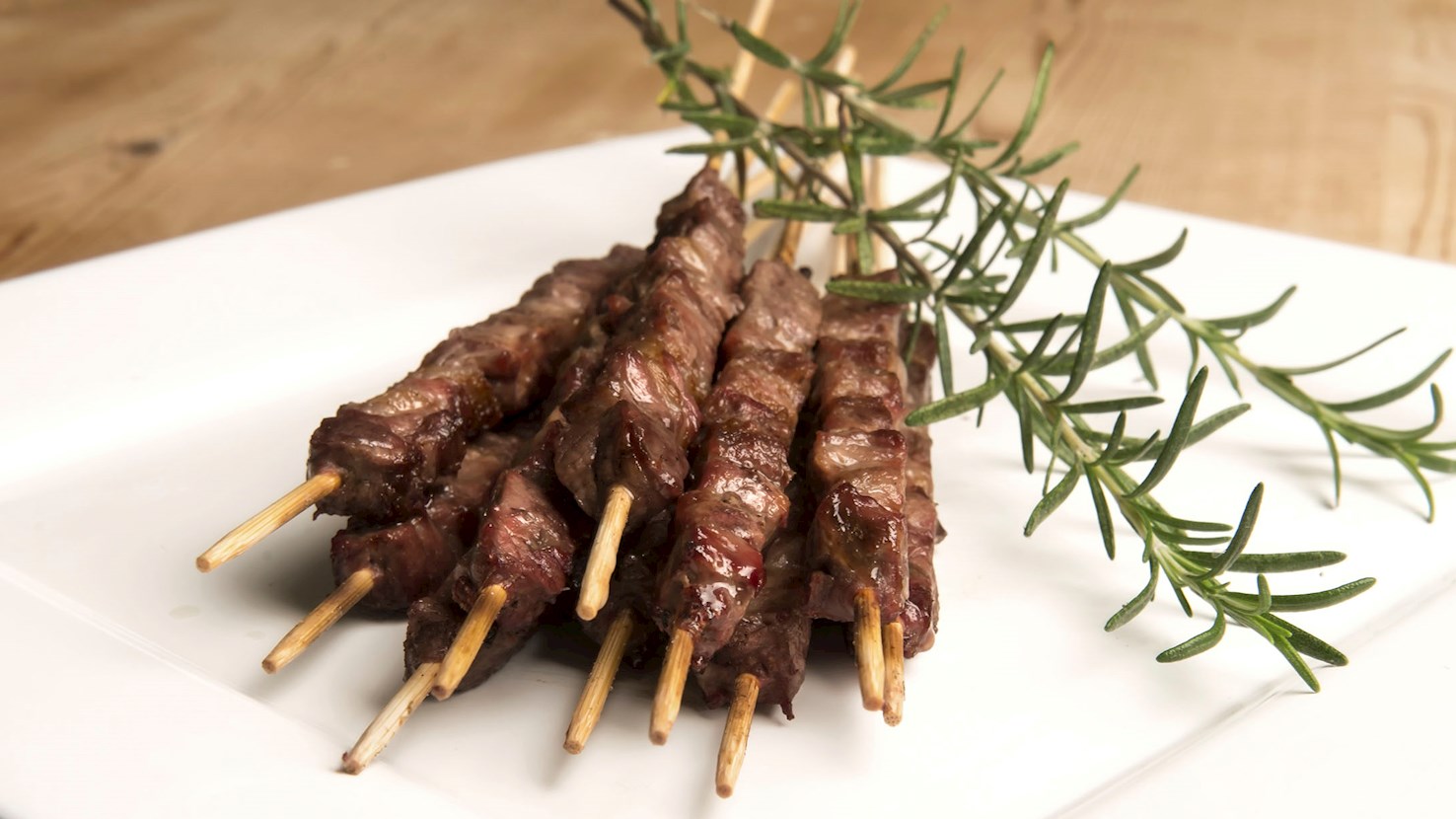
Also known as arrustelle or rustelle in local dialect, arrosticini are skewers made with castrato, the meat of castrated sheep, mutton, or sometimes even lamb, traditionally grilled on an elongated, charcoal-fired brazier called fornacella. One of the most popular meat dishes of modern Italian cuisine, these skewers were once a staple of shepherds who lived in the mountainous areas of Abruzzo, prepared merely with leftover sheep meat of lesser quality. Today, arrosticini are made with well-marbled, more tender cuts mixed with hefty chunks of ovine fat, which makes them particularly succulent. The skewers are sometimes seasoned with Mediterranean herbs, although they are more often simply generously salted to taste and then seared until almost charred. Arrosticini can be found in almost any village and town throughout the region, especially near the Gran Sasso mountain, but they are also available ready-made in numerous supermarkets. In traditional Abruzzo style, to fully enjoy the tenderness and rich flavor of grilled meat, arrosticini are served sizzling hot and are often accompanied by slices of pane unto - a crusty, homebaked sourdough bread that is grilled and drizzled with extra virgin olive oil. As for the wine pairing, arrosticini go hand in hand with a glass of Montepulciano d'Abruzzo.

02

Irish stew

3.9 ·

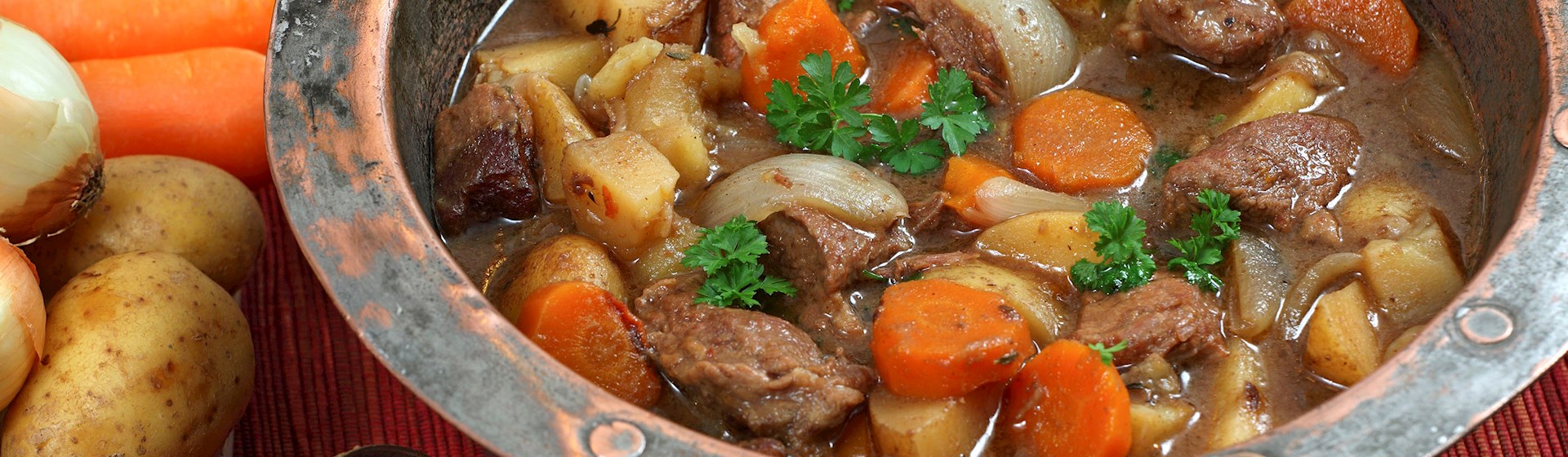
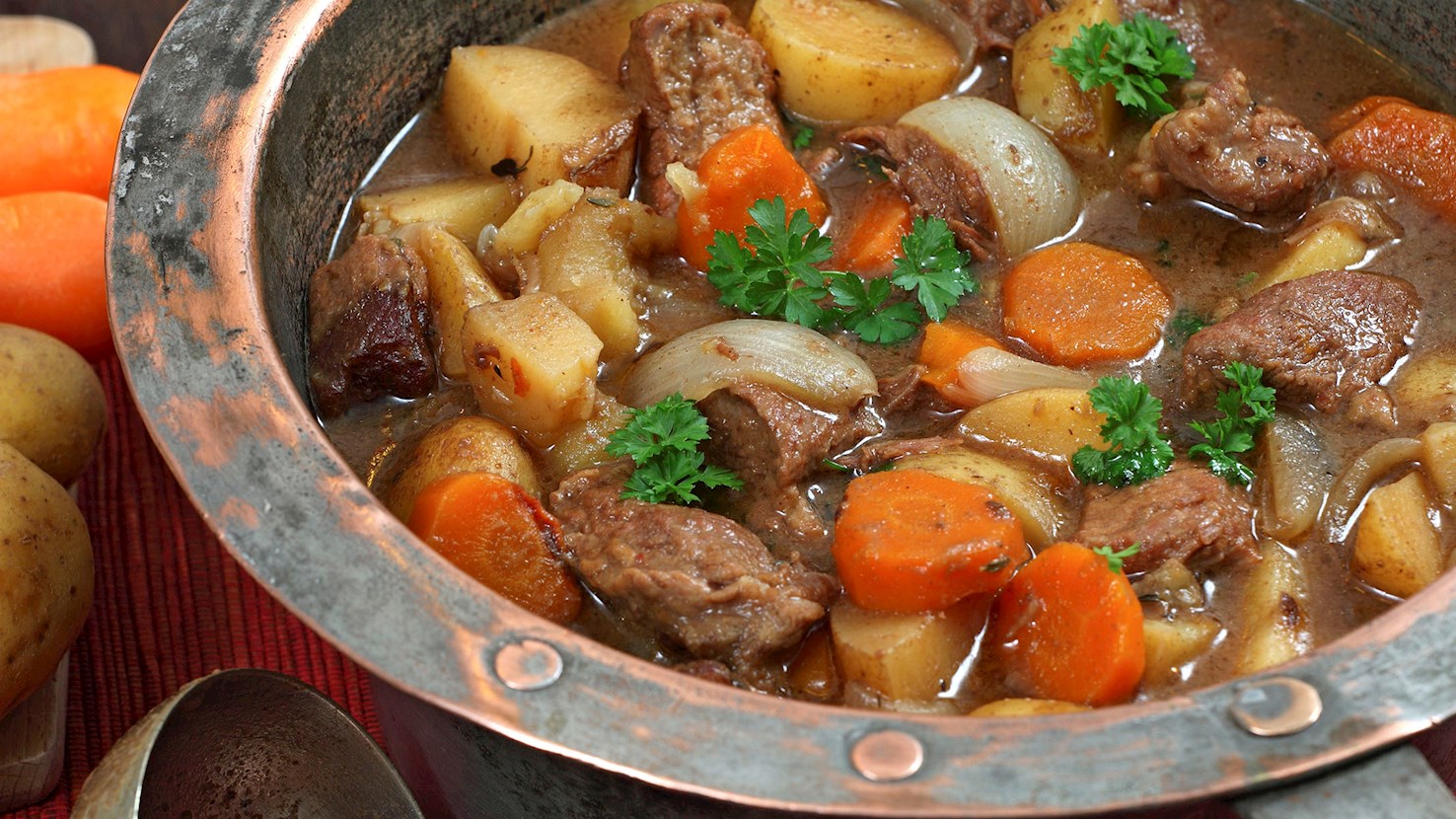
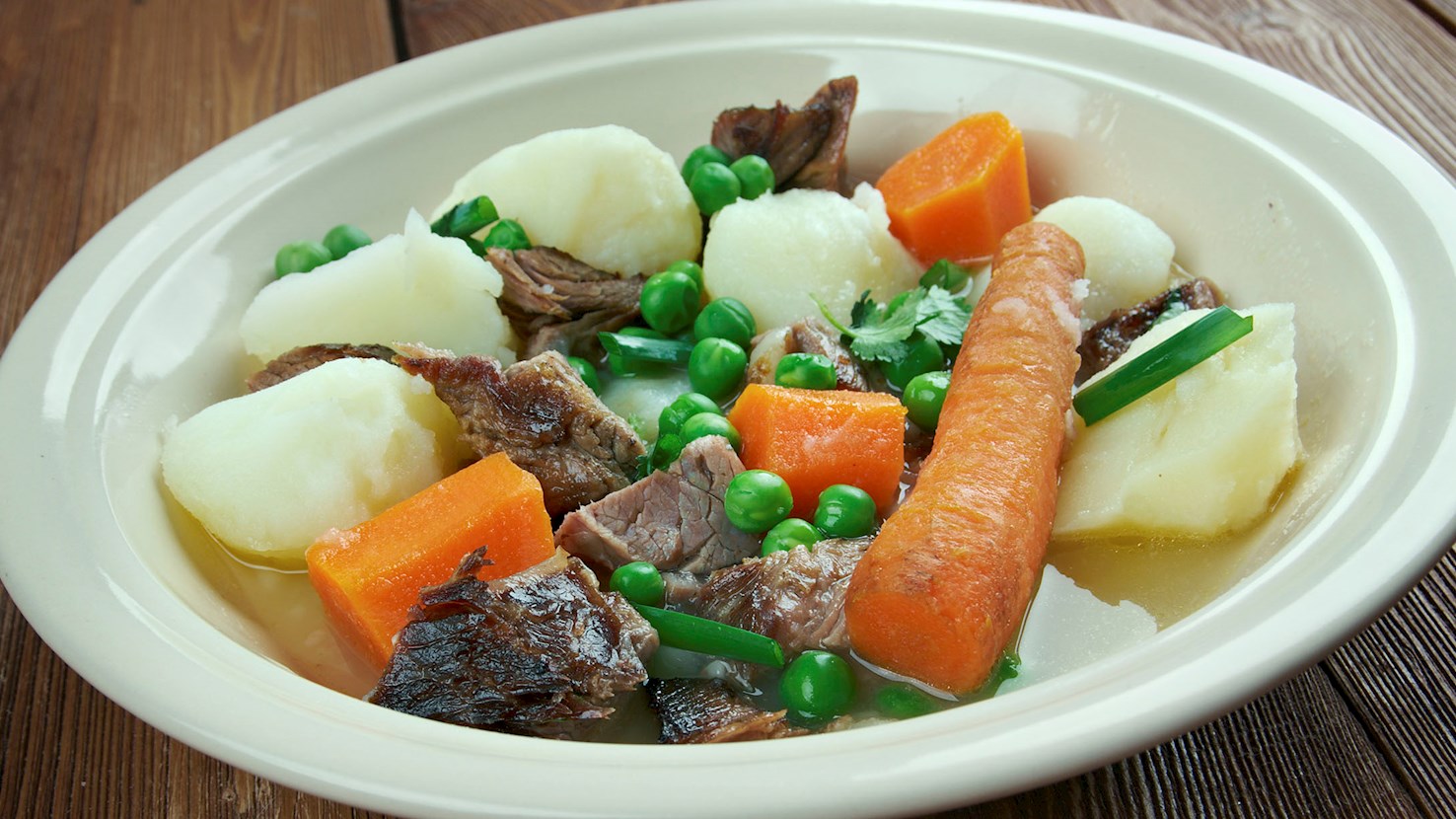
Irish stew is a traditional folk stew that first appeared at the beginning of the 19th century and was developed out of necessity to make a meal out of available, leftover ingredients. Originally, the stew was made only with mutton, onions, potatoes, and sometimes barley, while lamb meat and other root vegetables like carrots, turnips, and parsnips were added later. It is said that goat meat was also used in the past, but besides the previously mentioned mutton and lamb, beef is a common addition in today's recipes. Given that the meat used in the dish is chewy and hard, usually bone-in, the stew is cooked slowly for a couple of hours so that the meat turns tender and releases the fat into the stew, thus enhancing the flavor of the entire dish. A stew made with Guinness stout has gained widespread popularity throughout Ireland as it intensifies the flavors and gives the broth a rich, brown color. Traditionally, the stew is consumed on St. Patrick's Day and for Samhain, an old Gaelic festival, but it can also be found on the menus of most Irish restaurants throughout the year.

03

Pinnekjøtt

3.9 ·

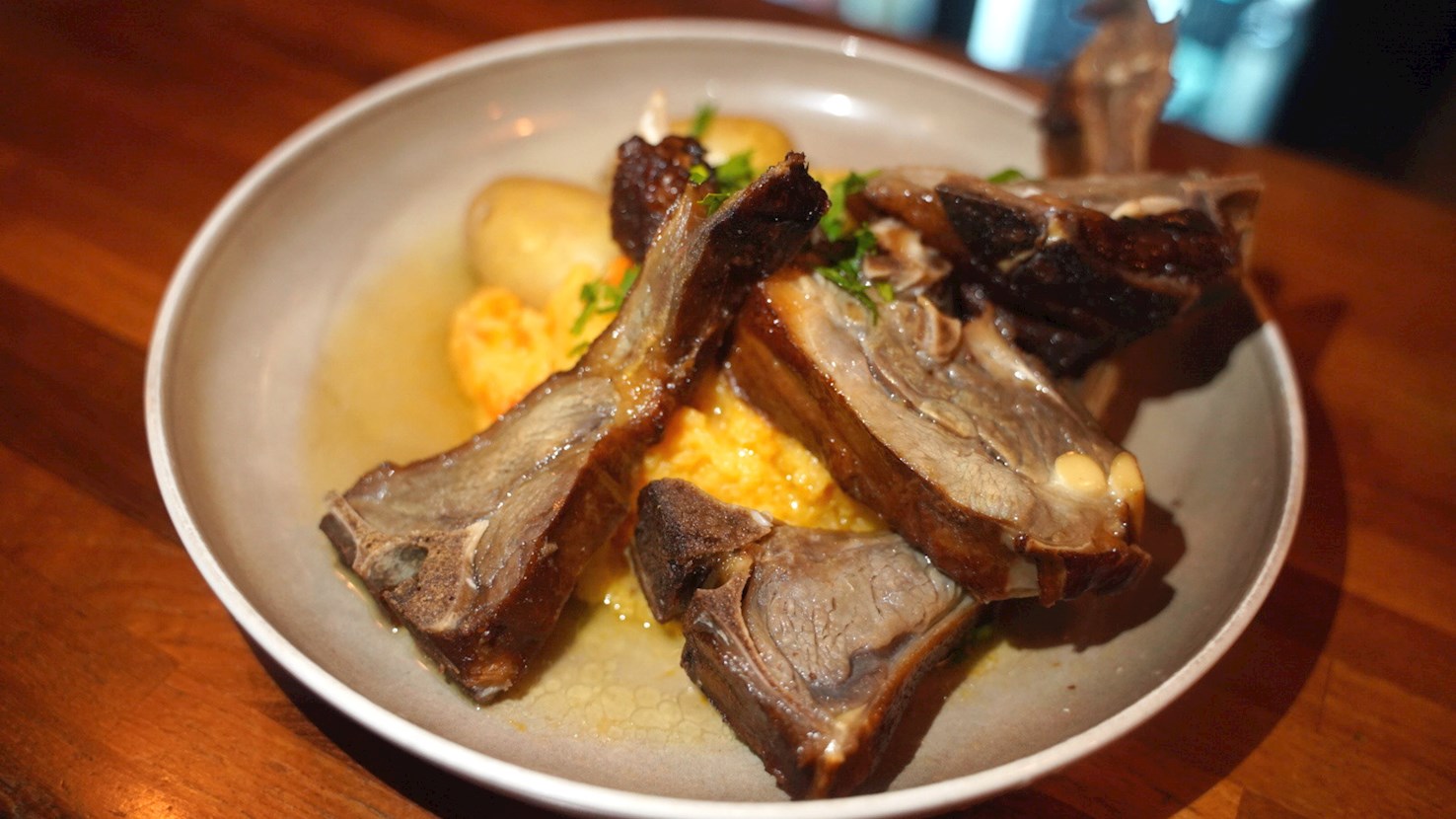
Pinnekjøtt is a traditional Christmas dish predominantly enjoyed in the northern and western parts of the country. It is usually prepared with racks of lamb or mutton, which are brined and air-dried or smoked before they are sliced into individual ribs and cooked. Traditionally, the ribs are placed on birch branches and steamed until all the water evaporates and the meat becomes juicy and tender. This flavorful Norwegian classic stems from the traditional methods of meat preservation and is usually complemented with mashed or boiled potatoes, pureed rutabaga, and various salads.

04

Shepherd's pie

3.8 ·

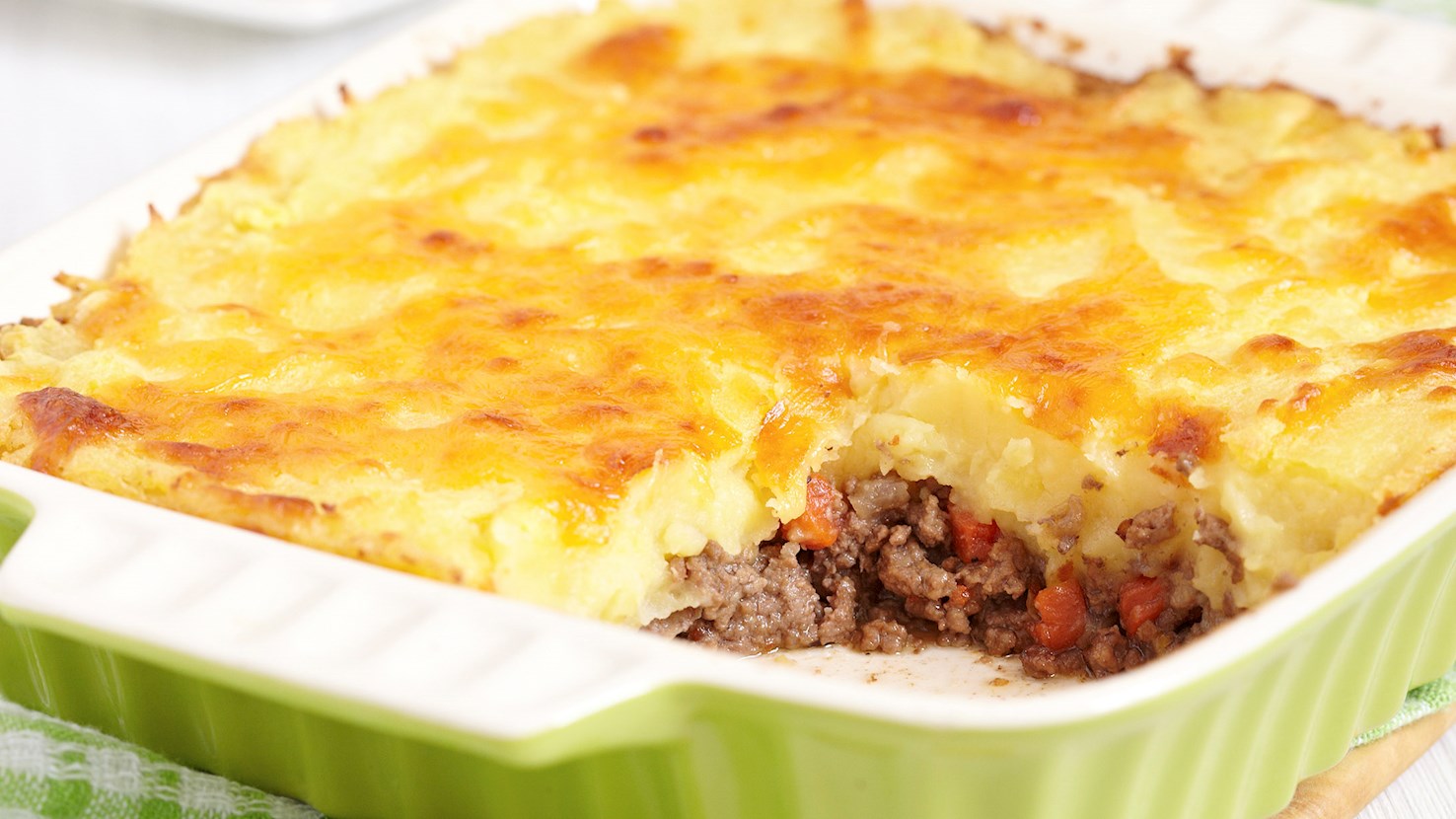
One of the most popular comfort foods in the United Kingdom is called shepherd's pie, a hot and savory dish reminiscent of a casserole, consisting of minced lamb or mutton meat, potatoes, onions, carrots, Worcestershire sauce, thick gravy, and seasonings such as marjoram, parsley, and black pepper. All of the ingredients are placed under a roof of buttery, creamy mashed potatoes, and baked in an oven until the pie is ready for consumption. This simple delicacy was invented by shepherds in the 18th century England and Scotland. The pie became extremely popular in the 1870s, and not by coincidence, as mincing machines became widely available to the public in those years. Today, shepherd's pie is a great way of using up leftover cooked meat, but it is generally recommended to use fresh meat for a better flavor and texture of the pie. This hearty pie is a favorite in numerous pubs, homes, and restaurants throughout the United Kingdom.

05

Birkagulyás

3.7 ·

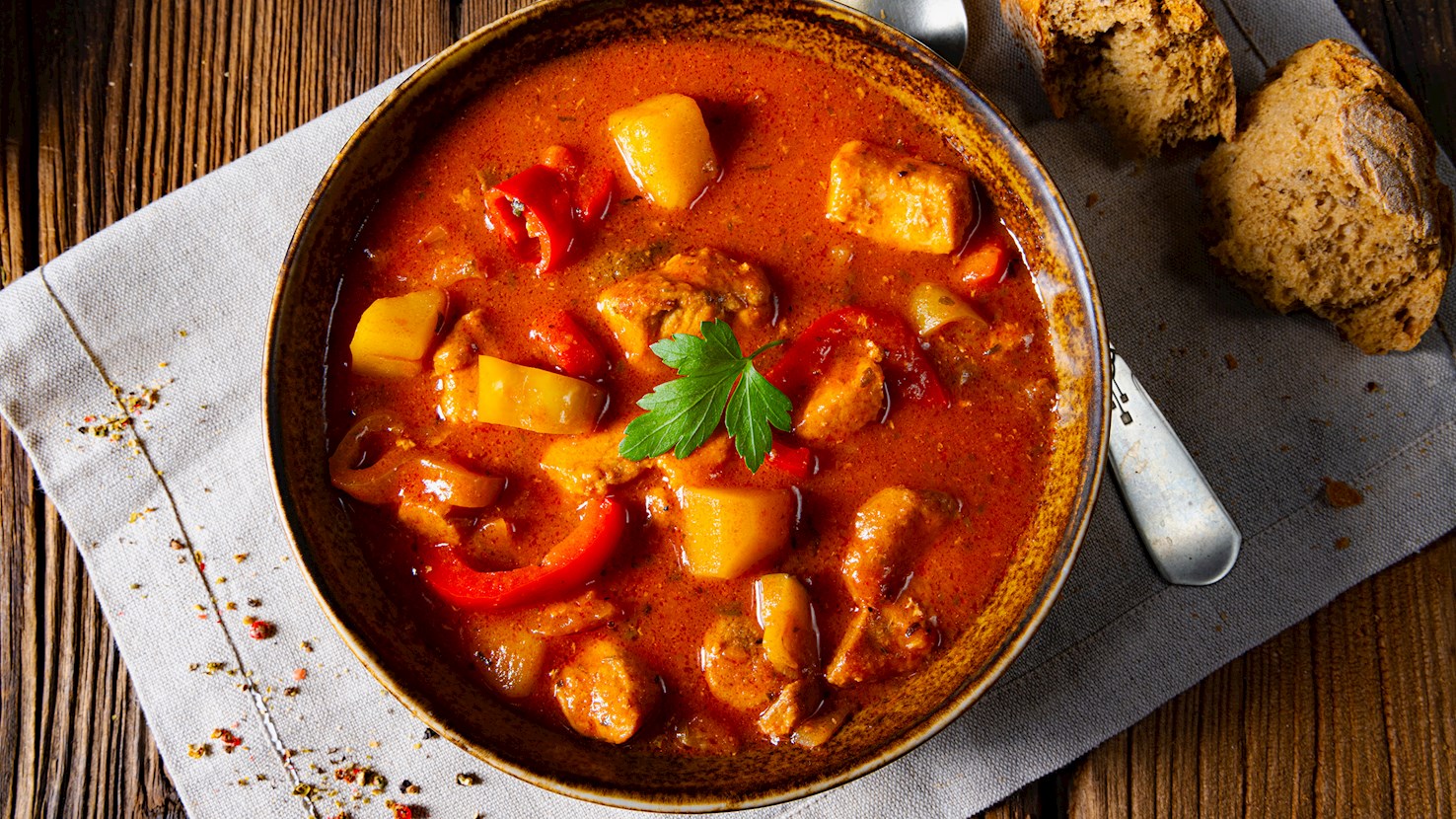
Birkagulyás is a version of a traditional Hungarian goulash prepared with mutton as the key ingredient. The mutton is cooked in a mix of vegetables such as carrots, onions, garlic, tomatoes, potatoes, and celery. The combination is usually flavored with parsley, paprika, black pepper, salt, and caraway seeds. Some recipes also suggest the inclusion of red wine sauce to the mix. Birkagulyás can be served with dumplings, sour cream, or spätzle noodles.

06

Baranina

3.6 ·

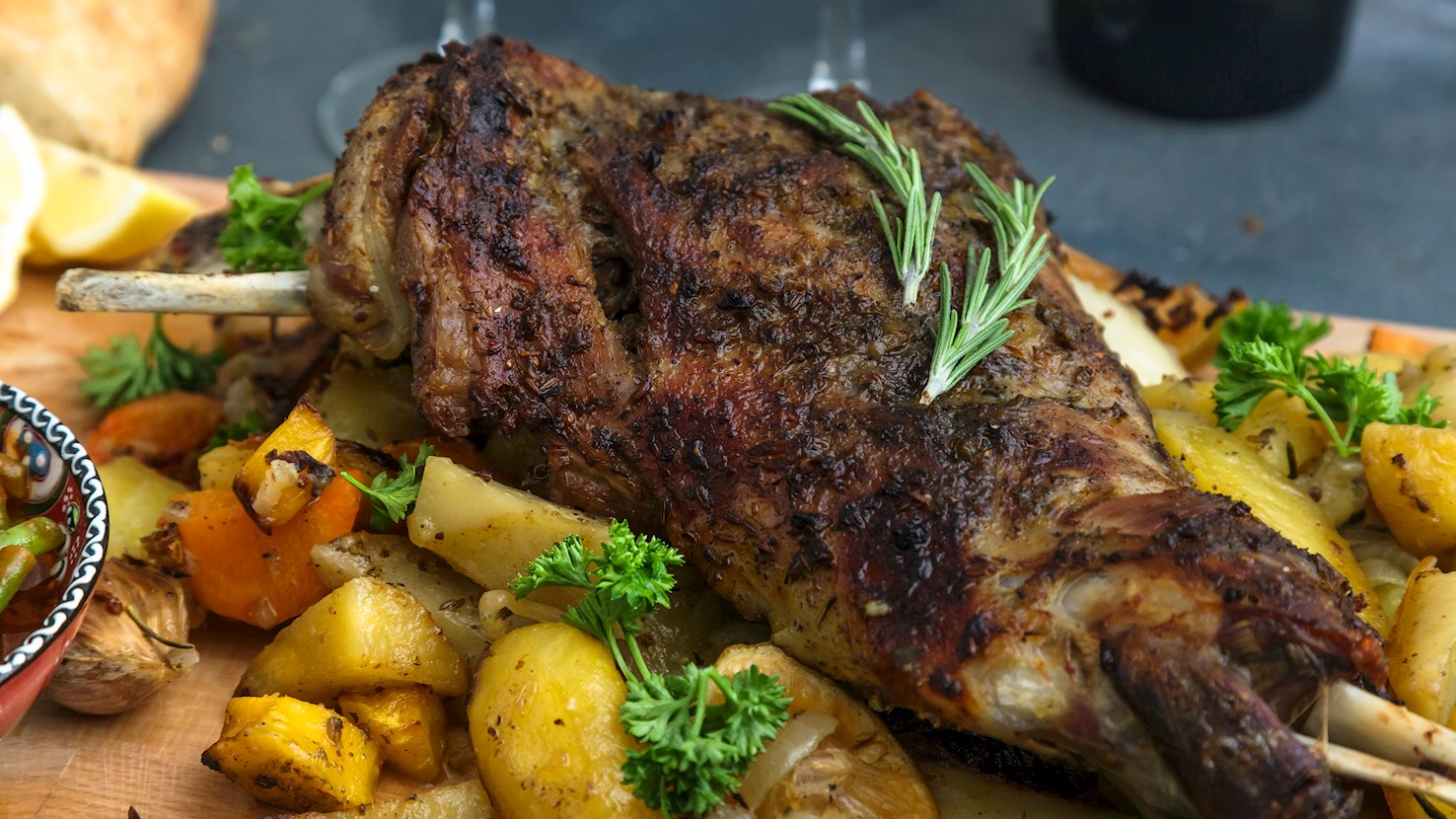
Baranina or mutton is typical of traditional Polish cuisine, although it is rarely consumed today. Stewing, braising, grilling, and roasting are some of the traditional ways used for preparing different cuts of mutton. One of the most common mutton dishes is pieczeń barania, meaning mutton roast, which typically consists of a seasoned mutton shoulder that is studded with garlic and onions, and flavored with aromatic herbs such as marjoram or rosemary before it is roasted for a couple of hours. Meat comes out tender and pinkish on the inside with a crispy skin on top, and it is usually paired with mashed potatoes, beets, and a vegetable salad on the side. In Poland, the term baranina may sometimes be used to refer to lamb meat, although the meat obtained from lambs is usually called jagnięcina. Mutton and lamb consumption is typically associated with the mountainous regions in Poland.

07

Fårikål

3.5 ·

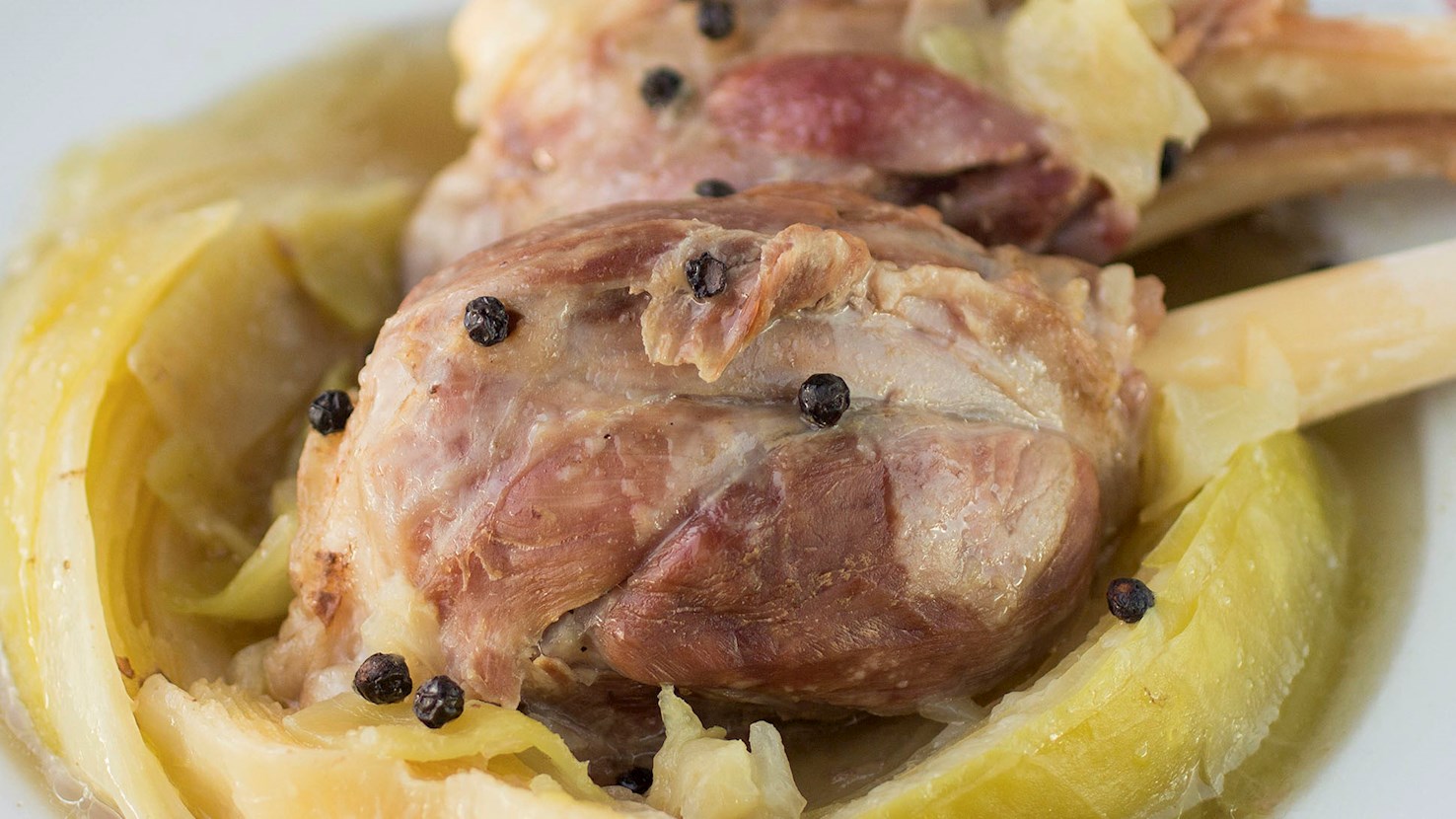
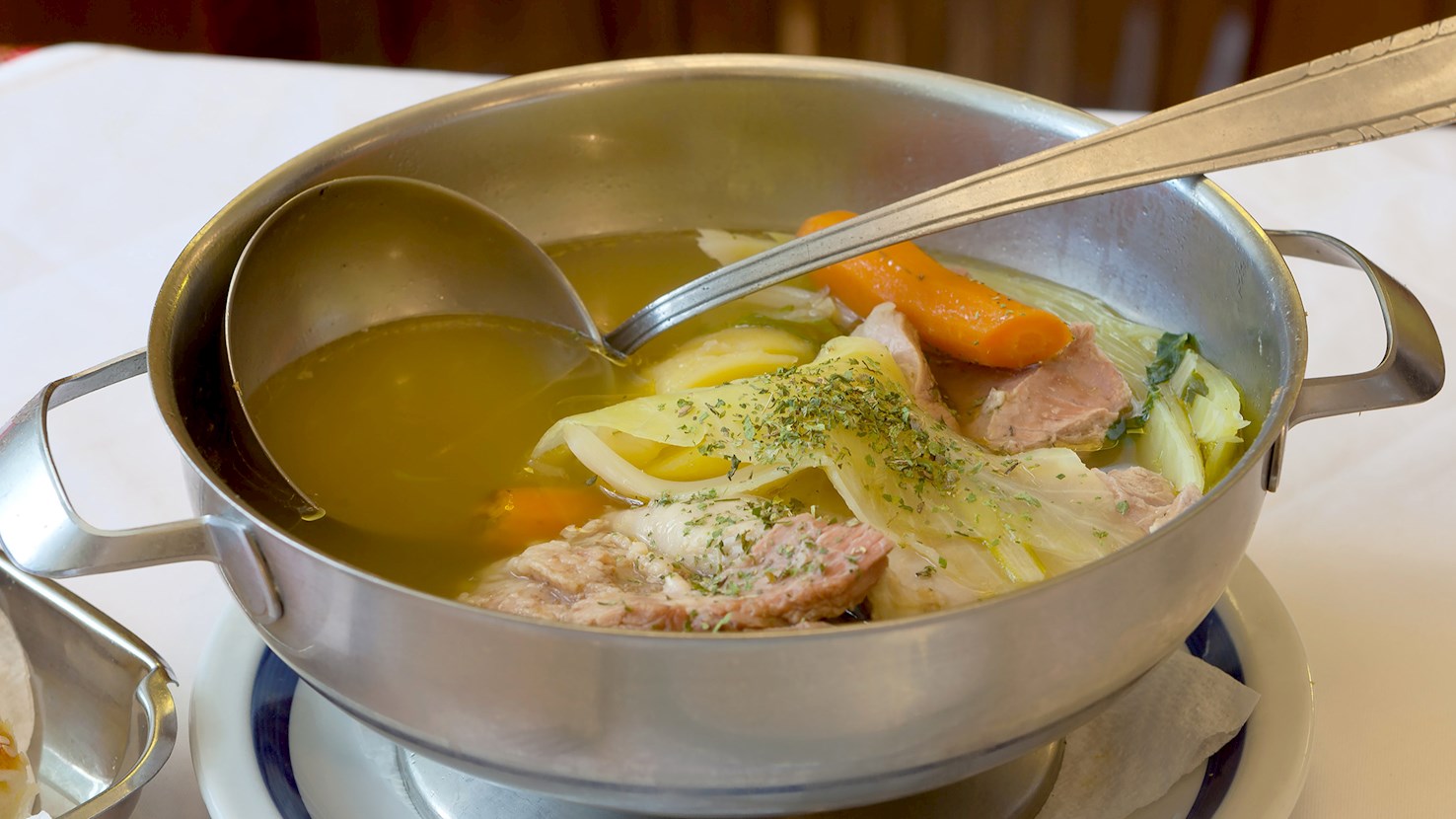
The national dish of Norway, fårikål, is hearty mutton and cabbage stew, typically served with boiled potatoes. The list of ingredients is scarce: only mutton, cabbage, salt, pepper, and water, although some recipes call for the broth to be thickened with flour. Traditionally, this stew was a seasonal, autumn dish, but today it is eaten throughout the year.

08

Scotch pie

3.3 ·

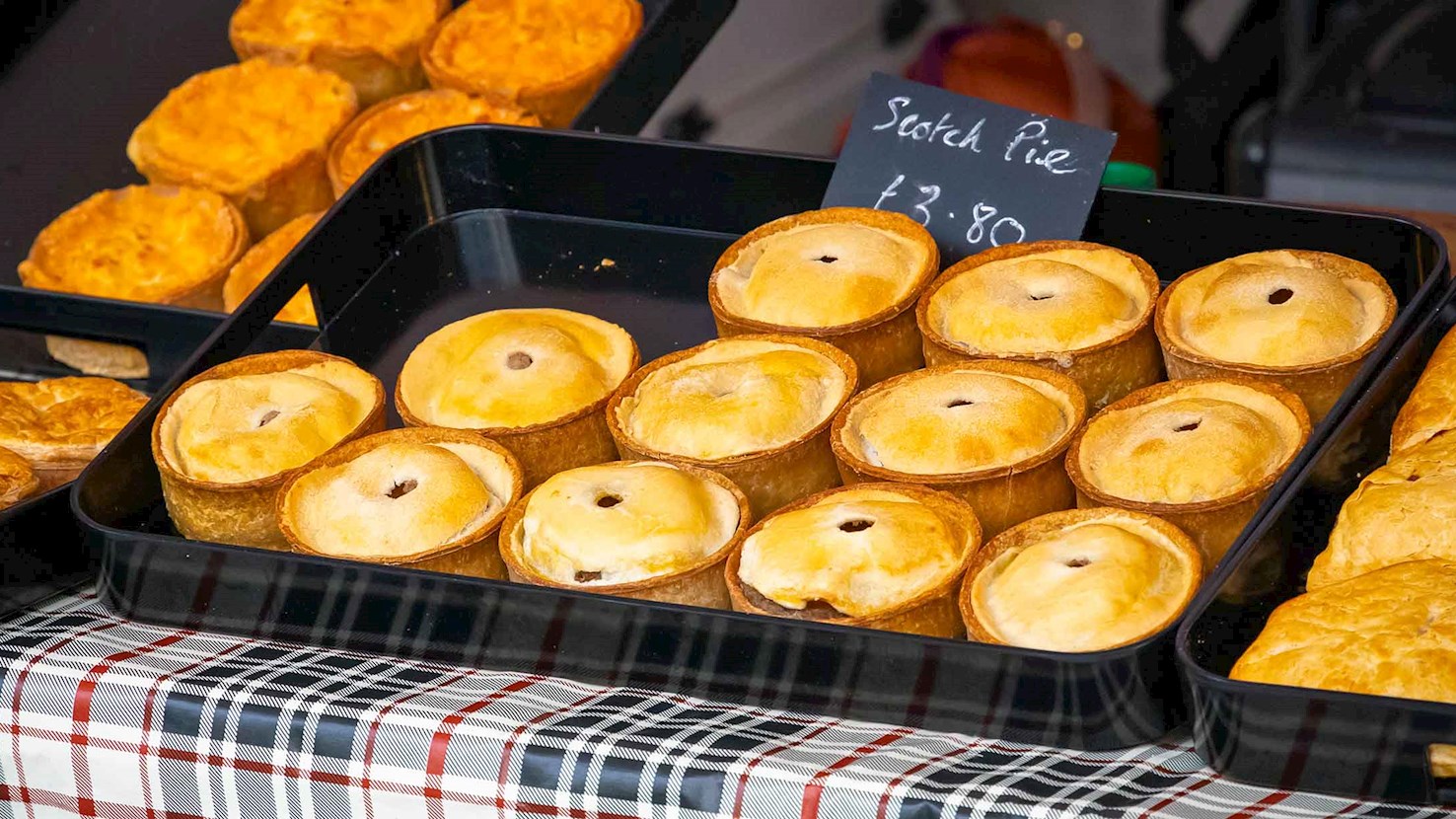
Scotch pie is a traditional Scottish dish, known for its unique double-crust pastry filled with minced mutton or other meat. The pie is characterized by its round, shallow form and a distinctive hot water crust pastry, which is sturdy enough to hold its shape even when not baked in a pie tin. Historically, Scotch Pies were made with mutton, but nowadays, they can be filled with beef, lamb, or a variety of other meats, often seasoned with spices and onions to enhance the flavor. The pie's design, with a lid on top but no pastry at the bottom, allows it to be easily eaten by hand, making it a popular snack at football matches and other outdoor events in Scotland. It is also a staple item in Scottish bakeries and butchers' shops. The Scotch pie is often served with mashed potatoes, baked beans, or other accompaniments.

09

Kalja

3.3 ·

Kalja is an old peasant dish originating from Bosnia, with variants of it popular in Serbia and the Lika area of Croatia. In the past, the dish was made with a combination of lamb or sheep meat and cabbage or any available vegetables. Nowadays, it's mostly prepared with veal or lamb, potatoes, cabbage, onions, carrots, garlic, and tomatoes. The stew is simmered until the meat becomes tender. Kalja is traditionally served without side dishes, but it's often accompanied by a dollop of sour cream and a few slices of bread. The dish is especially comforting on cold winter days.

10

Navarin

3.2 ·

Originally a humble peasant dish, this French stew is made with fresh turnips and lamb or mutton. There are two theories regarding the origin of navarin. One says it was created to mark to the victory of the French navy over the Egyptians and Turks at Navarino Bay in 1827, while the other claims the name of the dish comes from the turnip, or navet in French. In the past, navarin was undoubtedly prepared with the cheapest cuts of mutton from old sheep that had been kept for their wool, so a long cooking time was required to make the meat tender and delicious. Today, navarin is a French classic that makes the best out of a cheap cut of meat and turns it into something unique and special.

Read more
View all
View map
About this ranking

TasteAtlas food rankings are based on the ratings of the TasteAtlas audience, with a series of mechanisms that recognize real users and that ignore bot, nationalist or local patriotic ratings, and give additional value to the ratings of users that the system recognizes as knowledgeable. For the “Top 15 European Mutton Dishes” list until June 15, 2026, 998 ratings were recorded, of which 838 were recognized by the system as legitimate. TasteAtlas Rankings should not be seen as the final global conclusion about food. Their purpose is to promote excellent local foods, instill pride in traditional dishes, and arouse curiosity about dishes you haven’t tried.

Similar lists