


shutterstock

Top 13 Indian Mutton Dishes

Last updated on June 15, 2026
01

Galouti kebab

3.7 ·

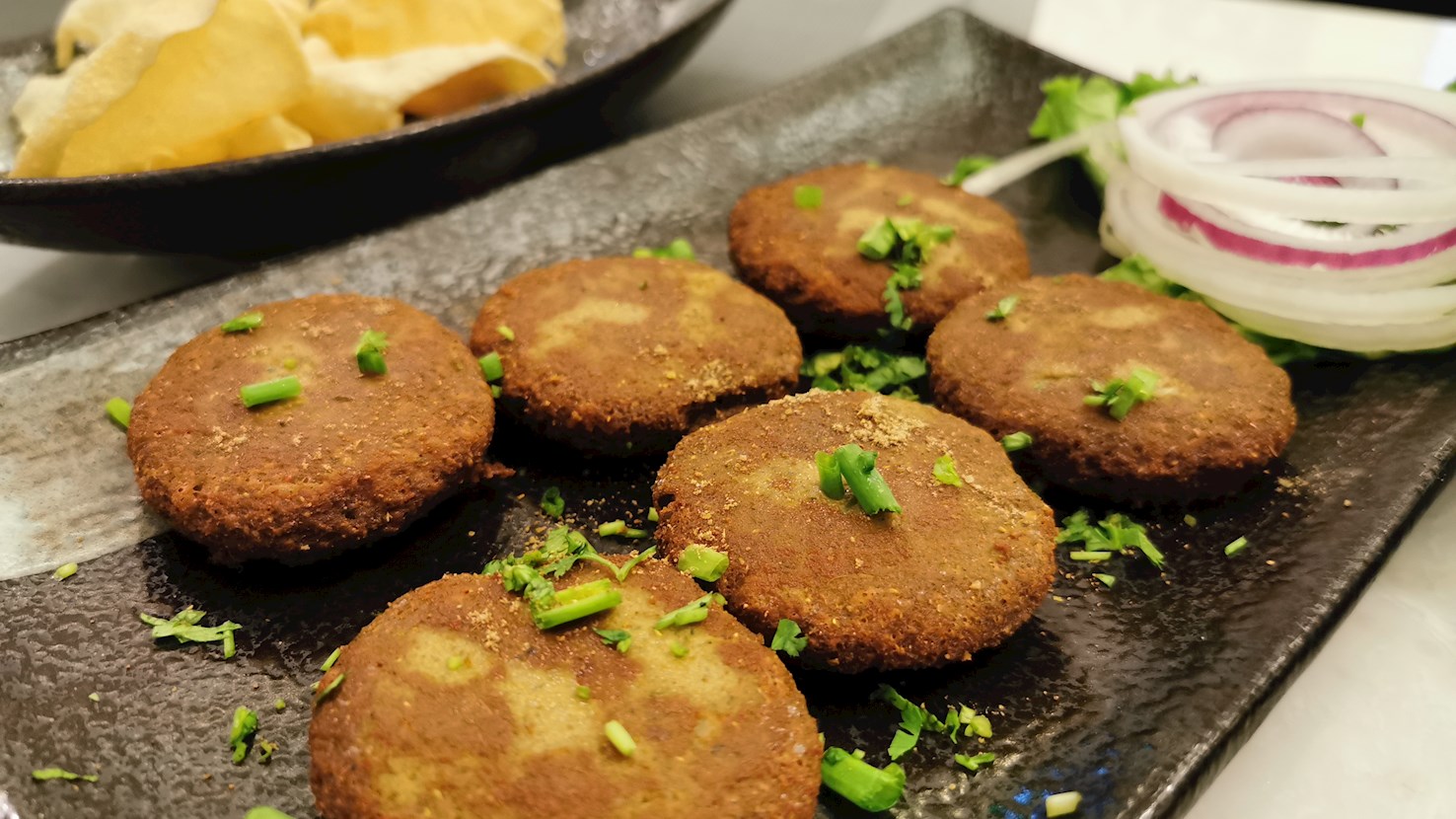
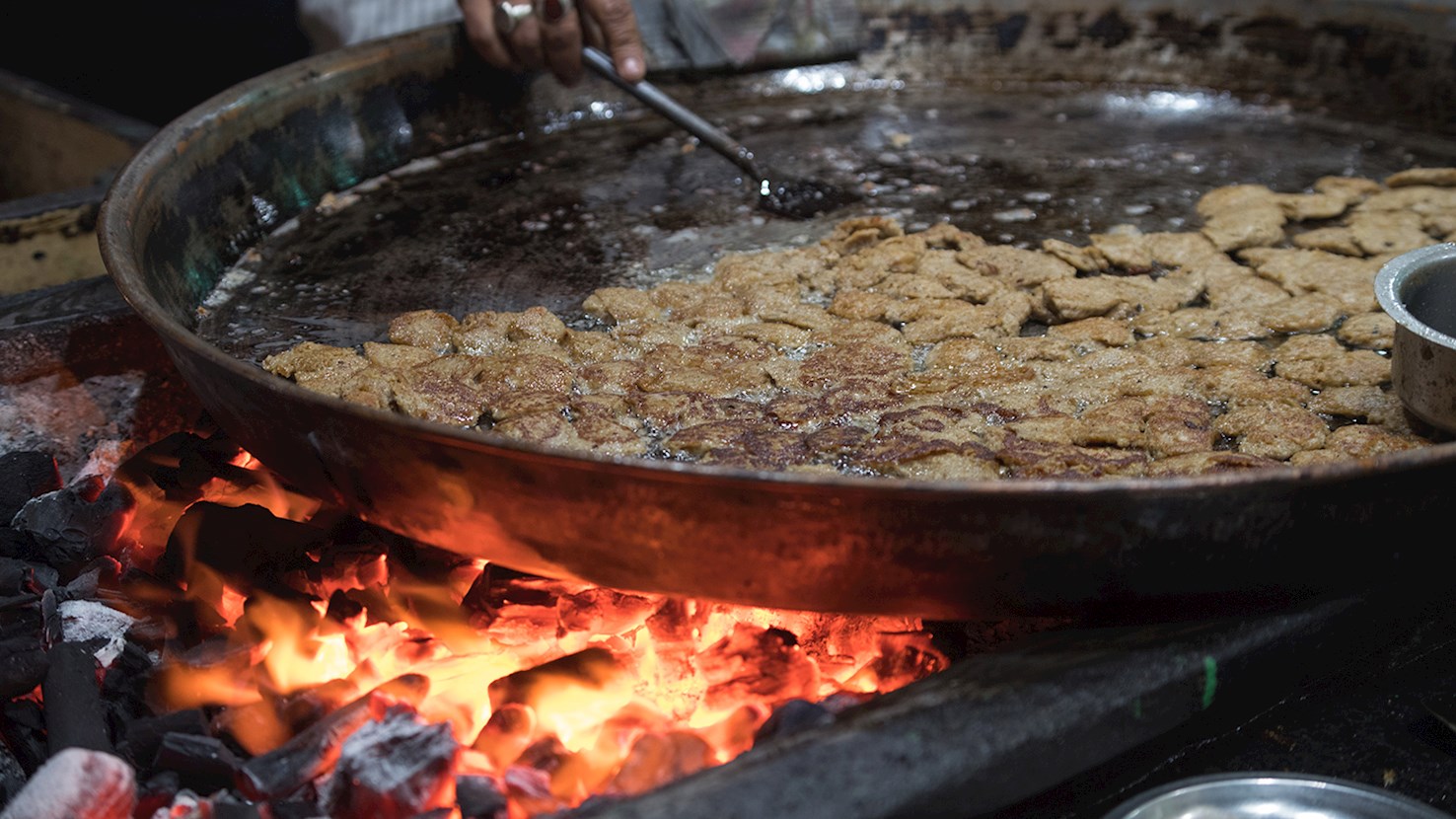
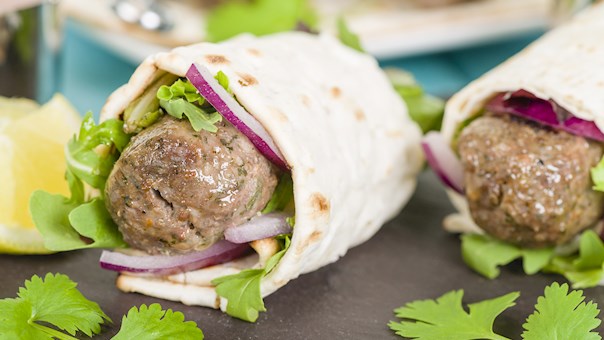
Galouti kebab is a traditional kebab that's especially popular in Lucknow. The dish consists of ground lamb or mutton that's marinated in a combination of ground ginger, garlic, cloves, papaya paste, cardamom, peppercorns, cinnamon, cardamom, chili powder, and nutmeg. After a few hours, the marinated meat is mixed with green chili peppers, gram flour, and coriander leaves. The mixture is shaped into round patties which are then fried in ghee. The meatballs are arranged on a serving platter, and they're usually sprinkled with lemon juice before serving. The name galouti means soft, referring to a belief that Haji Mohammad Fakr-e-Alam Saheb, who first made the dish, gave it to Nawab Asad-ud-Daula, who was toothless and needed a kebab variety which required no chewing. Instead of beef, Haji used fine cuts of lamb which were minced, tenderized, and mixed with numerous exotic spices before being fried. Nowadays, the dish is especially popular during Eid.

02

Laal maas

3.1 ·

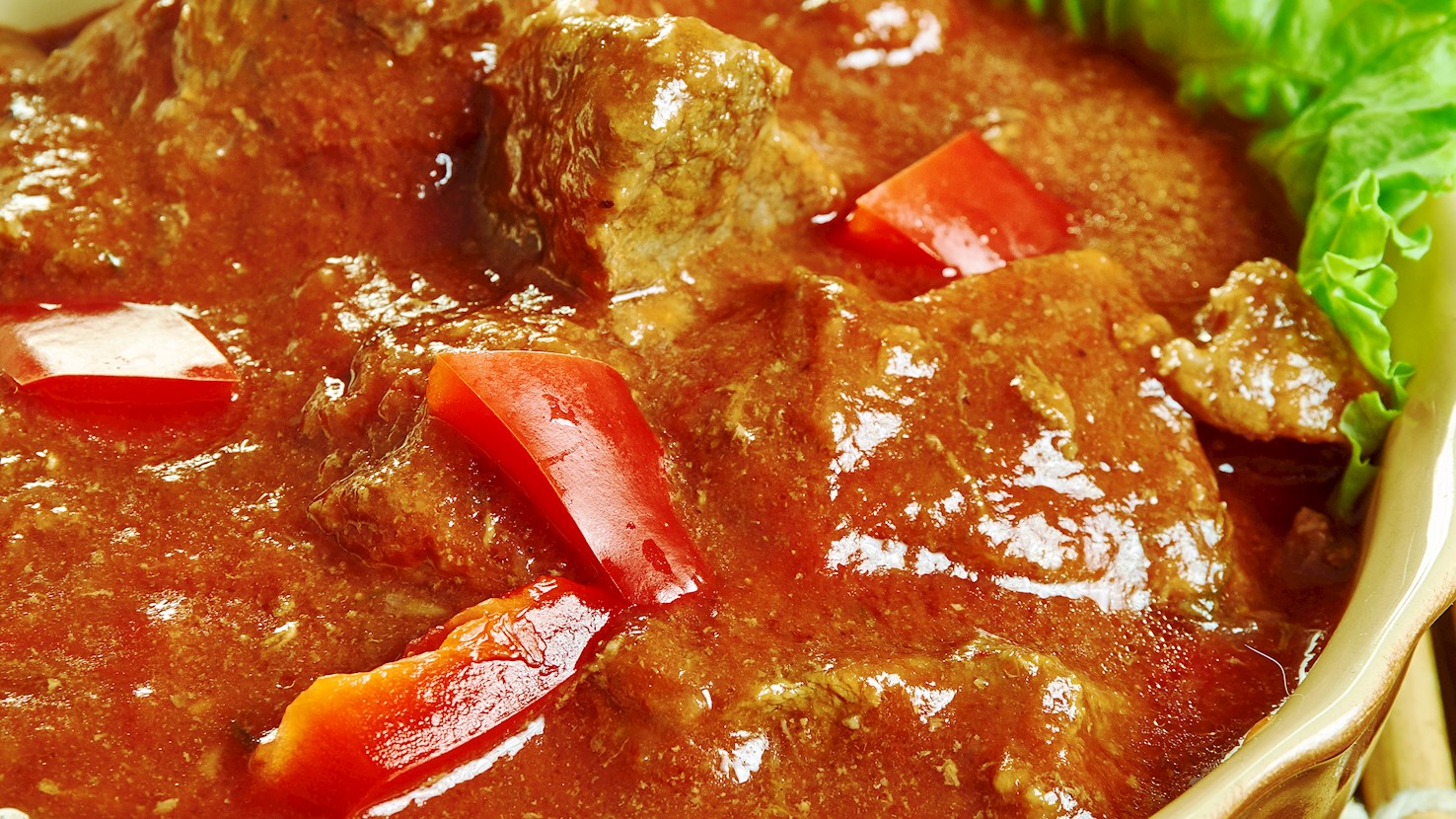
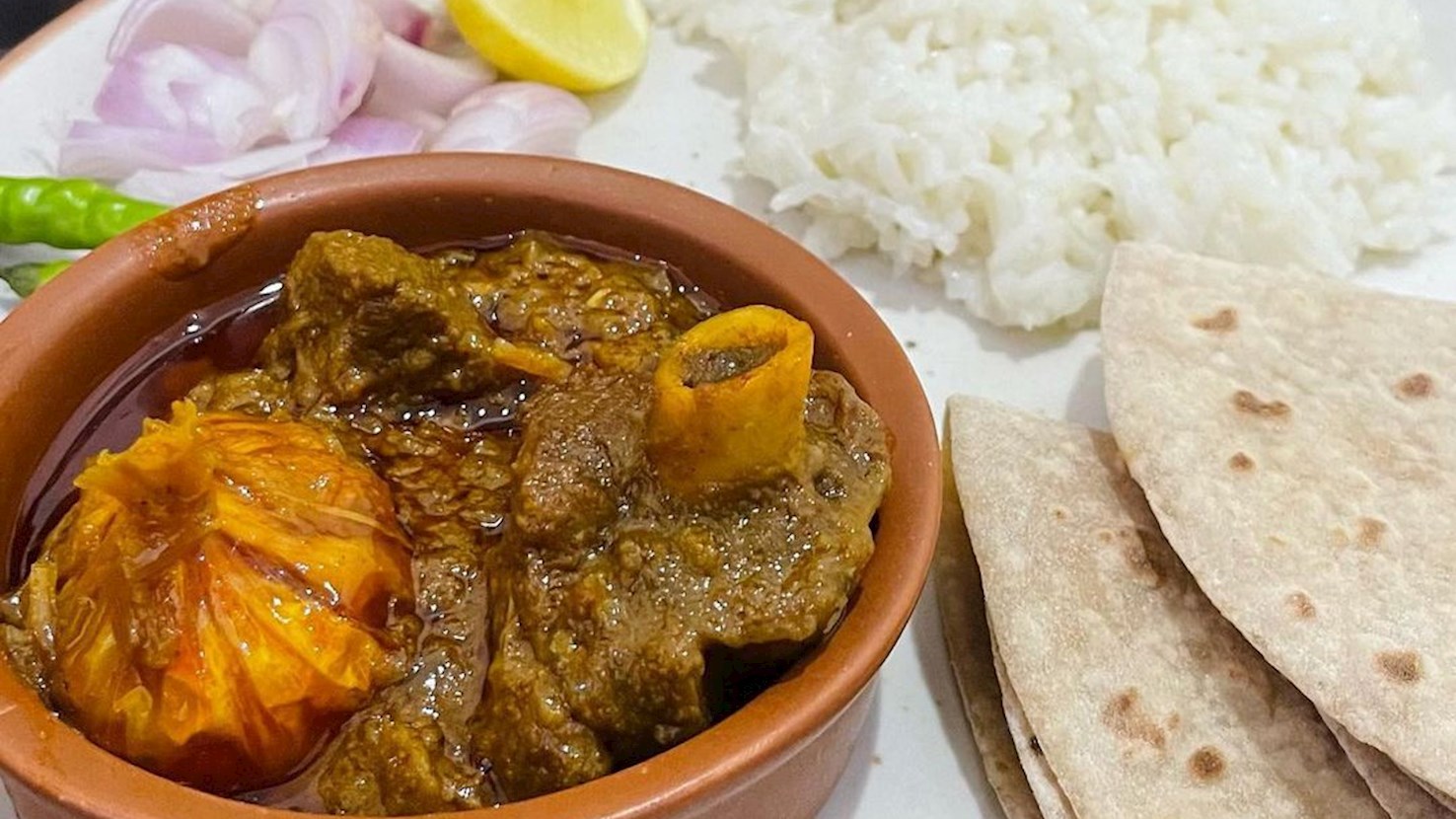
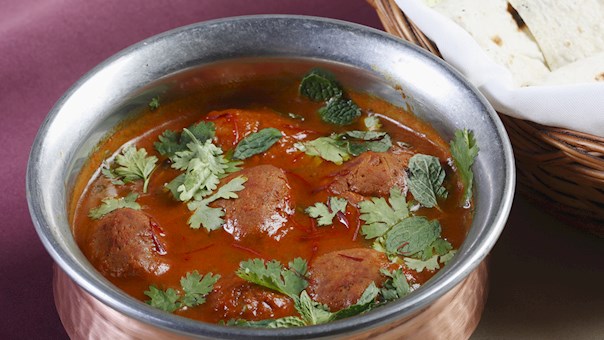
Laal maas is a traditional curry variety originating from Rajasthan. This curry is prepared with mutton (often marinated in kachari cucumbers), yogurt, and Mathania red chili peppers. Other common ingredients include onions, garlic, coriander seeds, ghee, ginger, cardamom, and cinnamon. Once prepared, laal maas can be thick or more on the liquid side. It's traditionally accompanied by wheat flour chapatis and steamed rice. In the past, the curry was prepared with wild game meat, hence the abundance of chili peppers in the dish that are used to mask the gamy aromas, but nowadays it's prepared with mutton, especially during festive occasions and festivals.

Best restaurants
03

Railway mutton curry

n/a ·

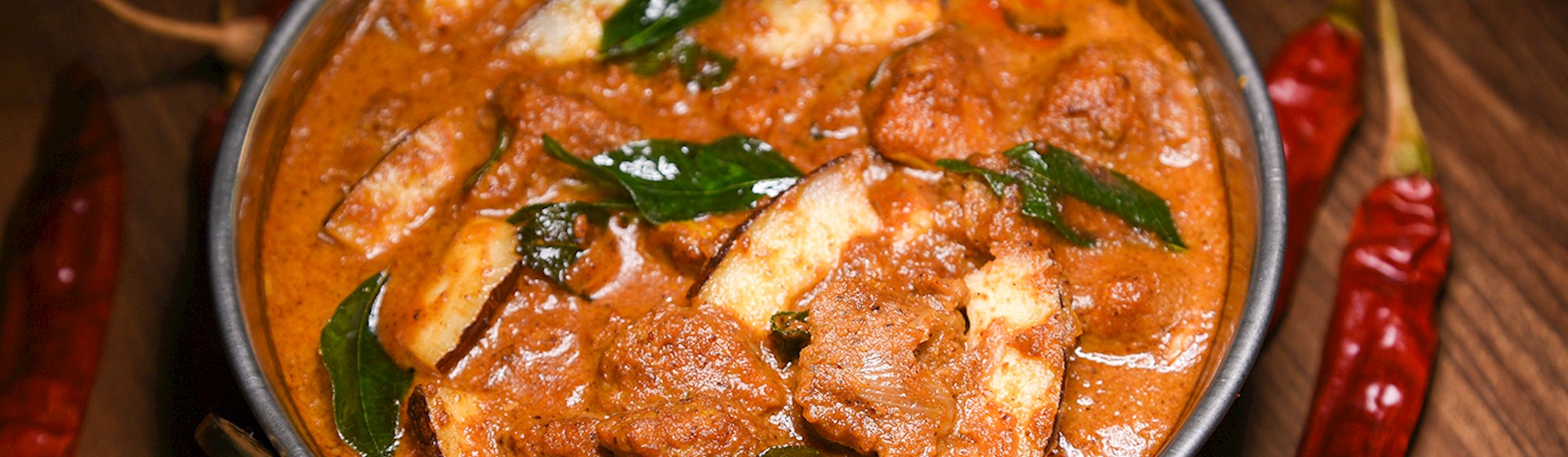
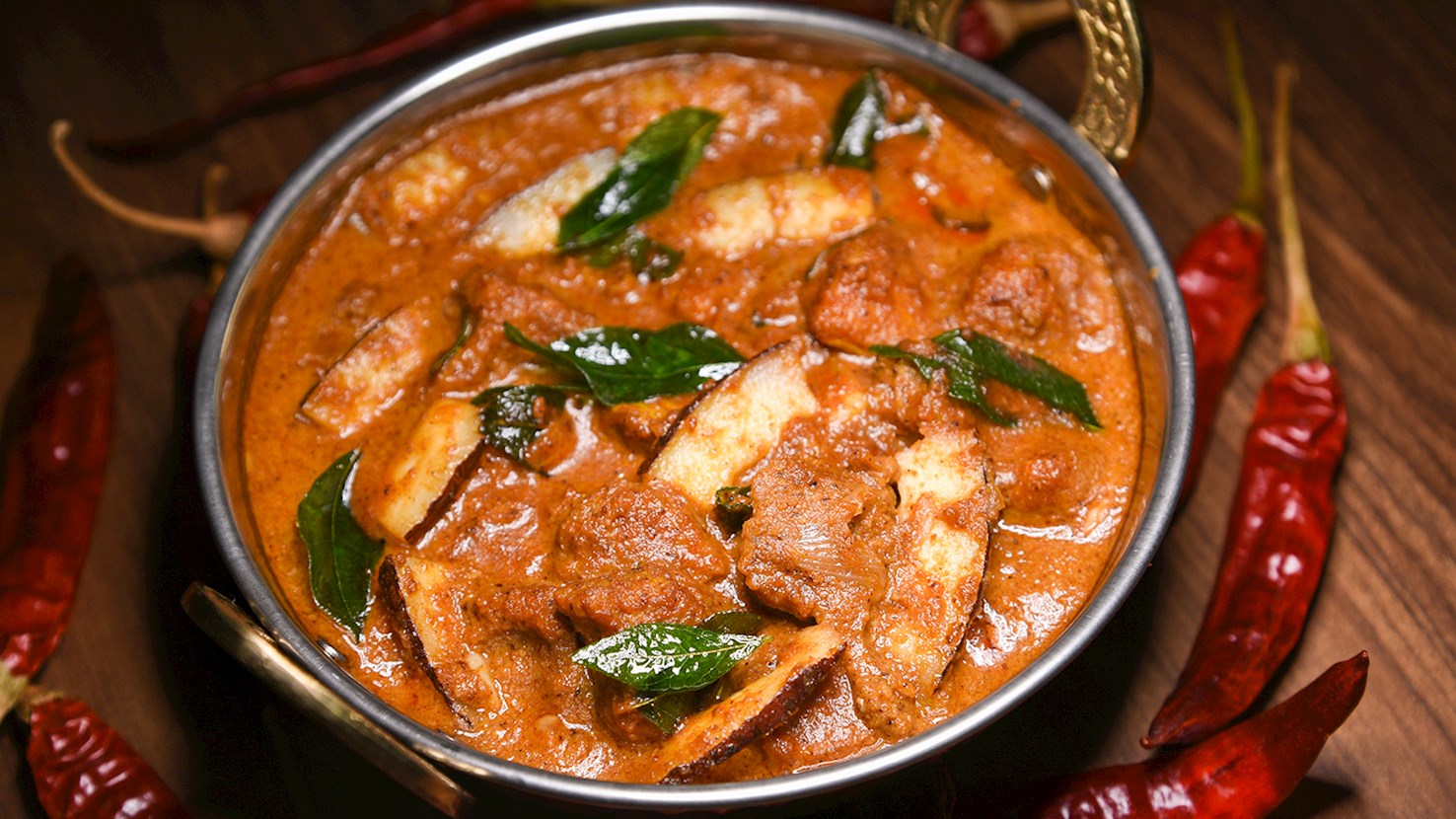
Dating back to the colonial times of the British Raj, railway mutton is a traditional curry prepared with mutton as the main ingredient. Other ingredients used in the dish usually include coconut milk and cream, onions, potatoes, mustard oil, tomatoes, coriander, ginger, garlic, vinegar, and a variety of spices such as tamarind, cardamom, cumin, cinnamon, and Kashmiri chilis. The meat is often marinated in lime juice, coriander, cumin, chili, turmeric, ginger, garlic, and salt. The dish is a milder take on the classic Indian mutton curry (mangshor jhol or kosha mangsho), and it was originally made exclusively for the first class traveling via Indian Railways from Victoria Terminus (located in Mumbay) to Calcutta. It's recommended to serve railway mutton with rice or naan on the side.

04

Ahuna (Champaran meat)

n/a ·

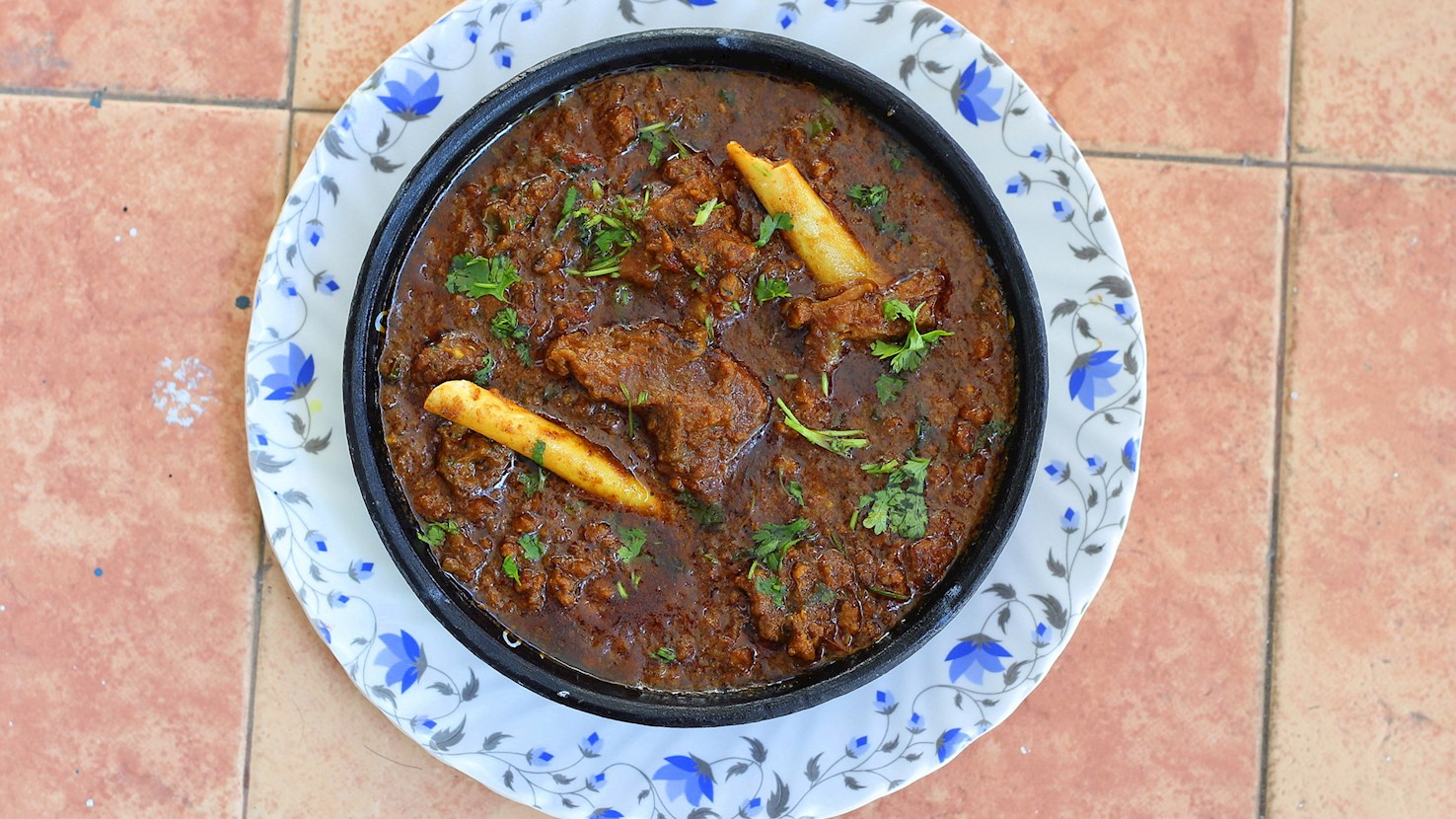
Champaran meat is a famous mutton stew from West Champaran, a district in the Indian state of Bihar. It is prepared in a special clay pot known as handi, which is why this dish is sometimes called handi meat. Mutton (although chicken can also be used) is first marinated in mustard oil, ginger paste, ghee, garlic, onions, and various Indian spices. Then, everything is placed into a handi, sealed with kneaded flour, and cooked over a low flame or charcoal. The seal is never broken; instead, the handi is shaken repeatedly, ensuring optimal cooking and fusing of flavors. The whole process can last a couple of hours and depends on the quality of the mutton, but the end product must be tender and succulent meat. Champaran meat is usually served with rice and any of the Indian flatbreads.

05

Salli boti

n/a ·

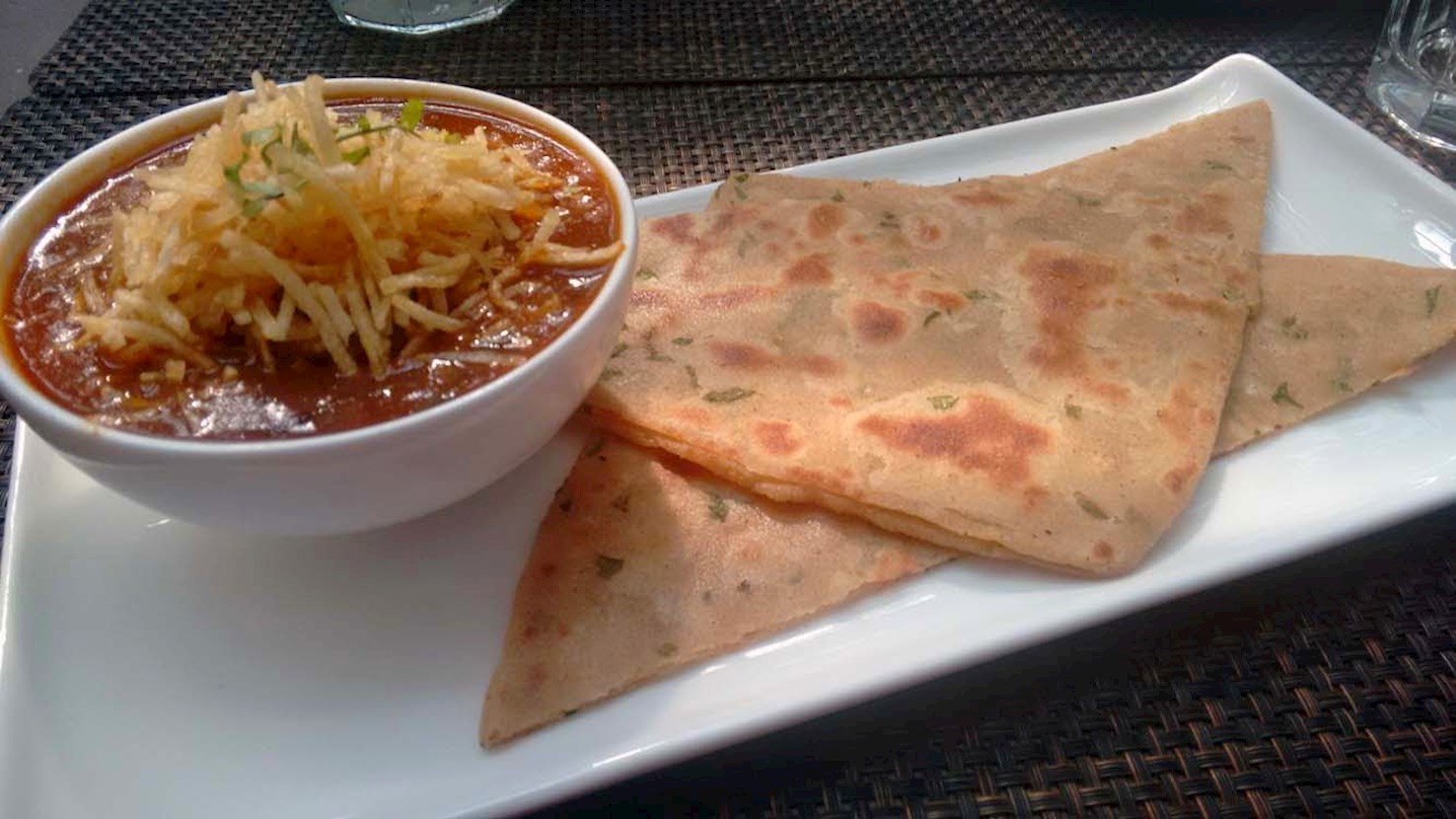
Salli boti is a traditional Parsi curry originating from western India. It’s usually made with a combination of mutton, onions, ginger-garlic paste, tomatoes, potatoes, oil, red chili powder, turmeric, vinegar, garam masala, coriander, cumin, salt, and sugar. The onions are fried in oil, and then mixed with ginger, garlic, meat, turmeric, and red chili powder. The mixture is shortly fried and the coriander, cumin, tomatoes, sugar, vinegar, salt, and garam masala are then added to the mix. Salli boti is simmered over low heat until everything is fully cooked, and it’s then typically garnished with coriander. Once done, the curry is served topped with fried potato strips, called salli. This festive curry is often served at weddings or festivals such as Nauroze. It’s recommended to accompany salli boti with chapati, naan, or paratha on the side.

06

Mutton rara

n/a ·

Mutton rara is a traditional Himachali stew originating from the northern parts of India, where it’s prepared during special occasions. The dish is made with a combination of marinated mutton chunks, onions, ginger, garlic, tomatoes, coriander, turmeric, garam masala, lemon juice, chili peppers, cardamoms, cinnamon, cloves, oil, bay leaves, ghee, and salt. The meat is marinated in a mixture of dahi, ginger-garlic paste, red chili powder, and turmeric. The stew is cooked until the mutton becomes tender, and lemon juice is added near the end of cooking. Once done, mutton rara is usually garnished with coriander leaves, and the dish is then served hot with Indian flatbreads such as naan, roti, or laccha paratha on the side.

07

Kakori kebab

n/a ·

Kakori kebab is a traditional meat dish originating from the Indian town of Kakori in Uttar Pradesh. These kebabs are famous for their tender texture and fragrant aromas. They're prepared with a combination of mutton, ghee, eggs, cinnamon, and (often) chickpeas. The meat is marinated in a mixture of onions, mace, nutmeg, cumin, cardamom, cloves, green chili peppers, coriander, salt, black pepper, and ginger and garlic paste in order to become extremely tender. After being shaped into small elongated kebabs and skewered, the meat is cooked in a tandoor until done, and it's then usually served hot with chutneys on the side. Kakori kebab is typically garnished with chaat masala, onion rings, and lemon wedges. The dish is especially popular on special occasions and festivals.

08

Goshtaba

n/a ·

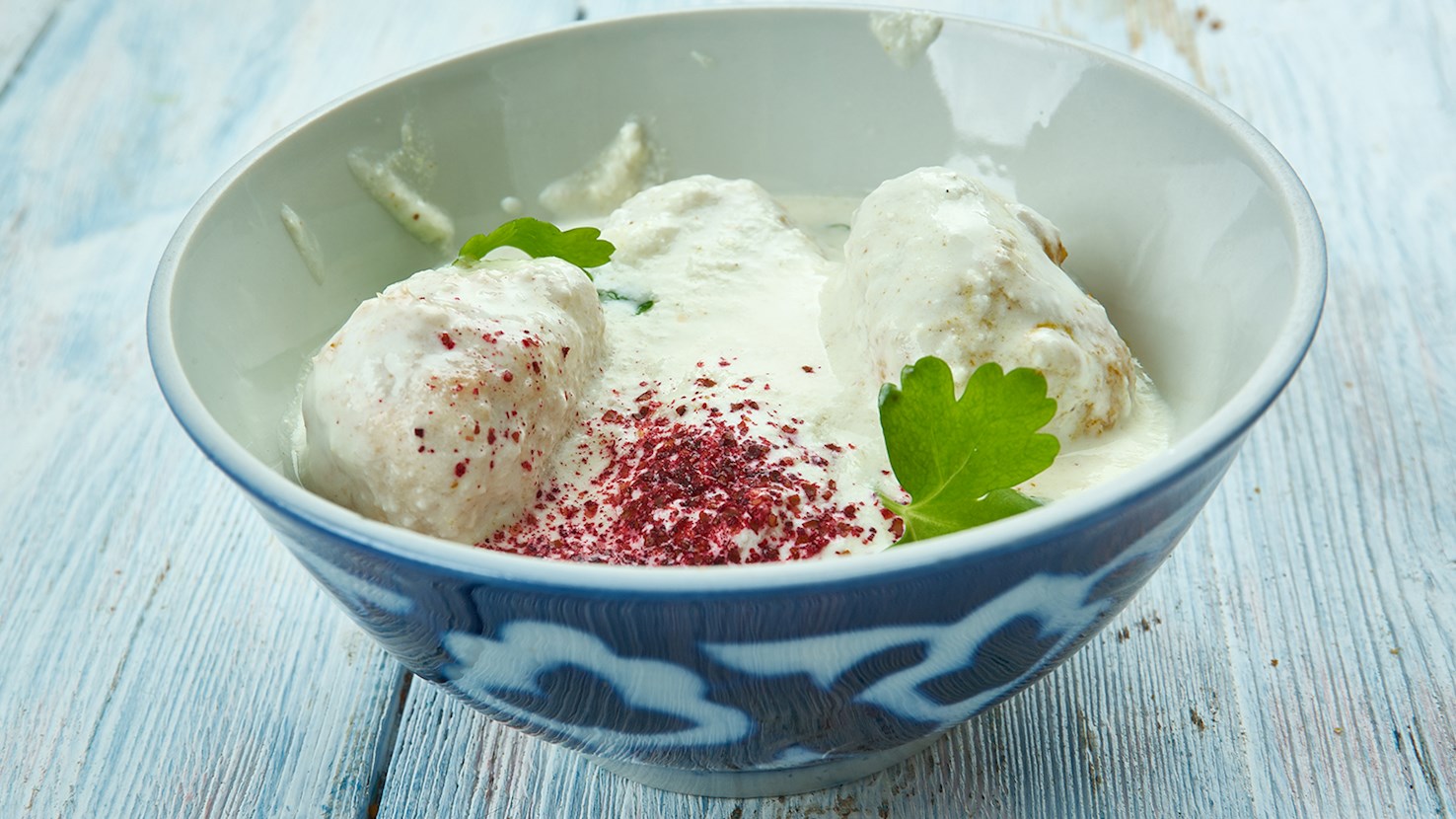
Goshtaba is a traditional curry originating from the Kashmir region. The curry consists of mutton meatballs simmered in a spicy dahi gravy. It's made with a combination of minced mutton, mustard oil, fennel powder, cumin powder, fenugreek powder, cinnamon, cloves, bay leaves, black cardamom, cumin seeds, ghee, dahi, and saffron. Once prepared, the stew is garnished with saffron threads and coriander leaves before it's served piping hot. It's recommended to serve goshtaba with rice or butter garlic naan on the side. The dish is usually prepared for important ceremonies, and it's often dubbed The Dish of Kings. In a Wazwan feast, goshtaba is served as the last meat dish before the dessert.

09

Gola kebab

n/a ·

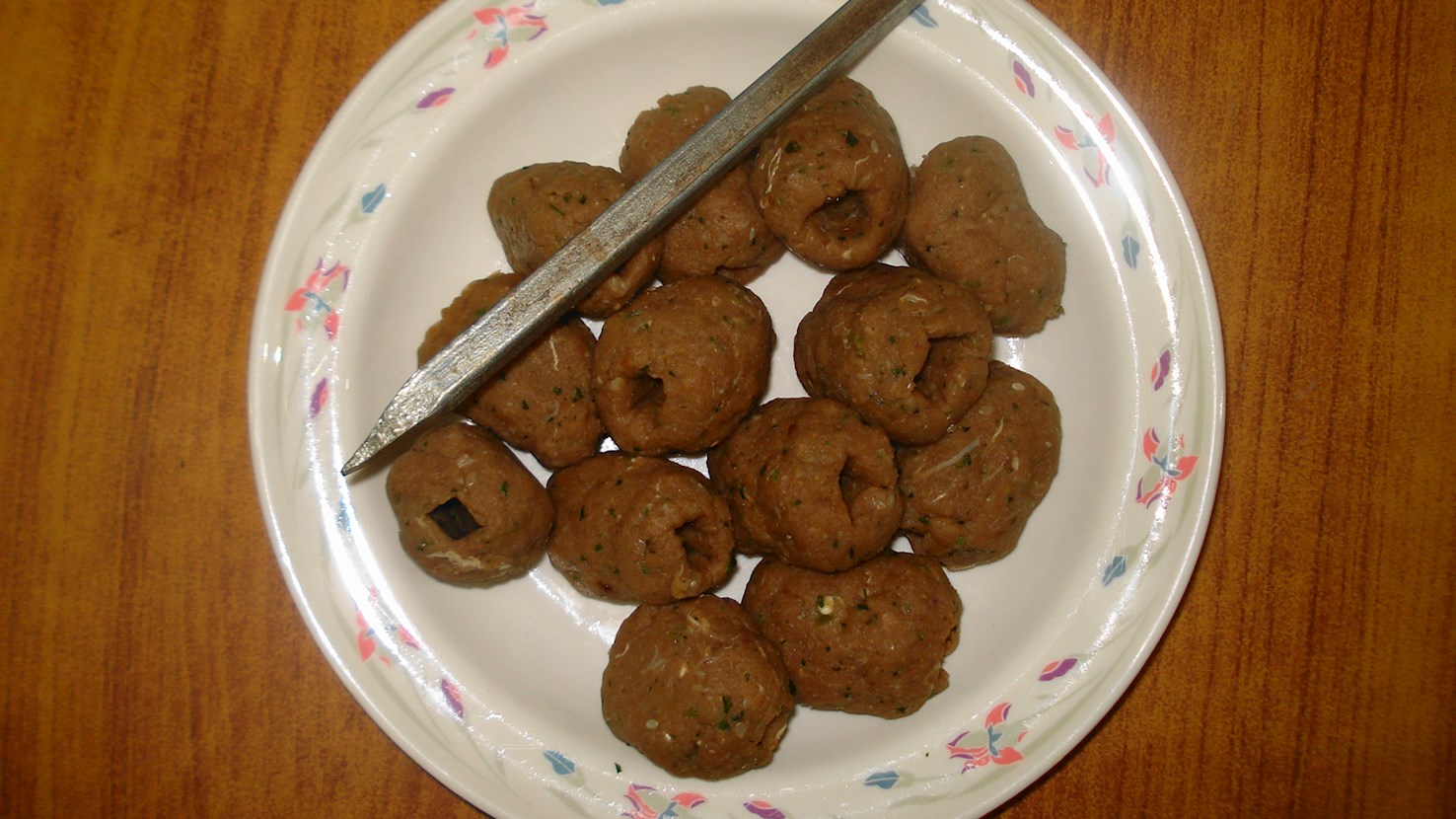
Gola kebab is a traditional meat dish originating from India. It consists of meatballs that are usually skewered when served. The meatballs are made with a combination of mutton, onions, and a variety of herbs and spices such as red chili powder, turmeric powder, cloves, cardamom, cinnamon, coriander leaves, mint leaves, and ginger-garlic paste. Once shaped, the meatballs are shallow fried or baked until golden brown. They are often accompanied by chutneys such as green chutney or mint chutney, then served as an appetizer or a side dish to vegetable-based dishes.

10

Gosht dum biryani

n/a ·

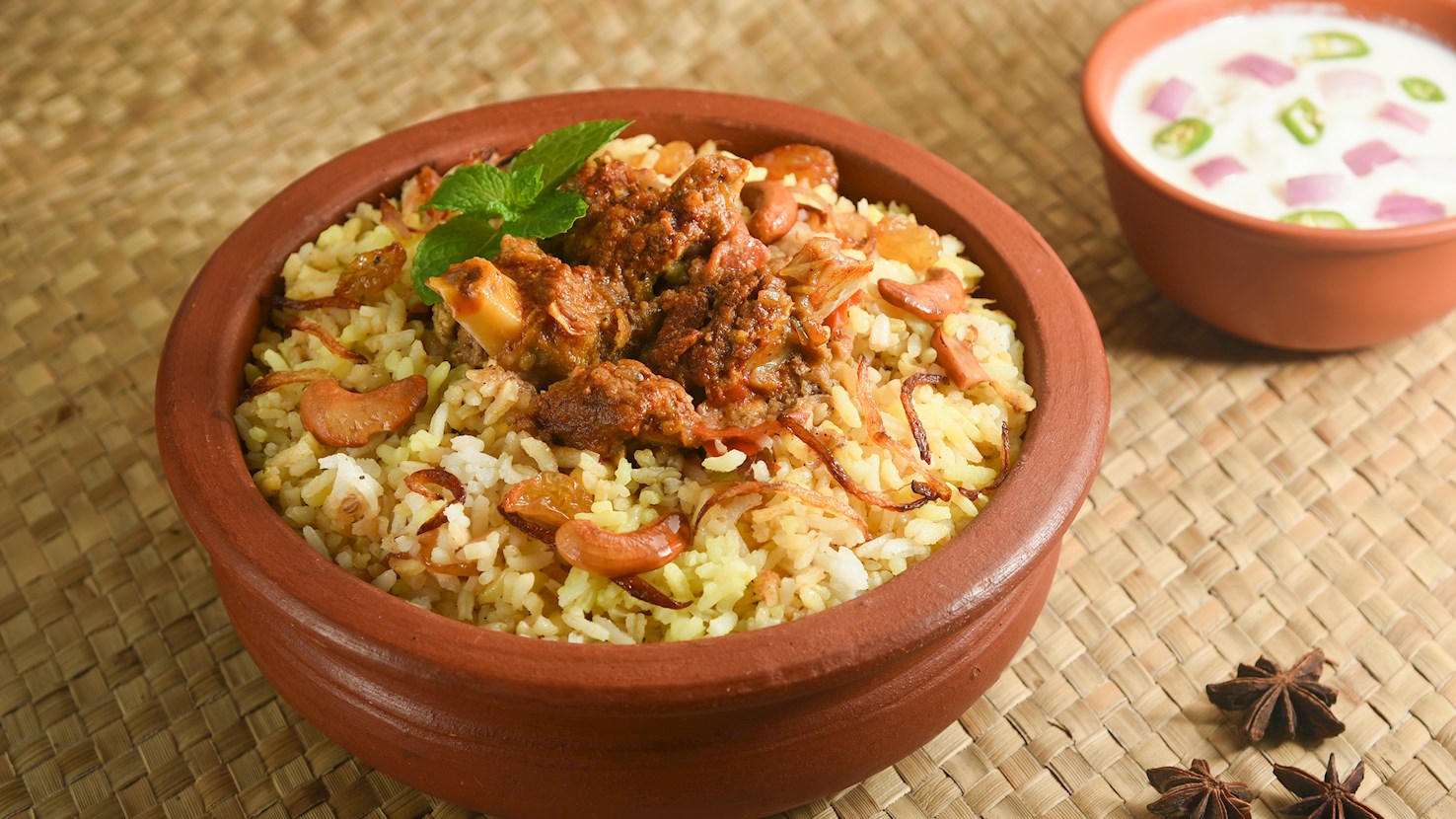
Gosht dum is a traditional version of biryani, a quintessential rice dish. It's usually made with a combination of goat or mutton, basmati rice, ginger, garlic, ghee, cloves, cinnamon, hot peppers, milk, saffron, onions, yogurt, mint, bay leaves, coriander, mace, cardamom, chili powder, and salt. The onions, cloves, bay leaves, and cardamom are stir-fried in ghee and mixed with the lamb cubes and ginger-garlic paste. After a few minutes, yogurt and red chili powder are added to the pan and everything is slowly cooked until the meat is tender. The meat is removed, and the gravy is strained. Cardamom, mace, and saffron are cooked in milk and water and the meat is then added to the mixture along with cooked rice. The pot is covered and cooked until everything is tender. Once done, the biryani is served hot, typically with raita on the side. The dish is often made during special occasions and festivals.

Read more
View all
View map
About this ranking

TasteAtlas food rankings are based on the ratings of the TasteAtlas audience, with a series of mechanisms that recognize real users and that ignore bot, nationalist or local patriotic ratings, and give additional value to the ratings of users that the system recognizes as knowledgeable. For the “Top 13 Indian Mutton Dishes” list until June 15, 2026, 110 ratings were recorded, of which 63 were recognized by the system as legitimate. TasteAtlas Rankings should not be seen as the final global conclusion about food. Their purpose is to promote excellent local foods, instill pride in traditional dishes, and arouse curiosity about dishes you haven’t tried.

Similar lists