

shutterstock

8 Nabemono Varieties
Ranked From the Best To the Worst

Last updated on July 17, 2026
01

Shabu-shabu

4.2 ·

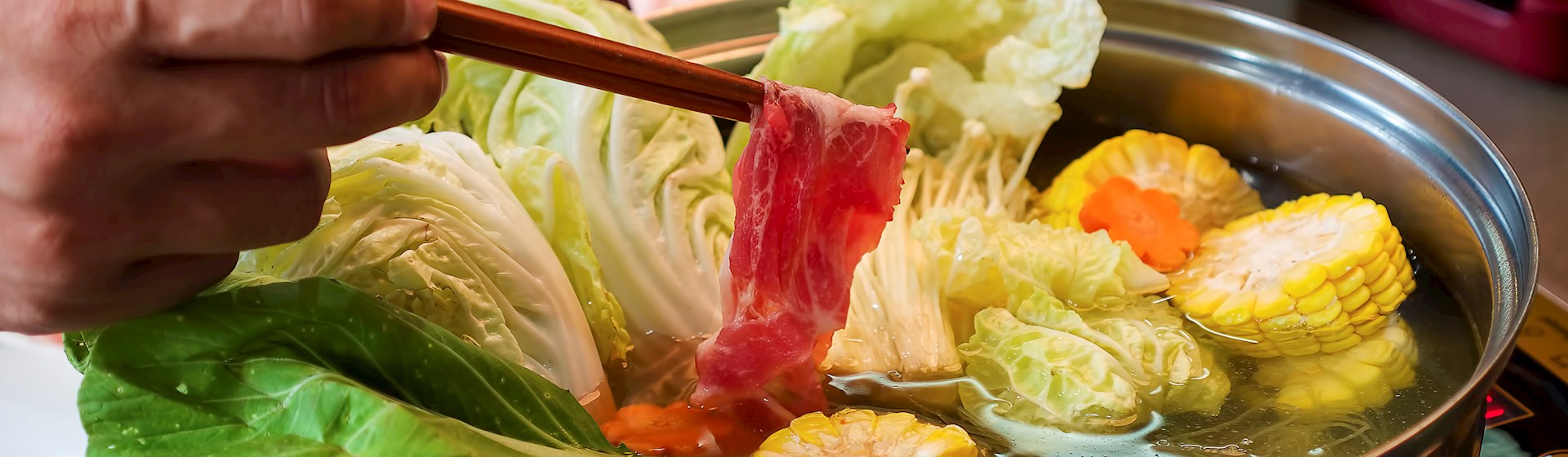
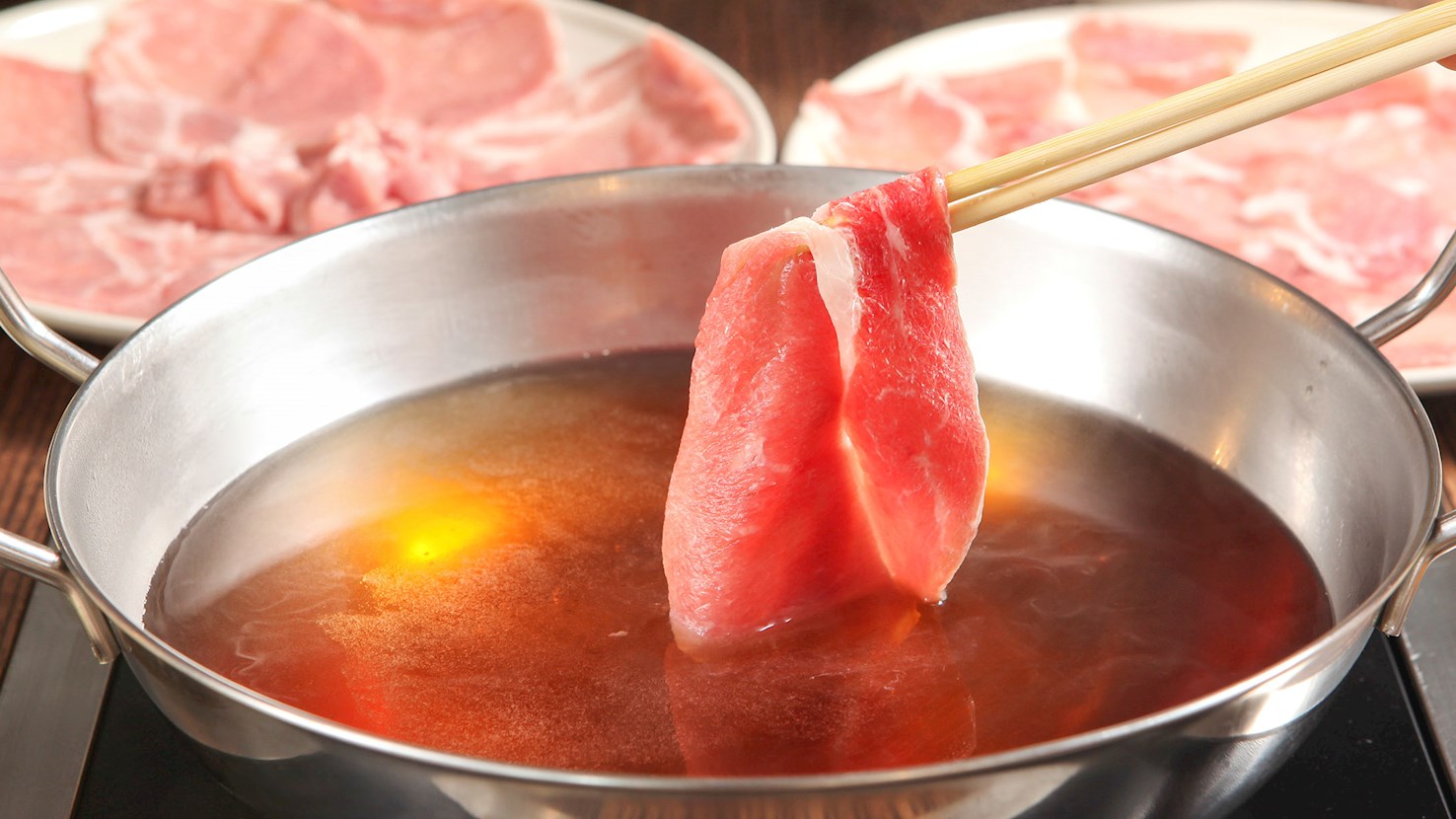
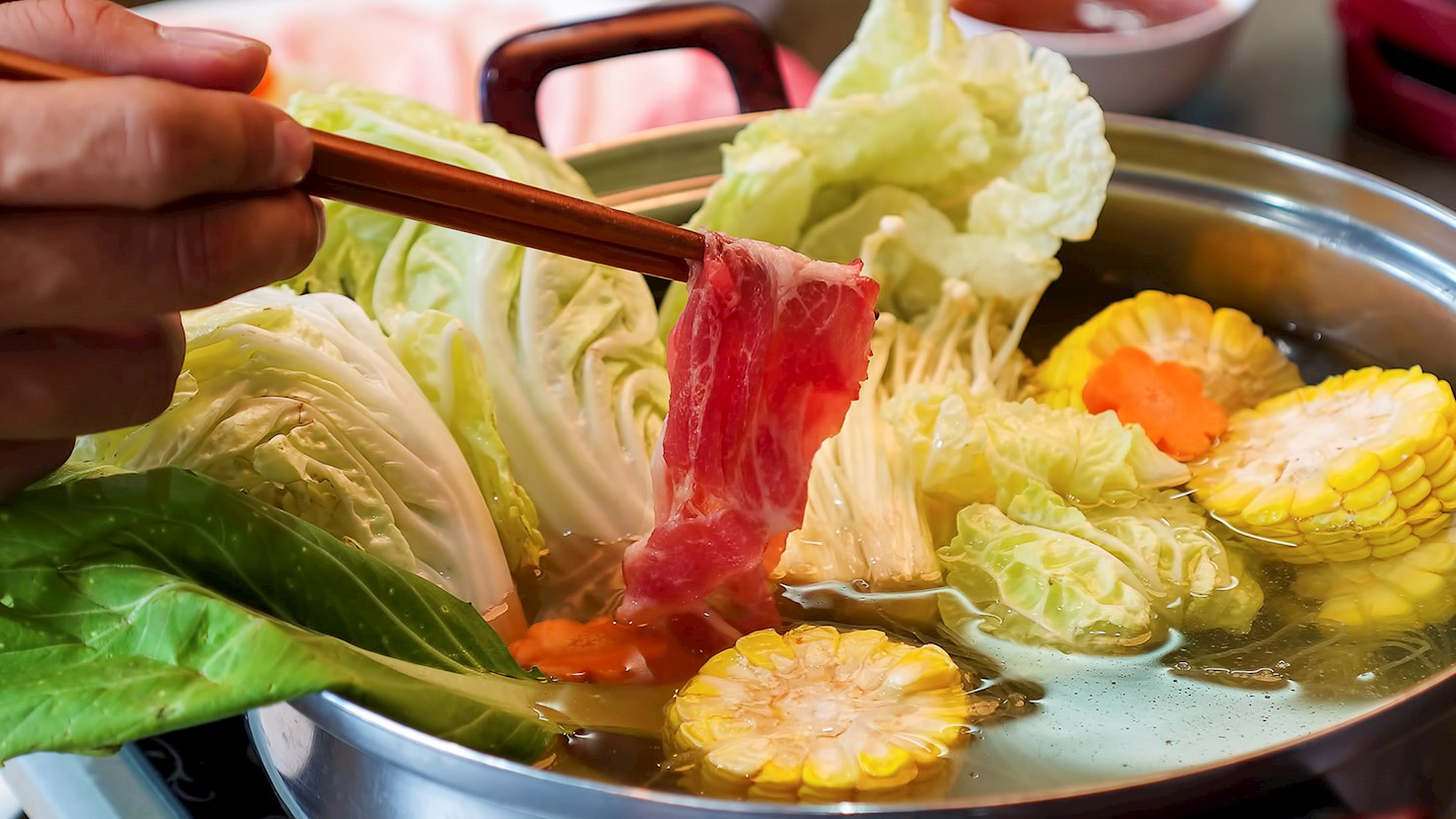
Shabu-shabu is a popular Japanese dish consisting of thinly sliced meat and vegetables cooked in water. The dish is an evolved version of the traditional Mongolian nabemono (one-pot) cooking. Roughly translated to swish-swish, its name is referring to the sound that is made when the sliced pieces of meat go through the water. Although beef is the most popular choice of meat, shabu-shabu can also be prepared with lamb, chicken, pork, duck, crab, or lobster. Steamed rice and a variety of sauces are often served on the side, accompanying the main dish. The dish is typically shared and eaten communally, each consumer dipping a slice of meat in the central pot that is filled with boiling water. Although shabu-shabu originates from China, it was popularized during the 20th century in Osaka, Japan.

02

Sukiyaki

4.1 ·

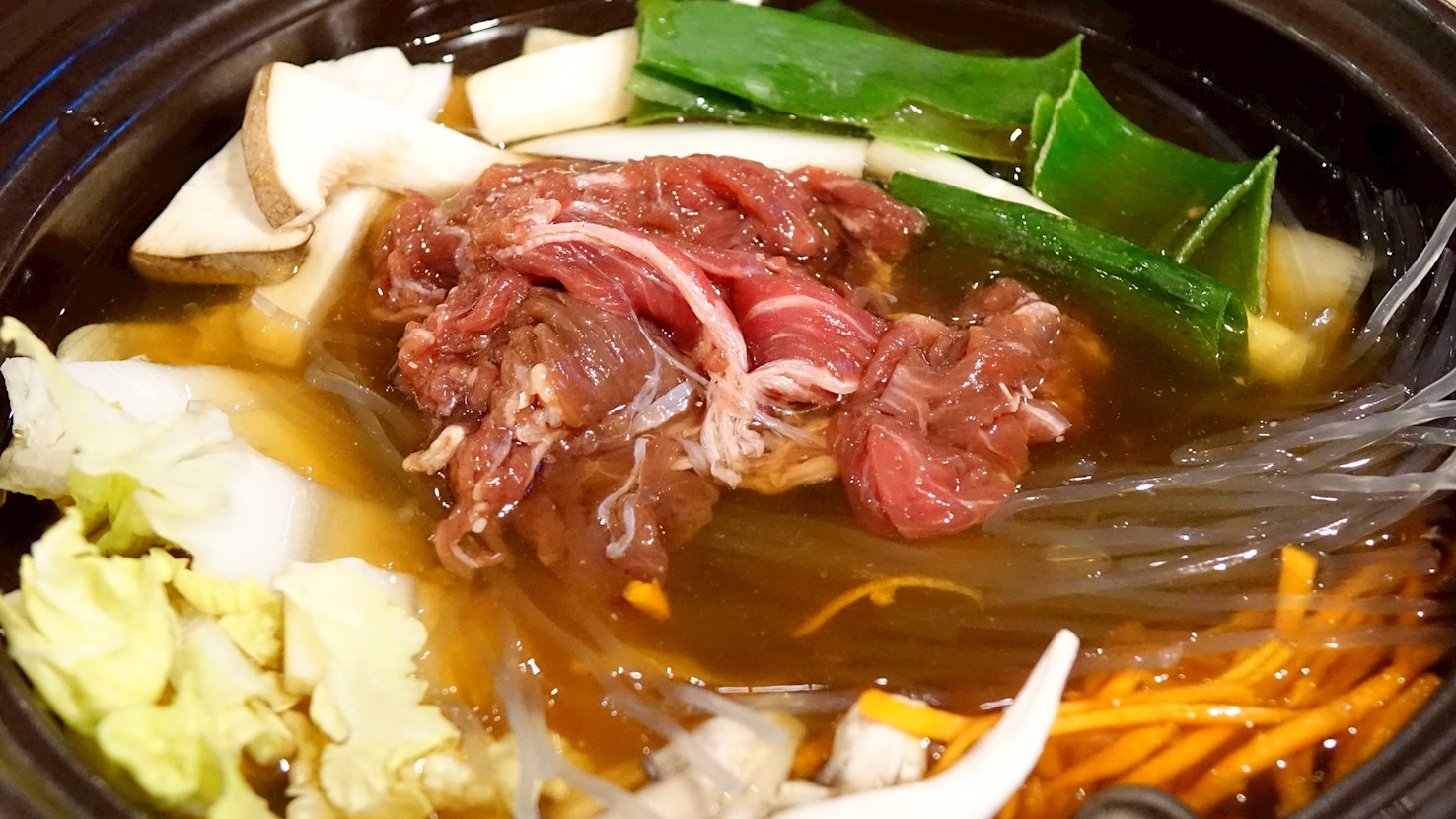
Sukiyaki is a sweet-and-salty hot pot dish, usually prepared tableside on a portable gas stove in a traditional shallow iron pan. This popular Japanese dish is usually made with beef, preferably the well-marbled tender cuts. However, some varieties employ pork or even tofu, creating the vegetarian version of the dish. Other ingredients in sukiyaki include sliced Chinese cabbage, mushrooms, leeks, gelatinous konnyaku noodles, and shungiku leaves. All the ingredients are then quickly cooked in a mixture of mirin, soy sauce, and sugar. Sukiyaki is a communal style dish, served in one pot, then shared among a larger group of people. There are two traditional ways hot to prepare sukiyaki, Kansai and Kanto style. Essentially, they differ in the order in which the ingredients are added to the broth. In the Kansai variety, all ingredients are added at the same time, while in the Kanto variety, the meat is cooked before any other ingredients are added. The tradition also suggests that before consumption, every morsel should be dipped into beaten eggs. It is believed that the dish was developed during the Meiji era, which started at the end of 19th century. At that time, Japan opened its borders and foreigners introduced new cooking styles and the tradition of eating meat. Since then, it has become one of the favorite communal style dishes in Japan, commonly shared among larger groups of people.

03

Yudofu

3.9 ·

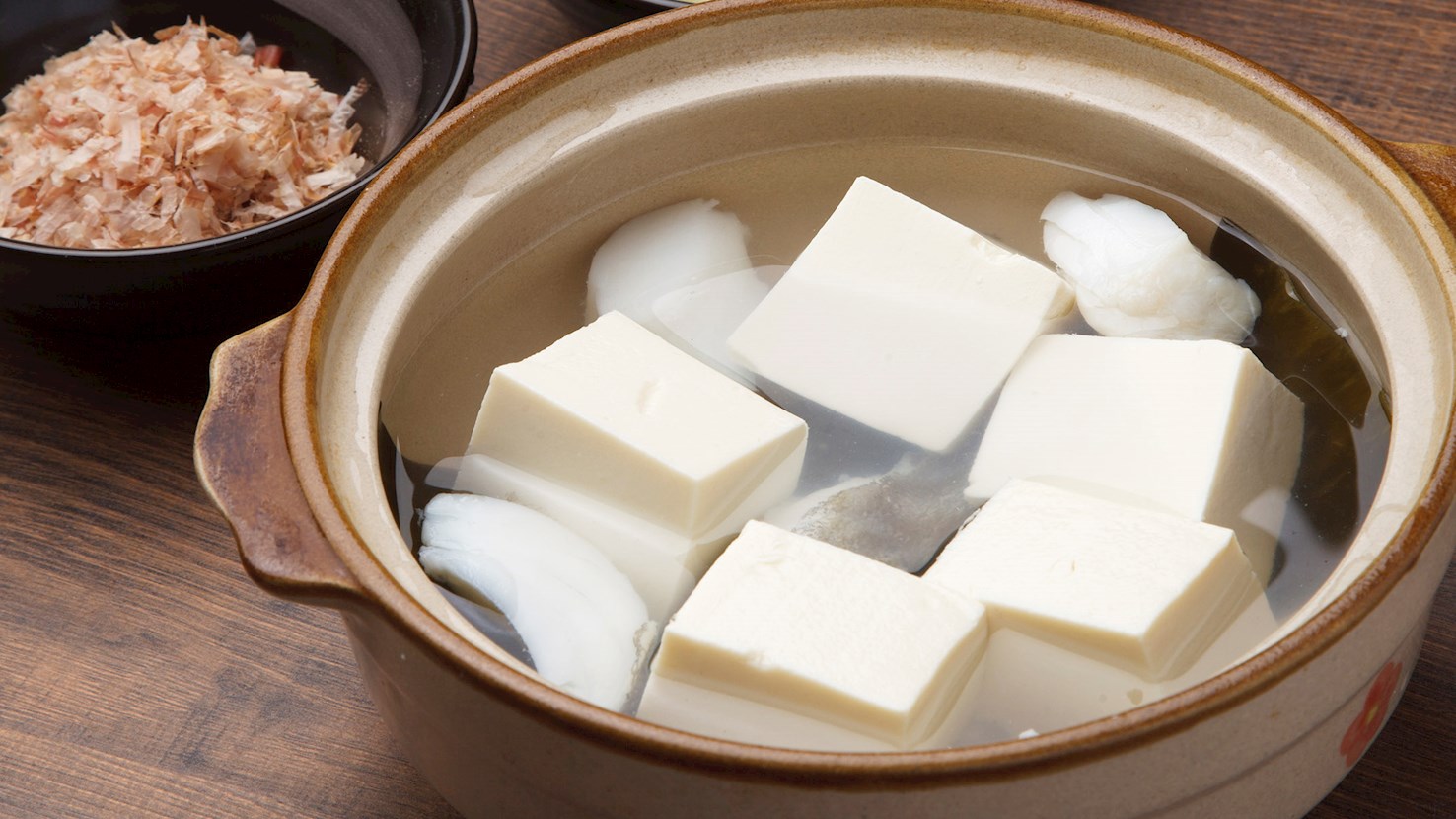
Yudofu, which translates to hot water tofu, is one the simplest Japanese dishes. As the name suggests, the tofu is merely heated in warm water, which is usually only spiced with dried kelp, a variety of dried seaweed. Yudofu was created by Buddhist monks who live in the Kyoto area and follow a strict diet which does not include any animal produce. The tofu used in yudofu has to be fresh, and restaurants serving the dish usually prepare fresh tofu on a daily basis. Most commonly, the kinugoshi tofu variety is employed in the dish, due to its silky and almost custard-like consistency. Traditionally, the dish is served in a traditional Japanese nabe pot, and the guests usually help themselves by taking a piece of tofu and placing it in their individual bowls. Occasionally, yudofu can be served already portioned, when it is commonly decorated with chopped scallions. This comforting traditional Japanese dish is regarded as a winter meal, and can be found in numerous Japanese restaurants, especially in the Kyoto area. Soy, ponzu, or mentsuyu sauce is typically served alongside the creamy hot water tofu.

Best restaurants
04

Motsunabe

3.5 ·

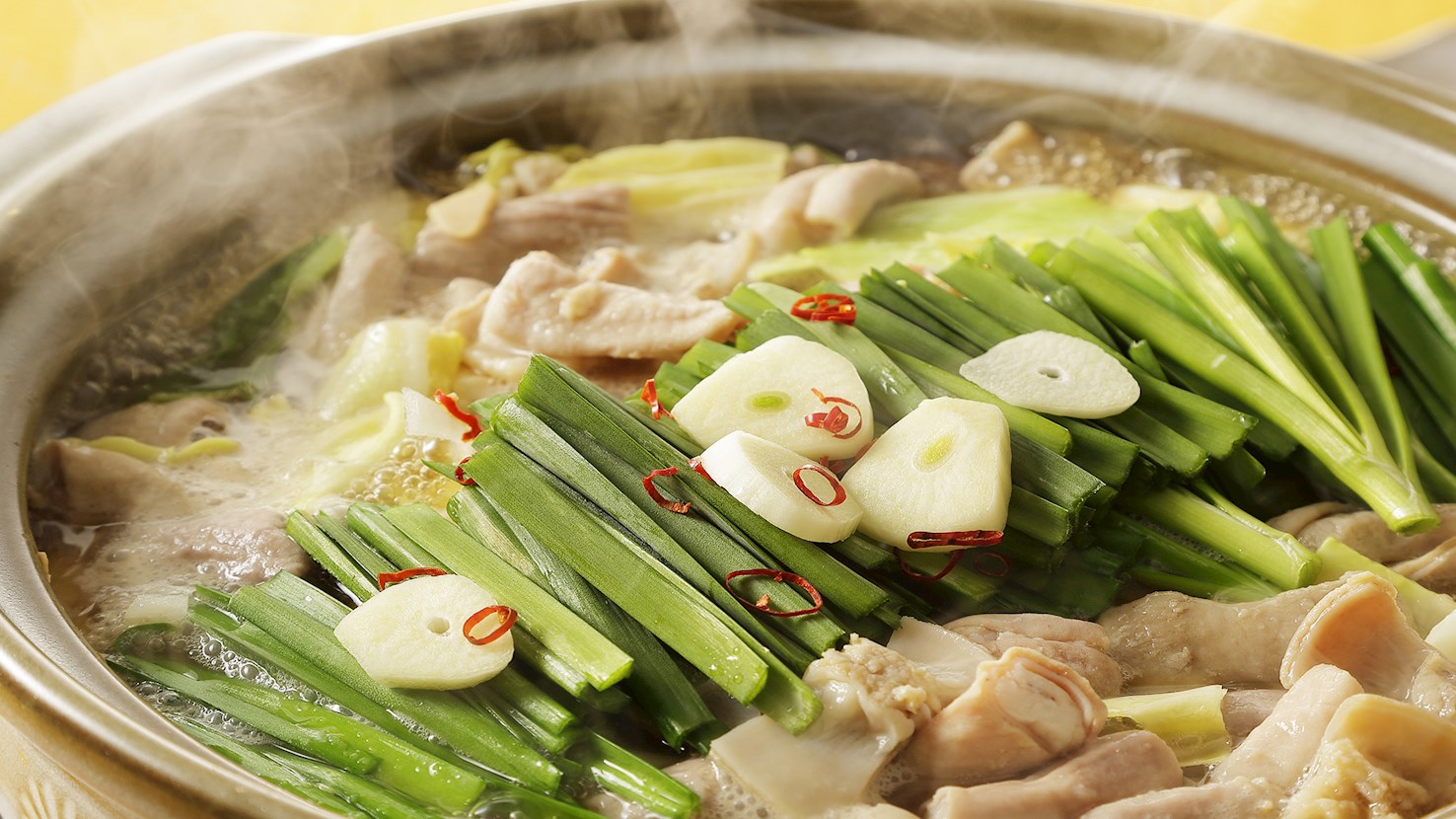
Motsunabe is a variety of nabemono, the versatile and hearty Japanese one-pot dishes. It consists of various pork, chicken, or beef offal cooked in the flavorful soy sauce or miso broth alongside cabbage, garlic chives, and occasionally other ingredients. This nutritious dish is believed to have originated in Hakata, a district in the city of Fukuoka, from where it spread to other parts of the country to become one of the favorite meals enjoyed during the cold winter season.

05

Chankonabe

3.4 ·

A highly caloric staple of the sumo wrestlers' diet, chankonabe is a rich stew consisting of dashi, sake, chicken or fish, and vegetables such as daikon and bok choy, although the dish has no fixed recipe and usually contains readily available ingredients that are full of protein. The dish is often served with rice, beer, and side dishes such as fried chicken and shrimp dumplings. Chankonabe dates back to the late 19th century, when cooks from Niigata started to make meals for sumo wrestlers. It is the main course of a sumo meal, and all the wrestlers have to eat it as a part of their weight-gain diet, whether they like the dish or not. The word chan refers to father, while nabe refers to one-pot meals that are often served at the table. However, chankonabe is not reserved only for sumo wrestlers, as it is a nutritious and filling bowl of soup that is ideal for winter, but it should be consumed in moderation in order not to gain too much weight.

06

Mizutaki Chicken

n/a ·

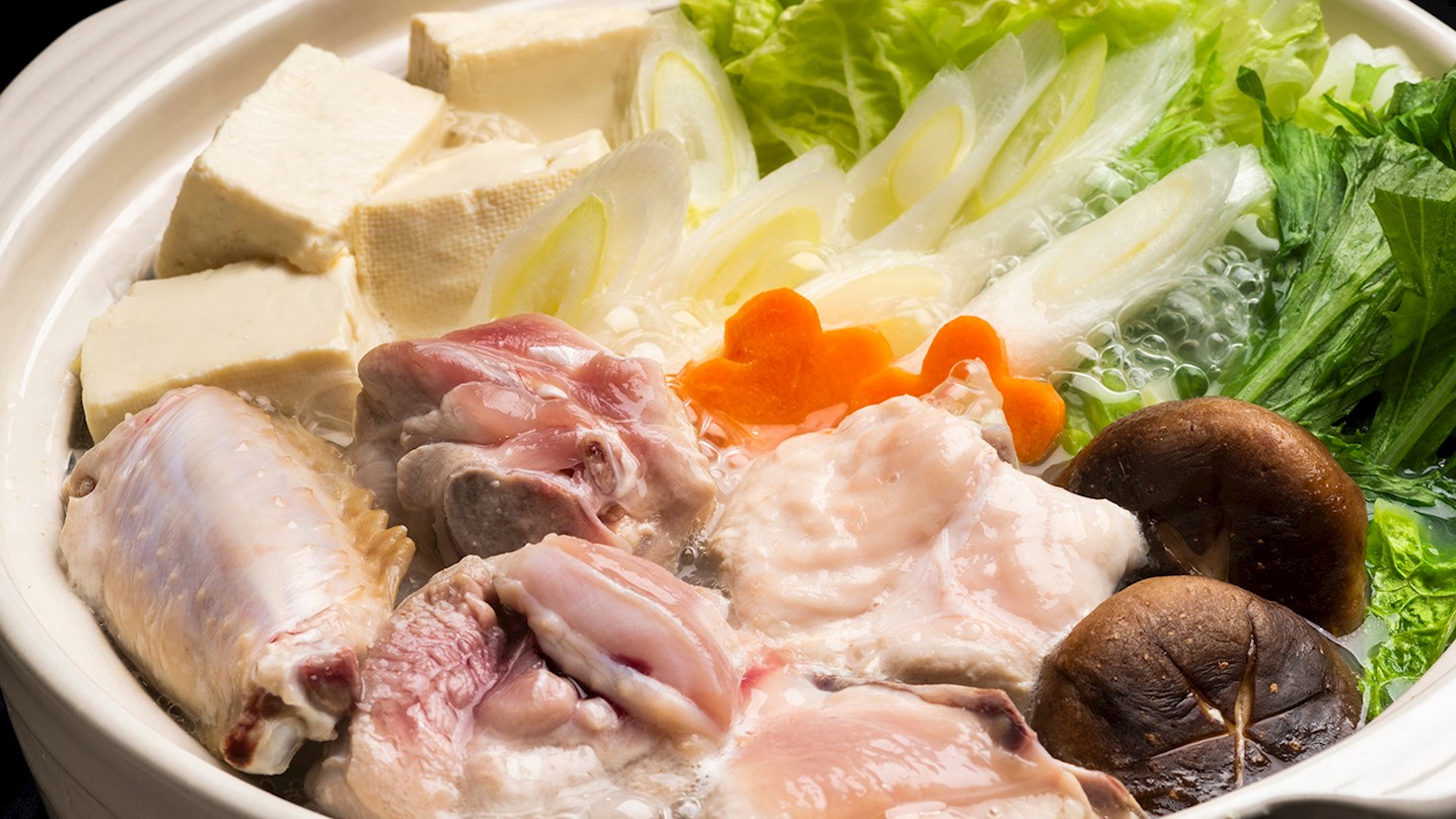
Mizutaki chicken is a Japanese dish inspired by Chinese cuisine, originating from Hakata (Fukuoka) during the Meiji Era. The dish consists of chicken that's cooked with vegetables. Once cooked, the chicken and vegetables are placed into chicken stock, then picked out and dipped in ponzu sauce and eaten with condiments such as chopped leeks. After the meat and vegetables have been taken out, rice can be cooked in the leftover stock to make a savory porridge. This warming dish is especially popular during cold winter months, when it's prepared communally at the table.

07

Kinoko nabe

n/a ·

Kinoko nabe is a traditional dish and a type of hot pot prepared with mushrooms as the main ingredient. The dish is usually prepared with a combination of mushrooms (shimeji, maitake, nameko, shiitake), Japanese eggplants, cabbage, leeks, mustard greens, spinach, tofu, dashi stock, miso, mirin, and sake. The ingredients are simmered in the hot pot for a long time because the longer the mushrooms are cooked, the more umami is released. This flavorful hot pot dish is especially popular in autumn, when mushrooms are in season in Japan.

08

Chirinabe

n/a ·

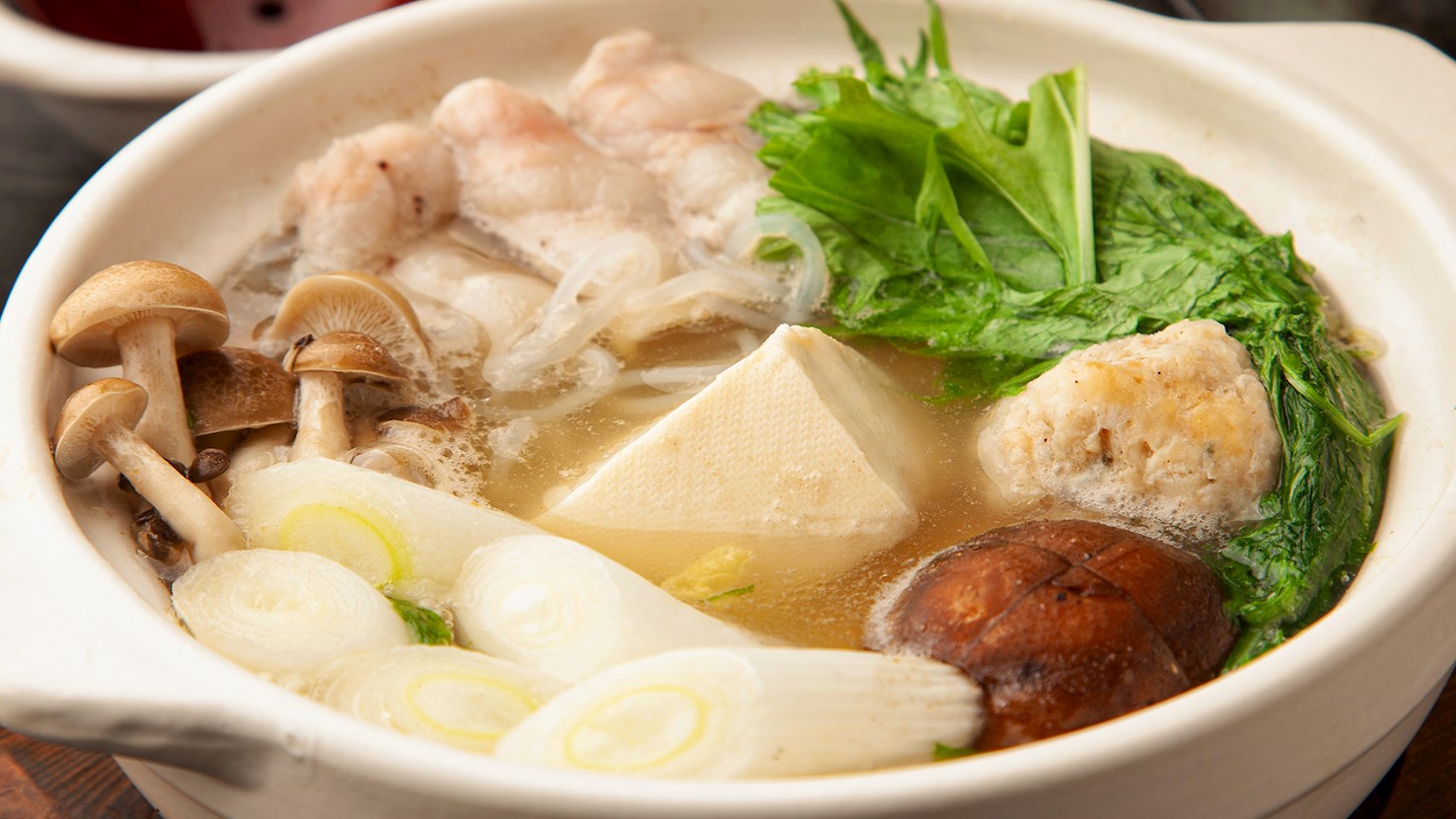
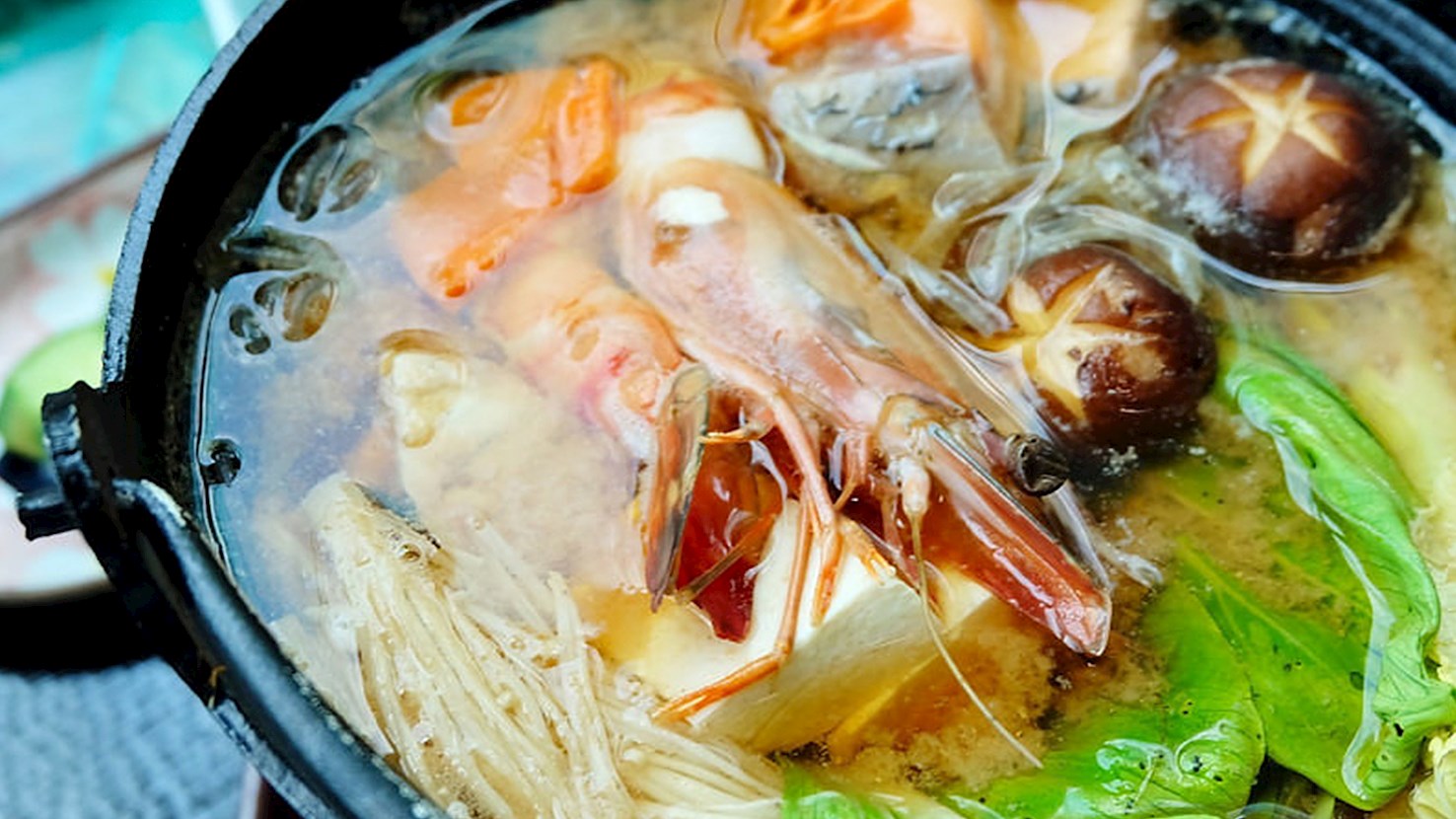
Chirinabe is a Japanese one-pot dish including tofu, chunks of fish such as sea bass or cod, and various vegetables such as mushrooms, cabbage, green onions, and daikon. In a restaurant, a bowl of simmering broth will be brought to the table, along with raw ingredients. Each diner then adds their preferred ingredients to the bowl and lets them cook until tender. Chirinabe is typically served with a variety of condiments on the side, which usually include ponzu sauce, used for dipping.

Best restaurants
About this Ranking

TasteAtlas food rankings are based on the ratings of the TasteAtlas audience, with a series of mechanisms that recognize real users and that ignore bot, nationalist or local patriotic ratings, and give additional value to the ratings of users that the system recognizes as knowledgeable. For the “8 Nabemono Varieties Ranked From the Best To the Worst” list until July 17, 2026, 785,456 ratings were recorded, of which 511,199 were recognized by the system as legitimate.

TasteAtlas Rankings should not be seen as the final global conclusion about food. Their purpose is to promote excellent local foods, instill pride in traditional dishes, and arouse curiosity about dishes you haven’t tried.

What People Say

Similar Lists