


shutterstock

Top 4 Brazilian Natural Rind Cheeses

Last updated on June 05, 2026
01

Canastra

4.4 ·

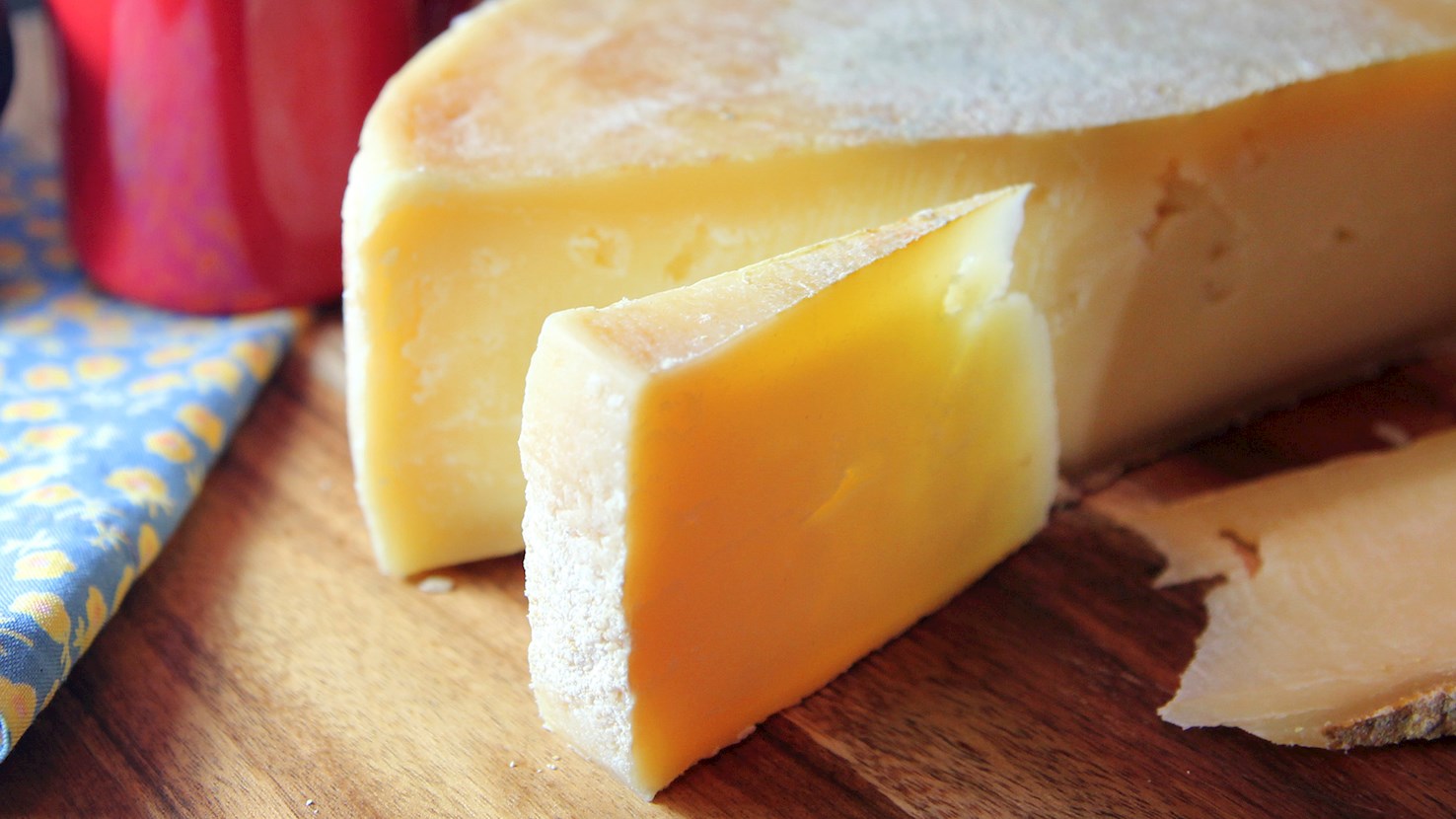
Canastra is a Brazilian cheese made from raw cow’s milk. It originates from the area of Serra da Canastra in the state of Minas Gerais, hence the name. The cylindrical cheese is either semi-hard or slightly softer, and its flavor is mildly acidic and slightly spicy. Traditionally, Canastra matures for 21 days, but some producers leave it to mature even longer, up to 40 days, when its flavor resembles that of Grana Padano. In the past, the cheese was made for special occasions such as visits from royalty and captains. It is recommended to pair it with red wine, dark beer, and guava paste. In 2008, this cheese was proclaimed an intangible cultural heritage of Brazil.

02

Queijo de Coalho

4.3 ·

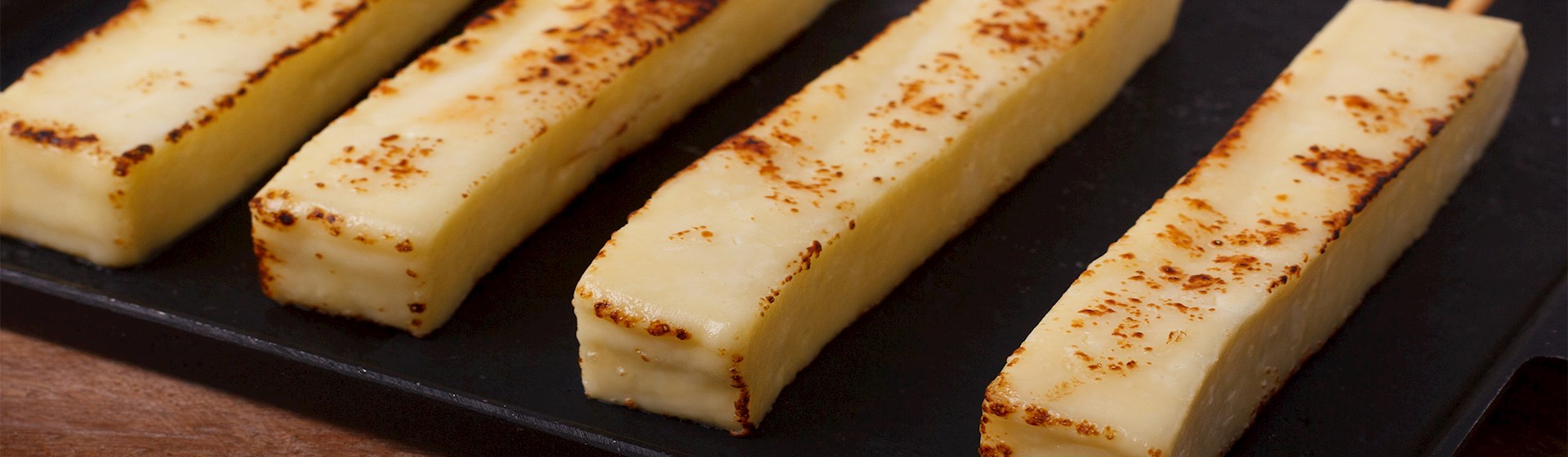
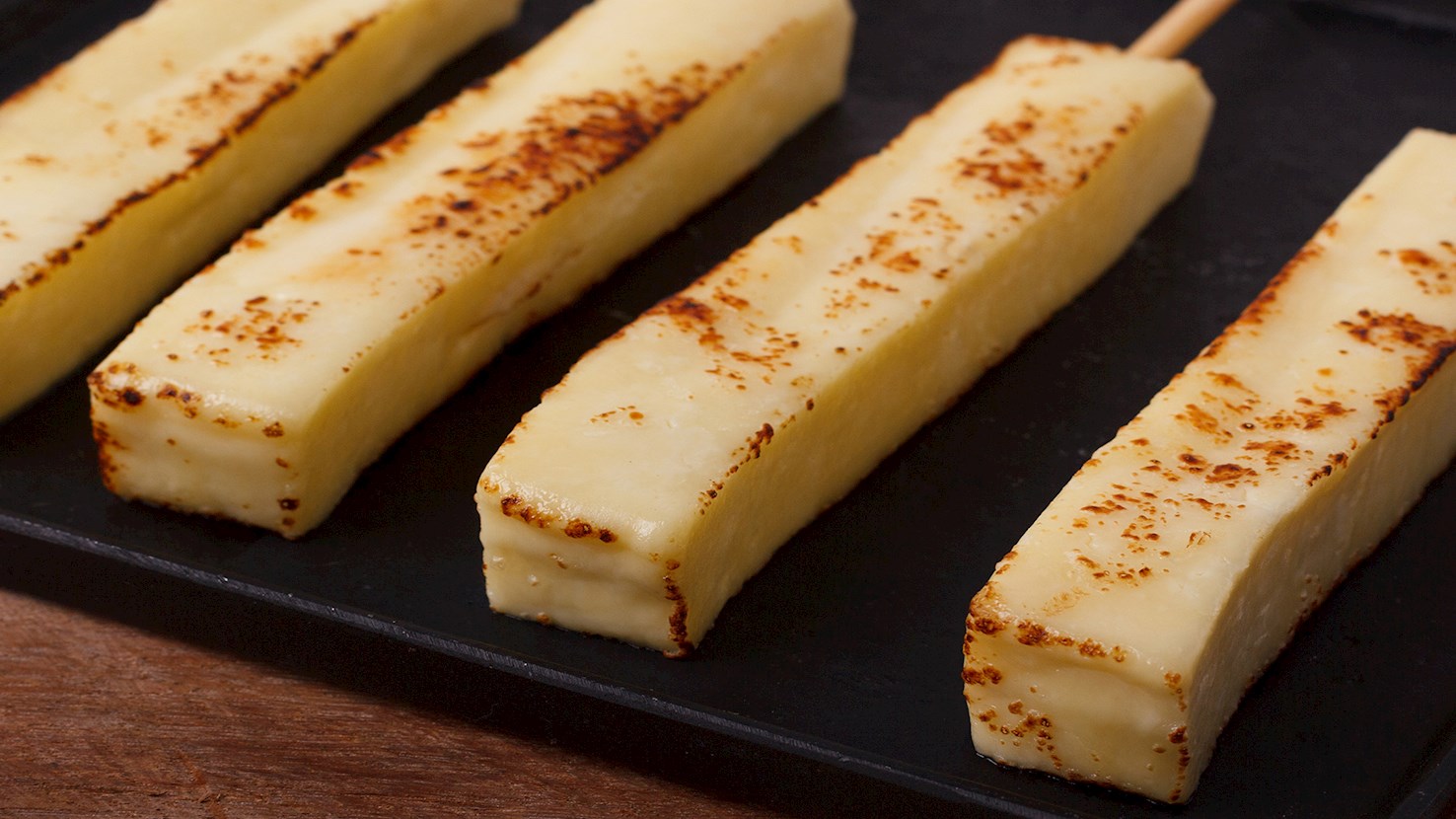
Queijo de coalho is a traditional cow's milk cheese from the northeastern regions of Brazil. The cheese is characterized by its firm, yet elastic texture and a slightly yellow color. Coalho is often sold on sticks for roasting, because it can withstand high temperatures and does not melt easily. Its flavor is salty and acidic, making it an ideal snack on numerous Brazilian beaches, where it is usually grilled and sprinkled with oregano.

03

Queijo Minas

4.2 ·

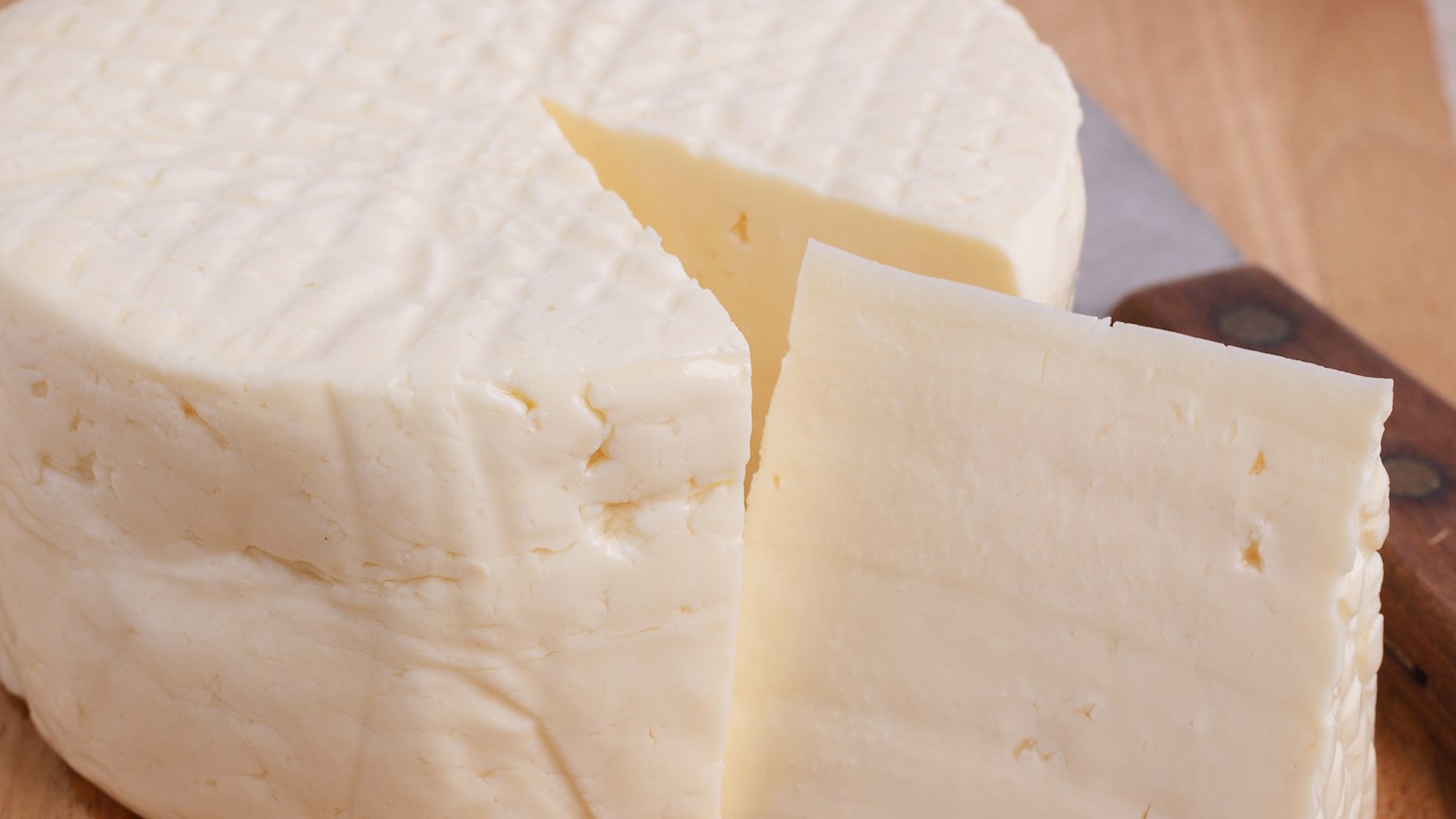
Queijo Minas is a handmade cheese made from raw cow's milk, characterized by its tender, spongy texture and moistness. The flavor of Minas cheese is mild and slightly salty, depending on its ripeness and the region of production. The cheese is often used in the preparation of sandwiches, pancakes, and pastries. It is recommended to pair it with cold cuts, salads, and various vegetables that develop intense flavors after cooking.

04

Queijo Borbinha (Borbinha Cheese)

n/a ·

Queijo Borbinha is a soft cow's milk cheese produced by the Bolderini cheese factory. It has a milky flavor and aroma, mild acidity, and a slight earthiness due to the rind. The cheese is aged for approximately 30 days. The top of the cheese is sliced off, the soft insides are consumed, and the rind is not. The cheese can be spread on bread and paired with jellies, sweets, and fruity drinks.

Read more
View all
View map
About this ranking

TasteAtlas food rankings are based on the ratings of the TasteAtlas audience, with a series of mechanisms that recognize real users and that ignore bot, nationalist or local patriotic ratings, and give additional value to the ratings of users that the system recognizes as knowledgeable. For the “Top 4 Brazilian Natural Rind Cheeses” list until June 05, 2026, 713 ratings were recorded, of which 380 were recognized by the system as legitimate. TasteAtlas Rankings should not be seen as the final global conclusion about food. Their purpose is to promote excellent local foods, instill pride in traditional dishes, and arouse curiosity about dishes you haven’t tried.

Similar lists