shutterstock

Top 23 Lombard Natural Rind Cheeses

Last updated on May 30, 2026

Best Lombard Natural Rind Cheese Types
01

Parmigiano Reggiano

4.6 ·

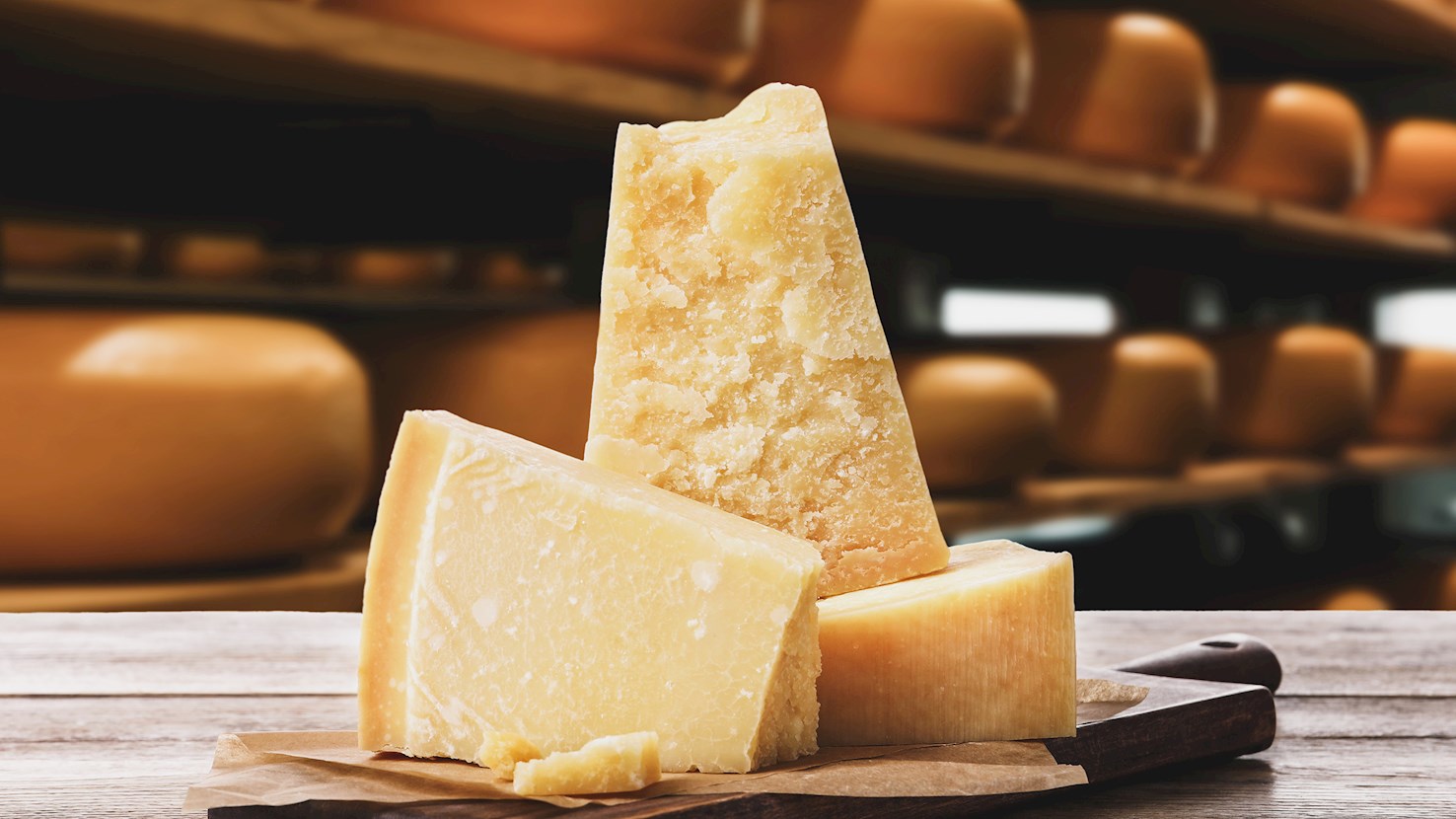
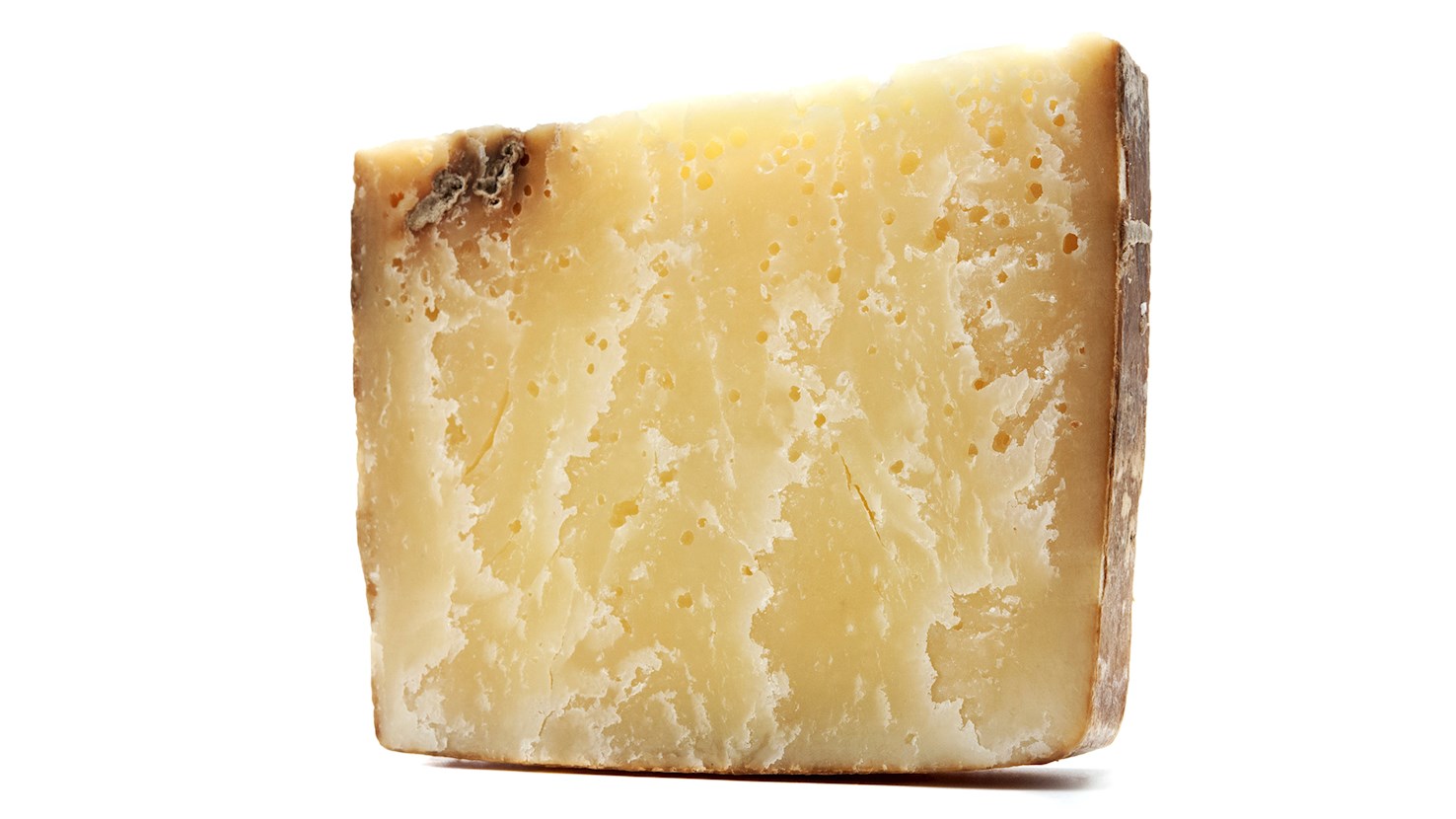
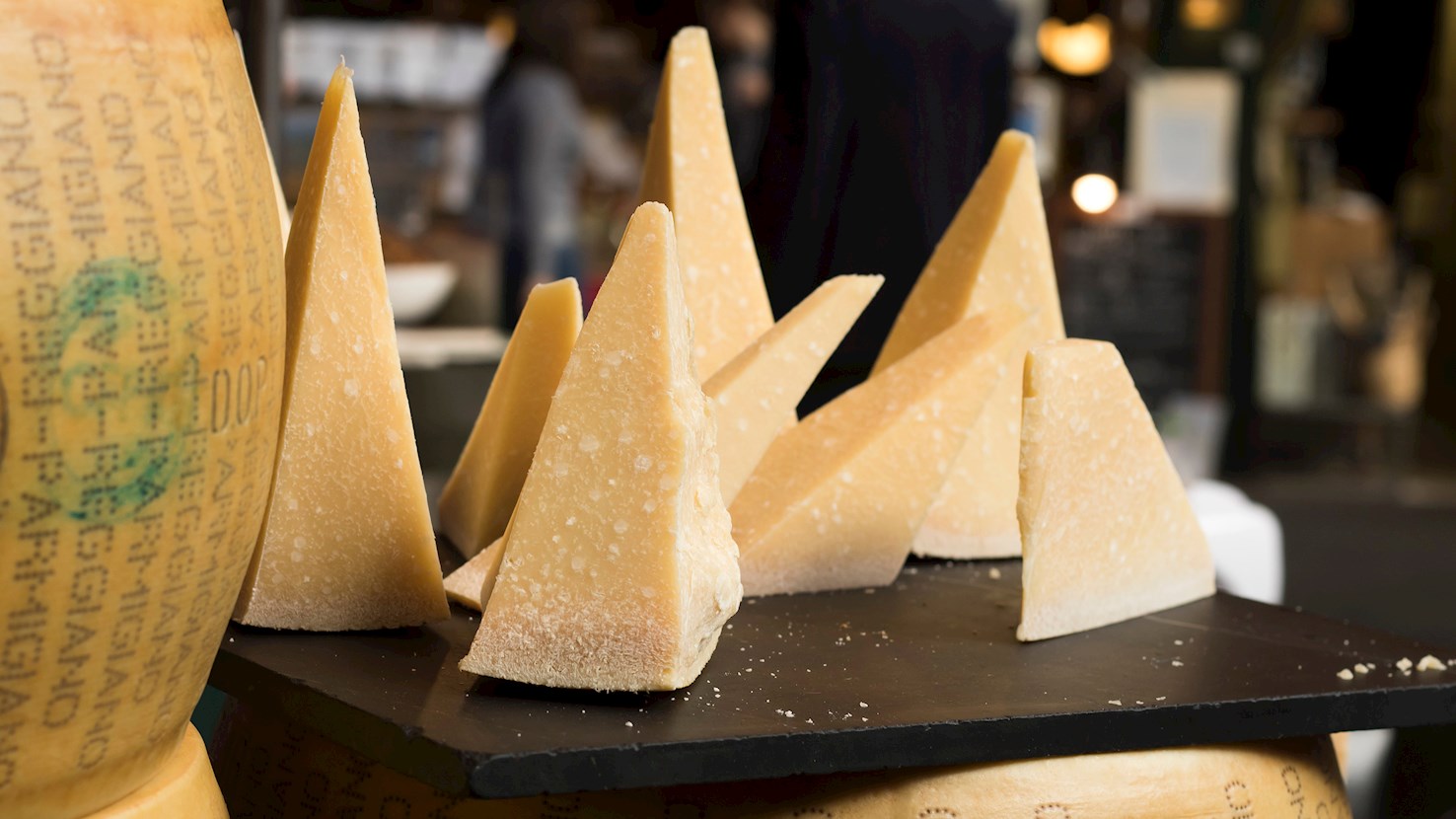
Considered to be among the world's top quality cheeses, Parmigiano Reggiano is made with raw, semi-skimmed milk from cows grazing on fresh grass and hay. It has a hard, gritty texture and its flavors range from nutty to robust and slightly piquant, depending on how long the cheese had matured. The origins of Parmigiano Reggiano date back to the Middle Ages, when the Benedictine and Cistercian monks reclaimed the Po Valley wetlands and started producing this much-prized cheese. Since it originated and was mainly produced in the two city-states Parma and Reggio Emilia, the cheese was named Parmigiano Reggiano, meaning "a cheese from Parma and Reggio Emilia." The cheese got its name in the 19th century, and the word order is speculated to be purely due to alphabetical order. Today, the cheese goes by the unofficial Parmigiano, which is because Parma started promoting this cheese as coming from Parma when it became the capital of the Duchy of Parma and Piacenza in the 16th century. Today, it is produced in the provinces of Parma, Reggio Emilia, Modena and Bologna in Emilia-Romagna, as well as in the Lombardian province of Mantua. Parmigiano is available in following varieties: Mezzano (2nd selection, aged for 12-15 months), Parmigiano Reggiano (aged for 12-24 months or longer) and Parmigiano Reggiano Extra, which needs to pass an additional quality assessment test after 18 months of aging. This particularly versatile cheese is one of the essential ingredients used in a number of classic Italian dishes; it is ideal for grating over pasta, minestrone and consommé, but it can also be enjoyed as a table cheese, typically served with crudités, salads and fresh fruit or nuts.

02

Grana Padano

4.4 ·

First produced in the 11th century by the Cistercian monks of the Santa Maria di Rovegnano Abbey in Chiaravalle Milanese, Grana Padano is known as one of the very few parmesan cheeses that can possibly compete with the far more famous Parmigiano-Reggiano. This hard cheese is made from unpasteurized, semi-skimmed cow’s milk and it is available in these varieties: Grana Padano, Trentin Grana, and Grana Grattugiato. It is sold at different ripening stages: Grana Padano (9-16 months), Grana Padano Oltre 16 mesi (over 16 months) and Grana Padano Riserva (over 20 months). Today, Grana Padano can be found throughout the Po Valley, namely in the regions of Lombardy, Trentino-Alto Adige, Veneto, and Emilia Romagna. As the cheese ages, the flavors become more pronounced, savory, and complex, while the texture becomes even more grainy and crumbly. It can be enjoyed either as a table cheese or it can be grated over a wide array of dishes, and while the younger versions are typically paired with white wines, Grana Padano Riserva goes hand in hand with full-bodied red wines. Regarding food pairings, Grana Padano 9-16 months should be paired with apricots and black tea, Grana Padano Oltre goes well with strawberries and pepper, while the Riserva variety tastes exceptionally well when served with pears and Madagascar vanilla. The final grading and branding of the cheeses that have passed the tests for aroma, appearance, and texture is done by the Consorzio di Tutela del Formaggio Grana Padano DOP, established in 1954. The Consorzio also protects the cheese from imitations and promotes it around the world.

03

Gorgonzola dolce

4.3 ·

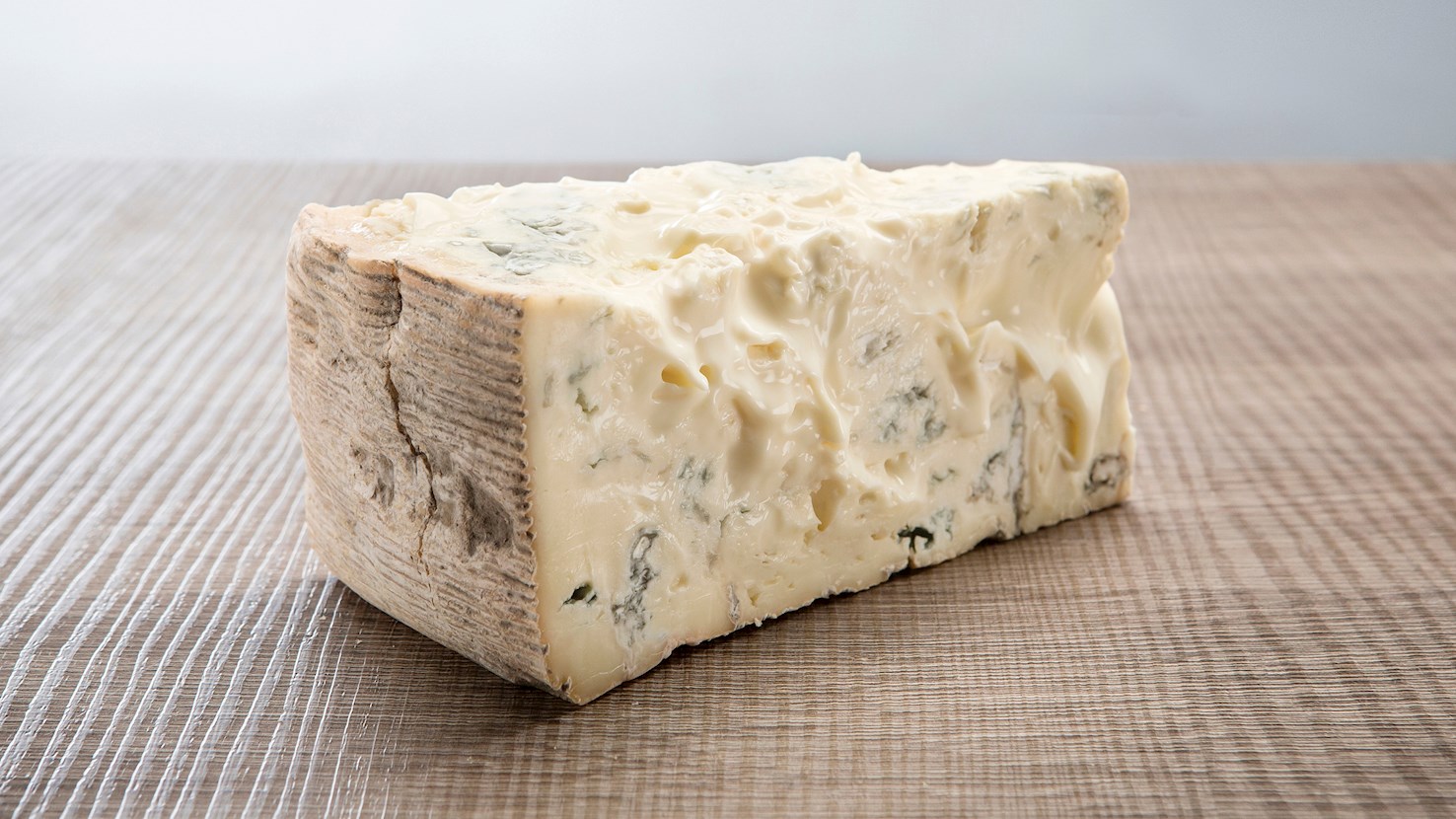
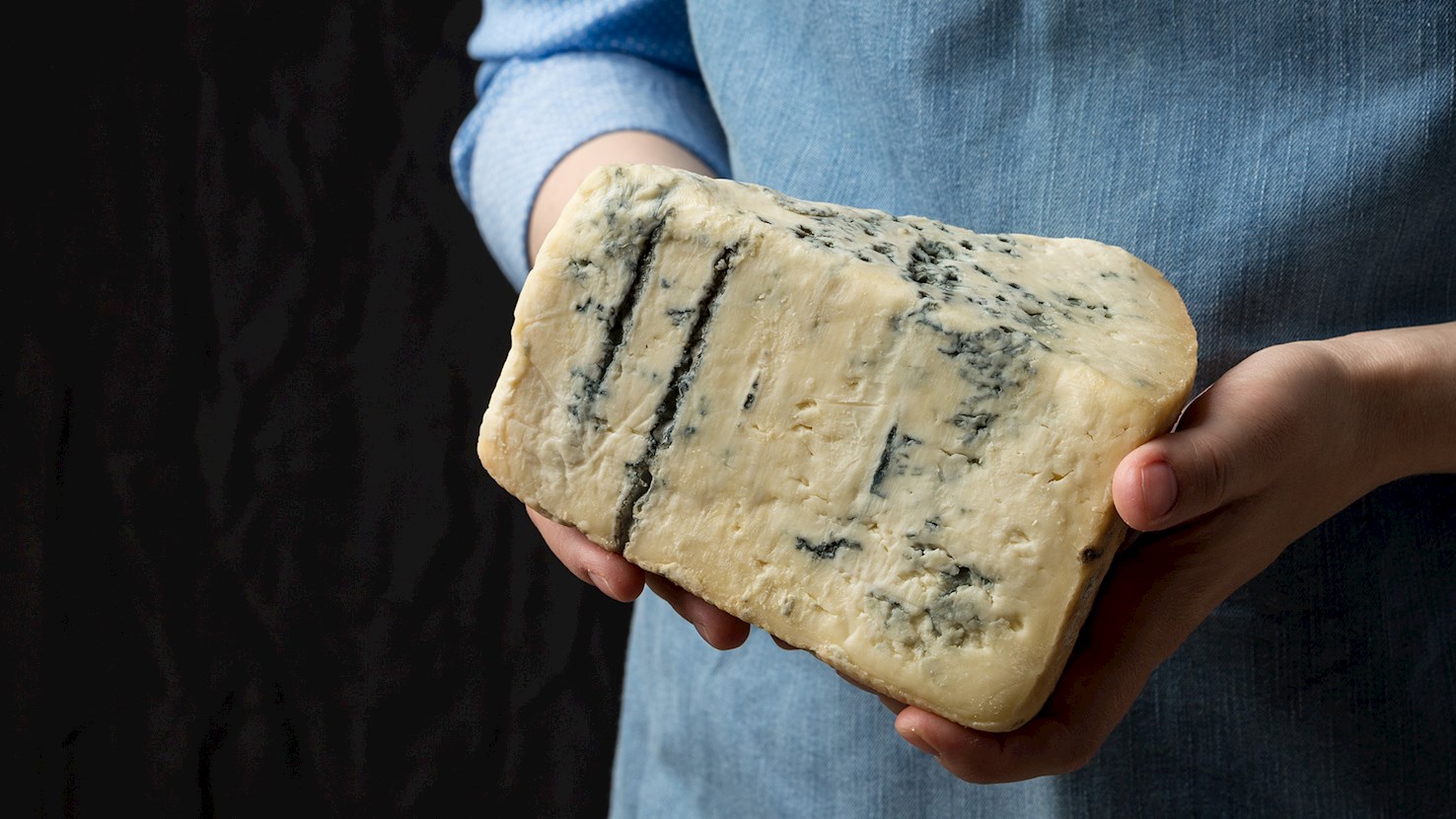
Gorgonzola dolce is a traditional variety of Gorgonzola cheese. The cheese is made from pasteurized cow's milk and it's left to age for at least 45 days before consumption. Underneath its natural moldy rind, the texture is creamy, with blue veins running throughout the paste. The aromas are mild and milky, while the flavors are creamy, mild, sweet, and buttery, unlike the Gorgonzola piccante cheese. It's recommended to pair Gorgonzola dolce with Vin Santo or Champagne.

04

Gorgonzola piccante

4.3 ·

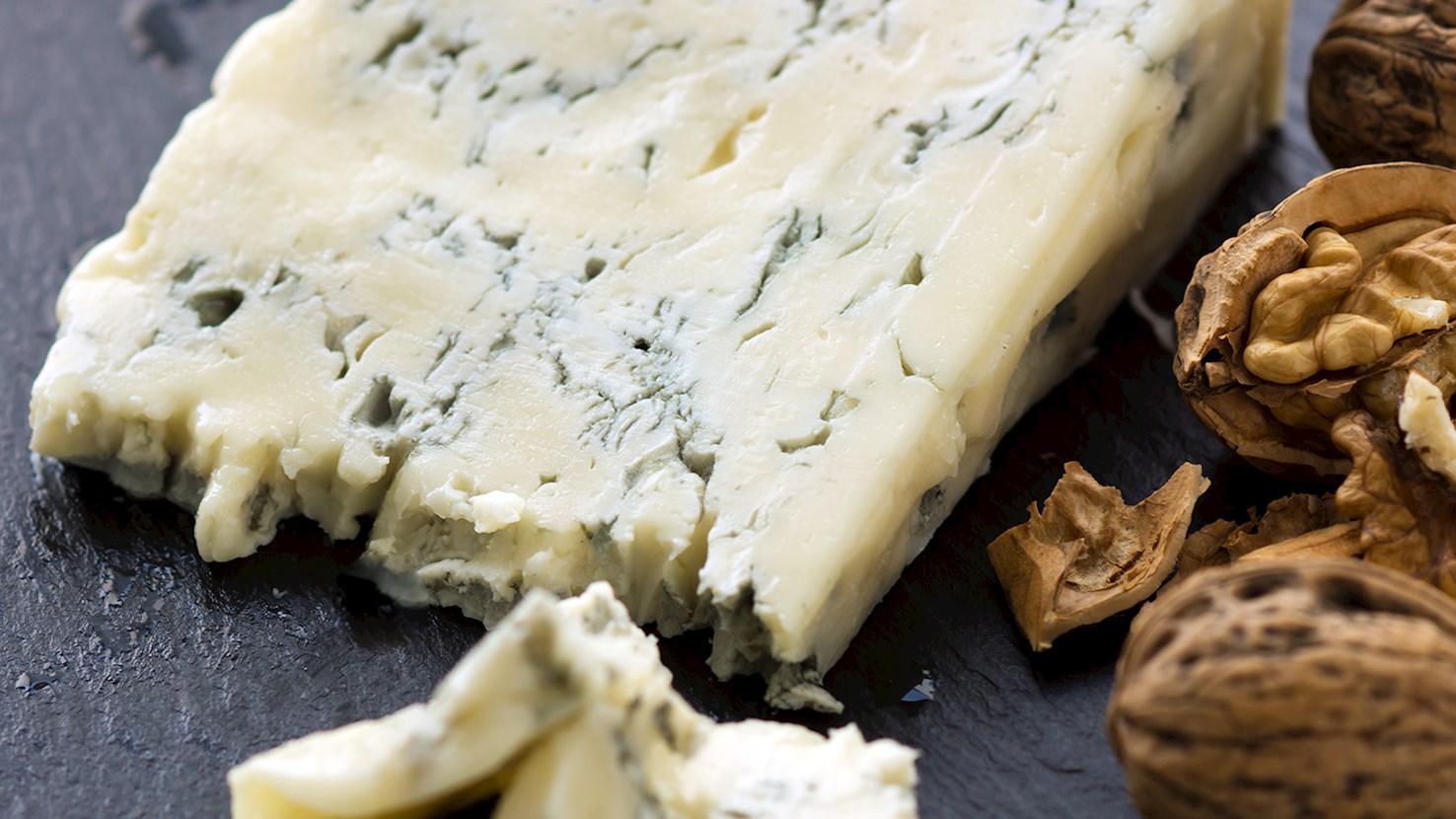
Gorgonzola piccante is a traditional variety of Gorgonzola blue cheese made from pasteurized cow's milk. Underneath its natural moldy rind, the texture is crumbly and compact, with blue veins running throughout the paste. The aromas are spicy and pungent, while the flavors are sharp, strong, intense, and creamy, unlike the Gorgonzola dolce version. This piquant cheese is usually left to age for a minimum of 80 days. It's recommended to pair gorgonzola piccante with rum, port, or mead.

05

Bitto

4.2 ·

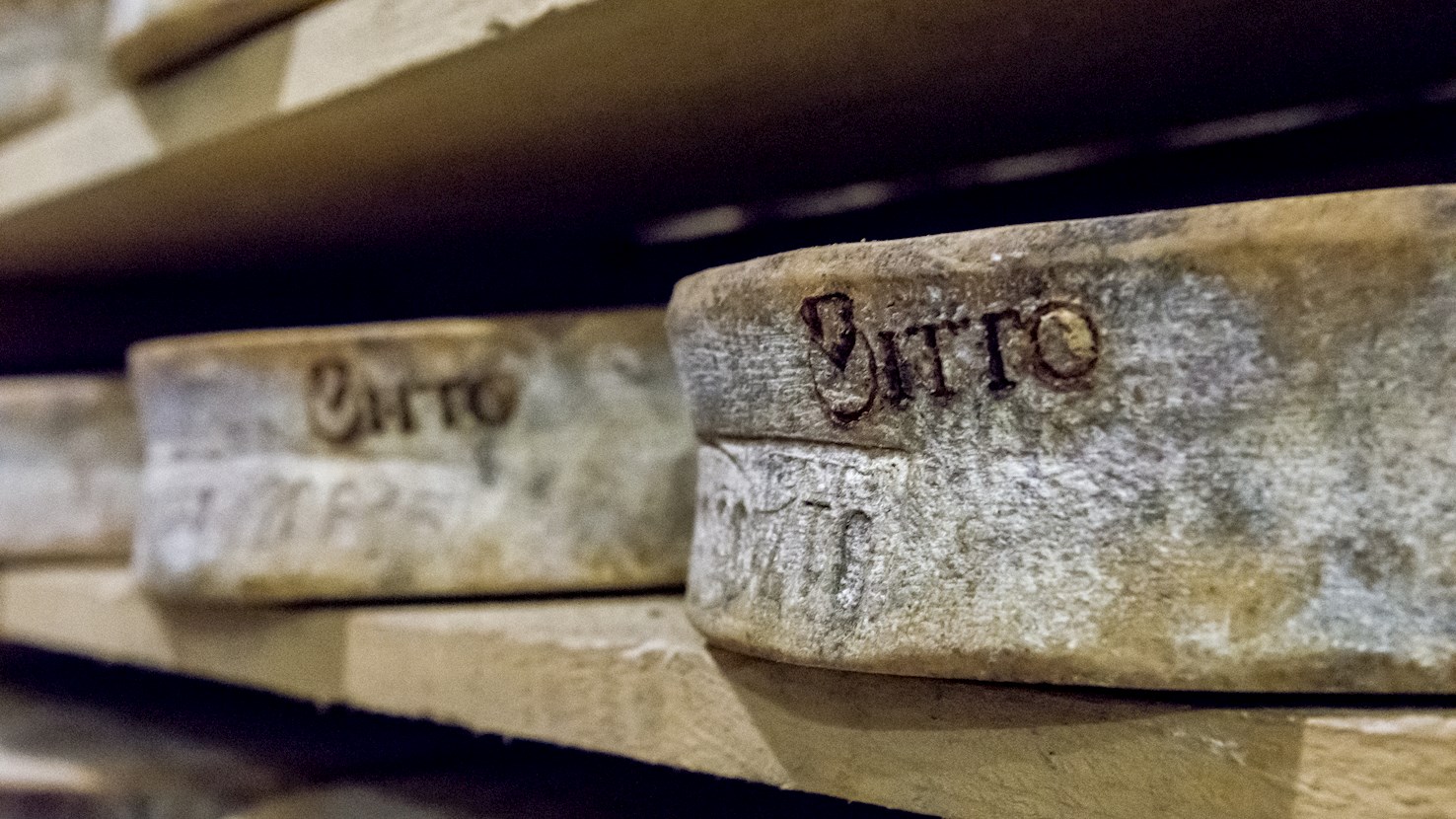
Certainly the finest and most well-known cheese of Valtellina valley, Bitto is a semi-hard or hard cheese, sold after it has been aged anywhere from 40 days to 3 years. The ancient production technique of this iconic Lombardian cheese dates back to the Celts, who were expert shepherds and dairymen. Having been forced off the plains by the Romans, they found refuge in the mountainous region of Valtellina. Bitto is made from cow's milk with the addition of 10-20% of goat's milk. Young bitto is called giovane and it is soft in texture, white in color, and has a sweet flavor, similar to Gruyère. As it ages, it gets crumbly and small white dots appear on the rind. After a year of aging, it turns yellowish, has quite a sharper taste, and is typically used for grating. Thanks to its unique feature of long-term preservation, if conserved and matured well, the best Bitto cheeses can be kept for over 10 years!

06

Provolone Valpadana

4.1 ·

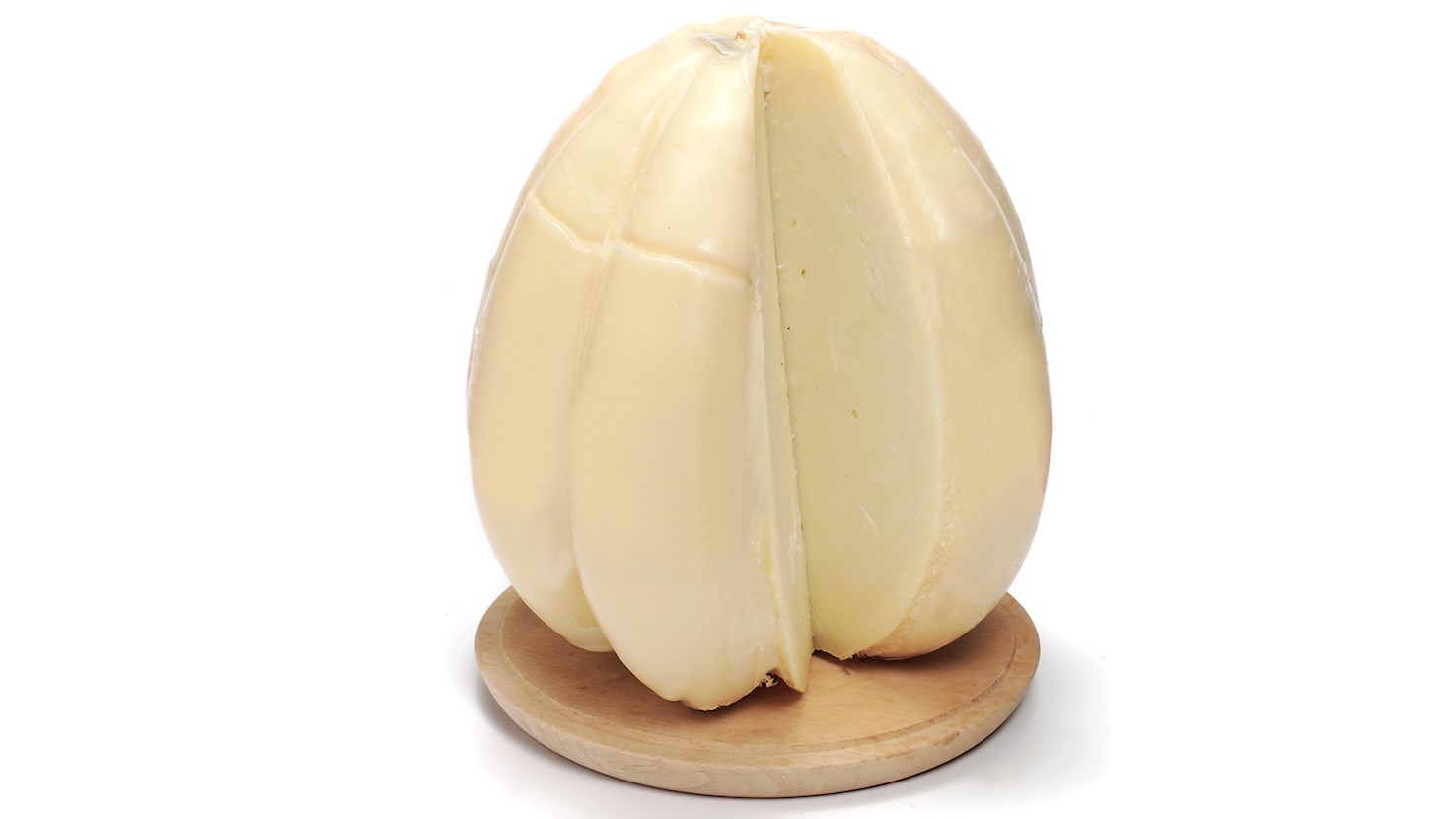
The origins of Provolone Valpadana date back to the early 1800s and the Unification of Italy, when people from the South started migrating towards the Po Valley and brought the tradition of dairy cattle farming and the technique for stretched-curd cheese production with them. Provolone Valpadana is nowadays produced all across Northern Italy; it is made with whole cow's milk and available in two varieties, Dolce (sweet) and Piccante (piquant), both of which can be Affumicato (smoked). Aged for 2-3 months, Provolone Dolce has a delicate flavor and goes well with young, fruity wines, while Provolone Piccante is matured for at least 4 months and paired with aged, red wines, since it has a much sharper, tangy flavor. Both varieties are extremely versatile and often enjoyed breaded and fried, grilled, or served with Mostarda di Cremona, a Northern Italian condiment made of different fruits preserved in a mustard seed flavored syrup.

07

Bagoss

4.1 ·

Bagoss is a unique Italian cheese produced in a small village called Bagolino. It is made from the Bruna Alpina cow's milk, and during the curd breaking, saffron is added to the cheese, resulting in typical straw yellow color of the body. The cheese is aged for at least 12 months, but it can be left to mature for up to 3 years. Its rind is smooth, while the aromas are reminiscent of freshly cut grass. The flavor is savory, slightly spicy, and piquant. Bagoss should always be consumed at room temperature so that the hints of chestnuts and walnuts can be fully experienced and appreciated. It's recommended to pair the cheese with full-bodied aged red wines and young sparkling wines. Bagoss is often used as a filling for savory dishes, but it can also be grated over pasta, soups, or risottos. For the best experience, let it slowly melt over a slice of piping hot polenta.

08

Gorgonzola

4 ·

First produced in 879 CE in Gorgonzola, a Lombardian town settled just outside of Milan, this type of blue cheese is made with cow's milk and distinguished by green or blue marbling of mold. To induce blue veining, the milk is inoculated with penicillin spores. Depending on its age, this Italian cheese is available in two varieties. Matured for about two months, Gorgonzola Dolce is quite soft, creamy and has a mild flavor with notes of butter, sour cream, and a less pronounced lactic tang, whereas Gorgonzola Piccante is a firmer, more crumbly version and must be aged for at least three months to develop its strong, pungent flavor. This versatile cheese can be enjoyed in a number of ways: melted into risottos or pasta sauces, crumbled over salads or simply served as an appetizer accompanied by fresh fruits, vegetables, and nuts such as green apples, figs, pears, walnuts, celery, and radish.

09

Valtellina Casera

3.7 ·

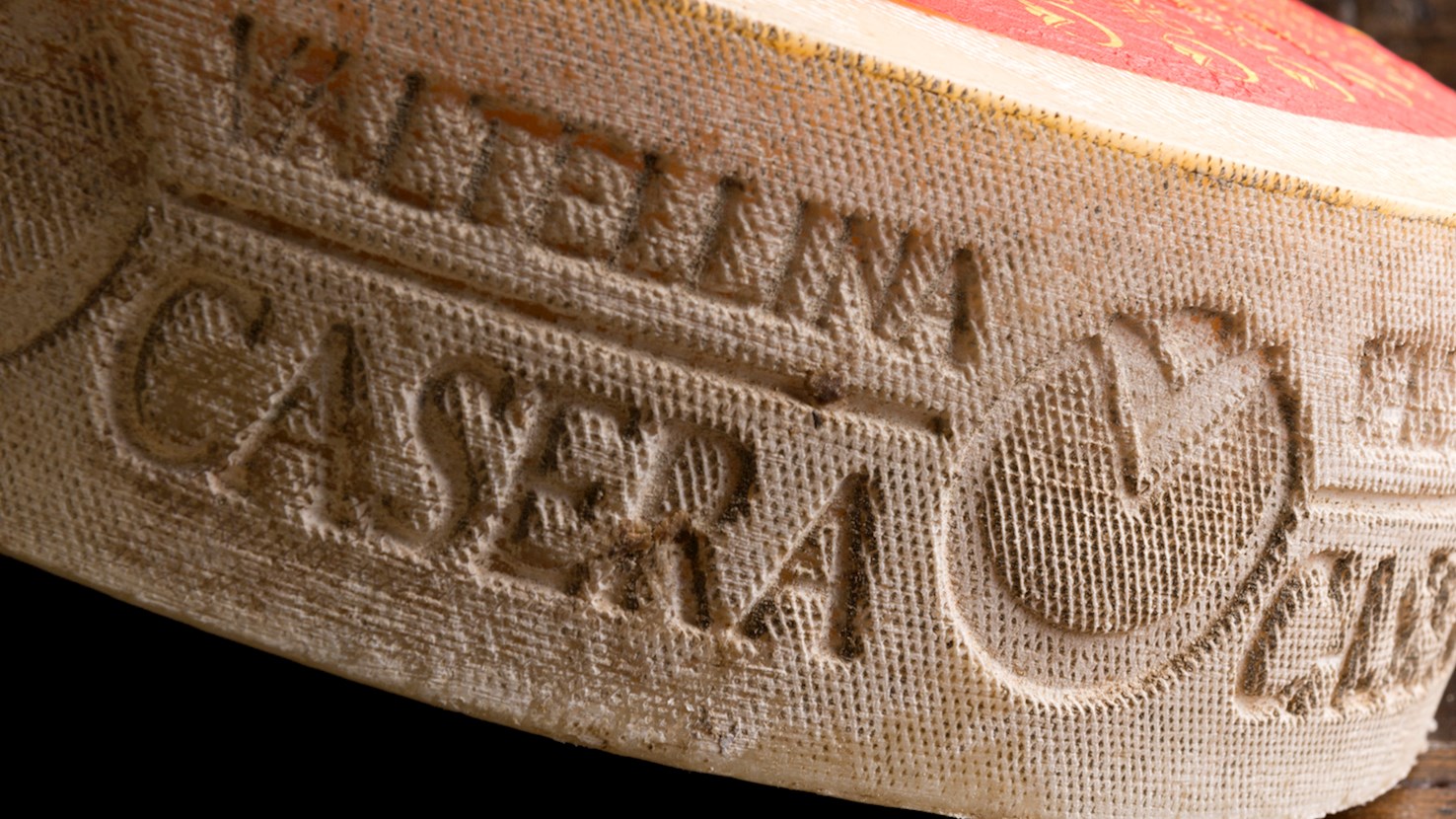
The origins of this Lombardian cheese can be traced back to the 1500s when the first cooperative dairies appeared in Valtellina valley. Derived from Latin words for cheese (caseus or casei), the word Casera was used to denote a cellar where cheeses were stored for ripening. Traditionally, the milk collected in the evening was first left to rest and then partially skimmed the next morning in order to make butter, while the milk obtained in the morning was added whole. Valtellina Casera is a semi-hard or hard cheese with a straw-colored rind, slightly rough to the touch, with a white to pale yellow paste. The taste of Casera is quite sweet, with a hint of dried fruit, and becomes more intense as the cheese matures. Depending on the ripening stage, there are three varieties of Casera: Giovane (70 days to 6 months), Stagionato (6 to 10 months), and Stravecchio (10 months and more).

10

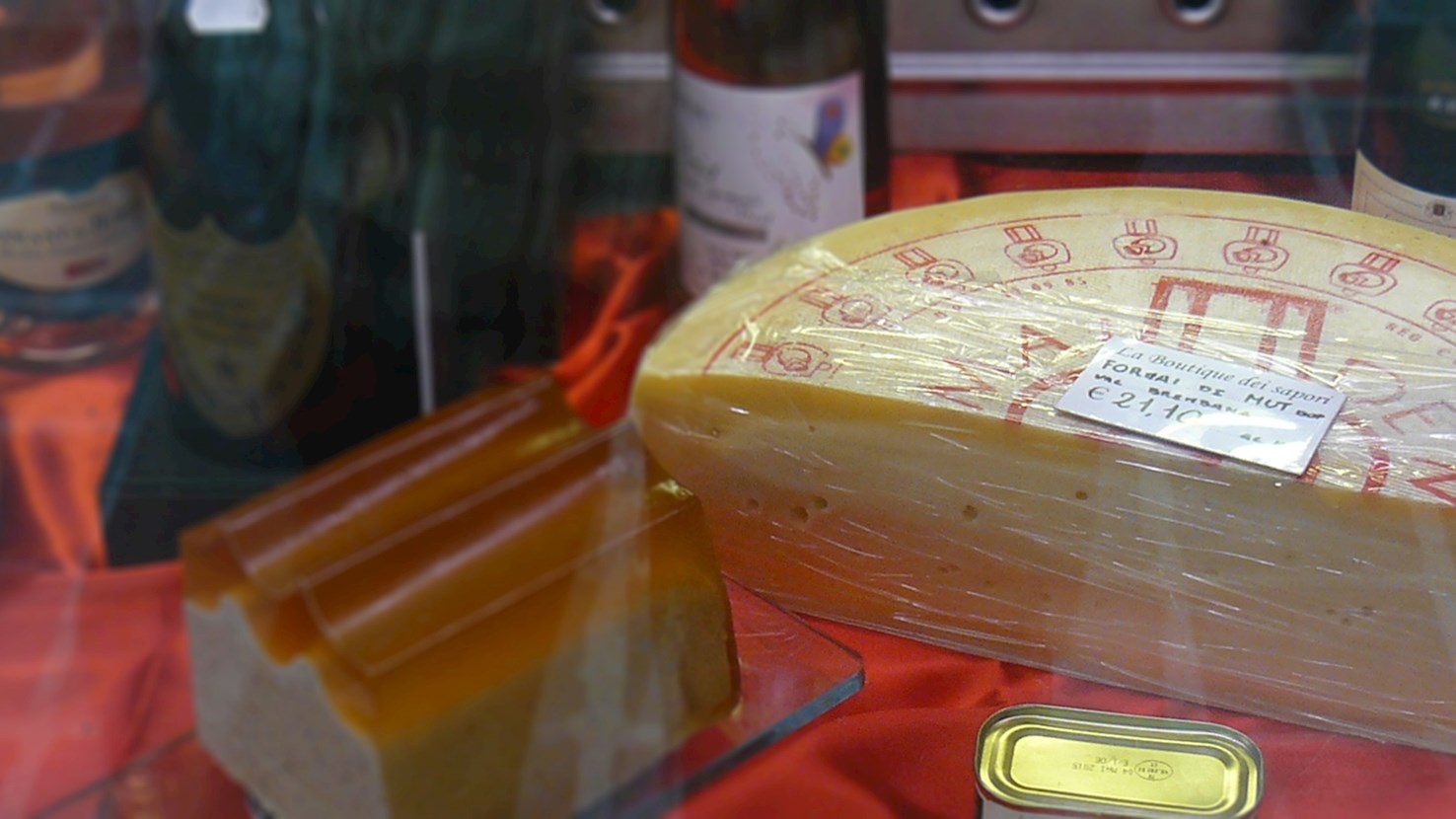
Formai de Mut dell'Alta Valle Brembana

3.4 ·

Traditionally produced within the Parco delle Orobie Bergamasche Alpine nature reserve in the Brembana Valley, namely the Lombardian province of Bergamo, Formai de Mut is a semi-hard cheese made with raw cow's milk. It is available in two varieties: cheese produced in the valley during winter (Fondovalle), and the one produced during summertime in the lush mountain pastures (d'Alpeggio). Ripened for at least six months, Formai de Mut is an excellent table cheese with quite a fragrant aroma, and a salty but not too spicy flavor. It is typically used for preparing local dishes such as Polenta Bergamasca, and pairs well with both red and white wines.

Best Lombard Natural Rind Cheeses
01

Latteria Soresina

4.8 ·
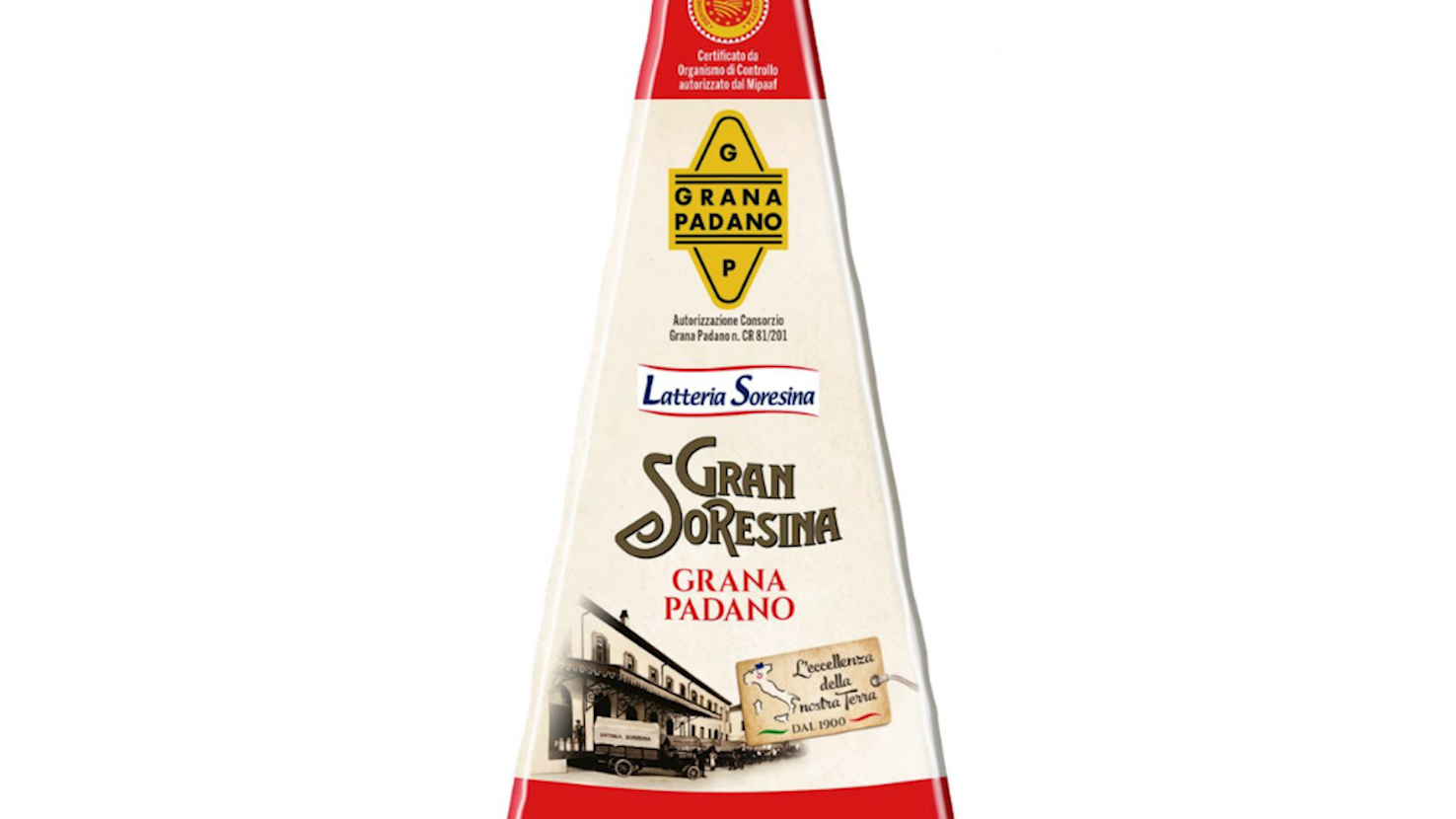
Latteria Soresina is one of Italy’s most respected dairy cooperatives, headquartered in the town of Soresina, in the Lombardy region. Founded in 1900 as a cooperative of local milk producers, Latteria Soresina today includes over 200 members and processes more than 500 million liters of milk per year. Its mission is rooted in preserving quality, origin, and traditional dairy production. The company is especially known for producing Grana Padano DOP, Burro Soresina (butter), Provolone Valpadana DOP, as well as milk, yogurt, and other dairy derivatives. Based on a vertically integrated model, Latteria Soresina controls the entire production chain – from farm to final packaging – ensuring product freshness, safety, and full traceability. Thanks to continuous innovation, strong export orientation, and a commitment to sustainable production, Latteria Soresina has become a leader in Italy’s dairy industry, present in over 60 international markets.
Awards
International Cheese Awards - Gold (2023)
World Cheese Awards - Gold (2023)
02

Arrigoni Sergio Formaggi

4.6 ·
Arrigoni Sergio Formaggi is a renowned Italian dairy company founded in 1914 in the province of Bergamo, at the heart of one of Italy’s most celebrated cheesemaking regions. The company specializes in the production of traditional DOP cheeses, while also developing innovative varieties with distinctive characteristics, maintaining a constant balance between tradition and modern technological standards. Arrigoni combines milk sourced from local farms with artisanal craftsmanship and strict quality control, ensuring consistency and authenticity in every product. Their cheeses are aged in both natural and controlled environments, with special attention given to maintaining optimal microclimatic conditions in their maturing cellars. Arrigoni exports its products worldwide and enjoys a strong reputation in the premium cheese sector, thanks to over a century of tradition, origin certifications, and unwavering dedication to quality.
Awards
World Cheese Awards - Gold (2019, 2016)
World Cheese Awards - Bronze (2019, 2015)
03

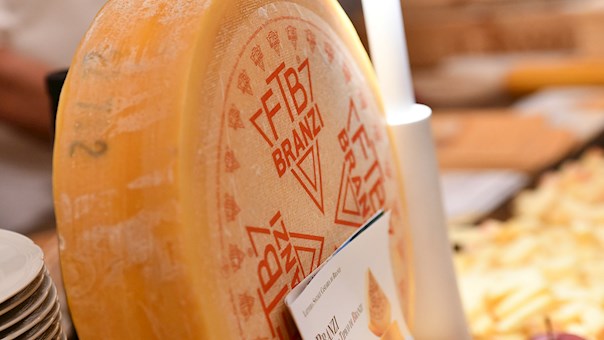
Latteria di Branzi

4.5 ·
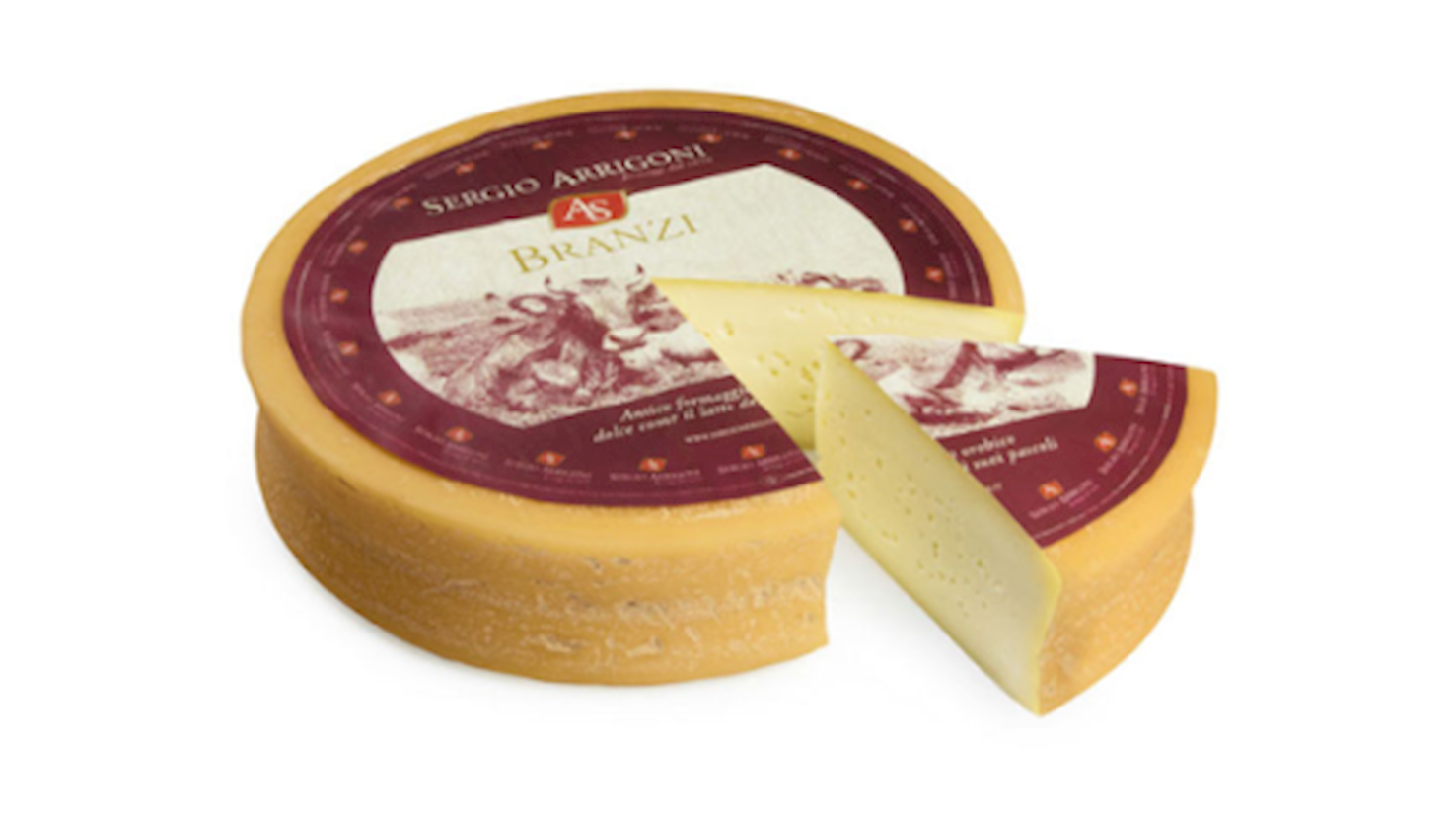
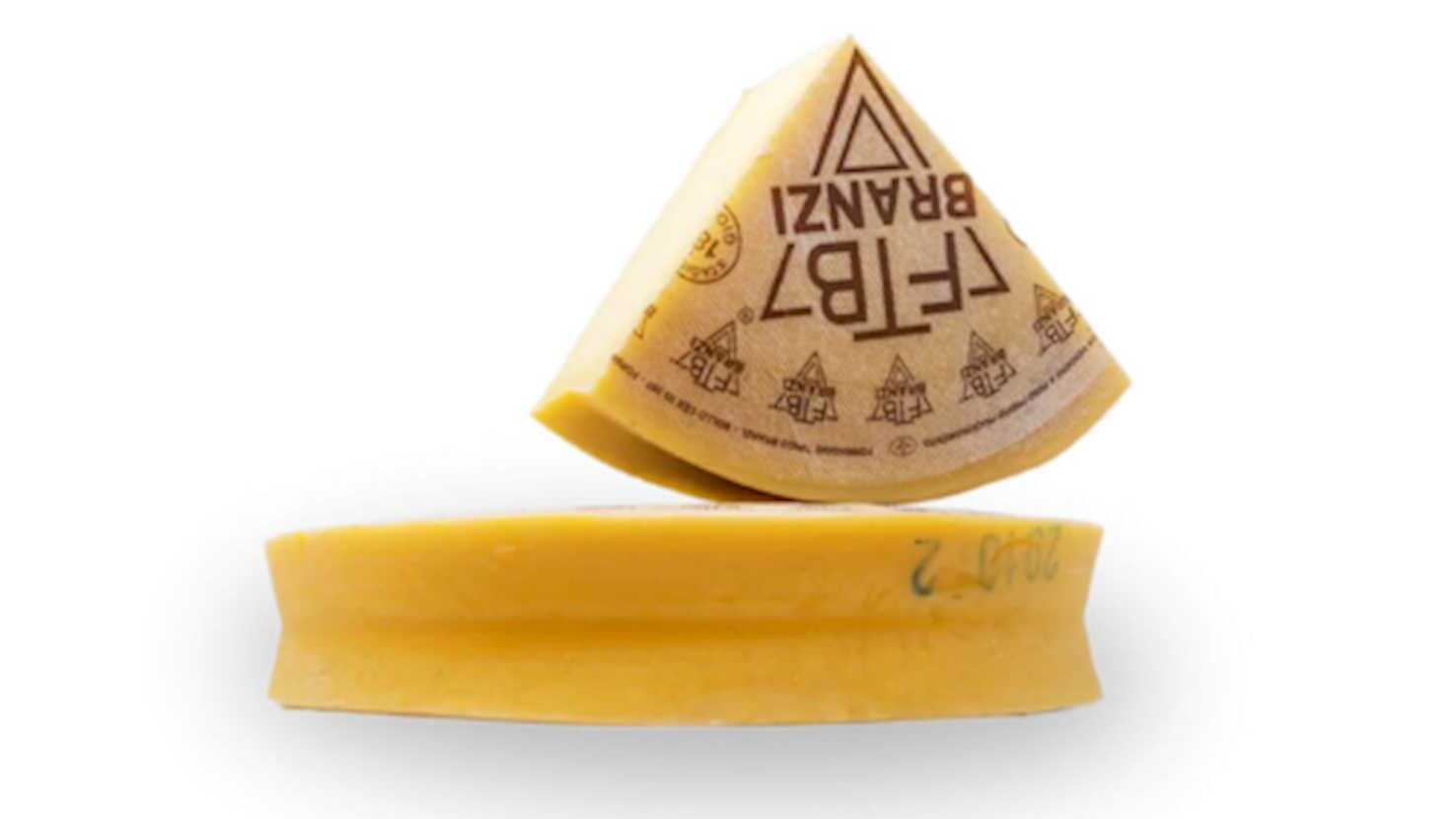
Latteria di Branzi is a renowned cheese producer with a tradition dating back to 1953. This dairy works with more than 70 small mountain farms, collecting milk used to produce traditional and high-quality cheeses. Their most famous product is Branzi, a cheese with a rich history, which is linked to other well-known cheeses from the region, such as Bitto and Formai de Mut. Latteria di Branzi stands out for its products that reflect the cultural and natural heritage of the mountainous area. Through its collaboration with small farms, Latteria di Branzi not only helps preserve local farming traditions but also supports the conservation of the plant and animal species that inhabit this mountainous region. The dairy is also actively involved in promoting sustainable farming practices that align with the preservation of natural resources.
Awards
World Cheese Awards - Super Gold (2023)
Italian Cheese Awards - ICA (2022, 2018)
04

Caseificio Arioli Achille

4.4 ·
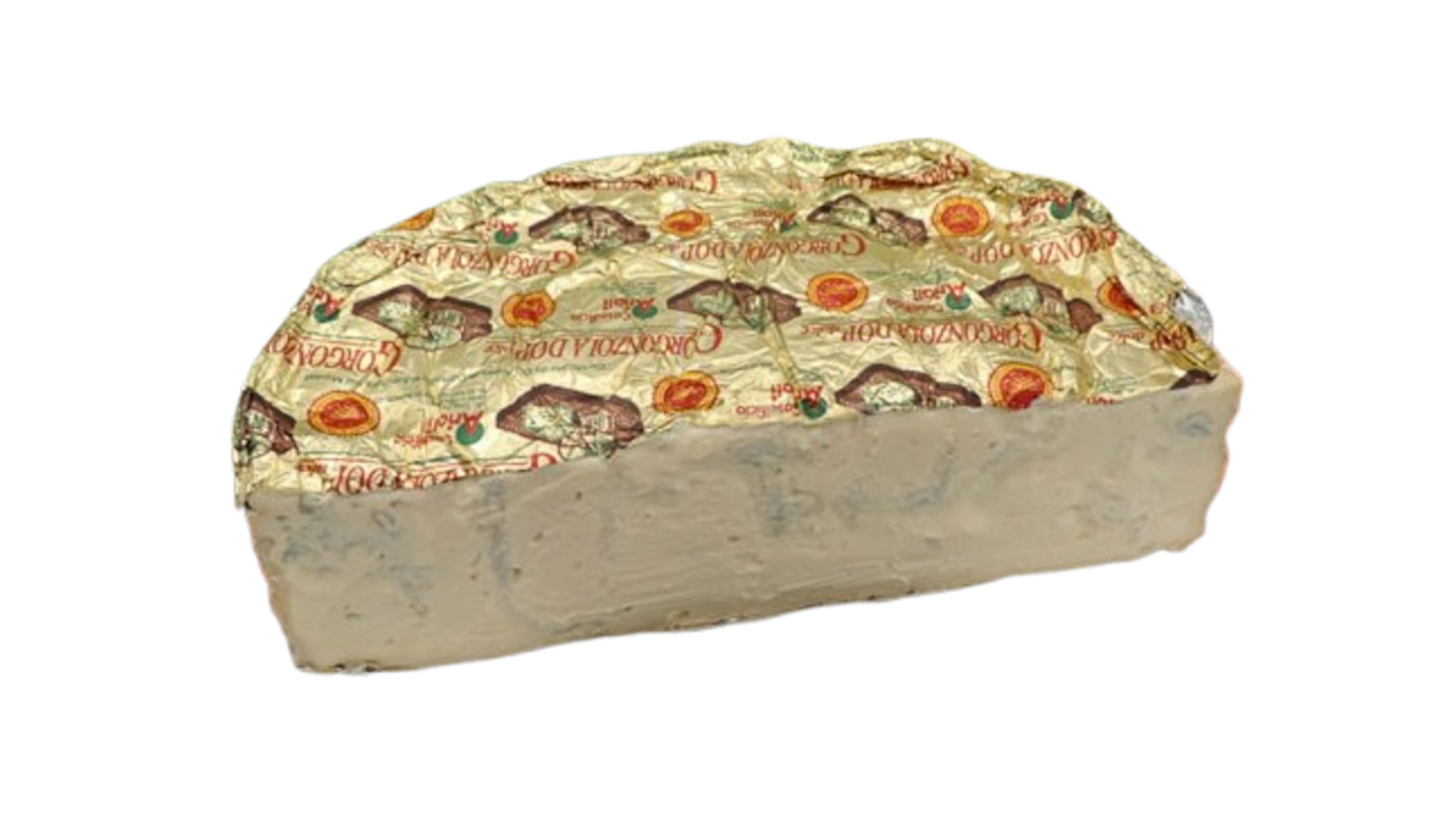
Caseificio Arioli Achille is a family-run artisanal dairy with a long-standing tradition, located in the town of Ozzero, in the province of Milan, Lombardy, Italy. The creamery is well known for its commitment to authentic production methods and the exclusive use of fresh cow’s milk sourced from local farms. Among their most renowned products is Gorgonzola, the famous Italian blue cheese, which Arioli produces in both dolce and piccante varieties, offering a rich, creamy texture and pronounced aromatic notes. Their cheeses are made in small batches, often by hand, and the aging process is carefully monitored to develop distinctive flavors and aromas. The dairy enjoys an excellent reputation among both customers and culinary professionals, and their products can be found in specialty stores and restaurants throughout Italy.
Read more
View all
View map
About this ranking

TasteAtlas food rankings are based on the ratings of the TasteAtlas audience, with a series of mechanisms that recognize real users and that ignore bot, nationalist or local patriotic ratings, and give additional value to the ratings of users that the system recognizes as knowledgeable. For the “Top 23 Lombard Natural Rind Cheeses” list until May 30, 2026, 3,809 ratings were recorded, of which 2,928 were recognized by the system as legitimate. TasteAtlas Rankings should not be seen as the final global conclusion about food. Their purpose is to promote excellent local foods, instill pride in traditional dishes, and arouse curiosity about dishes you haven’t tried.

The initial list of top producers was compiled based on available reviews, awards, local recommendations, media and blog coverage, and consumer reviews. The list will be updated with ratings from TasteAtlas local ambassadors and TasteAtlas users.

Similar lists