

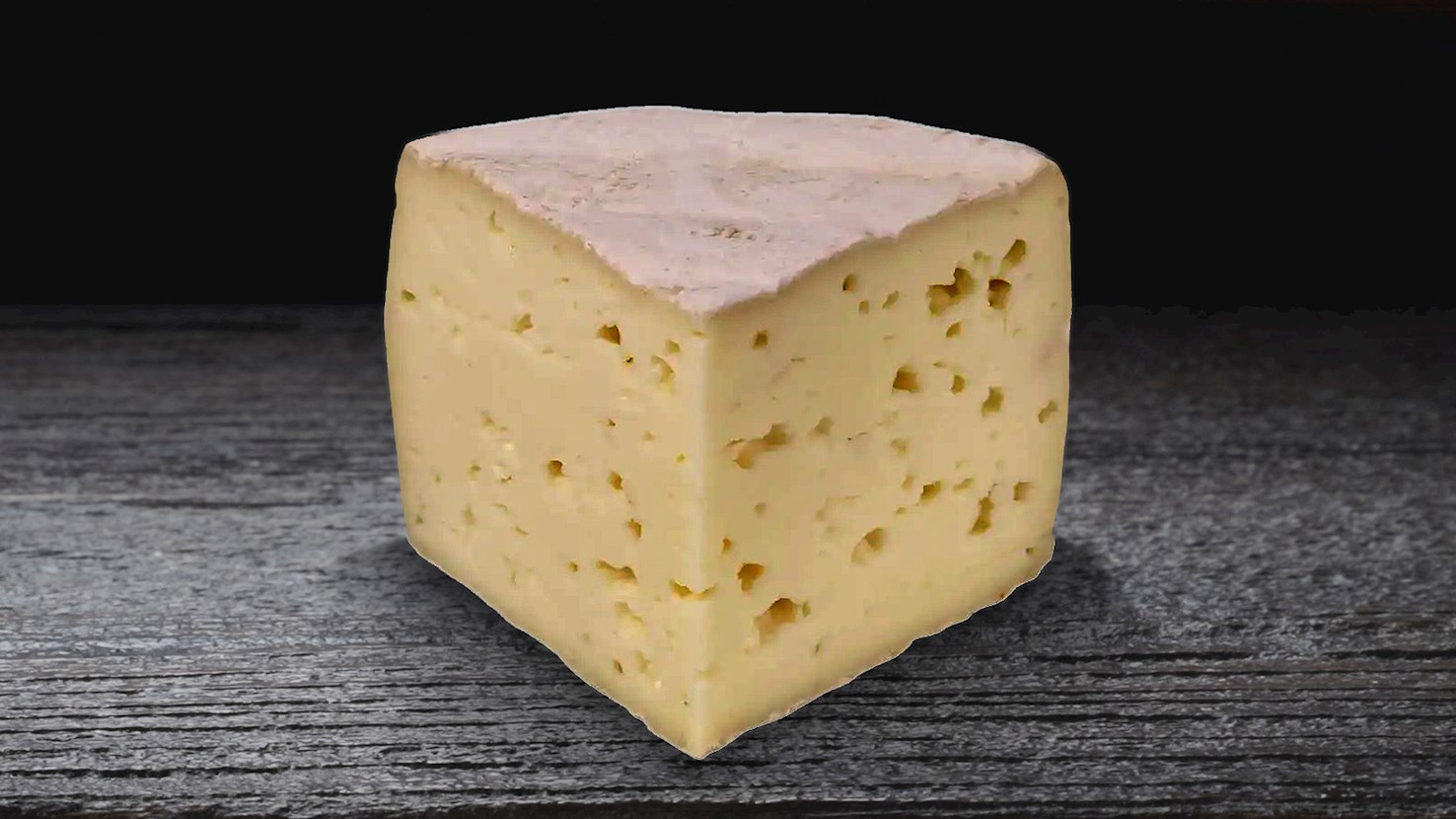



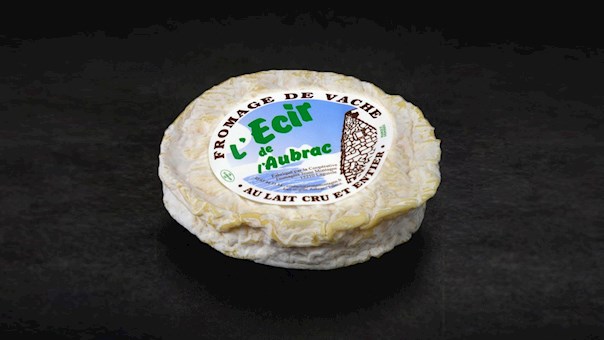
Top 14 Midi-Pyrénéen Natural Rind Cheeses

Last updated on May 30, 2026
01

Rocamadour

4.2 ·

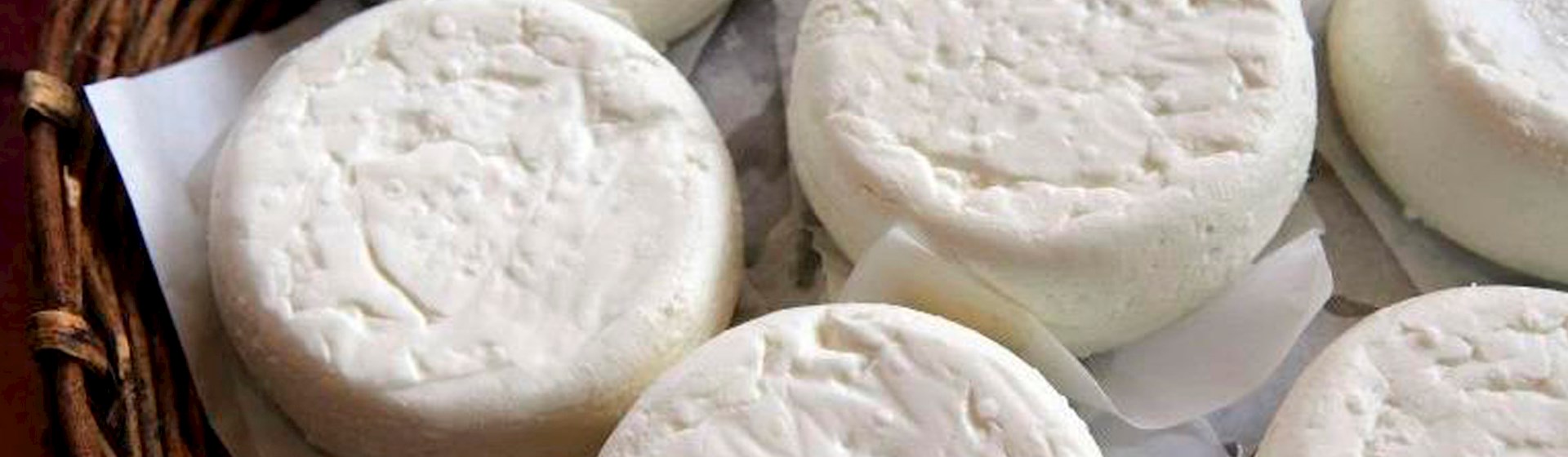
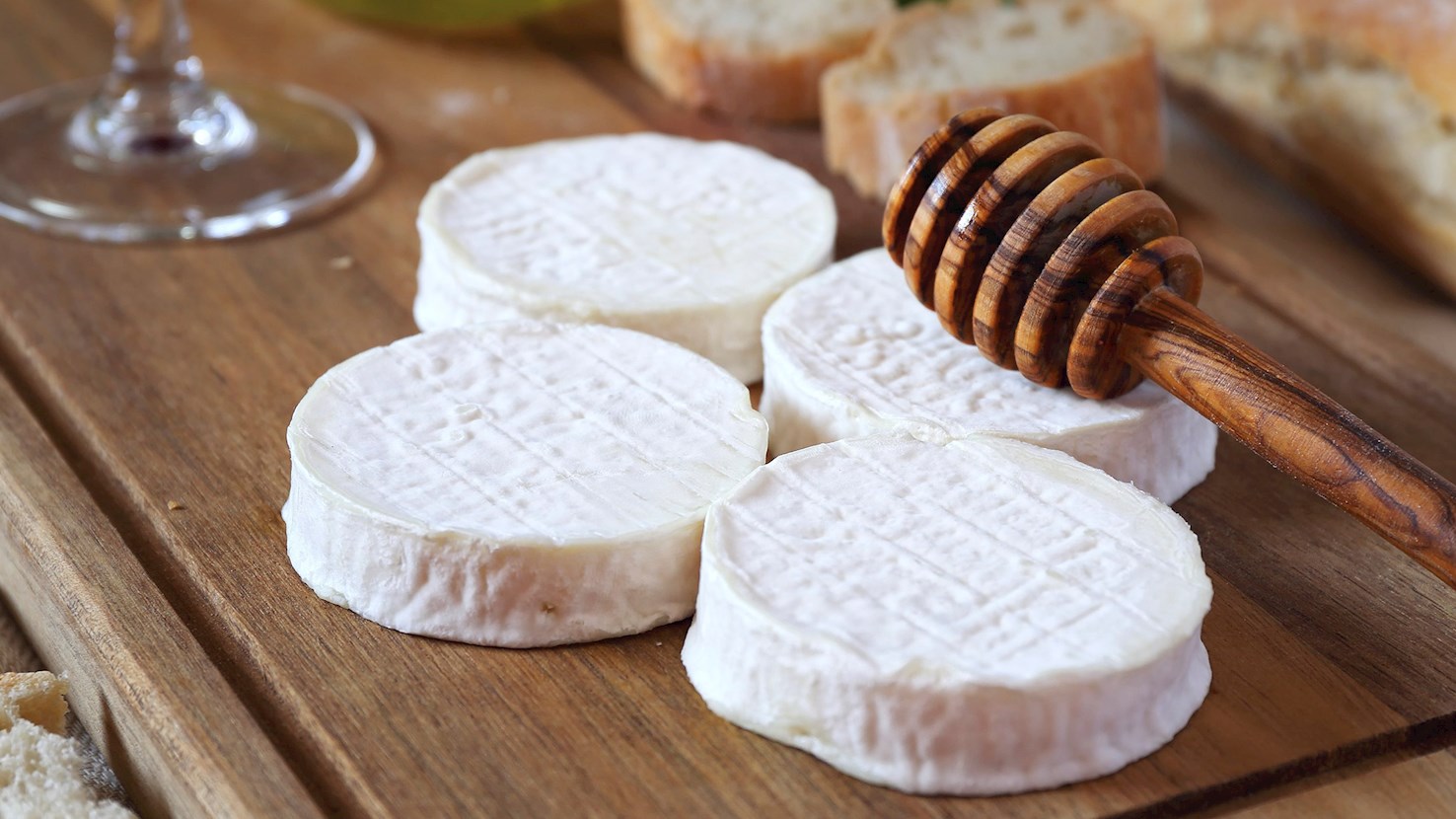
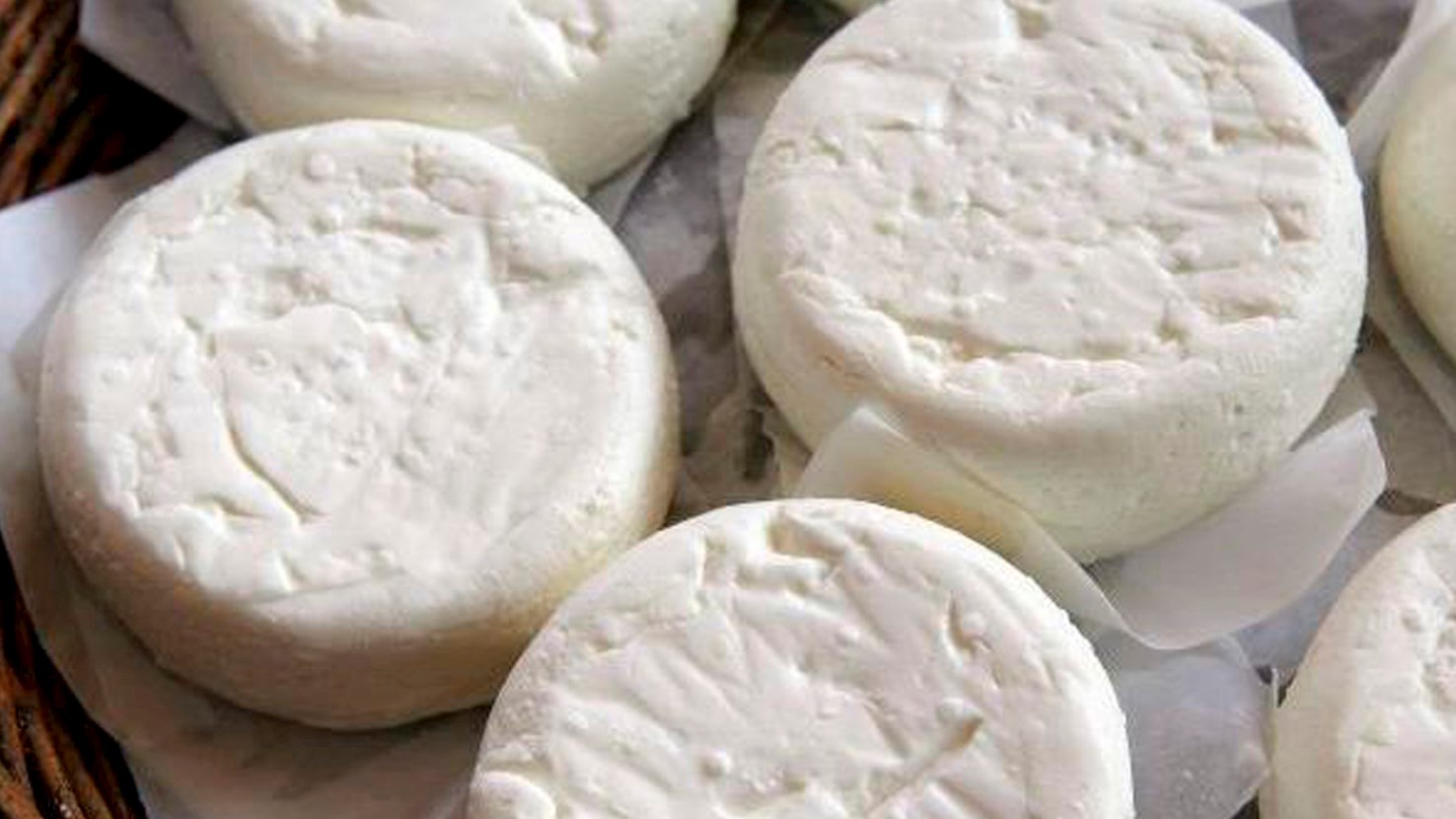
Rocamadour is a small, flat, very soft cheese made from raw goat's milk. The cheese has a natural edible rind. It's named after the village of Rocamadour in the French region of Lot. The cheese matures for about 15 days, but it can be left to mature a few months more to develop a stronger, sharper flavor. It weighs only 35 grams, and its flavor is nutty, fresh, and creamy. Young Rocamadour goes well on hot toasts, and it can be used in salads or paired with dry white wines, while mature Rocamadour is usually eaten at the end of a meal, and it's reccomended to pair it with full-bodied red wines.

02

Cabécou

4.1 ·

Cabécou is a soft French cheese originating from the Midi-Pyrénées region. It is made from goat’s milk. Before it is wrapped in chestnut leaves and left to mature, the cheese is dipped in plum brandy and sprinkled with black pepper. After about two weeks, blue mold develops on its thin rind. Cabécou’s texture is creamy and smooth, while its flavor is slightly tangy. It is recommended to pair it with a glass of Chardonnay.

03

Roquefort

3.9 ·

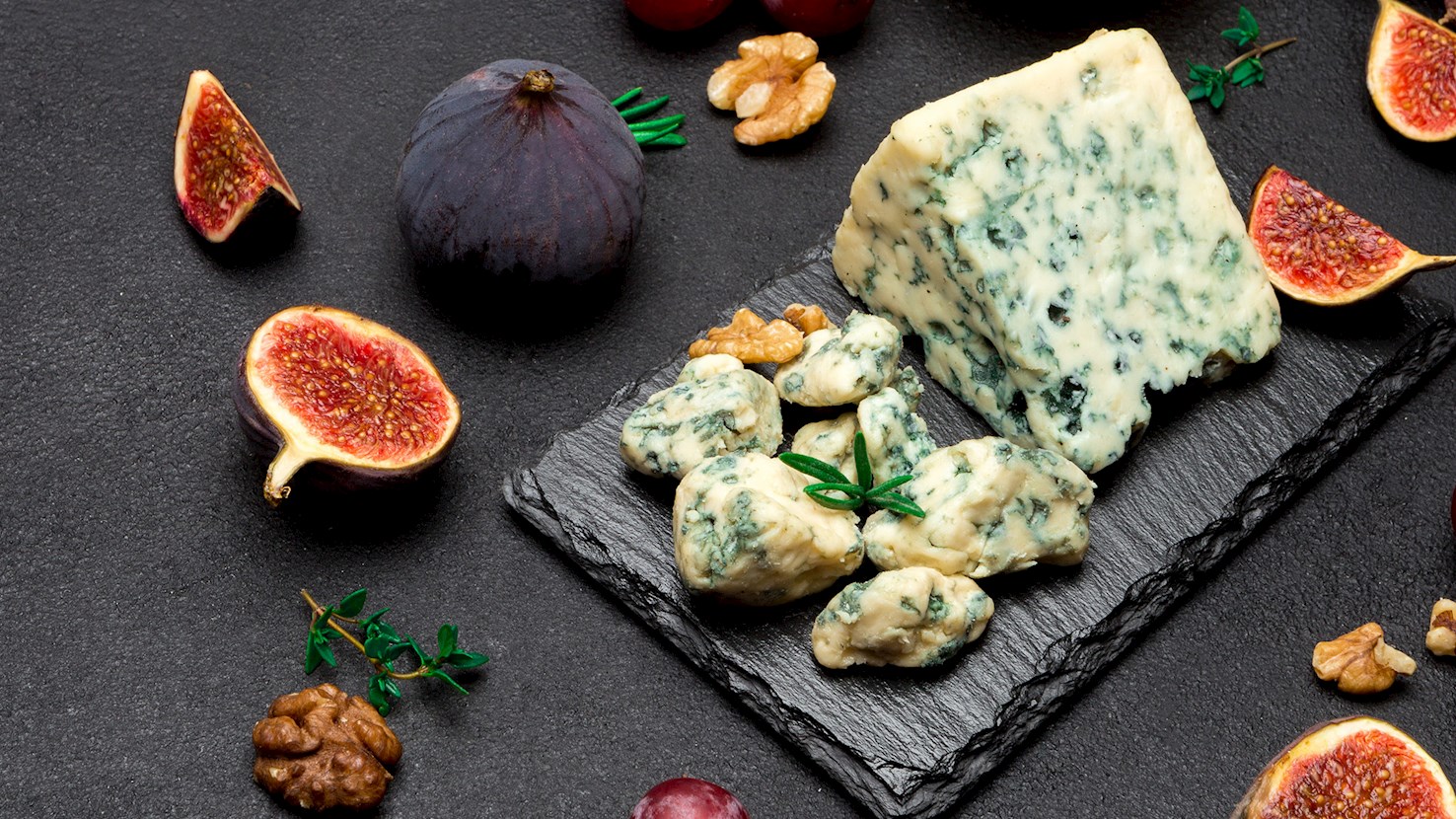
Roquefort is one of the greatest cheeses of France, made from full-fat, unpasteurized sheep's milk. It has blue veins dispersed throughout its body, developed from the spores of Penicillium roqueforti before the cheese is pressed. It is so tasty and loved that it was a favorite of Emperor Charlemagne, and it is locally called the 'cheese of kings and popes'. Roquefort has a moist rind on the exterior, while on the inside it is crumbly in texture and creamy, tangy, intense, complex, sharp, and salty in terms of flavor, with a white paste marbled with blue mold. It must mature for at least 5 months in caves in the south of France. While high in fat and salt content, it is also health-beneficial, as it is proved that it has unique anti-inflammatory properties. Roquefort pairs extremely well with figs, nuts, sweet white and powerful red wines. It is also often used in salads.

04

Laguiole

3.9 ·

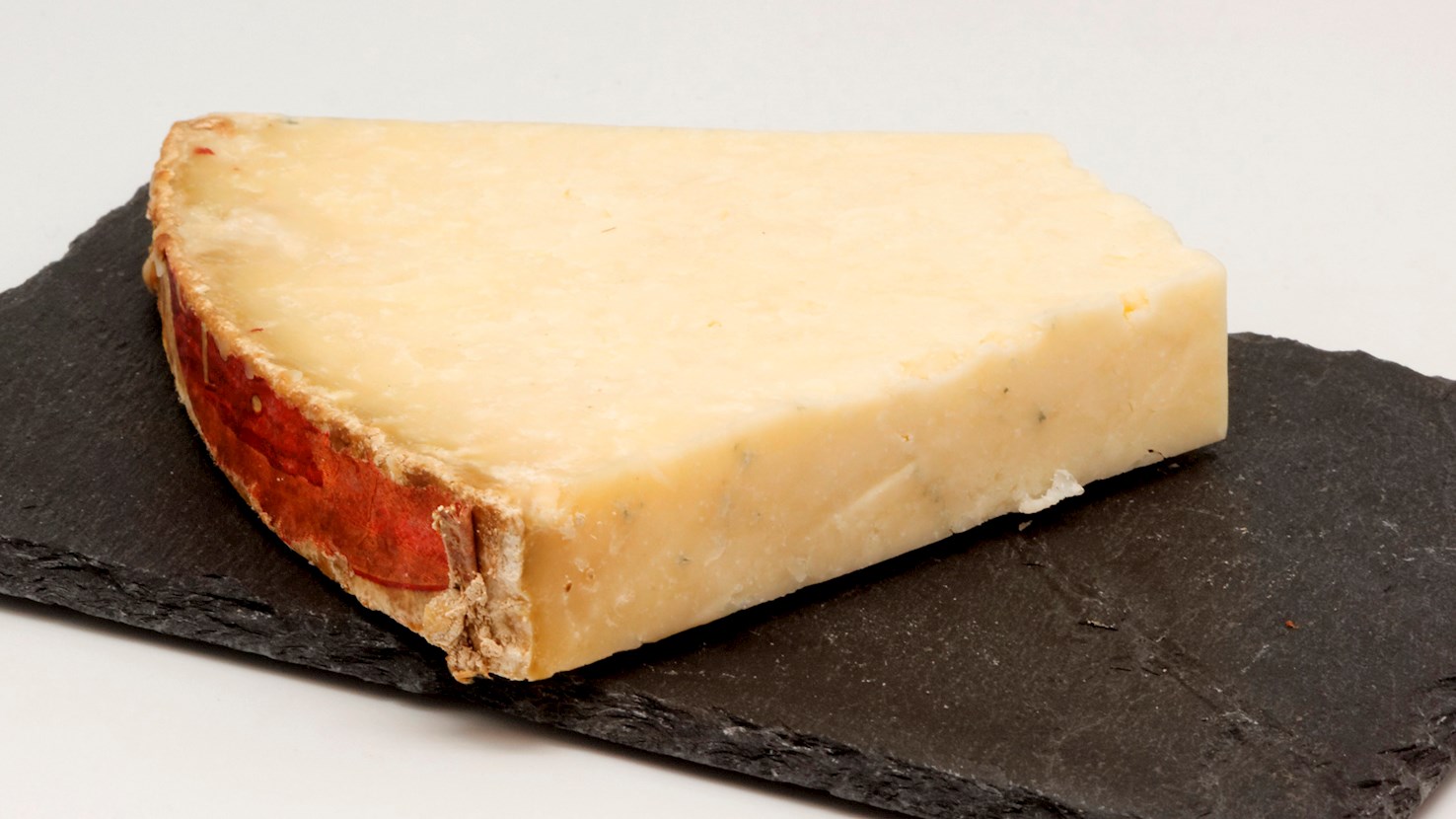
Laguiole is a semi-soft, aromatic cheese made from raw, whole-cream cow's milk, with a thick light orange rind that turns light brown as it matures. Interestingly, the rind is so important that it is prohibited to sell grated Laguiole, and each piece of the cheese must come with a piece of its rind. It was first made by monks in a local monastery, who then gave the recipe to the mountain farmers. The maturation takes at least four months at a temperature lower than 14 °C. Laguiole possesses a creamy, rich texture on the inside that instantly melts in the mouth, providing a sharp, slightly sour taste. Try it with light red wines or dry white wines for the best pairing combination. The cheese is traditionally used to prepare aligot, a creamy dish of mashed potatoes and cheese.

Best producers
05

Bleu des Causses

3.8 ·

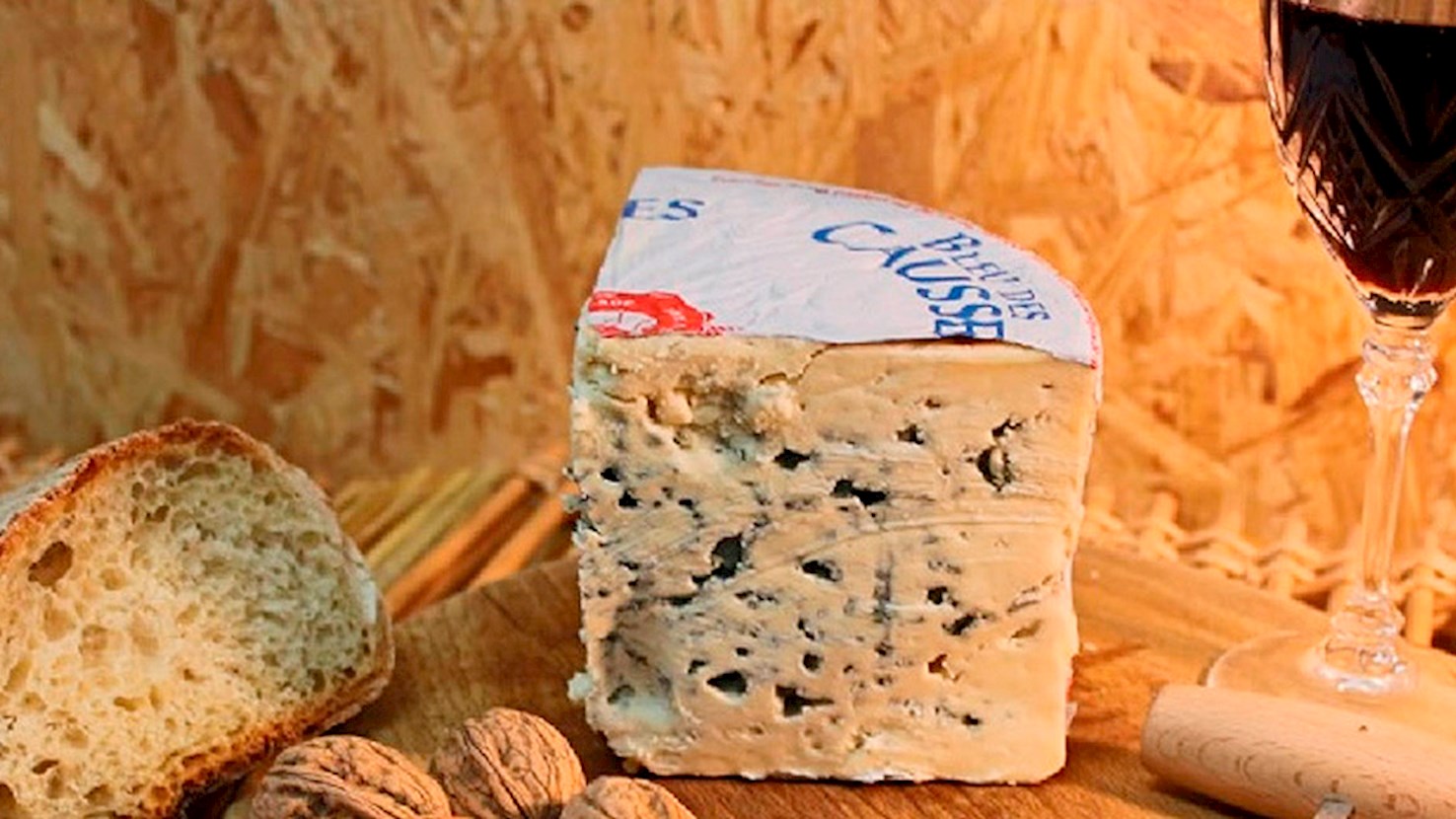
Bleu des Causses is a traditional blue cheese made from unpasteurized cow's milk. The cheese is placed in a cave, which is under the influence of drafts of cold and damp air, providing a unique maturation process that lasts for at least 70 days. Because of the air gusts in the cave, and due to the fact that the cheese is pricked with needles, Penicillium mold forms inside the cheese. Bleu des Causses is neither pressed nor cooked and its flavor is full, intense, salty, and spicy (because of the mold), while the texture is crumbly and creamy. It can be used in sauces, and is best paired with sweet white wines at the end of a meal.

06

Bethmale

3.7 ·

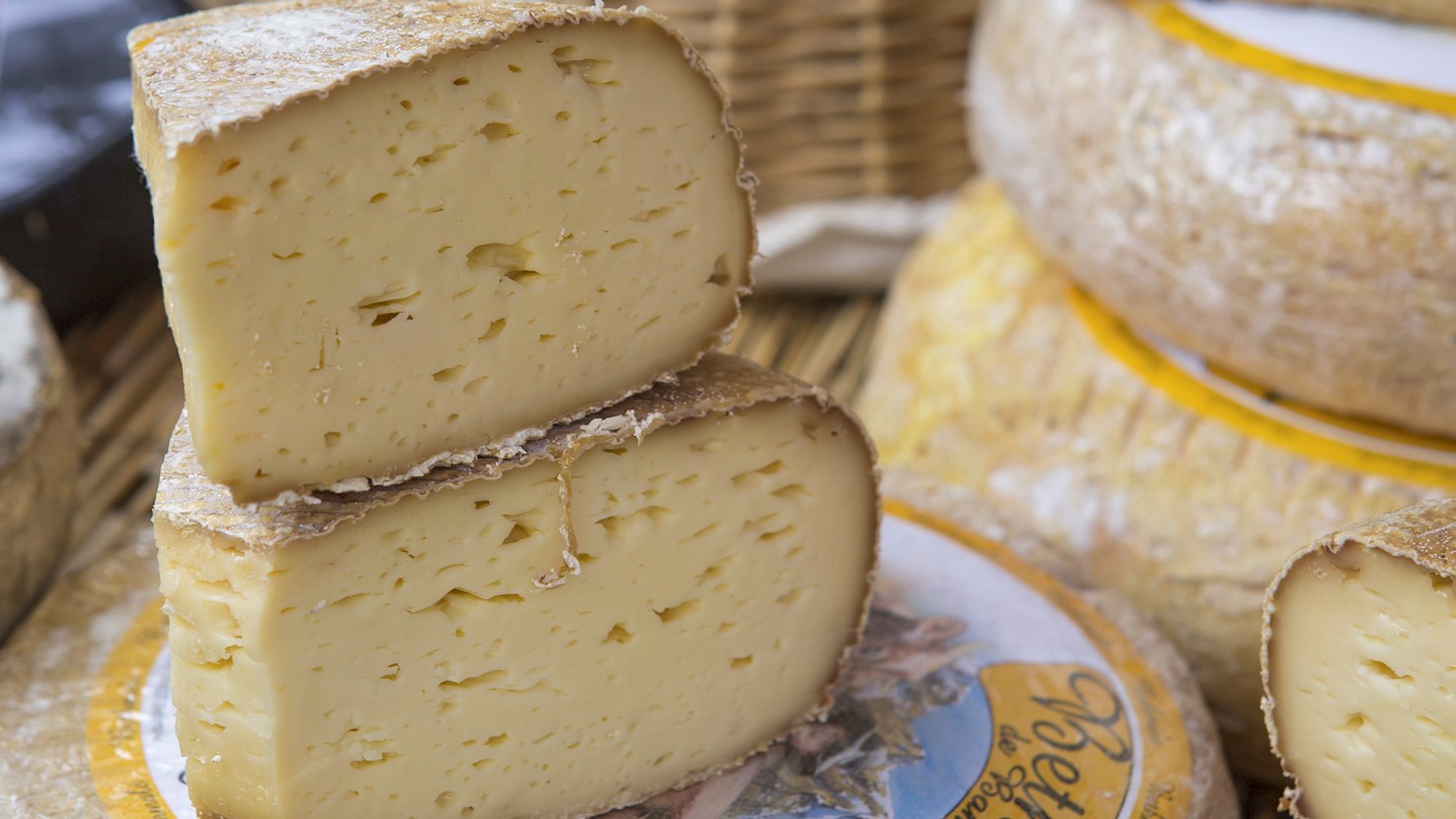
Bethmale is a French cheese produced in the village of the same name in the Pyrénées region. This semi-hard cheese is made from raw cow's milk and has a mild and rich flavor with earthy and mushroomy aromas. The interior is either ivory white or yellow in color, filled with small horizontal eyes. Bethmale was first mentioned in the early 12th century, when Louis VI had first tried it during his visit to the region. Back then, the cheese was described as the 'fat cheese of Saint-Girons,' referring to the fact that the interior glows with fat when cut. It is recommended to pair Bethmale with sherry or a glass of full-bodied red wine such as Bordeaux or Malbec.

07

Briquette de Brebis

3.5 ·

Originating from Aveyron, Briquette de Brebis is a French cheese made with sheep's milk. In fact, the same milk is used to make the popular Roquefort. The texture of Briquette de brebis is soft and creamy, with nutty aromas and flavors. The cheese matures for 3 weeks in humid cellars, and it is traditionally produced from February until autumn.

08

Fondant de Brebis

n/a ·

Fondant de Brebis is a French cheese produced in the Pyrénées. Not long ago, it was invented by the owner of a Parisian restaurant. The cheese is made with raw sheep's milk, and it is agrobiologic, meaning that no additives have been introduced to the cheese. It has a natural rind and a pale yellow color. The aromas are fresh, the texture is creamy, soft, and melting, while the flavor is slightly sweet and floral.

09

Le Lacandou

n/a ·

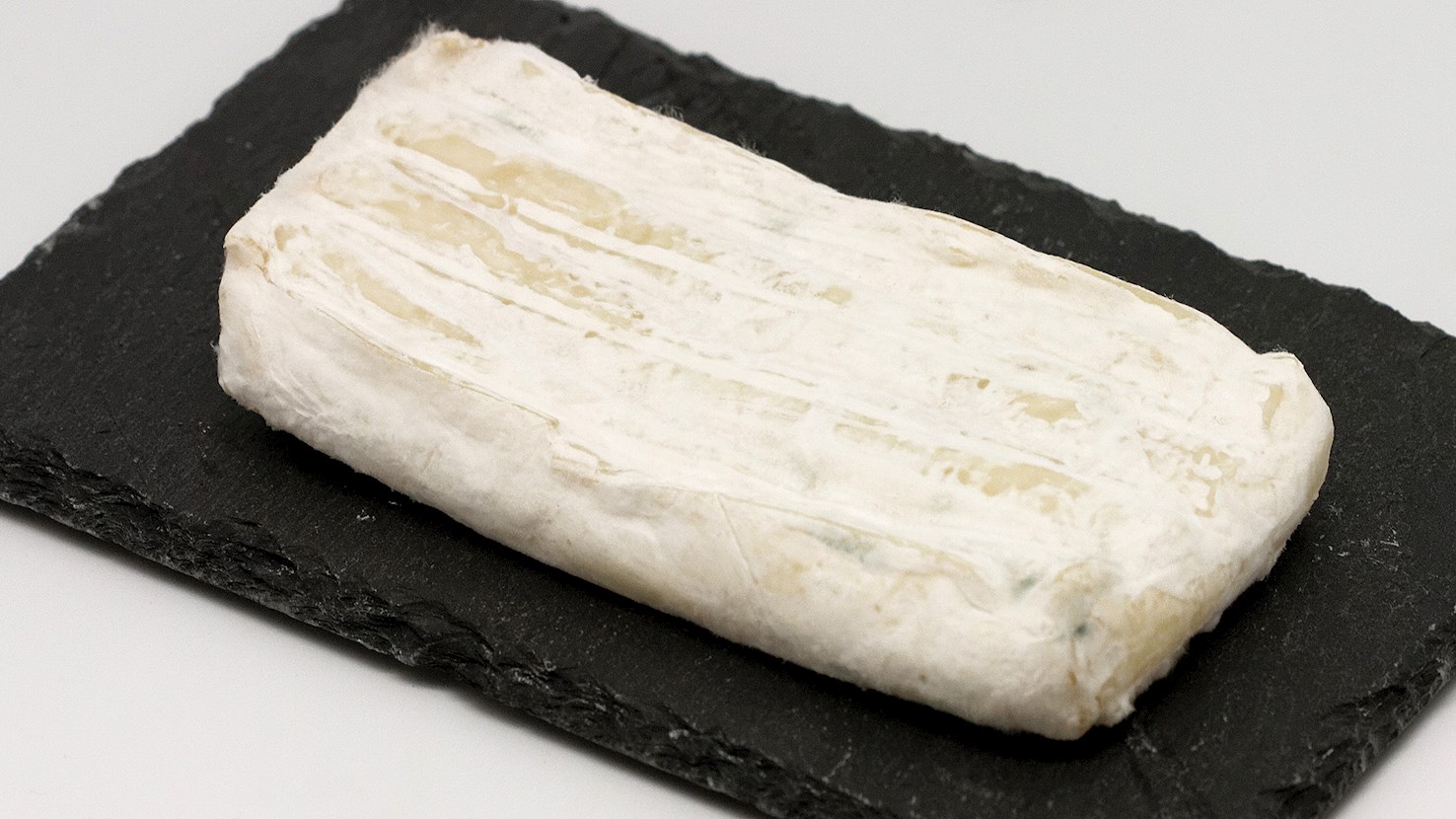
Le Lacandou is a French cheese originating from the northern part of the Aveyron region. It's named after its producer, the farmer Monsieur Lacan. The cheese is made from raw sheep's milk and it's left to age for 3 weeks before consumption. Underneath its naturally moldy rind, the texture is creamy, yielding, oozing, and soft. The aromas are grassy, while the flavors are fruity, neither too mild nor too strong. The cheese is usually sold in waxed paper wrapper.

10

Aubisque Pyrénées

n/a ·

Aubisque Pyrénées is a traditional cheese hailing from Toulouse. The cheese is made from a mixture of cow's and ewe's milk or cow's and sheep's milk. This semi-hard cheese is usually left to age for 2 months before consumption. Underneath its natural rind, the texture is smooth, with just a few tiny eyes scattered throughout the body. The flavors are mild and smooth, and if the milk mixture contains more cow's milk, the flavors are generally softer. It's recommended to serve Aubisque Pyrénées with homemade bread and cold cuts.

Read more
View all
View map
About this ranking

TasteAtlas food rankings are based on the ratings of the TasteAtlas audience, with a series of mechanisms that recognize real users and that ignore bot, nationalist or local patriotic ratings, and give additional value to the ratings of users that the system recognizes as knowledgeable. For the “Top 14 Midi-Pyrénéen Natural Rind Cheeses” list until May 30, 2026, 759 ratings were recorded, of which 601 were recognized by the system as legitimate. TasteAtlas Rankings should not be seen as the final global conclusion about food. Their purpose is to promote excellent local foods, instill pride in traditional dishes, and arouse curiosity about dishes you haven’t tried.

Similar lists