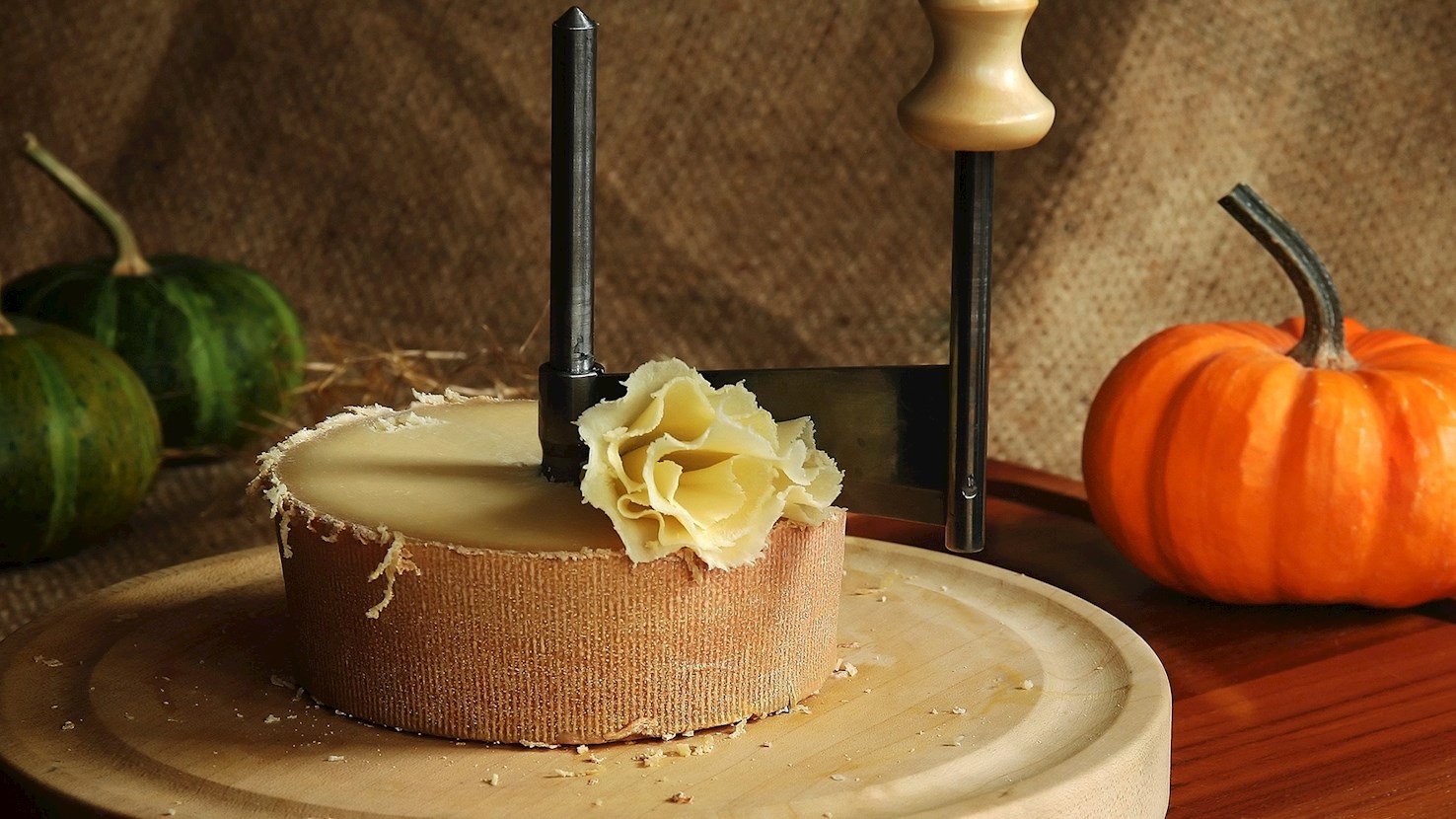
Tête de moine (lit. monk’s head) is a cylindrical, semi-hard Swiss cheese made from cow’s milk. The cheese is kept on spruce wood boards for at least 2,5 months before consumption. It is believed that the cheese was first made by monks in the Bellelay monastery in the community of Saicourt. In the past, they used it as a means of payment. Interestingly, tête de moine is not cut, but scraped or shaved with a special tool called a girolle. During the process, the surface of the cheese comes into direct contact with air, which alters the structure of the paste and helps to release the aromas. Pair it with crisp white wines such as Pinot Grigio.
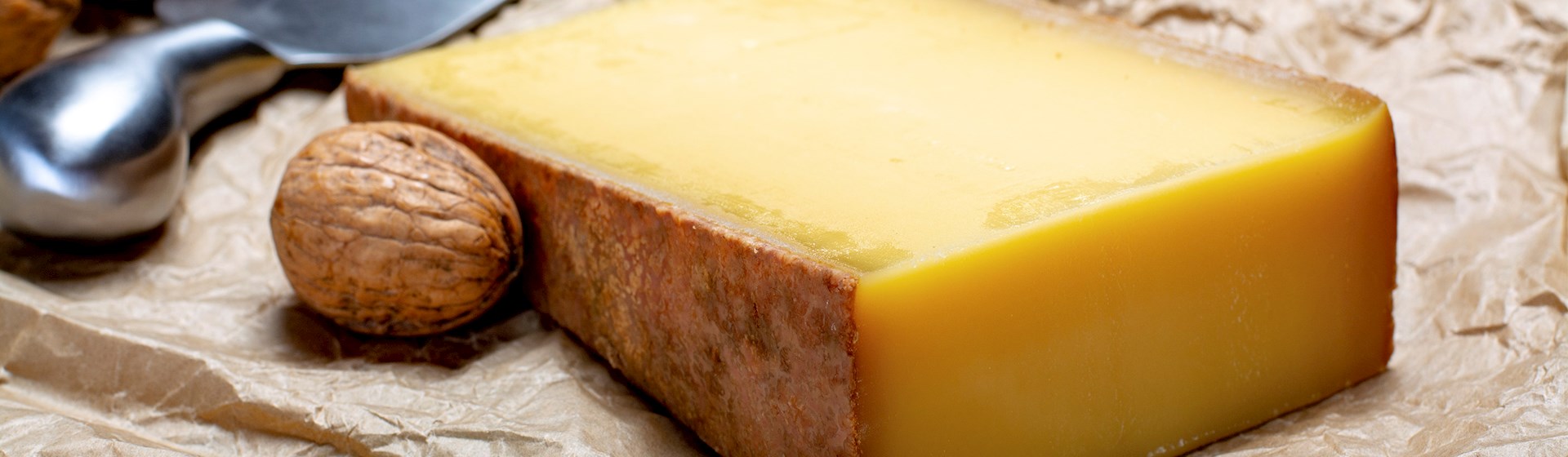
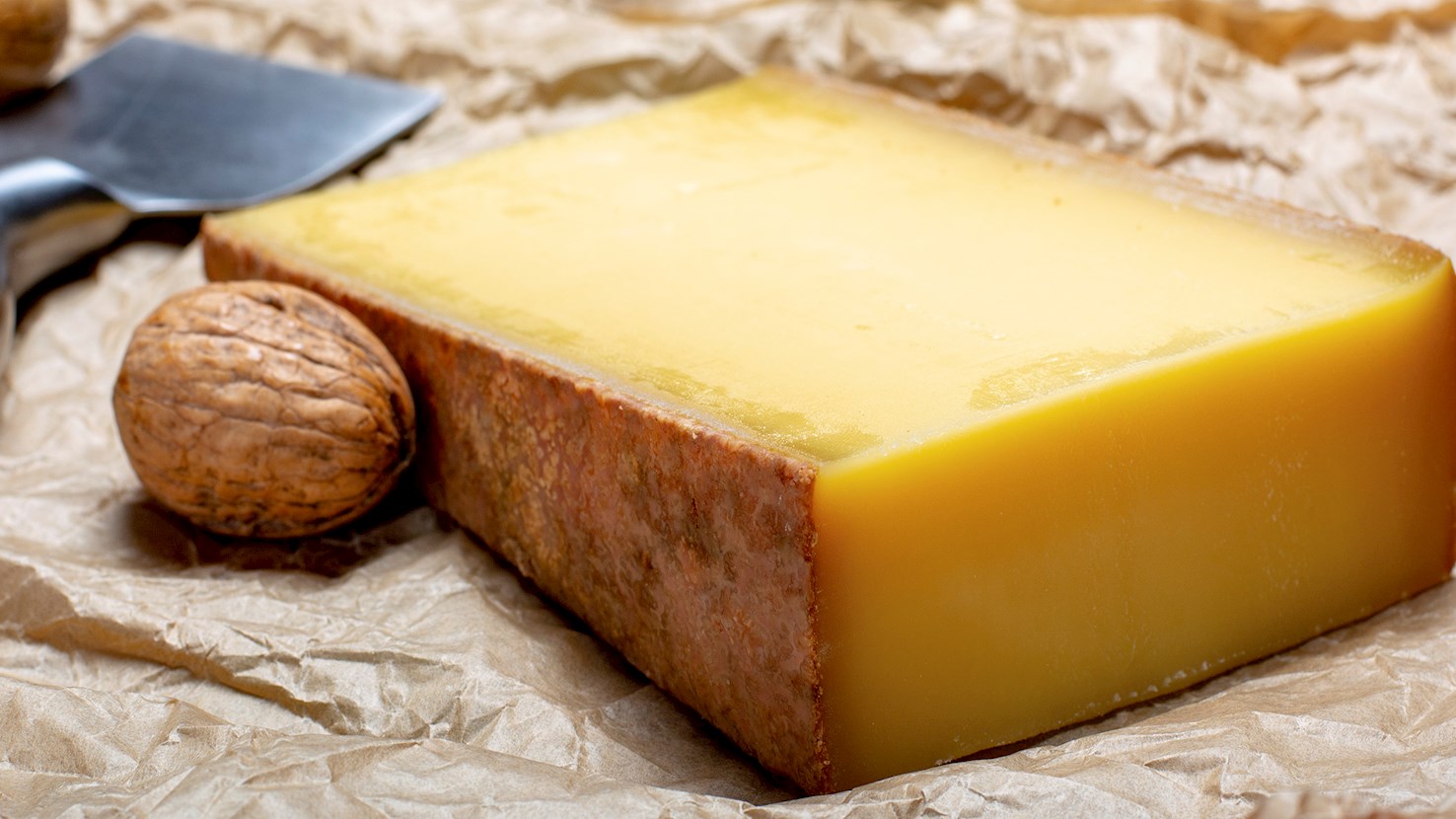
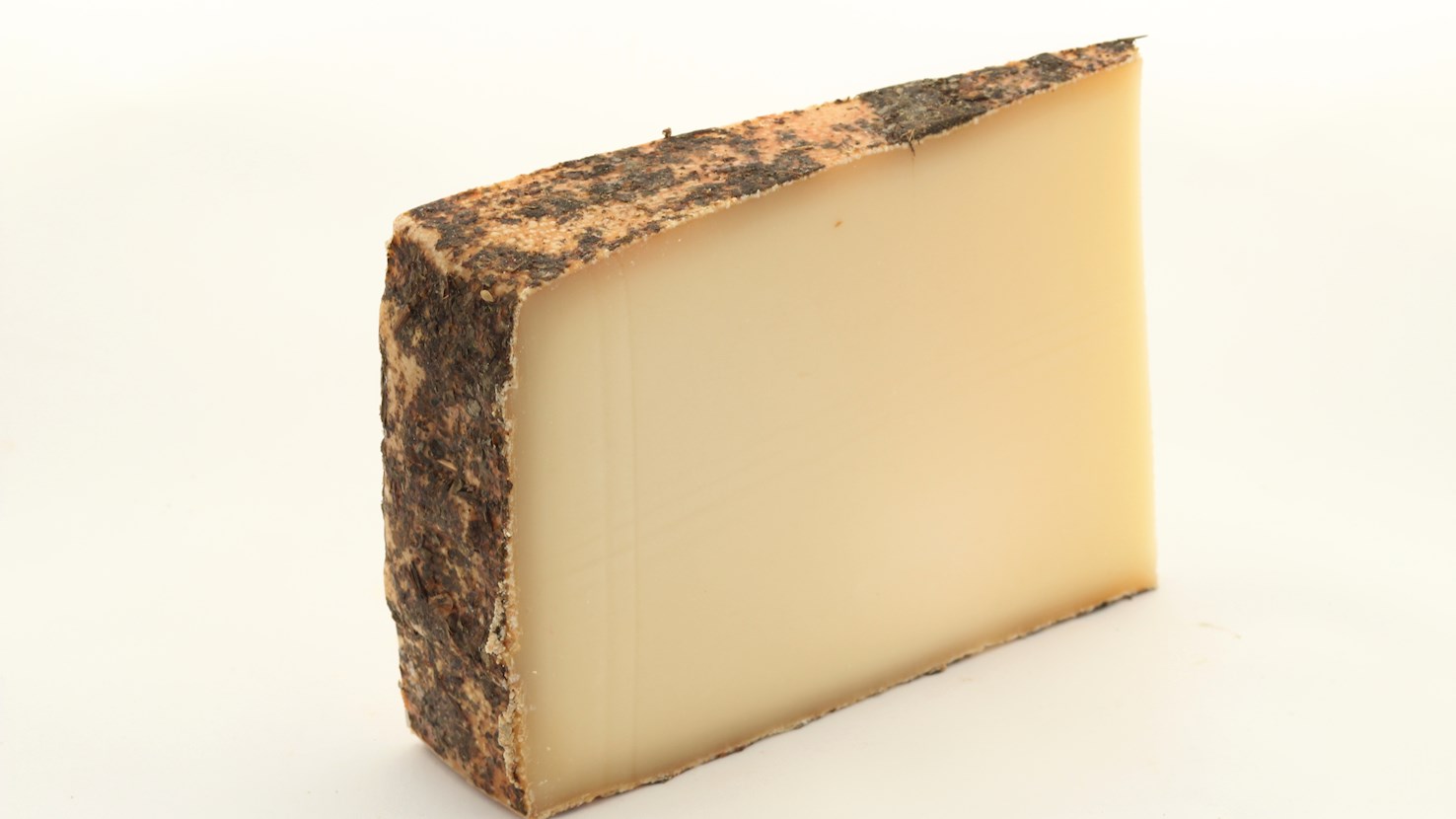
Gruyère is a cooked and pressed cheese made from raw cow's milk. On the exterior, the cheese has a grainy yellow to brown rind, while the interior is ivory to pale yellow in color. The Swiss version (AOP), a hard cheese with a salty and nutty flavor usually has no holes, while the French version (IGP) is required to have them, ranging in size from a pea to a cherry. Gruyère must mature for at least 120 days in cellars so that it develops delicate aromas of caramelized apples, hazelnuts, and brown butter. It melts well, making it ideal for classic fondues, or, alternatively, sliced and consumed on its own and paired with a glass of light red wine. Walnuts and smoky speck also make for great accompaniments.
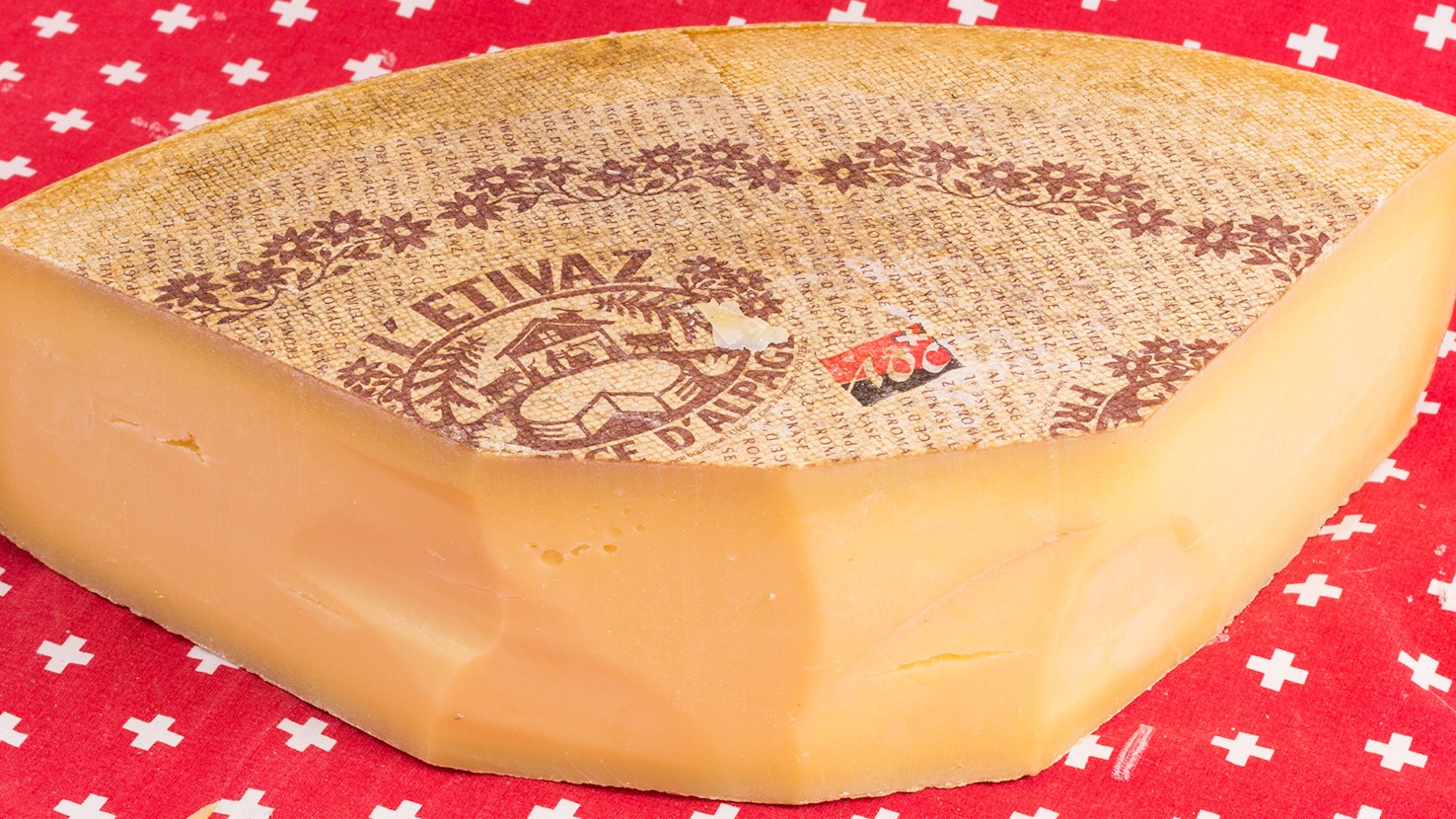
L'Etivaz is a traditional cheese produced in Canton Vaud. It is said that l'Etivaz is made just as Gruyère was made a long time ago, without compromising its original flavor profile. The cheese is made from raw cow's milk from the summer months. It is heated in copper vats over an open wood fire, and some of the ashes might fall into the open vats, resulting in just a hint of smokiness when eating the cheese. L'Etivaz is very fragrant and its texture is dense and creamy, while the flavors are fruity and nutty with a hint of smokiness. It is recommended to pair it with pears, walnuts, figs, and a glass of sweet bourbon.
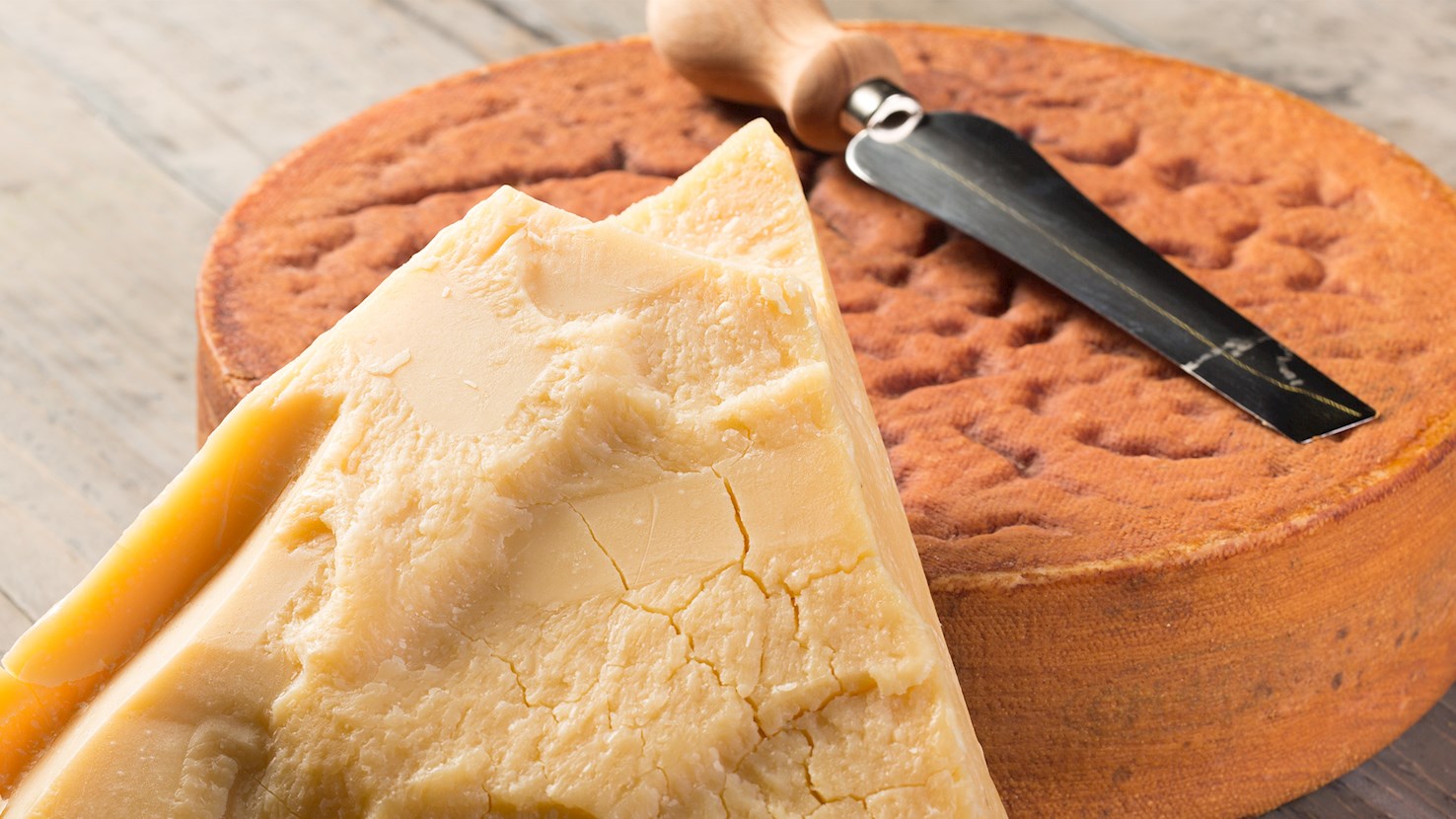
Sbrinz is a Swiss extra-hard cheese made from raw cow's milk. The cheese has a natural rind, and it's texture is dense and flaky. The aromas are slightly spicy, while the flavors are full, intense, tangy, spicy, and nutty, with notes of butterscotch. Sbrinz is traditionally aged for at least 18 months, and the more it ages, the more aromatic it becomes. It can be consumed in 3 ways: when it's aged for 18 months, it is sliced or shaved into thin rolls, from 24 months and up it's broken into smaller pieces called möckli, and finally, it can be grated and used in a wide array of dishes.
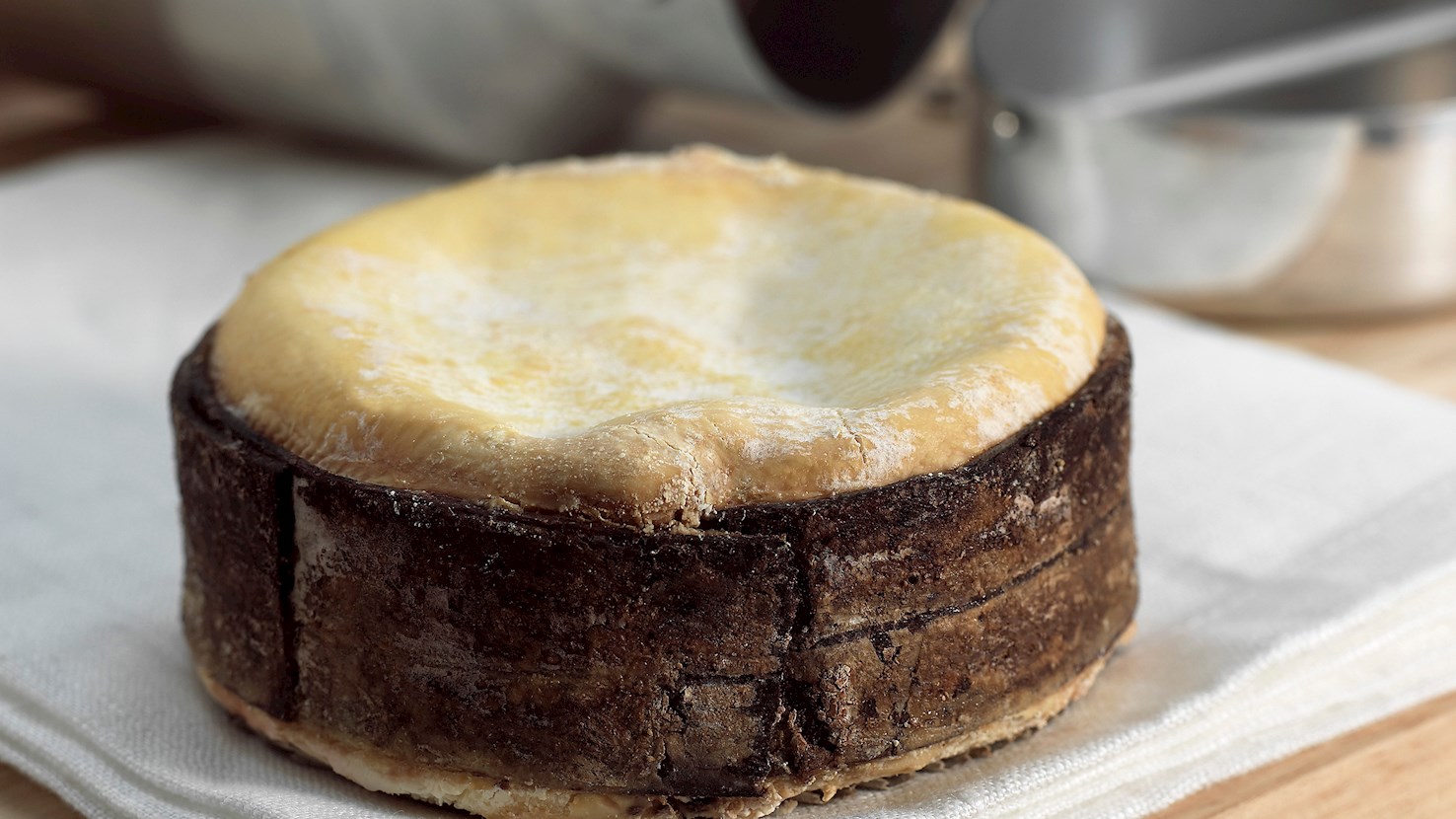
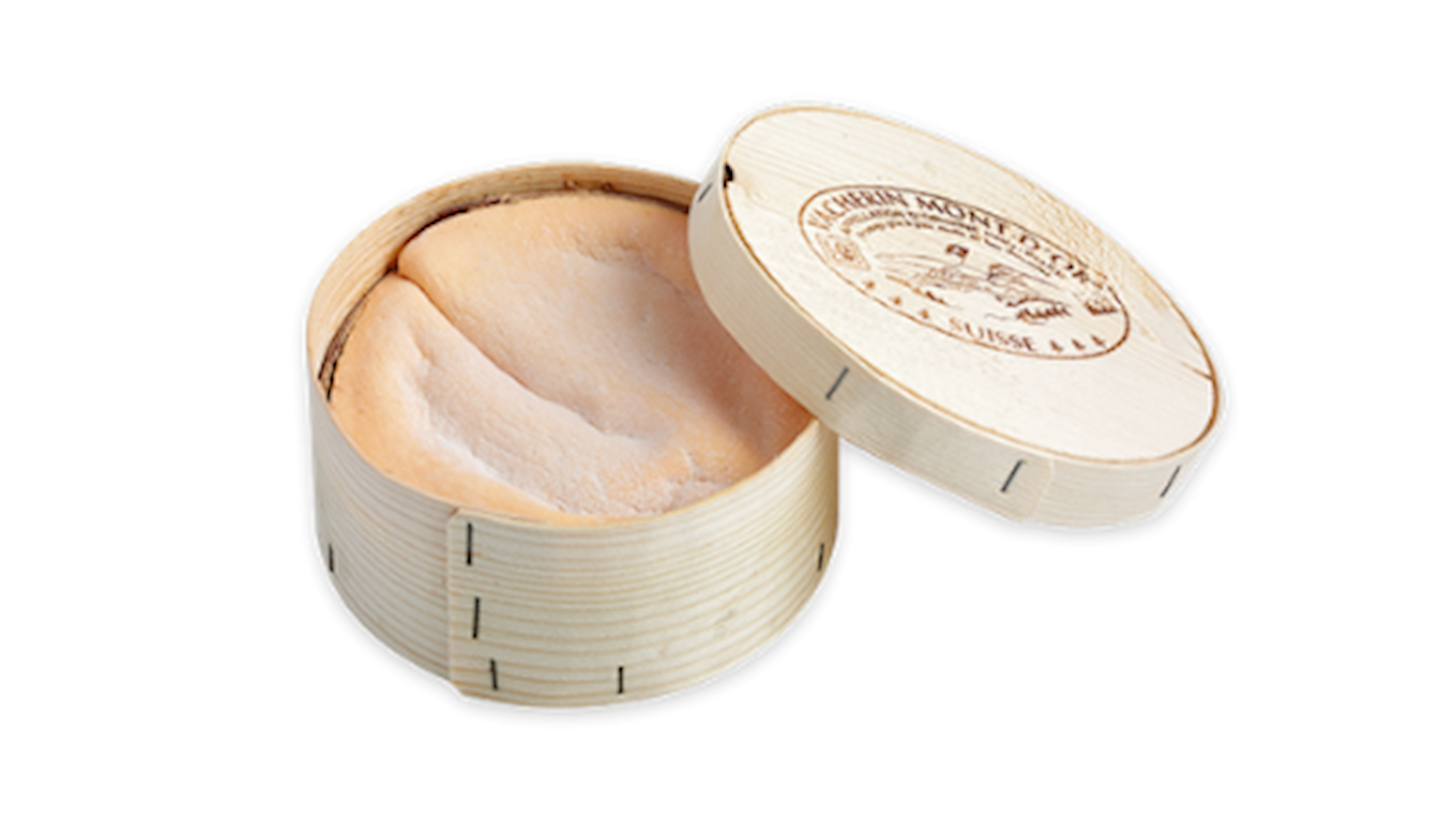
Vacherin Mont d'Or is a traditional cheese hailing from the area on the border of France near the mountain d'Or. The cheese is made from thermalized cow's milk, and it's available only from October until April, making it highly seasonal and somewhat rare. It shouldn't be confused with Vacherin du Haut-Doubs or just Mont d'Or cheese – that one is made exclusively with raw cow's milk in France. Vacherin Mont d'Or is wrapped in spruce in order to contain the slightly liquid and melting interior. Due to its mild flavor and melting and creamy texture, it's recommended to eat the cheese with a spoon when it's at room temperature. Some people like to heat it in the oven and serve it with crusty bread or new potatoes.
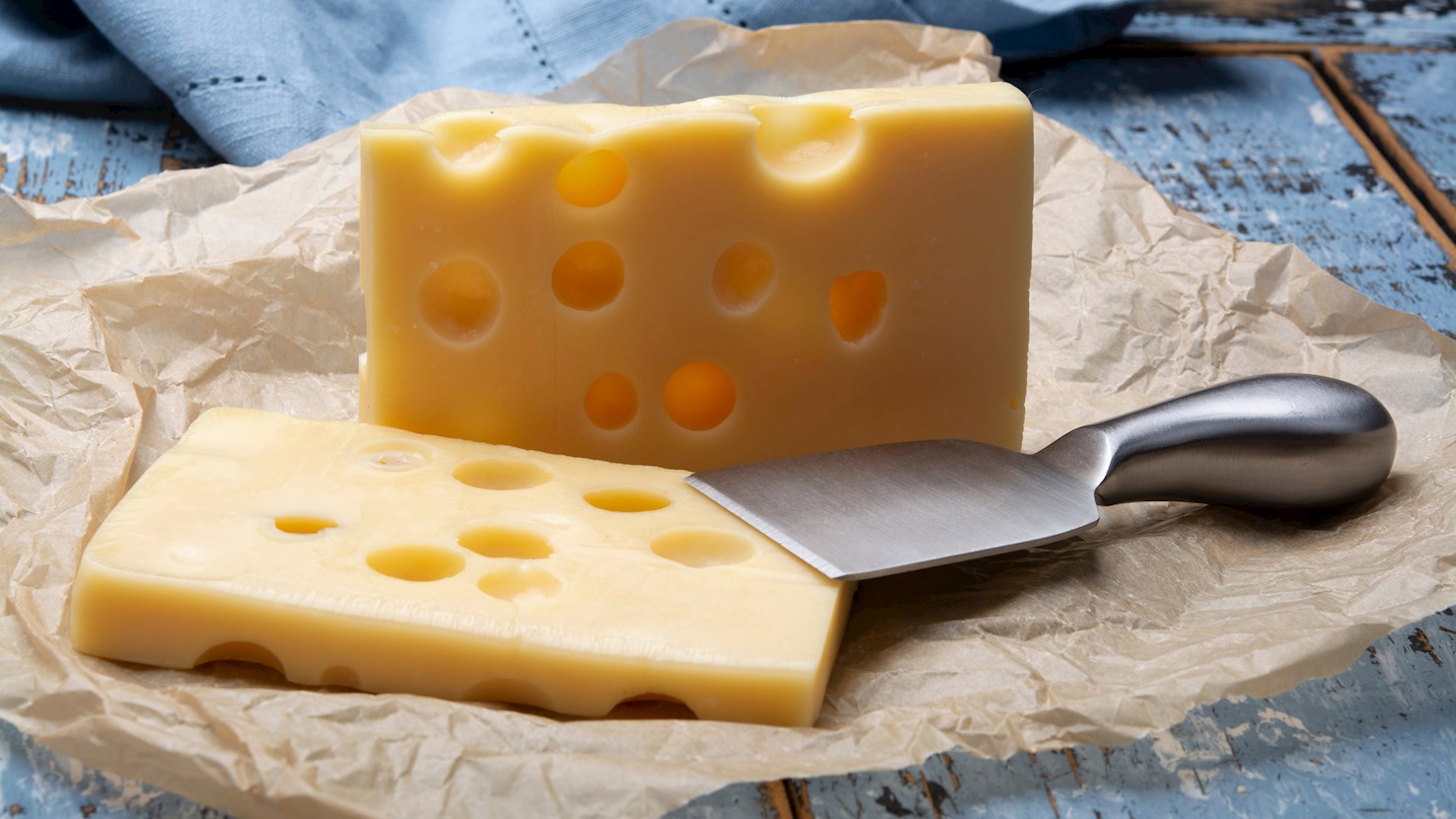
Emmentaler is a semi-hard Swiss cheese made from unpasteurized cow’s milk. It must be matured for a minimum of 4 months, though some varieties can be aged longer. The cheese is characterized by its pale yellow color, smooth texture, and marble-sized holes (eyes), which appear during maturation. Although the final flavor profile depends on maturation, the cheese is usually nutty and tangy, with aromas that are reminiscent of fresh hay. Emmentaler is traditionally served sliced or cut into cubes, but it also incorporates well into various dishes, and it is one of the most common cheese varieties used in fondue. This classic Swiss cheese was named after the river Emme in the canton of Bern, where the cheese-making tradition dates back to the 13th century. Emmentaler can be produced in eleven Swiss cantons.
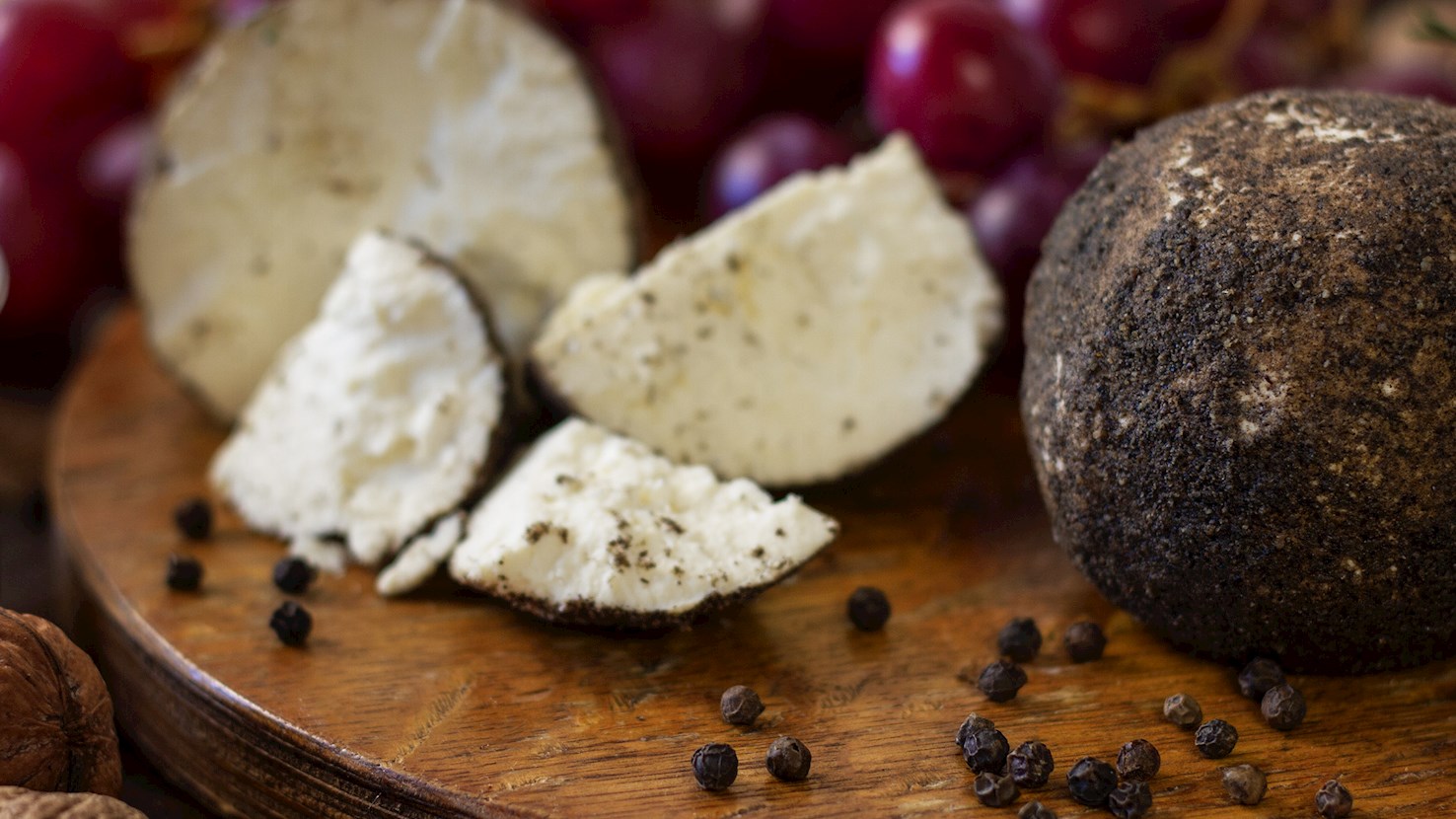
Produced in Belp, hence the name, Belper Knolle is a unique Swiss hard cheese that's shaped into a small ball. The word Knolle translates to tuber, referring to its shape and style – it's mostly used as a grating cheese. The cheese is made from raw cow's milk, and it was created in 1993 by Herr Glauser. It's infused with garlic and Himalayan salt, then rolled in ground Oberland black pepper. Belper Knolle is typically aged in caves for about 10 to 15 weeks, the latter one becoming firm, flaky, crumbly, and extremely hard in texture, which is the reason why it's almost impossible to slice it, so use it shaved or grated instead. The younger version is aged for about 9-10 weeks, so it can be consumed on its own or added to dishes. The extra-mature version can be grated over baked potatoes, pasta dishes, casseroles, and eggs, among others. The flavors of Belper Knolle are intense, zesty, warm, herbal, garlicky, and quite spicy. It's traditionally sold wrapped in a muslin bag.
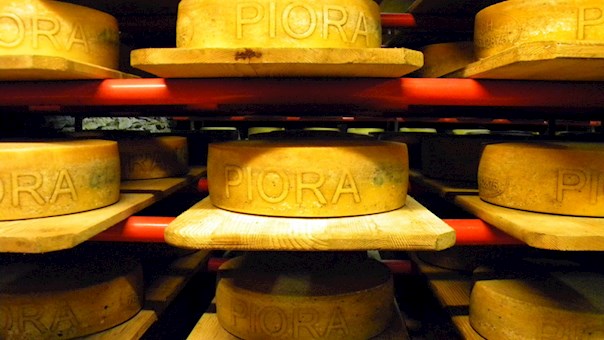
Le Maréchal is an artisanal French cheese hailing from Vaud in Switzerland, where it's produced by the Rapin family. The cheese is made from raw cow's milk and it's aged for a minimum of 130 days. Underneath its herb-rubbed edible rind, the texture is dense and creamy. The aromas are buttery, herbaceous, and barnyardy, while the flavors are intense and herbaceous with notes of roasted almonds and salted caramel. The cheese also melts well, so it's often used in fondues or raclettes. It's recommended to serve Le Maréchal with olives and figs. Pair it with a glass of Chasselas, Petit Chablais, or Riesling.
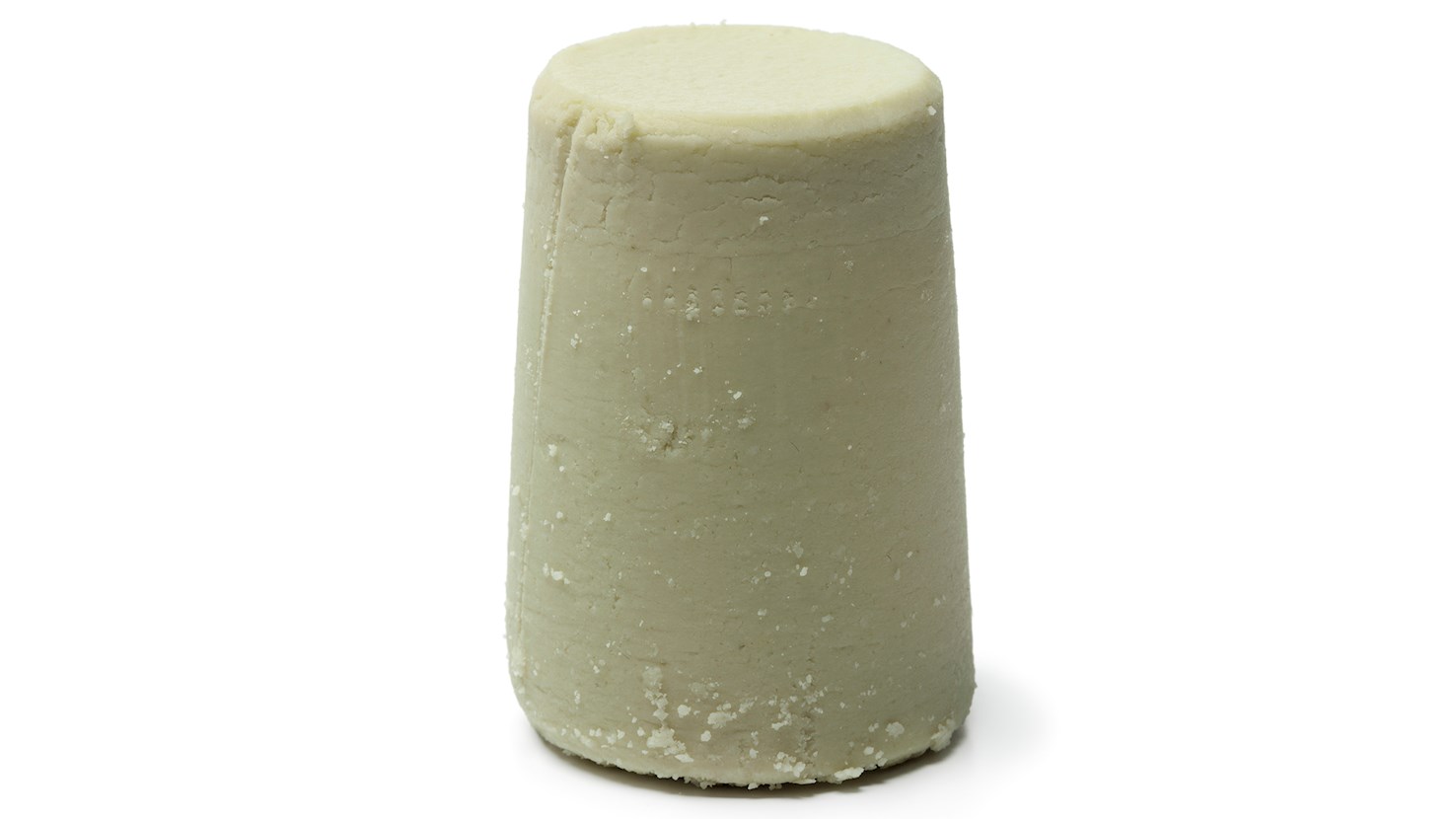
Schabziger is a traditional cheese produced in Glarus. It dates as far back as the 8th century when it was made in a monastery. The cheese is also Switzerland's oldest protected brand – in 1463, there was a council meeting and the locals had decided that the cheese should be stamped with a seal representing its authenticity – and the same seal is still being stamped on Schabziger today. This lime-green, zero-fat cheese is made from cow's milk and the skimmed milk curds are aged for 8 weeks, after which they're ground and combined with ground fenugreek seeds. The cheese is then pressed into a small cone called stockli, which is wrapped in silver foil. The texture is dry and hard, while the flavors are powerful, pungent, and spicy. In the US, it's known as Sap Sago. It is recommended to mix Schabziger with butter, then spread it over bread with onions or chives, but it can also be added to soups, fondues, and baked potatoes. Pair it with Pinot Noir or a glass of cider.
Formaggella is a semi-hard, medium-sized cheese produced from goat's milk, cow's milk, or a mixture of both, with a texture that can range from fresh soft to semi-hard, depending on the production method and aging process. The name derives from formaggio (lit. cheese), with the diminutive "-ella" suggesting a traditionally lower status compared to long-aged alpine cheeses. A Swiss-Italian expression about strabismus (cross-eyed people) references "an eye that looks at the board of formaggella," referring to the wooden boards in kitchens where the cheese was stored to dry and kept safe from mice. Formaggella has a cylindrical shape, with a diameter of 10-20 cm, a height of 3-5 cm, and a weight of 400g to 2kg. The paste varies in color from white (if made with more goat’s milk) to straw yellow (if made with more cow’s milk), while the rind is thin, soft, and gray, sometimes covered with molds called mucor, similar to those found on Tomme de Savoie. Its ingredients include goat’s or cow’s milk, direct thermophilic ferment, rennet, sometimes mold, and salt. Historically, formaggella has been produced since at least the 13th century, in the pre- and post-alpine grazing periods (spring and winter). Originally intended for household consumption, it was not as highly regarded as long-matured alpine cheeses. Production begins with thermizing the milk at 65°C for 15 minutes to improve health safety while preserving flavor. The milk is then cooled to 35°C, and thermophilic ferments and sometimes molds are added. After coagulating for 30-40 minutes with rennet, the curd is cut first with a curd cutter (lyre/harp) into thin slices, then further reduced with a spannarola until hazelnut-sized pieces are obtained. Some whey may be removed and replaced with water to reduce acidity, though this practice is rare due to contamination risks. The mixture is heated again to 38°C before being placed in perforated baskets or molds. The cheese is turned multiple times within 24 hours, then brined for 4-6 hours or dry-salted. Aging occurs in cellars at 12-14°C with 70-90% humidity for at least three weeks. Traditionally a domestic product, formaggella was consumed as a side dish, in recipes, or even for breakfast. Today, it is widely available in markets, shops, and restaurants in the Ticino region and is highly sought after in its various fat-content variations (full-fat, semi-fat, lean). Depending on the region, formaggella is known by different names: chiasörin in Leventina, crenga in Val di Blenio, maioca in Biasca, mota or motign in Valmaggia, and fromagela in Verzasca. Some varieties develop a gray moldy rind with fine hairs, known as "cat hair" or "pei da ratt," due to mucor molds. These characteristics highlight formaggella’s deep roots in Swiss alpine dairy traditions. Today, it remains a cherished cheese due to its delicate flavor, artisanal craftsmanship, and versatility in various culinary applications.
Fromagerie André is a family-owned Swiss cheese dairy with a long tradition dating back to 1919, based in Romanel-sur-Morges in the canton of Vaud. Across several generations, the André family has developed a distinctive artisanal approach to cheesemaking, relying on locally sourced milk and a strong connection to the region’s terroir. The dairy is particularly known for producing protected-designation cheeses such as Vacherin Mont-d’Or AOP, as well as various tomme-style cheeses and specialty varieties with added flavors. Production combines traditional methods with modern quality standards, with careful attention to natural ingredients and controlled aging. Today, it is regarded as a respected representative of Swiss artisanal cheesemaking, valued for its consistency, family heritage, and commitment to regional quality.
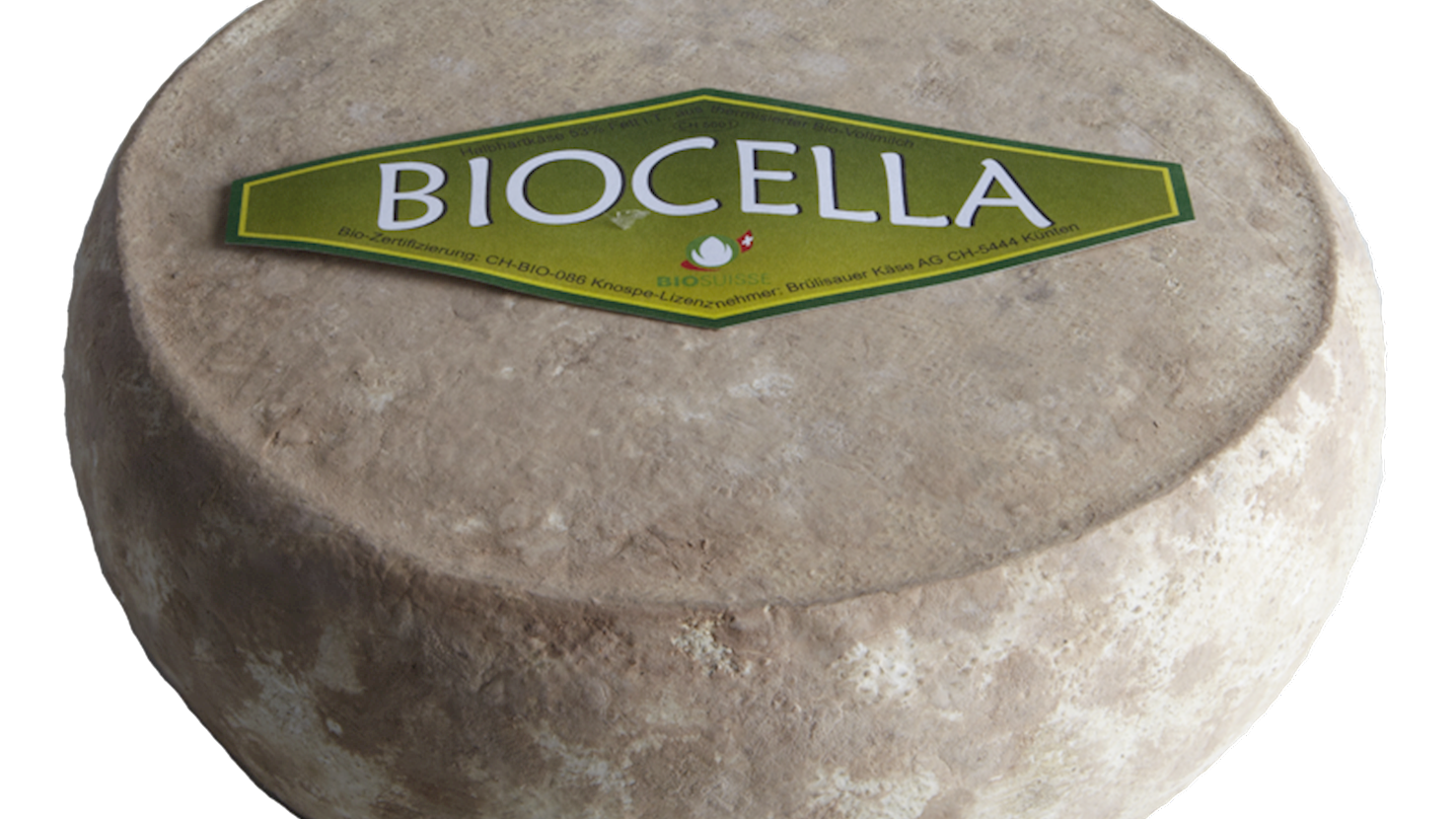
Brülisauer Käse is a cheese production company based in Brülisau, Switzerland. The company specializes in making traditional Swiss cheeses, including Appenzeller cheese, known for its distinct flavor derived from herbal brine treatments. Brülisauer Käse AG produces its cheeses using milk from local farms, emphasizing quality and regional sourcing.
Awards
World Championship Cheese Contest - Best of Class
(2024, 2022)
TasteAtlas food rankings are based on the ratings of the TasteAtlas audience, with a series of mechanisms that recognize real users and that ignore bot,
nationalist or local patriotic ratings, and give additional value to the ratings of users that the system recognizes as knowledgeable.
For the “Top 29 Swiss Natural Rind Cheeses” list until May 30, 2026, 1,441 ratings were recorded, of which 1,188 were recognized by the system as legitimate.
TasteAtlas Rankings should not be seen as the final global conclusion about food. Their purpose is to promote excellent local foods,
instill pride in traditional dishes, and arouse curiosity about dishes you haven’t tried.
The initial list of top producers was compiled based on available reviews, awards, local recommendations, media and blog coverage, and consumer reviews.
The list will be updated with ratings from TasteAtlas local ambassadors and TasteAtlas users.