

shutterstock

Top 3 Albanian Non-alcoholic Beverages

Last updated on June 01, 2026
01

Gorani boza

3.9 ·

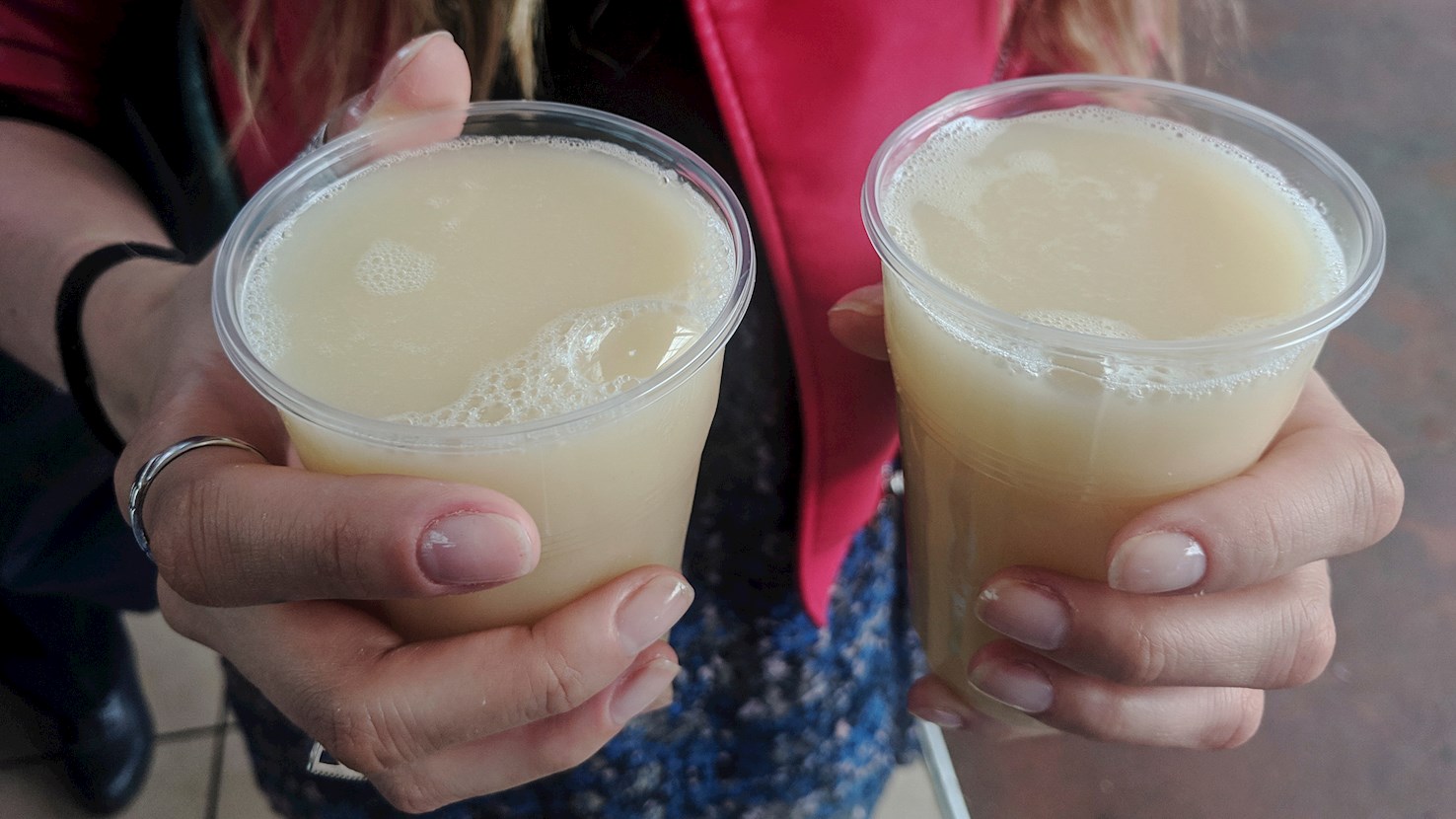
People from the Gorani community living in the mountainous Gora region situated between Albania, Kosovo, and Macedonia have had a long-standing tradition of producing a type of millet beer known locally as boza. With an acidic flavor and a light alcohol content, this beverage is made by fermenting millet (Panicum miliaceum, called prosok in the local language) in water with no added malt. Renowned for their production of this fermented beverage, the Gorani people have commonly been called the bozadzij, meaning people who prepare boza.

02

Wild Lily Tea

3.3 ·

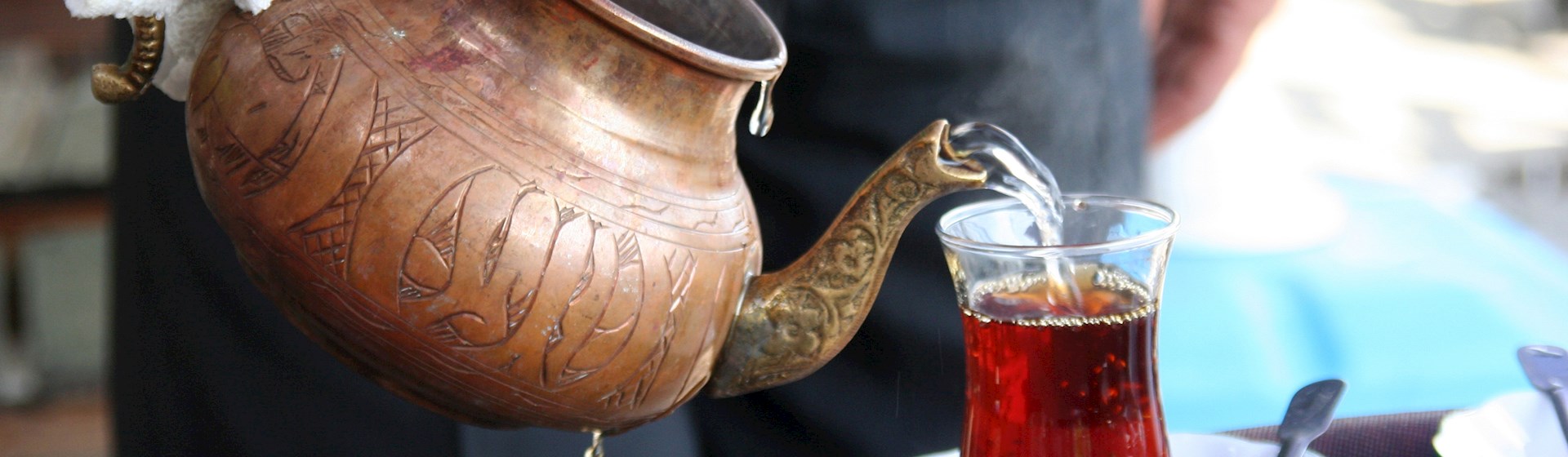
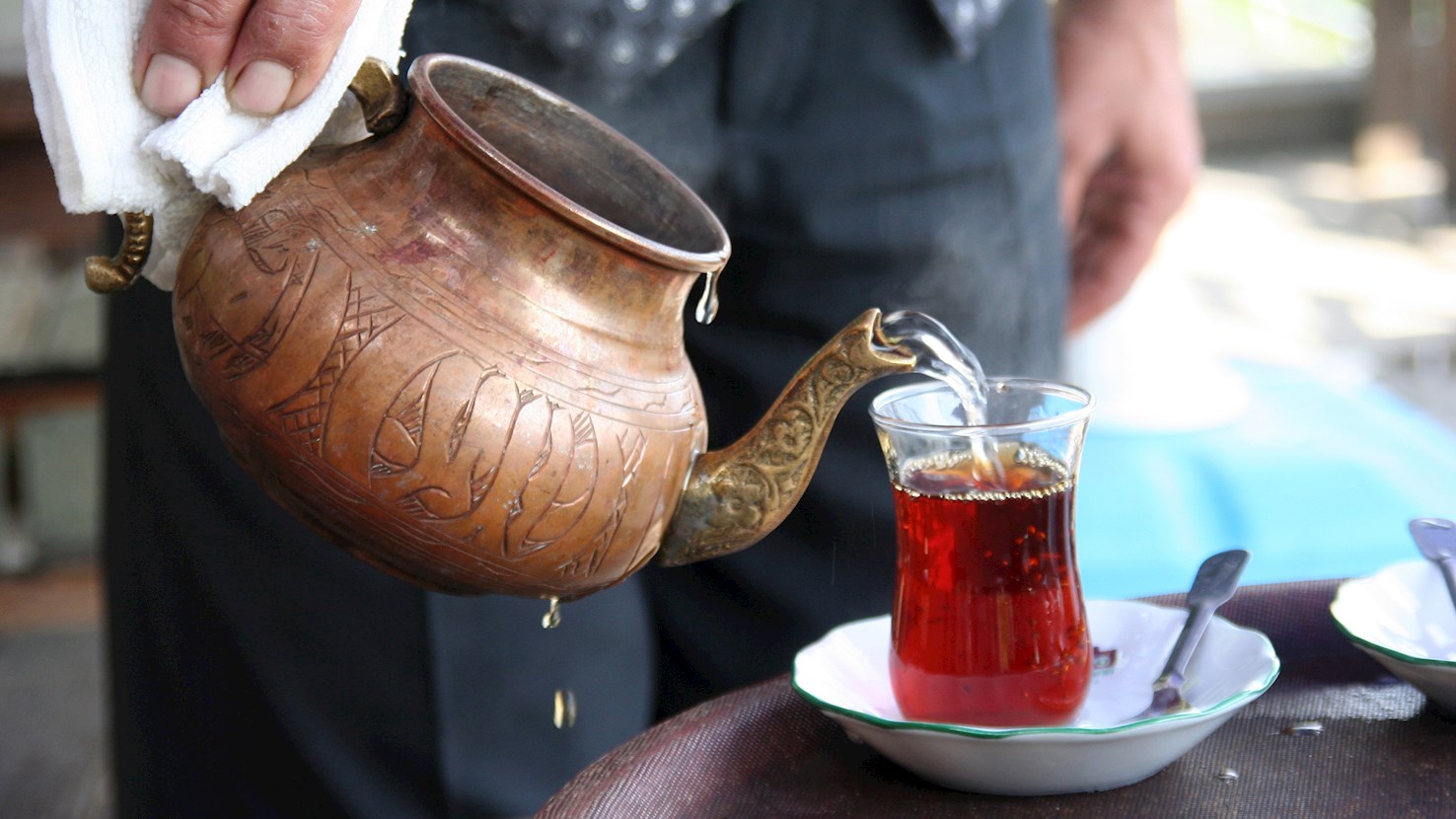
Wild lily (Lilium martagon), Turk’s cap lily, or Martagon lily, known locally as bar tamthi, has traditionally been gathered in early to mid-summer from the alpine meadows by the Kelmendi community in Lëpushë, a mountainous village situated in the Northern Albanian Alps. Distinguished by beautiful, turban-like flowers, this wild plant has been harvested for its bulbs and leaves, which are dried and used to prepare traditional teas, infusions, and decoctions. Regarded as "herb of the liver" in traditional medicine, the plant’s bulbs are believed to help with various liver diseases and digestion problems.

03

Gorani sok

n/a ·

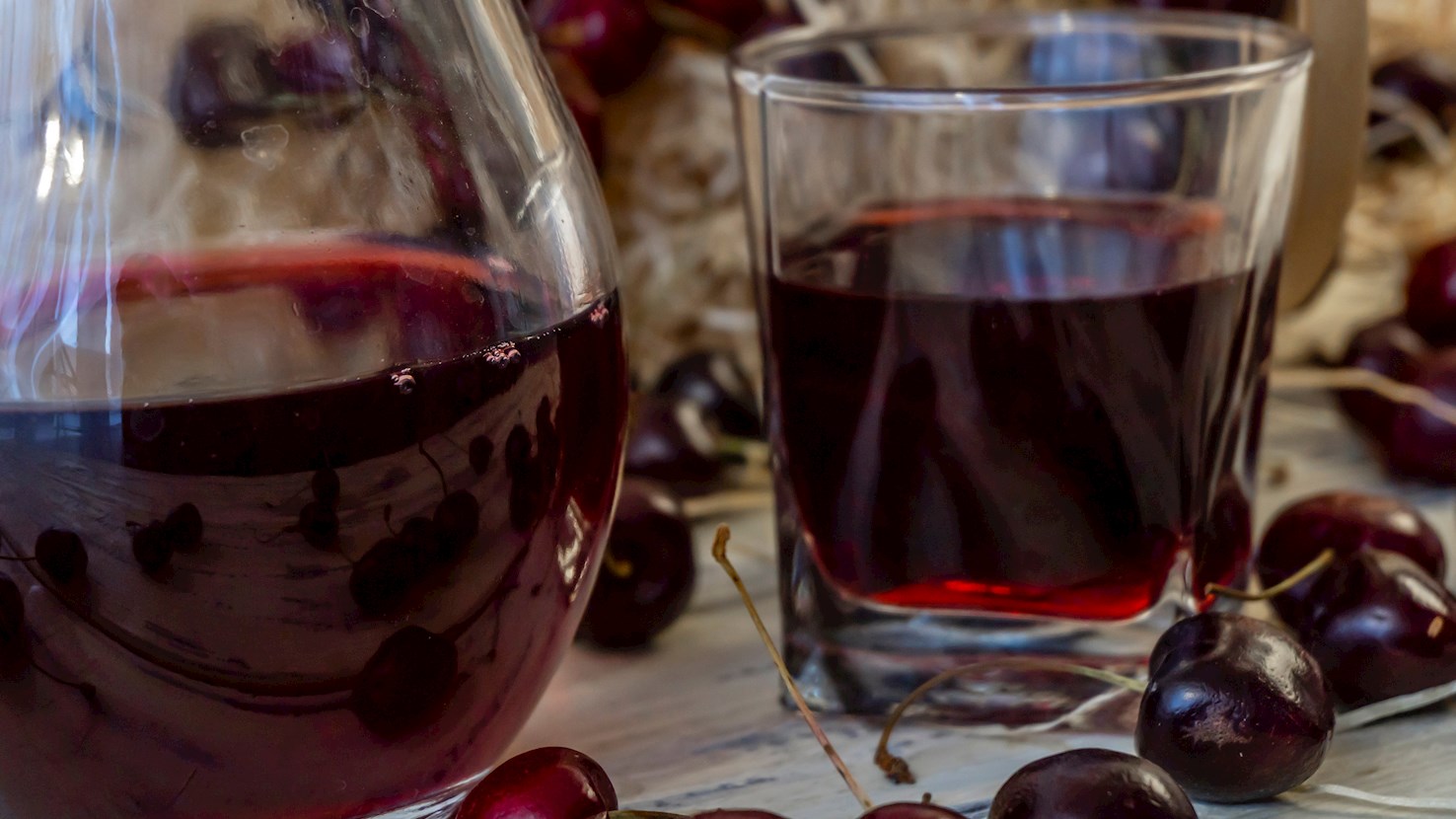
Produced traditionally by people from the Gorani community in Albania, Kosovo, and Macedonia, sok is a fermented, gassy beverage that's either non-alcoholic or has a very low alcohol content. To produce the drink, the fruits are allowed to ferment inside sealed bottles or jars under anaerobic conditions. A wide range of wild or cultivated fruits and berries gathered from the mountainsides by the local population can be used in the production of this beverage, including bilberries, blackberries, blueberries, cherries, rosehips, juniper berries, wild pears, plums, damsons, raspberries, sour cherries, hawthorn, crab apples, cherry plums, and sloe. Sugar and lemon juice can alternatively be added to the drink to promote fermentation and gas production. Aside from being enjoyed as refreshing drinks, these fruit beverages are also appreciated for their healing properties and are often used in traditional medicine as remedies for various health problems. For instance, the beverage made with juniper berries is believed to be beneficial for kidney issues, thirst, and cystitis.

Read more
View all
View map
About this ranking

TasteAtlas food rankings are based on the ratings of the TasteAtlas audience, with a series of mechanisms that recognize real users and that ignore bot, nationalist or local patriotic ratings, and give additional value to the ratings of users that the system recognizes as knowledgeable. For the “Top 3 Albanian Non-alcoholic Beverages” list until June 01, 2026, 27 ratings were recorded, of which 16 were recognized by the system as legitimate. TasteAtlas Rankings should not be seen as the final global conclusion about food. Their purpose is to promote excellent local foods, instill pride in traditional dishes, and arouse curiosity about dishes you haven’t tried.

Similar lists