


Top 4 Bolivian Non-alcoholic Beverages

Last updated on June 10, 2026
01

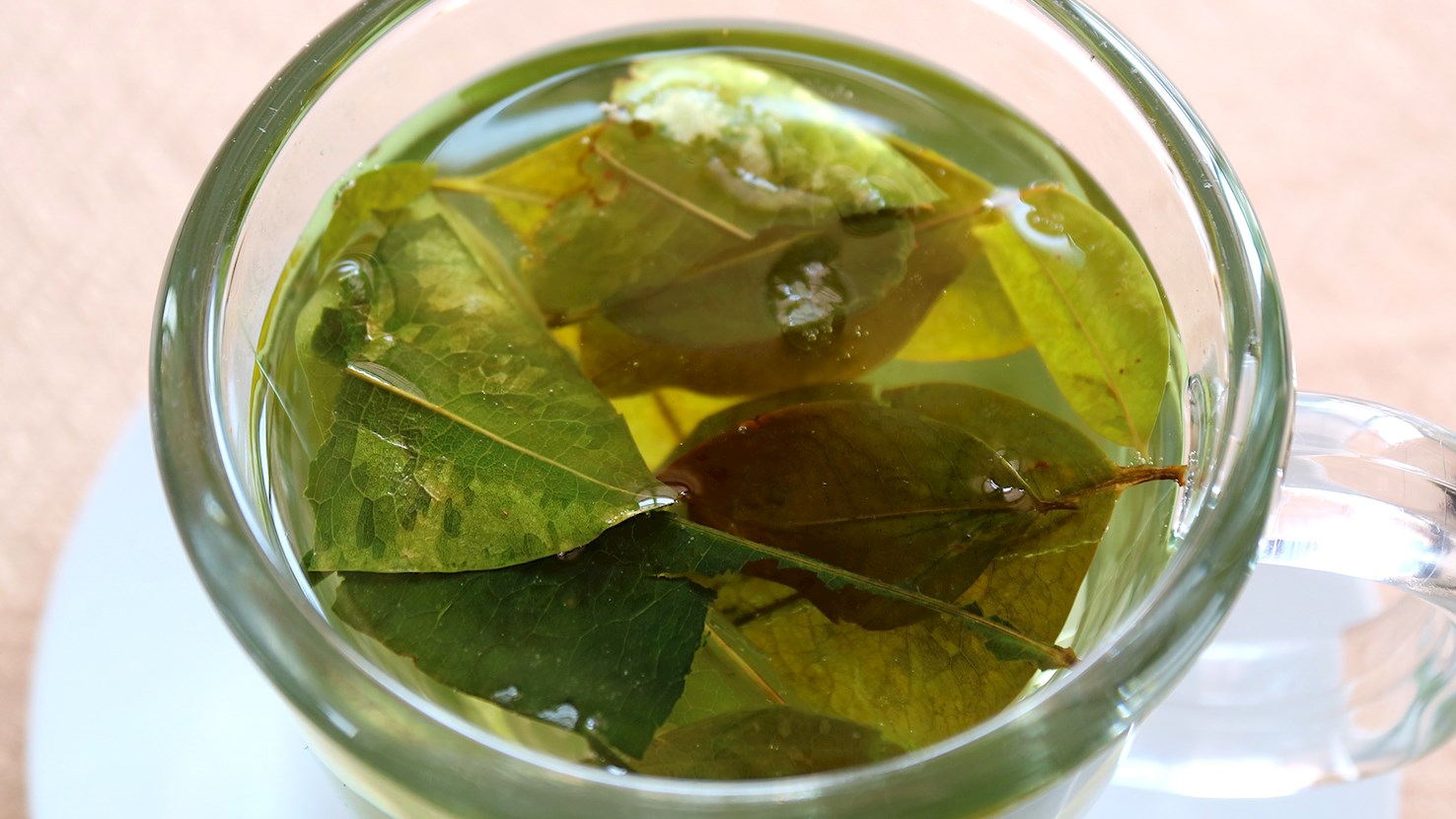
Mate de coca (Coca tea)

3.6 ·

Mate de coca is a herbal infusion that is made by steeping coca leaves or teabags consisting of coca leaves in hot water. This ancient drink has been traditionally enjoyed to treat altitude sickness, and due to the small amounts of alkaloids, it is also regarded as a slightly energizing drink. Although they share a similar name, mate de coca and mate—a herbal infusion often associated with Argentina—should not be mixed up. Coca tea is widely available and legal throughout South America, but outside the region, many countries ban the import and consummation due to the link between coca leaves and cocaine.

02

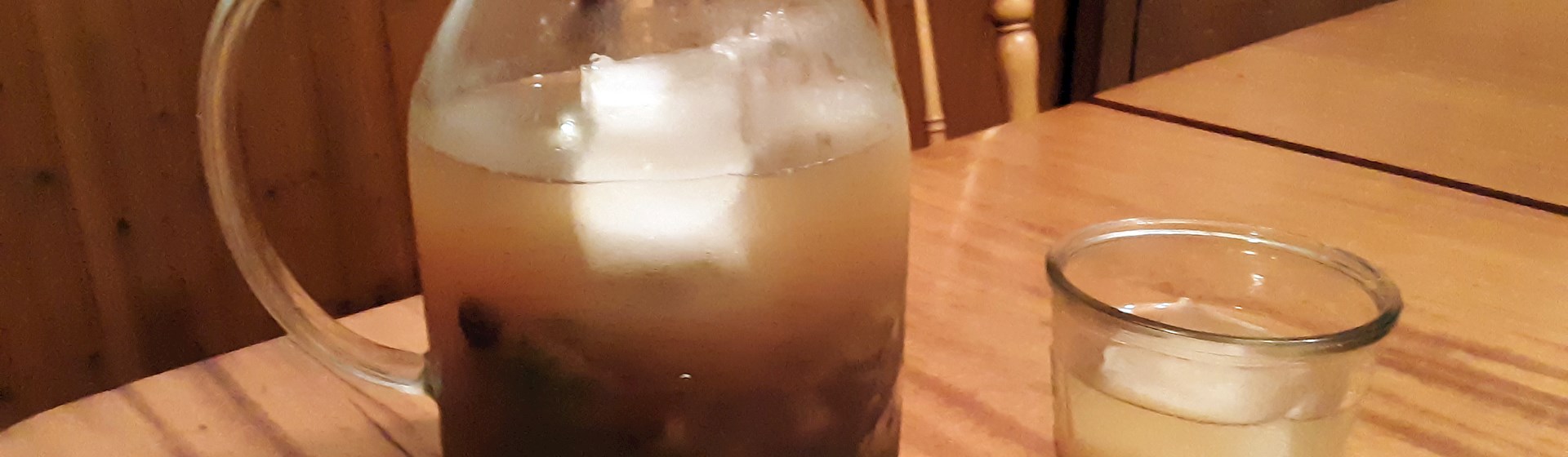
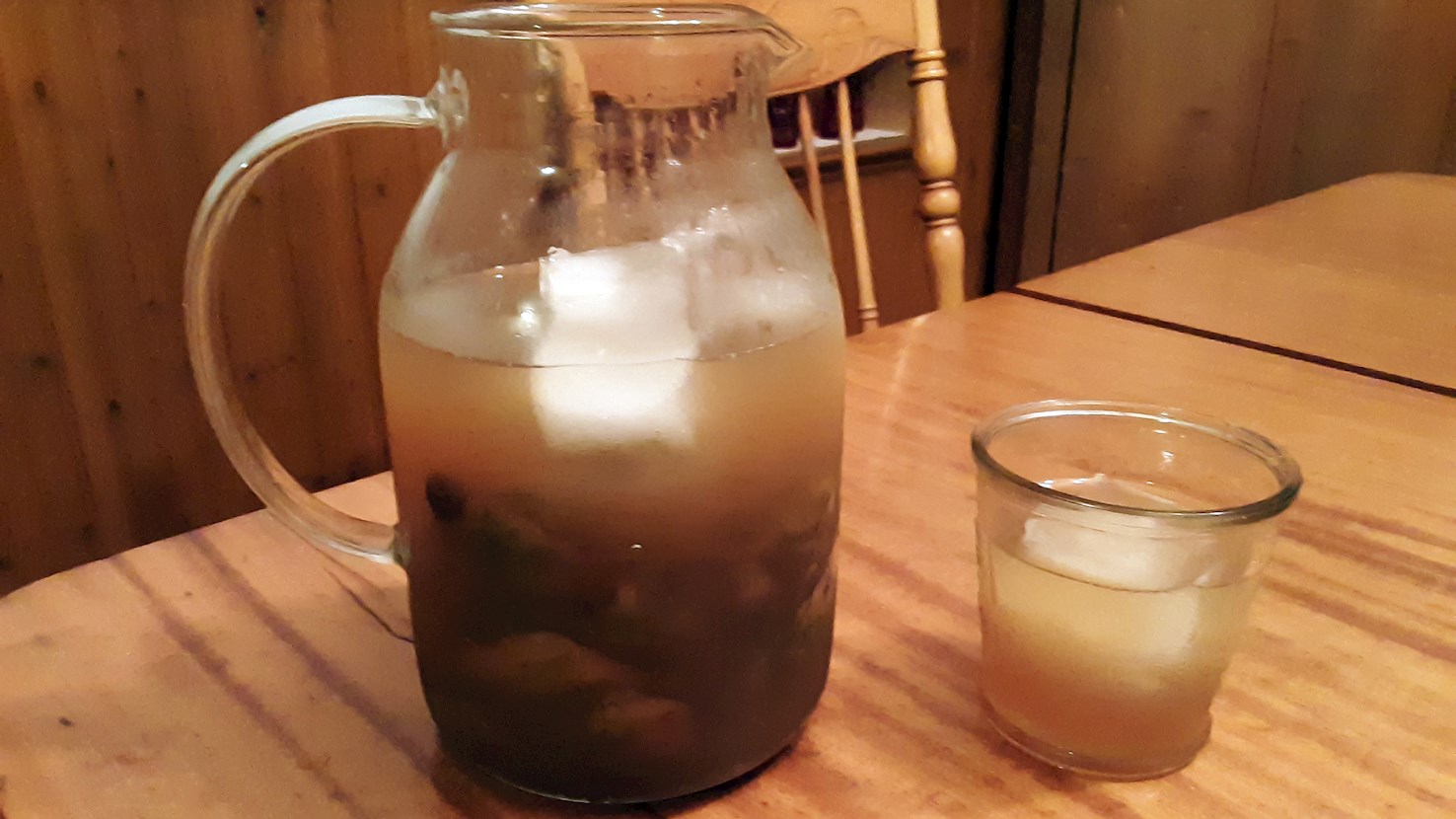
Chicha de piña

2.9 ·

Chicha de piña is a chicha version made with pineapple. It is a refreshing, fizzy drink found in numerous Latin American countries, and it comes in several varieties. Although it is usually fermented, it can also be simmered and served immediately. Typical ingredients include pineapple core and rind, sugar, preferably brown sugar or unrefined cane sugar (panela or piloncillo), water, and optionally spices such as cinnamon sticks or anise. If fermented, the combination is usually left for several days. As it ferments, it becomes fizzier and attains a sweet, subtly tangy flavor. Fermented versions are usually served chilled and with plenty of ice, while simmered varieties can also be served warm.

03

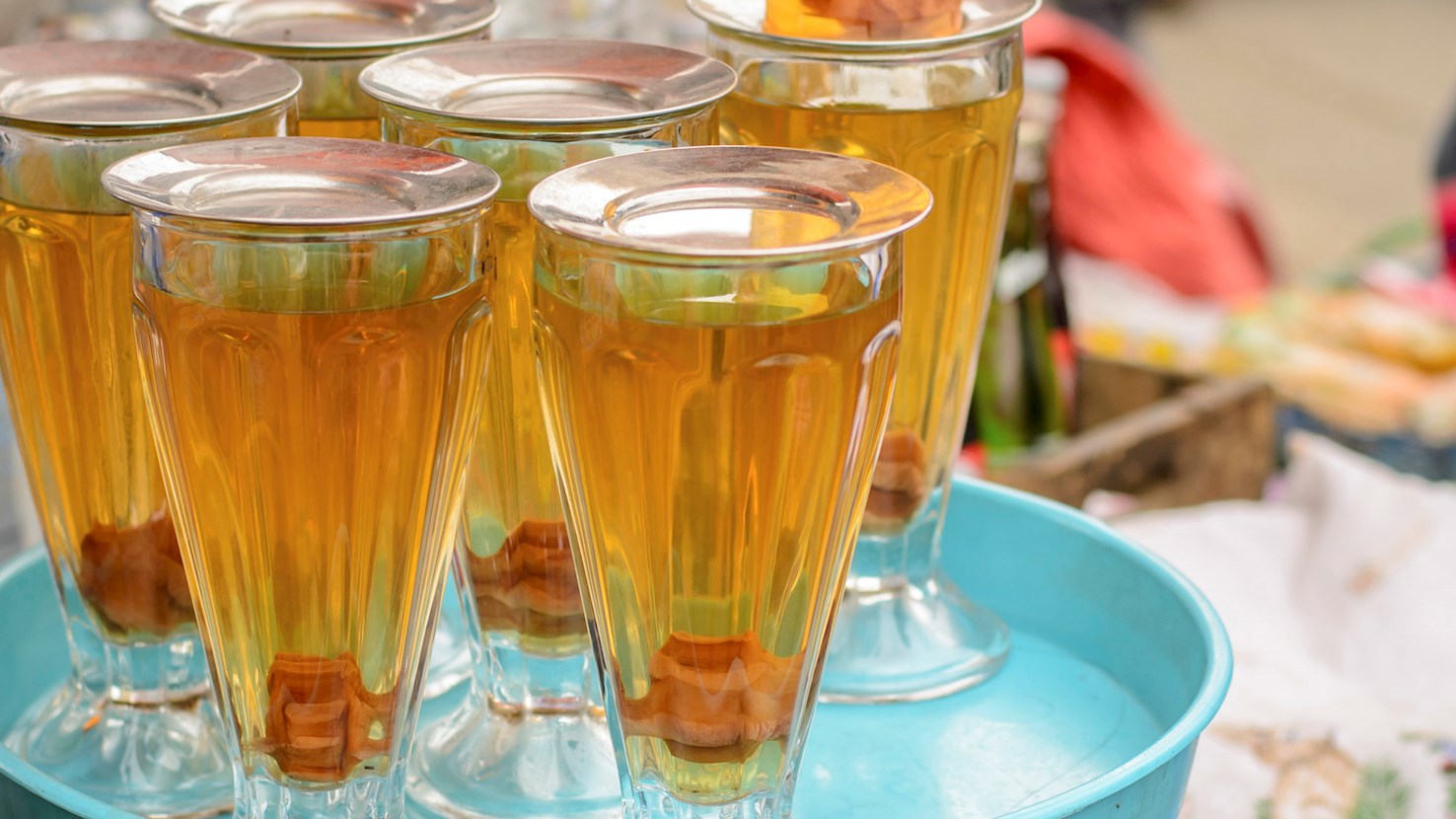
Mocochinchi

2.8 ·

Mocochinchi is a dehydrated peach cider and one of the most popular beverages in Bolivia. It can be bought at street corners, parks, and plazas. The beverage is usually sold from large glass jars alongside other drinks such as chicha and somo. Mocochinchi is made from dehydrated, whole peaches, black raisins, cinnamon, water, orange juice, lemon zest, and sugar. It’s a delicious, sweet, and refreshing drink to have on a hot summer day.

04

Somó

n/a ·

Somó is a corn-based Bolivian beverage that is traditional for eastern parts of the country. It is made with a particular type of small-kernel corn called frangollo. The corn is soaked and boiled together with cinnamon and cloves. When the corn is thoroughly cooked, the drink is sweetened, and it can be additionally thickened with a mixture of corn flour and water. The consistency is adjusted with water, and somó can be served filtered or served with corn kernels. The drink is milky, subtly sweet, and it is typically enjoyed well chilled. Somó is usually prepared in large clay pots, but it is served in a glass.

Read more
View all
View map
About this ranking

TasteAtlas food rankings are based on the ratings of the TasteAtlas audience, with a series of mechanisms that recognize real users and that ignore bot, nationalist or local patriotic ratings, and give additional value to the ratings of users that the system recognizes as knowledgeable. For the “Top 4 Bolivian Non-alcoholic Beverages” list until June 10, 2026, 218 ratings were recorded, of which 82 were recognized by the system as legitimate. TasteAtlas Rankings should not be seen as the final global conclusion about food. Their purpose is to promote excellent local foods, instill pride in traditional dishes, and arouse curiosity about dishes you haven’t tried.

Similar lists