shutterstock

Top 9 Central American Non-alcoholic Beverages

Last updated on July 22, 2026

Best Central American Non-alcoholic Beverages
01

Hacienda La Esmeralda

5.0 ·

Hacienda La Esmeralda is synonymous with premium coffee and is one of the most esteemed specialty coffee producers in the world. Nestled in the beautiful Boquete region of Panama, this family-owned estate boasts a tradition spanning more than half a century. The Peterson family acquired the estate in 1967, dedicating themselves to cultivating coffee with unparalleled quality and character.

Their breakthrough moment came in 2004 when they discovered the exceptional properties of the Geisha coffee variety, renowned for its extraordinary aroma and complex flavor profile. Today, Hacienda La Esmeralda produces exclusive micro-lots of Geisha coffee, such as Esmeralda Auction, Esmeralda Special, and Esmeralda Private Collection, available only through auctions and select sales channels. Each batch of their coffee is the result of meticulously controlled cultivation, careful hand-picking, and innovative processing methods, ensuring an unforgettable taste and experience in every cup. Hacienda La Esmeralda is more than just a coffee producer – it is a story of dedication, tradition, and the pursuit of perfection.

Their mission is clear: to craft coffee that pushes boundaries and inspires coffee lovers around the world.

Awards
Best Of Panama Competition - 1st Place (2019, 2010)
02

Ninety Plus Gesha Estates

4.9 ·

Ninety Plus Coffee is an innovative producer of specialty coffee, known for its commitment to quality, environmental sustainability, and pioneering processing methods. The company was founded in 2006 by Joseph Brodsky with a vision to redefine industry standards through experimentation with fermentation, terroirs, and cultivation methods. Ninety Plus Coffee began its journey in Ethiopia, the birthplace of coffee, where new approaches to coffee cultivation and processing were developed.

Shortly after, the company expanded its plantations to Panama, recognizing the exceptional conditions for growing premium Arabica coffee. Its two leading farms, Gesha Estates and Barú Estates, are situated on rich volcanic soil and surrounded by biodiversity that enables organic coffee growth in the shade of natural forests. Their Gesha variety is particularly significant, recognized as one of the best coffees in the world.

Coffees from the Ninety Plus collection have won awards at prestigious competitions and have been used to claim several world championships in coffee preparation. Their cultivation method does not rely on conventional plantation systems but instead follows a holistic approach that encourages the regeneration of natural ecosystems.

03

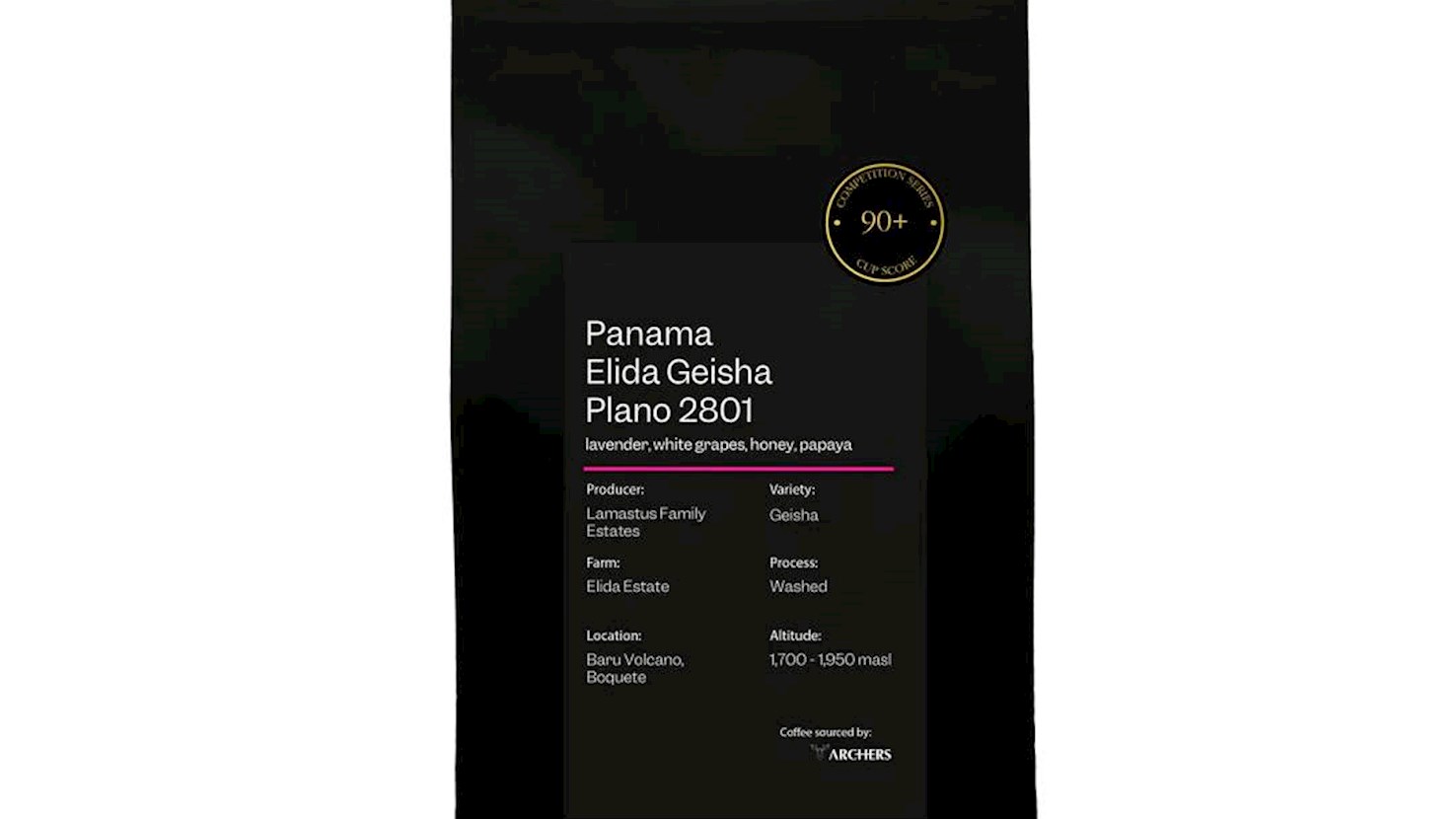
Elida Estate

4.9 ·

Lamastus Family Estates is a prestigious name in the world of premium coffee, with a cultivation tradition spanning over a century. The Lamastus family has been producing coffee since 1918, when Robert Lamastus founded the first plantation in the Boquete region, in the heart of Panama.

Today, this family tradition lives on through three exceptional estates: Elida Estate, El Burro Estate, and Luito Geisha Estate, located at altitudes ranging from 1,700 to 2,500 meters. The unique location of these plantations, rich volcanic soil, and microclimatic conditions contribute to the development of coffee with exceptional complexity of flavor and aromatic profile. Among the varieties we cultivate, the Geisha variety stands out, having won numerous prestigious awards, including multiple titles at the Best of Panama competition. We take pride in blending tradition with innovation.

Coffee from our estates reaches the most discerning connoisseurs worldwide, and our dedicated research into fermentation and drying processes allows us to continually raise the bar for quality.

Awards
Best Of Panama Competition - 1st Place (2018)
Best Of Panama Competition - Second Place (2020)
04

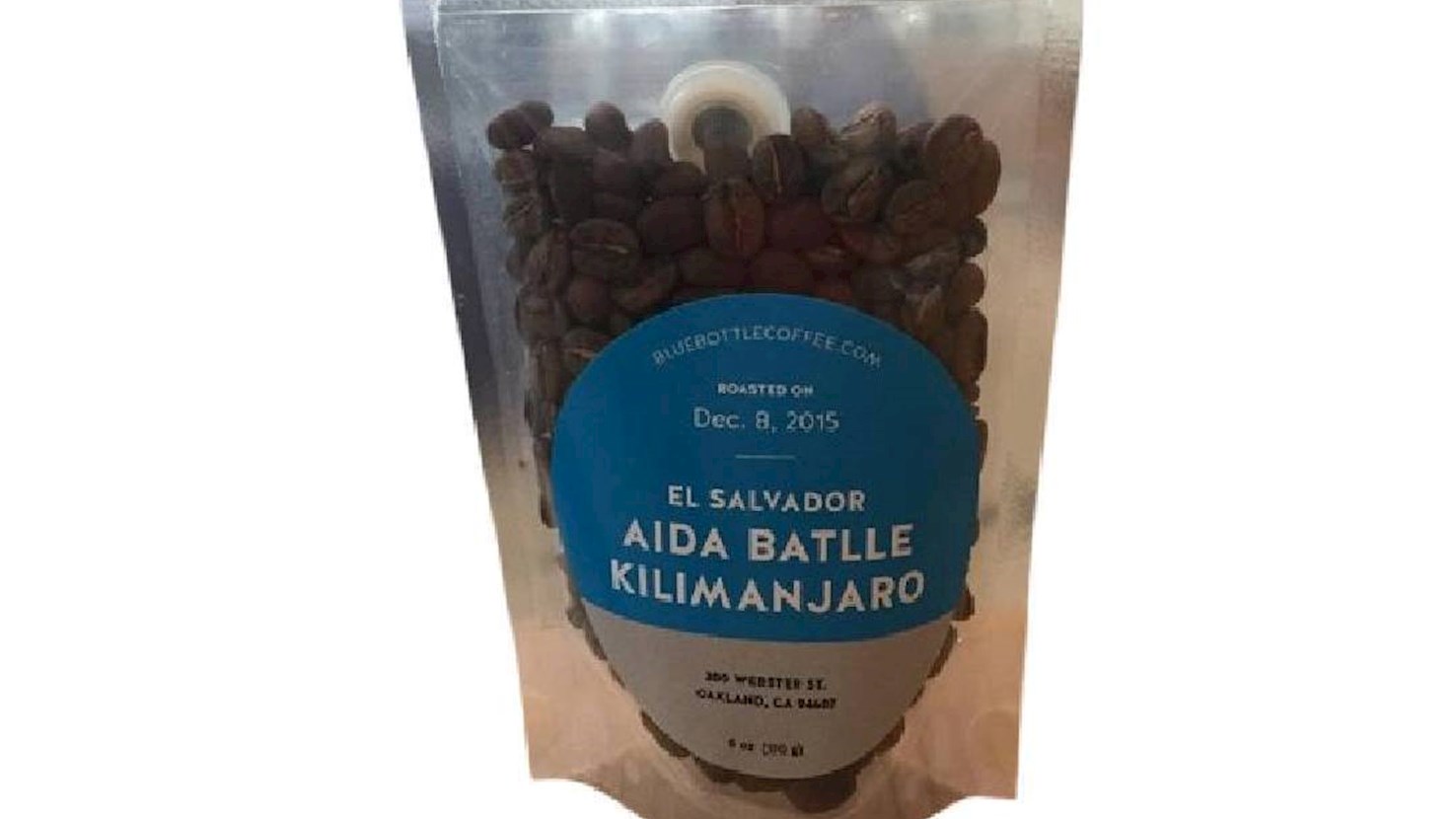
Aida Batlle Selection

4.9 ·

Aida Batlle Selection refers to a premium line of coffees sourced and curated by Aida Batlle, a renowned coffee producer from El Salvador. Batlle is known for her meticulous approach to coffee cultivation, processing, and selection, earning her international acclaim in the specialty coffee industry.

Sourced primarily from her family farms in El Salvador, notably in the Santa Ana region. Includes Bourbon, Pacamara, and other high-quality Arabica varieties. Aida Batlle was the first woman to win the Cup of Excellence in El Salvador. Her coffees are sought after by specialty roasters and cafes worldwide. Collaborates with elite roasters to ensure her coffee is showcased at its best.

Awards
Coffee Review - 6th Place (2017)
05

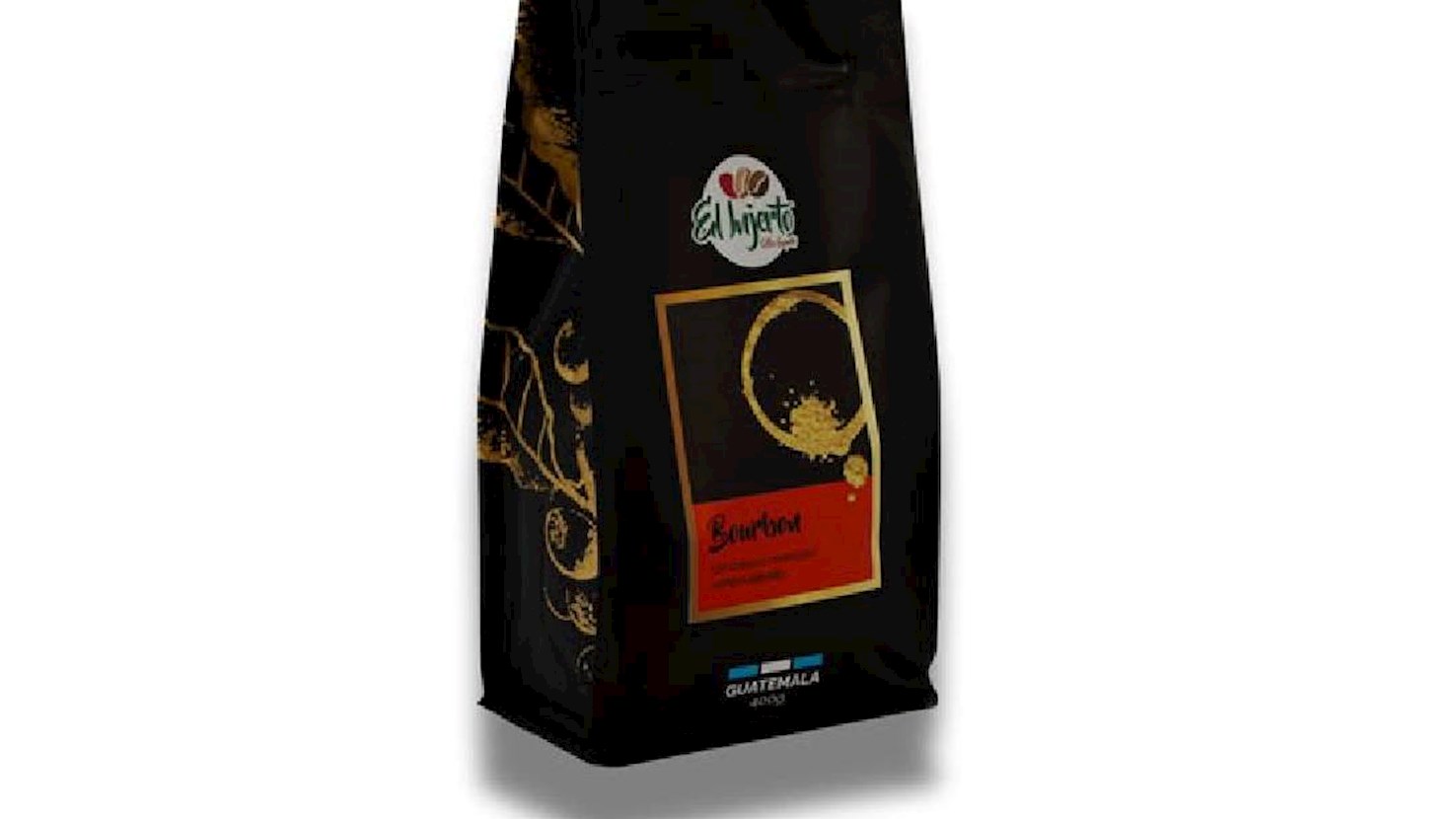
Finca El Injerto

4.9 ·

Finca El Injerto is one of the most esteemed coffee plantations in Guatemala, renowned for its exceptional quality and commitment to sustainable production. Nestled in the mountainous region of Huehuetenango, this family-owned farm boasts a legacy spanning more than a century. Founded in 1874, the farm initially cultivated sugarcane and other agricultural crops, but in the early 20th century, it fully dedicated itself to coffee production.

The name El Injerto originates from a native fruit found in this region, symbolizing the farm’s deep connection to nature and the uniqueness of its terroir. Today, the third and fourth generations of the Aguirre family manage the farm with a clear mission – to produce the highest-quality specialty coffee, maintaining strict control over every step of the process, from cultivation to final processing. Finca El Injerto does not purchase coffee beans from other producers; instead, it exclusively processes its own harvest, ensuring premium quality and full traceability.

Awards
Cup of Excellence - 1st Place (2015)
Cup of Excellence - 1st Place (2013, 2012, 2011, 2006)
06

Finca El Puente

4.9 ·

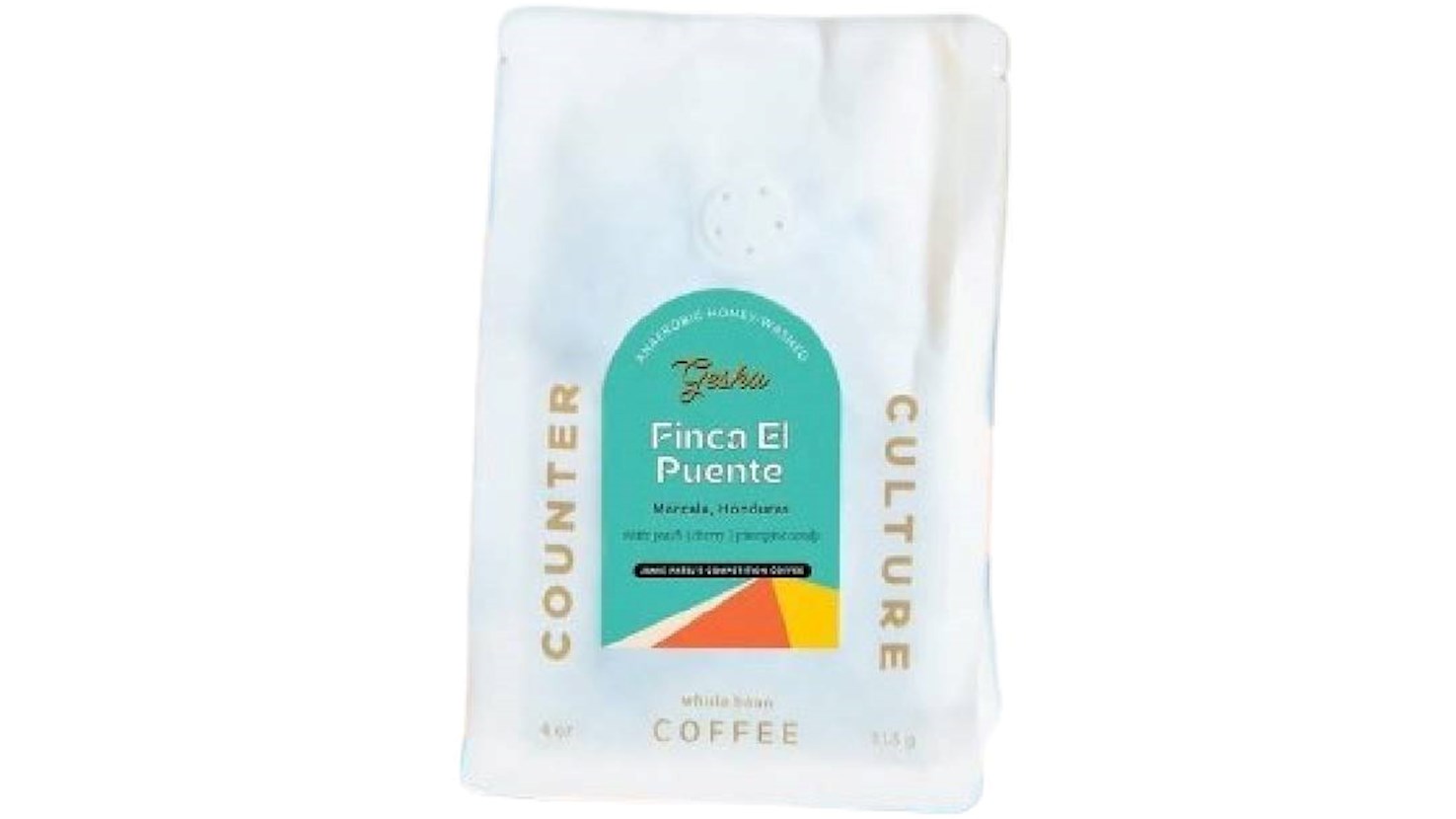
Finca El Puente is a family-owned coffee farm in Honduras, run by Marisabel Caballero and Moises Herrera, experienced coffee producers known for their innovative techniques and experimental processing methods. Their mission is to continuously enhance coffee quality through carefully selected varieties and sustainable farming practices. Today, Finca El Puente is synonymous with exceptional quality and exclusive coffee varieties, recognized and valued worldwide.

Their dedication to exploring new techniques, experimenting with fermentation, and improving drying processes has resulted in unique and outstanding coffees that captivate specialty coffee enthusiasts.

07

Las Lajas

4.4 ·

Las Lajas is a family-owned coffee farm and roastery from Costa Rica, renowned worldwide for its innovative processing methods and exceptional bean quality. Las Lajas is synonymous with premium specialty coffee, carrying the distinctive imprint of its terroir and meticulous handling at every stage of processing.

Their commitment to organic production and experimentation with fermentation results in unique flavor profiles that delight coffee enthusiasts around the world.

Best Central American Non-alcoholic Beverage Types
01

Guarapo

4.1 ·

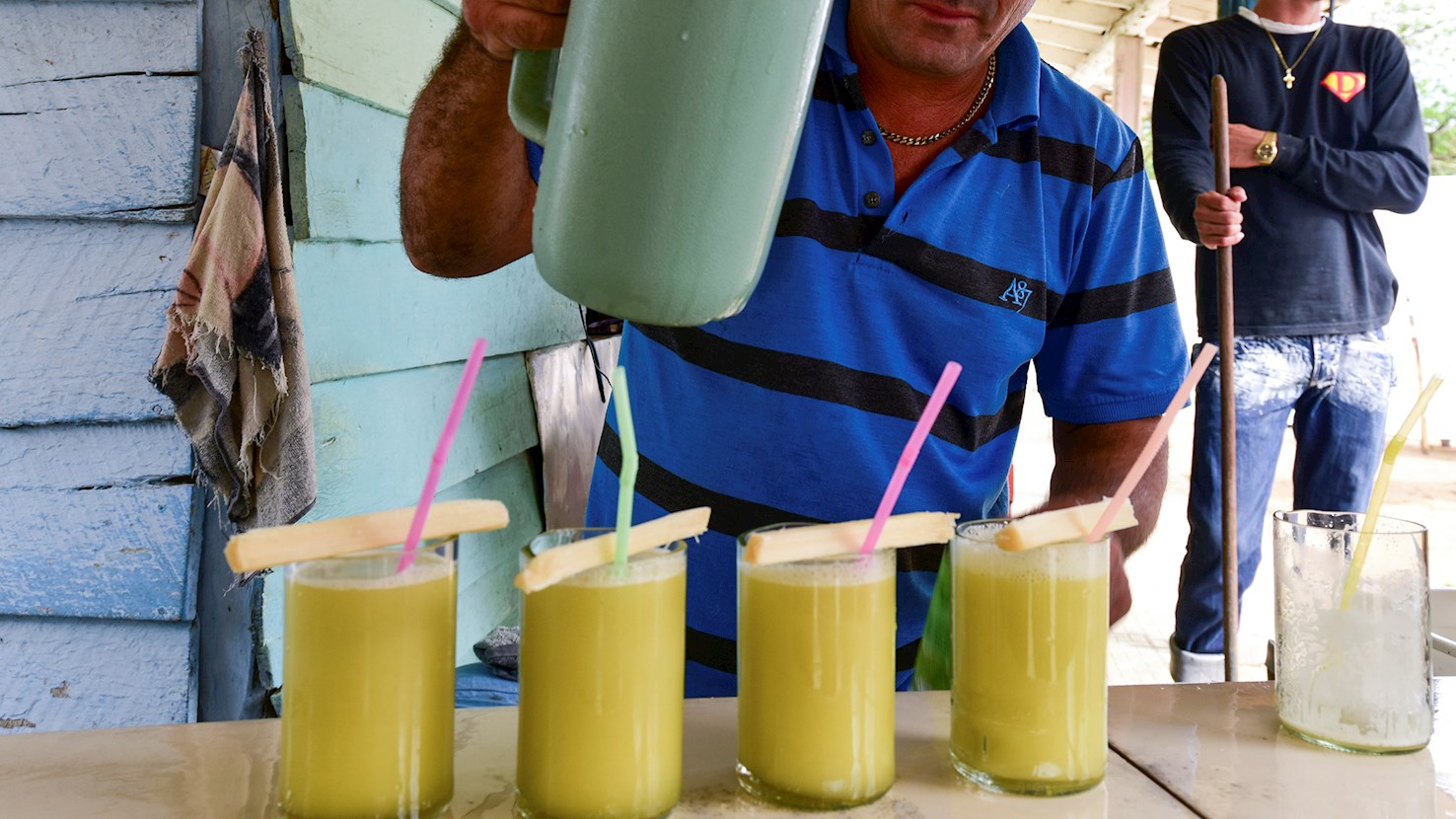
Guarapo is a Latin American drink made from raw, pressed sugarcane juice mixed with water, ice, and lots of fresh limes. Most often, the vendors that sell it will extract the sugar cane juice right on the spot using a metal sugar cane press. The juice drips into a bucket below the press where it’s sieved before serving. It has a slightly sweet flavor, and it’s most popular in the summer as a cold refreshment. The word guarapo was first recorded in the 19th century by Esteban Pichardo, who defines it as a broth or a liquid made from sugarcane juice, extracted under pressure. Both the word and the procedure are still around after almost two centuries.

02

Pinolillo

3.9 ·

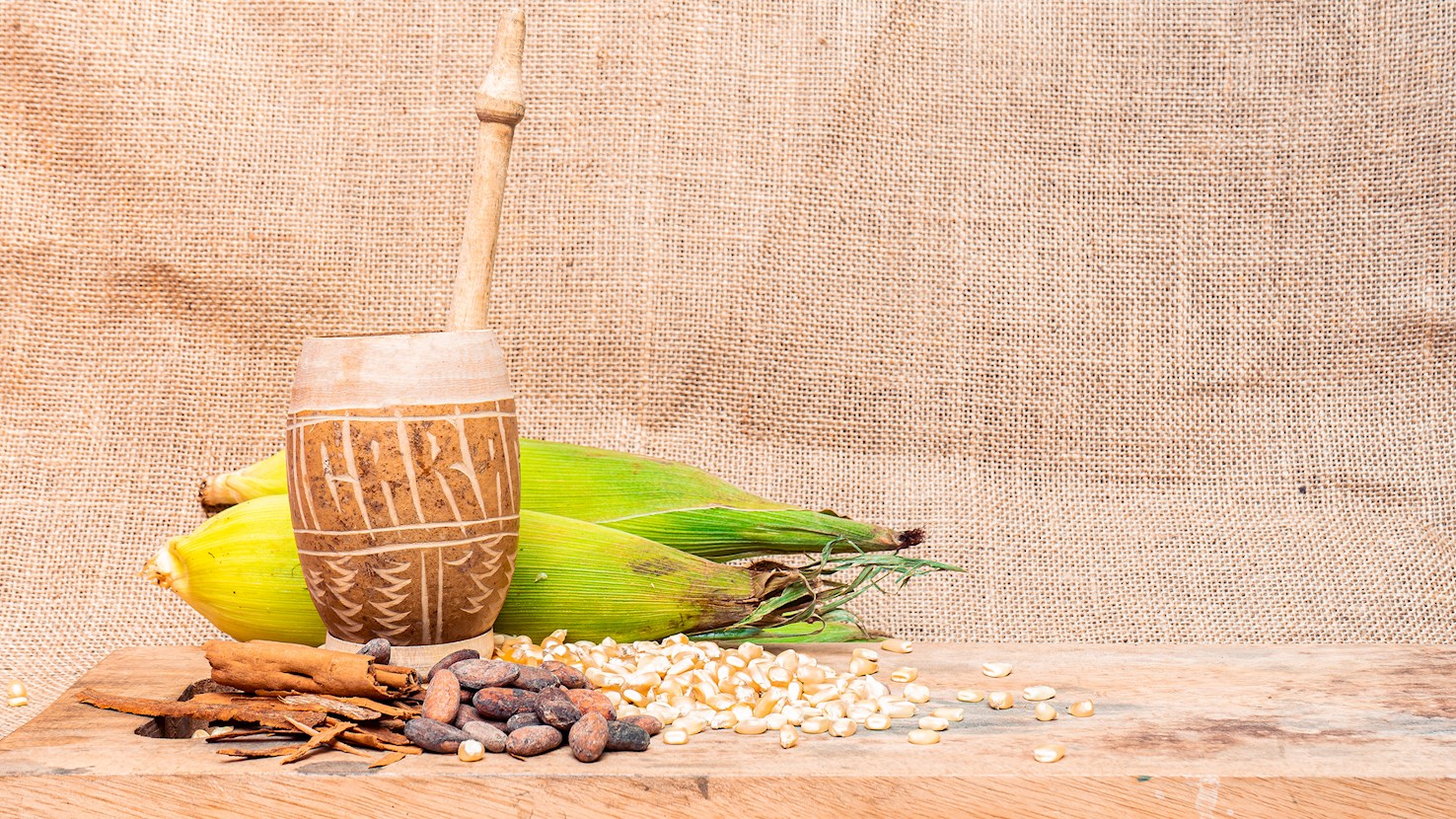
Pinolillo is a nutritious Nicaraguan drink made with toasted cornmeal, cocoa powder, and spices such as cinnamon and cloves. The base can be made with milk or water, and the drink can be served plain or sweetened with sugar or honey. Pinolillo is has a dense and slightly gritty texture, and though it can be assembled at home, it is often made with pre-packed powder blends. It is traditionally served in jícaras—traditional drinking vessels made from the fruits of the jícaro (Calabash tree). Pinolillo is enjoyed in several other Latin American countries. It can be served warm or chilled. Traditional versions are made with corn kernels and cocoa beans.

03

Agua de Sapo

3.0 ·

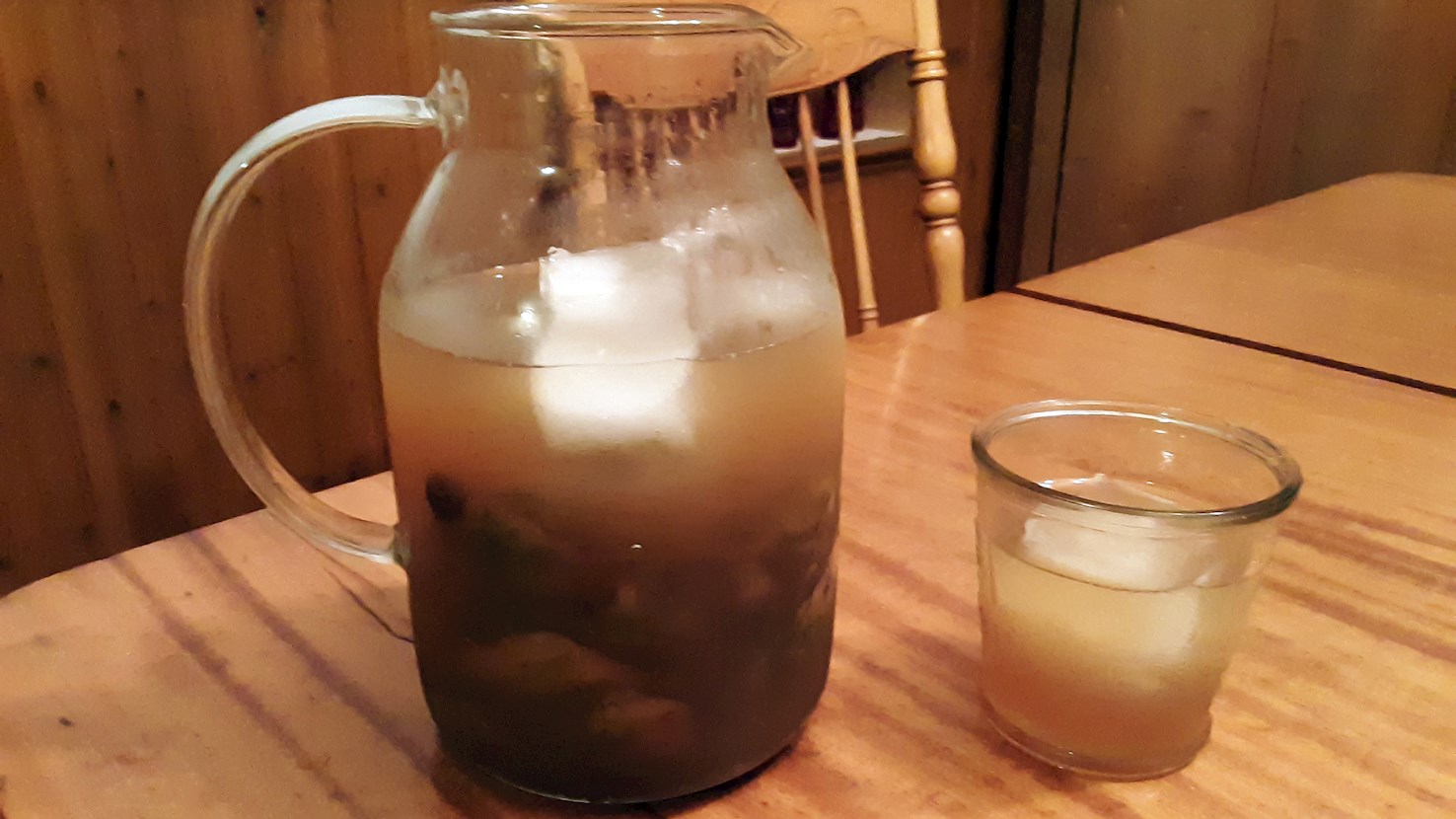
Agua de Sapo is a traditional drink made from tapa de dulce (unrefined sugar), limes, and ginger. It originated from Porto Limón, a small town on the Caribbean coast of Costa Rica. The literal translation of the name is toad water due to its murky, dark orange color. The beverage is most commonly consumed in summer.

04

Chicha de piña

2.9 ·

Chicha de piña is a chicha version made with pineapple. It is a refreshing, fizzy drink found in numerous Latin American countries, and it comes in several varieties. Although it is usually fermented, it can also be simmered and served immediately. Typical ingredients include pineapple core and rind, sugar, preferably brown sugar or unrefined cane sugar (panela or piloncillo), water, and optionally spices such as cinnamon sticks or anise. If fermented, the combination is usually left for several days. As it ferments, it becomes fizzier and attains a sweet, subtly tangy flavor. Fermented versions are usually served chilled and with plenty of ice, while simmered varieties can also be served warm.

05

Resbaladera

n/a ·

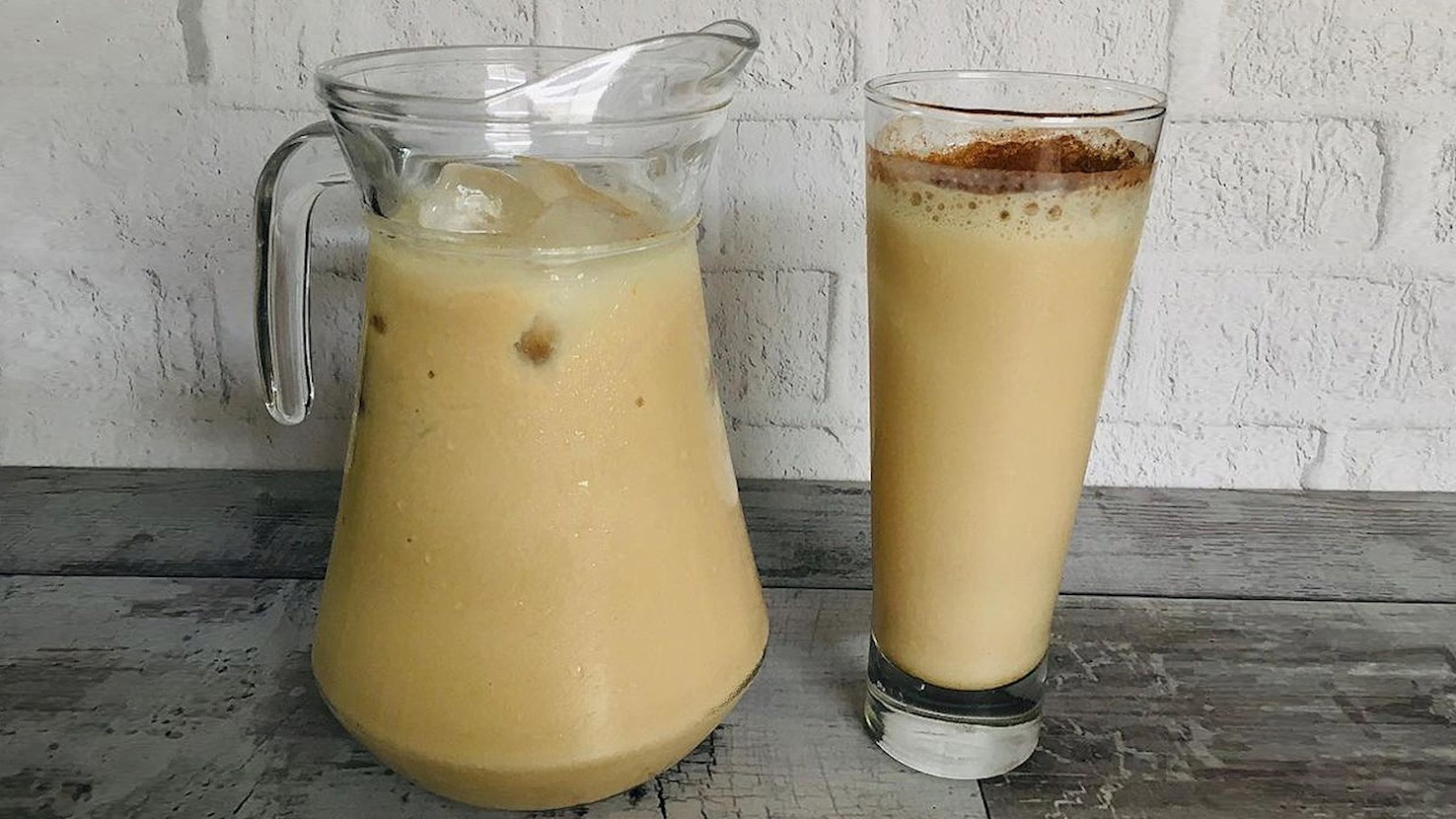
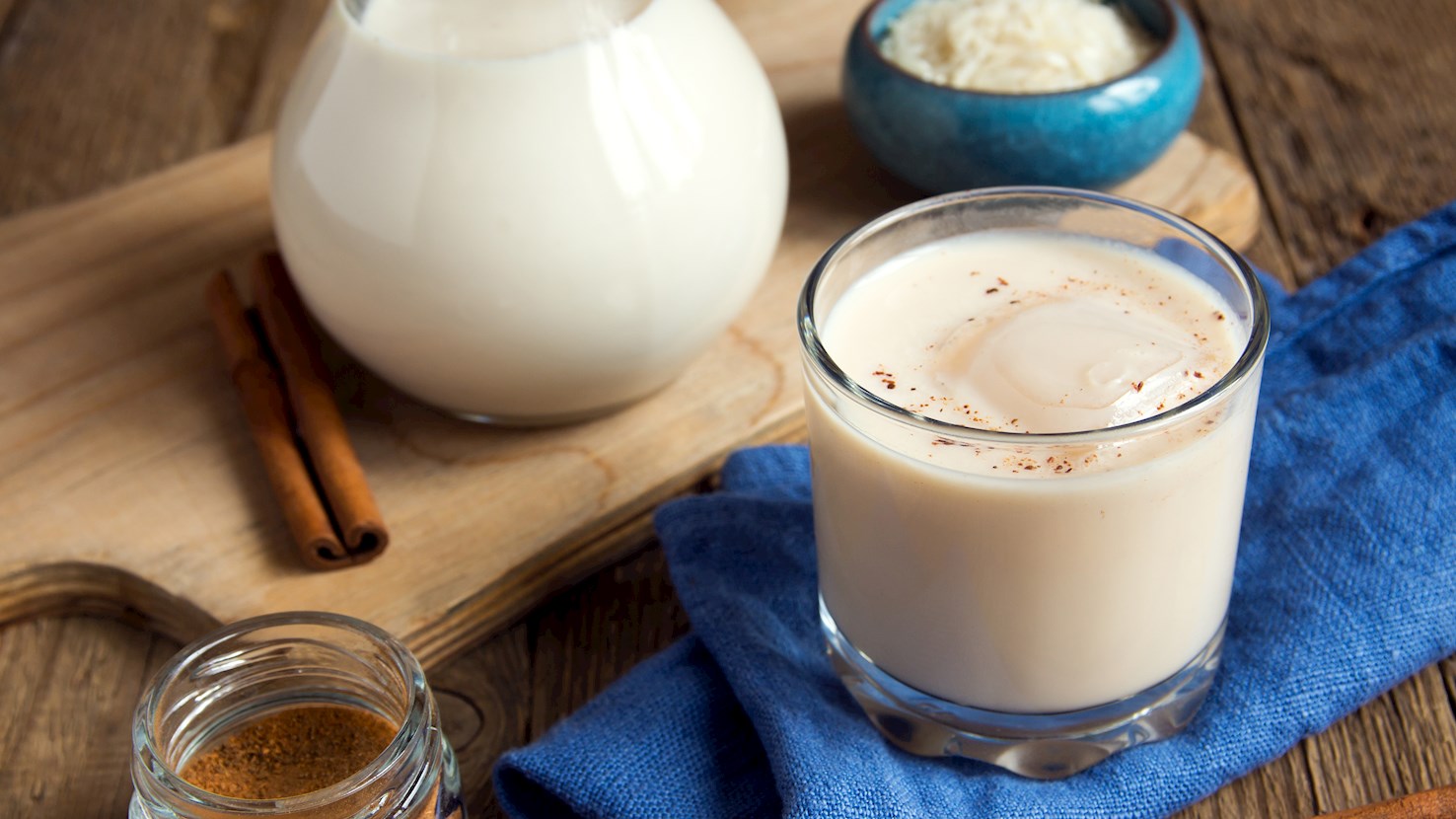
Resbaladera is a barley and rice drink common in several Central American countries. It is made by soaking barley and rice and blending the combination until smooth. The mix is sweetened and combined with milk (and optionally water) to reach the desired consistency. Resbaladera is usually flavored with spices, most commonly cinnamon, cloves, and vanilla. The drink is typically served chilled, preferably over ice. It is sometimes garnished with ground cinnamon or grated nutmeg.

06

Horchata de ajonjolí

n/a ·

Usually associated with Puerto Rico and El Salvador, horchata de ajonjolí is a traditional drink made with sesame seeds. It belongs to the horchata group, a category of drinks usually made with grains or seeds. To prepare the drink, sesame seeds are toasted and blended with water, often with the addition of milk. The drink is strained and sweetened to taste, and it is often enriched with spices, usually vanilla, cinnamon, and cloves. This horchata is best served cold and enjoyed as a refreshing nutty drink.

07

Chicheme

n/a ·

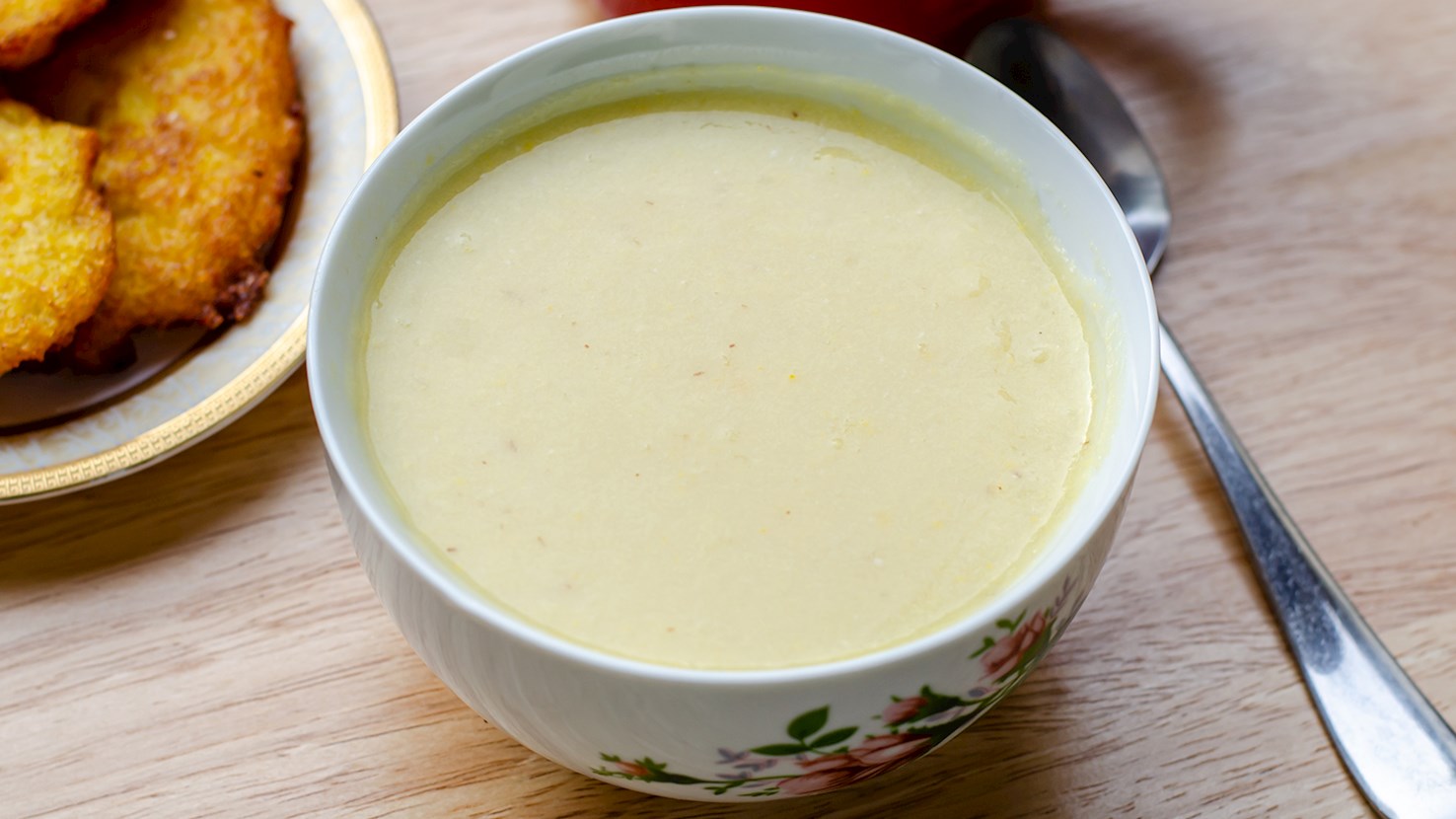
Chicheme is a sweet drink especially popular in some countries of Central America, namely Panama and Costa Rica. Traditionally, it is made from maíz pilado (dried corn kernels) that are crushed in a mortar until there are only small pieces of corn left. The corn is washed and soaked overnight, after which it’s boiled with cinnamon sticks and condensed milk. Once the corn has become soft, nutmeg, vanilla, and sugar are added before the pot is removed from the heat and left to cool down.

08

Chicha

n/a ·

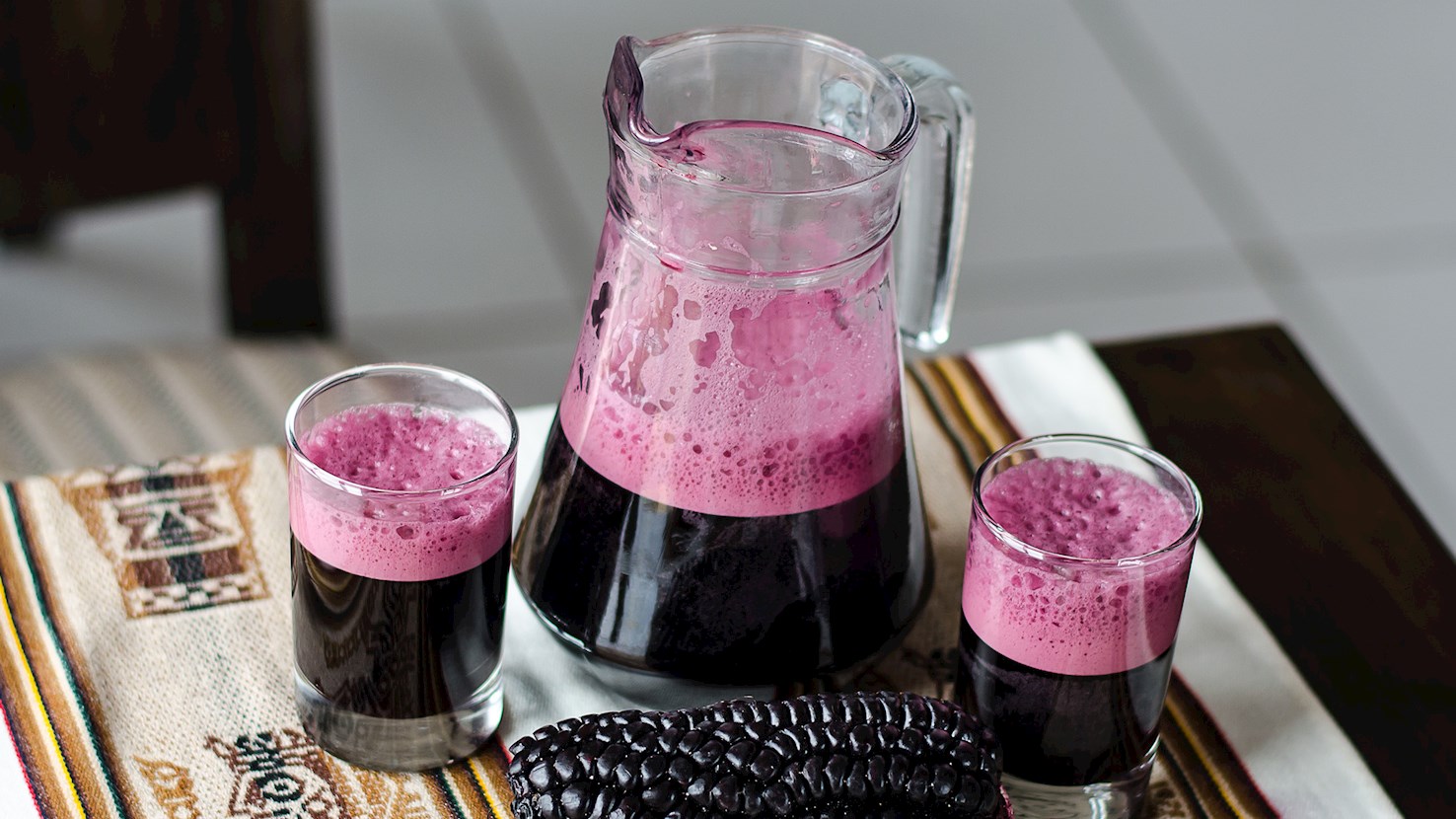
Chicha is a fermented drink deeply rooted in the cultural practices of various indigenous groups across South and Central America. It is most famously associated with the cultures of the Andes, particularly in countries like Peru, Ecuador, Bolivia, and Colombia. Chicha is traditionally made from maize (corn), although other bases like manioc (cassava) or various fruits can also be used. The process starts with the maize being malted; the grains are sprouted, dried, and then ground. This malt is then mixed with water and cooked. After cooking, the mixture is left to ferment for several days to several weeks. The fermentation process is what turns the sweet maize water into chicha, which can be either alcoholic or non-alcoholic depending on the duration of fermentation and specific preparation methods. Some traditional methods of fermentation include using human saliva (chewed corn) to break down the starches into sugars. Chicha holds significant cultural importance in many indigenous and local communities. It is often consumed during festivals, religious ceremonies, and community gatherings. Historically, it was also used in ritual offerings to the deities in pre-Columbian times. Today, while traditional practices of chicha brewing are less common, they are still practiced in many rural areas and are being revitalized by some urban breweries and cultural groups aiming to preserve this traditional beverage.

09

Horchata de morro

n/a ·

Horchata de morro is a type of horchata or agua fresca that hails from El Salvador. It is made with ground morro (jícaro) seeds that are ground and mixed with water or milk to create a smooth, creamy drink. Some of the typical ingredients added to the mix are rice, peanuts, vanilla, cinnamon, cocoa, and sesame seeds. This beverage is traditionally served cold, preferably in an ice-filled glass. It is sweetened to taste and best enjoyed as a refreshing summer drink.

Read more
View all
View map
About this ranking

TasteAtlas food rankings are based on the ratings of the TasteAtlas audience, with a series of mechanisms that recognize real users and that ignore bot, nationalist or local patriotic ratings, and give additional value to the ratings of users that the system recognizes as knowledgeable. For the “Top 9 Central American Non-alcoholic Beverages” list until July 22, 2026, 249 ratings were recorded, of which 99 were recognized by the system as legitimate. TasteAtlas Rankings should not be seen as the final global conclusion about food. Their purpose is to promote excellent local foods, instill pride in traditional dishes, and arouse curiosity about dishes you haven’t tried.

The initial list of top producers was compiled based on available reviews, awards, local recommendations, media and blog coverage, and consumer reviews. The list will be updated with ratings from TasteAtlas local ambassadors and TasteAtlas users.

Similar lists