shutterstock

Top 11 Colombian Non-alcoholic Beverages

Last updated on July 22, 2026

Best Colombian Non-alcoholic Beverages
01

Café Granja La Esperanza

4.9 ·

Café Granja La Esperanza is a leading specialty coffee producer from Colombia, renowned for its commitment to quality, innovative fermentation methods, and cultivation of rare varieties. Founded in 1945, the farm began its journey in the Valle del Cauca region with Yellow Bourbon, Red Bourbon, and Caturra varieties before expanding to estates such as Las Margaritas, La Esperanza, Cerro Azul, Potosí, and Hawaii.

Their continuous research and refinement of cultivation and processing techniques have made them synonymous with premium coffee and precision fermentation. In 2007, they gained global recognition by growing the Geisha variety in Panama, which won first place at the prestigious Best of Panama competition.

Their innovative approach includes specialized fermentation processes such as X.O and Napoleon, which enhance flavor complexity and unique aromas. Managing five farms, Café Granja La Esperanza cultivates exclusive varieties such as Geisha, Mokka, Laurina, Pacamara, Pink Bourbon, and Lupe Maria, adapting them to Colombia’s microclimatic conditions.

Their dedication to sustainability and community support is reflected in their work with 12 coffee-producing communities, while their expert team with Q-Grader certification ensures top-tier quality in every batch. Blending tradition with innovation, Café Granja La Esperanza continues to push the boundaries of the specialty coffee industry, delivering a unique experience in every cup.

Awards
Coffee Review - 3rd Place (2019)
02

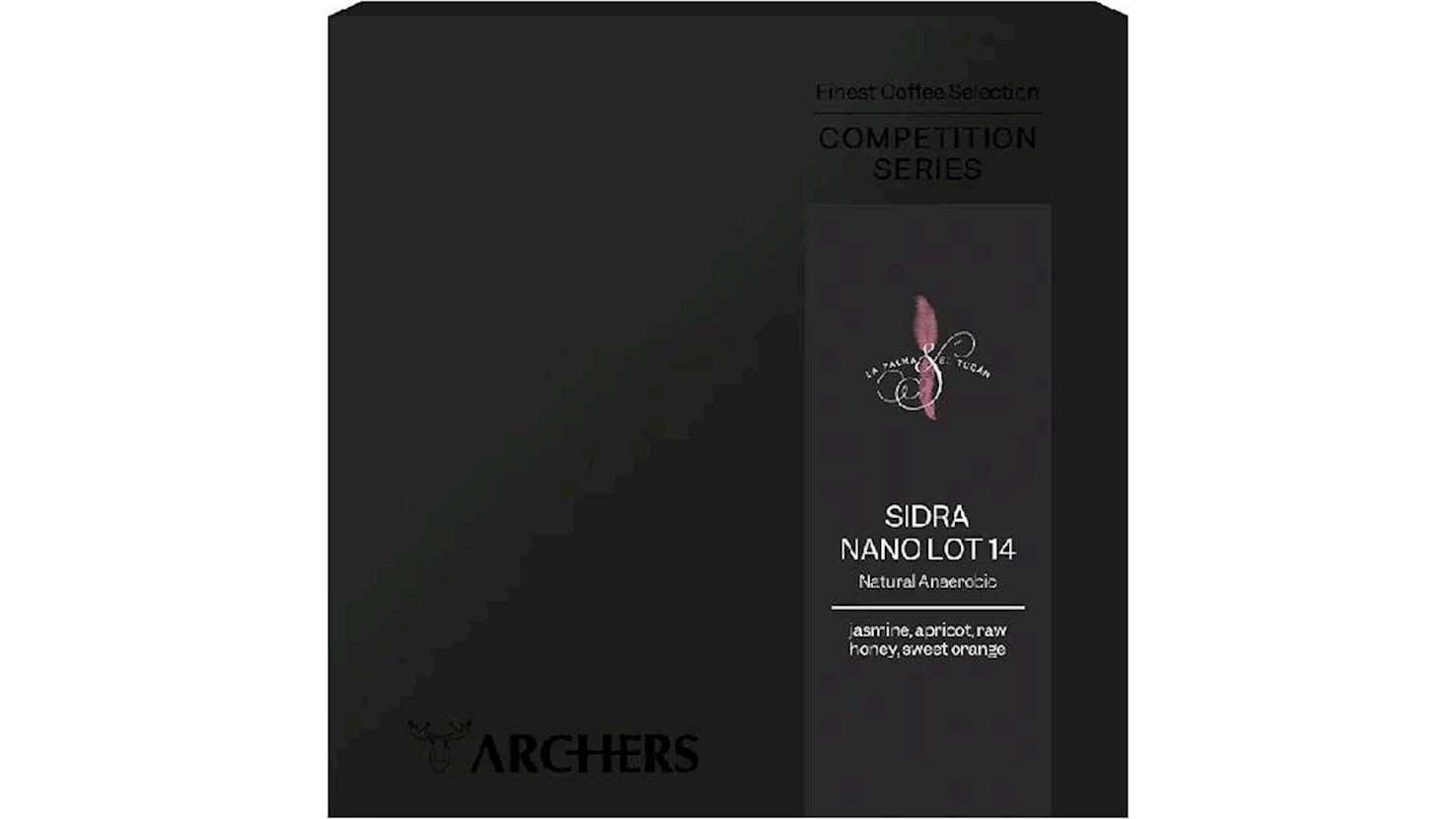
La Palma y El Tucán

4.7 ·

La Palma y El Tucán is a Colombian coffee farm, mill, and eco-tourism destination, nestled in the heart of the mountainous Cundinamarca region, near Bogotá. Known for its pioneering approach to coffee production, this farm combines sustainable agriculture, innovative processing methods, and community engagement to create one of the most prestigious experiences in the world of specialty coffee.

Their philosophy is based on the concept of symbiosis between nature and agriculture, where every element of the ecosystem is utilized in a way that promotes regenerative practices and biodiversity conservation. Coffee from this farm is distinguished by its unique flavor profiles, achieved through carefully controlled fermentation processes and meticulous cultivation under the shade of diverse vegetation.

La Palma y El Tucán not only offers premium coffee varieties but also an unforgettable experience for visitors, allowing them to connect with the coffee production process through interactive tours, educational workshops, and stays in their luxurious eco-lodges. Their commitment to environmental sustainability is reflected in advanced organic soil management techniques, water recycling, and the use of biodynamic methods that reduce ecological impact.

With a strong focus on social responsibility, La Palma y El Tucán works closely with local farmers through its Neighbors & Crops program, providing them with resources, education, and access to international markets. Through a fusion of tradition, innovation, and sustainable development, La Palma y El Tucán redefines the way we experience and consume coffee, delivering premium-quality products while preserving nature and improving the livelihoods of local communities.

03

Bitaco

4.1 ·

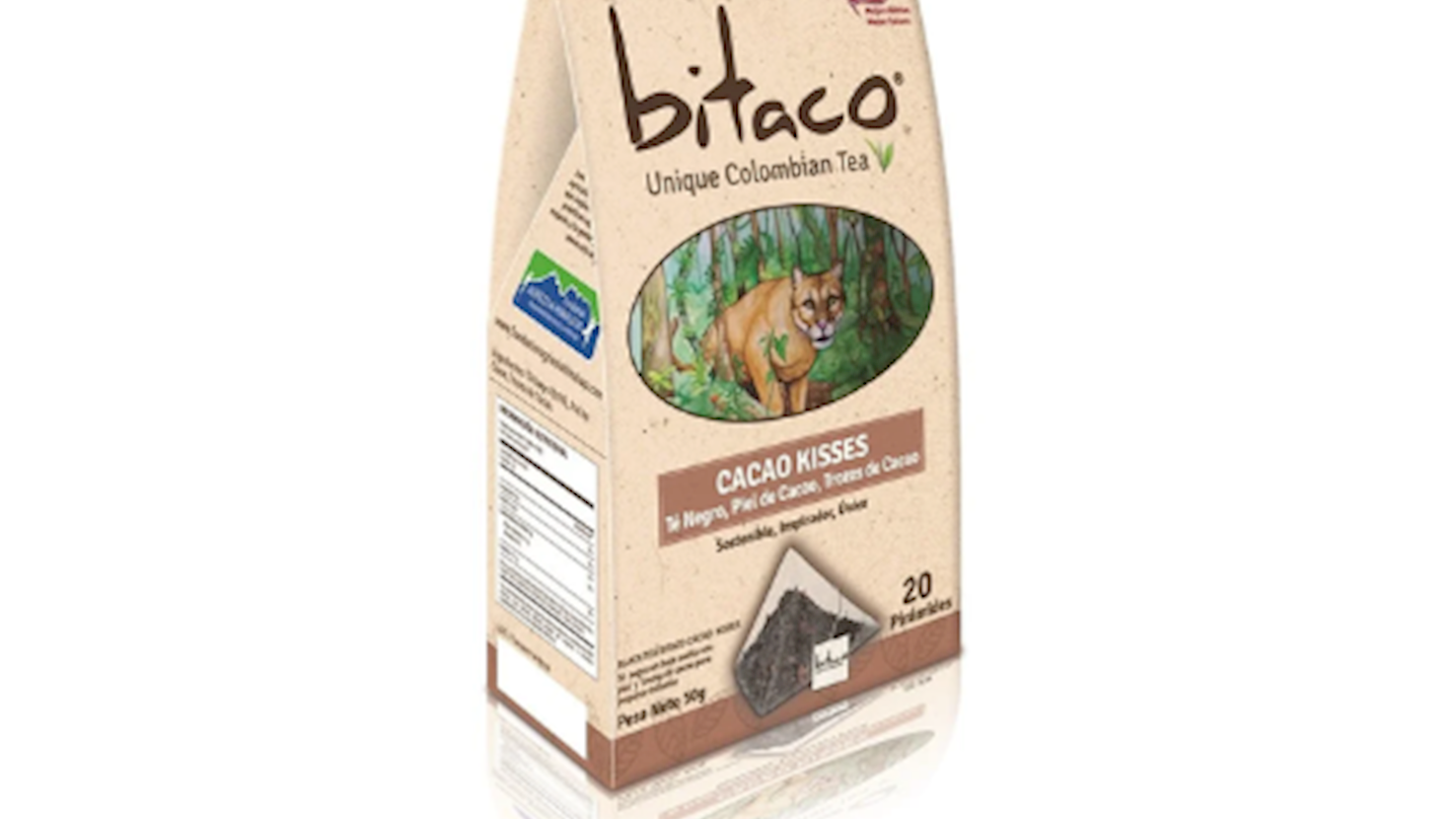
Bitaco is a renowned tea producer located in the Valle del Cauca region of Colombia, known for its commitment to high-quality tea production and sustainable farming practices. The company operates in the picturesque mountains of Bitaco, an area blessed with an ideal climate and fertile soils for cultivating premium tea leaves.

The tea from Bitaco is grown at high altitudes, where the cooler temperatures and abundant rainfall create the perfect environment for producing tea with a distinct flavor profile. The combination of these natural conditions, along with the expertise and care of the local farmers, allows Bitaco to produce teas that are rich in flavor, aromatic, and refreshing.

With its focus on sustainable farming, premium quality, and the use of local expertise, Bitaco stands out as one of the top tea producers in Colombia, offering a truly authentic tea experience for connoisseurs around the world.

Best Colombian Non-alcoholic Beverage Types
01

Lulada

4.5 ·

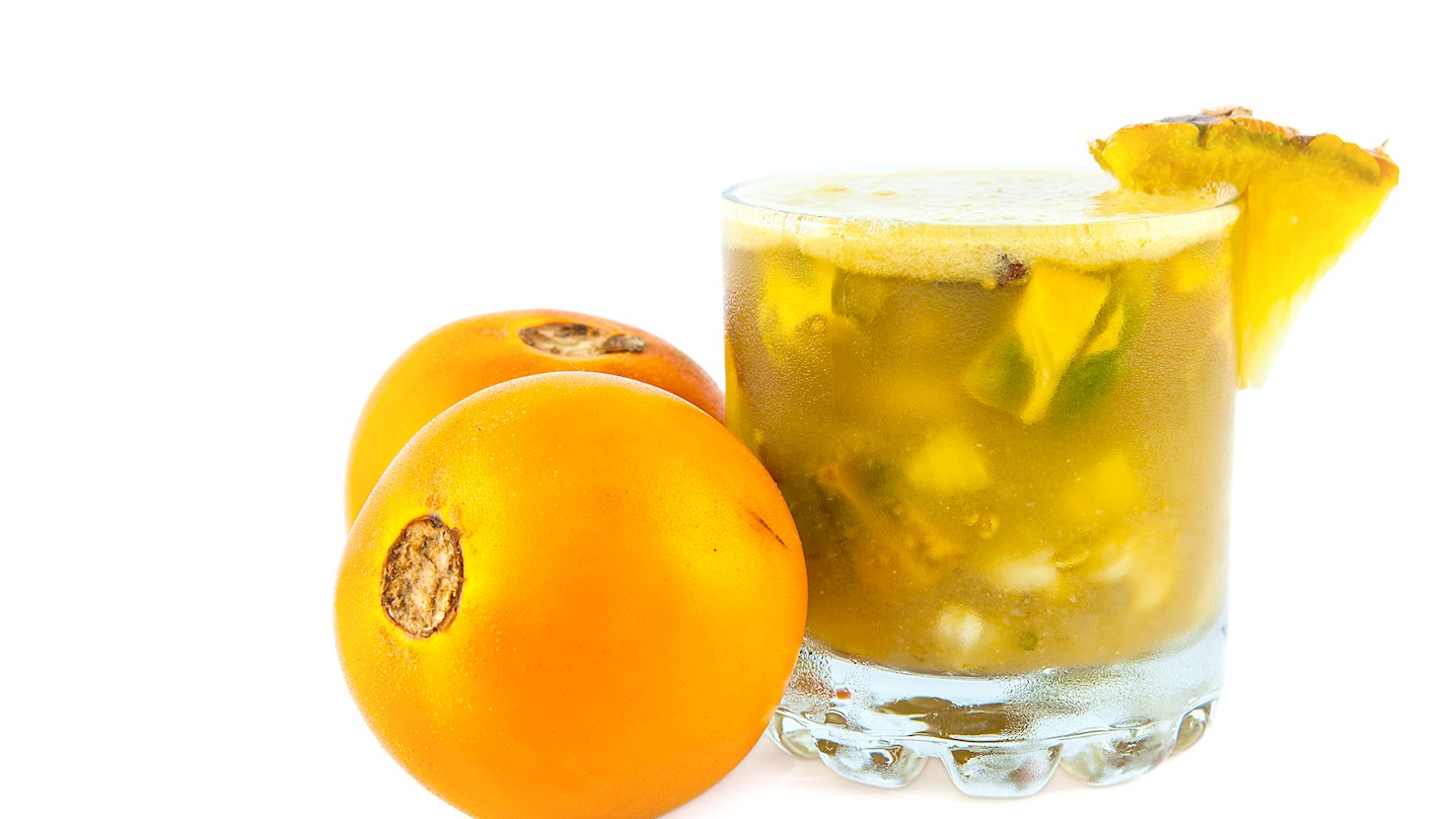
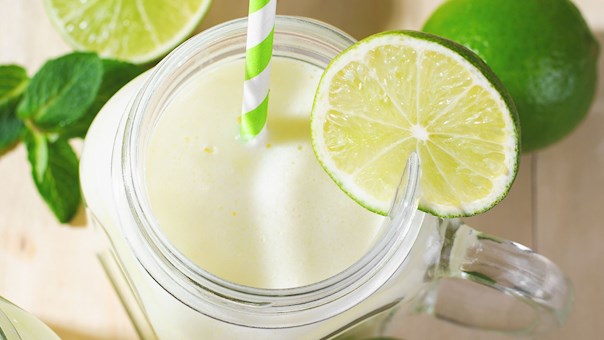
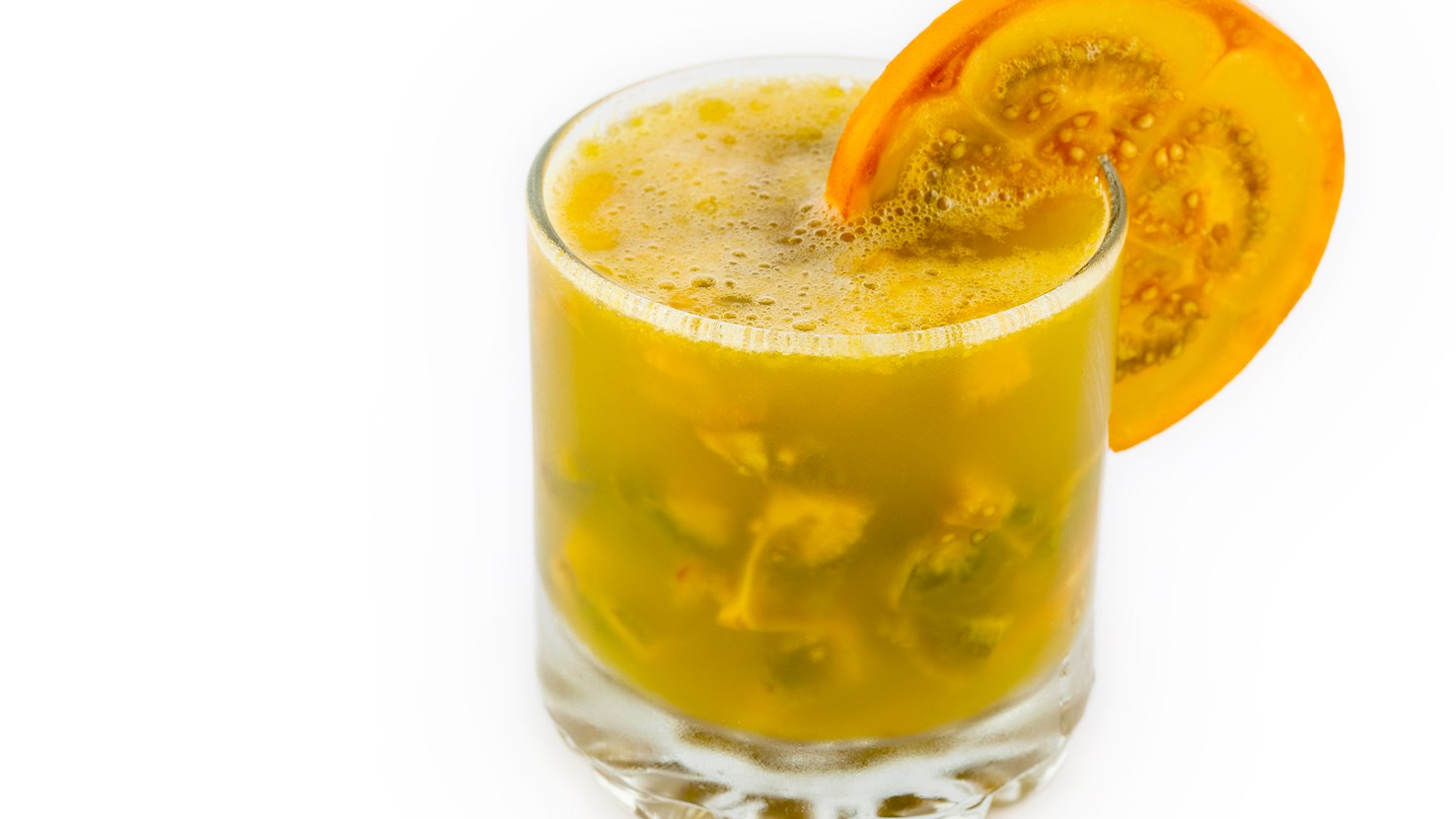
Lulada is a cold, refreshing drink originating from El Valle region of Colombia, made with mashed lulos, lime juice, water, sugar, and ice. Lulo, also known as naranjilla in Ecuador and Panama, is an exotic fruit popular in Colombia. It has a light, citrusy flavor and it’s very common in Colombian cuisine. Lulada is the perfect combination of sweet and tart, has a thick consistency and can be served with a shot of vodka.

02

Cholado

4.2 ·

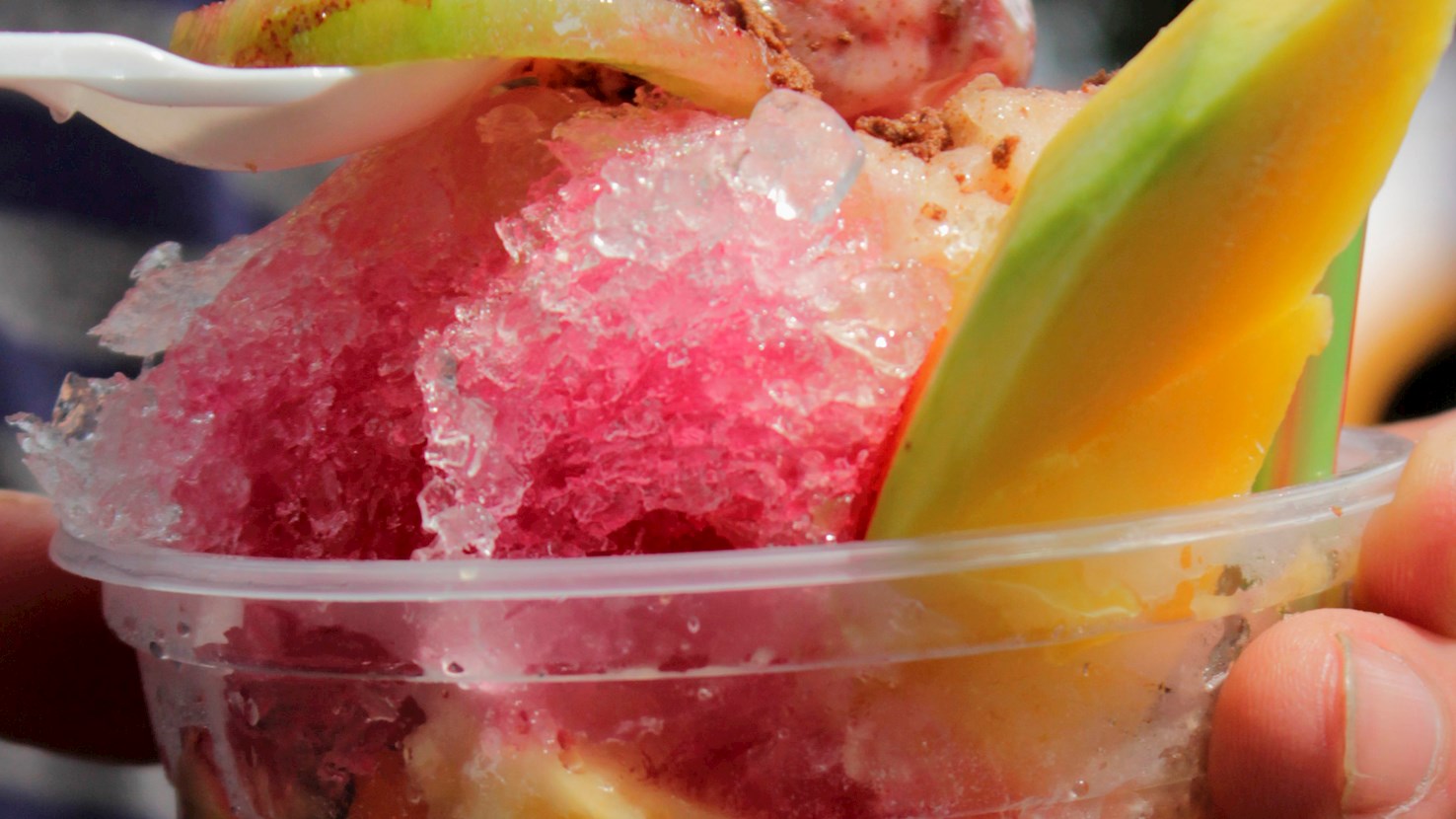
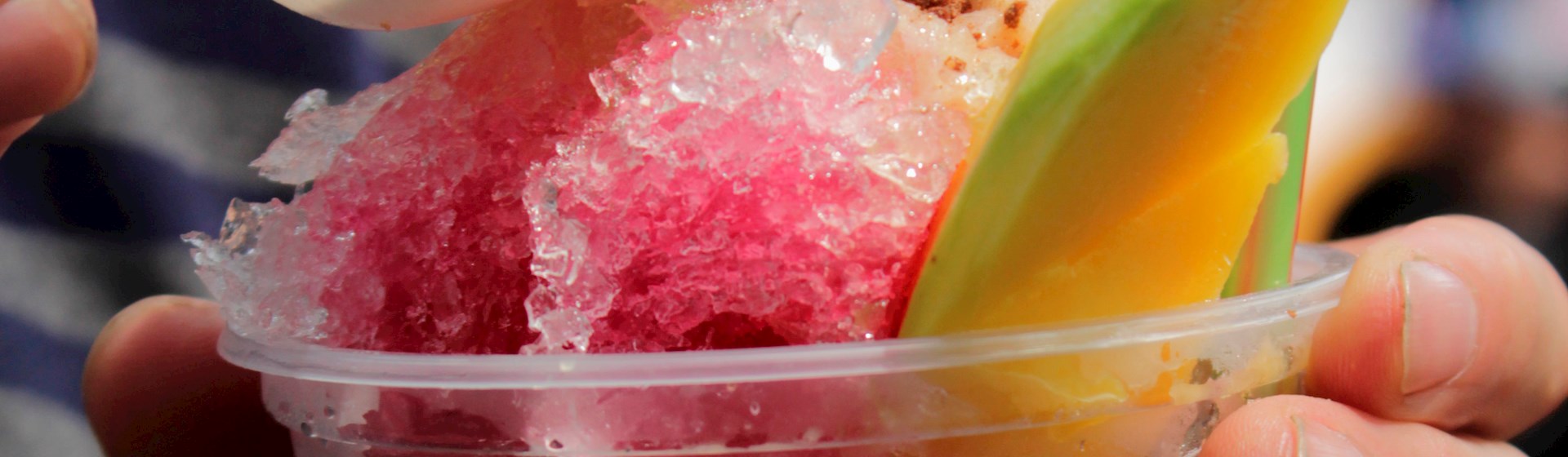
Cholado is an icy cross between a fruit salad, a cocktail, and a frozen dessert. Also known as raspao, the beverage is prepared with fresh fruit such as strawberries, bananas, kiwi, papaya, pineapple, and maracuya, along with milk and a sweet syrup made with Colombian blackberries. Cholado has a perfect balance of aromas and textures, and it is considered both a dessert and a drink because it is crunchy, fruity, and creamy at the same time. It is typically served cold in a tall glass with a lot of crushed ice, then topped with shredded coconut and garnished with a cherry.

03

Guarapo

4.1 ·

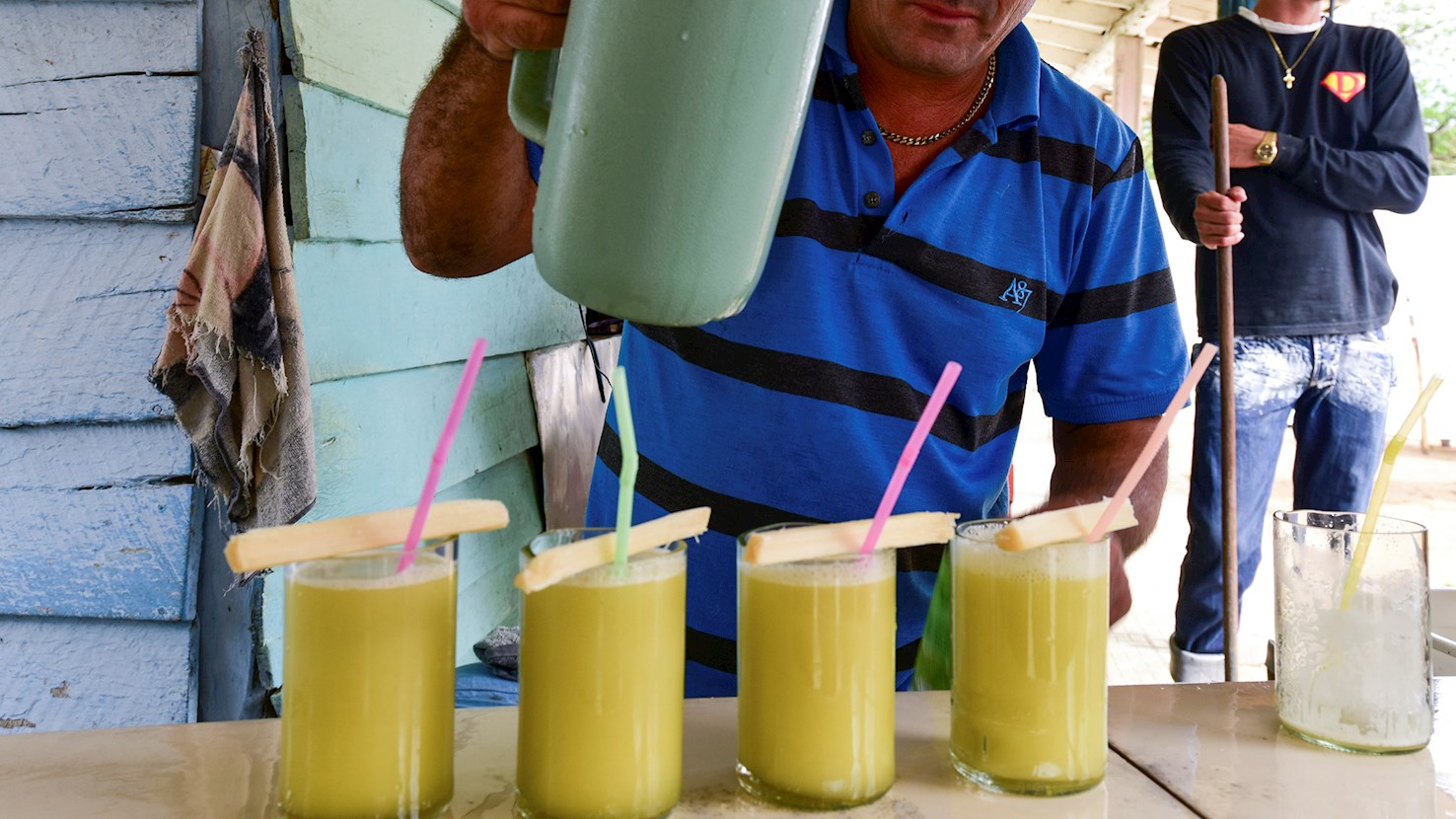
Guarapo is a Latin American drink made from raw, pressed sugarcane juice mixed with water, ice, and lots of fresh limes. Most often, the vendors that sell it will extract the sugar cane juice right on the spot using a metal sugar cane press. The juice drips into a bucket below the press where it’s sieved before serving. It has a slightly sweet flavor, and it’s most popular in the summer as a cold refreshment. The word guarapo was first recorded in the 19th century by Esteban Pichardo, who defines it as a broth or a liquid made from sugarcane juice, extracted under pressure. Both the word and the procedure are still around after almost two centuries.

04

Aguapanela

3.7 ·

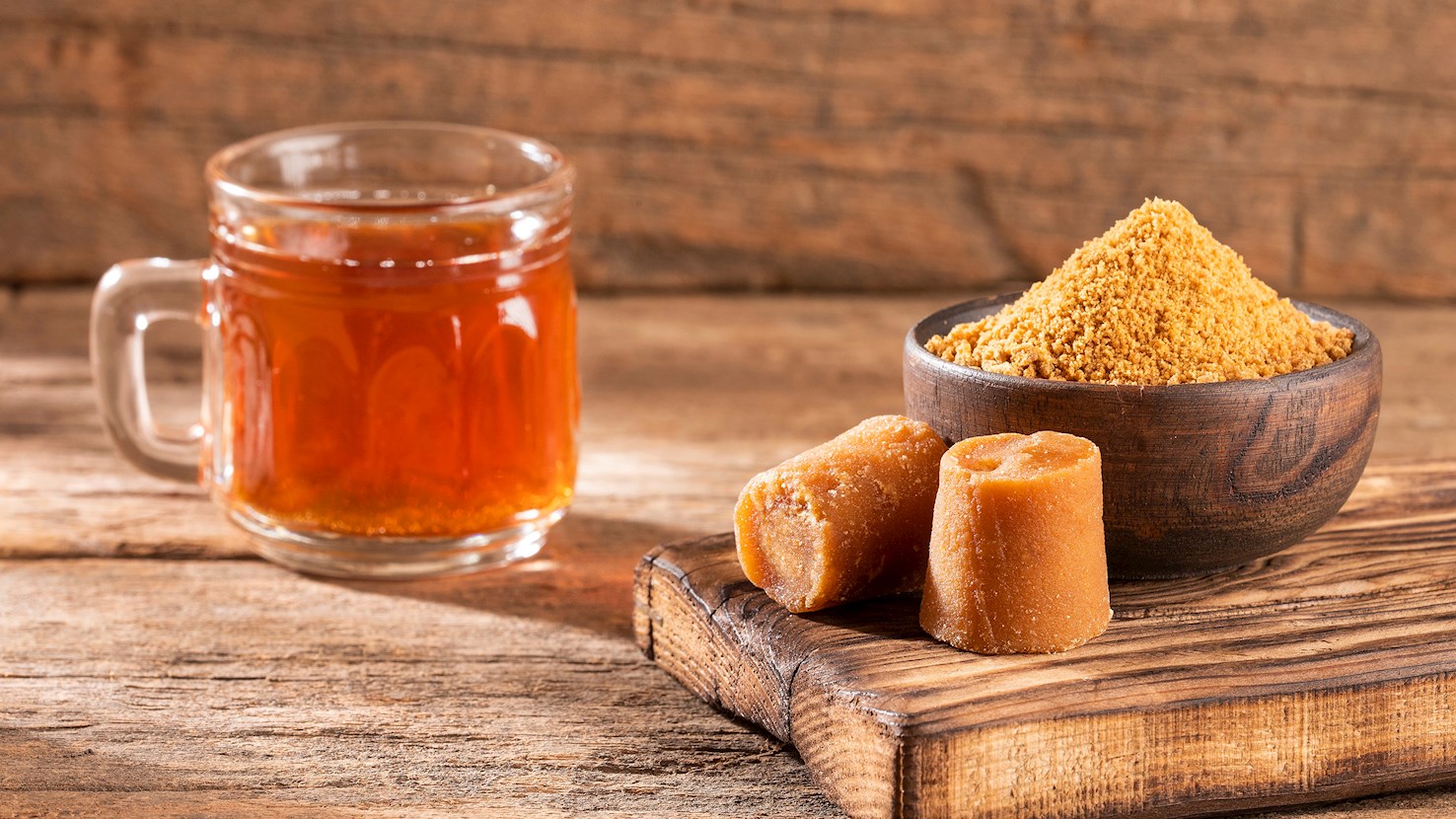
Aguapanela is a non-alcoholic drink mostly associated with Colombia but commonly found in several Central and South American countries. In its basic form, aguapanela combines water (agua) and unrefined cane sugar. It also commonly includes lemon and lime juice. This refreshing drink is usually served cold, preferably in an ice-filled glass, and garnished with a lime wheel. Sometimes, aguapanela is used as a base for hot chocolate or coffee. The alcohol-laced version is known as canelazo. In Venezuela, similar variety is known as papelón con limón.

05

Avena Colombiana

3.7 ·

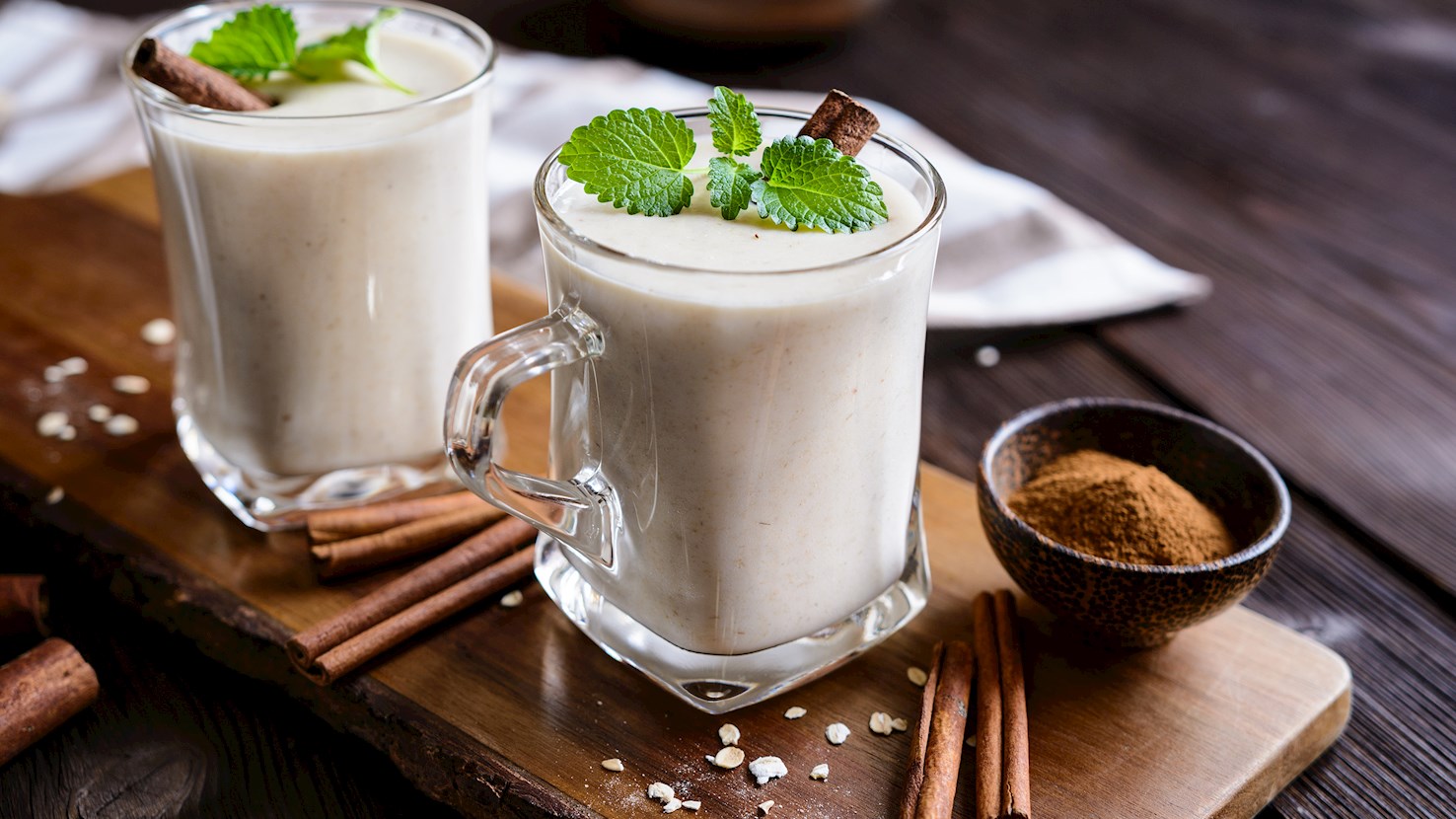
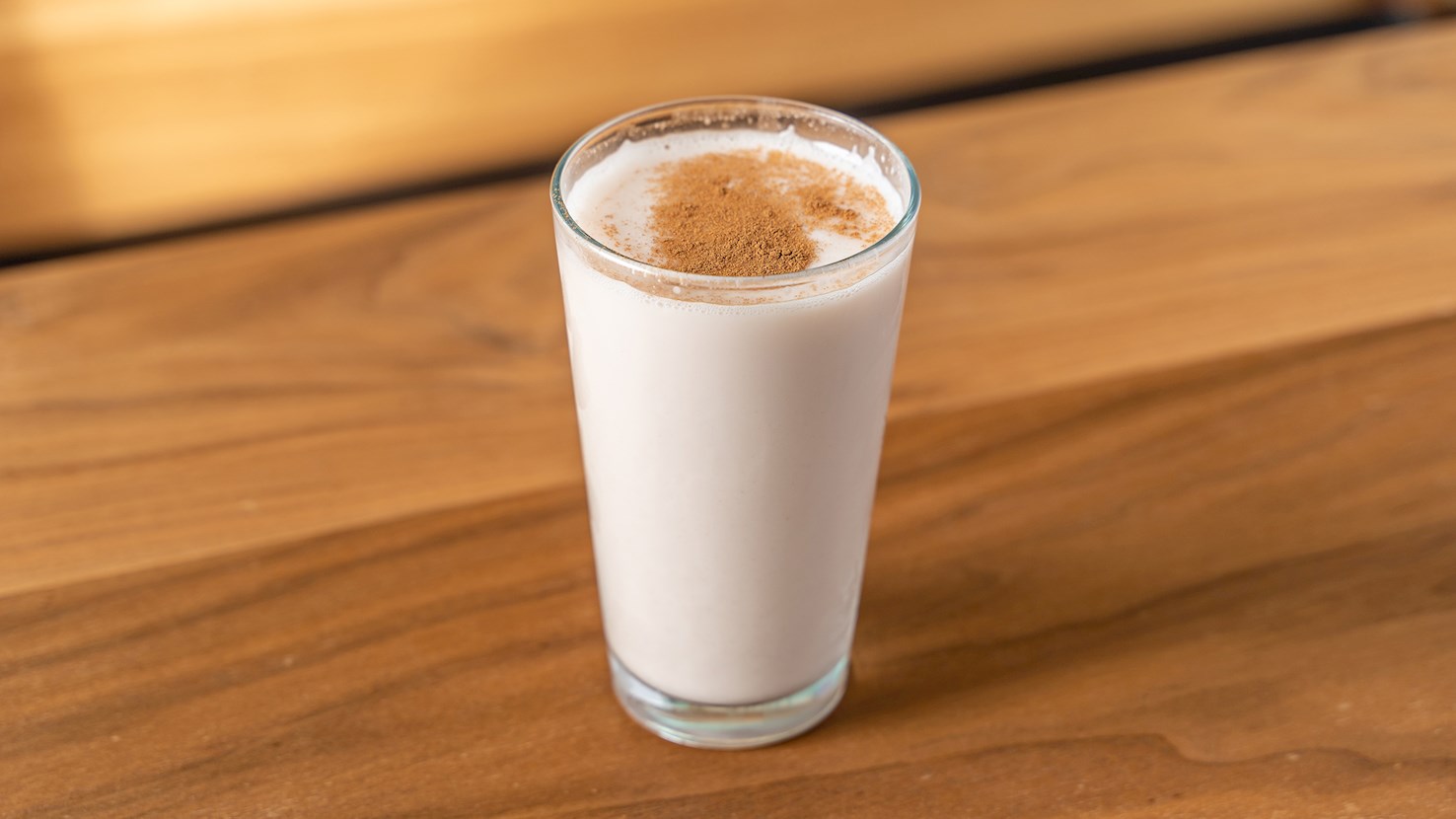
Avena Colombiana is a creamy summer drink originating from Colombia. It is made from oats that have been soaked overnight before being simmered in milk and water, which are flavored with cinnamon, cloves, and a little sugar. The mixture is chilled for a minimum of three hours before it is blended and develops a smooth, creamy consistency. It is typically served cold with a light sprinkling of cinnamon on top.

06

Champús

3.7 ·

Champús is a traditional cold beverage that is also popular in Peru and Ecuador. It is made with dried maize, pineapple, mashed lulo (also known as naranjilla), panela, cloves, cinnamon, and orange zest or tree leaves. Refreshing and sweet, champús is typically served with a lot of ice and is considered a perfect summer drink. However, Peruvians traditionally consume it warm as a dessert, and in this version, lulo is replaced with apples. In Colombia, this beverage is consumed at any time of the day, but it is especially popular during the Christmas festivities, while in Ecuador, it is traditionally prepared for funerals.

07

Mate de coca (Coca tea)

3.6 ·

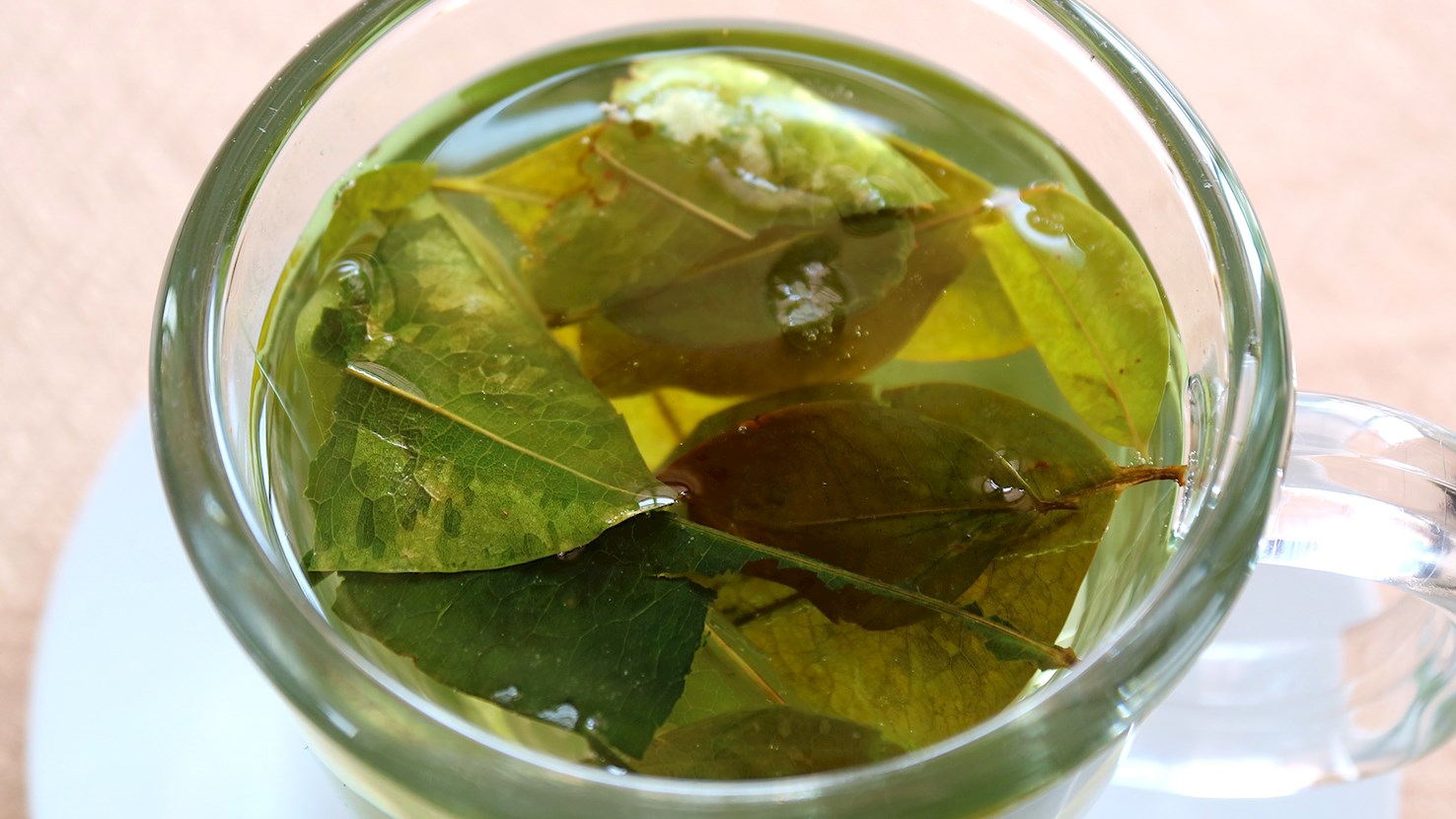
Mate de coca is a herbal infusion that is made by steeping coca leaves or teabags consisting of coca leaves in hot water. This ancient drink has been traditionally enjoyed to treat altitude sickness, and due to the small amounts of alkaloids, it is also regarded as a slightly energizing drink. Although they share a similar name, mate de coca and mate—a herbal infusion often associated with Argentina—should not be mixed up. Coca tea is widely available and legal throughout South America, but outside the region, many countries ban the import and consummation due to the link between coca leaves and cocaine.

08

Masato de arroz

3.4 ·

Masato de arroz is a fermented rice beverage from Colombia. The base is always made with rice, but the drink is versatile and can include various ingredients. It is typically prepared by blending water and soaked rice. The combination is sweetened, flavored with cinnamon and cloves, and left to ferment for a couple of days. Masato de arroz is best served well chilled and dusted with cinnamon. The drink pairs well with cookies and pastries.

09

Colombiana

3.1 ·

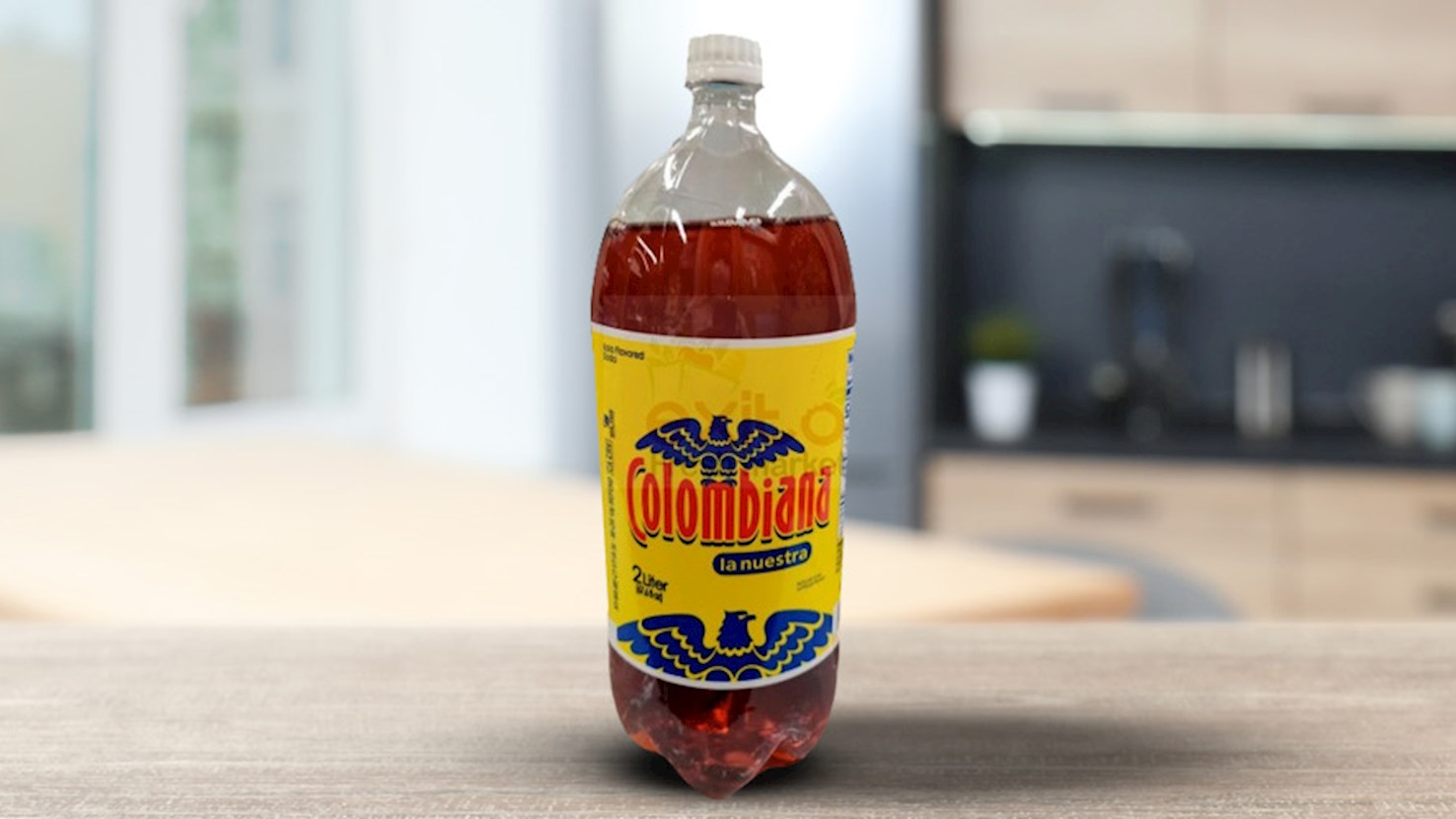
Colombiana soda is an orange soft drink that tastes like cream soda with hints of bubblegum. It is a kola champagne soda, and it has been produced by Postobón, S.A., the largest Columbian beverage company, since 1904. It's a refreshing drink, best consumed after a meal. Colombiana goes well with bandeja paisa and it's used to make the bittersweet and refreshing Colombian cocktail refajo.

10

Candil

n/a ·

Candil is a creamy and rich Colombian milk-based drink, often dubbed as Colombian eggnog. It is made with milk, beaten eggs (or egg yolks), sugar (panela), and spices, all cooked over low heat to create a thick, smooth, and aromatic beverage. Typically, candil is spiced with cinnamon and cloves, but vanilla and nutmeg are commonly used. Candil is usually served warm, dusted with grated cinnamon. The alcoholic version of candil is called caspiroleta, but the terms are sometimes interchangeable.

11

Limonada de coco

n/a ·
Read more
View all
View map
About this ranking

TasteAtlas food rankings are based on the ratings of the TasteAtlas audience, with a series of mechanisms that recognize real users and that ignore bot, nationalist or local patriotic ratings, and give additional value to the ratings of users that the system recognizes as knowledgeable. For the “Top 11 Colombian Non-alcoholic Beverages” list until July 22, 2026, 639 ratings were recorded, of which 248 were recognized by the system as legitimate. TasteAtlas Rankings should not be seen as the final global conclusion about food. Their purpose is to promote excellent local foods, instill pride in traditional dishes, and arouse curiosity about dishes you haven’t tried.

The initial list of top producers was compiled based on available reviews, awards, local recommendations, media and blog coverage, and consumer reviews. The list will be updated with ratings from TasteAtlas local ambassadors and TasteAtlas users.

Similar lists