shutterstock

Top 10 Eastern European Non-alcoholic Beverages

Last updated on June 10, 2026

Best Eastern European Non-alcoholic Beverages
01

Taba Tea

4.5 ·
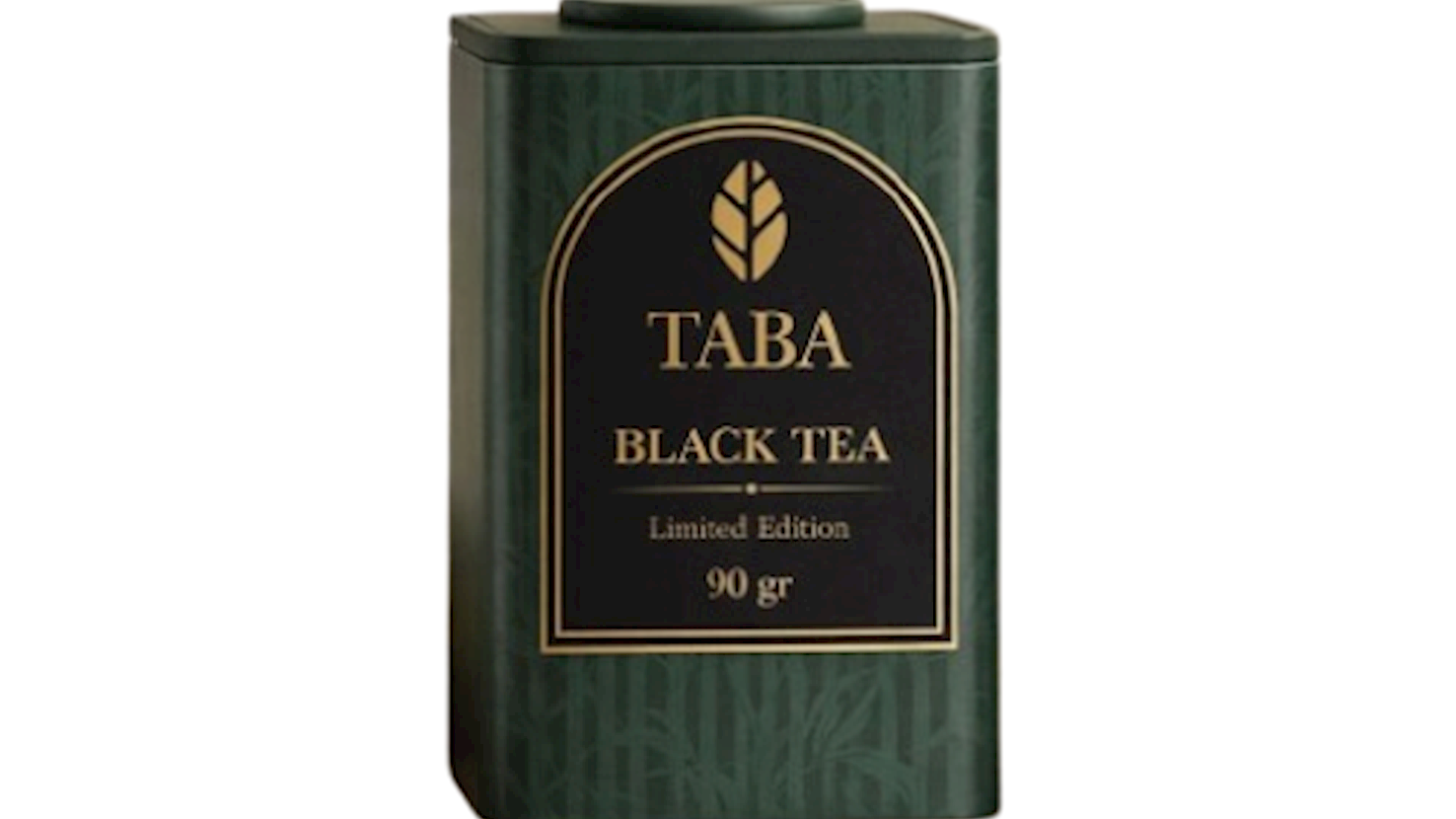
Taba Tea is a Georgian tea producer based in the Guria region, an area with deep historical significance in the country’s tea-growing heritage. The brand presents itself as a third-generation family business dedicated to producing premium Georgian tea from its own plantations near Ozurgeti. Its story is connected to nearly century-old tea fields and the legacy of Arkady Shetsiruli, who played a role in the development of tea culture and production in this part of Georgia. The plantations are located in the Gomismta microclimatic zone, where subtropical conditions, Black Sea humidity, and acidic soils create favorable conditions for tea cultivation. Taba Tea emphasizes natural cultivation without chemicals or artificial additives, combining traditional methods, manual craftsmanship, and modern processing technology. Its portfolio includes black, green, white, and blueberry-infused teas, alongside tea seeds, essential oils, and tea-based chocolate products. Beyond tea production, the company also promotes tea tourism through plantation tours, tastings, and tea ceremonies hosted in a traditional 120-year-old Gurian wooden house known as Guri Oda. Rather than functioning solely as a tea producer, Taba Tea positions itself as a steward of Georgian tea heritage, contributing to the modern revival of the country’s tea industry through small-scale production, authenticity, and strong regional identity.
02

Sipan

4.4 ·
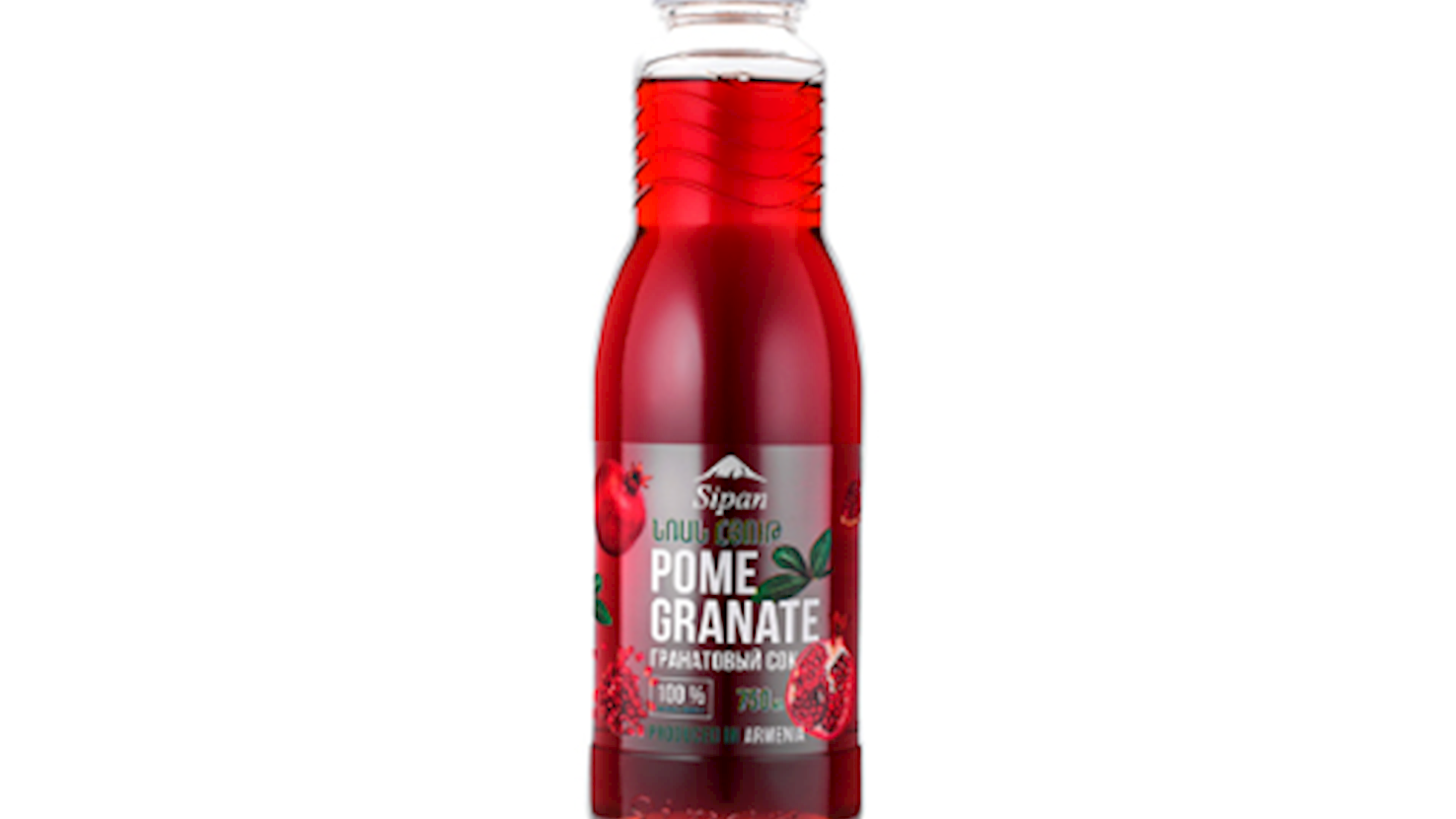
Sipan is an Armenian food brand specializing in the production of natural juices, nectars, compotes, jams, canned fruits and vegetables, as well as various non-alcoholic beverages. The company’s factory is located in Abovyan, in the Kotayk region, where modern processing technologies are combined with traditional methods of fruit and vegetable preservation. Their products are made without artificial colors, preservatives, or stabilizers, with a strong focus on maintaining the natural flavor and nutritional value of the raw ingredients. The assortment includes classic fruit juices, pomegranate and rosehip lines, fruit purées, marinades, and pickled products, making Sipan one of Armenia’s most recognized producers in the natural and processed foods category. The brand is also present on export markets, positioning itself as a reliable producer with a clear identity rooted in local ingredients and carefully controlled production.
03

Borjomi

4.4 ·
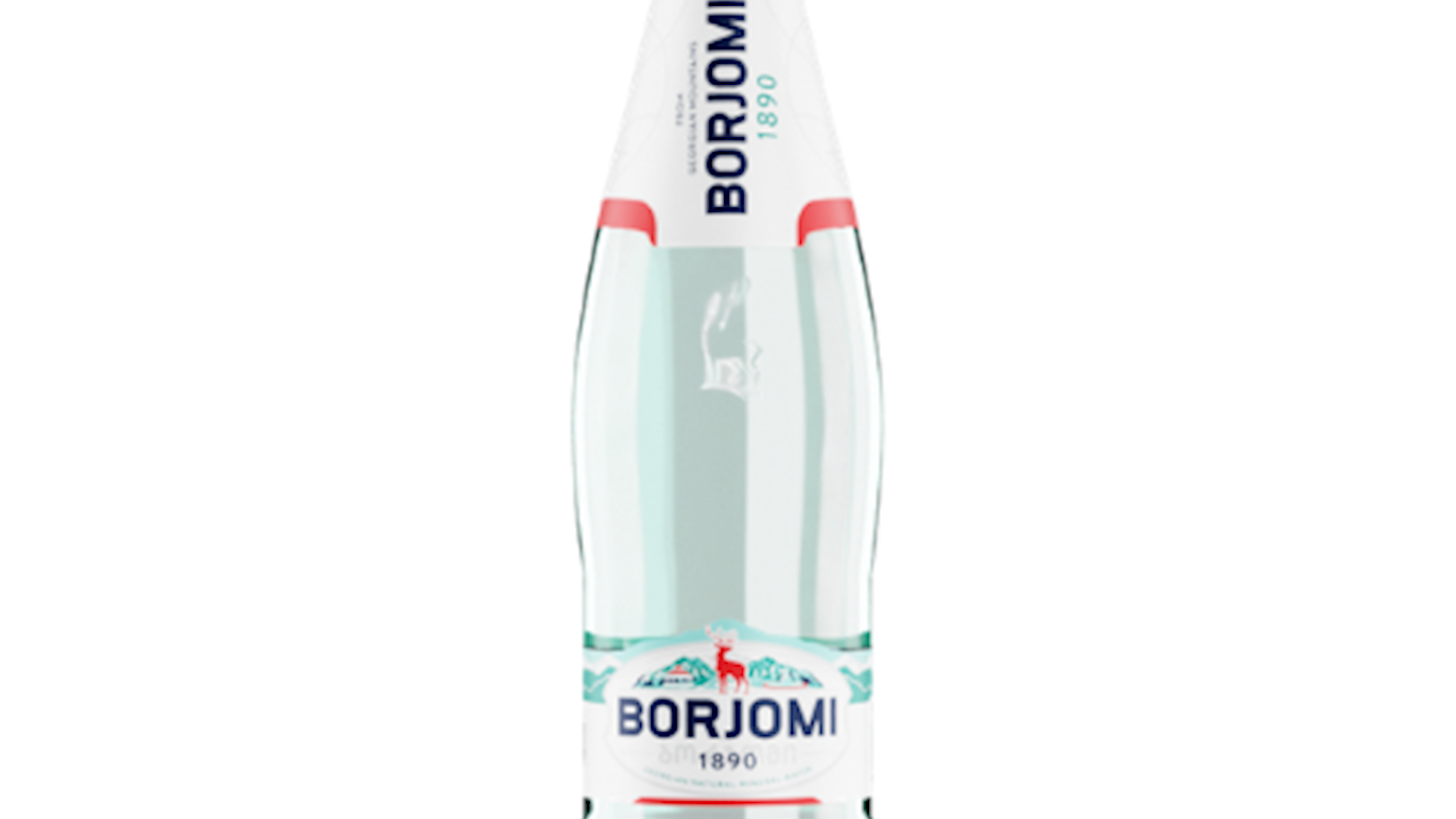
Borjomi is one of the most recognizable natural mineral water brands originating from Georgia, with a history dating back to the 19th century and a strong identity rooted in origin and authenticity. The brand developed after the Borjomi valley springs gained popularity among Russian aristocracy, leading to organized bottling and early positioning as a water with distinctive properties. During the Soviet era, Borjomi became a symbol of quality and one of the region’s most important export products, widely distributed across Eastern Europe and Asia. Today, it is managed by IDS Borjomi International, which oversees its global development and distribution. The brand maintains a consistent visual identity, with its iconic green glass bottle and mountain-inspired label emphasizing its natural source. Positioned between everyday consumption and functional use, Borjomi highlights its naturally high mineral content and long-standing consumer trust. It is currently available in more than 40 countries, with a strategy that balances tradition, perceived health benefits, and premium market positioning. Despite portfolio expansion, the brand remains focused on its core product, preserving the authenticity and distinctiveness that set it apart from standard bottled waters.
04

Nabeghlavi

3.9 ·
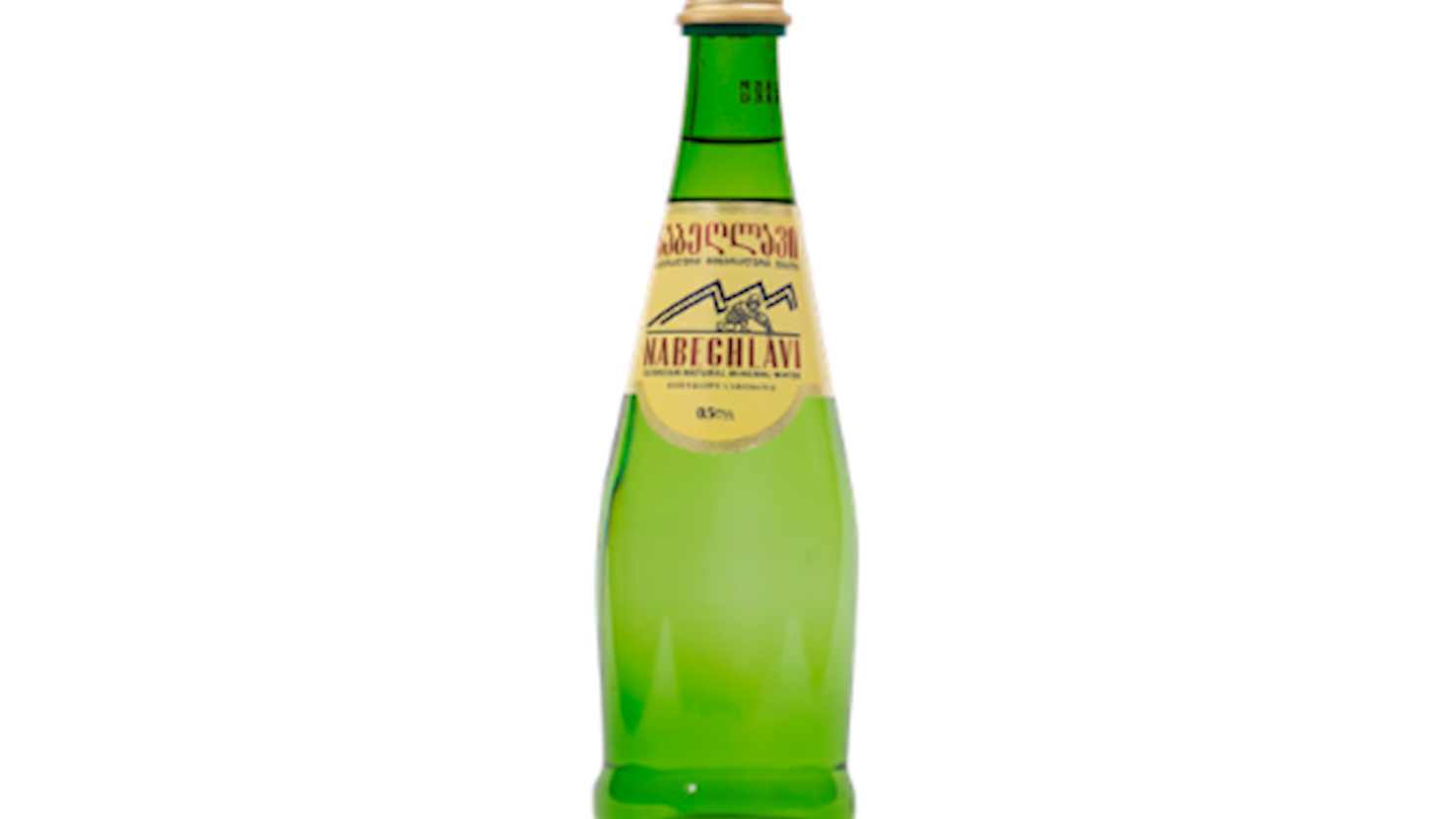
Nabeghlavi is one of the leading natural mineral water brands from Georgia, built on a balance between traditional origin and a modern market approach. While the springs in the Guria region have been known for decades, the brand gained prominence in the mid-20th century with the start of organized bottling and the development of a spa complex around the source. Its contemporary growth phase is closely linked to Healthy Water, which has invested in modern production, quality control, and international expansion since the late 1990s. The brand is positioned as a more approachable and drinkable alternative to highly mineralized waters, making it suitable for everyday consumption while still retaining functional characteristics. Its visual identity is clean and recognizable, typically featuring green tones that emphasize its natural origin. Today, Nabeghlavi is exported to multiple international markets, supported by a strategy focused on consistent quality, accessibility, and a well-defined taste profile. This combination of heritage, modernization, and adaptability positions it as a relevant and competitive player in the global mineral water category.

Best Eastern European Non-alcoholic Beverage Types
01

Uzvar

4.1 ·

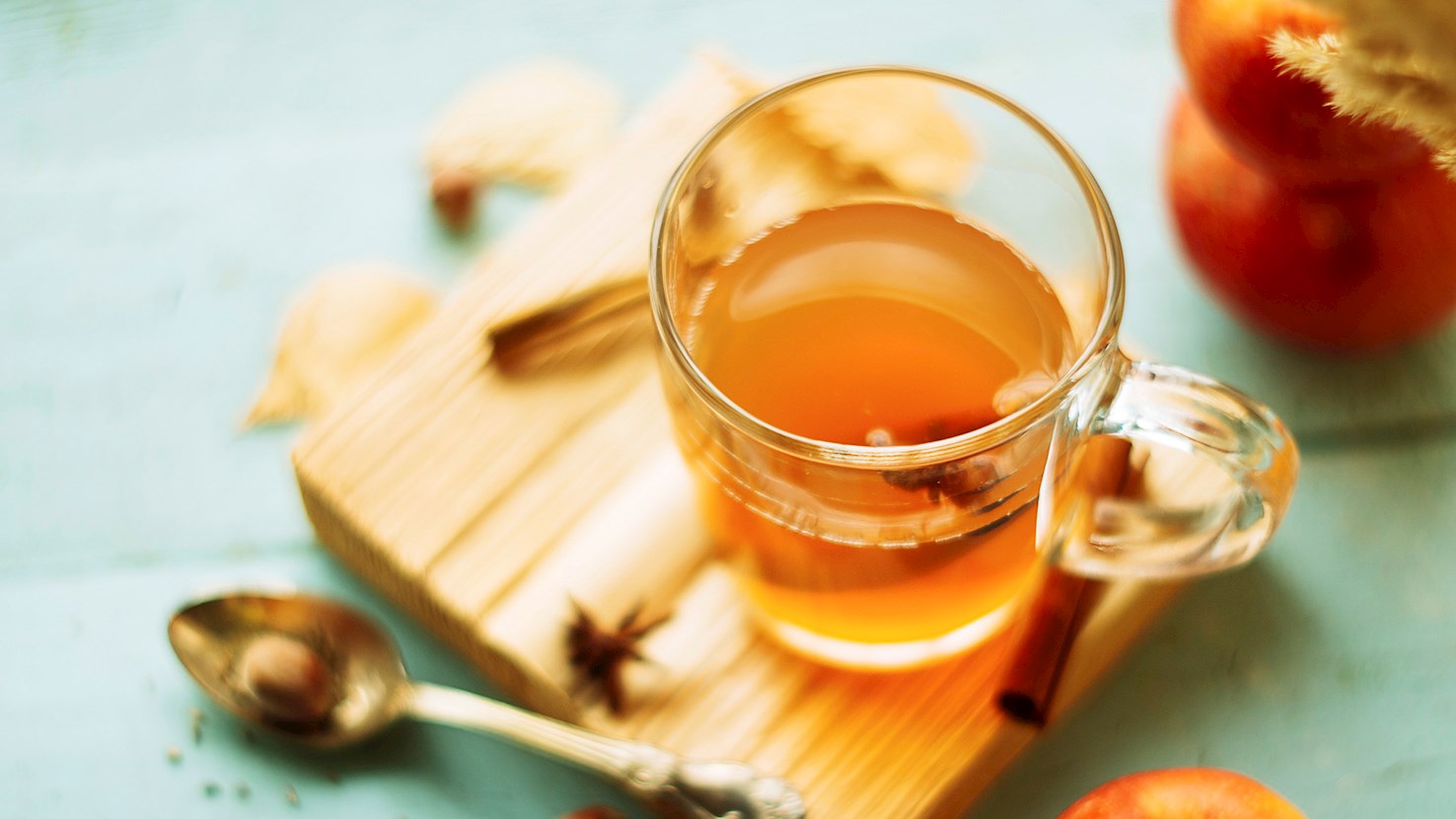
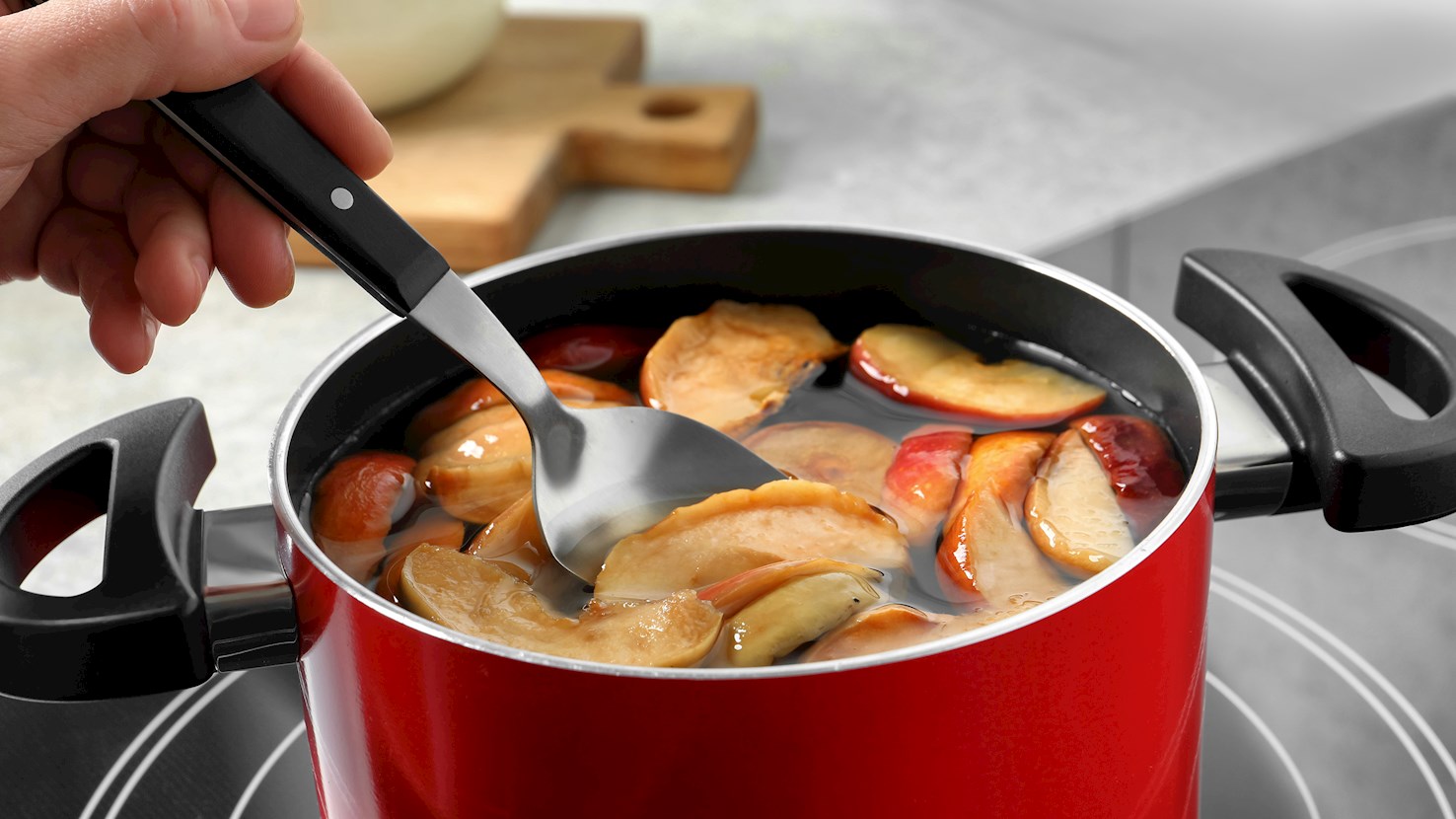
Uzvar is a traditional drink made by simmering dry fruit in water. It is a type of infusion made with various dry fruit, but apples, pears, prunes, and dry apricots are the most common option. Though only one type of fruit can be used, most variations will use a combination of different fruits, while some also add fresh fruit. Spices such as cinnamon, star anise, and nutmeg are commonly used as flavorings, and the drink is typically sweetened with honey. Before it is served, uzvar is left to infuse and chill. It is traditionally enjoyed as a wintertime beverage, and it is also a regular part of Sviata Vechera—Ukrainian Christmas Eve dinner—when it is served as the last part of the meal.

02

Ryazhenka

4.1 ·

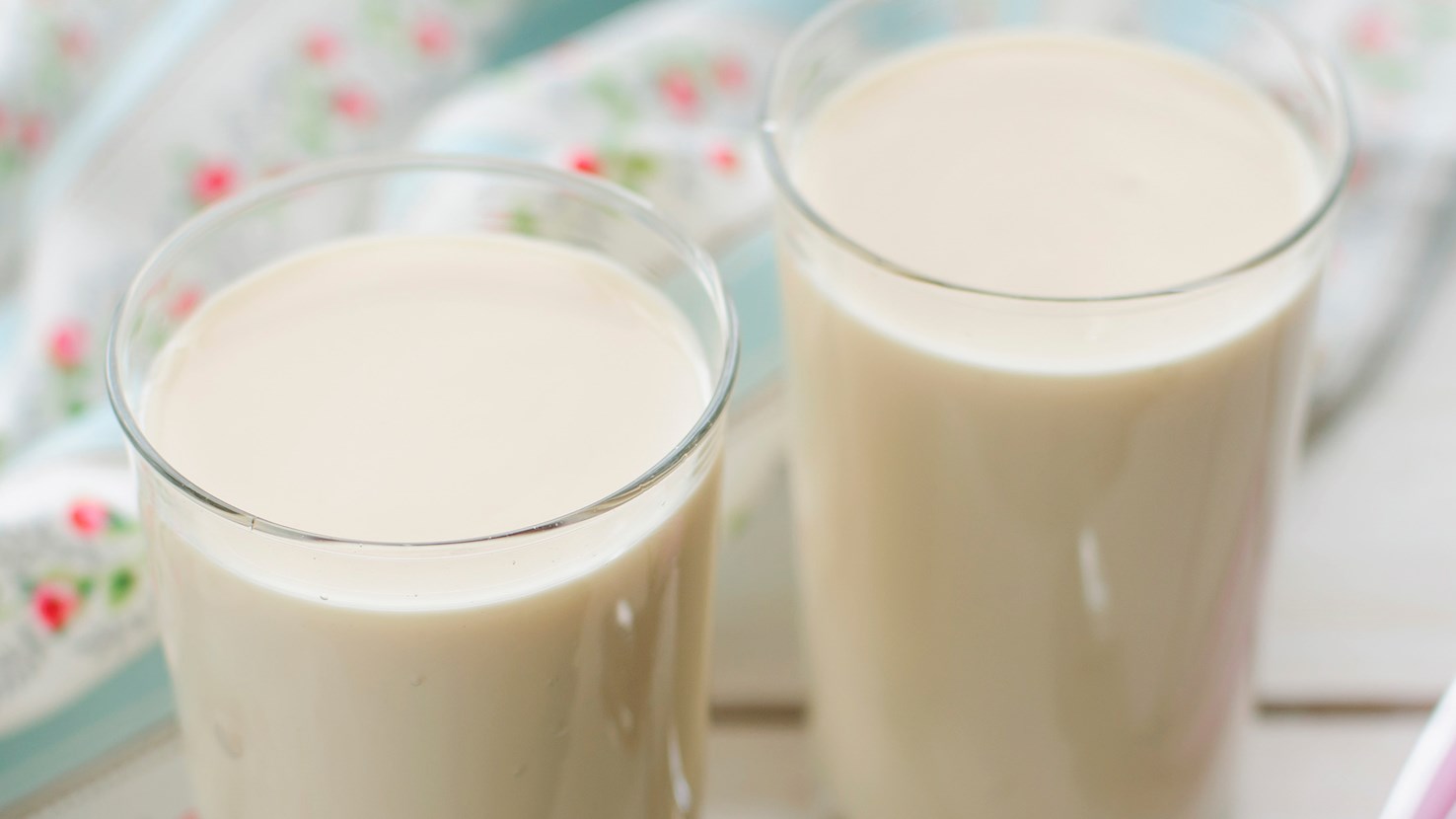
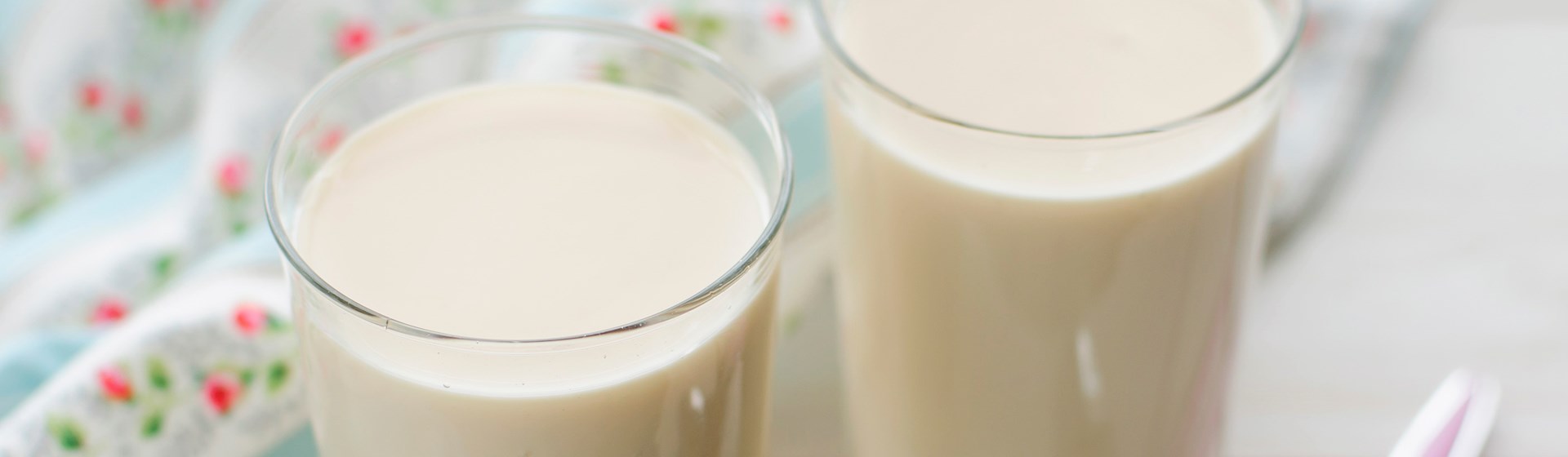
Popular throughout Ukraine, Belarus, and Russia, ryazhenka is a dairy product that is made by fermenting milk after it has been baked for a long time at low temperature. The fermentation is achieved by the addition of sour cream, kefir, or buttermilk. Once prepared, ryazhenka has a thick and creamy texture, sweet flavor, and a milky yellowish color, which is why it is especially popular with children.

03

Kvass

3.9 ·

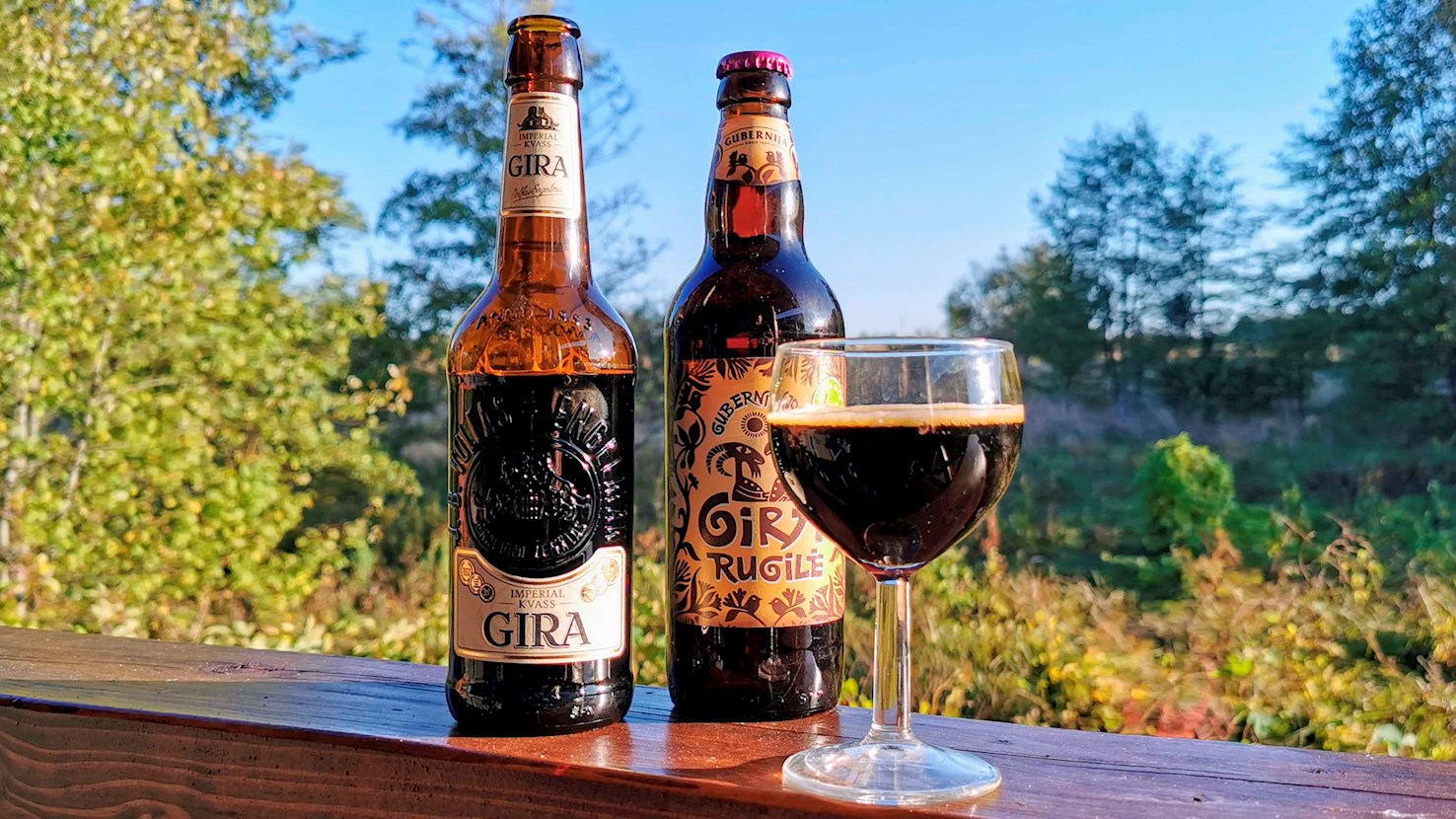
Kvass is an ancient, traditional Russian beverage made from buckwheat meal, wheat, rye, rye bread, or barley, but it can be made from any ingredient that can be fermented. It has a relatively low alcoholic content (from 0,7-2.0 %) as a result of the natural fermentation process, but it is classified as a non-alcoholic beverage in Russia. Some versions, especially commercial brands that are sometimes artificially fermented, do not contain alcohol. The origins of kvass are associated with Kievan Rus', a federation that eventually became an area of three large nations: Russians, Belarus, and Ukrainians. The first written reference of kvass dates back to the 10th century, and it is presumed that by that time, the drink was enjoyed by most Slavic nations in Eastern Europe. The first written mention in English dates back to the 16th century when kvass was at the peak of its popularity. Through history, kvass became popular among all social classes, and during the Cold War, it was commonly enjoyed in Eastern Europe and some Baltic states. Nowadays, kvass is rarely sold by street vendors, and it is mostly available as a bottled drink. Kvass is malty, refreshing, subtly sour, lightly fizzy, and typically amber or golden in color. It is best served chilled when the weather is hot, and it can be additionally flavored with various fruits such as strawberries or raspberries.

04

Sbiten

3.9 ·

Sbiten is a traditional hot beverage made from honey, water, jam, and various spices. It dates back to the 12th century, when it was made in copper samovars by sbiten makers who sold it on street corners. The name sbiten is derived from the Russian sbit, meaning to beat, referring to the act of pounding spices and herbs in a mortar. This tasty beverage can be made into an alcoholic drink by adding wine, vodka, or brandy into it.

05

Russian Caravan

3.8 ·

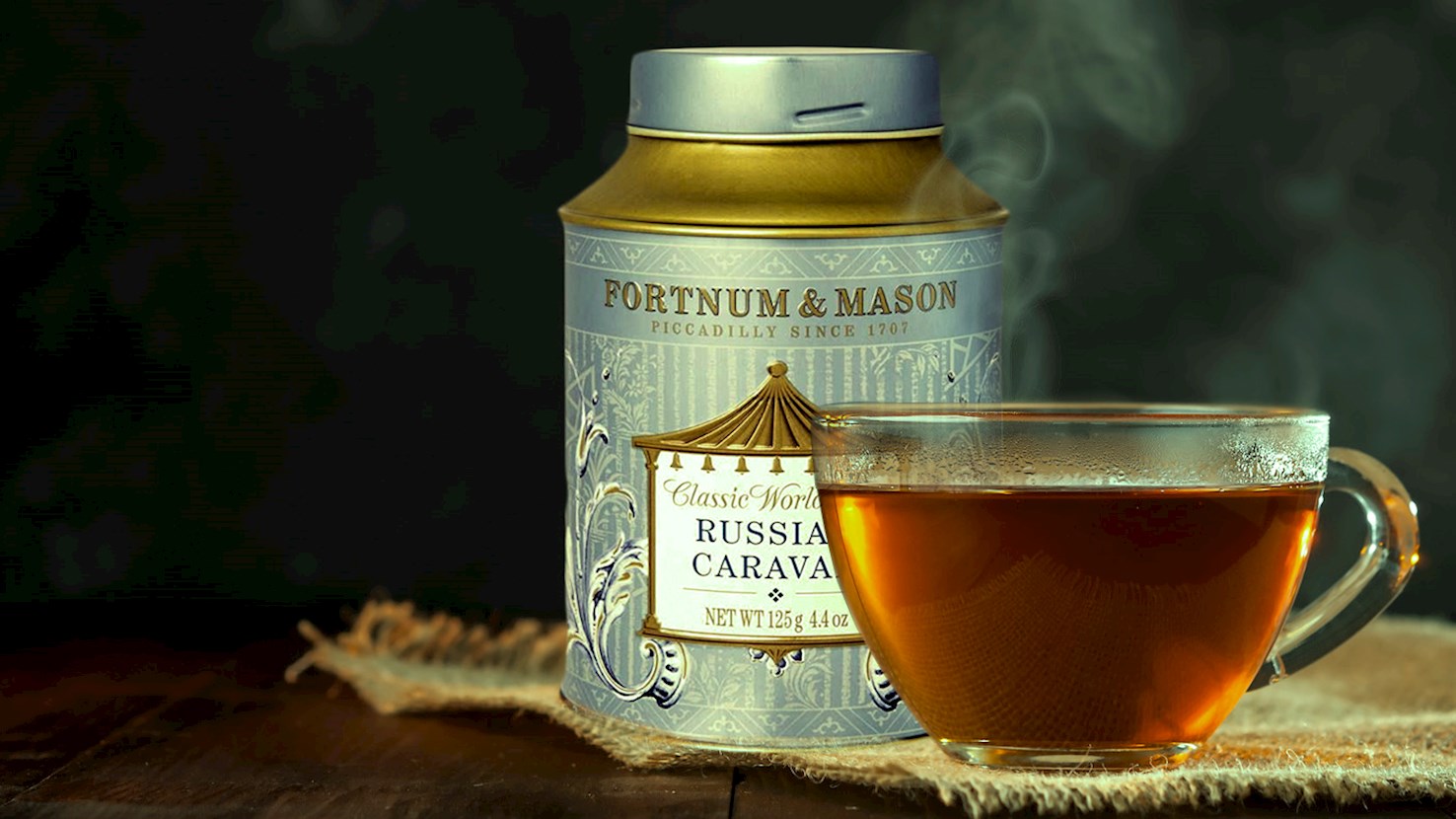
Russian Caravan is a tea blend that is typically made with Chinese oolong and black teas. The blends may vary, but it mostly consists of at least two tea types, while the most common combinations include Keemun black tea, the smoky Lapsang Souchong, and oolong teas. Although the exact selection may vary, Russian Caravan is based on fully or partially oxidized teas, and the final character is typically dark, smoky, spicy, and malty. Traditionally, Chinese black teas were used in the blend, but as there are no set ingredients, the variations may include Indian (Assam) or Taiwanese teas. The intriguing name is linked with the origin of this tea. It is associated with the ancient caravan route used to transport Chinese tea to Tsarist Russia. The route was long, and it went through roughed Siberian terrain. Although there was a shorter route, it was avoided due to the unfavorable climate. The Siberian route was cold and dry, which preserved the quality of the tea. It is said that during these long journeys, the tea would sit next to a fire, and it usually attained subtle smoky notes. As the Russian Caravan blend is an effort to re-create these teas, it traditionally has a smoky note, which is generally acquired with Lapsang Souchong, but it is not mandatory. This tea would pair well with red meat, game, lamb, and lemon-based desserts. They can also work well with BBQ dishes and smoked salmon.

06

Coffee Raf

3.7 ·

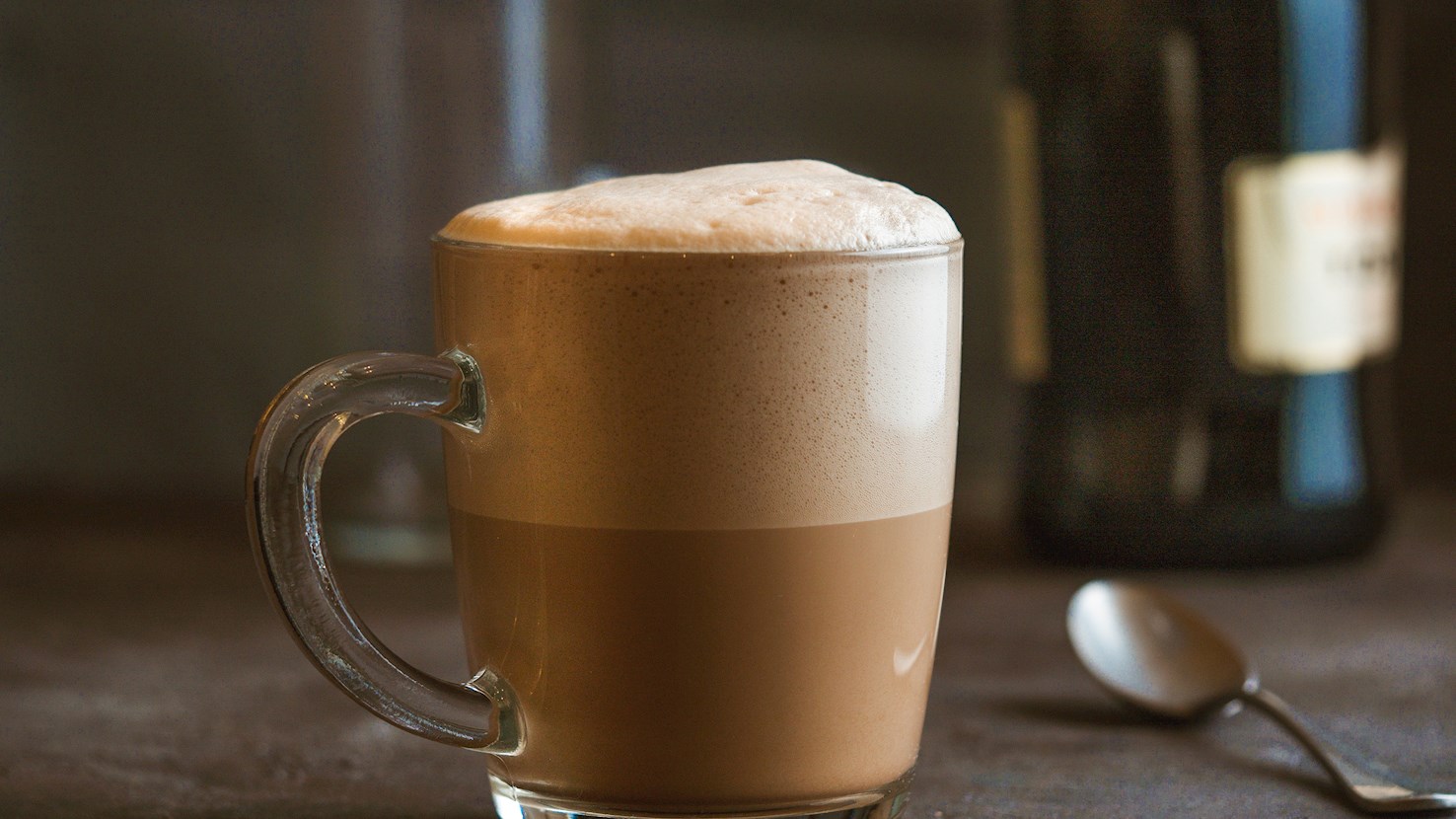
Coffee Raf is a coffee-based beverage that originated in the Coffee Bean shop in Moscow. The drink consists of an espresso shot, cream, and usually a combination of plain and vanilla sugar. Unlike similar coffee varieties, the ingredients in coffee Raf are combined and then steamed together to create a creamy, homogenous drink. Coffee Raf originated sometime in the 1990s, and according to a widespread legend, the drink was created for Rafael Timberbaev, a regular at the Coffee Bean shop who preferred to drink his coffee with milk. After it became popular, the coffee was given its current name. The drink is now available throughout Russia, and many specialty coffee houses later developed their variations that often include various syrups and spices.

07

Tahn

3.1 ·

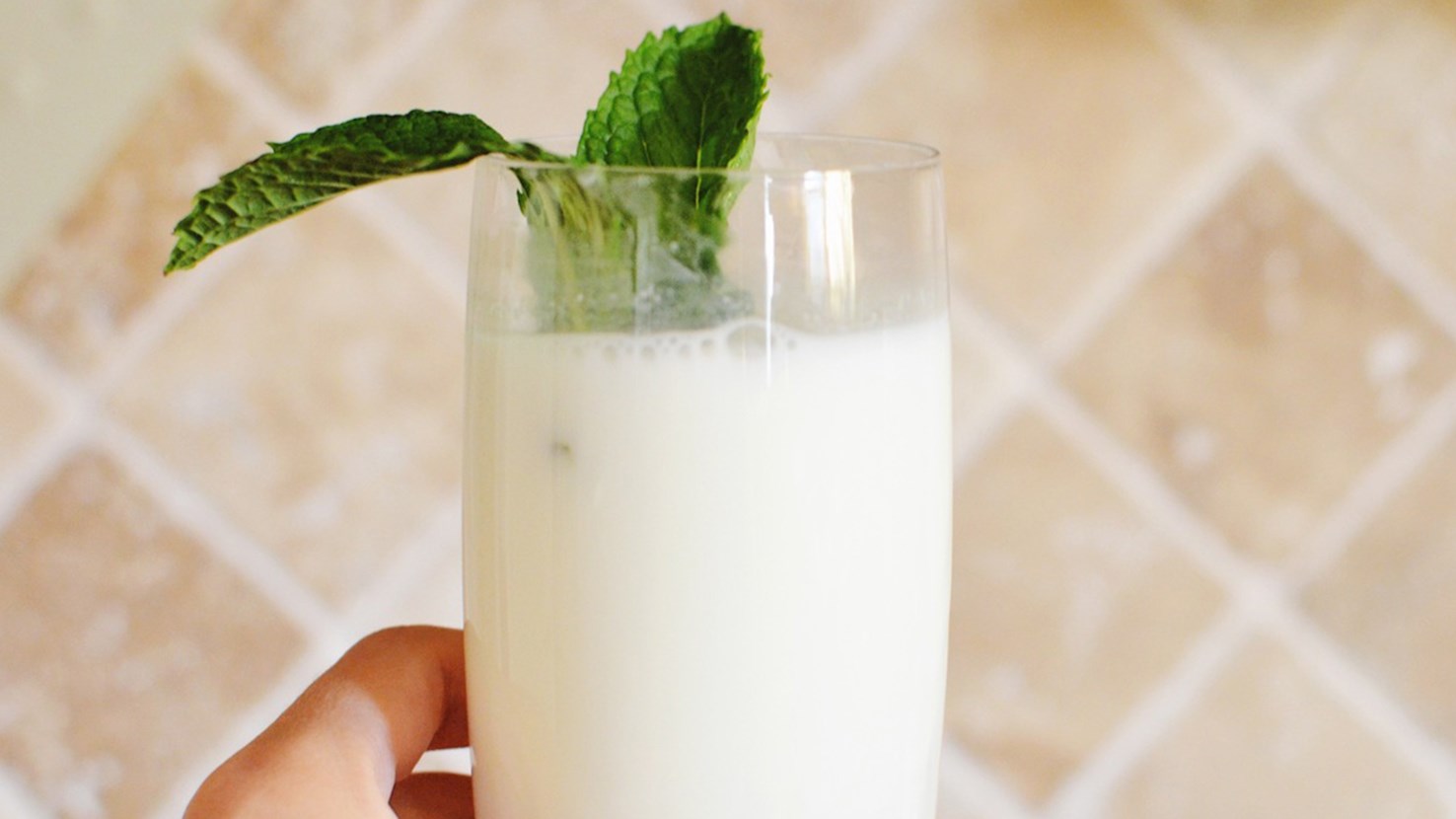
Tahn is a type of traditional Armenian dairy beverage made by combining plain yogurt (matzoon) with cold water, salt, and sometimes chopped herbs, sliced green onions, and cucumbers. The ingredients are blended until smooth, with additional water or yogurt until the concoction reaches the desired consistency. Chilled and refreshing, tahn is a typical drink Armenians consume during the summer heat to quench their thirst. Fresh parsley or mint leaves are added to the drink for flavor or used as a garnish. This savory Middle Eastern beverage resembles Turkish ayran, Indian lassi or majjiga, and Persian kefir or doogh. In Armenia, they traditionally serve tahn in ceramic mugs as the ceramic helps the beverage remain cold for longer periods of time.

08

Kalmyk Tea

3.1 ·

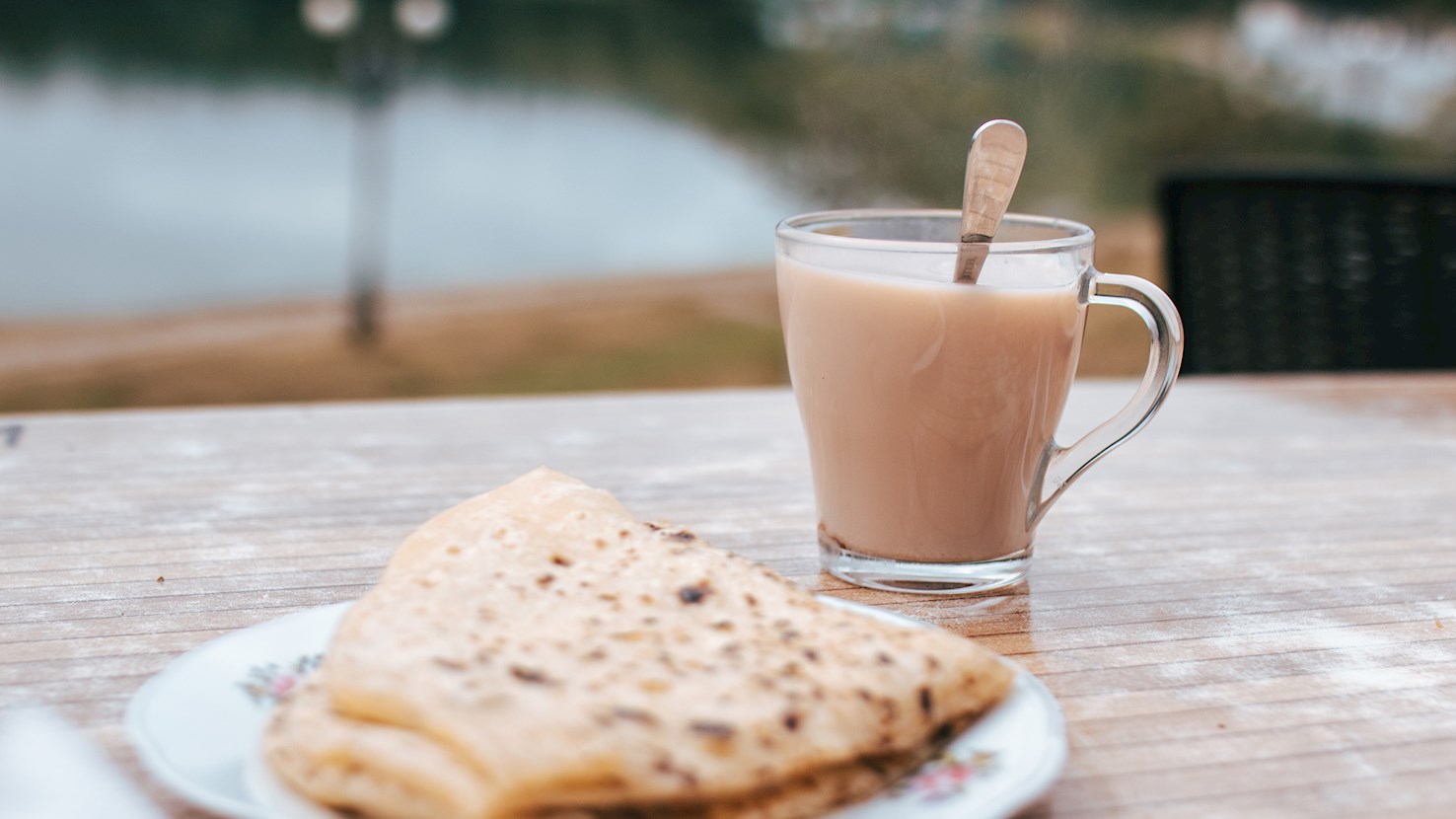
Kalmyk tea or chai is a creamy tea made with pressed green or black tea, usually brewed with butter, milk, and salt. The variations include nutmeg and sometimes other spices such as peppercorns. This tea is mainly made with pressed green tea that includes stems, stalks, and twigs. As the name suggests, Kalmyk tea originated among the Kalmyk, the Mongolian nomadic people in Russia and Kyrgyzstan that make a majority in the Russian region Kalmykia. The tea was most likely initially made with melted butter, salt, and camel milk. It was traditionally enjoyed as a filling and nourishing drink. When paired with bread, it was meant to replace a meal. The tea, and its variations, is still regularly consumed in the region.

09

Lagidze tskali (Lagidze water)

3 ·

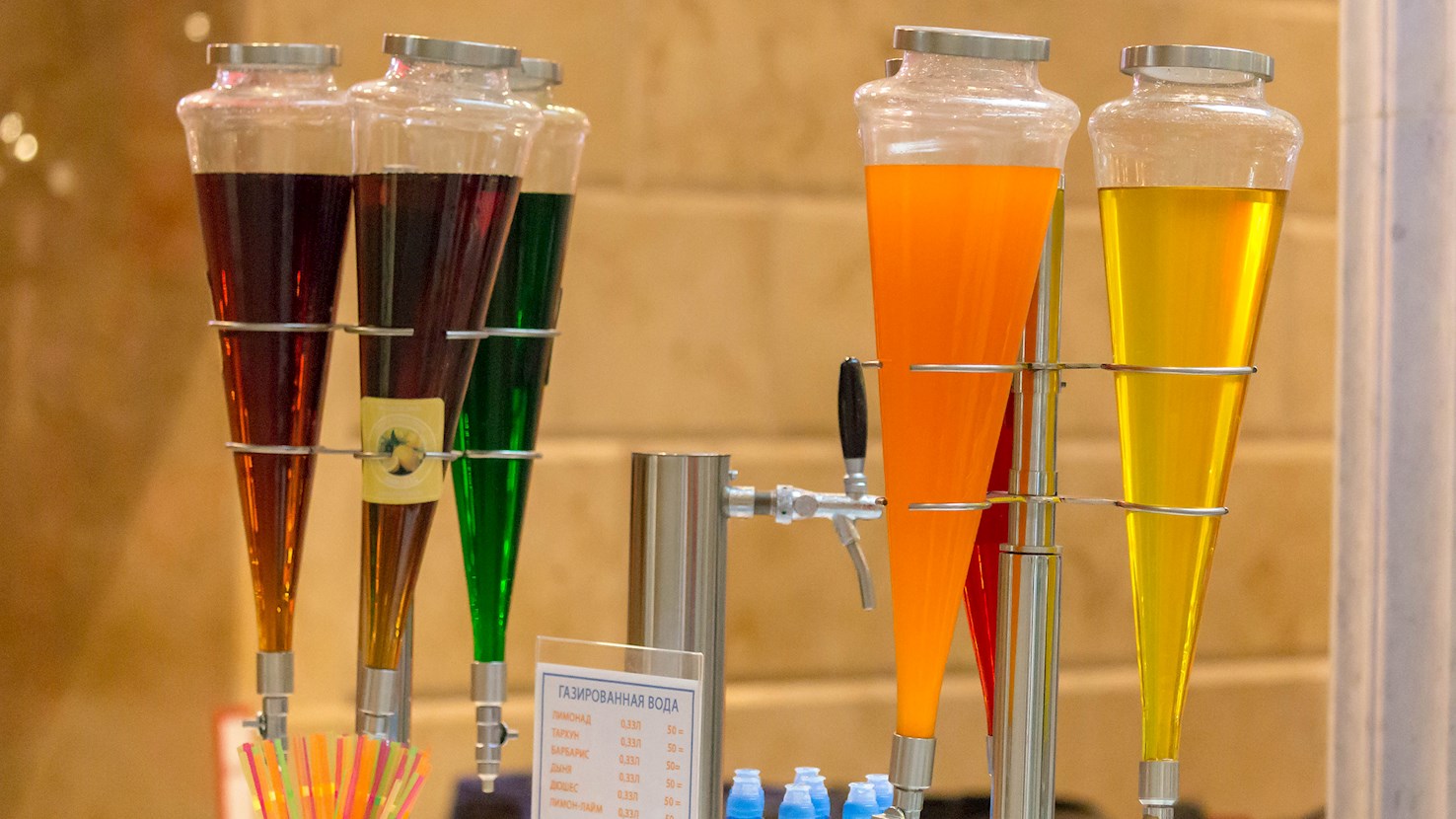
Lagidze water is a Georgian soda that combines soda and natural syrups. Preparation of Lagidze soda is an authentic local experience as it is mainly prepared by mixing syrups and pouring soda directly from the soda fountain, but bottled versions are also available. There are various flavors - typically based on local fruit and herbs. One of the most popular flavors is made with tarragon (tarkhuna). The drink was invented in 1887 by a pharmacist Mitrofan Lagidze from Kutaisi. He wanted to create completely natural syrups exclusively made from locally-sourced igredients. The first Lagidze shop was opened in Tbilisi, and in 2014, the drink was listed as an intangible cultural heritage of Georgia. It is recommended to pair Lagidze water with khachapuri.

10

Beet kvass

2.8 ·

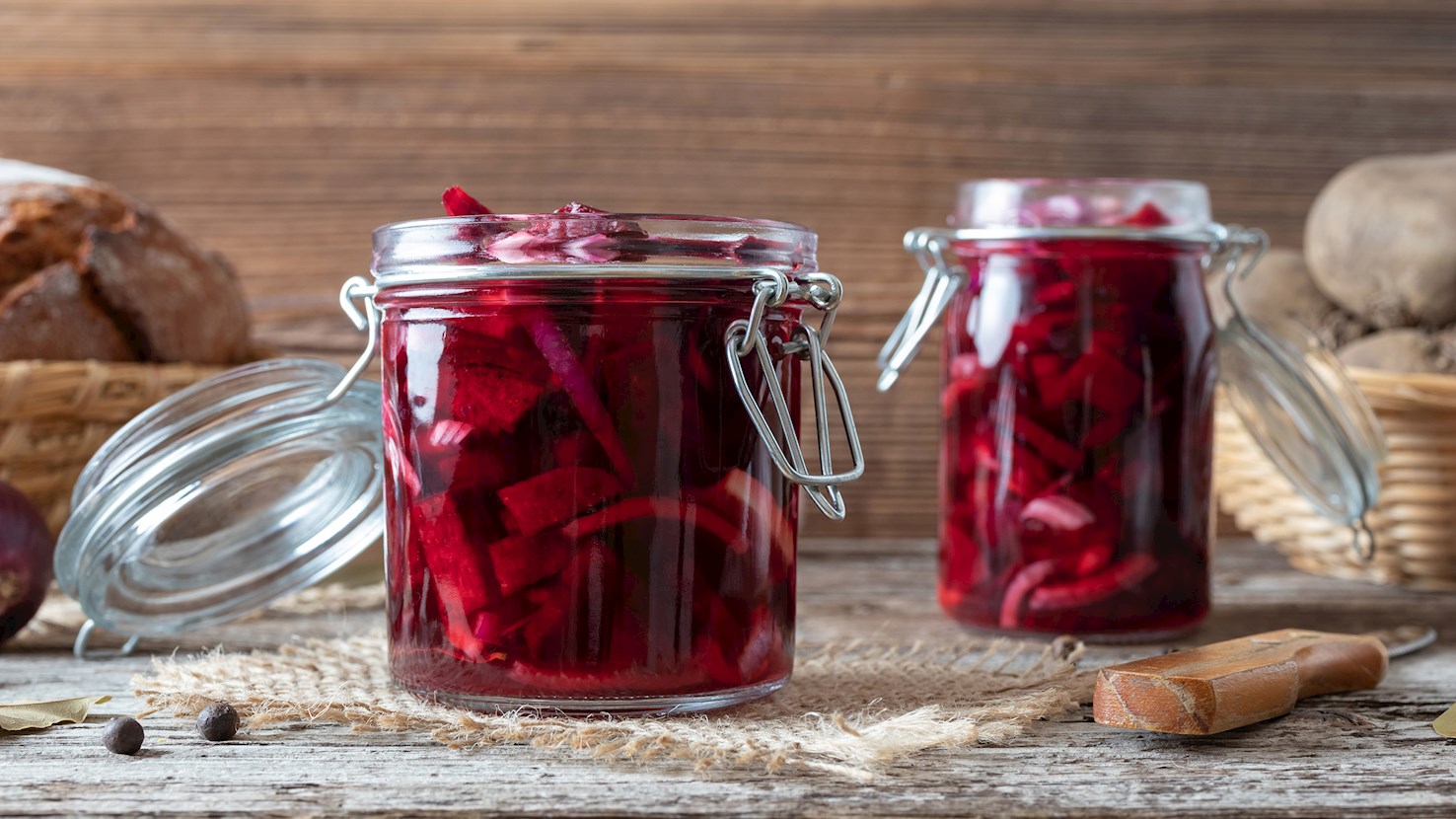
Beetroot (beet) kvass is a traditional fermented drink popular in Ukraine and Russia. It is a tangy and earthy drink commonly incorporated into savory dishes such as borsch. In its simplest form, it is made with beetroot, salt, and water, but variations often include spices, bread, or starters. The combination should be left at room temperature until kvass attains its distinctive sour flavor and becomes fizzy. When it is ready, it can be enjoyed as a nourishing drink or added to broths and stews. Many drink beetroot kvass as a health tonic and believe it aids digestion and has numerous other benefits.

Read more
View all
View map
About this ranking

TasteAtlas food rankings are based on the ratings of the TasteAtlas audience, with a series of mechanisms that recognize real users and that ignore bot, nationalist or local patriotic ratings, and give additional value to the ratings of users that the system recognizes as knowledgeable. For the “Top 10 Eastern European Non-alcoholic Beverages” list until June 10, 2026, 625 ratings were recorded, of which 452 were recognized by the system as legitimate. TasteAtlas Rankings should not be seen as the final global conclusion about food. Their purpose is to promote excellent local foods, instill pride in traditional dishes, and arouse curiosity about dishes you haven’t tried.

The initial list of top producers was compiled based on available reviews, awards, local recommendations, media and blog coverage, and consumer reviews. The list will be updated with ratings from TasteAtlas local ambassadors and TasteAtlas users.

Similar lists