Top 5 German Non-alcoholic Beverages

Last updated on June 01, 2026

Best German Non-alcoholic Beverages
01

VietBeans

4.5 ·
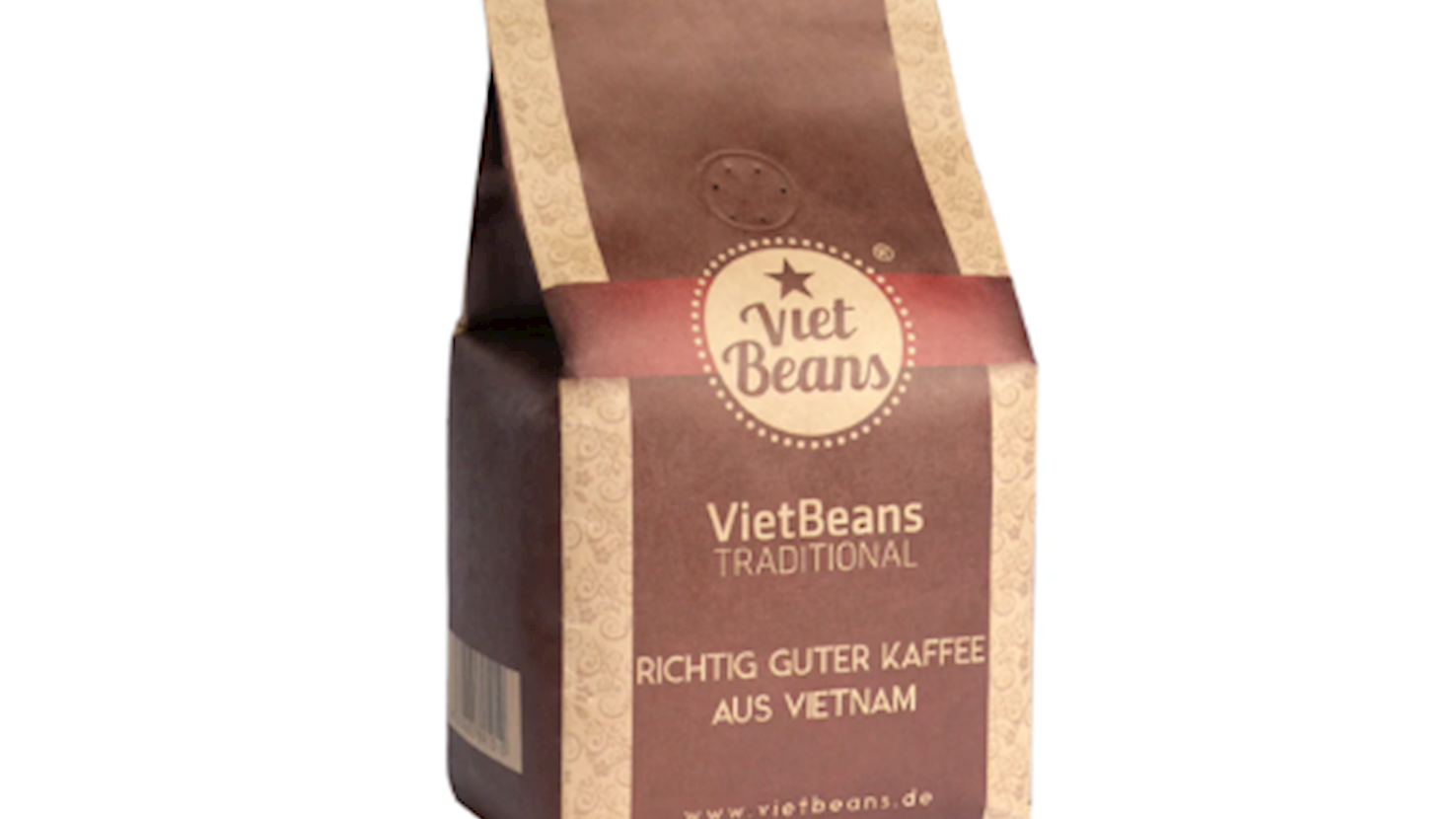
VietBeans is a German brand dedicated to discovering and sharing the diverse flavors of Vietnamese coffee. Their passion for coffee dates back to 2017 when a small group of enthusiasts decided to explore and showcase the richness and variety of coffee from Vietnam. VietBeans offers a wide range of coffees, including the classic "Traditional" variety, as well as specialty blends like "Keo" with chocolate notes and "Black Dragon" premium espresso. Their commitment to quality and passion for coffee make VietBeans a recognizable brand among coffee lovers who want to discover and enjoy the unique flavors of Vietnamese coffee.
02

Goldberg & Sons

4.5 ·
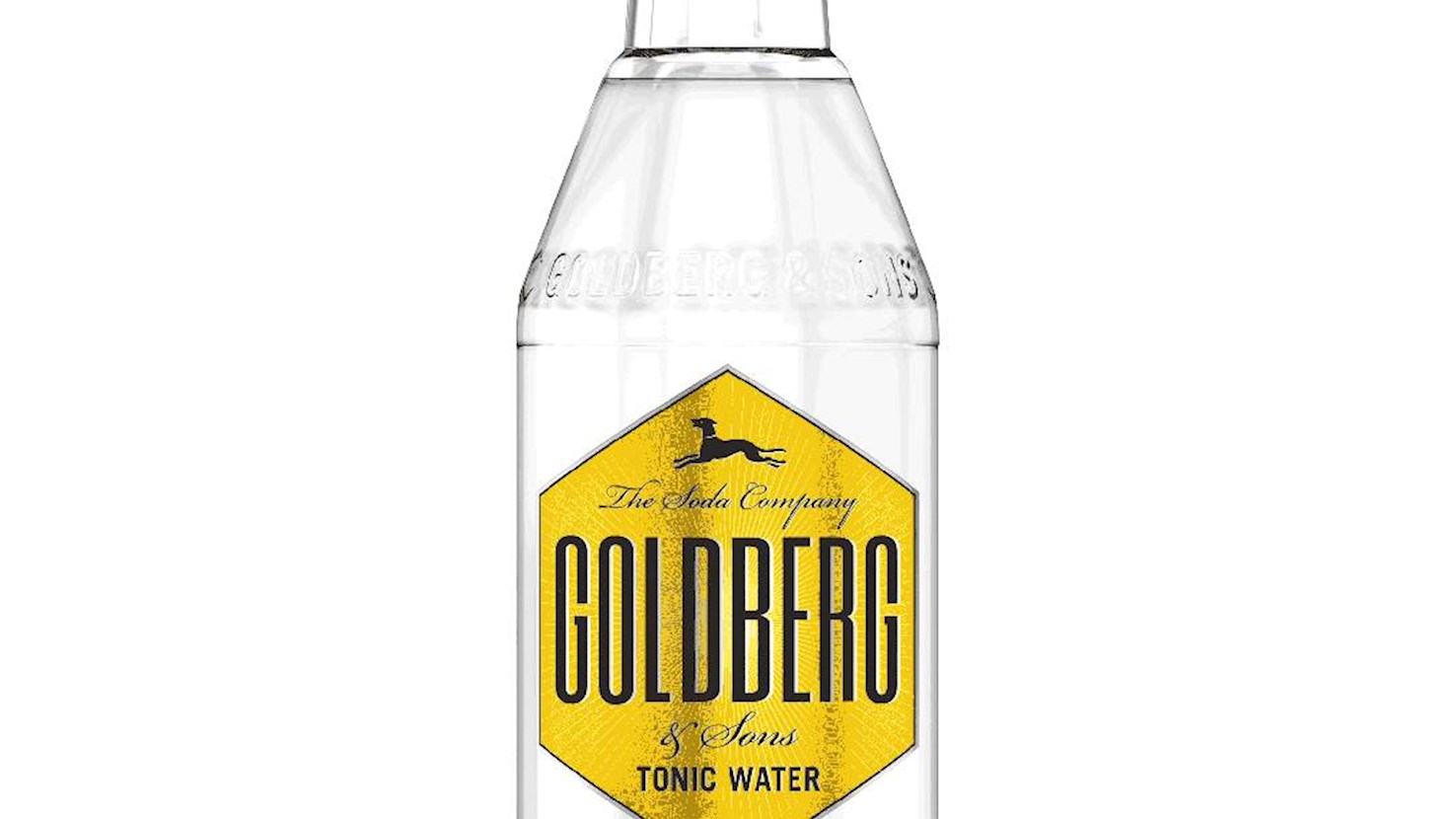
Goldberg & Sons is a renowned producer of premium carbonated beverages, especially known for its bitter lemonades and high-quality mixers. The company is part of MB Holding GmbH & Co. KG, further confirming its commitment to quality and innovation in the beverage industry. These drinks are designed to perfectly complement high-quality spirits, and with their high carbon dioxide content, they provide a refreshing and intense taste experience. Goldberg & Sons products are highly favored by internationally renowned bartenders who rely on their quality when creating their signature cocktails.
Awards
Crystal Taste Award - 3 stars (2024)
03

Da Silva Gaspar

4.2 ·
Awards
Great Taste Awards - 2 Stars (2024)
04

Minges

4.1 ·
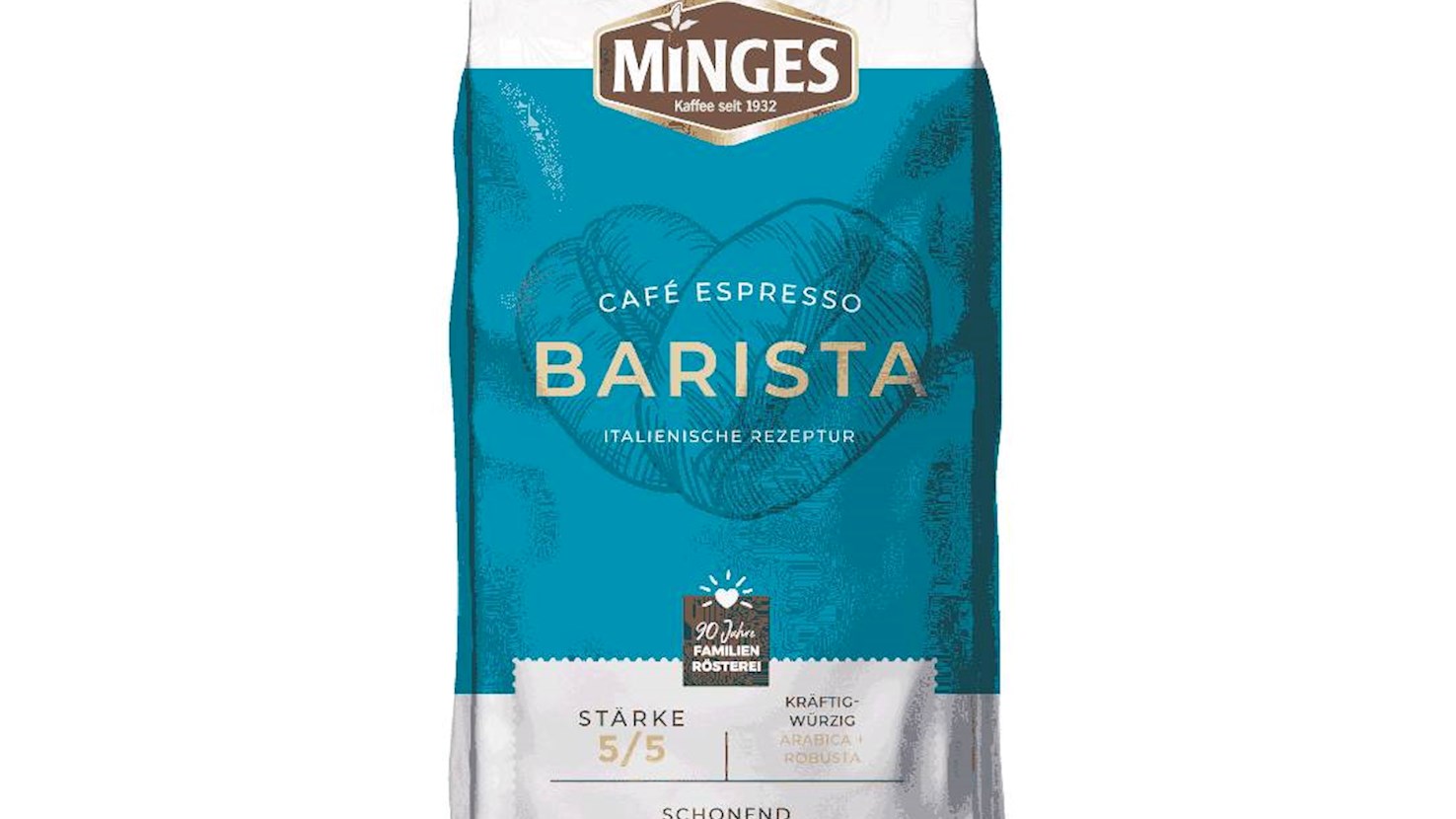
Minges Kaffeerösterei GmbH is a German family-owned company founded in 1932, specializing in the production of high-quality roasted coffee. Since its establishment, Minges has been dedicated to the traditional craft of coffee roasting. Today, under the leadership of Ulli Minges, the grandson of founder Fritz Minges, the company continues this tradition into its third generation.
Awards
Crystal Taste Award - 3 stars (2023)

Best German Non-alcoholic Beverage Types
01

Eiskaffee

4.1 ·

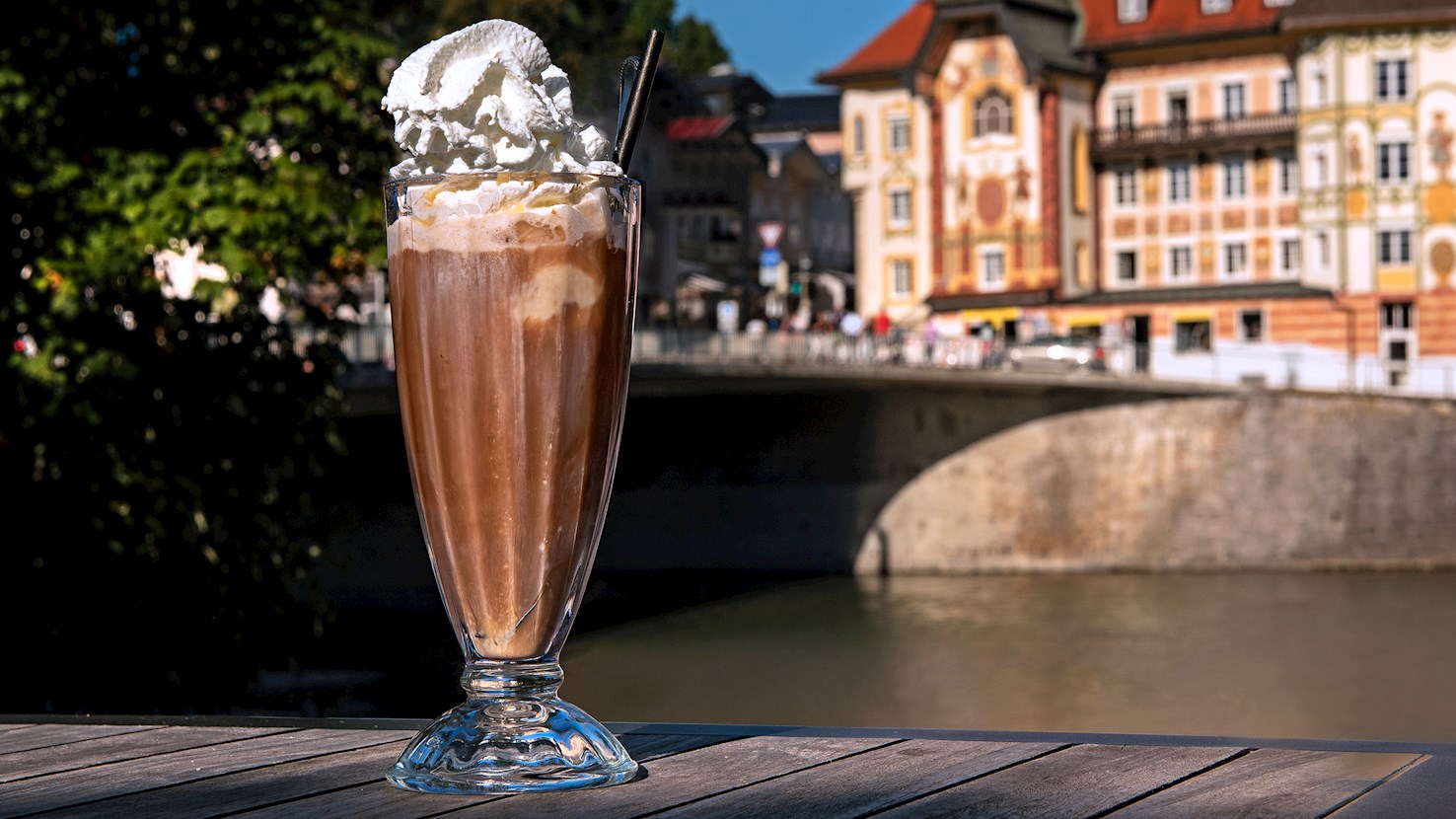
This German-style ice coffee is a combination of chilled brewed coffee and ice cream. It is usually made with an extended espresso and a scoop of vanilla ice cream, and though it is not sweetened, it can incorporate a splash of rum. Eiskaffee is usually served in a tall glass, together with a spoon and a straw. Traditionally, it is topped with unsweetened whipped cream.

02

Club-Mate

3.7 ·

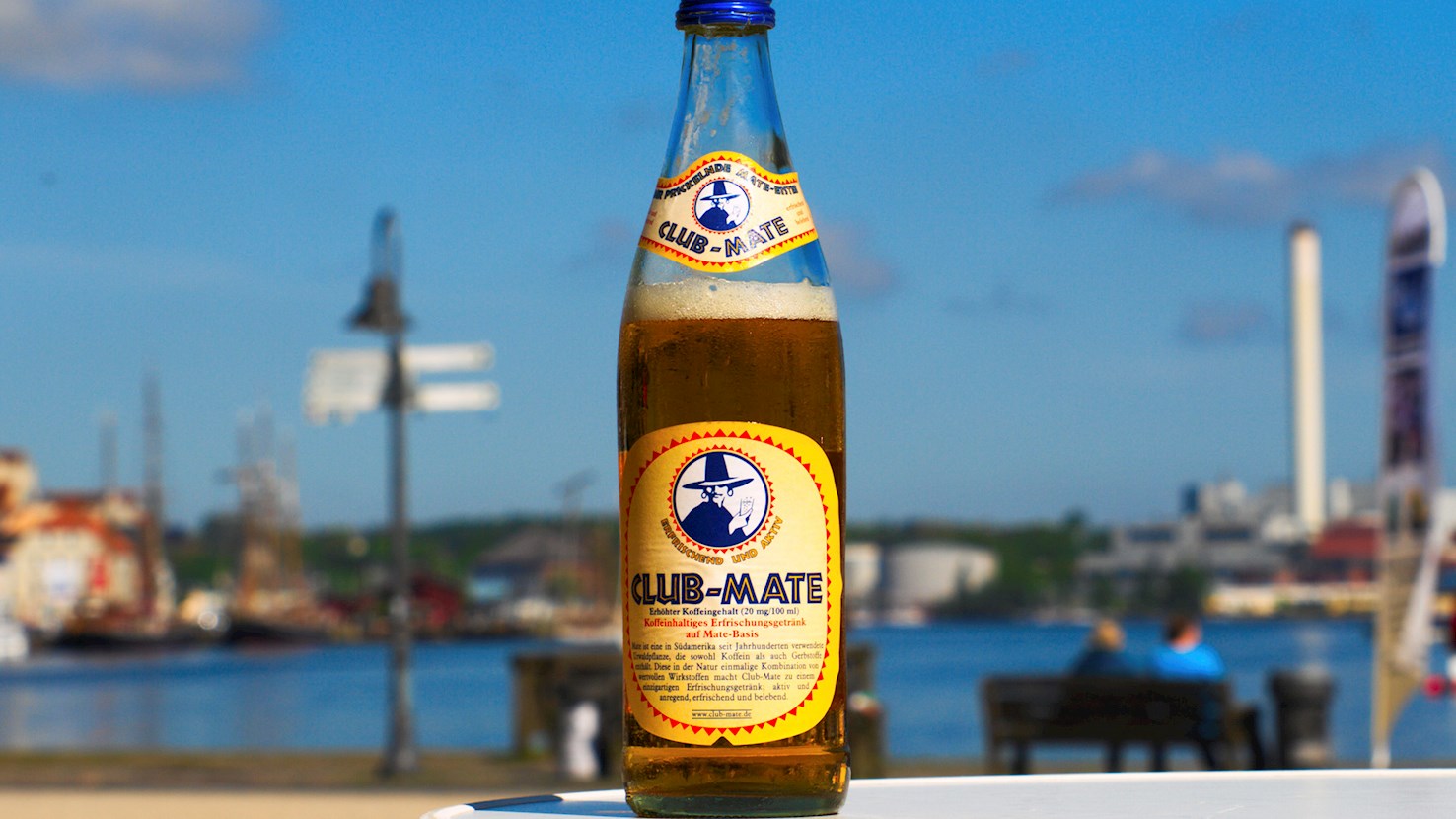
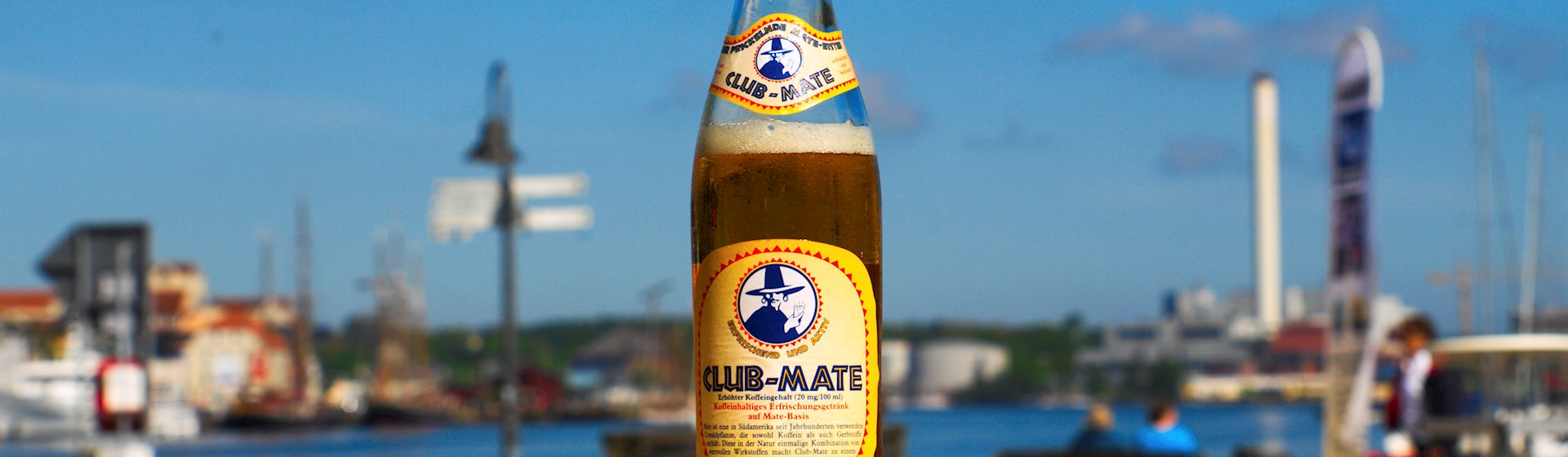
Club-Mate is a caffeinated soft drink made from mate-extract, an infusion of dried yerba mate leaves. Compared to other soft drinks, it has a relatively low sugar content and a caffeine content of 20 mg per 100ml. It was originally formulated and marketed by Geola Beverages of Dietenhofen, Germany. Today it’s produced by the Loscher Brewery which was established in 1924. A wide variety of flavors are available such as Club-Mate IceT Kraftstoff, Club-Mate winter edition, and Club-Mate Granat, among others.

03

Apfelschorle

3.6 ·

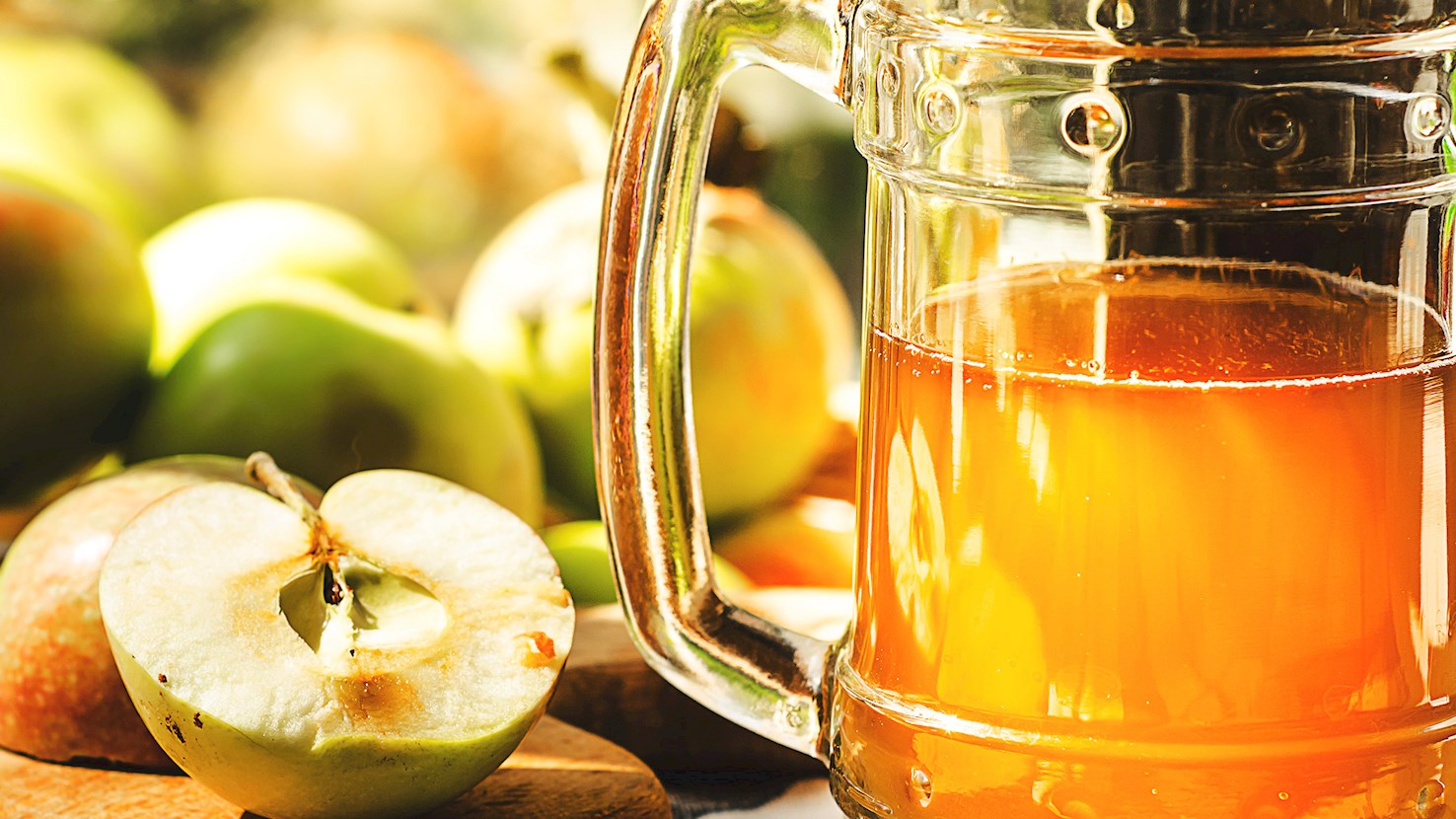
Apfelschorle is a popular beverage originating from Germany (and popular in neighboring Austria and Switzerland), consisting of a mix of apple juice and sparkling mineral water. The drink is well-loved for its refreshing taste and is a healthier alternative to sugary soft drinks, offering a natural sweetness from the apple juice tempered by the crispness of carbonated water. Apfelschorle typically contains a ratio of about 50% to 60% apple juice to 40% to 50% sparkling water, although this can vary according to personal preference or commercial brands. This beverage is especially popular during the warmer months and is commonly found in restaurants, cafes, and supermarkets throughout Germany and neighboring countries. It's also easy to make at home, allowing for adjustments in sweetness and carbonation level to suit individual tastes.

04

Spezi

3.6 ·

Spezi is a German soft drink made by mixing cola and orange soda, known for its balanced combination of citrus brightness and cola depth. It originated in Germany, where the practice of blending cola with orange-flavored soda began in the mid-20th century and gradually became a widespread beverage choice. The name "Spezi" initially referred to a specific brand introduced by the Brauhaus Riegele in Augsburg in the 1950s, but over time it became a generic term in colloquial usage across German-speaking countries for any cola-orange mix, even when produced by other companies. The drink typically consists of about equal parts cola and orange soda, resulting in a beverage that has the caramel and caffeine notes of cola alongside the fruity tang and sweetness of orange. Its flavor is often described as refreshing and easy to drink, with lower acidity than pure orange soda and less heaviness than cola alone. Some formulations also include lemon or a touch of herbs for complexity, though the base remains consistent. Commercially bottled Spezi contains carbonated water, sugar or sweeteners, caffeine, and natural or artificial flavorings from both cola and citrus components. Colorants and stabilizers are also standard, as in most soft drinks. Spezi is especially popular in southern Germany, Austria, and parts of Switzerland, where it is served in restaurants, sold in bottles or cans in supermarkets, and available on draft in some beer gardens or cafés. While it appeals to all age groups, it is particularly common among teenagers and young adults as a non-alcoholic alternative to beer or energy drinks. Some people also mix it themselves at home or in bars by combining equal parts of Coca-Cola (or Pepsi) with orange Fanta or a local equivalent, resulting in a homemade version often called “Cola-Mix” or simply “Mezzo Mix” when using the Coca-Cola-owned brand.

05

Fassbrause

3.5 ·

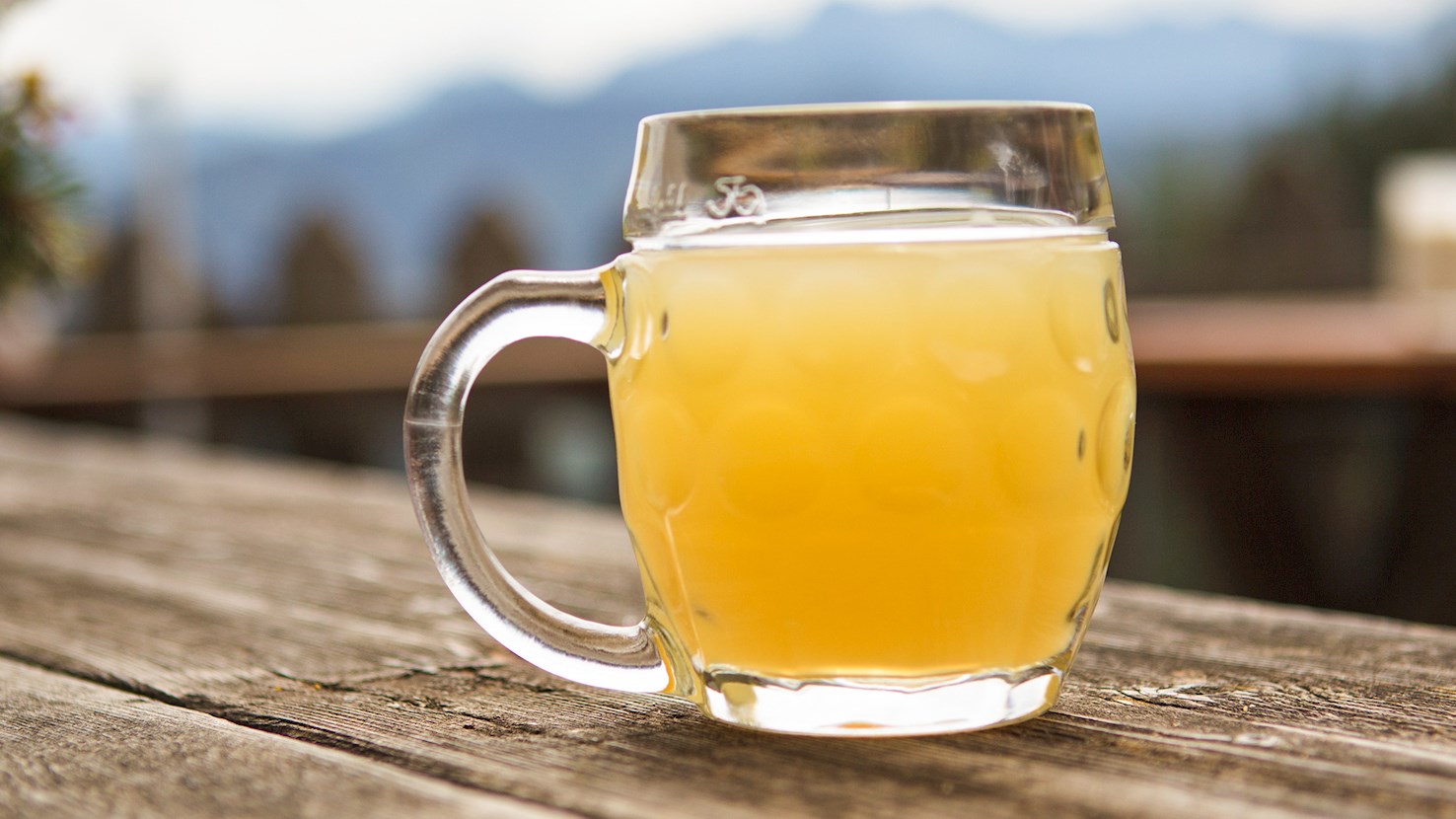
Fassbrause is a German drink made from fruit, spices, and malt extract. It was invented in Berlin in 1908 by a German chemist Ludwig Scholvin as a non-alcoholic beer substitute for his son. In color, it strongly resembles a beer, with a sweet apple flavor. Depending on the brand, fassbrause can be both non-alcoholic and alcoholic. The literal translation of the name means keg soda which is also the traditional way of storing it.

Read more
View all
View map
About this ranking

TasteAtlas food rankings are based on the ratings of the TasteAtlas audience, with a series of mechanisms that recognize real users and that ignore bot, nationalist or local patriotic ratings, and give additional value to the ratings of users that the system recognizes as knowledgeable. For the “Top 5 German Non-alcoholic Beverages” list until June 01, 2026, 261 ratings were recorded, of which 234 were recognized by the system as legitimate. TasteAtlas Rankings should not be seen as the final global conclusion about food. Their purpose is to promote excellent local foods, instill pride in traditional dishes, and arouse curiosity about dishes you haven’t tried.

The initial list of top producers was compiled based on available reviews, awards, local recommendations, media and blog coverage, and consumer reviews. The list will be updated with ratings from TasteAtlas local ambassadors and TasteAtlas users.

Similar lists