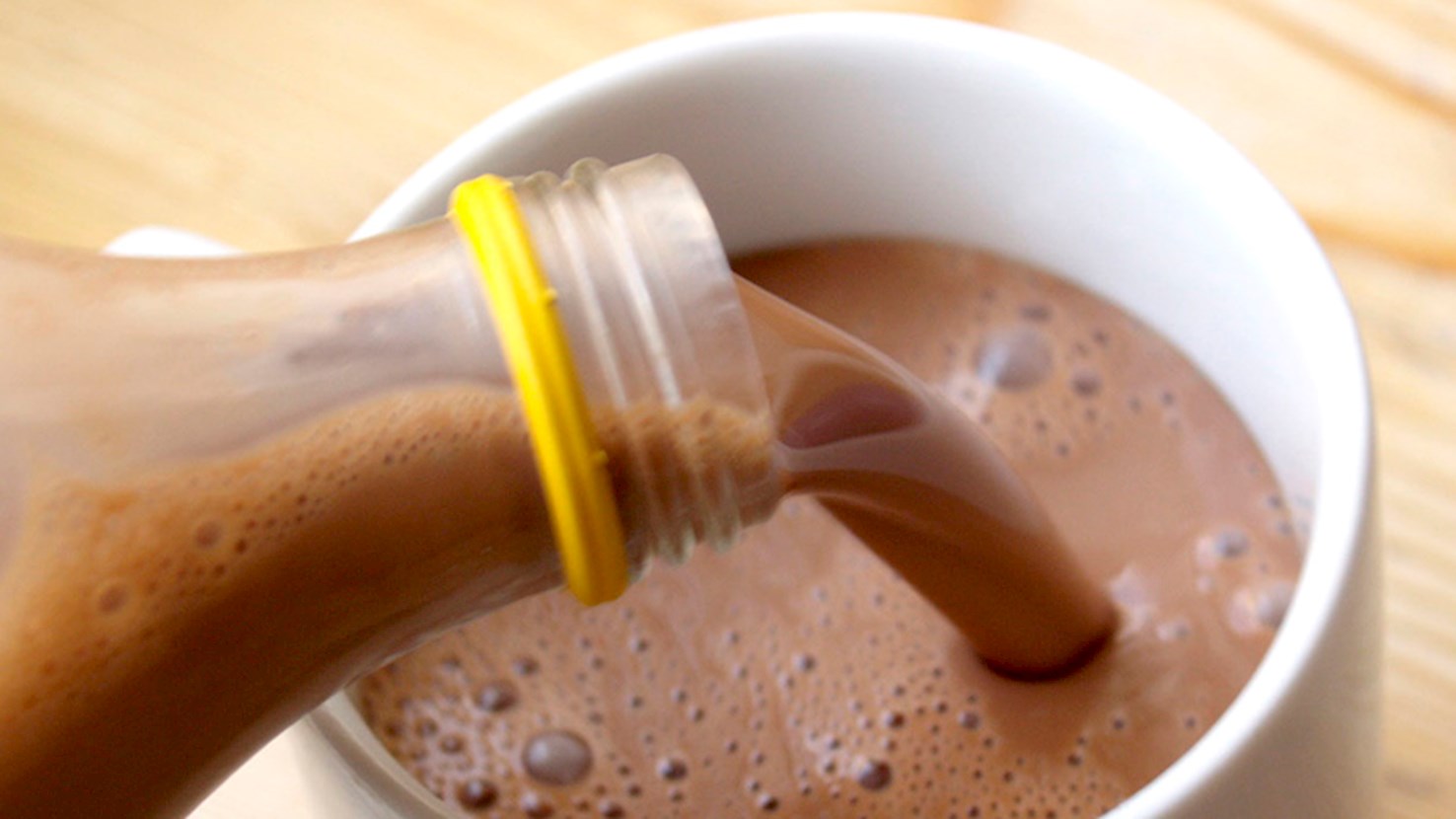
Cocio is a classic Danish chocolate milk that has been produced since 1951 and was originally invented by Anker Pallesen in Esbjerg. The drink combines fresh milk from Danish farmers, sugar, and only the best African cocoa, while the producers claim that the unique heating process gives the milk the typical, lightly caramelized flavor. The drink is available in classic and dark version, as well as the lighter Cocio One and Cocio Energy. Though it is available in cans, the trademark glass bottle is still a firm favorite, while the preferred pairing option is the traditional pølser hot dog.
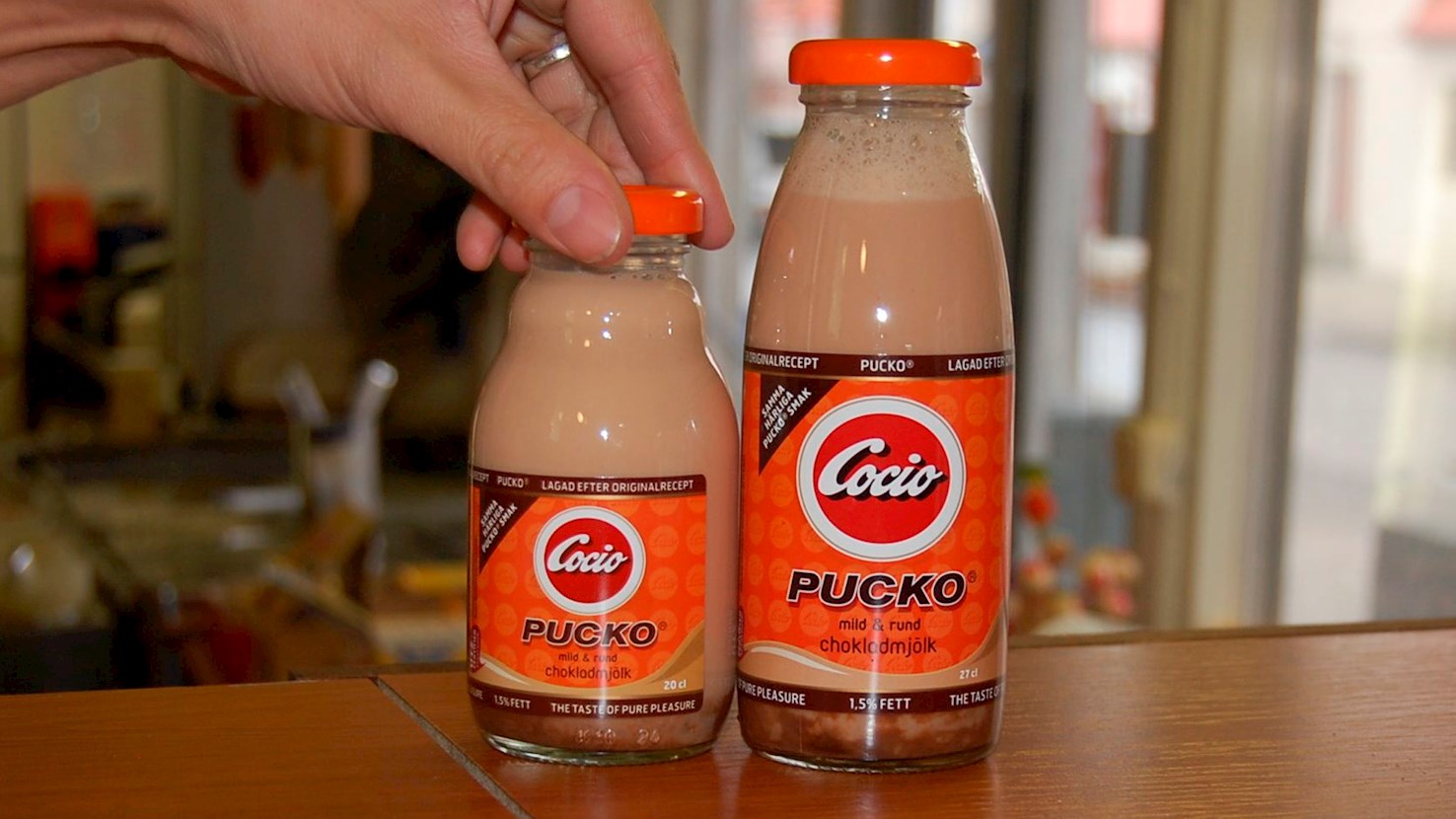
Pucko is a Swedish drink made with three basic ingredients: milk, chocolate, and sugar. It comes in an iconic glass bottle that was created by Arla Foods, a company which released it in 1954. Today, it is produced by a Danish company named Cocio. Besides the glass bottle, Pucko is also sold in cartons. In Sweden, the drink is most often associated with hot dog vendors, who typically sell it as an accompaniment to hot dogs.
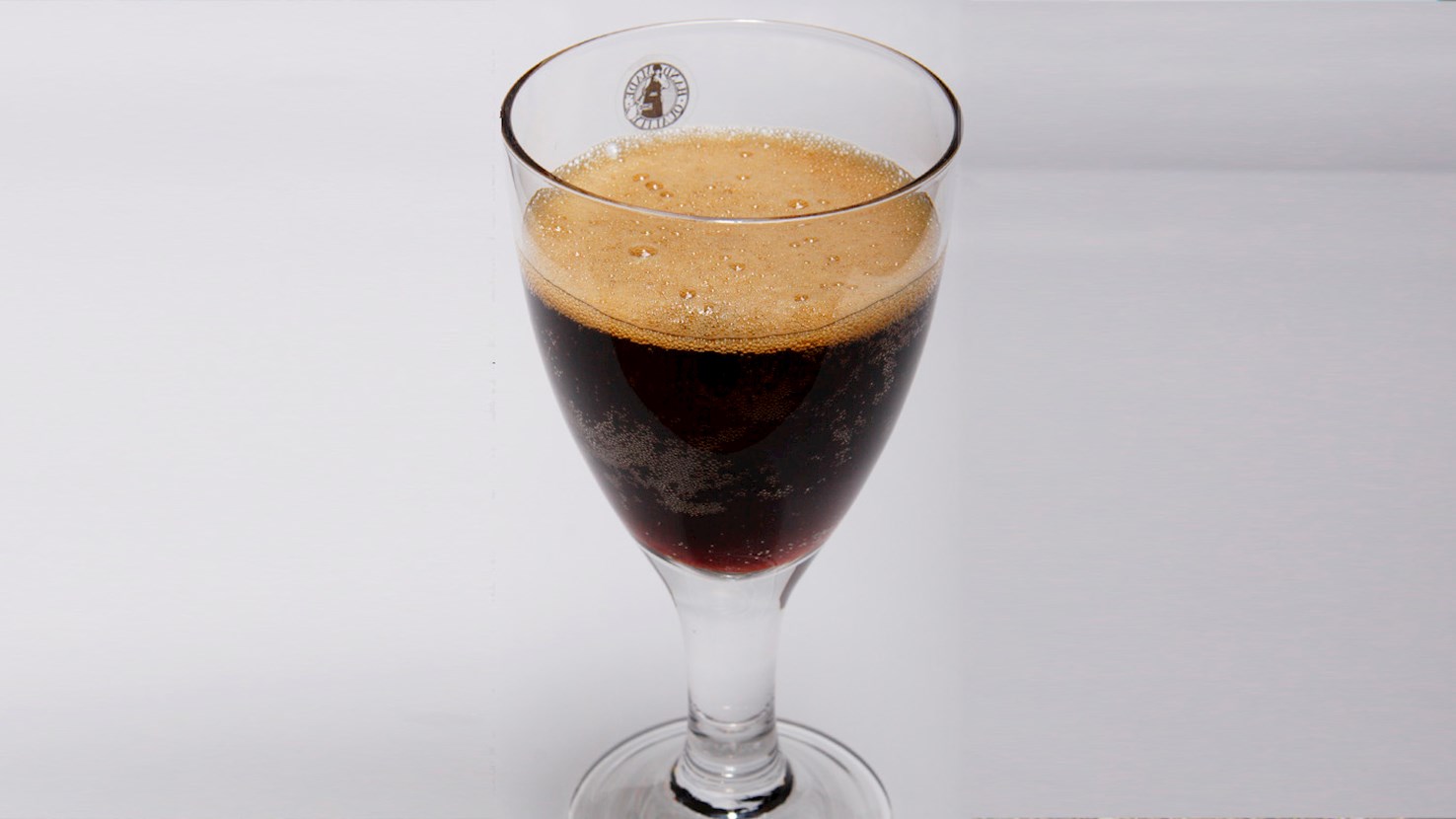
Julmust is a very popular Swedish soft drink that is consumed at Christmas time. This dark drink is often described as a mixture of cola and root beer, while its flavor is typically sweeter than most sodas. The name julmust translates to Christmas juice or Christmas must (not yet fermented fruit juice). However, there is no actual must in julmust. It was first created by Harry Roberts as a non-alcoholic alternative to beer and porter, which were traditionally consumed during winter holidays in Sweden. Påskmust is the Easter version of the drink. Though some argue that they are not the same, it is more likely that it is the same drink that is only labeled and named differently (påsk translates as Easter).
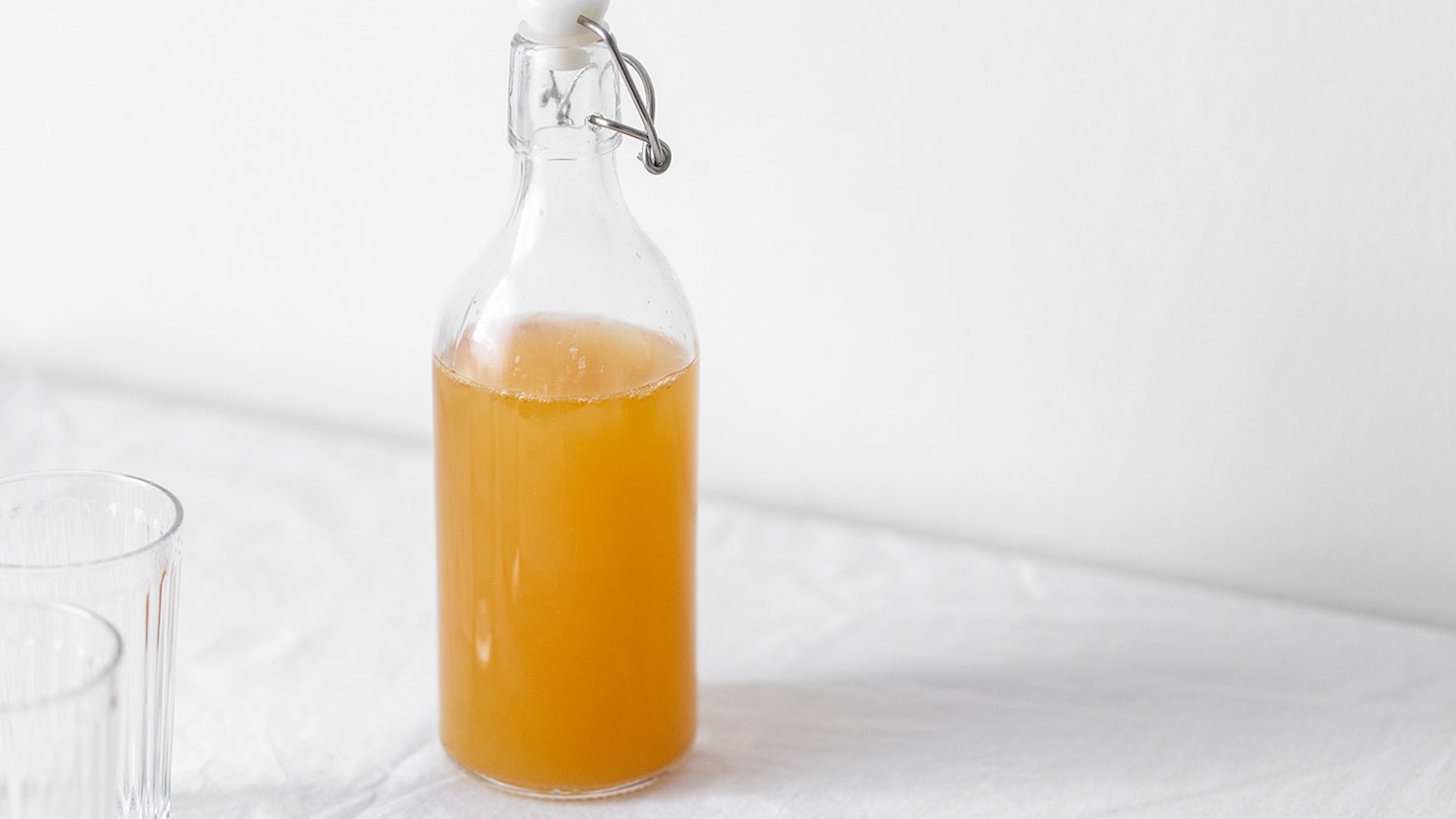
Sima is a fermented Finnish drink, often classified as a low alcoholic variety of mead. It is a fizzy drink with a sweet and citrusy flavor that comes in a non-alcoholic and alcoholic form, though the former is more common. Often called a fermented lemonade, sima is nowadays usually made with lemon, white and/or brown sugar, yeast, and raisins. In the original form, it was usually made with honey. The ingredients are usually fermented for several days before the drink is bottled and refrigerated. The longer it is left to ferment, it will become more effervescent and alcoholic. Sima is traditionally prepared and enjoyed during Vappu—Finnish celebration of May Day. It is best served chilled along with traditional Finnish pastries.
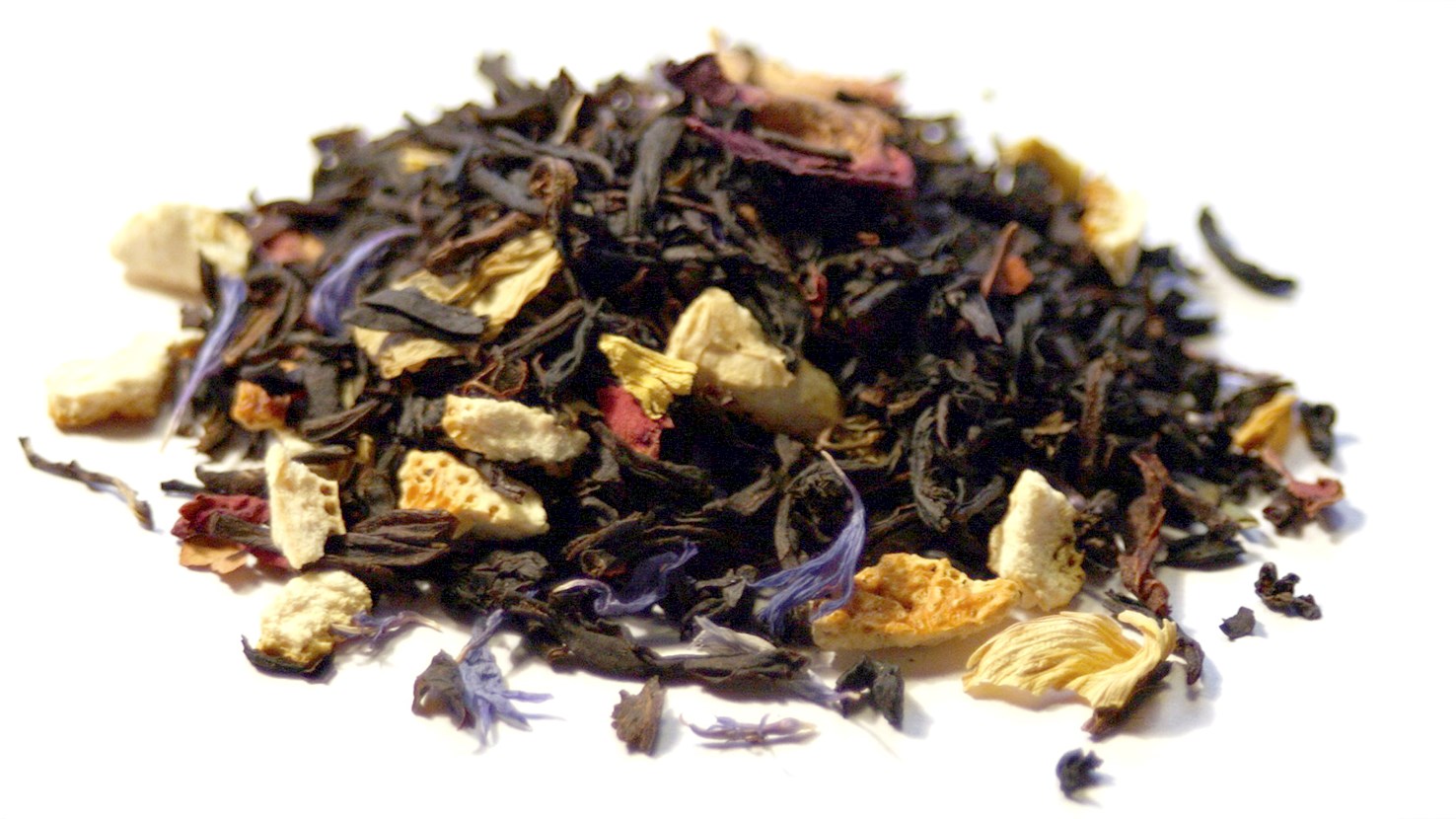
Söderblandning is a tea blend invented in Sweden. It is based on black tea blended with tropical fruit and flowers. The blend was invented in Södermalm, Stockholm—hence the name. It remains one of the most popular teas in Sweden. The exact ingredients are unfamiliar, and there are some differences among brands, but the base is made with Ceylon and Chinese black tea, while the additions may include citrus fruit and various flowers. Söderblandning was allegedly a lucky invention at the Tea Center in Stockholm. The story says that the owner Vernon Mauris accidentally dropped a batch he was working on. His workers refused to throw it away and used it to brew tea. The blend tasted so good that Vernon immediately tried to recreate the combination. It was originally called Misstagsblandningen (The Mistake Blend), later changing its name to Söderblandning to commemorate the district where the tea shop was located.
Julebrus is a Norwegian seasonal soft drink produced for the Christmas period, sold across the country by large beverage companies as well as smaller local breweries, and recognized by its characteristic red or brown color depending on the producer. It developed in the early twentieth century when breweries sought to offer a non-alcoholic holiday beverage, often as an alternative for younger consumers during a time when beer sales were regulated, and recipes were shaped by regional preferences that led to differing color, aroma, and sweetness profiles. Production involves carbonated water mixed with flavored syrups that can include fruit notes such as strawberry, raspberry, or citrus for the red versions, and caramelized or malt-influenced flavor bases for the brown versions, with each manufacturer adjusting extracts, colorants, and sugar content to achieve a recognizable house style; bottling is done shortly before the holiday season to meet demand that peaks in November and December. A notable element is that Norwegian breweries maintain distinct formulations, so julebrus varies widely in taste from one region to another, which has created local loyalty and ongoing comparisons between brands. It is consumed throughout Norway during the weeks leading up to Christmas, served chilled at home gatherings, school events, and family meals, and it pairs easily with holiday foods such as roast meats, cured pork rib, rice pudding, and baked goods, while also being drunk on its own as a seasonal treat.
TasteAtlas food rankings are based on the ratings of the TasteAtlas audience, with a series of mechanisms that recognize real users and that ignore bot,
nationalist or local patriotic ratings, and give additional value to the ratings of users that the system recognizes as knowledgeable.
For the “Top 6 Northern European Non-alcoholic Beverages” list until June 15, 2026, 204 ratings were recorded, of which 175 were recognized by the system as legitimate.
TasteAtlas Rankings should not be seen as the final global conclusion about food. Their purpose is to promote excellent local foods,
instill pride in traditional dishes, and arouse curiosity about dishes you haven’t tried.