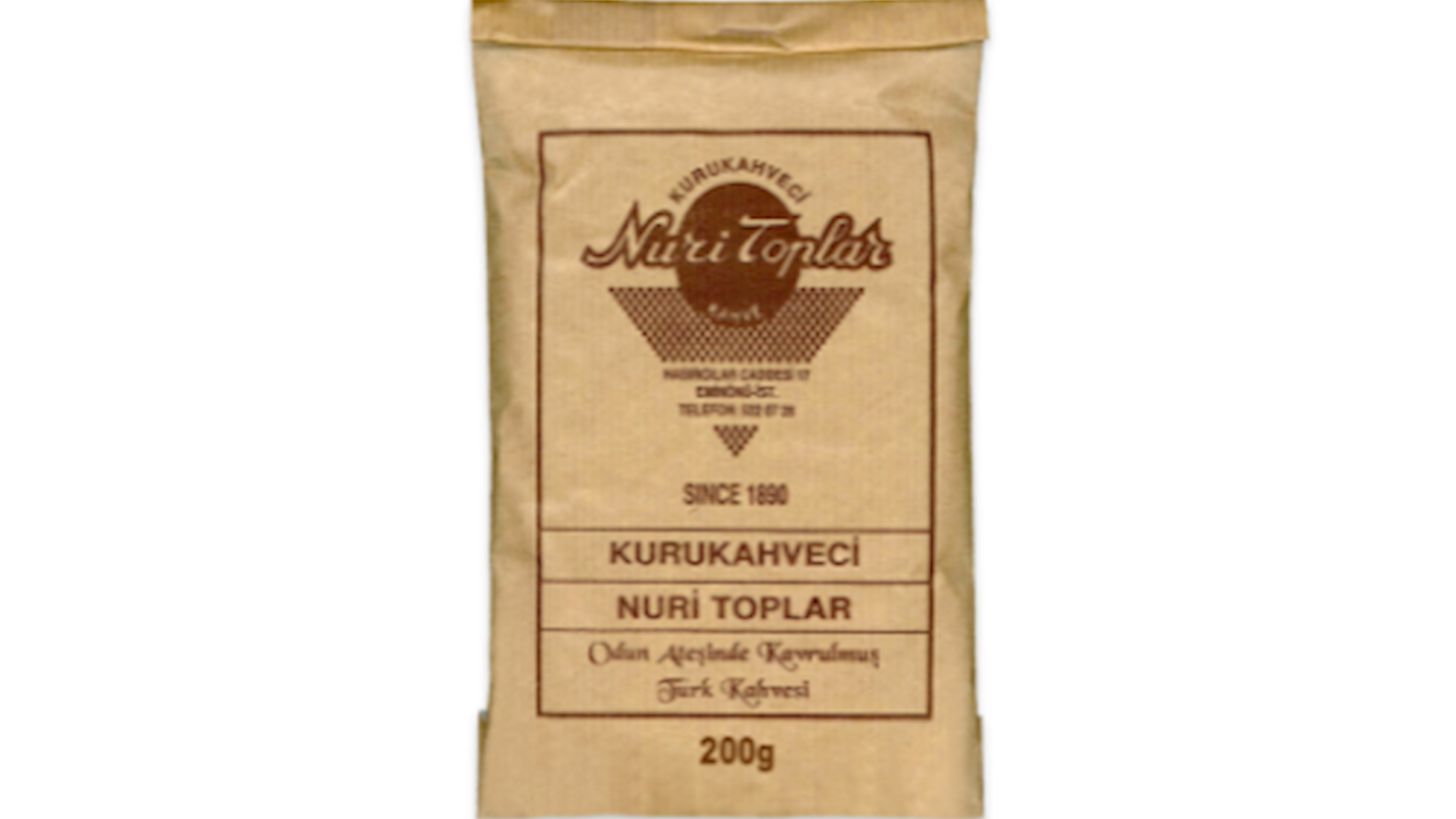
Kurukahveci Nuri Toplar is a historic Istanbul-based producer of traditional Turkish coffee, recognized for roasting high-quality Arabica beans exclusively over a wood fire, which creates a deeper aroma and a richer, more nuanced flavor than industrial roasting. Founded in 1890, the brand has preserved its artisanal approach: the coffee is ground to an ultra-fine texture, contains no additives, and is packaged immediately after roasting to maintain its natural freshness and signature fragrance.
Their shop in the Eminönü district is known for preparing coffee strictly according to classical Turkish methods, emphasizing precise brewing and a velvety foam. The flavor profile combines gentle bitterness, subtle chocolate undertones, and a long, clean finish.
Today, the brand is considered a benchmark for authentic Turkish coffee, valued by consumers seeking tradition, craftsmanship, and the characteristic depth of flavor associated with slow wood-fire roasting.
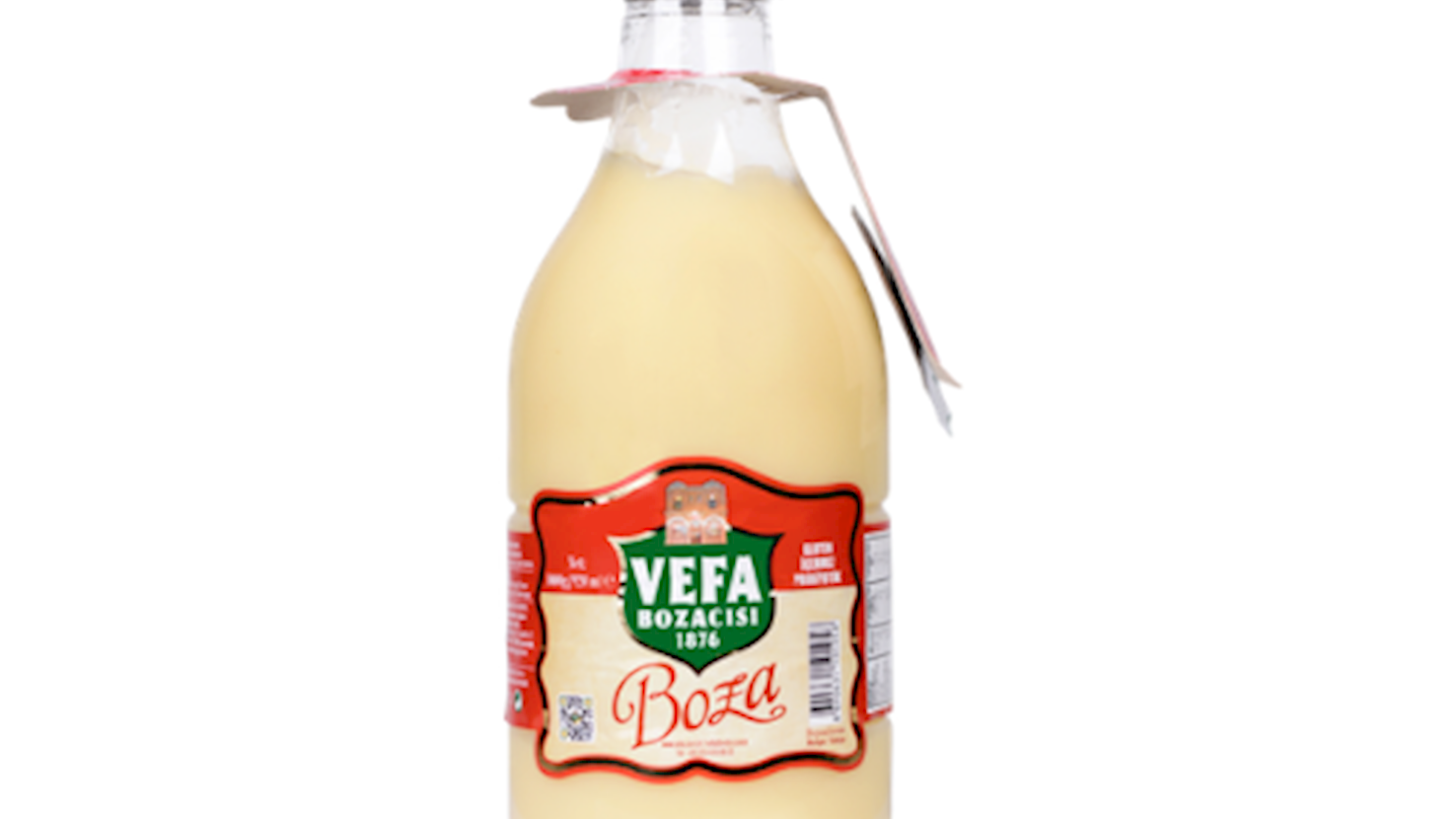
Vefa Bozacısı is a historic boza shop in Istanbul, founded in 1876 in the Vefa district, and widely regarded as the most iconic producer of this traditional fermented beverage in Turkey. Boza is made from cereals, water, and sugar, undergoing natural fermentation that results in a thick consistency and a distinctive sweet-tart flavor.
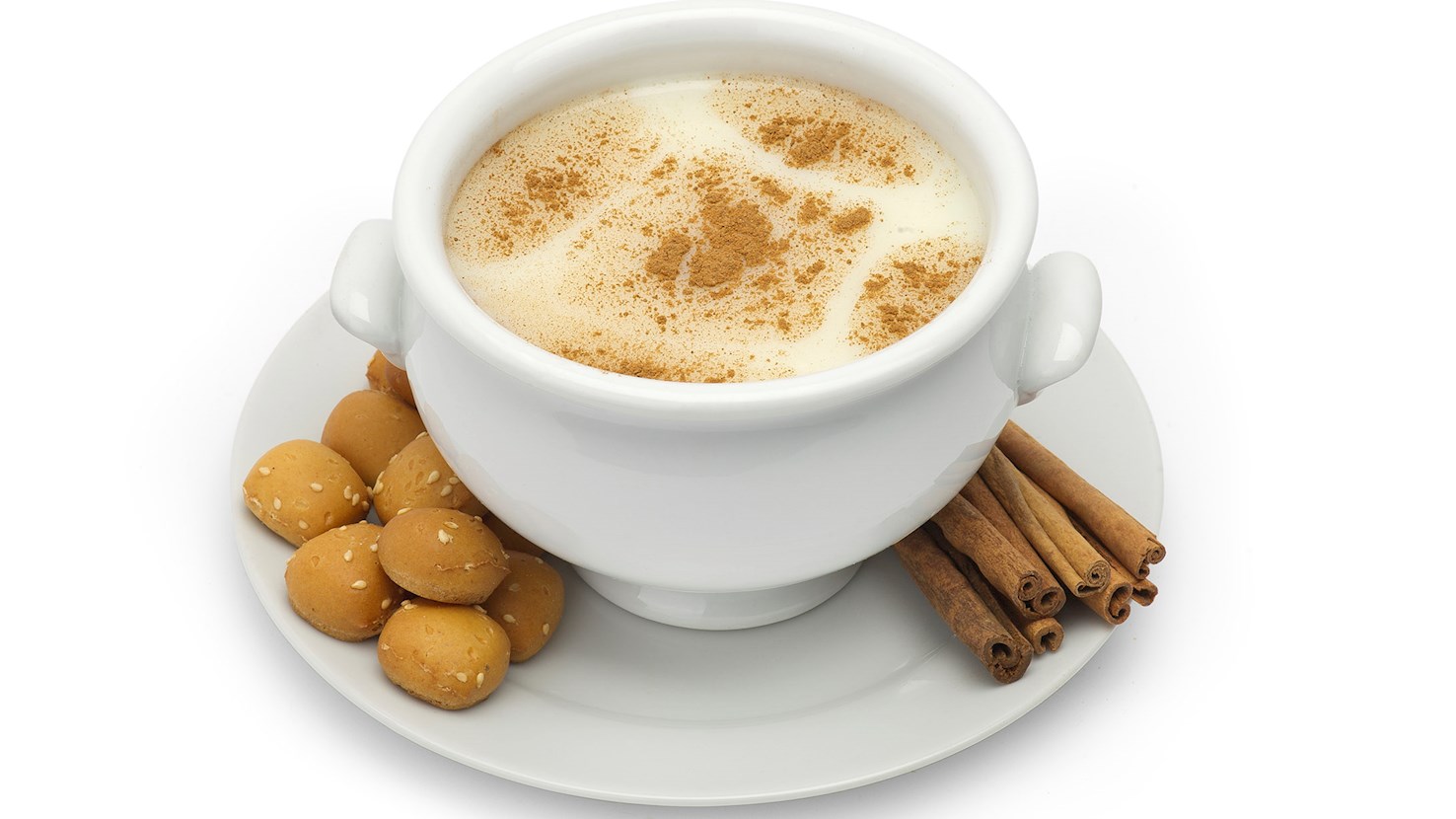
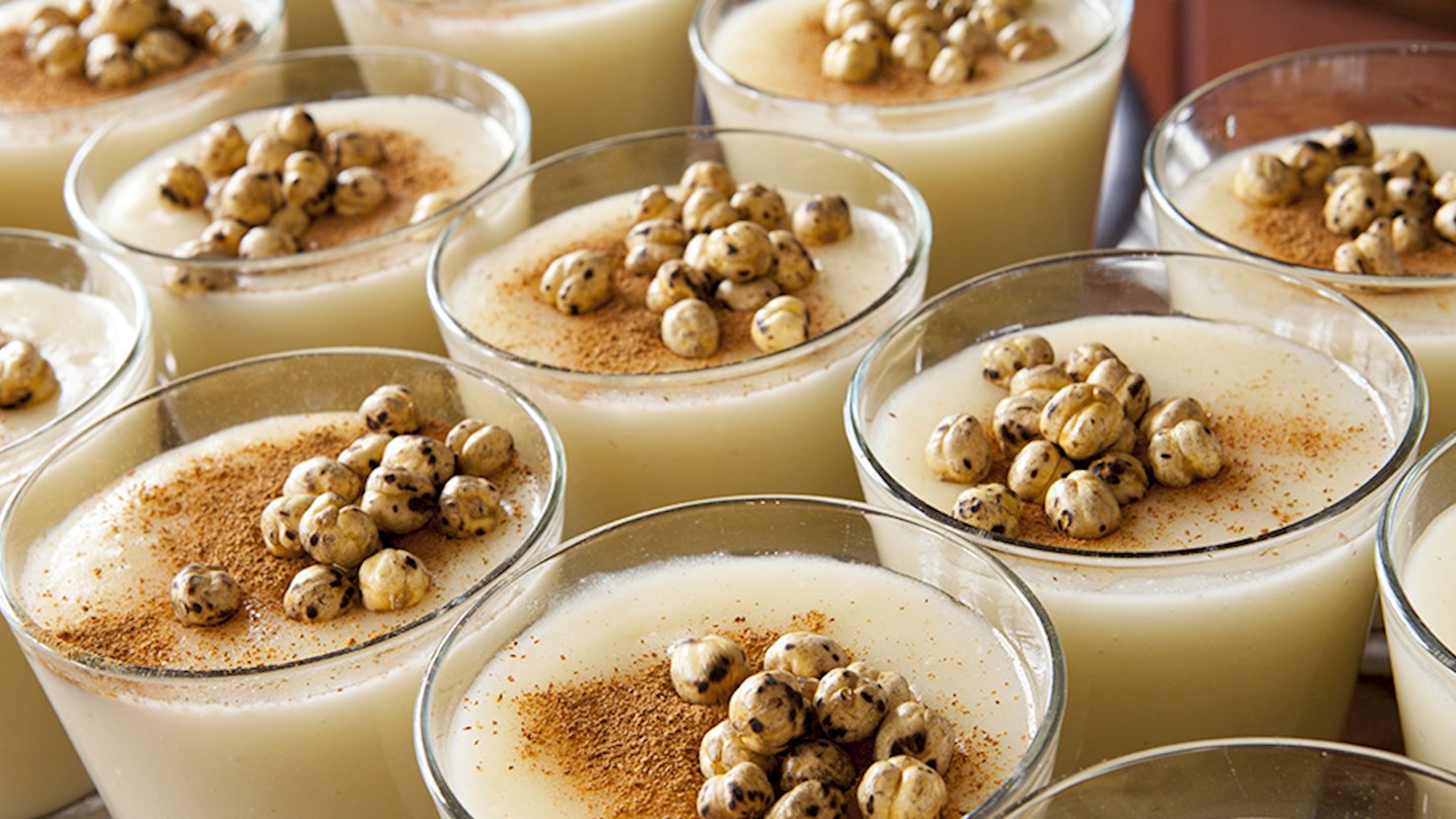
It is traditionally served topped with cinnamon and accompanied by roasted chickpeas, especially during the winter months when its consumption is part of local seasonal culture. The establishment has remained in the hands of the same family for generations, preserving both its original recipe and its historic character.
Over time, Vefa Bozacısı has become more than a producer; it represents a cultural landmark closely tied to Istanbul’s culinary heritage. Today, it continues to combine historical legacy with ongoing production, maintaining traditional preparation and serving methods.
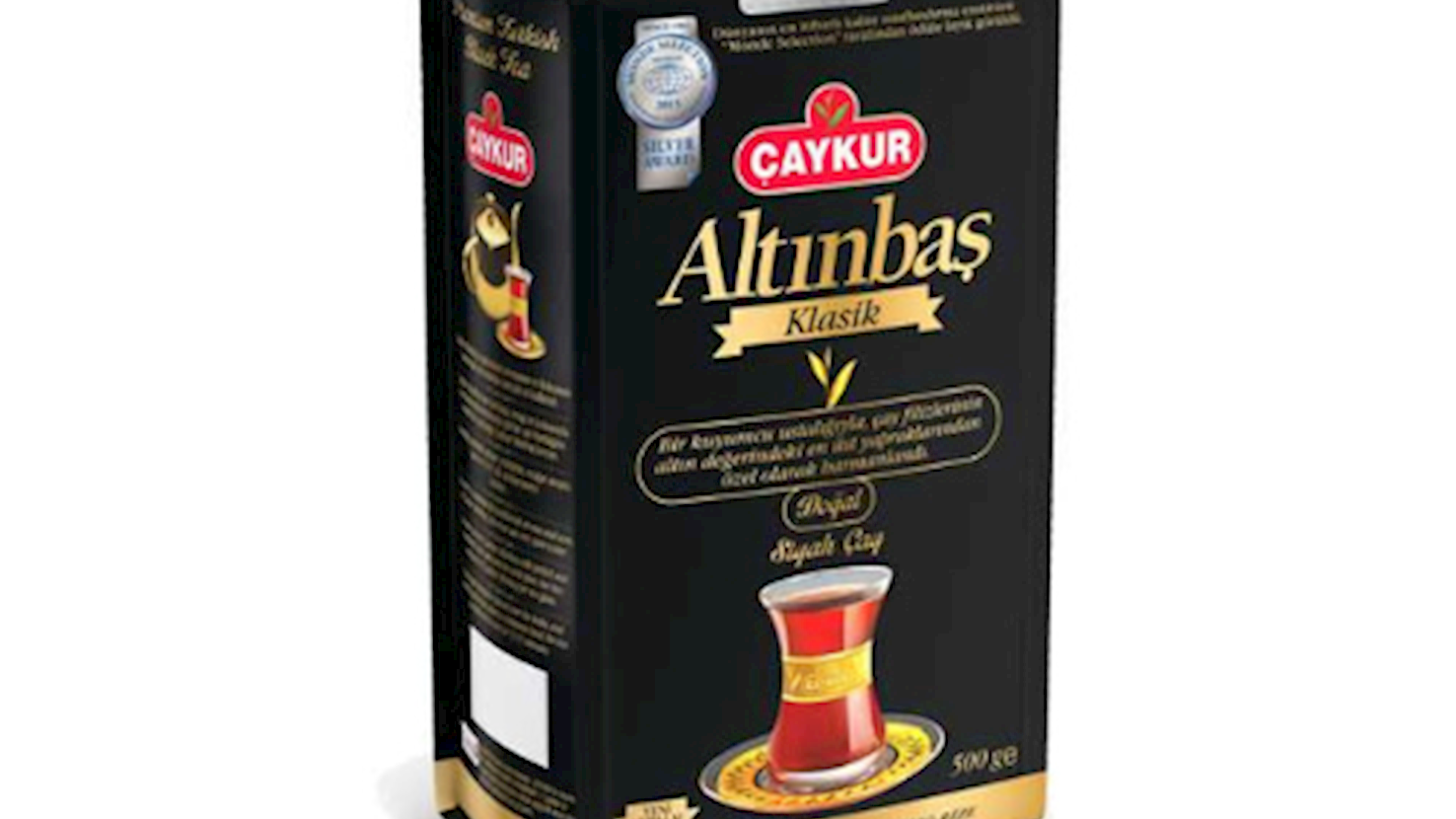
Çaykur is Turkey’s leading tea producer and one of the most recognizable names in the country’s tea industry, closely associated with the Black Sea region around Rize, the heart of Turkish tea cultivation. The company was formally established in 1983 as Çay İşletmeleri Genel Müdürlüğü (Çaykur), although the roots of organized state tea production in Turkey go back much earlier, with the first tea harvest in 1938 and the first tea processing factory opening in 1947.
As a state-owned company, Çaykur played a central role in developing Turkey’s domestic tea industry and helping transform the country into one of the world’s largest tea-consuming markets. The brand is best known for its traditional black teas designed for preparation in the classic Turkish çaydanlık double teapot method, producing a strong, full-bodied, and characteristically brisk cup.
In addition to black tea, its portfolio includes green teas, organic tea lines, herbal infusions, and ready-to-drink iced tea products. Çaykur operates dozens of tea processing facilities across northeastern Turkey and remains the dominant force in the national tea sector. Deeply embedded in Turkish daily life, the brand represents not just tea production, but an essential part of Turkish hospitality and social culture.
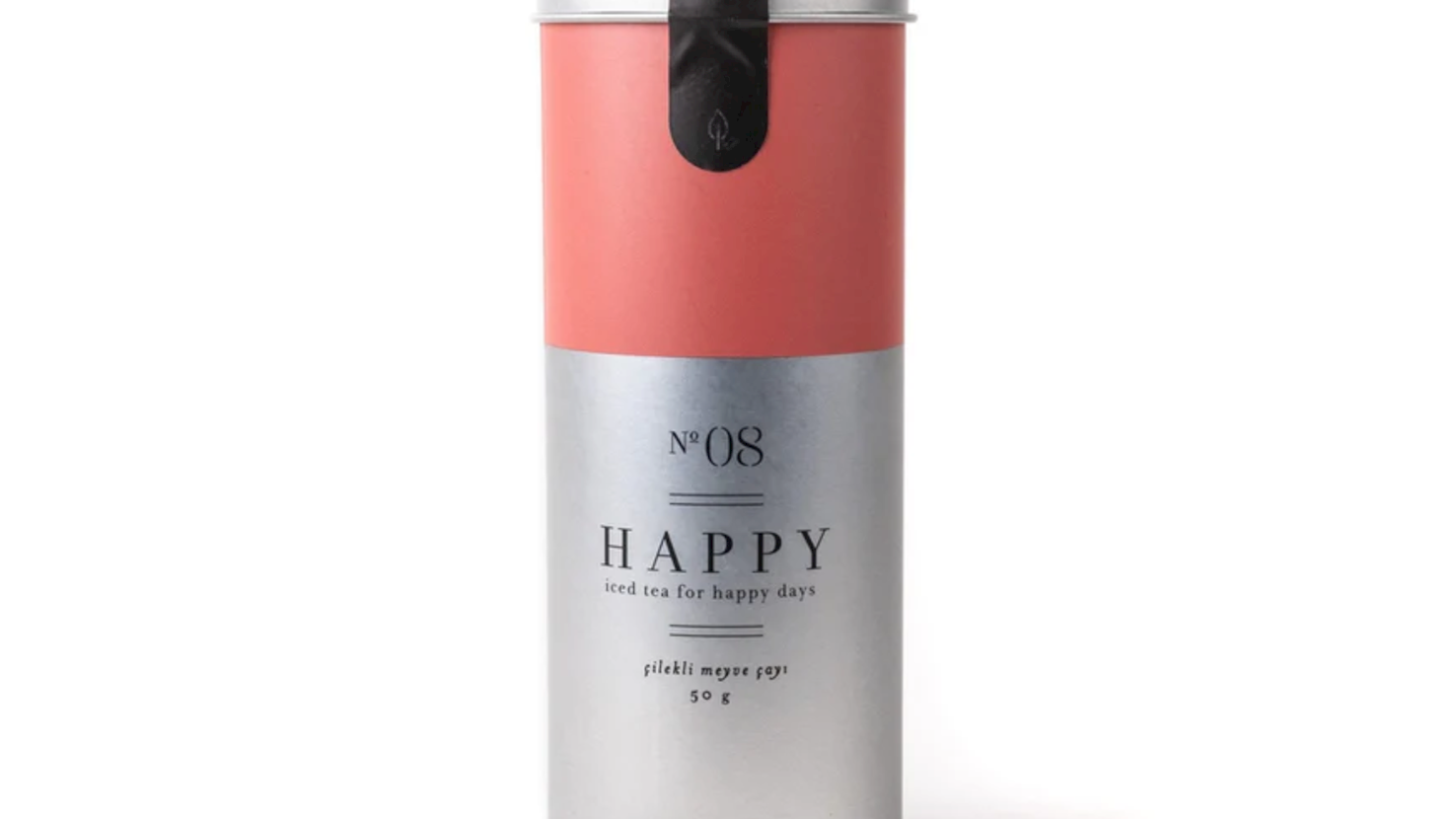
Melez Tea is a Turkish tea producer founded in Istanbul in 2015. The brand was established by tea sommelier Liliana L. Aslanoba and Emre Aslanoba with the aim of connecting traditional tea culture with a contemporary approach to blending botanical ingredients. The name Melez refers to the combination of different cultures and flavors characteristic of Istanbul. Its range includes black, green, white, oolong and pu-erh teas, as well as matcha, rooibos, herbal and fruit blends. The teas are combined with herbs, roots, spices, flowers and dried fruits sourced from different parts of the world. Each blend is developed by the company’s in-house tea specialists with particular attention to the flavor, aroma and visual appearance of the dry ingredients. Production, blending and packaging take place at the company’s facility in the Seyrantepe district of Istanbul. Melez Tea also operates specialized shops and tea bars in Istanbul, where its teas are sold and prepared for immediate consumption.
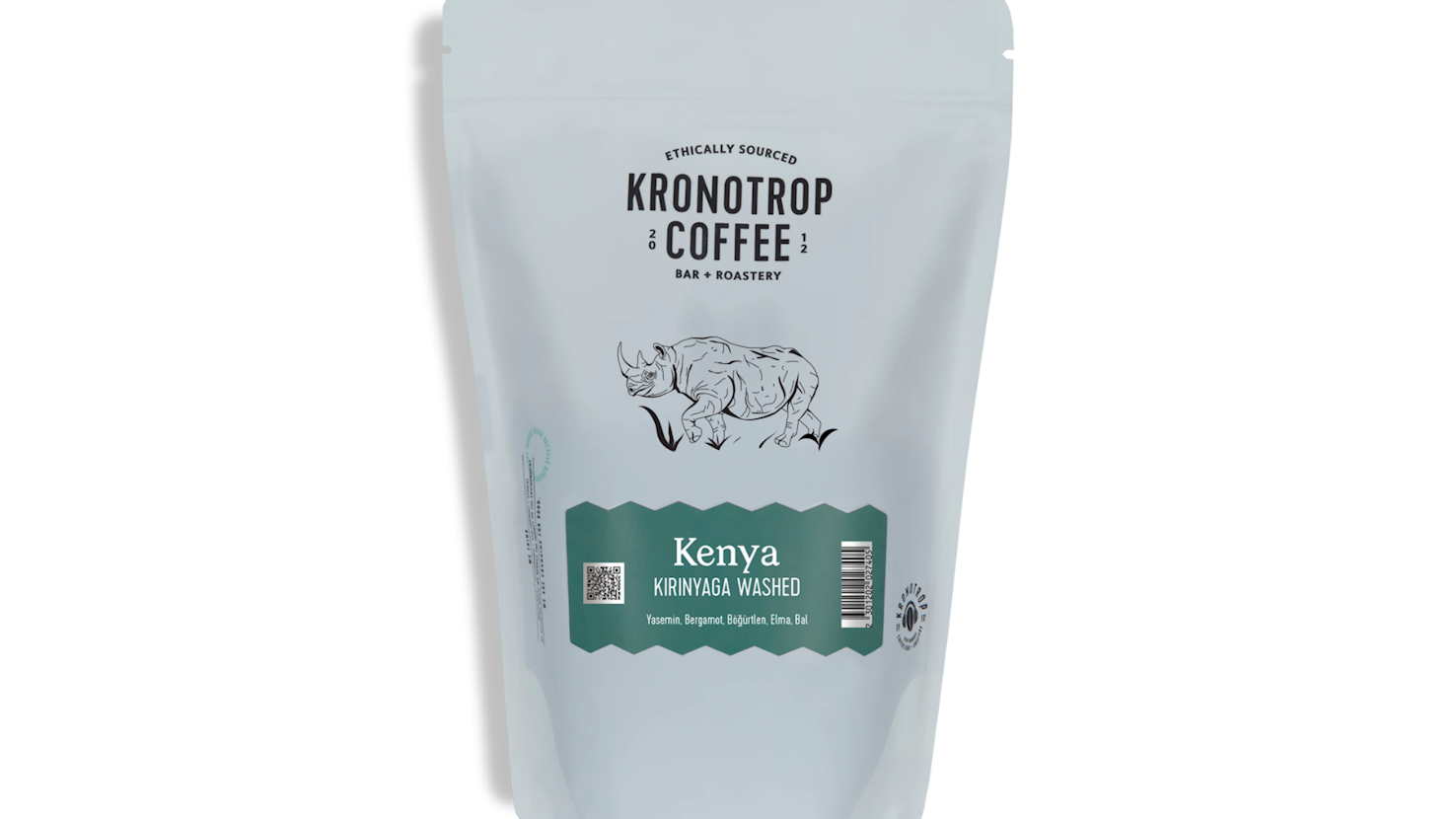
Kronotrop is a Turkish specialty coffee roaster and coffee shop chain founded in Istanbul in 2012. It began as a small coffee shop and micro-roastery in the Galatasaray neighborhood. The brand was founded by Çağatay Gülabioğlu, who initially roasted coffee inside the shop using a one-kilogram roasting machine. After its first years of operation, the company expanded its roasting facilities, retail network and partnerships with hospitality businesses. Today, it operates several dozen locations across different Turkish cities. Kronotrop sources green beans from various coffee-producing countries according to harvest seasons and the availability of individual lots. Its range includes coffees from Ethiopia, Uganda, Colombia, Kenya, Rwanda, Guatemala, Peru, Honduras and other Central American countries. The assortment comprises coffees intended for espresso, filter and Turkish coffee preparation, as well as individual coffees identified by farm, region or processing station. Roasting is focused on preserving the beans’ natural characteristics, sweetness and aromas shaped by their origin and processing method. In addition to roasted coffee, Kronotrop sells brewing equipment and provides educational content about different extraction methods. The development of the roastery played an important role in expanding Istanbul’s contemporary specialty coffee culture.
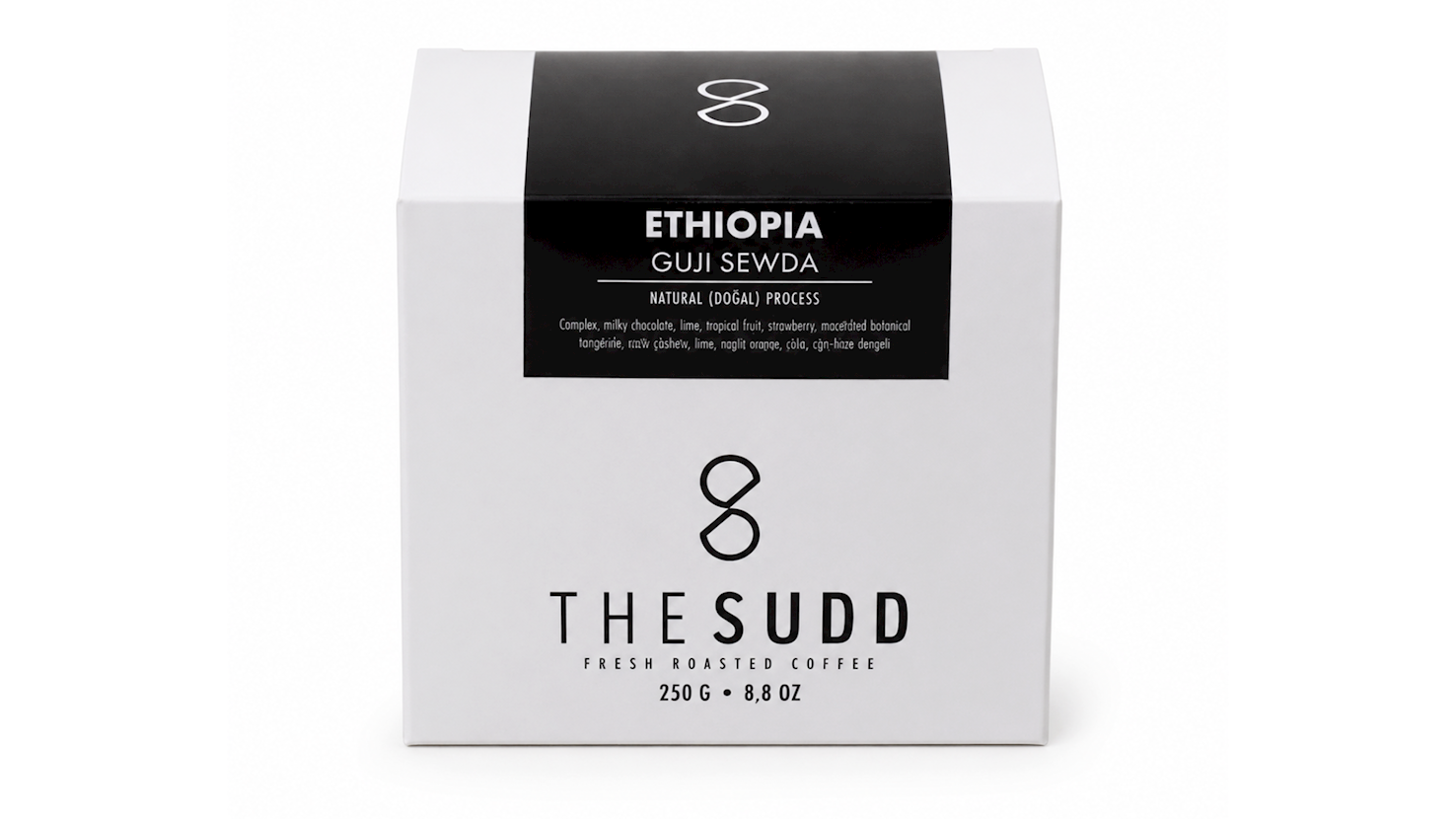
The Sudd Coffee is a Turkish specialty coffee roastery and café chain based in Antalya. The brand was founded by Emin Öztürk in 2017 following three years of research into green coffee beans, roasting methods, flavour profiles, and interior design. Its first café opened in the Lara district of Antalya. The name was inspired by the Sudd wetlands in South Sudan which the company associates with patience, resilience, and the importance of water. Öztürk transferred the business to chef and restaurant operator Mehmet Akdağ in 2020. The Sudd Coffee subsequently became part of the business group associated with the well-known Antalya restaurant 7 Mehmet. The company established its own coffee research and development centre in 2022. It sources green coffee beans of known origin and seeks to maintain transparency and traceability throughout the supply chain. The beans are roasted according to proprietary profiles developed through training provided by the Specialty Coffee Association. Its selection includes coffees from Ethiopia and Brazil as well as lots associated with producers and estates such as Monteblanco and La Riviera. The coffees are prepared as espresso or with different manual brewing and filtering methods. Particular attention is given to the purity and mineral composition of the water because these factors affect extraction and the final flavour of the beverage. In addition to coffee, the cafés serve sandwiches, pastries, cakes, and other items from the company’s kitchen programme. The Sudd Coffee currently operates at TerraCity, Setur Marina, and Kaleiçi in Antalya.
Petra Roasting is an independent specialty coffee roastery founded in Istanbul in 2013. The company’s core activities include sourcing green coffee, roasting it, and selling coffee intended for preparation in hospitality establishments and at home. It sources green coffee seasonally after assessing its flavor, origin, and quality. The company states that its selections are based primarily on the sensory characteristics of each particular harvest. Roasting profiles are adapted to the natural properties of each bean to preserve the differences among individual origins, varieties, and processing methods. Its range also includes coffee capsules, cold-brew coffee, and grinding and brewing equipment. In addition to retail sales, Petra supplies restaurants, hotels, and other hospitality businesses that include coffee in their offerings. The company also operates its own cafés in several Istanbul neighborhoods, including Gayrettepe, Bebek, Şişhane, Teşvikiye, and Maslak. This business model combines the activities of a roastery, a specialist coffee retailer, a café operator, and a source of consumer education about different brewing methods.
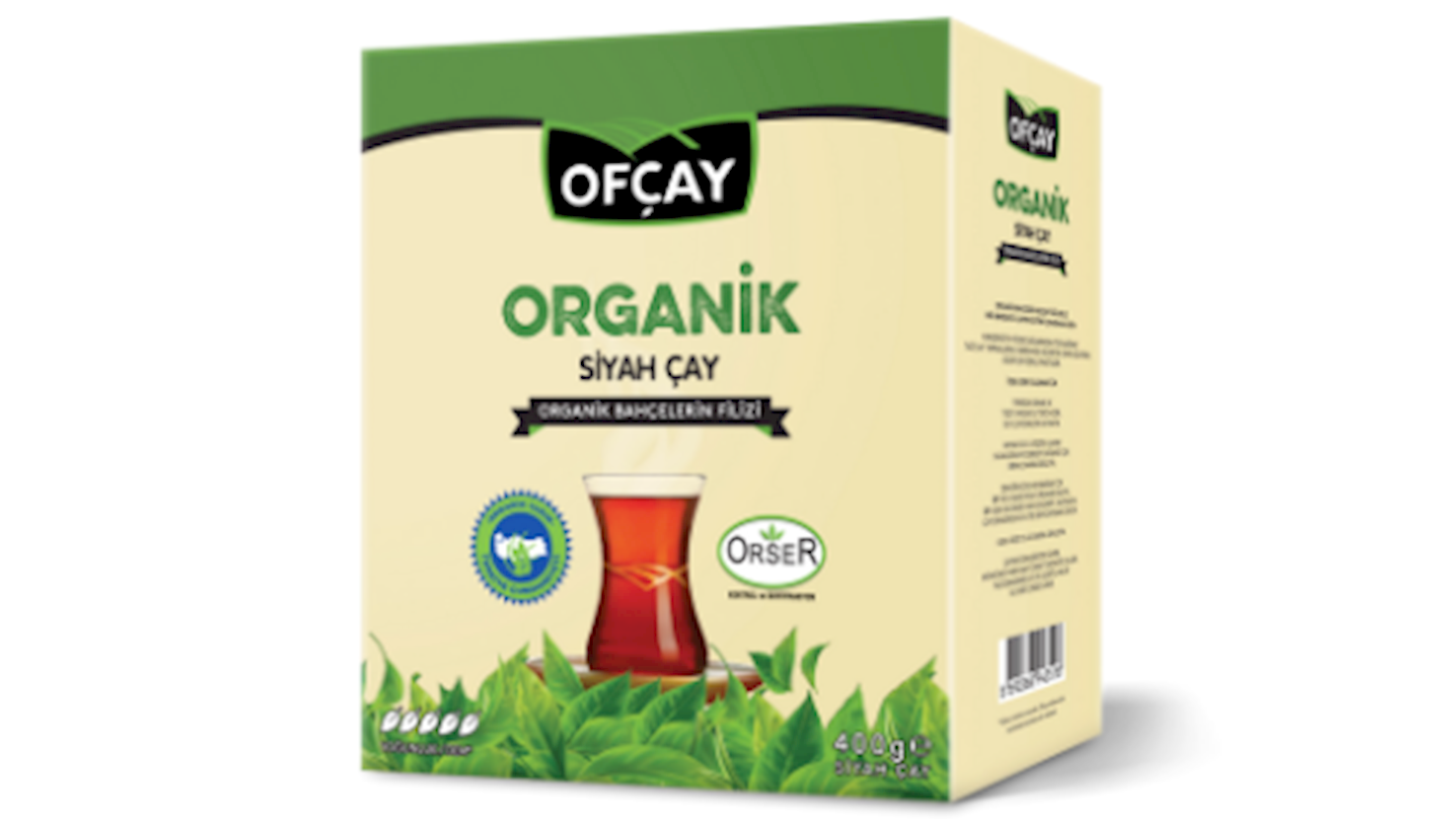
Ofçay is a leading Turkish tea producer, established in 1985, specializing in high-quality black, green, herbal, and flavored teas. The company’s plantations are primarily located in Rize, in Turkey's Black Sea Region, renowned for its ideal tea-growing climate.
Ofçay combines traditional tea processing methods with innovative techniques to deliver authentic flavors to its customers. Their product range includes classic black tea, green tea, and herbal blends, catering to diverse tastes.
Committed to sustainability, Ofçay supports local farmers and environmentally friendly production practices. The brand is dedicated to preserving the natural essence of tea while promoting the cultural significance of tea-drinking traditions.
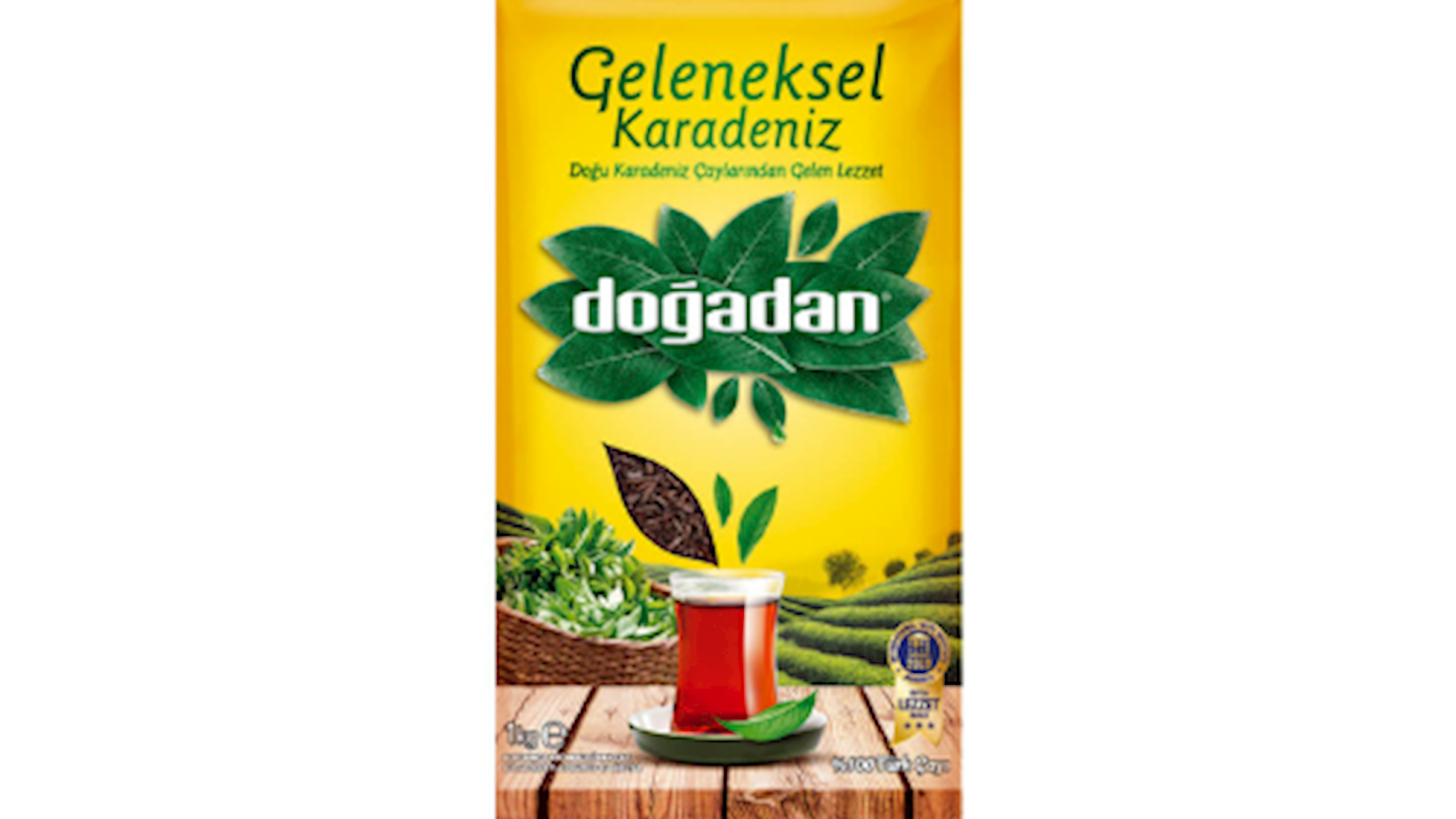
Doğadan is a renowned Turkish brand specializing in herbal teas, fruit blends, and traditional Turkish teas. Founded in 1984, the company has become a leader in the Turkish tea industry, known for its commitment to quality and natural ingredients.
Doğadan offers a wide range of products, including organic herbal teas, green teas, and classic black teas, all made from the finest leaves. The brand is dedicated to sustainability, sourcing ingredients from local Turkish farms and ensuring eco-friendly production practices.
Their blends are designed to provide a healthy and refreshing experience for consumers seeking natural, caffeine-free options. Doğadan emphasizes the importance of preserving the flavor and health benefits of every ingredient used in their products.
With a strong presence in Turkey and abroad, Doğadan continues to promote the rich tradition of Turkish tea culture.
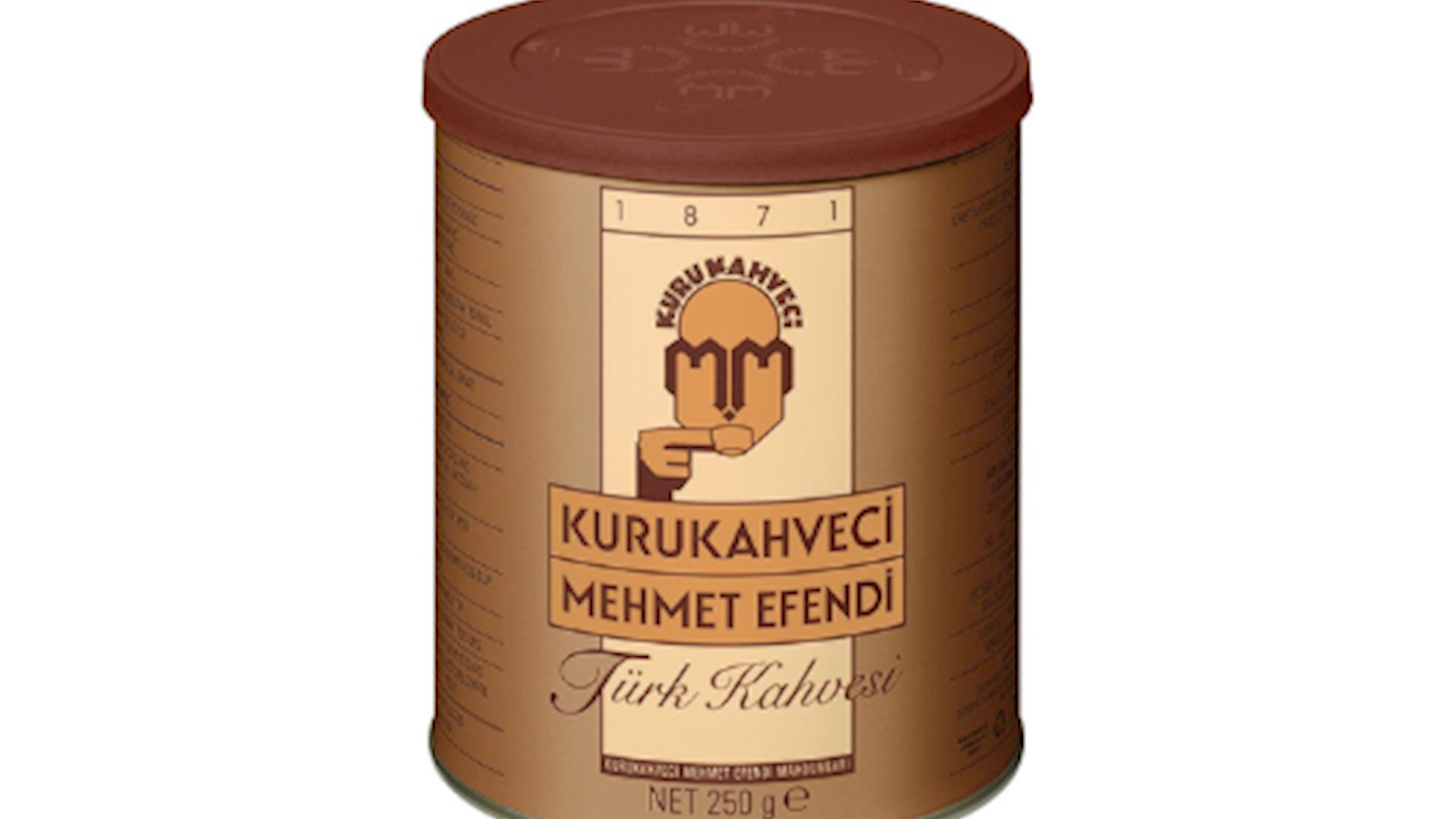
Kurukahveci Mehmet Efendi is one of the oldest and most recognizable producers of Turkish coffee, founded in 1871 in the Fatih district of Istanbul. The brand emerged when Mehmet Efendi began roasting and grinding coffee ready for brewing at a time when green beans were typically sold unprocessed, significantly modernizing coffee consumption in the Ottoman Empire.
Since then, the company has remained a family-owned business, maintaining a strong focus on standardized quality and precise control of roasting and grinding techniques across generations. Their Turkish coffee is known for its extremely fine grind, intense aroma, and full-bodied character, specifically suited to traditional preparation in a cezve.
Coffee beans are sourced from various regions around the world and blended according to internal recipes that have been consistently applied for decades. The brand’s distinctive red-and-green packaging has become closely associated with the cultural heritage of Turkish coffee.
In addition to classic ground Turkish coffee, the portfolio includes whole beans, filter coffee, and products adapted to modern brewing methods. The company exports to numerous countries, contributing to the global recognition of Turkish coffee as a distinctive product category.
The brand represents a balance between historical continuity and technologically advanced production while preserving the authentic sensory profile that has defined its reputation for more than a century.
Turkish salep is a beverage that is usually consumed during the winter season. The basis of salep is the stem or a tuber of the wild orchid, which is boiled, dried, and ground to produce a starchy powder. It is then mixed with hot milk, and occasionally ginger and cinnamon, to create a soothing drink with an earthy flavor. Salep is believed to be a medically beneficial beverage, since one of its components, glucomannan, eases the symptoms of bronchitis, colds, and coughs. It was invented out of the need to substitute alcoholic beverages with a comforting and healthy drink. The Sultans enjoyed it since the 12th century, and the Ottoman Empire sailors would take the powder with them on long and tiresome journeys. The drink is traditionally served in glasses or cups with a generous amount of ground cinnamon and a dusting of chopped pistachios.
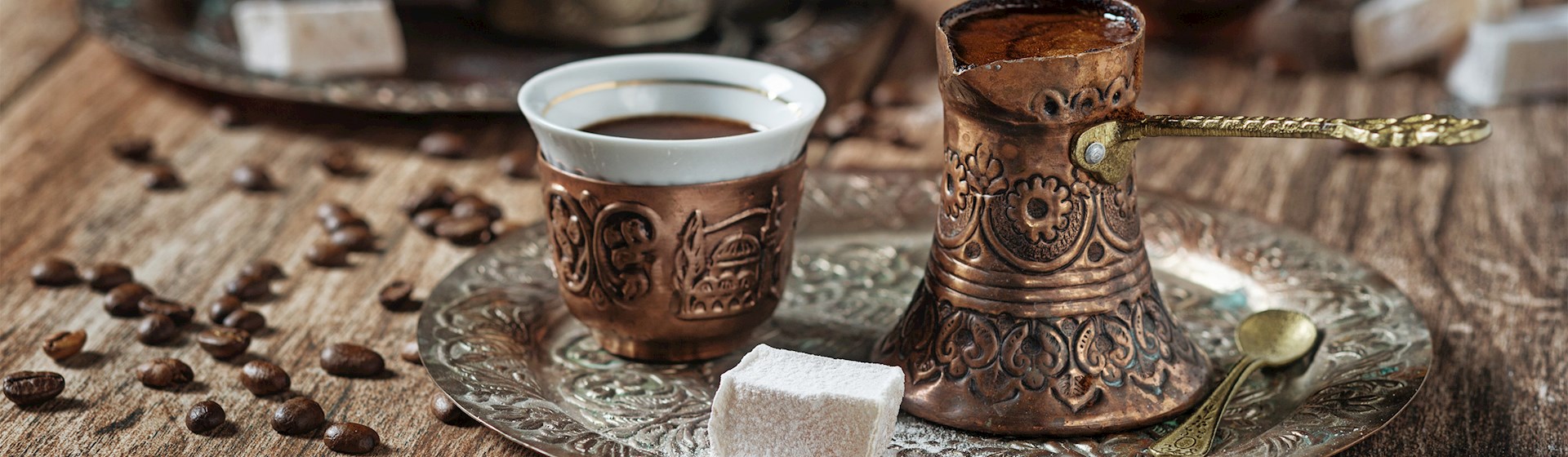
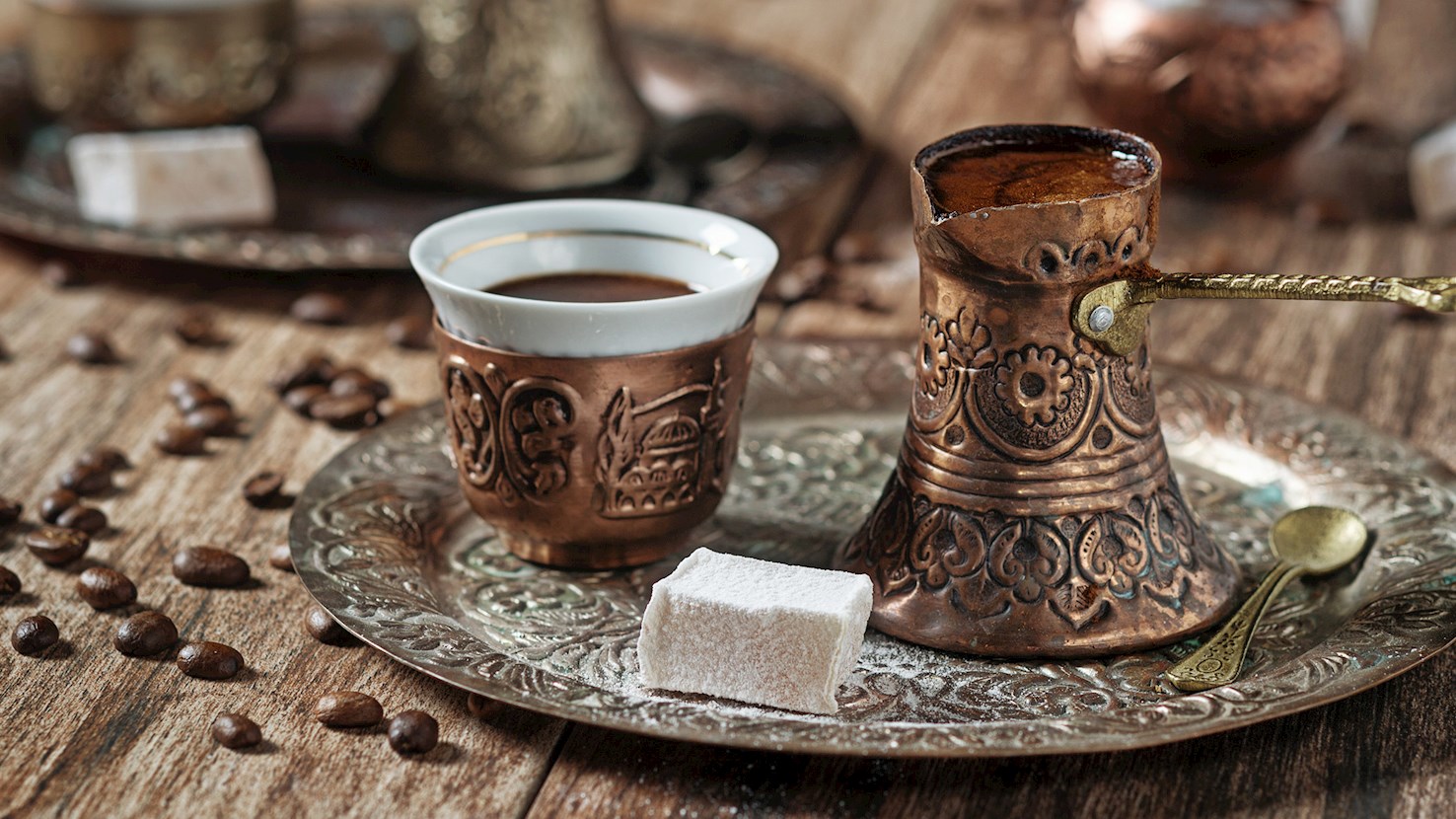
Extra finely ground roasted coffee beans are combined with cold water (and, optionally, sugar) in a traditional coffee pot called cezve or ibrik, and then brewed over low heat until frothy and on the verge of coming to a boil, yielding a uniquely strong and rich Turkish coffee. It is this specific method of brewing the beverage that distinguishes this coffee from other coffee types, and it has been attributed to the Turks, hence the name. When prepared properly, Turkish coffee is characterized by a dark color, thick foam on the surface, homogenous consistency, and a strong flavor with notes of bitterness. Believed to be one of the oldest methods of coffee preparation, this coffee is often flavored with aromatic spices such as cinnamon, cardamom, or mastic, and it is typically consumed from demitasse cups accompanied by a glass of water and a sweet dessert such as Turkish delight or any homemade or store-bought dessert. Lightly roasted or medium roasted Arabica beans are most commonly used in Turkish coffee preparation; nevertheless, the coffee can be made with any coffee beans, and there are numerous regional varieties of it in Türkiye. Apart from Türkiye, Turkish coffee is enjoyed daily in many other countries around the world (especially in the Balkan), and it has been a part of UNESCO’s Intangible Cultural Heritage List since 2013, due to its unique preparation and tradition, as well as the significance it has to the country’s social and cultural life. In Greece, Turkish coffee has been called Turkish coffee until there was a conflict with Türkiye and the 1974 invasion of Cyprus, when it started to be called Greek or Cypriot coffee, but the drink itself remained unchanged.
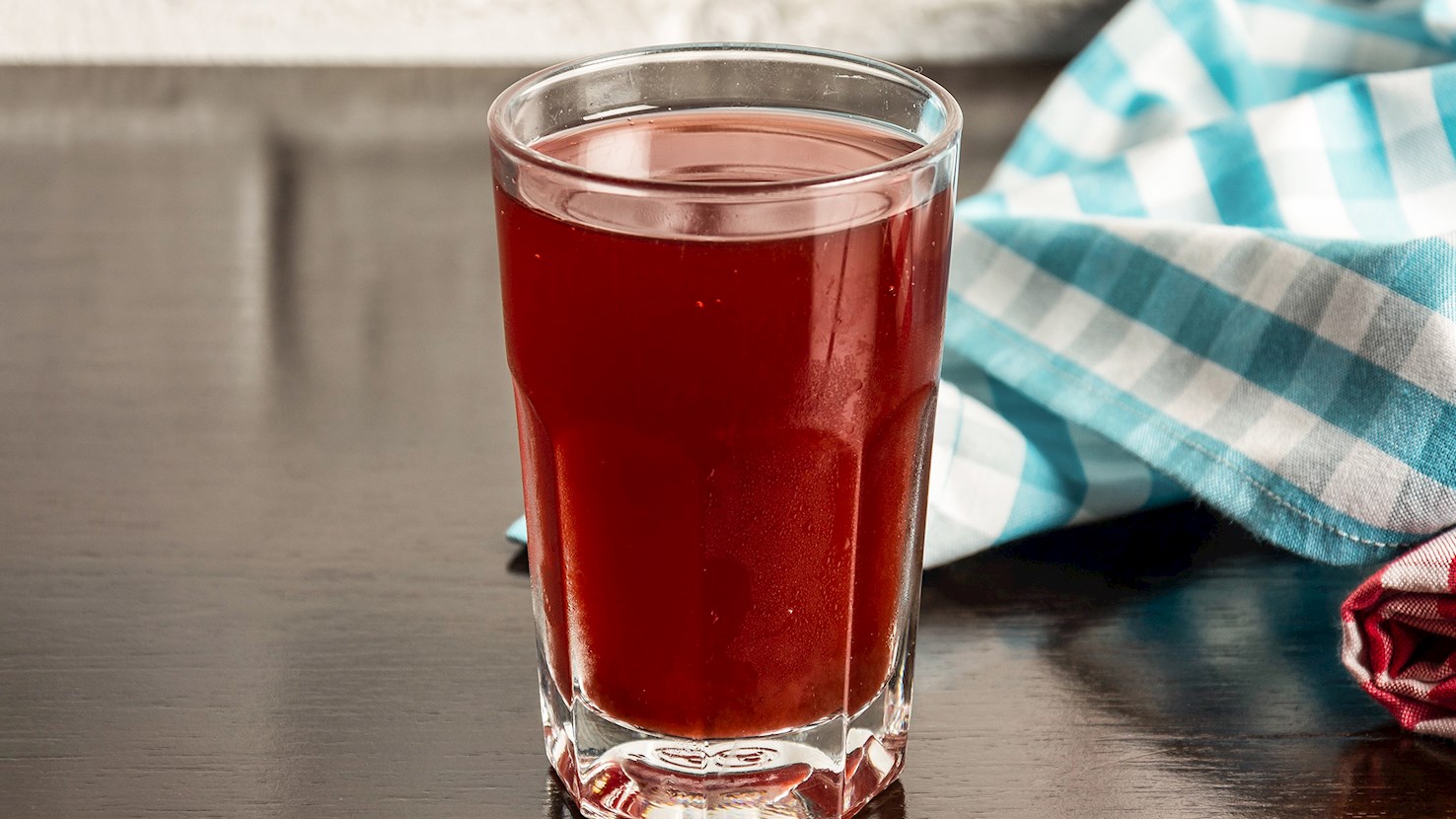
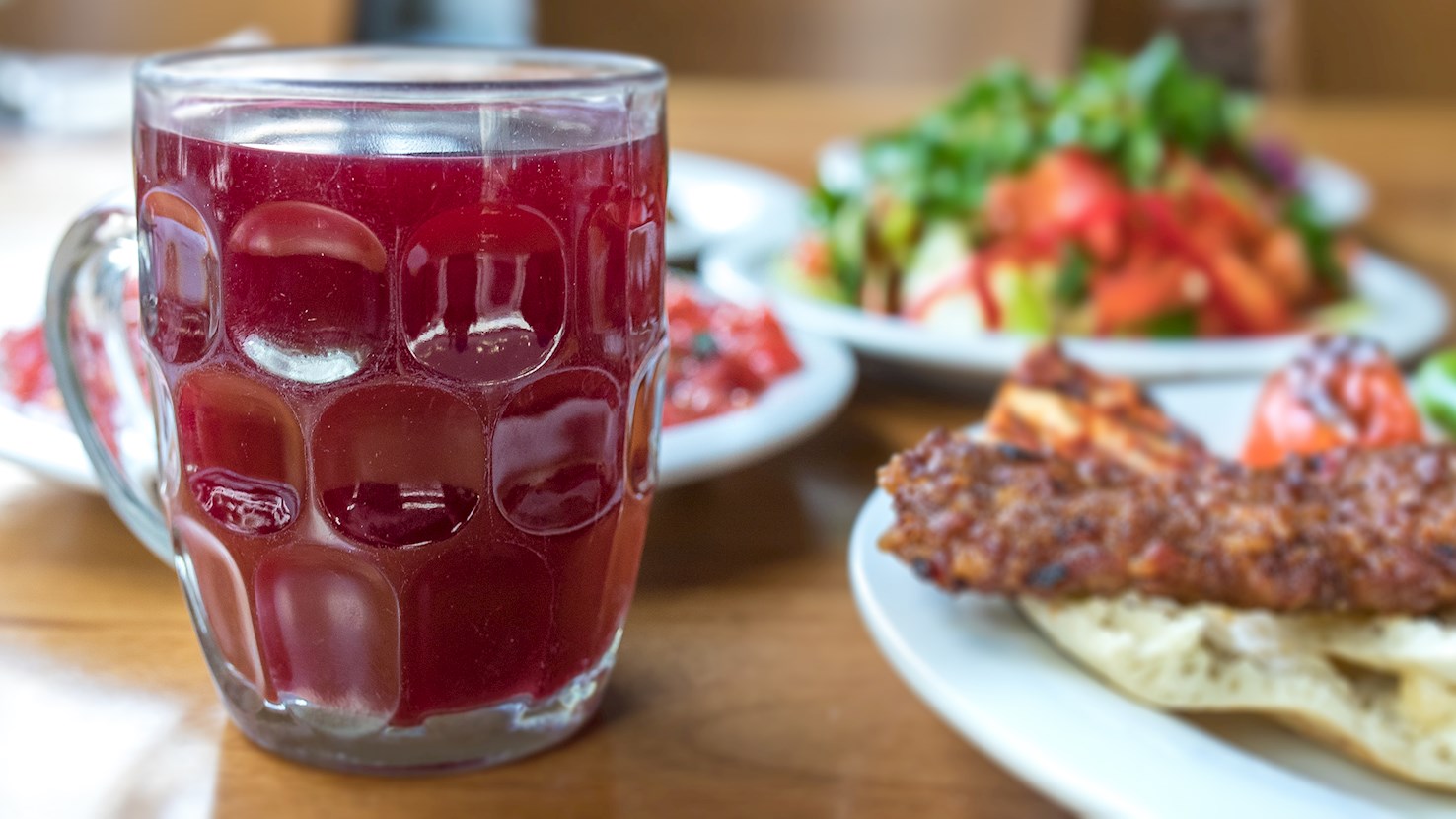
Şıra is a traditional non-alcoholic beverage made from freshly pressed grape juice. The juice has a fruity taste, and vibrant purple color, is slightly fermented, and is often sweetened with sugar to taste. Şıra is popular in the grape harvesting season and a common choice during Ramadan, and is often served with some popular regional dishes, especially İskender kebap. Besides its refreshing taste, this drink is considered great for digestion and has many health benefits, as it is rich in antioxidants and nutrients such as vitamins C and K, iron, and potassium.
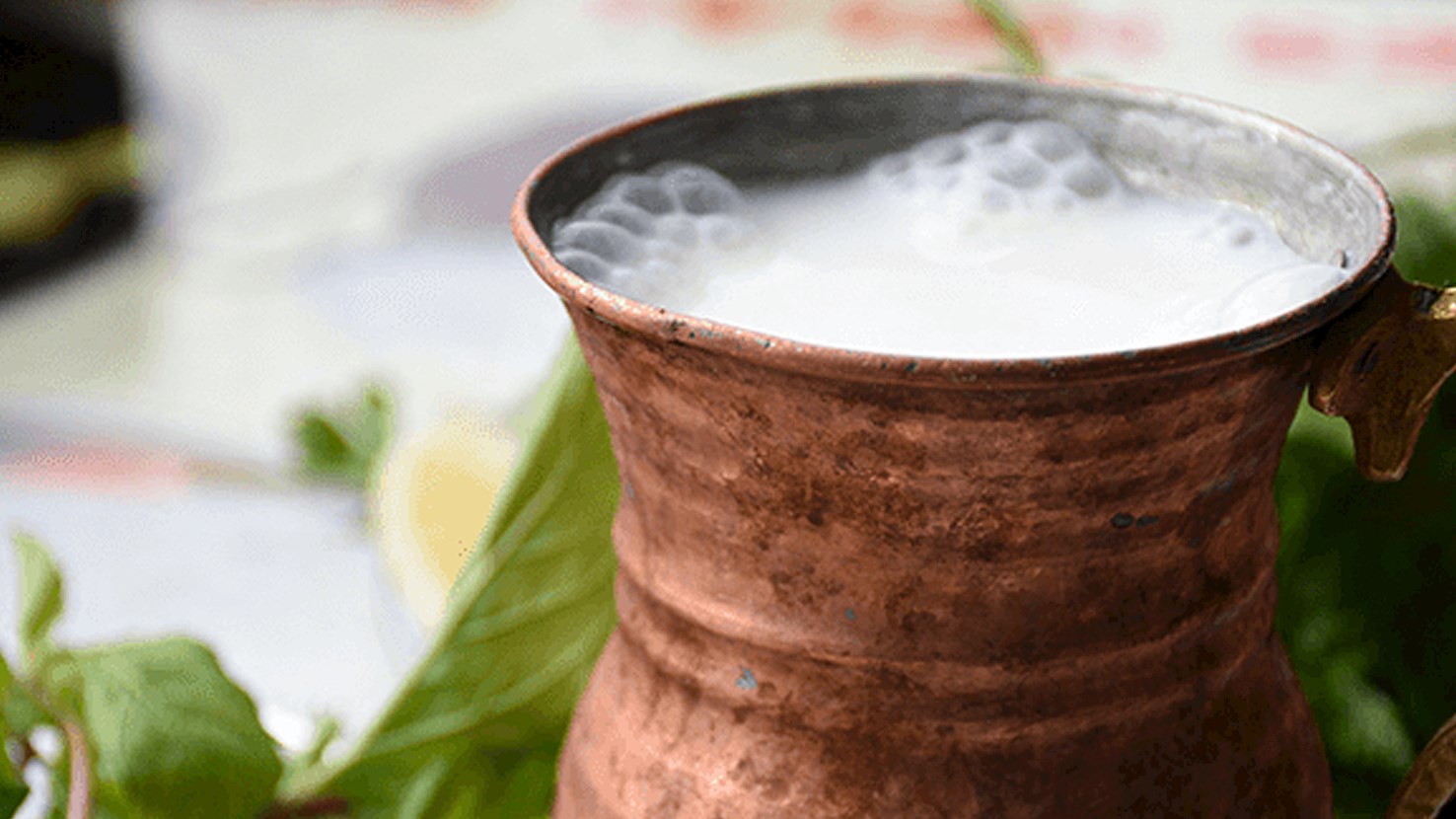
Ayran, also known as doogh in Iran, is a cold, yogurt-based beverage that has deep roots across the Middle East, the Caucasus, Central Asia, and parts of the Balkans. This simple, refreshing drink combines strained yogurt with water and a pinch of salt, resulting in a lightly tangy and savory flavor. In Iran, it is called doogh, while in Turkey and surrounding regions it is more widely recognized as ayran. The drink is especially popular in hot climates where it serves as both a thirst-quencher and a complement to grilled meats and rice dishes.
The origins of ayran and doogh can be traced back centuries to pastoral communities that relied on fermented dairy products for nutrition and preservation. Historical references to yogurt drinks appear in Persian records as early as the pre-Islamic era, while Turkic nomads also prepared similar beverages to accompany their meals. As yogurt production spread through trade routes, versions of this drink became widespread, evolving into regional variations with local names and adjustments in preparation. To prepare ayran or doogh, fresh plain yogurt is blended with chilled water until smooth and slightly frothy. Salt is added for flavor, and in Iran and parts of the Caucasus, dried mint or fresh herbs can be stirred in to enhance the aroma. Some recipes incorporate a splash of carbonated water for effervescence. The consistency can vary from thick and creamy to thin and drinkable depending on personal preference and local custom. Ayran and doogh are typically served cold in tall glasses or clay cups and often accompany kebabs, rice, or rich stews. In Turkey, ayran is a popular pairing with grilled lamb or lahmacun, while in Iran, doogh is frequently enjoyed alongside koobideh kebab and other hearty dishes. In Azerbaijan and Armenia, the drink appears at family meals and picnics, appreciated for its cooling effect during warm weather. Across these regions, ayran and doogh have remained a staple not only because of their taste but also for their role in balancing meals that are heavy in protein or spice. The drink continues to be prepared in homes, sold bottled in markets, and poured fresh in restaurants and roadside eateries, symbolizing a shared culinary heritage that transcends borders.
Rize çayı refers to a type of black tea that is cultivated in the Rize Province on the eastern Black Sea coast of Türkiye. This region's humid and mild climate, along with abundant rainfall, creates ideal conditions for growing tea, making it the heart of Türkiye's tea cultivation. Rize tea is known for its strong, bold flavor and dark color. It is typically brewed very strong and often served in small glasses without milk. In Türkiye, it is commonly consumed throughout the day, and it plays a central role in Turkish culture as a symbol of hospitality and companionship. The tea is typically prepared using a two-pot method, where one pot is used to brew a very strong tea concentrate, and the other is used to dilute this concentrate to the drinker's preference. Sugar may be added, but milk or lemon is usually not used in traditional Turkish tea service. Rize tea is an integral part of daily life in Türkiye, offered to guests and enjoyed during breaks and meals.
Boza is an ancient fermented drink that is usually made from wheat, millet, barley, oats, or bulgur. The drink is believed to have originated in Turkey, more than 8000 years ago, but its varieties are found throughout Central Asia and the Balkans. Since it originally had a low alcohol content, boza was prohibited in the 17th century when Sultan Mehmed IV banned all alcoholic drinks. The modern version appeared in a non-alcoholic form sometime in the 19th century. In the past, boza was sold by street vendors, but this wintertime classic in now found in various establishments, including supermarkets. This thick, comforting drink is typically served chilled, dusted with cinnamon and topped with crunchy roasted chickpeas.
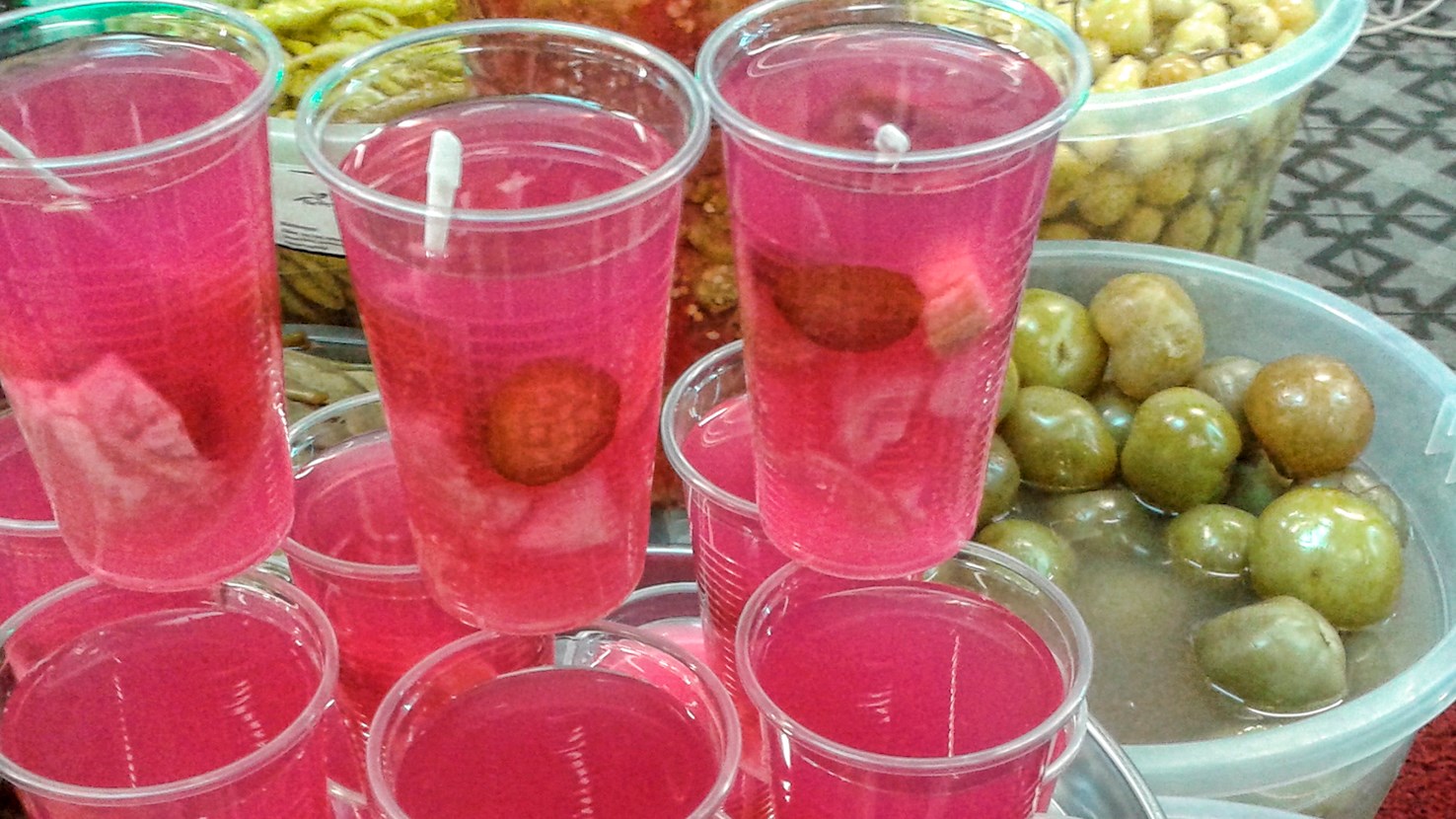
Tursu Suyu is a refreshing beverage native to Turkey, made from pickled vegetables such as beets, carrots, cabbage, cucumbers, onions, peppers, garlic, and brine. It is salty in flavor, with a strong tangy kick at the end, while its color is bright pink. Tursu Suyu is sold by balik ekmek (fish sandwich) vendors and is often paired with fish sandwiches or other street food.
Şalgam is a popular vegetable-based street from the Mediterranean region of Türkiye, most popular in the cities of Adana, Mersin, and Osmaniye. In Turkish, the word salgam means turnip, even though the drink is made from purple carrots, ground bulgur, salt, yeast, and water. It is flavored only with fermented aromatic turnip (çelem). The drink is traditionally served cold in large glasses with pickled carrots (tane) cut into long slices, and sometimes a spoonful of red hot pepper relish stirred into the drink just before serving. Şalgam is most commonly paired with a spicy Adana kebab or served alongside raki, the famous Turkish anise beverage. It is believed that it has many health benefits - it eases digestion, reduces swelling, and increases appetite.
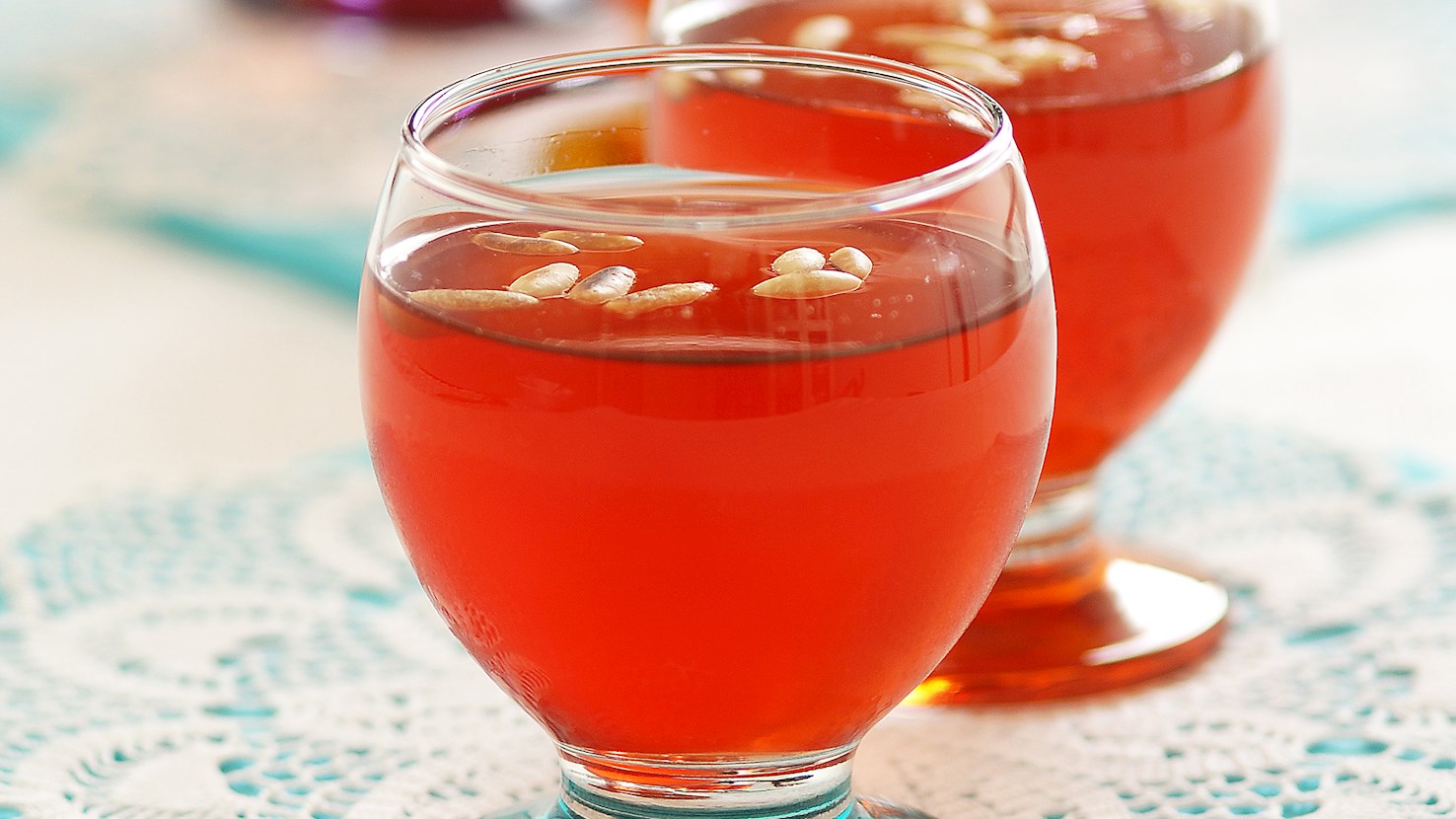
Lohusa şerbeti is a type of non-alcoholic beverage that hails from Turkey. It is made by boiling lohusa sugar, granulated sugar, water, cloves, and cinnamon. Lohusa sugar is a specific type of sugar that is sold in blocks. It has a distinctive pink-red color, and it helps the drink attain its unique red hue. The name translates as postpartum sherbet, and as it is evident, it is usually prepared for women after giving birth. Traditionally, it is also offered to guests who come to visit during the same period.
A specialty of the Marmara region, hardaliye is a version of a popular Turkish non-alcoholic beverage şıra made from fermented grape juice flavored with mustard seeds (the name comes from the Turkish words "hardal" and "iye", which translate to mustard and drink) and sour cherry leaves. After pressing the grapes (red or white, although red is preferred), mustard seeds and sour cherry leaves are added to the grape juice, and the mixture is boiled. Once cooled, the mixture is left to ferment for several days. The final step is straining in order to remove any solid pieces of mustard seeds or grape skins. What is left is a pale yellow liquid with a tangy, slightly sour taste. Hardaliye is typically consumed as a digestive or an aperitif, and some might dilute it with water or soda or add sugar and honey to sweeten it. This traditional drink is also believed to have many health benefits, mostly as a source of antioxidants and beneficial gut bacteria.
TasteAtlas food rankings are based on the ratings of the TasteAtlas audience, with a series of mechanisms that recognize real users and that ignore bot,
nationalist or local patriotic ratings, and give additional value to the ratings of users that the system recognizes as knowledgeable.
For the “Top 14 Turkish Non-alcoholic Beverages” list until September 02, 2026, 1,926 ratings were recorded, of which 1,076 were recognized by the system as legitimate.
TasteAtlas Rankings should not be seen as the final global conclusion about food. Their purpose is to promote excellent local foods,
instill pride in traditional dishes, and arouse curiosity about dishes you haven’t tried.
The initial list of top producers was compiled based on available reviews, awards, local recommendations, media and blog coverage, and consumer reviews.
The list will be updated with ratings from TasteAtlas local ambassadors and TasteAtlas users.









What People Say