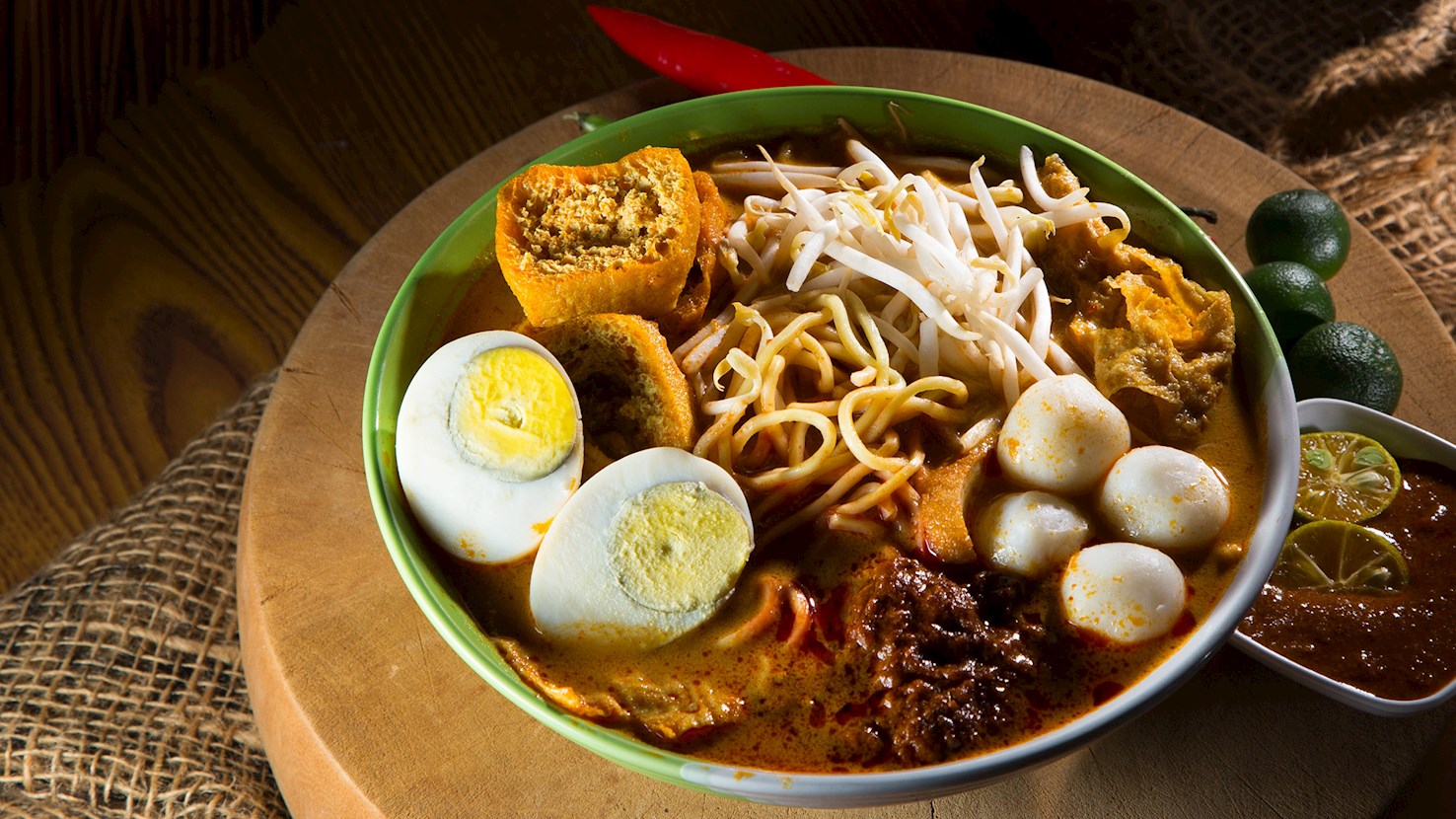
Characterized by its rich and spicy broth, this comforting noodle soup is one of the classic dishes found in many Southeast Asian countries. It was developed under the influence of different culinary traditions, which has led to the creation of numerous regional varieties that differ in flavors and ingredients. Two of the most famous versions are the sour, tamarind-based asam laksa and the creamy curry laksa. Especially favored in Malaysia, Singapore, and Indonesia, laksa is usually prepared and enjoyed at hawker centers as a hearty main course.
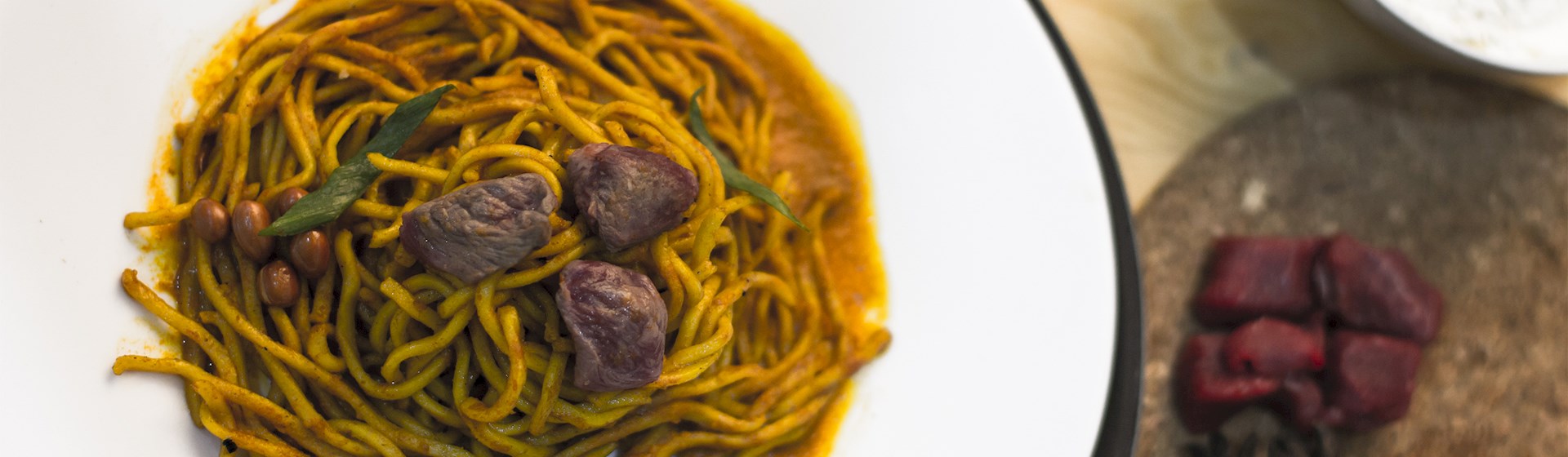
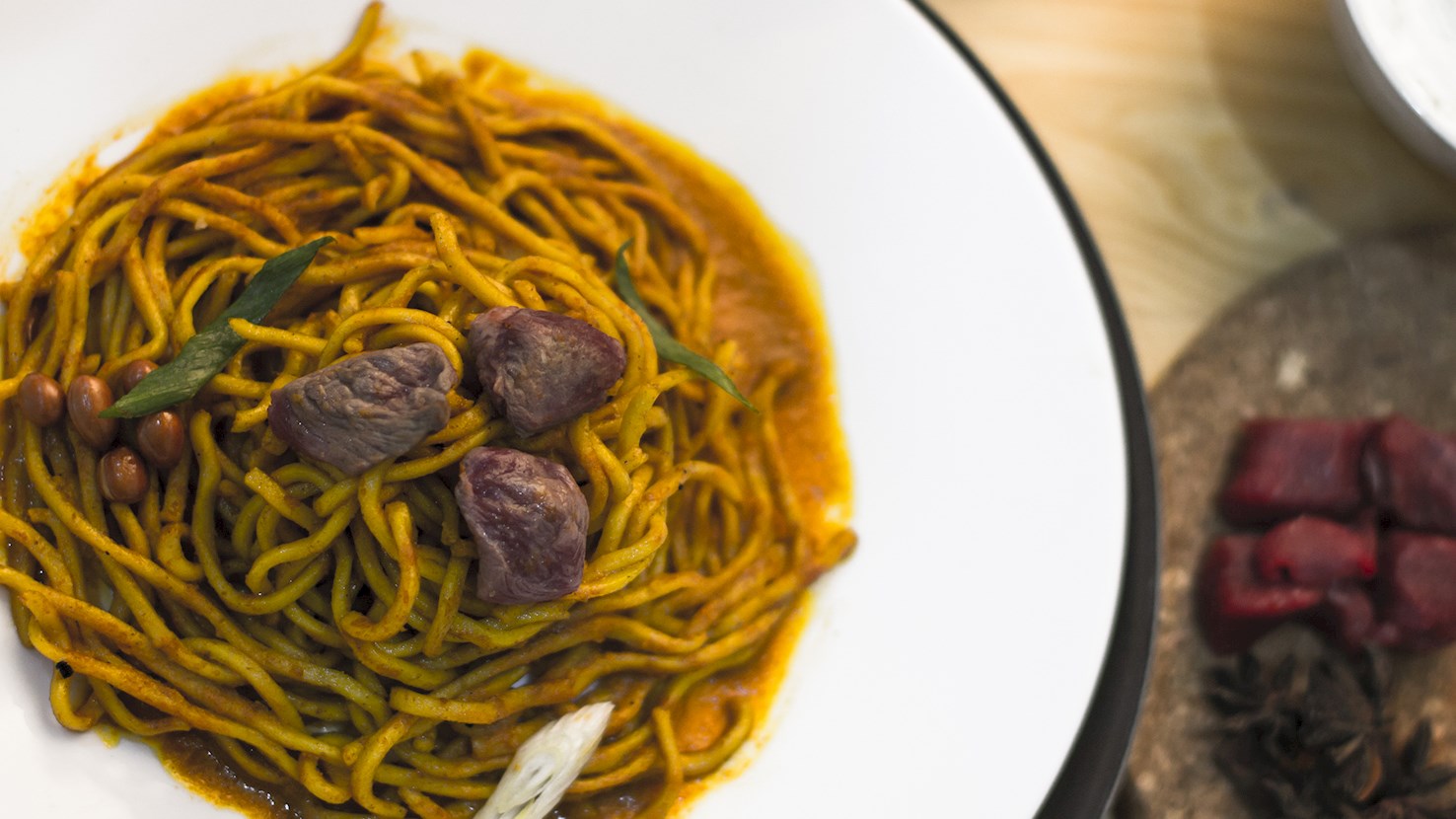
Mie Aceh is a bold and aromatic noodle dish originating from Aceh, the northernmost province of Sumatra, Indonesia, where the culinary landscape is deeply influenced by the region’s historical role as a trading hub, blending Indian, Arab, and Chinese flavors into a uniquely rich and spicy dish. This beloved specialty is made with thick yellow wheat noodles that are stir-fried or served in a deeply spiced, curry-like broth infused with an intense blend of garlic, shallots, chili, turmeric, coriander, cumin, and curry powder, creating a dish that is both fiery and deeply fragrant. Typically, Mie Aceh is enriched with an array of proteins such as beef, goat, shrimp, or crab, accompanied by fresh vegetables like cabbage, tomatoes, and bean sprouts, which add texture and a slight sweetness to balance the heat of the spice mix. The dish is prepared in three main variations, with Mie Aceh Goreng offering a dry stir-fried version where the noodles are coated in a thick, spicy sauce, Mie Aceh Tumis presenting a slightly wetter consistency with a small amount of gravy clinging to the noodles, and Mie Aceh Kuah, a heartier soupy version that bathes the noodles in a rich and flavorful broth. Regardless of its preparation style, Mie Aceh is traditionally served hot with a final touch of garnishes that enhance its complexity, including crispy fried shallots for a savory crunch, emping crackers for a light bitterness that contrasts the spices, fresh cucumber slices for a refreshing bite, and a squeeze of lime that brightens the dish with a hint of acidity. Known for its intense heat and robust flavors, Mie Aceh is a popular street food staple across Indonesia, served from warungs and roadside stalls where it is prepared fresh to order in large woks over high heat, ensuring the perfect sear and depth of flavor.
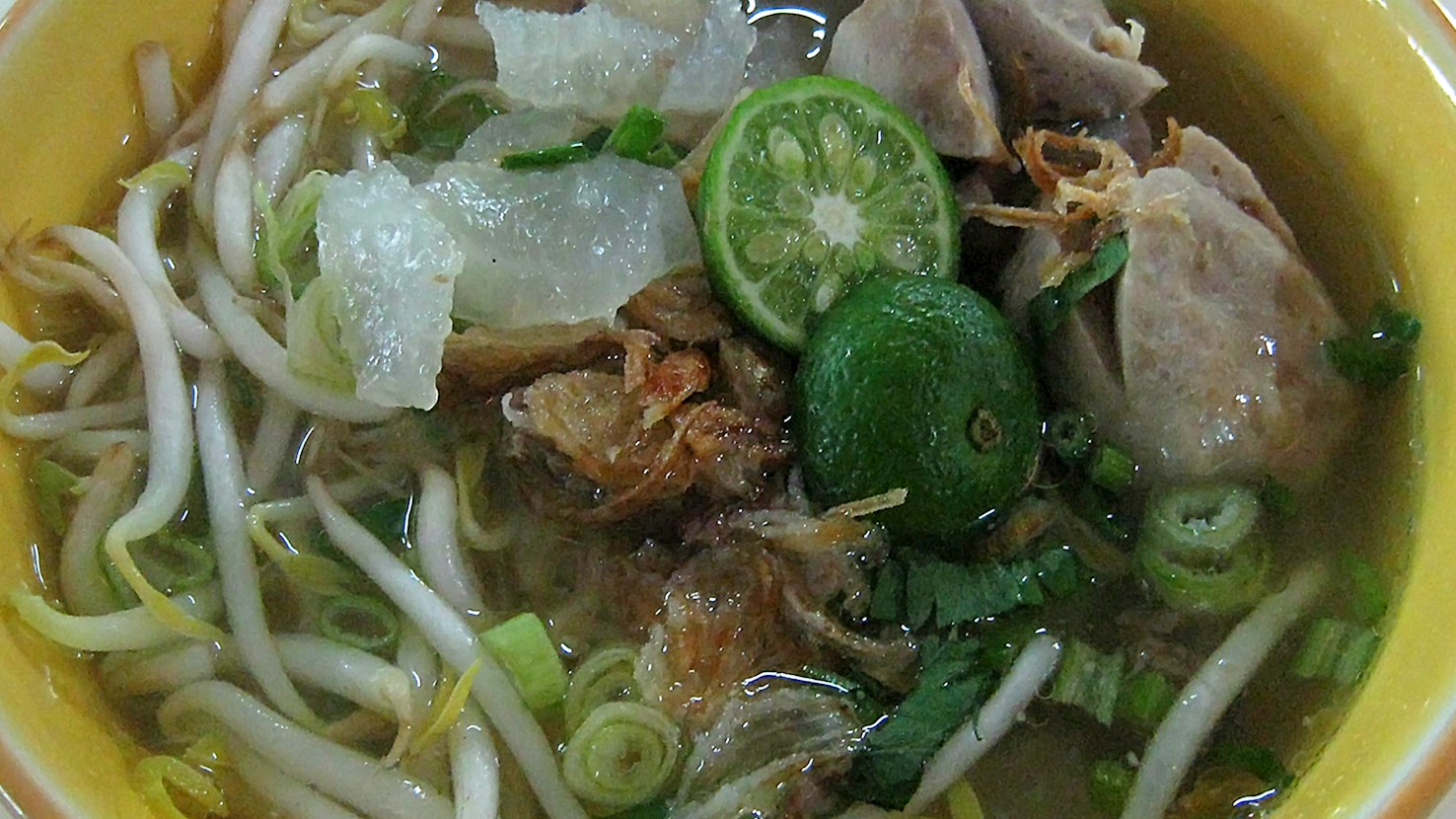
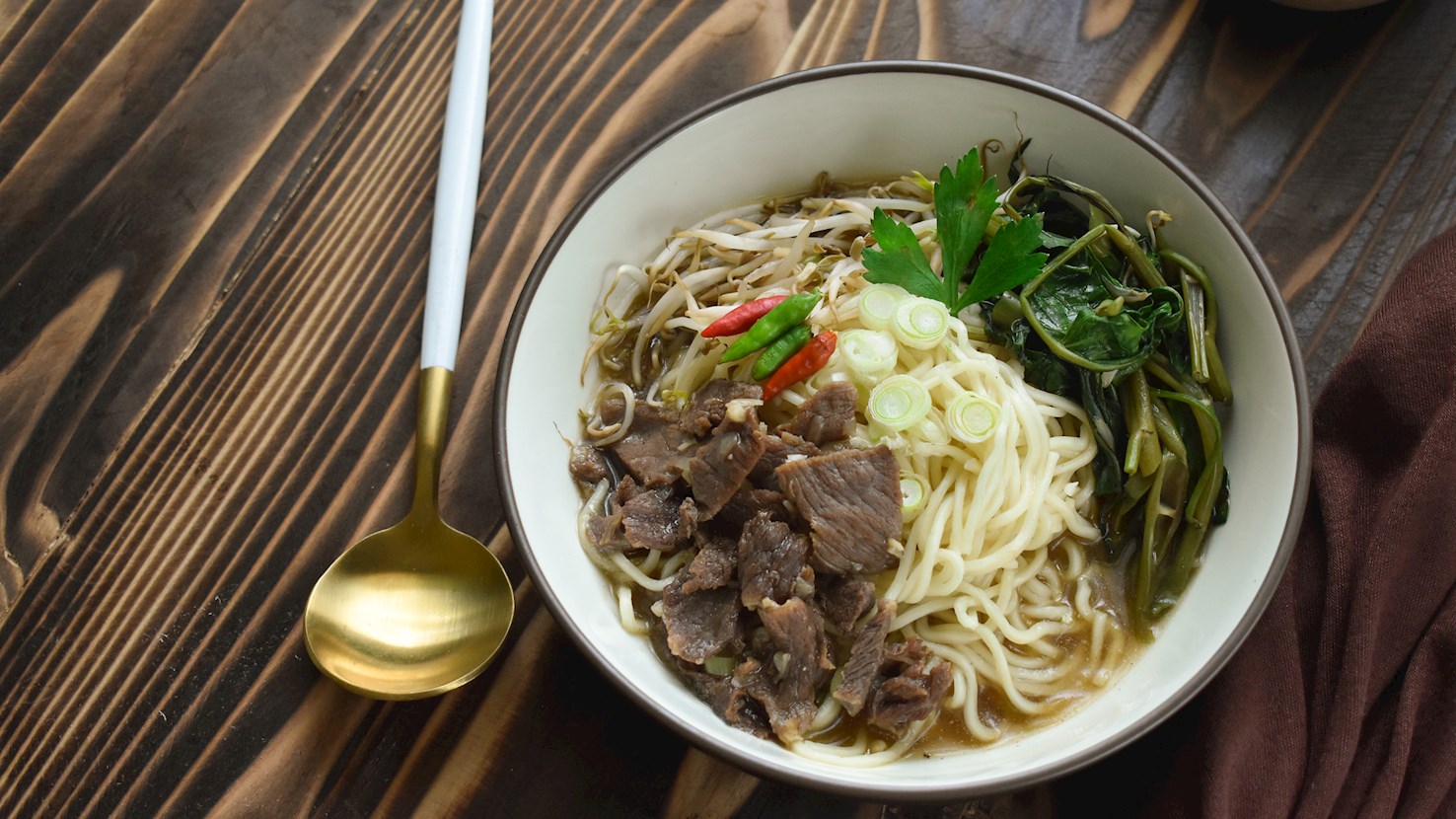
Mie kocok is an Indonesian noodle soup hailing from the city of Bandung, West Java. Its name, which literally means "shaken noodles," comes from the old method of shaking the noodles in a perforated tin container while dipping them into hot water to loosen and heat them. This hearty and savory dish features flat yellow noodles served in a rich, flavorful beef broth, usually made from beef bones, marrow, and various aromatics. It's often topped with boiled beef tendon (kikil), bean sprouts, sliced scallions, celery, and a squeeze of lime juice. The broth is usually light in appearance but deeply umami, sometimes enriched with kecap manis (sweet soy sauce) or garlic oil depending on the vendor. One of mie kocok’s signatures is the inclusion of bone marrow—either served inside large bone cuts or already scooped into the soup—which gives the broth a luxurious, fatty depth. Served steaming hot and often accompanied by sambal and kerupuk (crackers), it’s a comforting and filling street food favorite in West Java and beyond.
Mie kangkung is a noodle dish from Jakarta, closely associated with Betawi cuisine. It consists of yellow wheat noodles served in a thick, savory brown gravy, accompanied by water spinach (kangkung), slices of meat or meatballs, and various garnishes such as fried shallots and chili vinegar. The dish represents an urban street food adaptation that blends Chinese Indonesian culinary influences with local Betawi preferences for strong, layered flavors and comforting textures. The central components of mie kangkung are cooked egg noodles and blanched water spinach, which are placed in a bowl and topped with a sauce made from garlic, shallots, oyster sauce or soy sauce, sugar, salt, and thickened with starch, often tapioca or corn starch, to give it a glossy consistency. The broth may be made from chicken or beef stock and typically includes sliced beef, shredded chicken, or meatballs, depending on the vendor or household version. The addition of kangkung gives the dish a fresh, slightly earthy element that contrasts with the richness of the sauce. One of the key elements that distinguishes mie kangkung is the use of cuka cabe, a simple vinegar infused with bird’s eye chilies, which is offered as a condiment and allows diners to adjust the heat and acidity to their liking. The result is a dish that is savory, mildly sweet, and optionally spicy, with a pleasant mix of textures from the chewy noodles, tender greens, and smooth gravy. The fried shallots sprinkled on top add aroma and crunch, while a squeeze of lime is sometimes added to enhance brightness. Mie kangkung is most commonly found in Jakarta and its surrounding cities, served at street food stalls, small noodle shops, and family-owned eateries. It gained popularity throughout the 20th century alongside other Chinese-Indonesian dishes adapted to local tastes.
TasteAtlas food rankings are based on the ratings of the TasteAtlas audience, with a series of mechanisms that recognize real users and that ignore bot,
nationalist or local patriotic ratings, and give additional value to the ratings of users that the system recognizes as knowledgeable.
For the “Top 4 Indonesian Noodle Dishes” list until July 15, 2026, 366 ratings were recorded, of which 274 were recognized by the system as legitimate.
TasteAtlas Rankings should not be seen as the final global conclusion about food. Their purpose is to promote excellent local foods,
instill pride in traditional dishes, and arouse curiosity about dishes you haven’t tried.