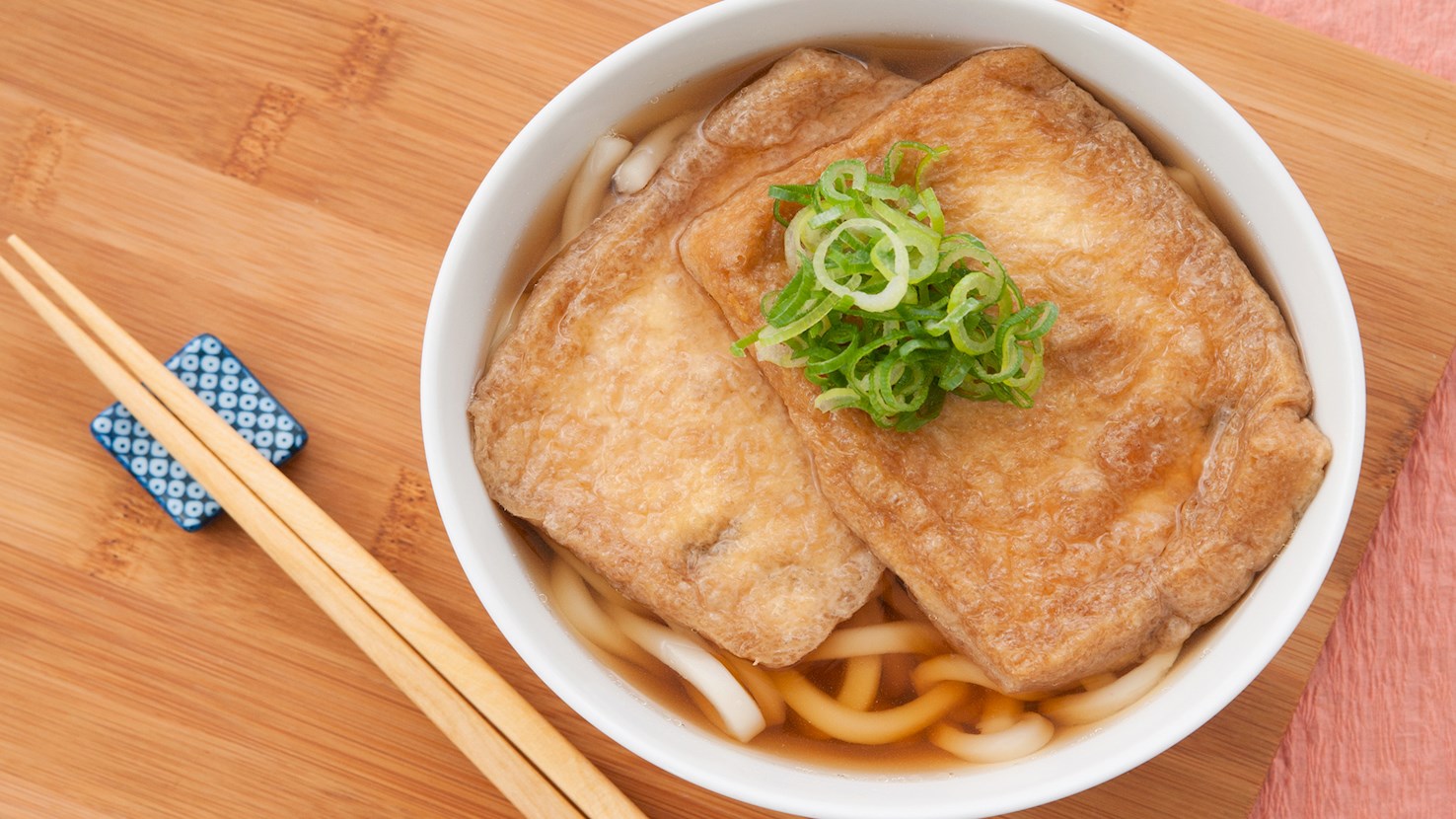
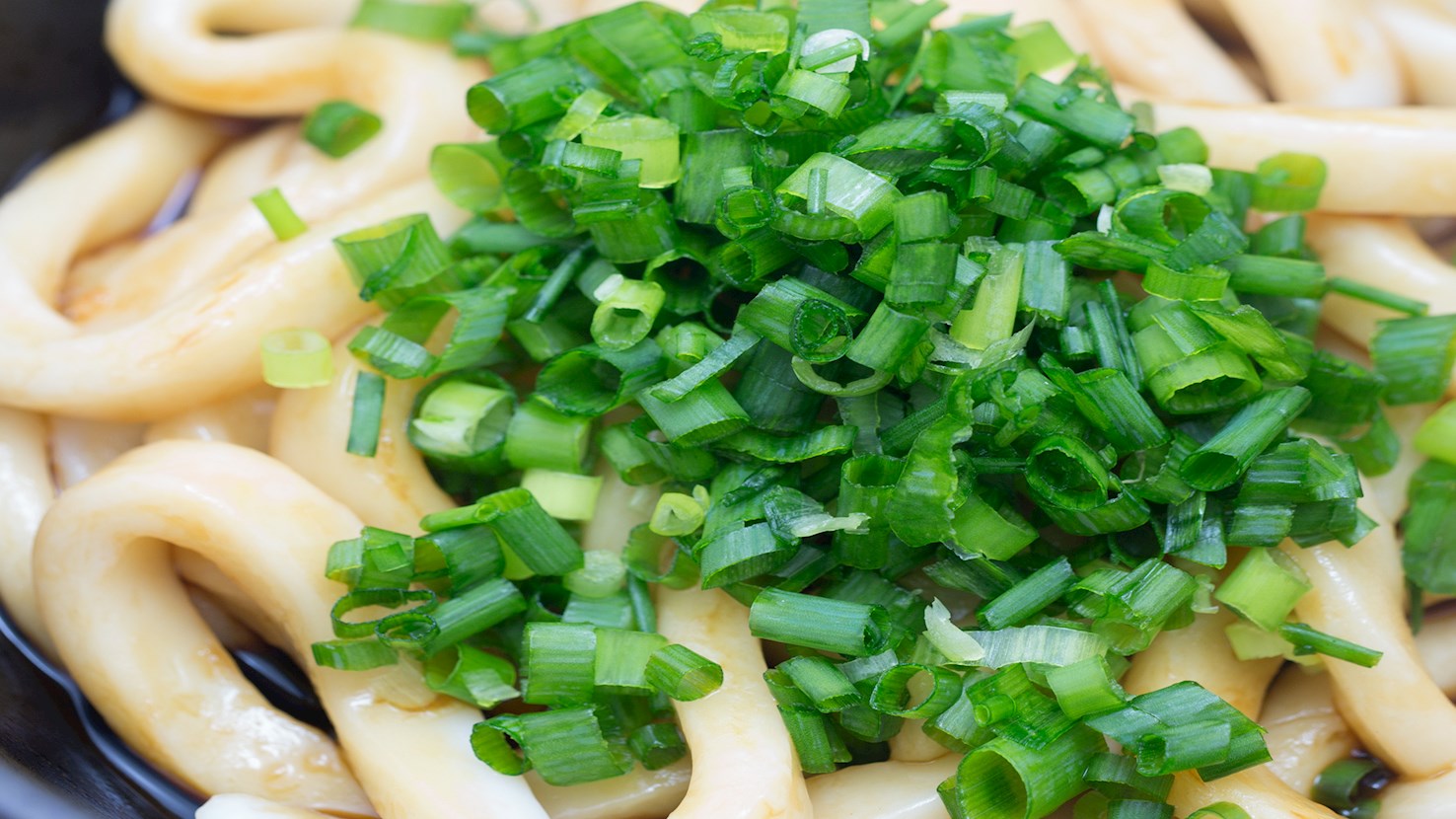
Kitsune udon is a famous Japanese dish which consists of thick udon noodles served in a fragrant dashi broth which is then topped with sliced or whole deep-fried tofu known as aburaage. The name of the dish is translated as fox udon, following the old folk tale which suggests that foxes are great admirers of deep-fried aburaage. Even though the origin of this dish is vague, it is believed that it originated in the 19th-century Osaka, from where it spread throughout Japan and became one of the most common dishes served in traditional Japanese udon restaurants.
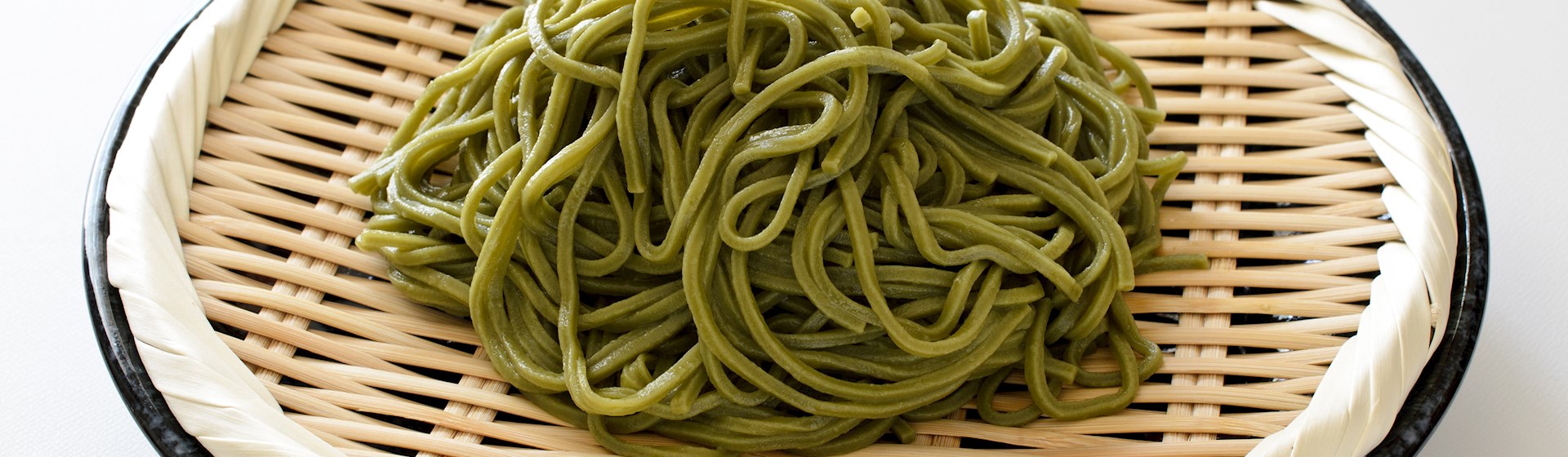
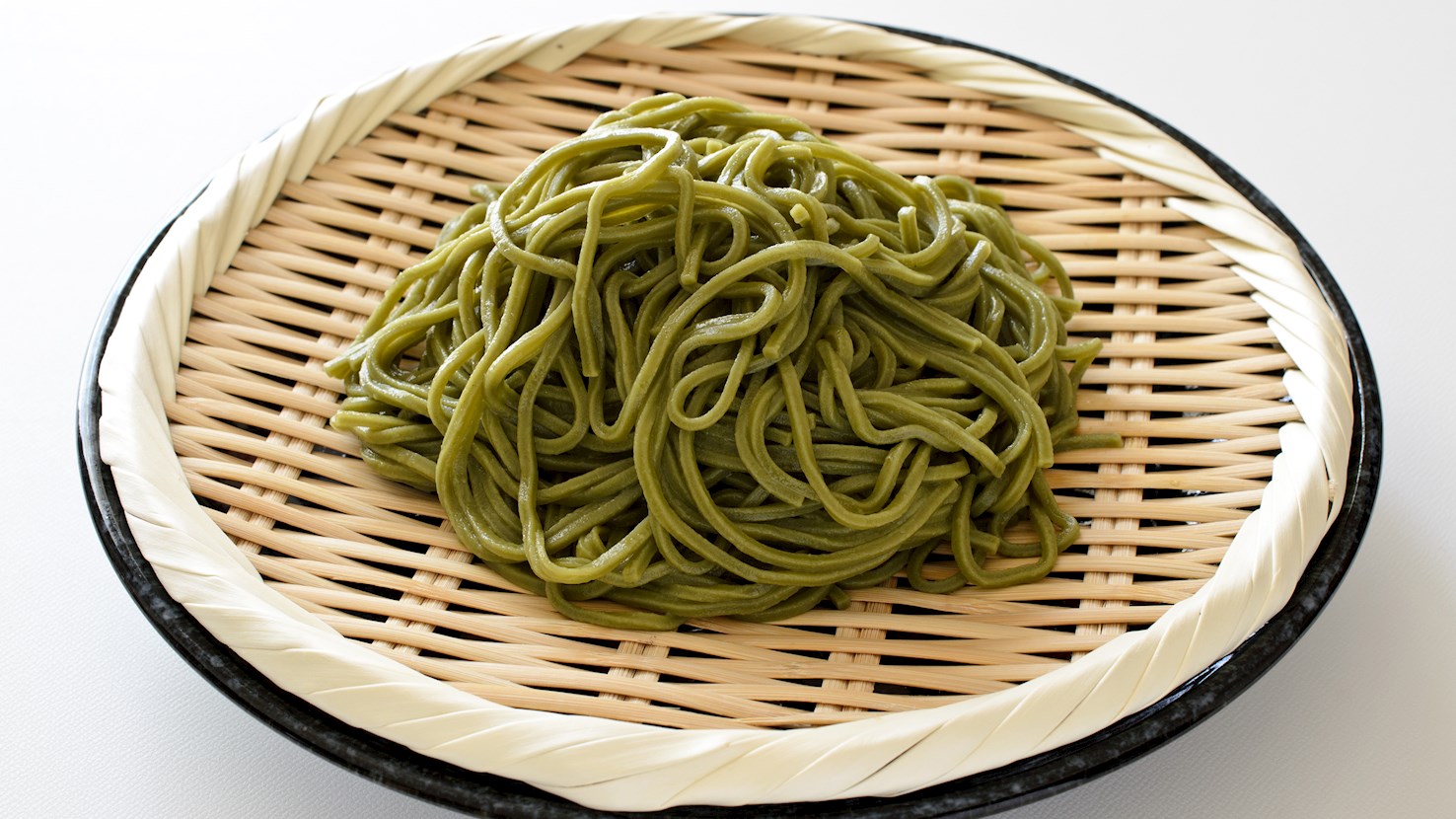
Matcha soba or cha soba is a traditional dish made with buckwheat flour and matcha tea. The tea is made from green tea powder and it has a bitter, mellow, or slightly sweet flavor. The soba noodles are infused with matcha, becoming green in the process. They are boiled, strained, rinsed and dried, then served with chopped green onions, wasabi, and tsuyu dipping sauce on the side. The noodles are served either on a large plate or a zaru soba tray. If desired, the dish can be topped with shredded nori or tenkasu (tempura flakes). Although matcha soba can be eaten hot, it’s usually served cold because it’s very refreshing when chilled and it’s especially popular during the summer.
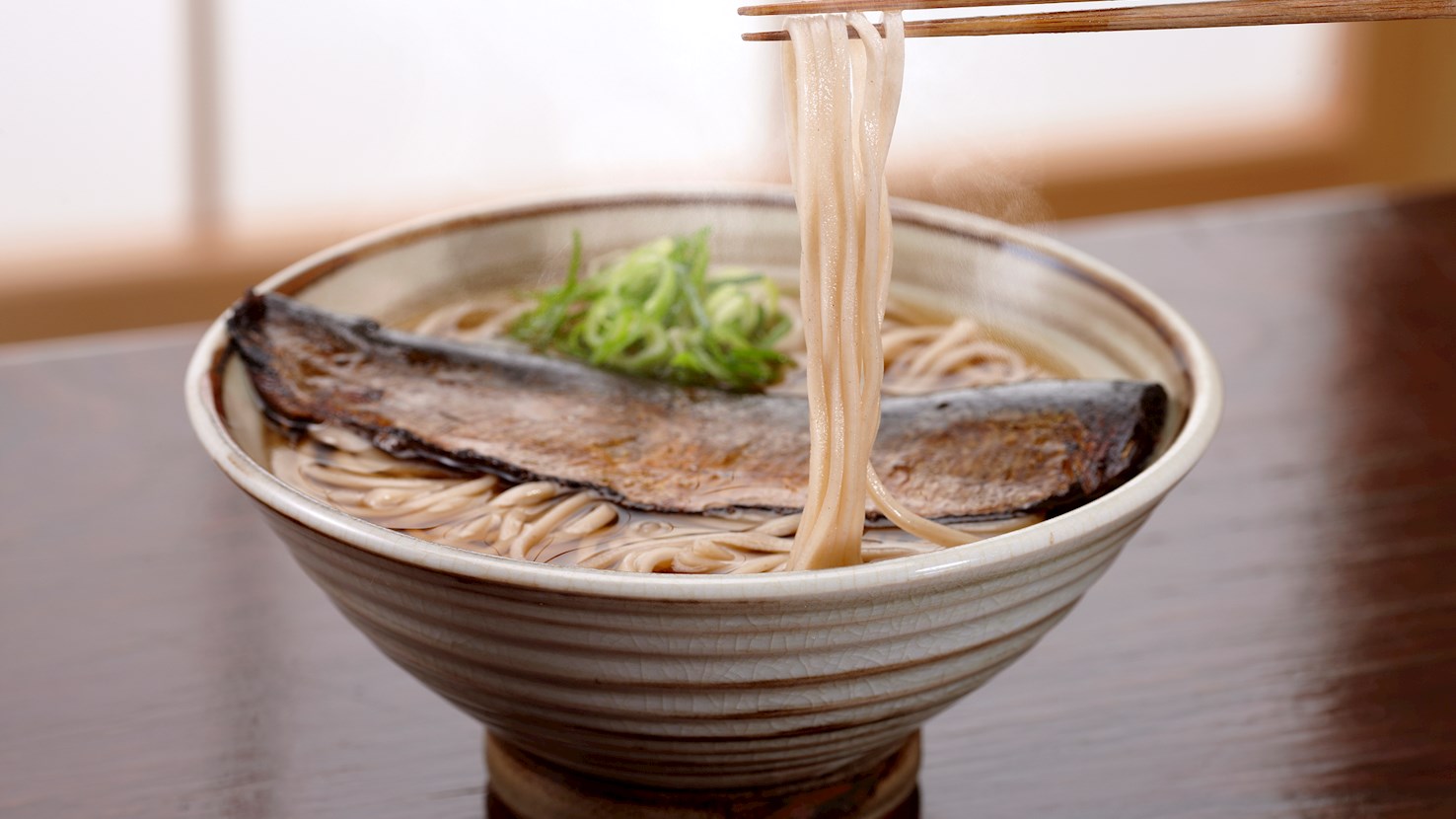
Nishin soba is a traditional dish made with soba noodles. In order to prepare it, herring is served over buckwheat soba noodles in a hot tsuyu broth. The ingredients include soba noodles, herring filets, shiitake mushrooms, sake, sugar, mirin, soy sauce, and dashi. The noodles are placed into bowls, followed by the tsuyu broth, and the dish is then topped with the fish and shiitake mushrooms. Depending on the weather or season, people eat their local specialty noodles hot (when it’s cold outside) or cold (when it’s hot outside). Nishin soba is usually served hot.
Ise udon consists of thick and chewy udon noodles served in a rich soy-infused sauce. Unlike other udon varieties, this regional specialty of Ise is characterized by a small amount of the flavorful broth that does not cover the noodles, but merely functions as a thick dipping sauce. It is believed that Ise udon initially appeared among the local farmers, who used available ingredients to create what would become one of the signature regional dishes. Nowadays, it is still prepared at many local households, but the dish is also enjoyed at traditional udon restaurants throughout the city.
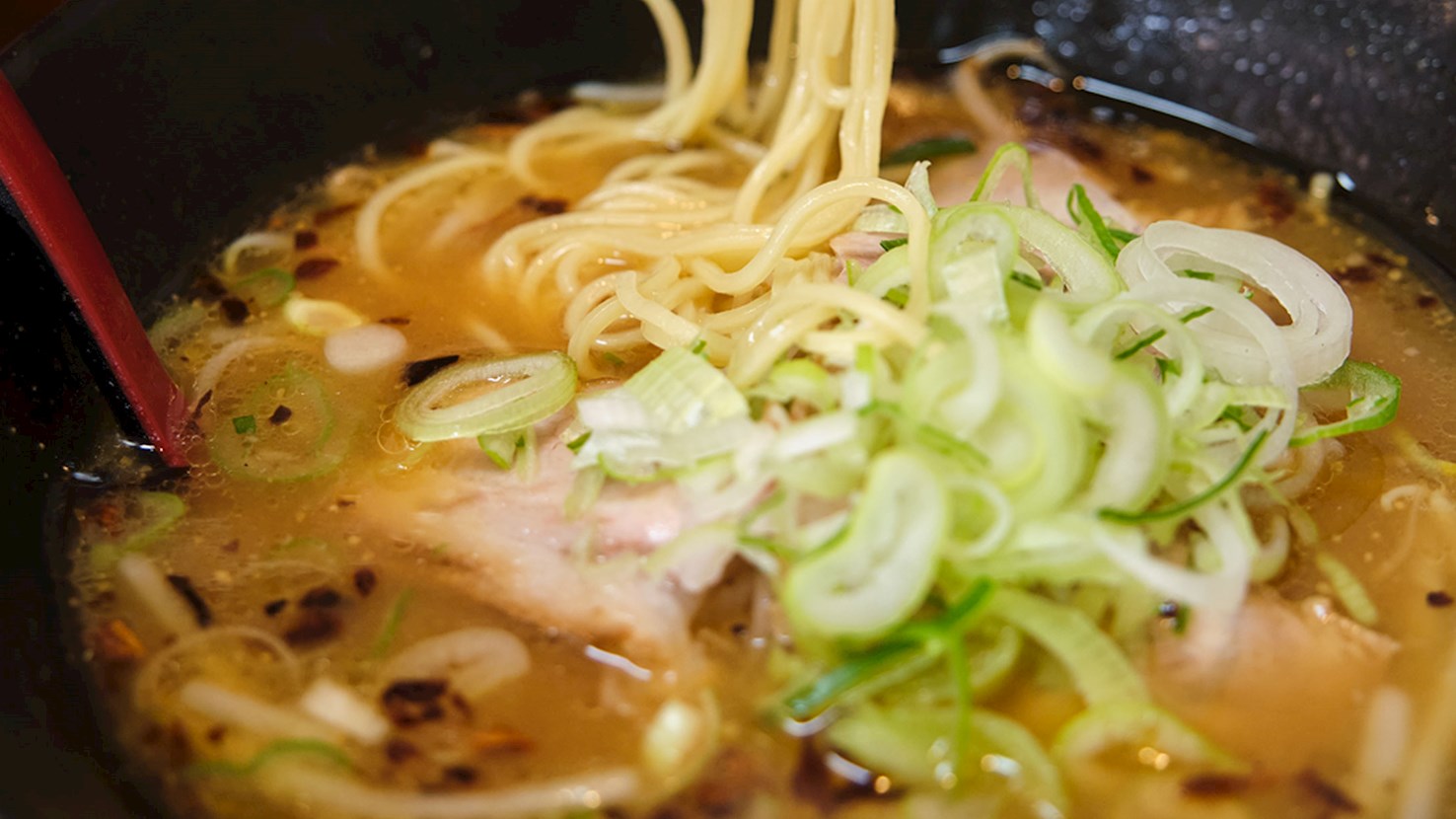
Wakayama ramen is often described as a Tokyo-style ramen served in Tokushima broth. In Wakayama, it is usually referred to as chuka-soba (Chinese noodles). The noodles in Wakayama ramen are thin and straight, while the soup can either be clear and soy sauce-flavored (shako-mae style) or it can consist of a combination of tonkotsu base and soy sauce. Pork ribs are one of the most common additional ingredients in Wakayama ramen, and the dish is typically served with a boiled, runny-yolk egg instead of a raw one that is served with Tokushima ramen. Interestingly, Wakayama ramen is often served with sushi on the side, and when it’s time to pay, customers will tell the staff how many of these side dishes they’d consumed.
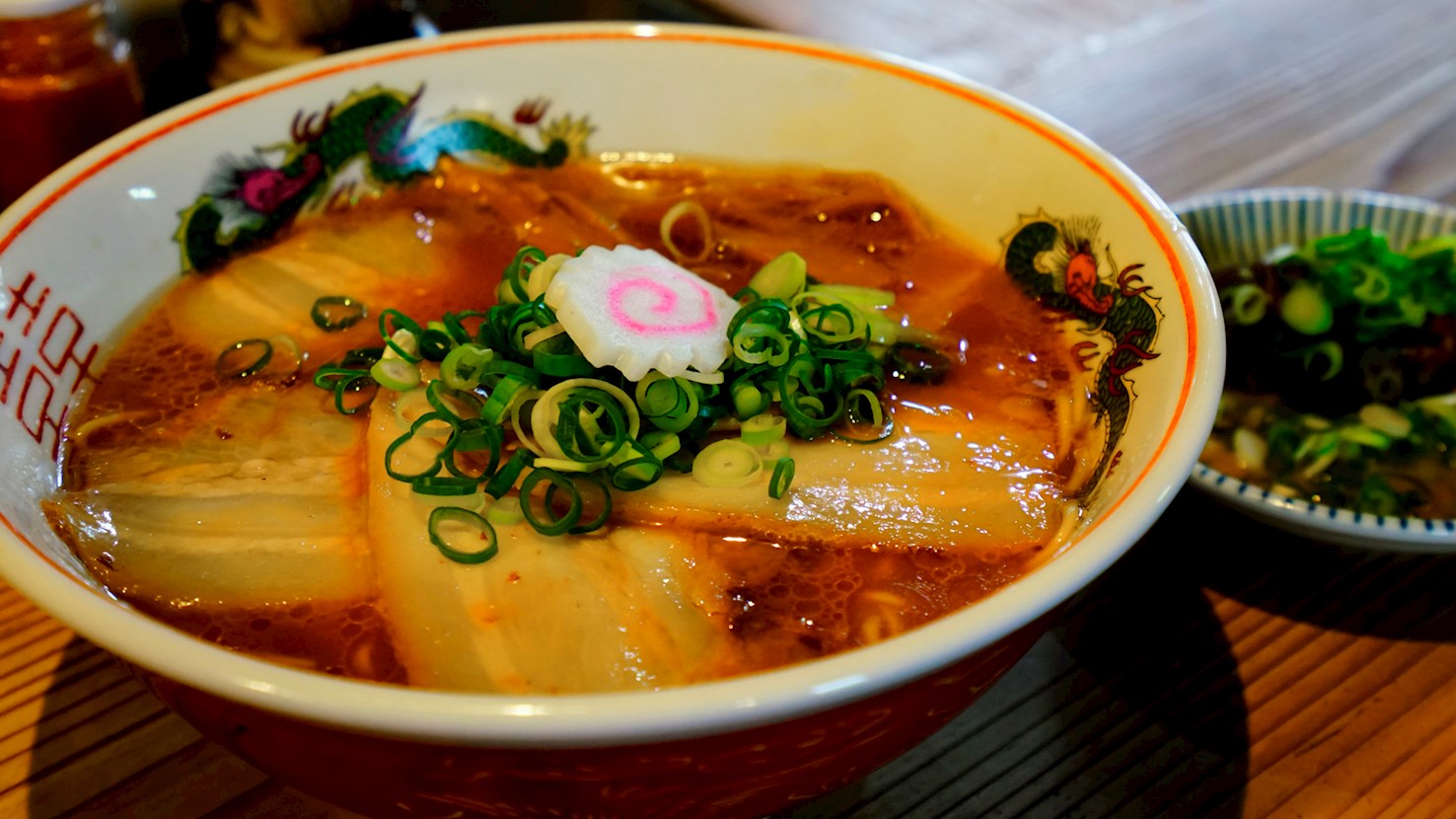
Kyoto ramen is a noodle soup from Kyoto City that comes in three distinct technical styles: a dark soy sauce-based broth (shoyu), a thick chicken-based soup (kotteri), and a soy sauce broth topped with emulsified pork back-fat (seabura). This ramen variety appeared in 1938 when a Chinese immigrant named Xu Yongbang started a mobile food stall near Kyoto Station, which eventually became the permanent shop Shinpuku Saikan. This establishment introduced a characteristic dark-colored broth achieved through a high concentration of locally produced soy sauce, setting a standard that differed from the lighter flavors usually associated with Kyoto’s regional vegetable-based cuisine. In the post-war era, specifically during the late 1940s and 1970s, other varieties emerged, such as the pork fat-laden style from Masutani and the viscous, chicken-bone-reduction soup developed by Tenkaippin in the Kita Shirakawa district. The making of the most common Kyoto-style, seabura-shoyu, involves simmering chicken carcasses and pork bones to create a clear base, which is then combined with a dark soy sauce tare. A unique technical step involves rubbing boiled pork back-fat through a mesh strainer directly over the bowl, creating small, white globules of fat that float on the surface, providing richness without making the underlying soup cloudy. The noodles are typically straight, medium-thin, and made with a lower moisture content to better absorb the dark pigments and salt of the broth. Serving includes specific toppings such as thin slices of braised pork (chashu) that are often saltier than versions found in other cities, fermented bamboo shoots (menma), and a high volume of Kujo negi, a specific variety of Japanese green onion native to Kyoto known for its long, slender green stalks and sweetness. Some shops use a soup base so thick with dissolved collagen from chicken bones that a spoon can nearly stand upright in the liquid, a texture achieved by boiling the ingredients for over ten hours until the proteins are fully broken down. Kyoto ramen is eaten in high-density urban areas, often in shops near Kyoto Station or along "Ramen Street" in the Ichijoji neighborhood. It is standard for diners to eat quickly, using chopsticks to pull the noodles through the layer of fat and drinking the broth directly from the bowl. A common practice in Kyoto is to order "yakimeshi," a fried rice colored dark brown with the same soy sauce used in the ramen broth, as a side dish. Other frequent pairings include gyoza and "karaage" (fried chicken). Because the salt and fat levels are high, it is typically paired with chilled water or hot oolong tea, which contains polyphenols that help cut the heavy mouthfeel of pork fat or concentrated chicken collagen.
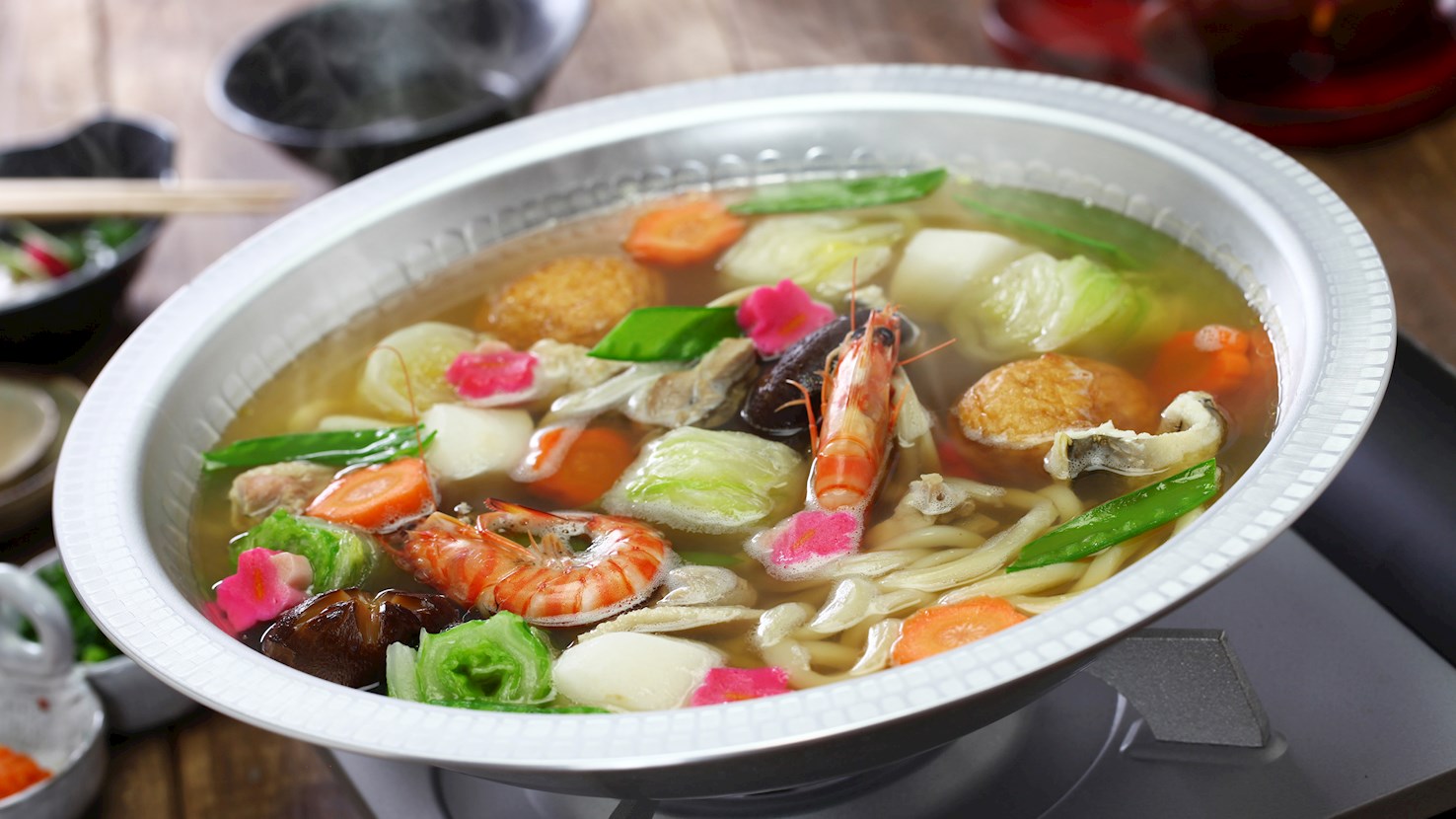
Udon-suki is a Japanese hot pot dish. It's made with a combination of udon noodles and a variety of ingredients such as tiger shrimp, squid, chicken, tofu, conger eel, Hamaguri clams, pork, salmon, shiitake mushrooms, and negi. The broth is usually flavored with sweet and savory miso, mirin, dashi, and soy sauce. It shouldn't be too overpowering that it shadows other ingredients in the bowl. This dish is usually prepared during winter and on cold days because it's nutritious, hearty, and warming. It is believed that udon-suki originated in Sakai City, Osaka Prefecture, in a restaurant called Mimiu.
TasteAtlas food rankings are based on the ratings of the TasteAtlas audience, with a series of mechanisms that recognize real users and that ignore bot,
nationalist or local patriotic ratings, and give additional value to the ratings of users that the system recognizes as knowledgeable.
For the “Top 7 Kansai Noodle Dishes” list until June 15, 2026, 119 ratings were recorded, of which 98 were recognized by the system as legitimate.
TasteAtlas Rankings should not be seen as the final global conclusion about food. Their purpose is to promote excellent local foods,
instill pride in traditional dishes, and arouse curiosity about dishes you haven’t tried.