

shutterstock

Top 19 Malaysian Noodle Dishes

Last updated on May 15, 2026
01

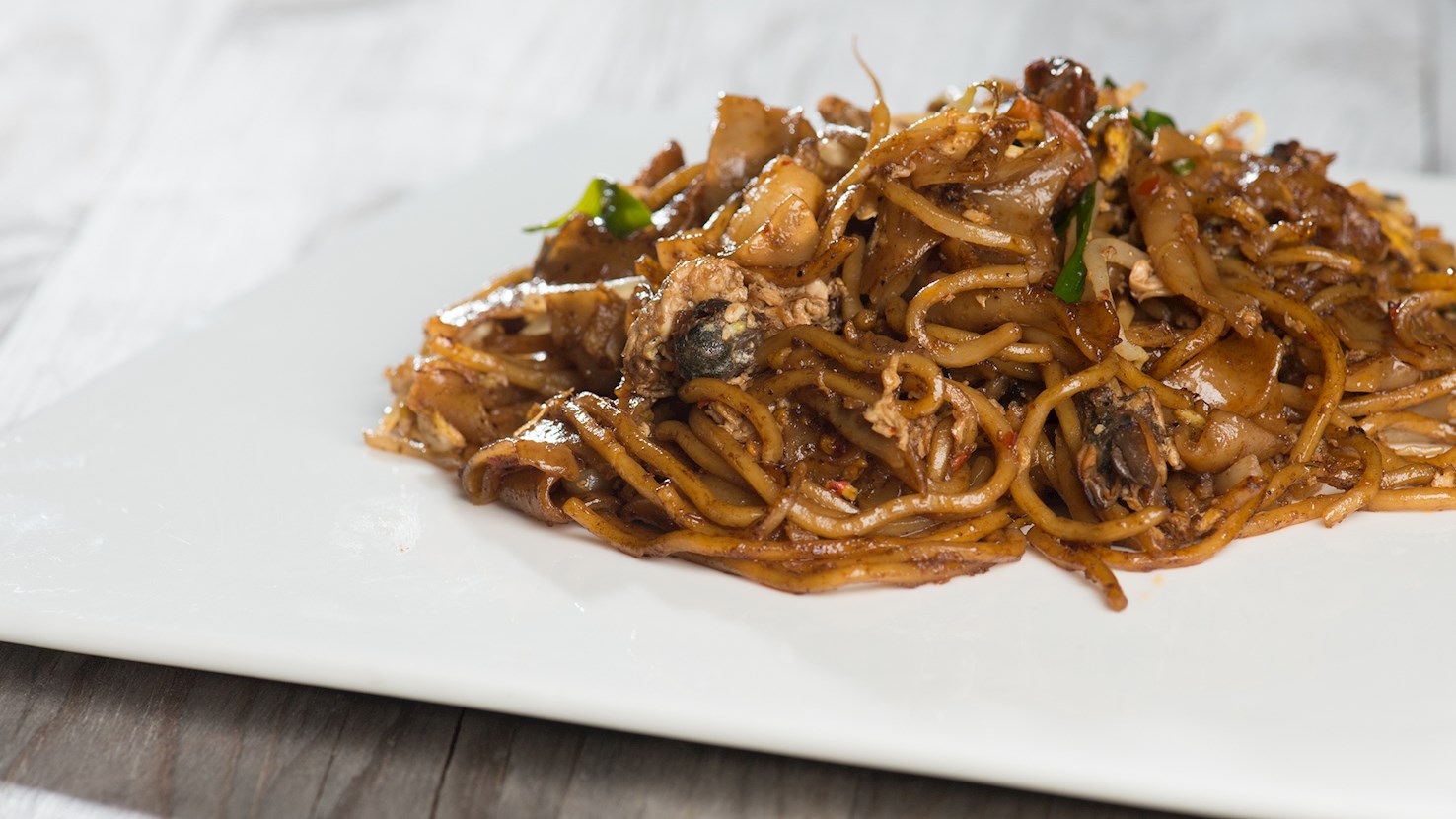
Char kway teow

4.2 ·

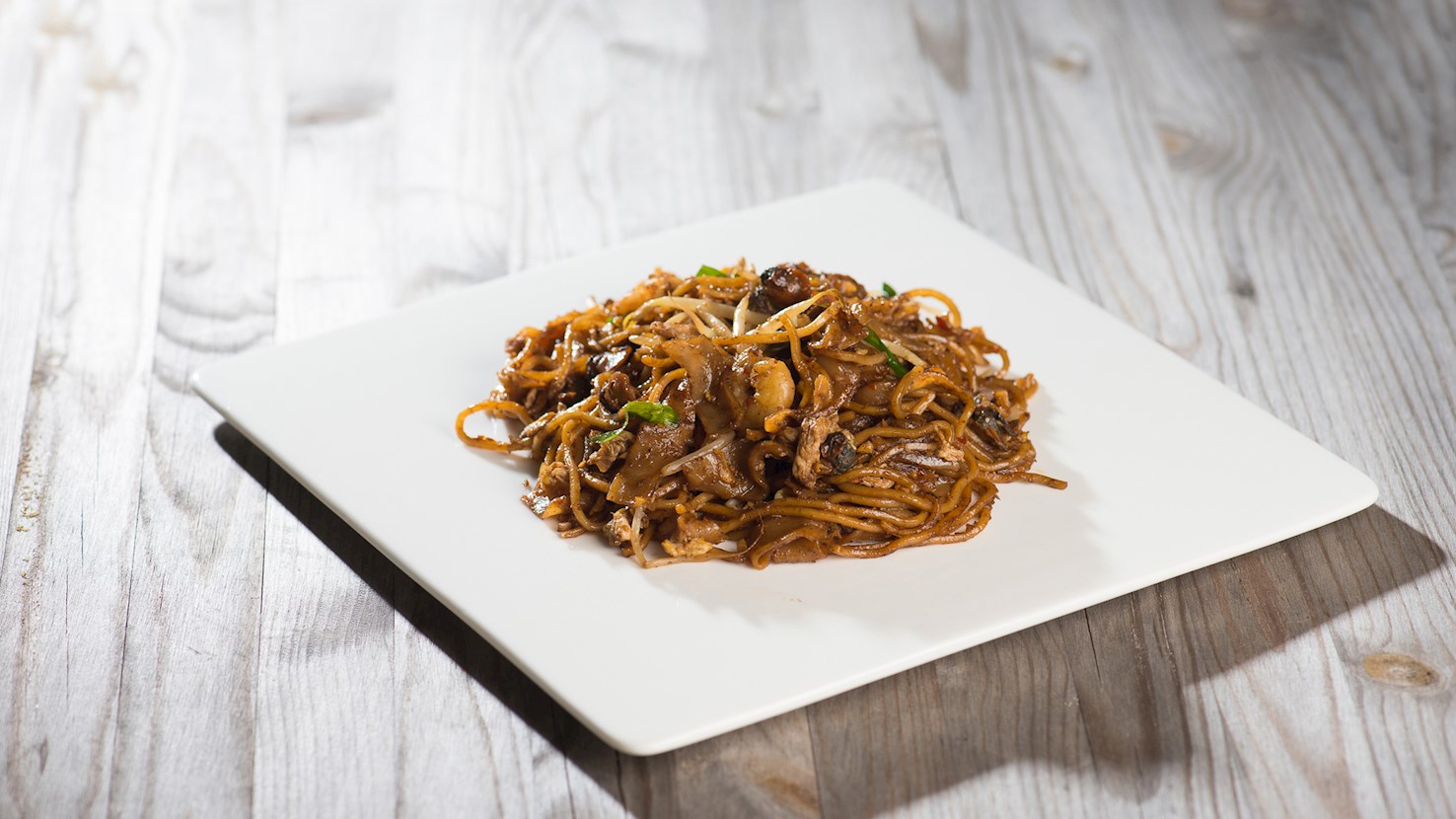
Char kway teow is one of the most popular street dishes in Malaysia and Singapore. Despite numerous regional varieties, it is usually made with flat rice noodles, shrimps, eggs, cockles, bean sprouts, chives, and Chinese sausage. All the ingredients are usually fried and coated in soy sauce, while some versions also incorporate shrimp paste, garlic, fried pork lard, and sometimes even yellow wheat noodles. Among the numerous theories about the origin of the dish, the most popular claims that it was invented in the Singaporean Teochew community by Chinese immigrants, while the name stems from Hokkien, char meaning fried and kway teow denoting flat rice noodles. Classic Teochew variety that is lighter and slightly drier than the Singaporean counterpart is especially popular in Malaysian Penang where it is considered to be a signature dish of the region. Originally, char kway teow was a poor man’s dish made by farmers and fishermen out of leftover ingredients. Realizing how delicious this combination is, they started selling it on the street, and it quickly caught on. Apart from Singapore and Malaysian Penang, a variety of char kway teow is also found in Indonesia. In Penang, some vendors still serve it on banana and palm leaves, the way it was traditionally served from its beginnings.

02

Mee goreng mamak

4.1 ·

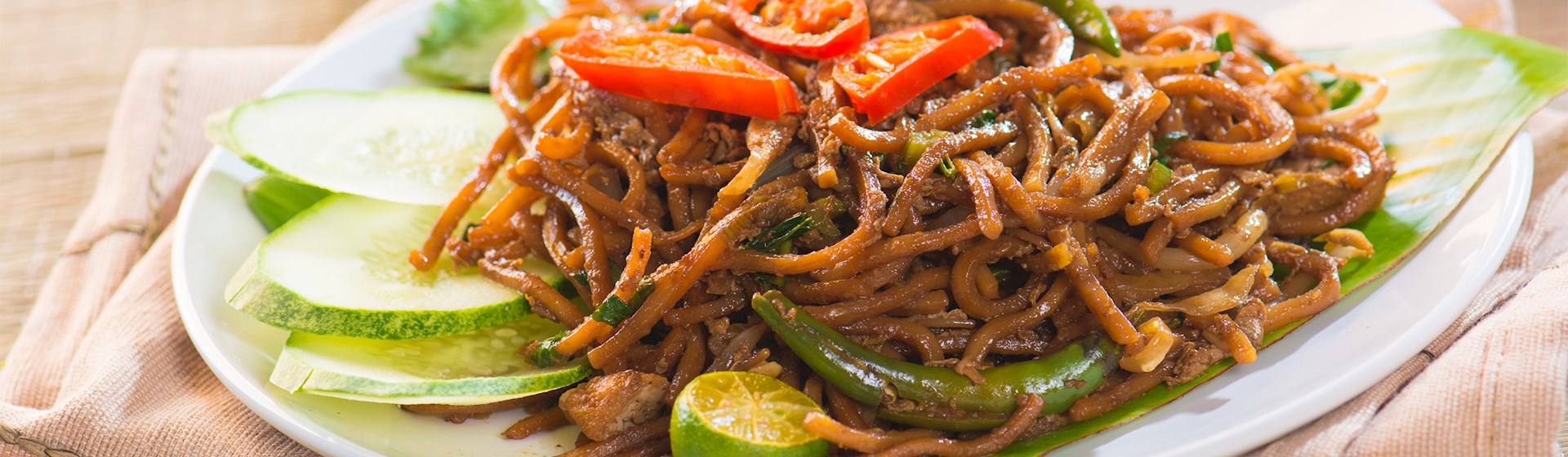
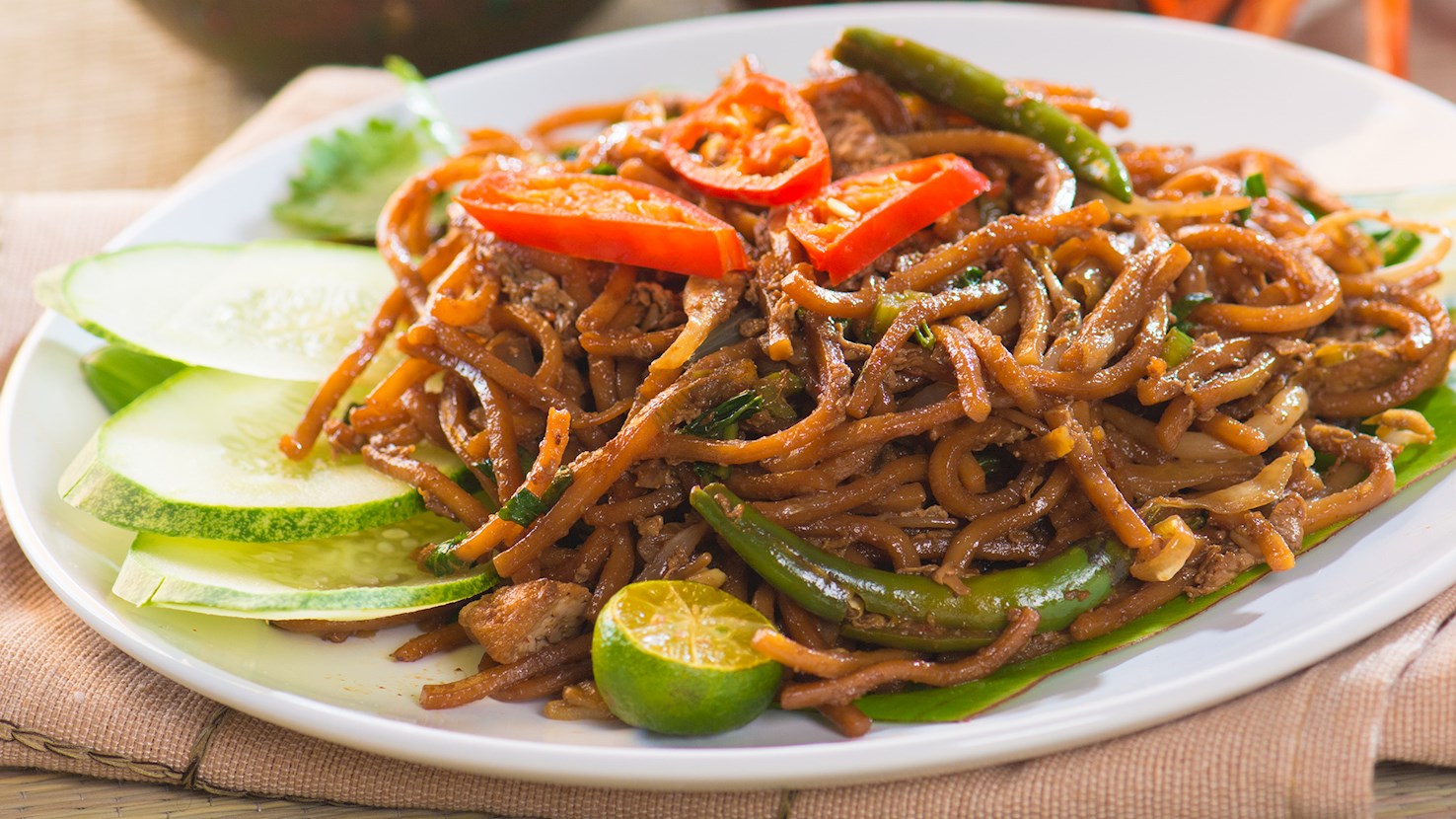
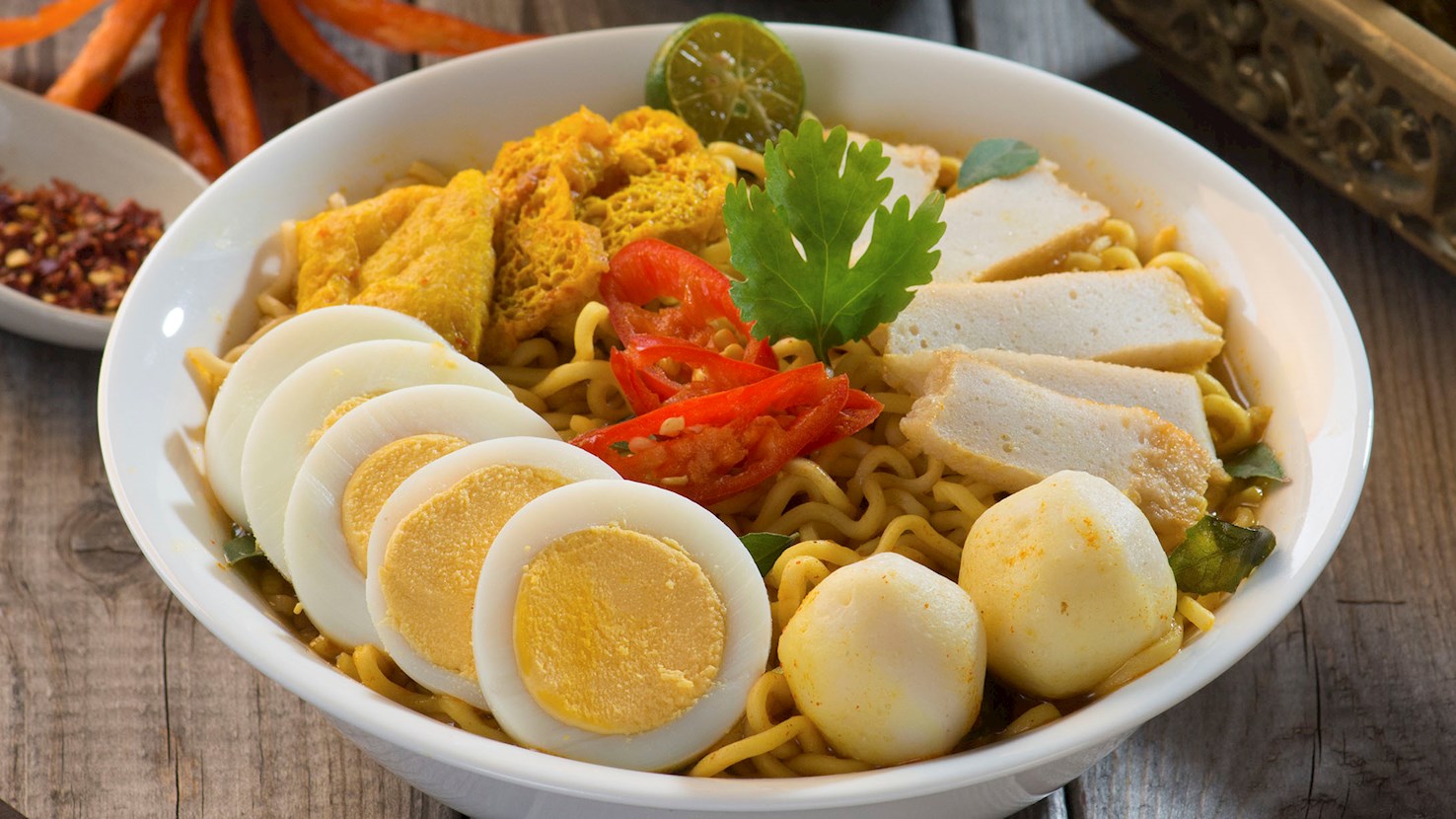
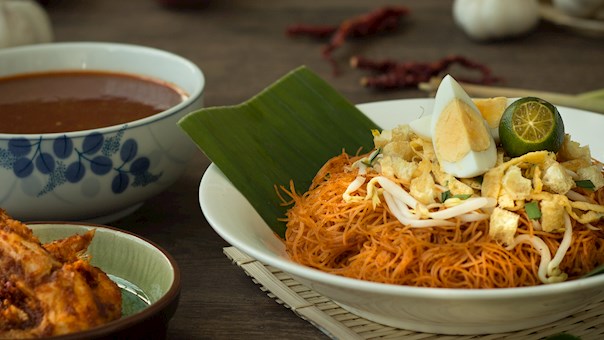
Mee goreng mamak is a versatile stir-fry noodle dish from the Maritime Southeast Asia region, initially introduced by the Indian-Muslim community. It is a spicy-savory course that pairs the noodles with a combination of fish cakes, chicken, prawns, garlic, scallions, tomato sauce, curry spice, sweet soy sauce, boiled potatoes, and eggs. For toppings, the most commonly used are red chilies, crispy fried onions, and lime juice. Traditionally, the dish is served alongside calamansi wedges - a citrus hybrid native to the region (can be substituted with lime wedges). Mee goreng mamak is a favorite in Malaysia and can be found everywhere, from street vendors to sit-down restaurants.

03

Laksa

4.1 ·

Characterized by its rich and spicy broth, this comforting noodle soup is one of the classic dishes found in many Southeast Asian countries. It was developed under the influence of different culinary traditions, which has led to the creation of numerous regional varieties that differ in flavors and ingredients. Two of the most famous versions are the sour, tamarind-based asam laksa and the creamy curry laksa. Especially favored in Malaysia, Singapore, and Indonesia, laksa is usually prepared and enjoyed at hawker centers as a hearty main course.

04

Curry Mee

4.1 ·

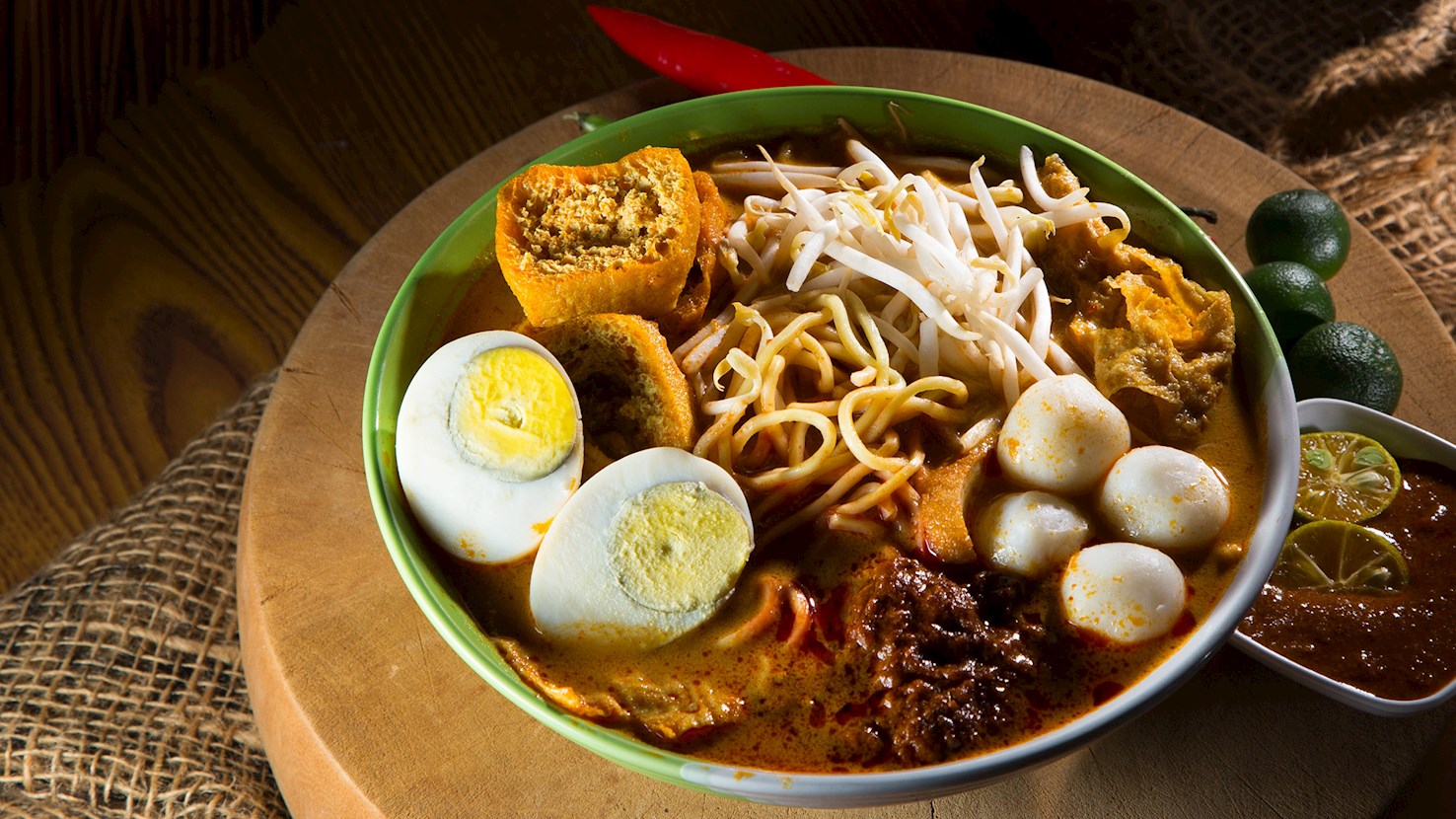
Curry mee is a spicy noodle soup commonly eaten in Malaysia and Singapore (where it's often called curry laksa). It is a true fusion dish, influenced by Indian, Chinese, and Southeast Asian culinary traditions. It is one of the numerous varieties of laksa, the quintessential noodle soups of Southeast Asia. The basis for this creamy dish is made with curry and coconut milk which form the unusual sweet and spicy sauce. Although very similar to curry, the sauce for curry mee is usually much thinner, but still has a strong and rich flavor. Traditionally, thin rice noodles are used in curry mee, and they are often cut into smaller pieces in order to ease the consumption. Other ingredients include tofu puffs, prawns, and fishcakes. The most traditional versions of curry mee also include a very unusual ingredient - cockles, saltwater clams which are usually served raw. Before serving, the dish is spiced with a dollop of traditional chili sauce and chopped coriander leaves. Curry laksa is the favorite variety in Singapore, where it is often referred to only as laksa. In Singapore, it is the most common hawker-style dish, and many vendors prepare curry laksa as their signature dish.

Best restaurants
05

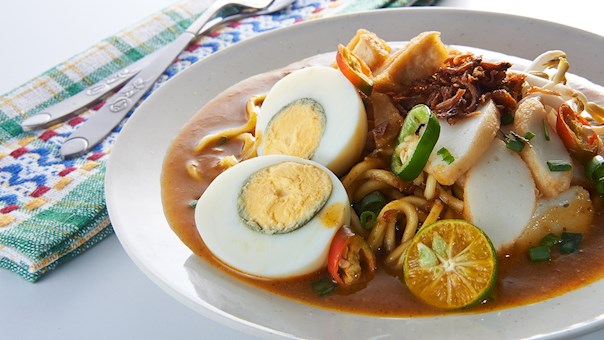
Mee bandung

4.1 ·

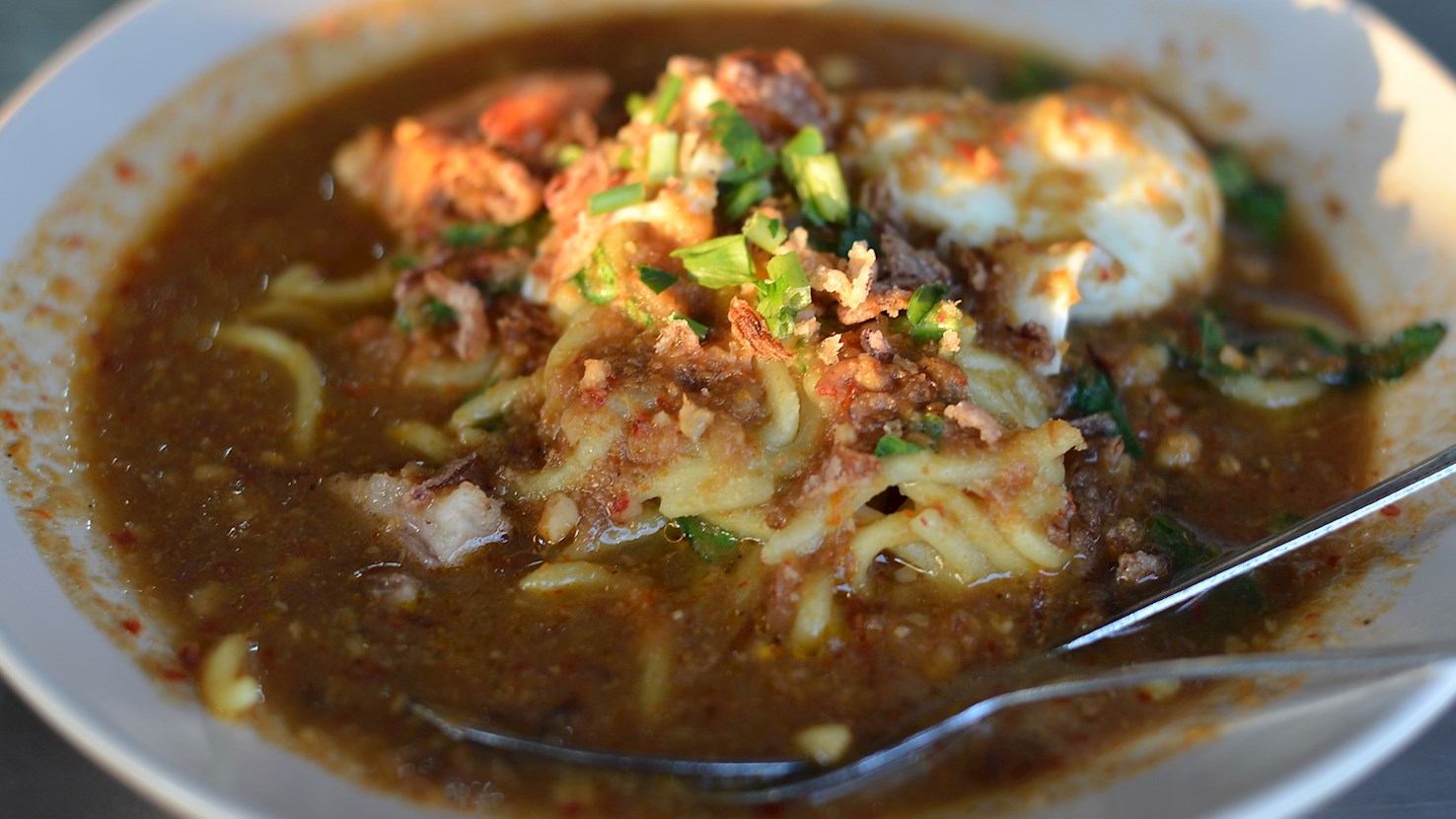
Mee bandung is a Malay noodle dish that originated in Muar. The dish combines yellow noodles with a thick, spicy sauce that consists of chilies, onions, shrimp paste, and dried shrimps. Each mee bandung is topped with a variety of condiments that typically include halved boiled eggs, shrimps, fishcakes, vegetables, and occasionally beef, while the dish is best finished off with a splash of lime juice. The term bandung roughly translates as mixed or paired and is not related to a namesake Indonesian city.

06

Laksam

4 ·

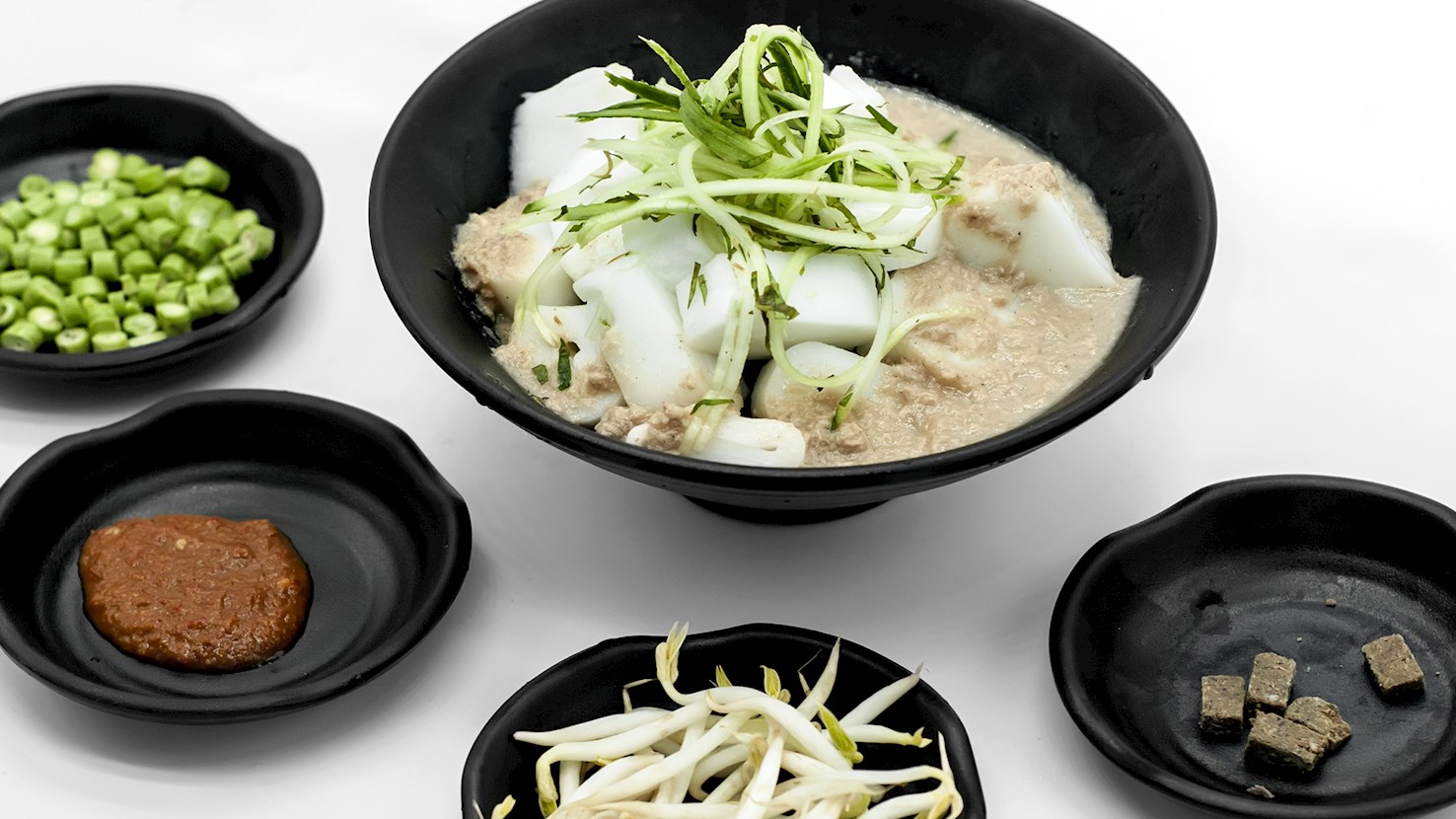
Traditionally associated with the regions of Kelantan and Terengganu, this flavorful Malaysian soup consists of rolled rice noodles served in a creamy fish broth. The noodles are prepared with a thin rice flour batter that is poured on a flat surface, steamed, and then rolled and sliced into bite-sized pieces. The broth served alongside the noodles is made with coconut milk and creamy fish paste, and is usually seasoned with ginger, shallots, and garlic. The whole dish is complemented by various vegetables such as sliced cucumbers or green beans and is usually accompanied by spicy sambal. Laksam is traditionally enjoyed as a warm, hearty breakfast.

07

Assam laksa

4 ·

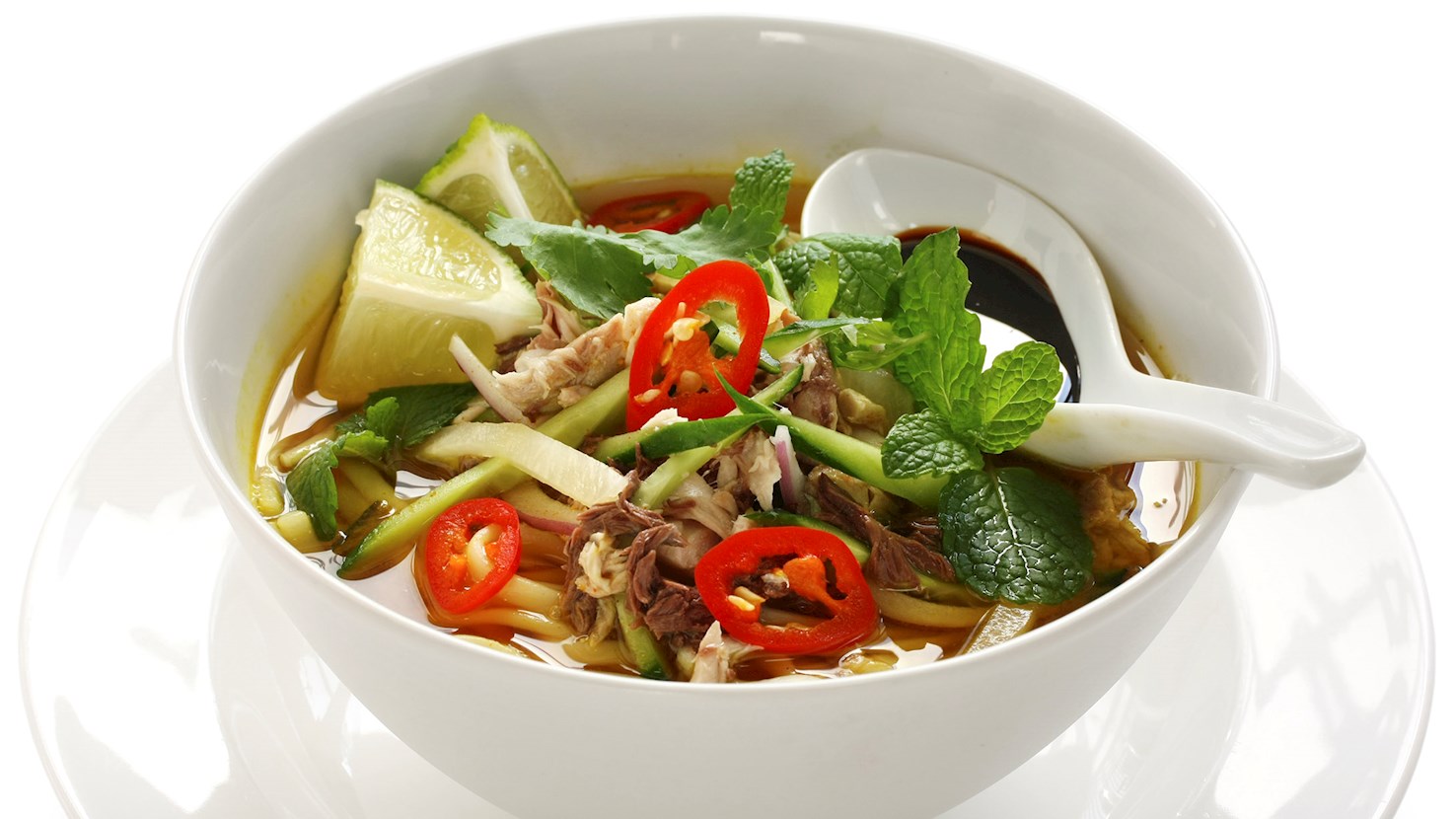
Assam laksa is a traditional fish-based sour noodle soup. It is the one of the numerous varieties of laksa, popular noodle soups widespread throughout Southeast Asia. The dish consists of rice noodles, shredded fish, and sliced vegetables, most commonly cucumber, onion, and lettuce. It has a distinctively tangy taste, which is attributed to tamarind, the sour ingredient generously used to spice the dish. The exact origin of the dish is unknown, but it is believed that it has originated in the coastal areas of Malaysia among the local fishermen who assembled the dish out of available ingredients. Through history, the dish evolved into assam laksa that we know today. Regardless of its origin, nowadays it is a signature dish of the Malaysian region of Penang. It is one of the most famous street dishes found in the area, and a favorite with both locals and tourists. In Penang, street vendors prepare assam laksa from the early morning until late in the evening. Traditionally, the dish should be served with hae ko, a dark and rich Malaysian-style shrimp paste.

08

Beef kway teow

4 ·

Beef kway teow is a Singaporean and Malaysian noodle dish that can be served either as a quick meal or as a side dish to bigger meals. In order to prepare it, broad and flat rice noodles are stir-fried with vegetables and herbs, and topped with slices of beef. There is also a version of this dish in a form of a soup similar to Thai beef soup, but it is usually prepared as a "dry" dish, in a thick gravy flavored with chili, soy sauce, and sesame oil. A variety of the dish is popular in Indonesia, where it’s commonly enriched with garlic, meatballs, cabbage, soy sauce, and black pepper.

09

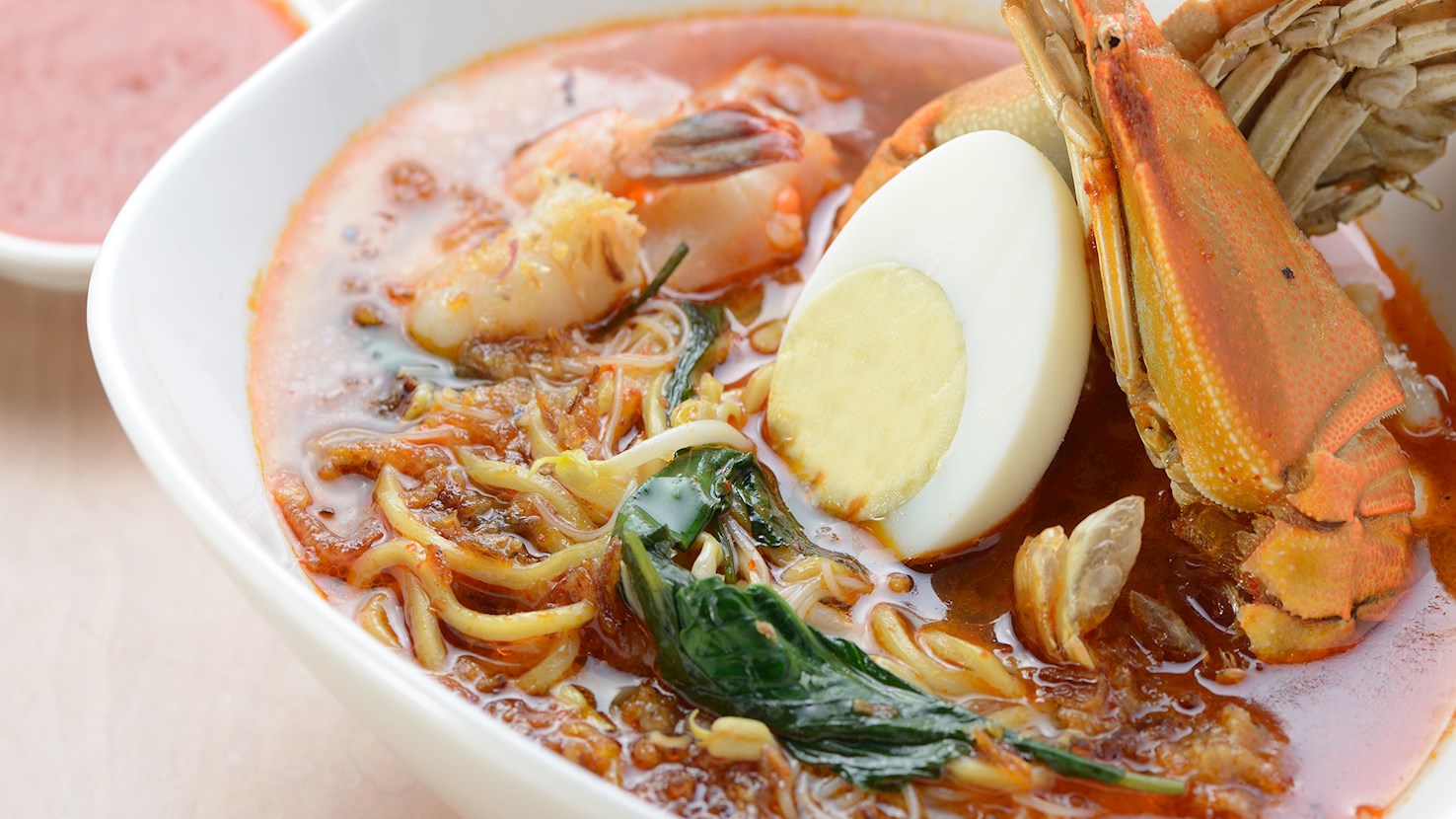
Penang Hokkien Mee

3.9 ·

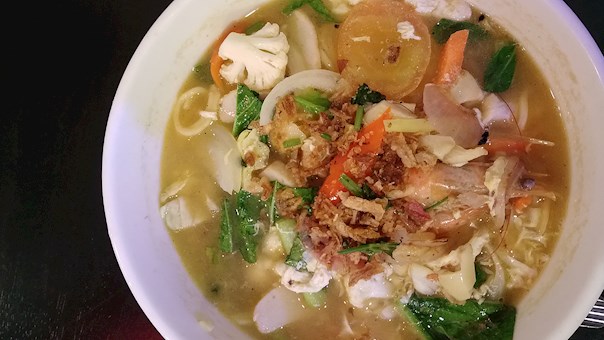
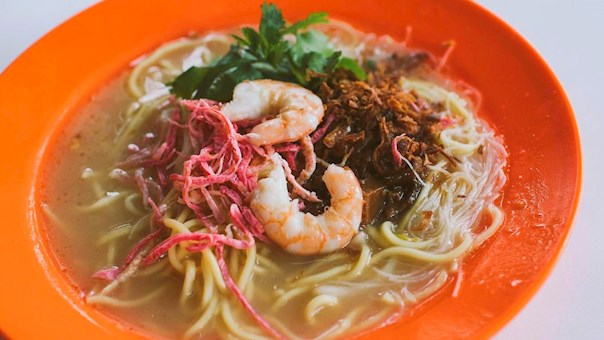
Penang version of the dish known as Hokkien mee is significantly different from the varieties that can be found in other parts of Malaysia and Singapore. Often referred as prawn mee, the dish consists of a broth that is flavored with prawns and pork ribs, and which comes topped with ingredients such as sliced pork, rice and wheat noodles, bean sprouts, prawns, kangkong (water spinach), fried shallots, and boiled eggs. This hawker classic is usually served with a chili-based sauce. As the name suggests, the origins of the dish are among the Hokkien community who emigrated from Chinese province of Fujian.

10

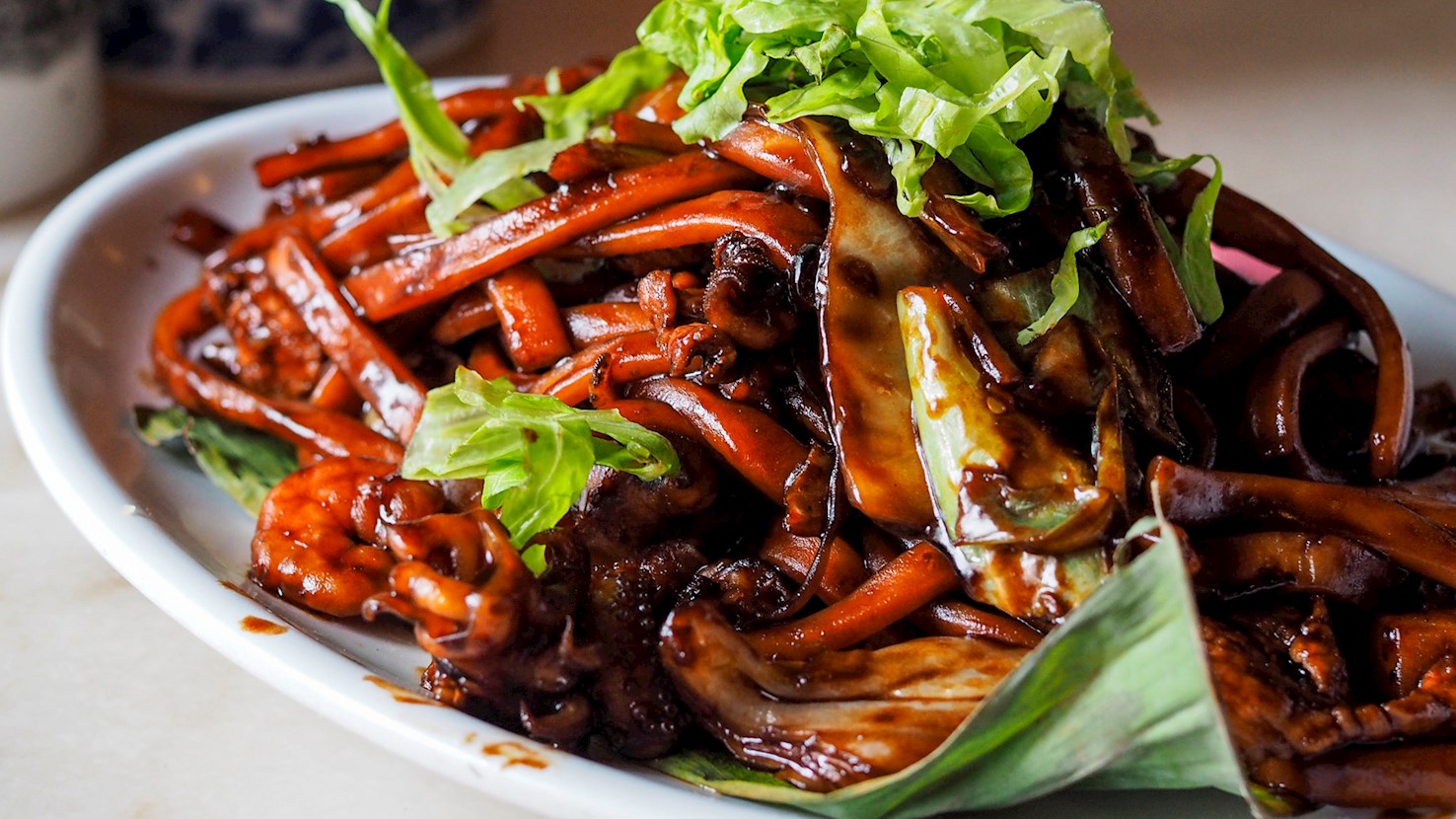
Hokkien mee Malaysia

3.8 ·

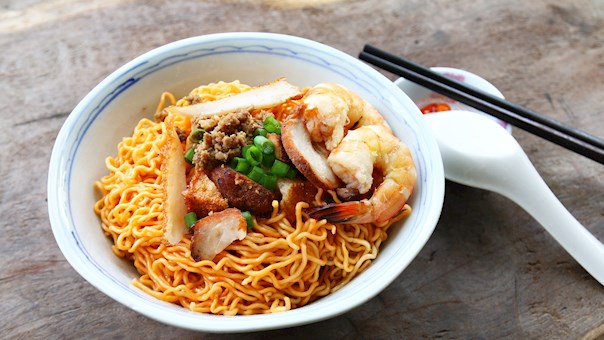
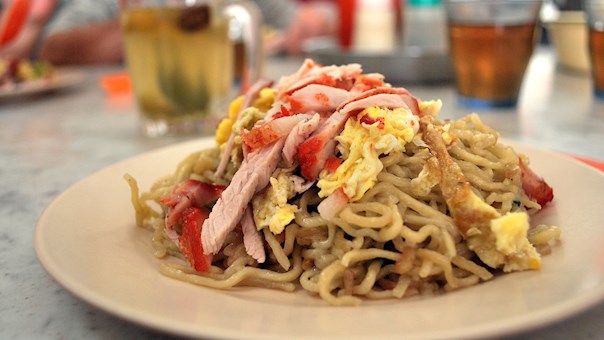
This popular noodle dish hails from Malaysia, and it should not be confused with the similar Singaporean version or significantly different variety that comes from Penang—but which curiously share the same name. Malaysian Hokkien mee that is mainly associated with Kuala Lumpur usually consists of egg-based wheat noodles that are braised with sliced pork, pork lard, prawns, and cabbage. The whole dish is generously coated in a thick and dark sauce that is based on soy sauce and prawn stock. It is usually served with sliced scallions and chili or shrimp paste (belacan) on the side. Because of its name, Malaysian Hokkien mee is also believed to have its origins among the Hokkien community, an ethnic group native to Chinese Fujian.

11

Mee rebus

3.7 ·
13

Lor mee

3.5 ·
14

Maggi goreng

3.5 ·
15

Pan mee

3.4 ·
16

Mee Siam

3 ·
17

Mee sup

n/a ·
18

Lam mee

n/a ·
Read more
View all
View map
About this ranking

TasteAtlas food rankings are based on the ratings of the TasteAtlas audience, with a series of mechanisms that recognize real users and that ignore bot, nationalist or local patriotic ratings, and give additional value to the ratings of users that the system recognizes as knowledgeable. For the “Top 19 Malaysian Noodle Dishes” list until May 15, 2026, 1,201 ratings were recorded, of which 831 were recognized by the system as legitimate. TasteAtlas Rankings should not be seen as the final global conclusion about food. Their purpose is to promote excellent local foods, instill pride in traditional dishes, and arouse curiosity about dishes you haven’t tried.

Similar lists