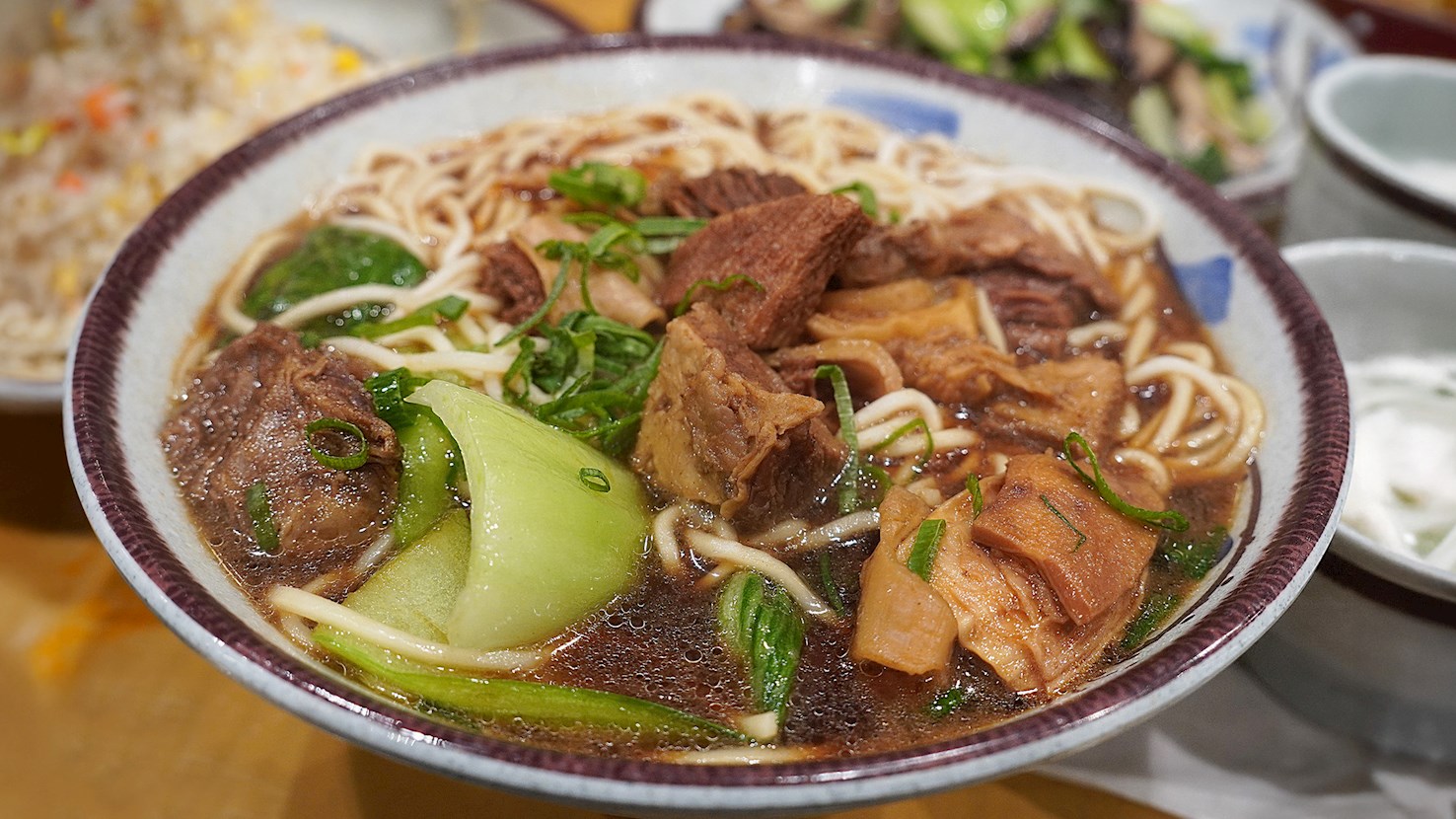
The savory, spicy beef noodle soup is the national dish of Taiwan and the source of immense pride for the locals. The dish is an ideal winter comfort food, typically consisting of beef, broth, vegetables, noodles, and spices. Beef noodle soup has a great Sichuan influence dating back to the 1940s, when China was in civil war and many Chinese people moved to Taiwan, creating this cross-provincial dish and incorporating chili bean sauce and Sichuan peppercorns into it along the way. Variations are endless when making this long-simmering stew, and in Taiwan, there are numerous side dishes to accompany it, such as seaweed and braised dried tofu. Today, there is even an annual Beef Noodle Festival held in Taipei, where various restaurants and cooks compete for the prestigious title of Best Beef Noodle.
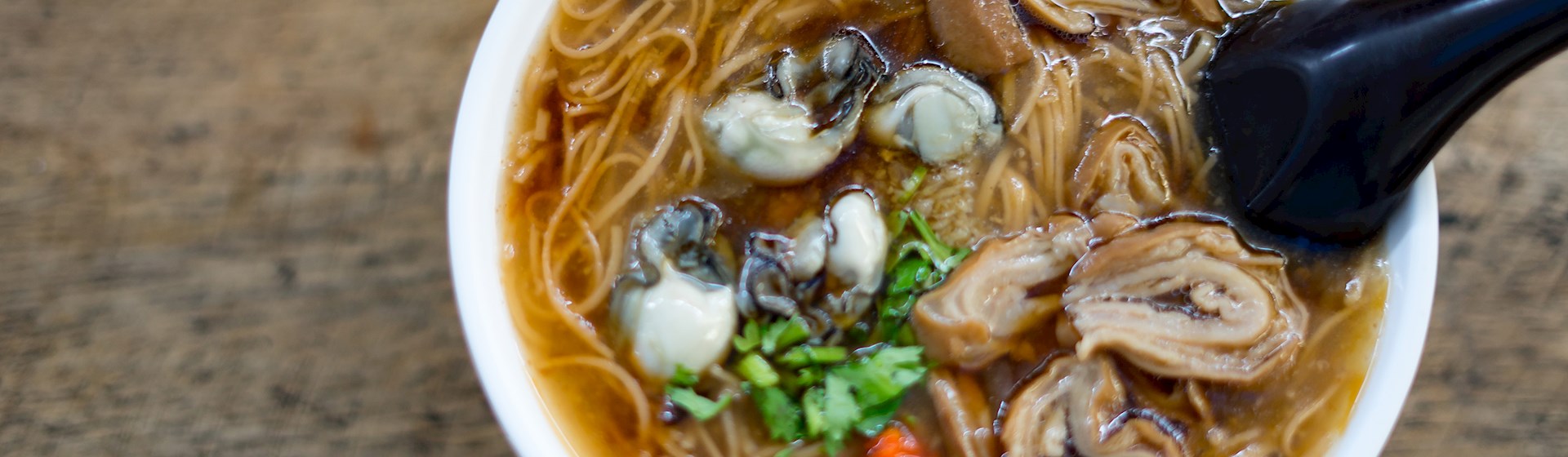
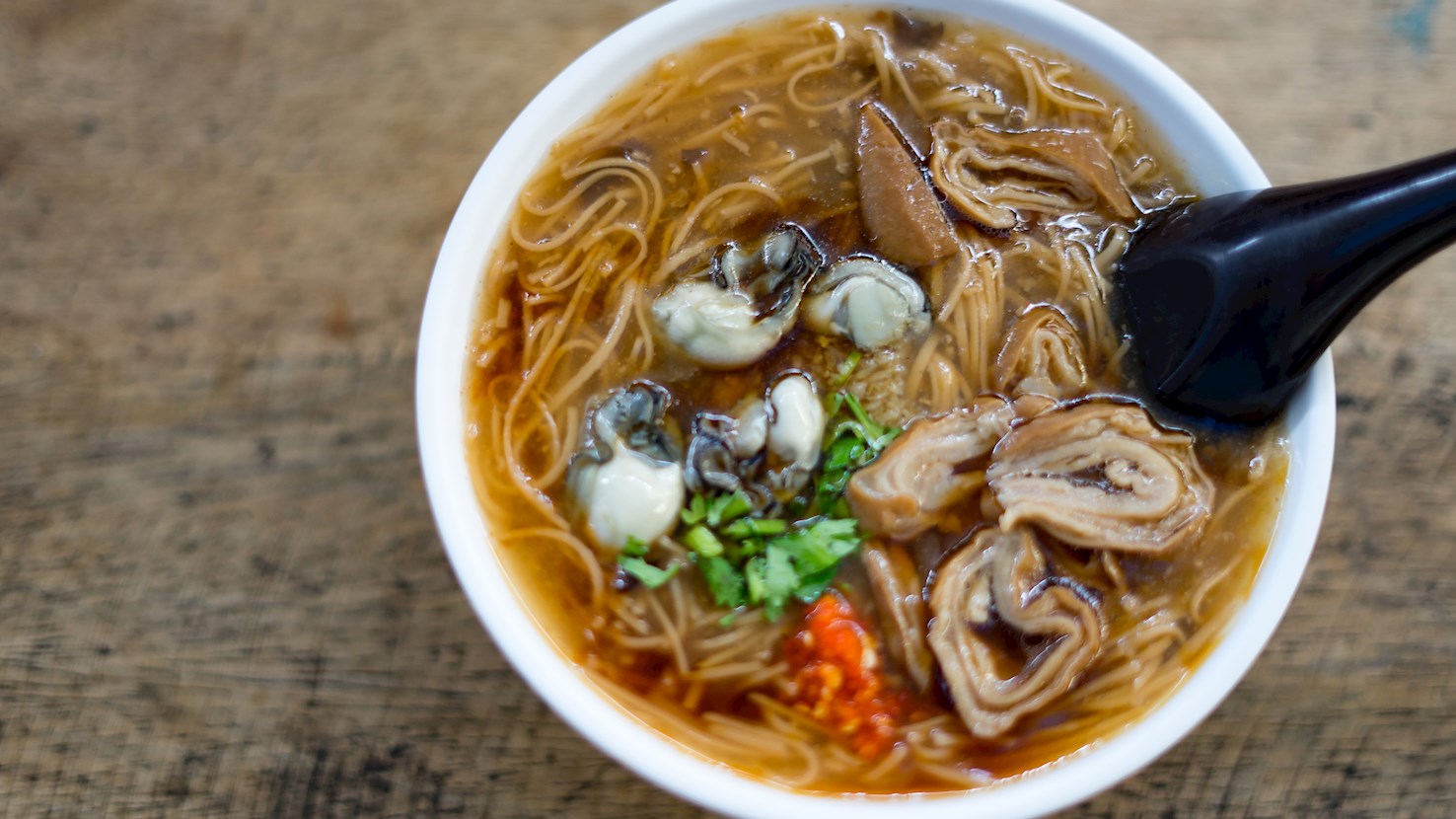
An authentic Taiwanese noodle dish called ô-á mī-sòa combines thin misua noodles with oysters in a thickened, savory soup. This noodle specialty typically consists of red misua noodles cooked in a broth, seasoned with minced garlic, bonito flakes, ginger, rice wine, oyster sauce, basil leaves, and cornstarch for thickening. It is usually consumed hot, accompanied by blanched oysters and (optionally) braised pork intestines. Packed with flavors and garnished with chopped spring onions or fresh cilantro leaves, this noodle dish is usually laced with black rice vinegar, soy sauce, and chili sauce. Oyster vermicelli is a very common street snack sold at Taiwanese night markets.
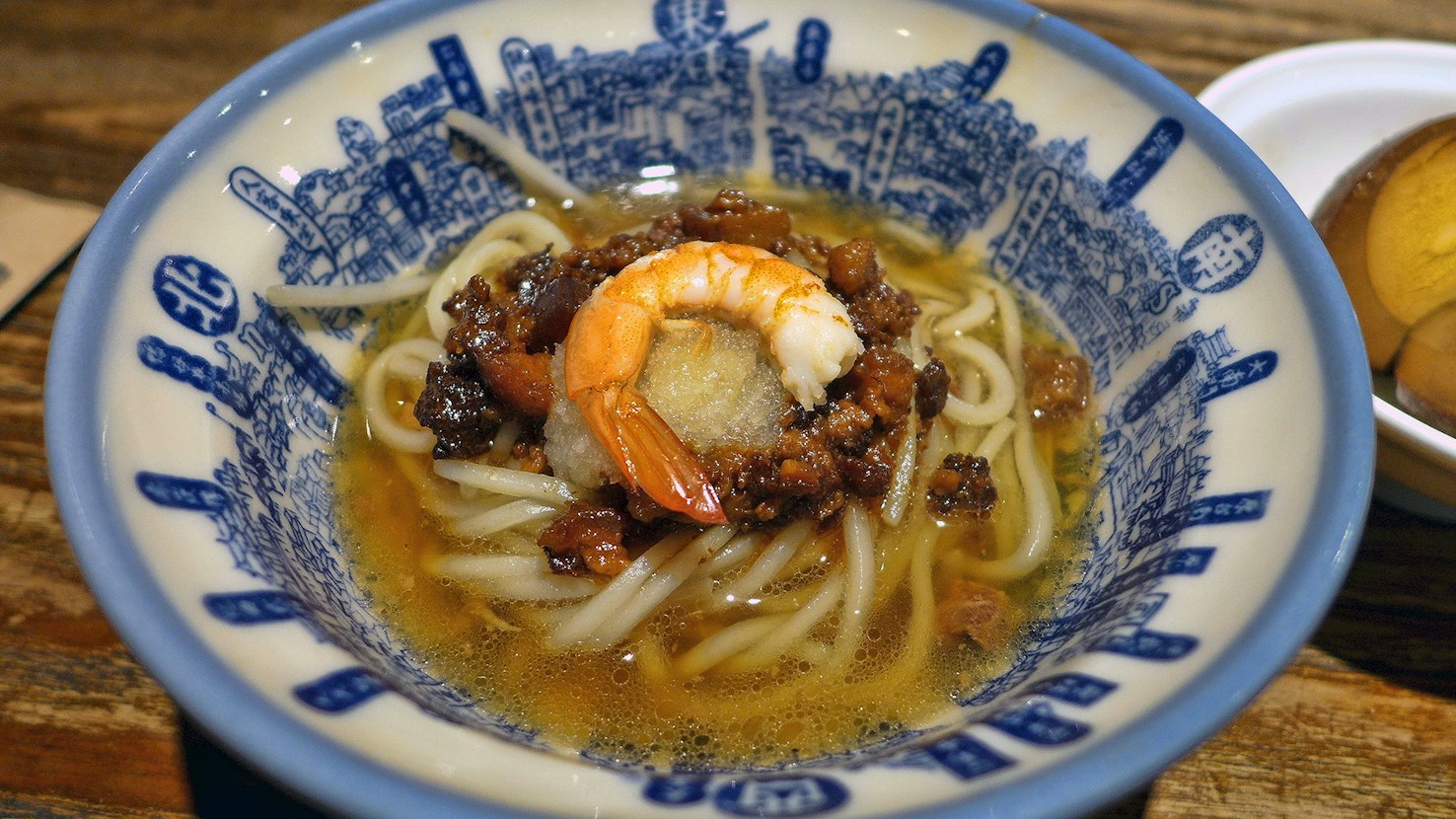
The primary ingredients of the soupy snack known as tà-á-mī noodles or danzi noodles are thick Chinese wheat noodles, shrimp-flavored broth, minced pork, pork sauce, and a single cooked shrimp that sits on the top. A few spices and the amount of ingredients added are kept a secret by vendors and restaurants, creating an air of mystery around the classic snack. Created in 1895 by a local fisherman as a means to earn a living in the off-season, the noodles were carried on shoulder poles on the streets of a small Taiwanese town, giving them the name tà-á-mī or shoulder polenoodles.
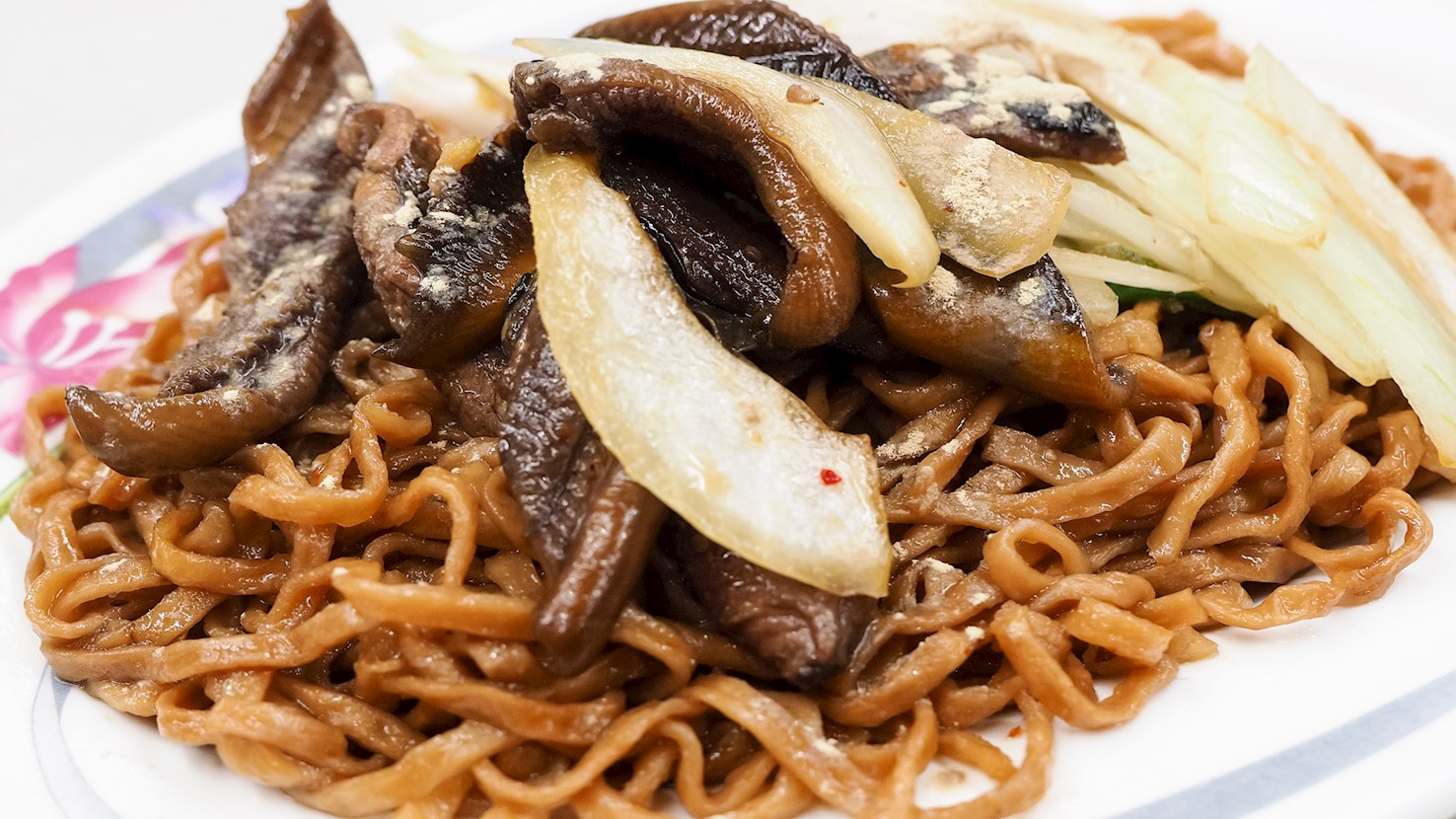
Siān-hî ì-mī is a Tainanese specialty consisting of crispy eel noodles combined with chewy egg noodles and served in a type of brown sauce or a thick soup. A classic street snack, this dish is usually prepared with stir-fried swamp eels or rice-field eels, seasoned with black rice vinegar and soy sauce before being added to a thick broth alongside egg noodles. Sweet and sour in flavor, the noodle broth is typically enhanced with wood ear mushrooms. In Taiwan, plates of eel noodles are a common sight at numerous Taiwanese night markets, local eateries, and high-end restaurants. Although the dish can be found throughout the country, it is most popular in the southern part of Taiwan.
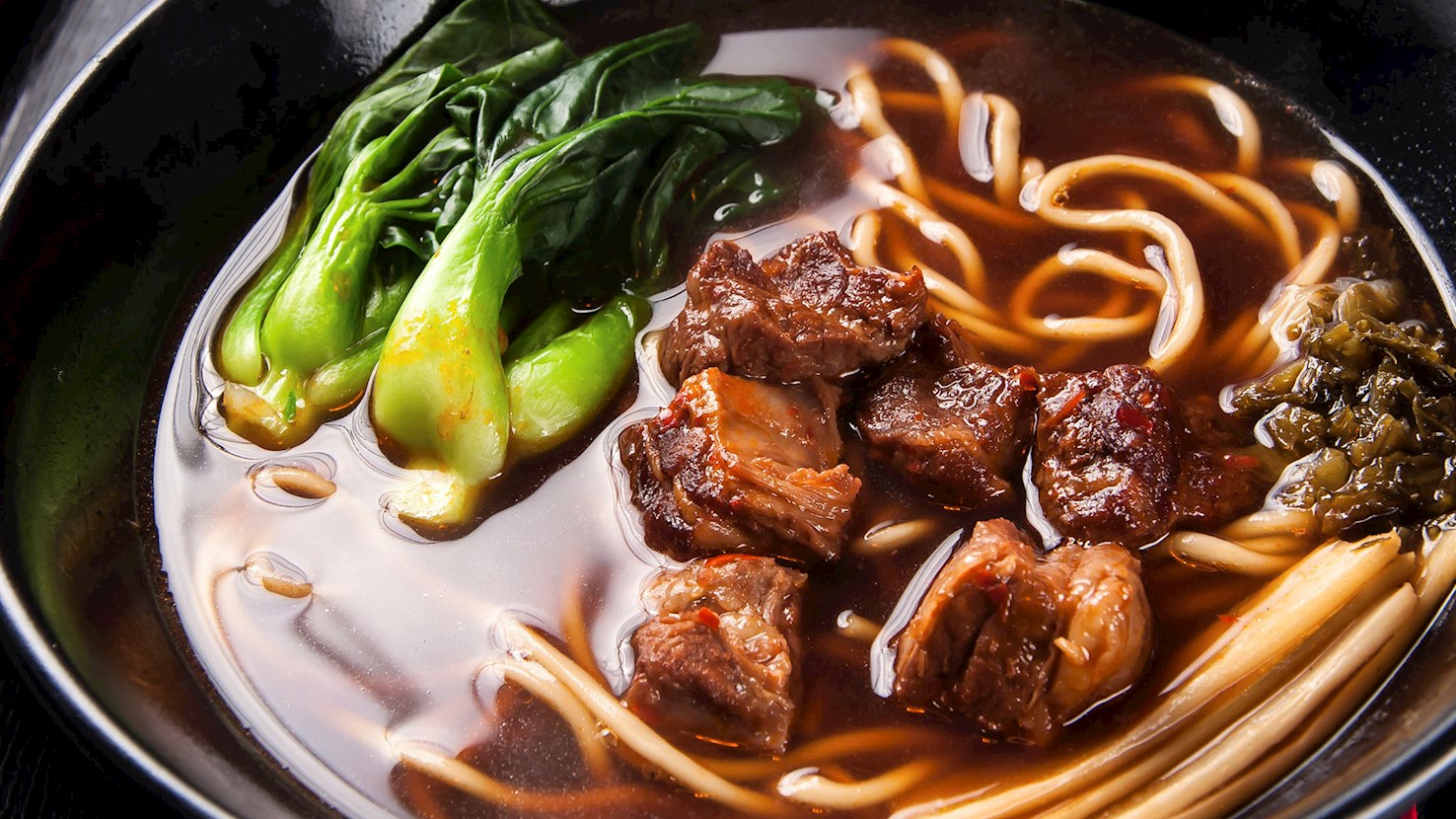
Braised beef noodle soup, is a well-known dish from China that has become especially prominent in Taiwan, where it is considered a staple of local food culture. It consists of wheat noodles served in a savory broth with chunks of soy sauce–braised beef, often accompanied by vegetables and pickled greens. The dish can be traced back to Chinese beef-braising techniques, particularly from Sichuan region where beef was more commonly eaten. When migrants brought these cooking styles to Taiwan in the mid-twentieth century, they adapted them to local tastes, creating the red-braised version that has since become a hallmark of Taiwanese street food and restaurant menus. Over time, regional variations emerged, with some emphasizing spiciness, others focusing on clear broth, and many blending influences from different parts of China to suit local preferences. Preparation begins with beef shank or brisket, which is cut into chunks and slowly braised with soy sauce, rice wine, ginger, garlic, star anise, and other aromatics until tender. The braising liquid is often combined with stock to form the base of the soup. Wheat noodles are cooked separately and placed in bowls, topped with the beef and broth, and sometimes garnished with blanched greens, scallions, and pickled mustard stems. The dish can be adjusted for depth and spice, with some versions adding chili bean paste or dried chilies to enhance heat and complexity. Today, braised beef noodle soup is eaten widely in both mainland China and Taiwan, with Taiwan in particular treating it as an everyday meal available in night markets, noodle shops, and restaurants ranging from casual to upscale. It is enjoyed at any time of day, from a quick lunch to a filling dinner.
TasteAtlas food rankings are based on the ratings of the TasteAtlas audience, with a series of mechanisms that recognize real users and that ignore bot,
nationalist or local patriotic ratings, and give additional value to the ratings of users that the system recognizes as knowledgeable.
For the “Top 5 Taiwanese Noodle Dishes” list until June 15, 2026, 213 ratings were recorded, of which 167 were recognized by the system as legitimate.
TasteAtlas Rankings should not be seen as the final global conclusion about food. Their purpose is to promote excellent local foods,
instill pride in traditional dishes, and arouse curiosity about dishes you haven’t tried.