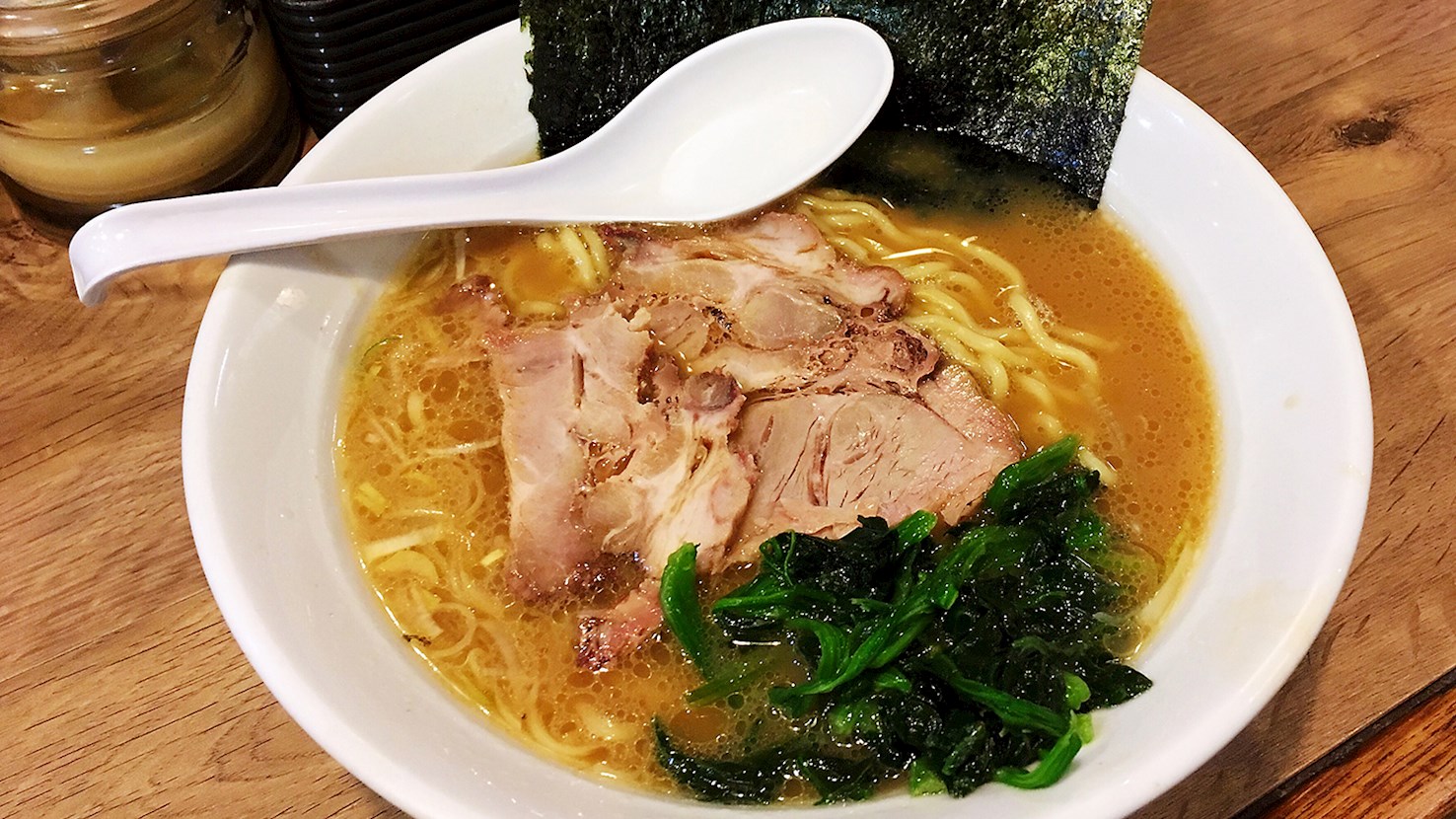
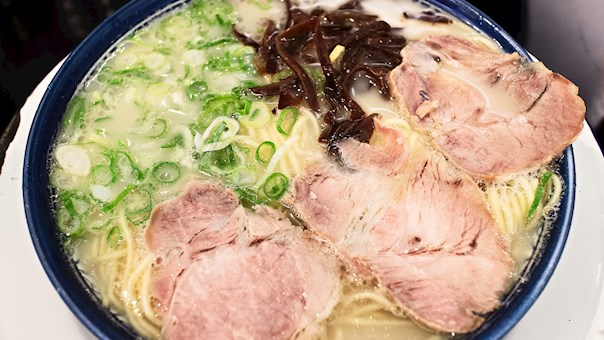
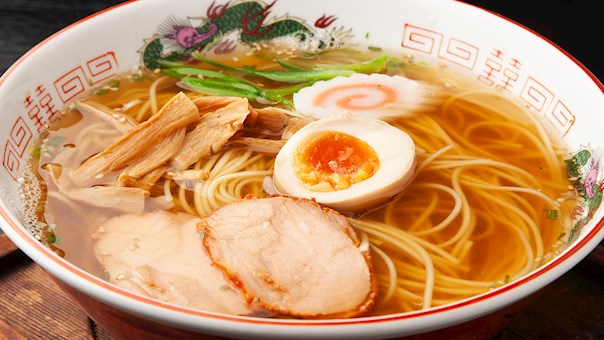
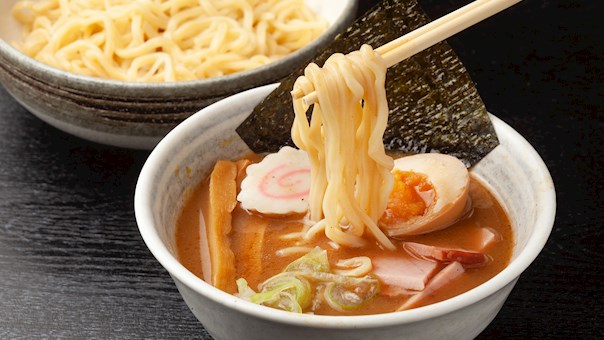
Yokohama-style ramen or iekei ramen is a Japanese type of ramen originating from the Yokohama area and dating back to 1974. The dish consists of thick noodles and a stock that's a mix of creamy tonkotsu (pork broth) and soy sauce. The toppings include chashu pork, chopped seaweed, leeks, and spinach. There are also optional toppings and condiments such as minced garlic, sesame, preserved vegetables, and black pepper. The name of the dish means home-style ramen, and it was created by a former truck driver called Mr. Yoshimura, who'd opened his own ramen shop in 1974.
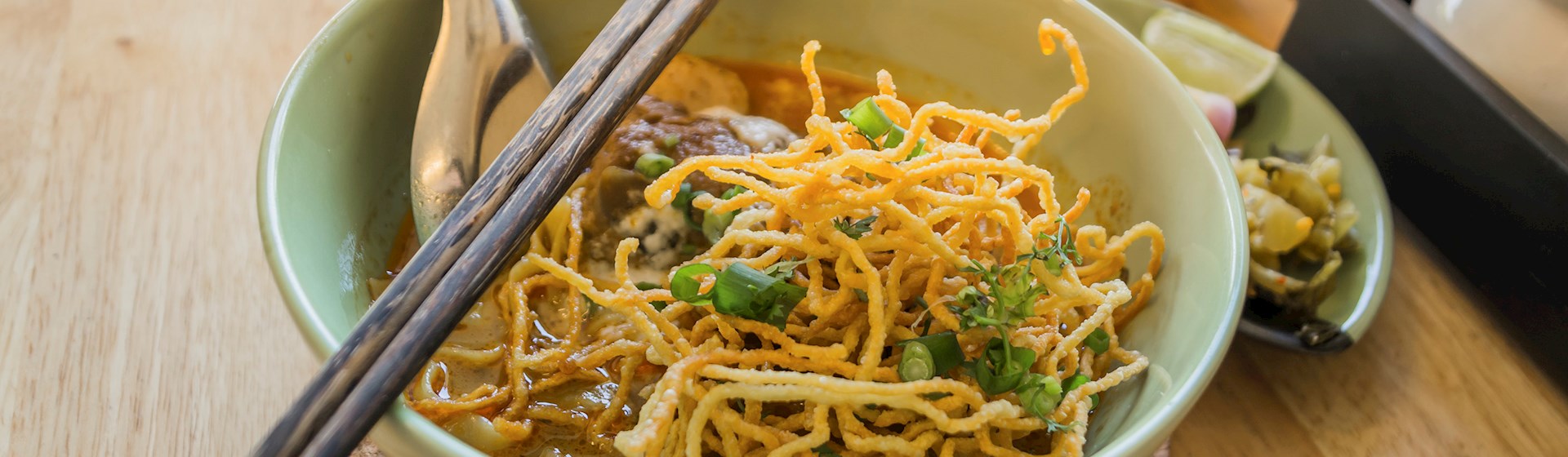
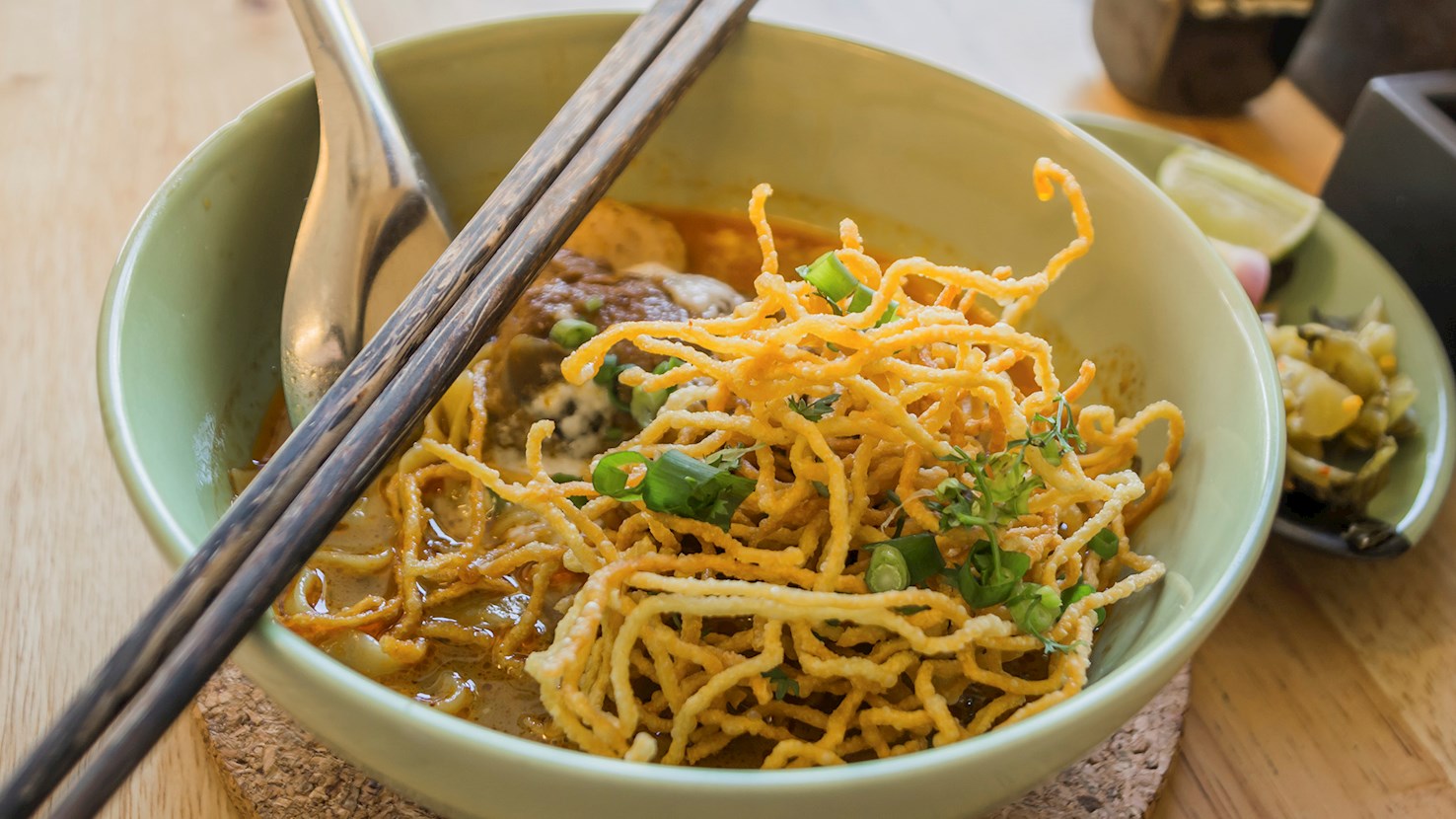
A signature dish of Northern Thailand, khao soi is a delicious coconut soup in which numerous regional influences were combined to create a truly spectacular dish. The base of the soup is a slightly spicy broth which combines coconut milk and red curry paste. The broth is served with flat egg noodles and a choice of meat, which usually includes chicken, beef, and pork. It is topped with a handful of crisp fried noodles and chopped cilantro. The dish is commonly served alongside a variety of condiments such as fresh lime, pickled cabbage, shallots, and chilis. Even though the dish originated in the north of the country, it is still not totally clear how and when this famous noodle soup was created. The most probable theory claims that khao soi is a fusion dish which originated under the influence of Chinese Muslims, traveling from the Yunnan region through Myanmar, Thailand, and Laos. It is also believed that the soup is a variety of an old Myanmarese coconut soup made with rice noodles, which were also primarily used in khao soi and were later replaced with the more traditional egg noodles. Regardless of its confusing origin, today this flavorful soup is a genuine product of Northern Thailand, found in numerous eateries and restaurants across the region, representing an irreplaceable dish among the locals and a favorite among the tourists. Khao soi is also popular in the neighboring Laos. However, the Lao version employs other ingredients and is somewhat different than the Thai counterpart.
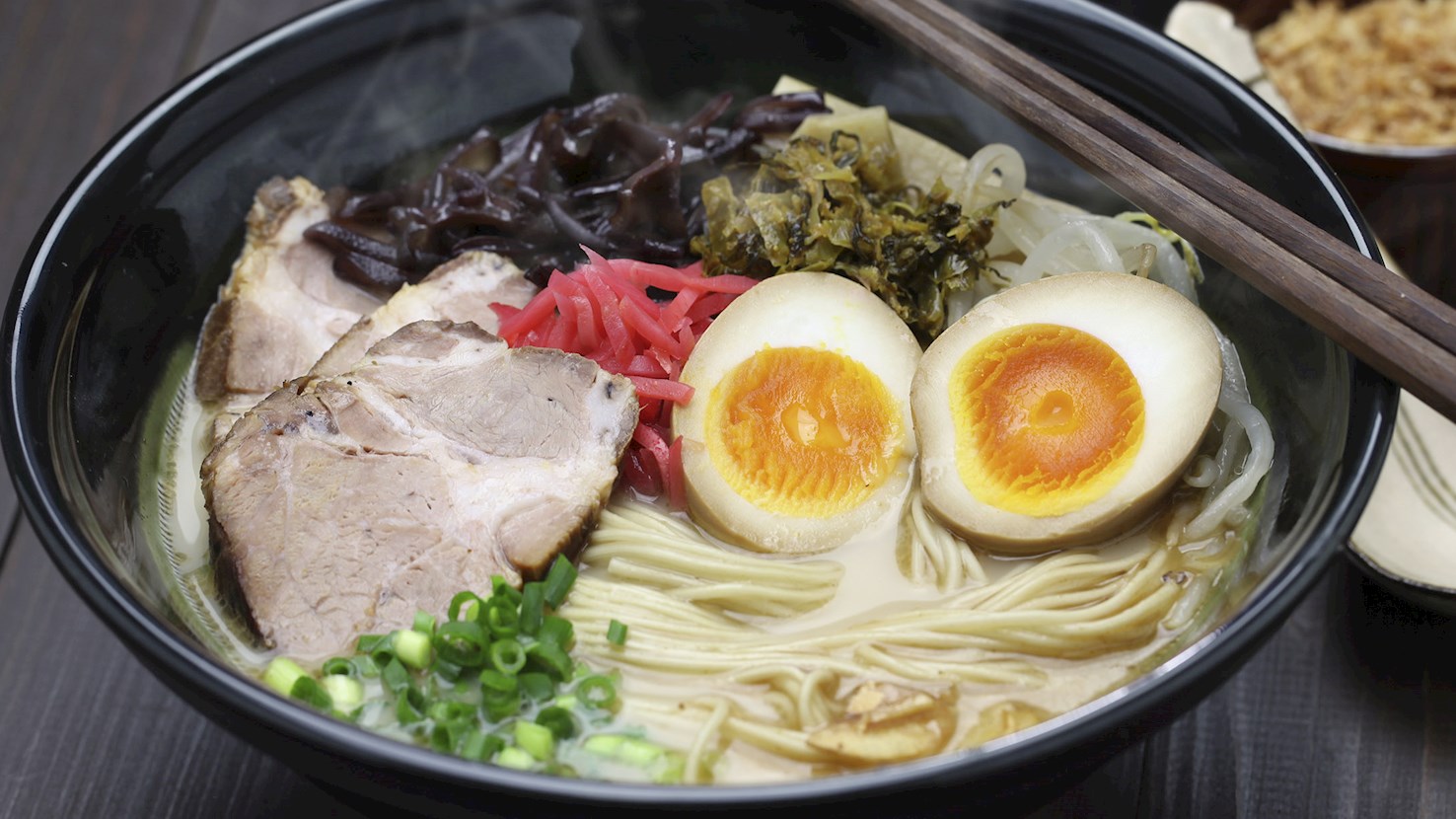
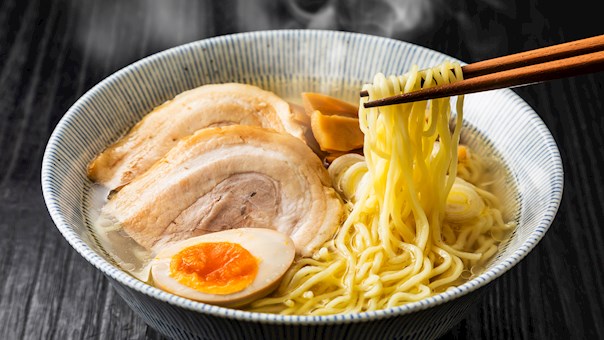
Tonkotsu is a unique style of ramen consisting of an extremely rich, fatty pork broth, fresh noodles, soft-yolk eggs, and tender pork belly that melts in the mouth. It is so popular and special that it could be a dish of its own, not just a ramen style. The ramen is usually topped with scallions for brightness and vibrancy, bamboo shoots for a crunchy, nutty flavor, nori seaweed for crispness, and sweet corn for an even better flavor. The rich broth is developed by cooking the pork bones for a very long time, until the collagen and fat dissolve, resulting in a unique, creamy texture of the dish. In recent years, it has been quite trendy to add some mayu (burnt sesame or garlic oil) to the dish, giving it an even richer, bolder flavor.
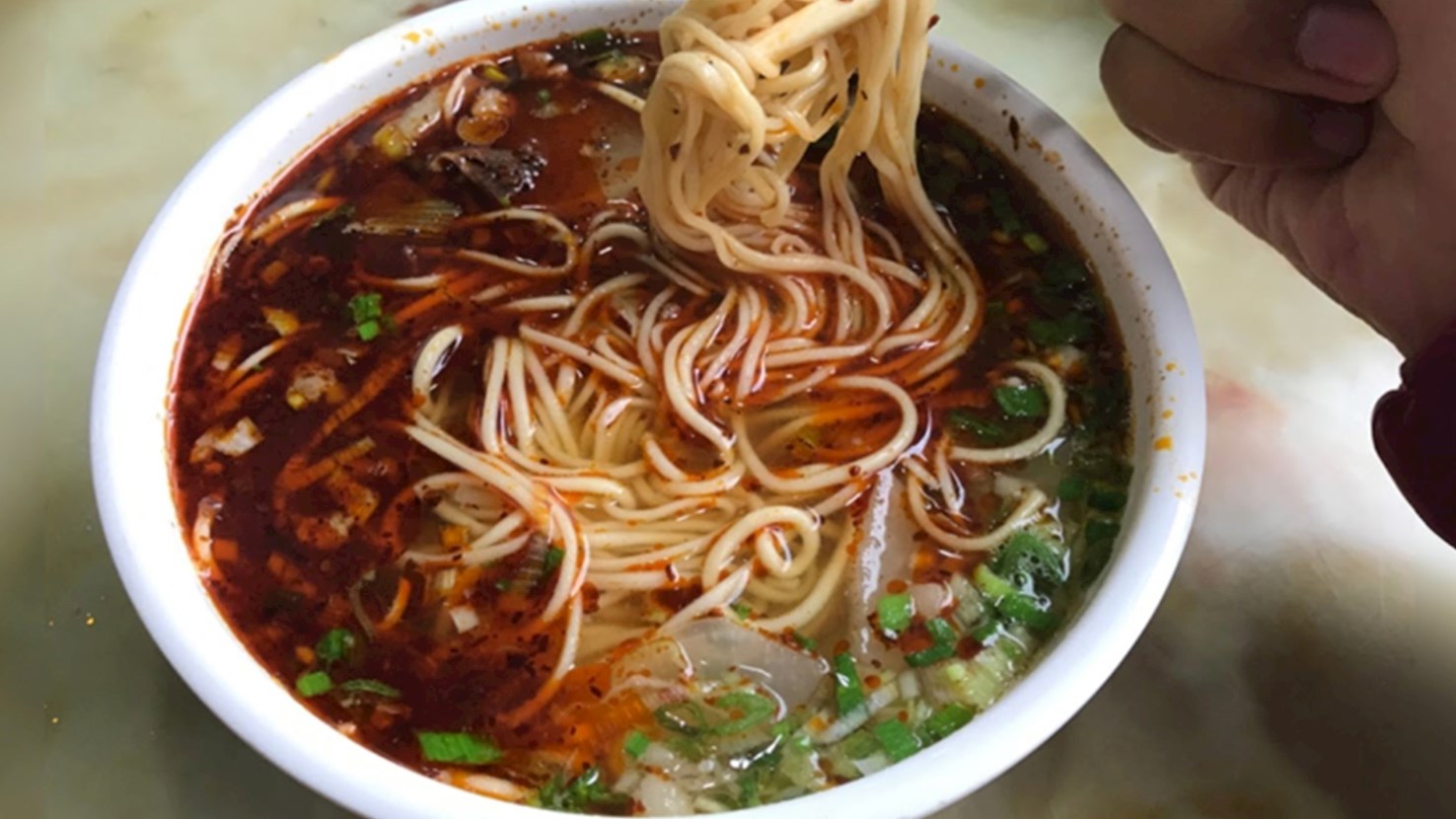
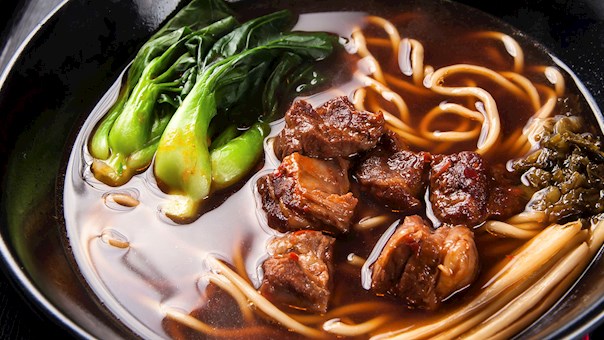
Lanzhou lamian is a Chinese noodle dish known for its hand-pulled noodles, originating from Lanzhou. "Lamian" translates to "pulled noodles", as the dough is stretched and folded repeatedly by hand to create long, thin noodles with a perfect chewy texture. This technique not only aligns the gluten but also enhances the texture of the noodles. The resulting noodles are cooked in a rich beef broth that is clear and flavorful, without the use of soy sauce, allowing the natural flavors of the ingredients to shine through. Lanzhou lamian is often served with thinly sliced beef and various toppings, and is traditionally garnished with fresh cilantro, chili oil, and slices of white radish, adhering to a visual principle of the "five colors": clear broth, white radish, green cilantro, red chili oil, and yellow noodles. This dish has gained immense popularity across China and is often recognized as one of the country's top noodle dishes. The origins of Lanzhou lamian date back to the Tang Dynasty, with its modern form believed to have been popularized in the early 19th century by a Hui Muslim vendor named Ma Baozi. Today, it is commonly found in numerous noodle shops throughout China, particularly those owned by Hui families who serve halal food.
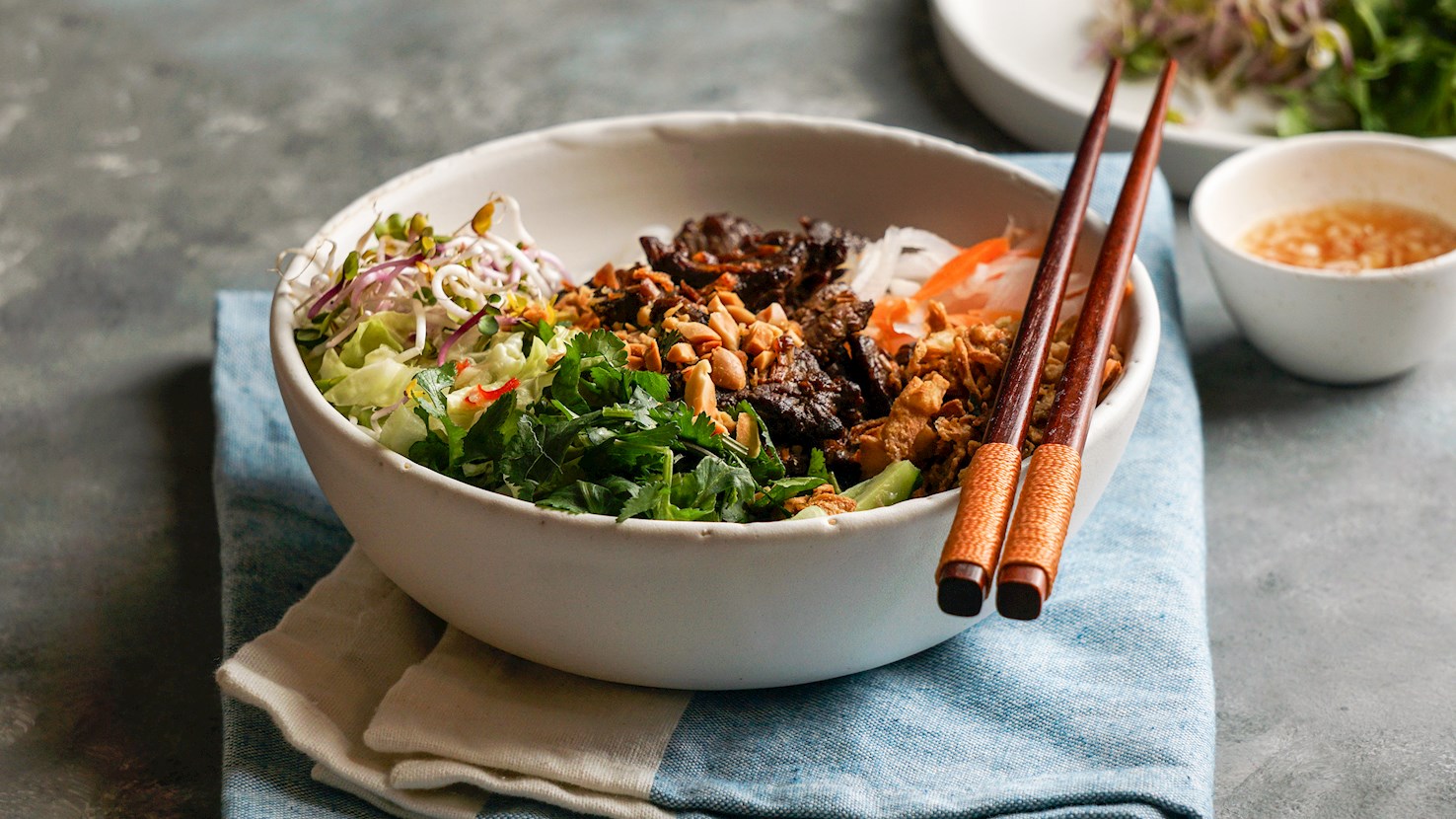
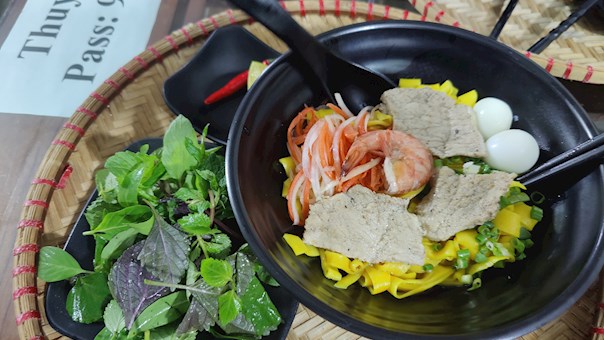
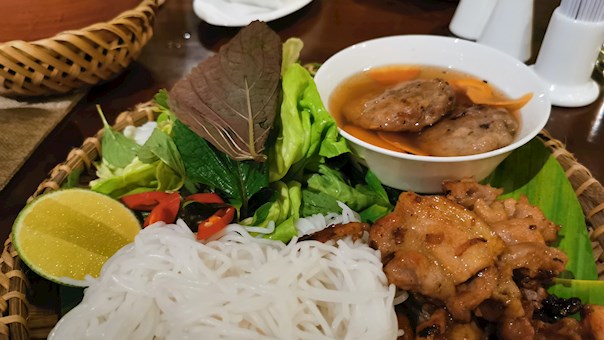
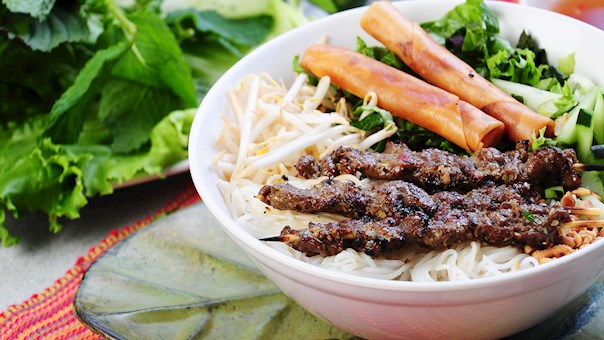
Bun bo nam bo is a traditional dish. The name holds a key to its basic ingredients and the location – bun means noodle, bo is for beef, and nam bo refers to the South of the country. The main ingredients include beef, rice vermicelli noodles, garlic, fresh herbs (cilantro, mint), and vegetables (carrots, cucumbers, lettuce, bean sprouts), while roasted peanuts and fried shallots are entirely optional. The noodles, vegetables, and herbs are arranged in bowls, while the beef is stir-fried and added on top. The whole bowl is garnished with peanuts and shallots before the dish is served.
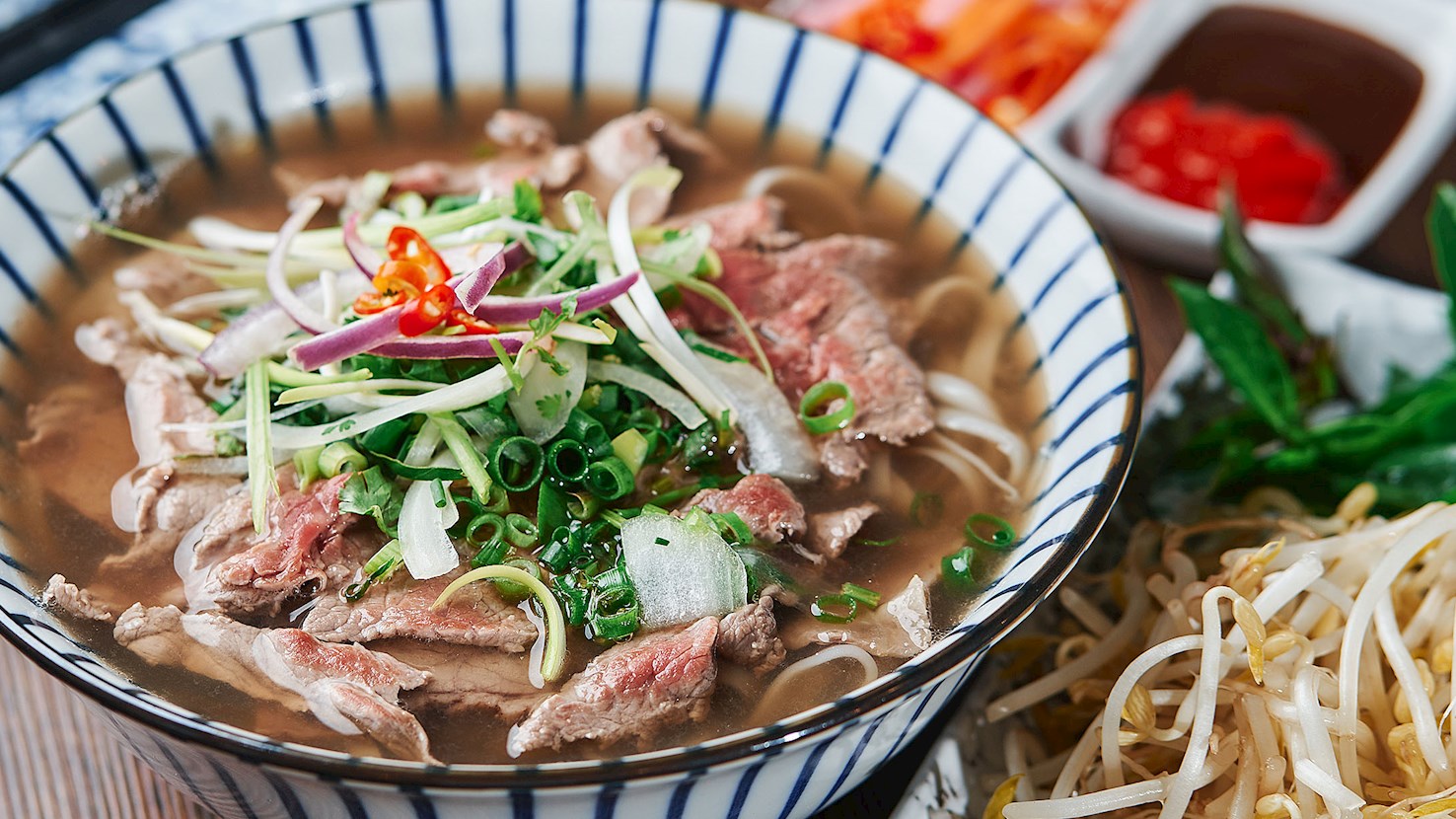
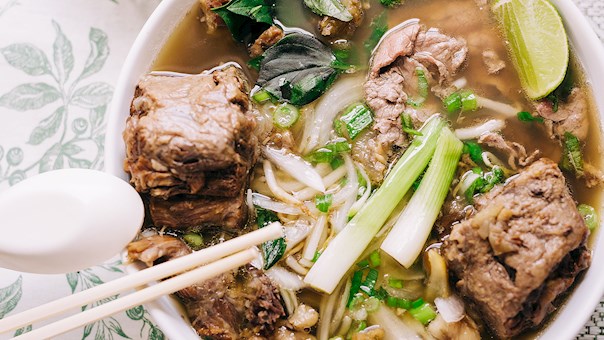
This beef-based version of pho is prepared with assorted cuts and parts of beef – the stock is made from beef bones, shank, ox tail, and neck, while the toppings include thinly sliced fatty brisket (gầu), flank, eye-round steak, tripe, cooked and raw beef (tái nạm), tendon (gân), or beef balls (phở bò viên), but the latter version is not that popular in Vietnam. Beef pho is usually flavored with dried spices such as cinnamon, star anise, cloves, cardamom, and coriander. The dish is served piping hot in a bowl along with rice noodles, and it's typically topped with cilantro, sliced onions, and chopped green onions. On the side, you can often find a platter with bean sprouts, lime wedges, and sliced hot peppers so each person can add the garnishes to his or her liking. Hoisin and Sriracha sauces are also often-seen staples on the side.
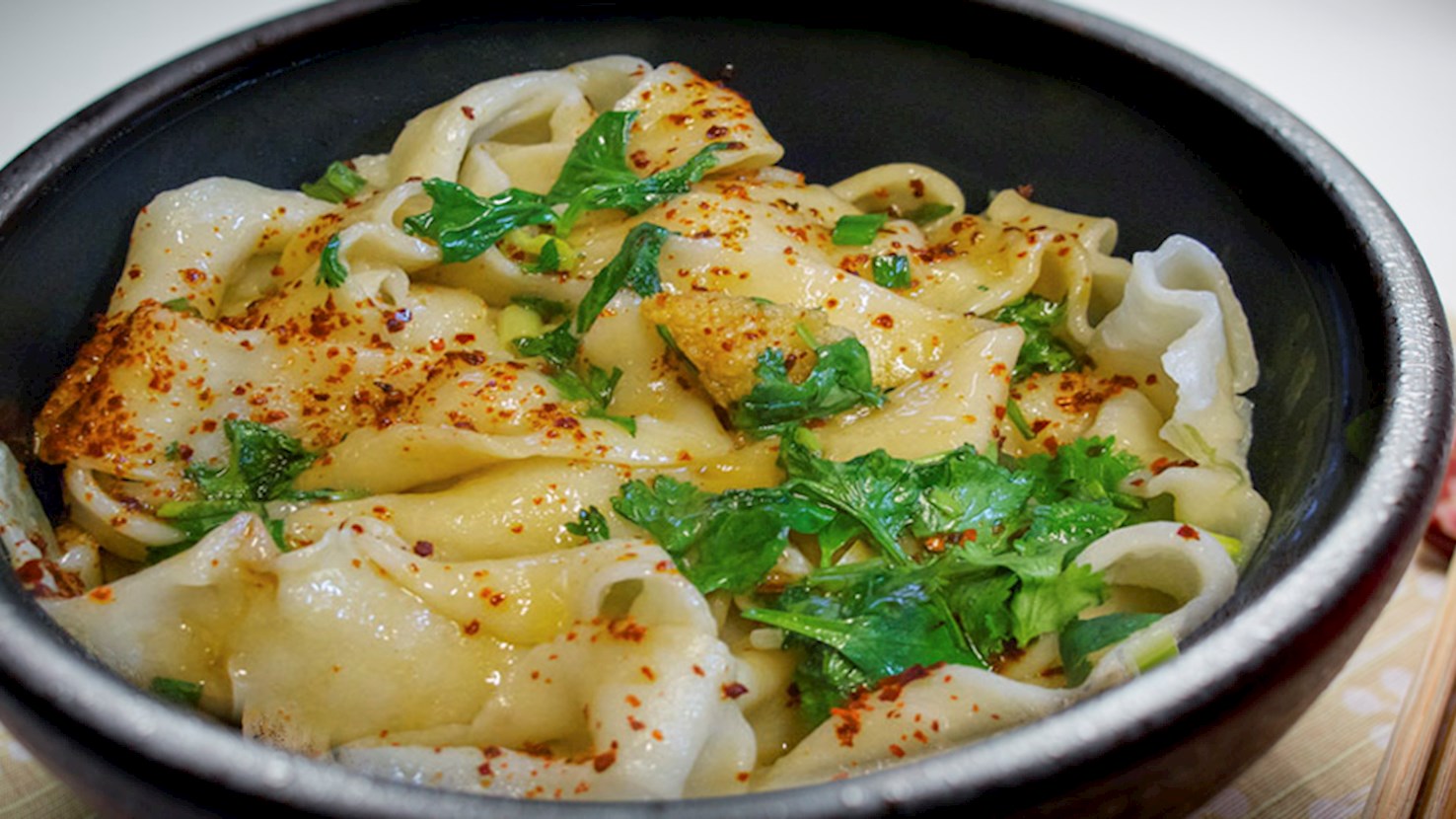
Biáng biáng noodles are a type of hand-pulled noodle from Shaanxi province, famous for their extra-wide, belt-like shape and chewy texture. They are a staple of Xi’an, the provincial capital, and are often regarded as one of the defining foods of the region’s wheat-based cuisine. Their name is also tied to a unique Chinese character, considered one of the most complex in the written language, which has become as much a symbol of the dish as the noodles themselves. The development of biáng biáng noodles reflects the reliance on wheat in northern and northwestern China, where wheat replaced rice as the dominant staple due to climate and geography. Over centuries, cooks refined methods of hand-pulling dough to achieve noodles of various shapes and textures, from thin strands to thick ribbons. In Shaanxi, this process was adapted to create exceptionally wide noodles, hearty enough to serve as a full meal on their own. The association with the character “biáng,” which does not appear in standard dictionaries, further linked the dish to regional culture, adding an element of identity and pride for locals. Making the noodles involves a straightforward but skillful process. Wheat flour dough is kneaded until elastic, rested, and then pulled into long strips. Each strip is slapped against a counter to stretch it, creating wide, flat ribbons. These are boiled quickly in water until just cooked, producing a chewy yet tender texture. Once drained, the noodles are placed in a bowl and topped with garlic, chili flakes, scallions, and sometimes vegetables or bits of meat. Very hot oil is then poured over these seasonings, releasing their aroma and forming a sauce that coats the noodles. In some versions, vinegar and soy sauce are added for balance, or additional toppings like braised beef, lamb, or eggs are included. Biáng biáng noodles are eaten widely in Shaanxi, especially in Xi’an, where they are sold in street stalls, small noodle shops, and larger restaurants. They are served as a complete meal, often accompanied by light broths or pickled vegetables. Beyond China, they have gained attention in restaurants specializing in regional Chinese cooking, where their distinctive appearance and flavor showcase the diversity of China’s noodle traditions.
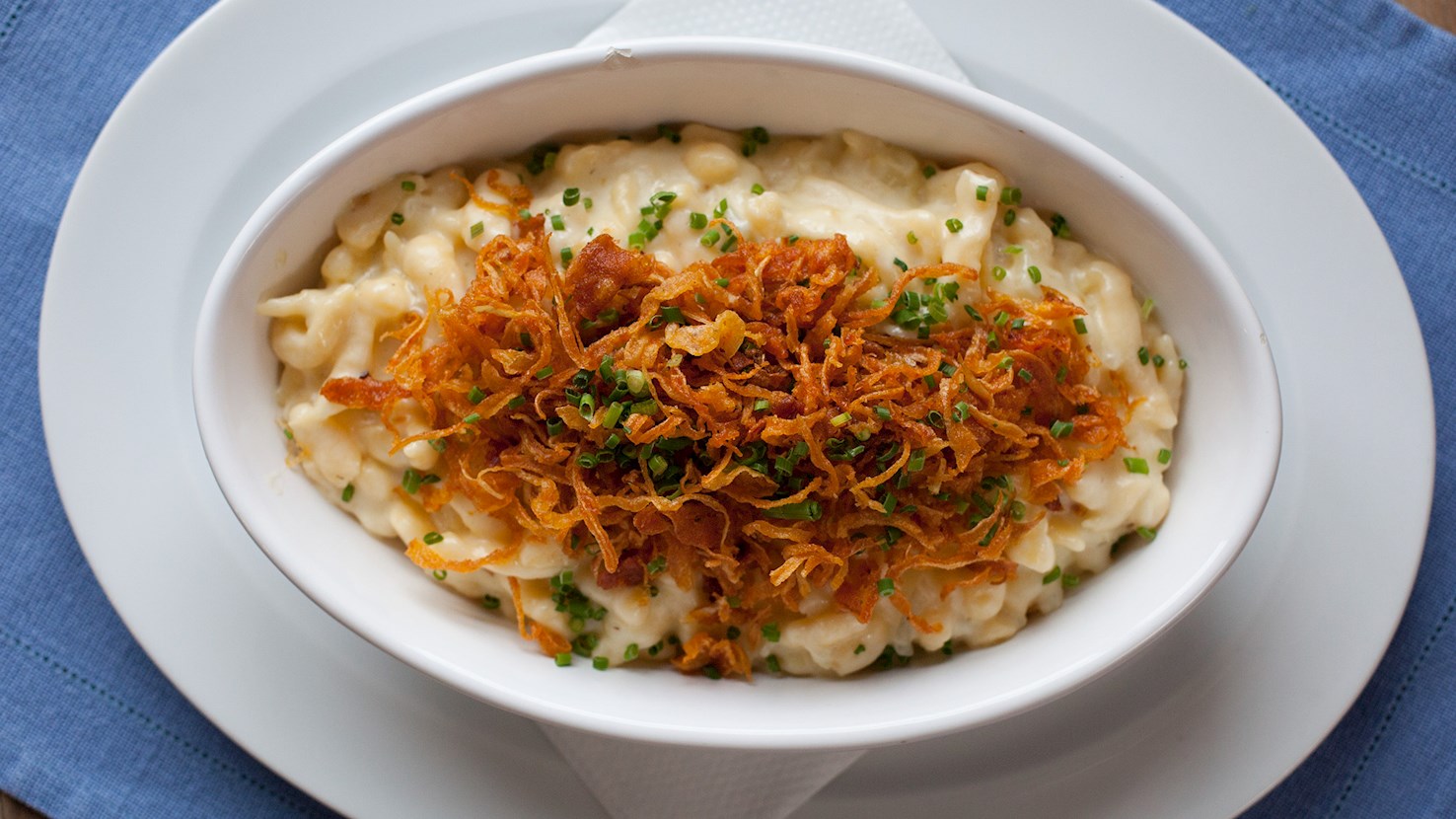
Kasspatzln is a traditional cheese-based dish in several regions of Austria, Germany, Liechtenstein, and Switzerland. Most notably a favorite in the western Austrian state of Tyrol, this variety of kasspatzln uses strong-flavored local cheese varieties such as Bergkäse or Graukäse. The recipe is simple - a soft and slightly runny dough is gently pressed onto a special grater (spätzlehobel), creating small noodle shapes that are boiled until firm. The noodles are then mixed with sautéed onions, followed by generous heaps of grated cheese. The mixture is left to cook until the cheese has completely melted, and it is then garnished with chopped parsley and fried onion rings. Depending on the location, the dish can be accompanied by fresh green salads, potato salad, or applesauce on the side.
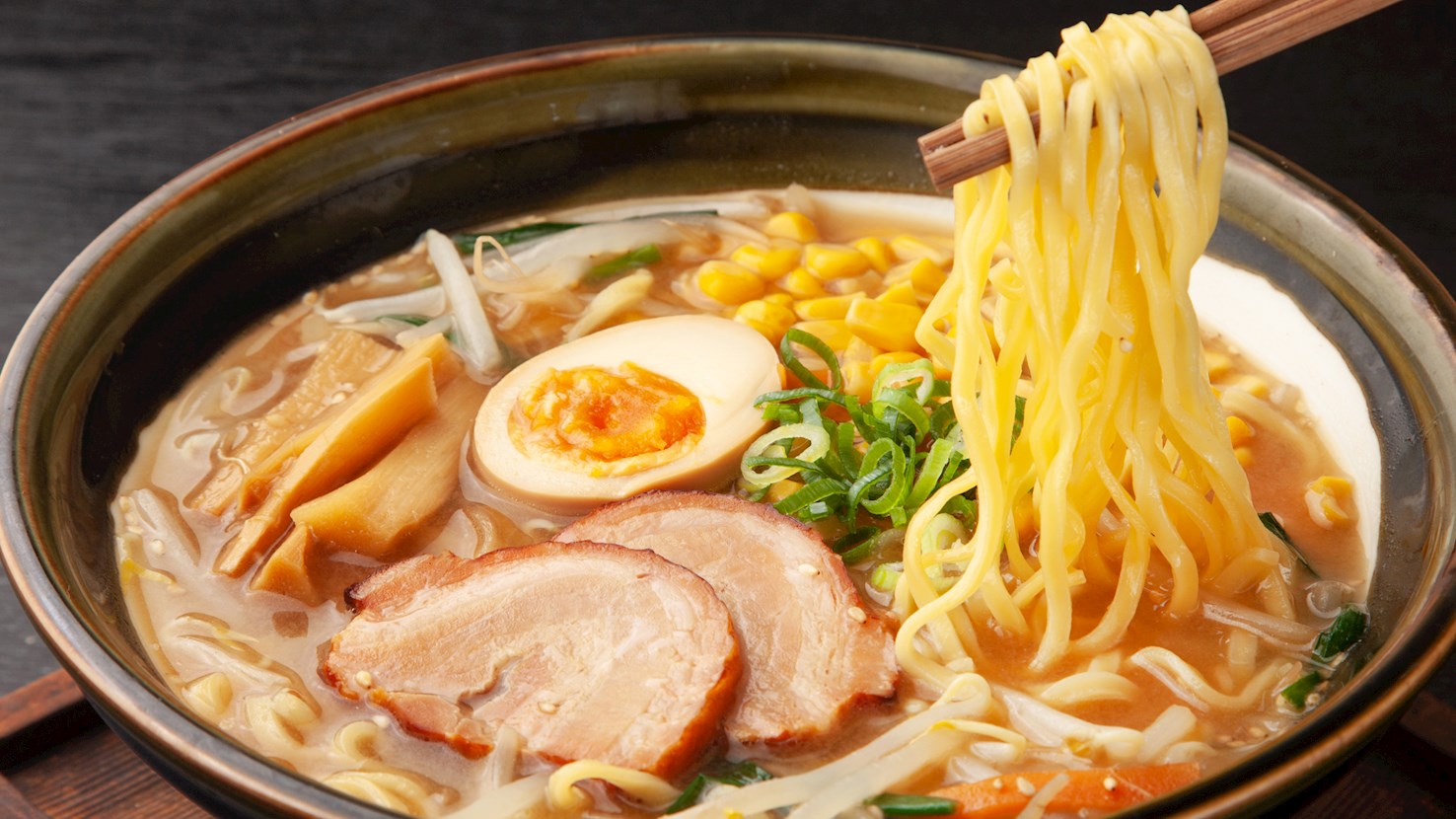
Miso ramen is a flavorful dish made by cooking the miso base, broth, and vegetables in a wok. The concoction is then topped with bean sprouts, chopped pork, garlic, sweet corn, and (sometimes) local seafood such as crabs, scallops, and squids. The dish was invented in 1955 in Sapporo, when a customer in Aji no Sanpei noodle house asked the chef to put noodles in his pork and miso soup. In the 1960s, miso ramen's popularity had skyrocketed, and Sapporo still remains a paradise for ramen lovers, taking pride in its Ramen Alley, with over a dozen ramen shops scattered through the street.
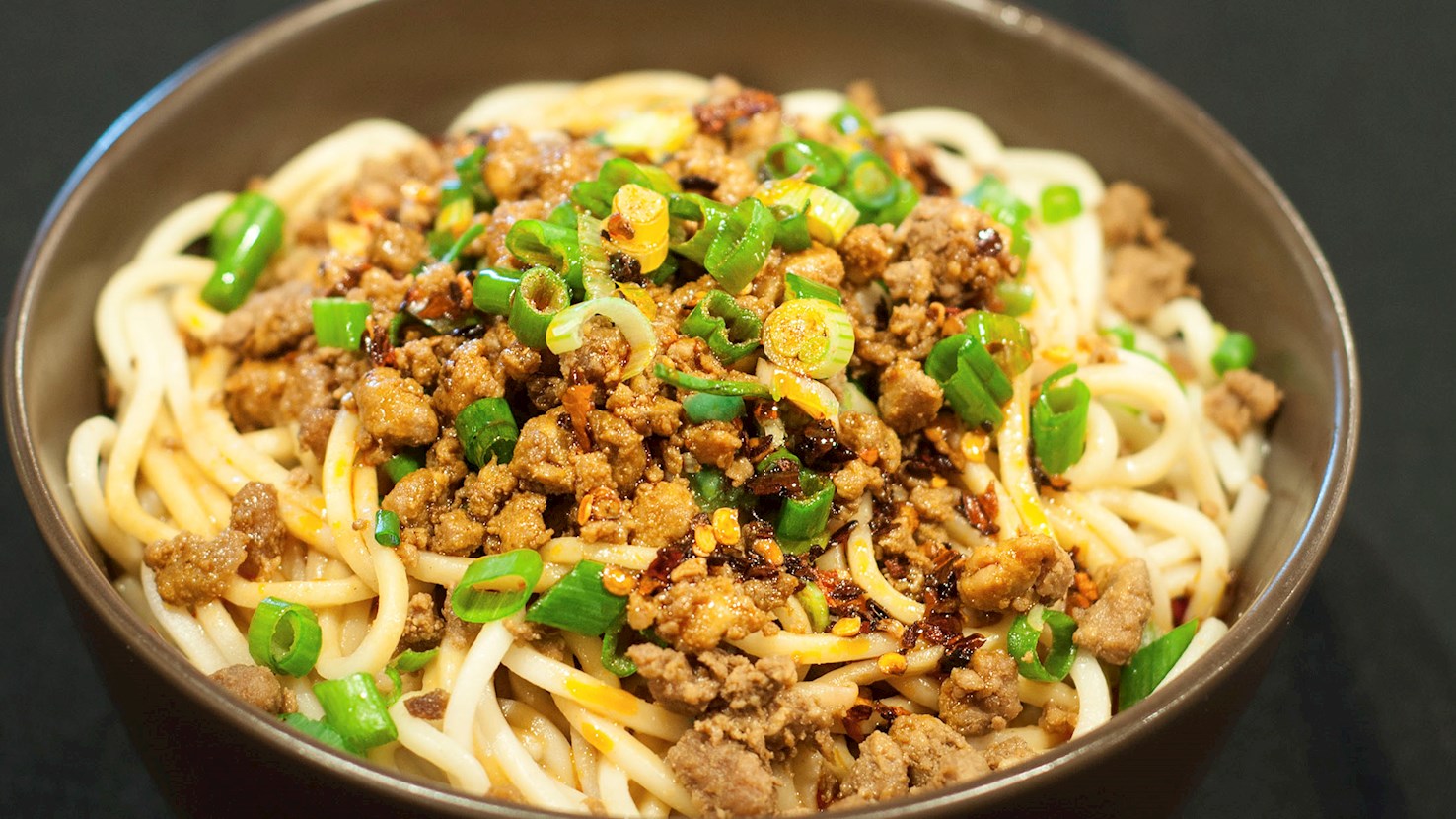
Traditional dan dan noodles are a true classic of Chinese cuisine. The star of the dish is a spicy sauce served with the noodles. Made with chili oil, preserved vegetables, Sichuan peppercorn, and sometimes sesame or peanut paste, the sauce bursts with heat and complex flavors. The meat, most commonly minced pork or beef, is also commonly included, but mainly acts as a garnish. In China, the varieties differ only slightly, but worldwide the traditional dan dan noodles have been adjusted to the more gentle western palate and use significantly fewer spices. The dish originated in the Sichuan province, and it is still one of the most common dishes in the area. The name itself comes from the way the noodles were initially offered to the Sichuan citizens and refers to the bamboo pole carried on the shoulders, which was used to transport the dish through the city streets. Today, the dish is usually served in restaurants, but is still equally attractive and retains the original flavors. Whether they are eaten hot or cold, dan dan noodles are usually served in smaller portions, as an appetizer, the main dish, and sometimes even as an accompaniment. Typical garnishes include sliced scallions, chopped peanuts, or sesame seeds.
TasteAtlas food rankings are based on the ratings of the TasteAtlas audience, with a series of mechanisms that recognize real users and that ignore bot,
nationalist or local patriotic ratings, and give additional value to the ratings of users that the system recognizes as knowledgeable.
For the “Top 100 Noodle Dishes in the World” list until April 15, 2026, 15,554 ratings were recorded, of which 11,978 were recognized by the system as legitimate.
TasteAtlas Rankings should not be seen as the final global conclusion about food. Their purpose is to promote excellent local foods,
instill pride in traditional dishes, and arouse curiosity about dishes you haven’t tried.