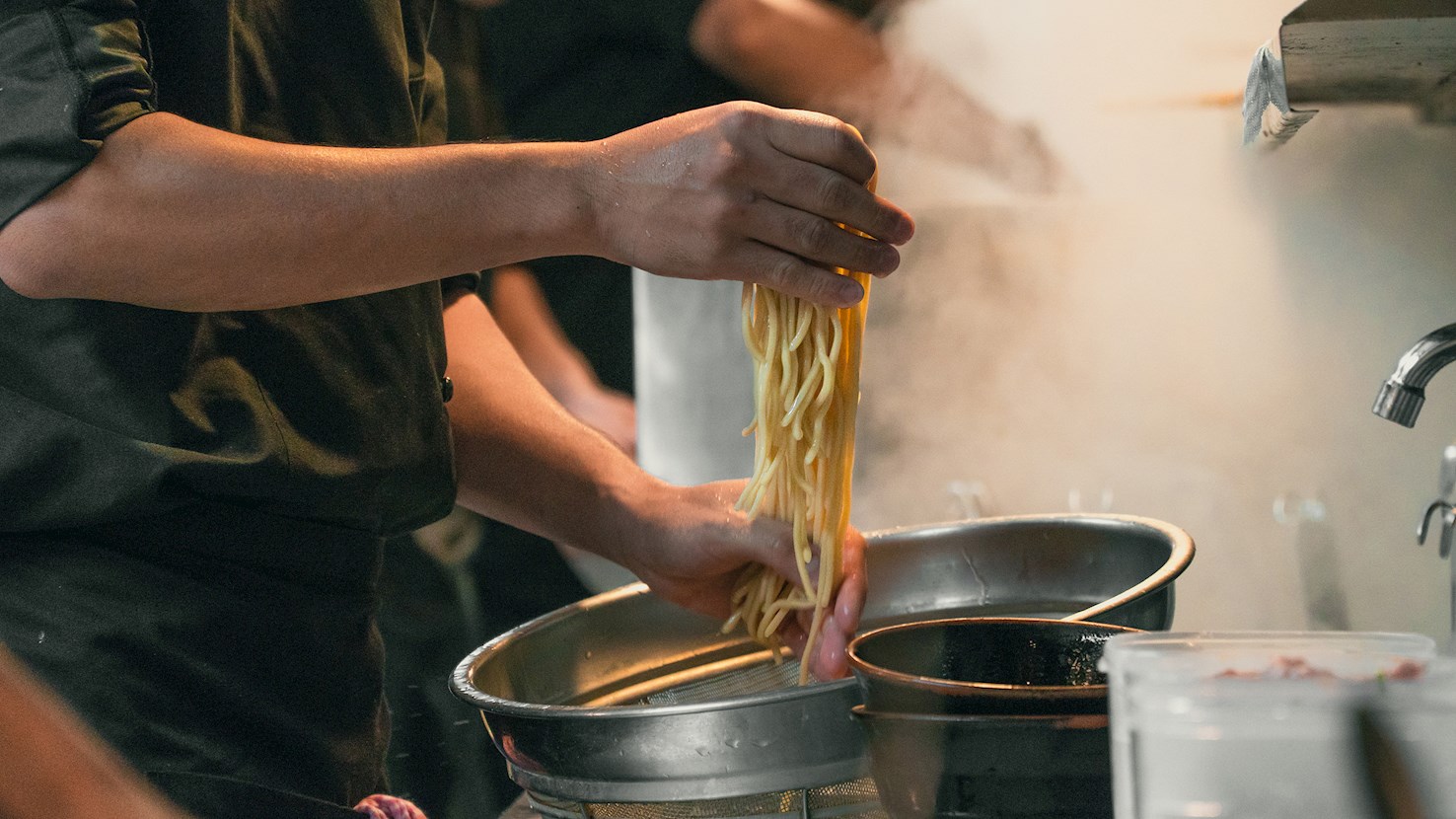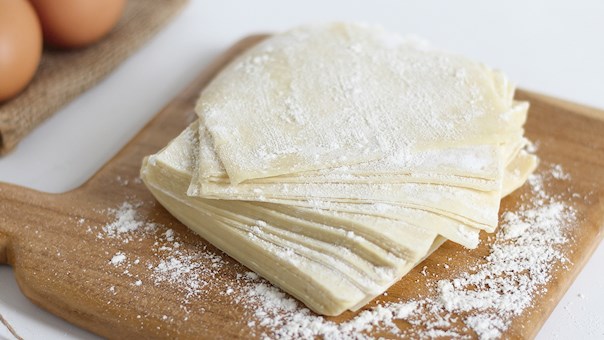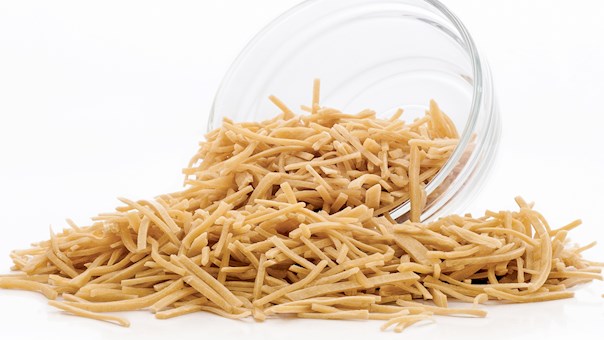
Ramen are traditional Japanese noodles used in dishes such as tonkotsu ramen, curry ramen, shio ramen, and miso ramen, among others. The noodles are based on wheat flour, water, salt, and alkaline water known as kansui, which gives ramen its distinctive slippery and glossy quality. Prior to rolling, the dough for ramen noodles should slightly rise. The texture of ramen noodles is firm, and they're pale yellow in color. Once prepared, they are traditionally served in a broth, whether clear or milky, thick or light. These noodles were imported from China during the Meiji period, and it is believed that in 1910 a Chinese restaurant in Yokohama first started serving the noodles in a dish called lamian. Nowadays, ramen noodles come in a wide array of thicknesses, lengths, shapes, and styles.
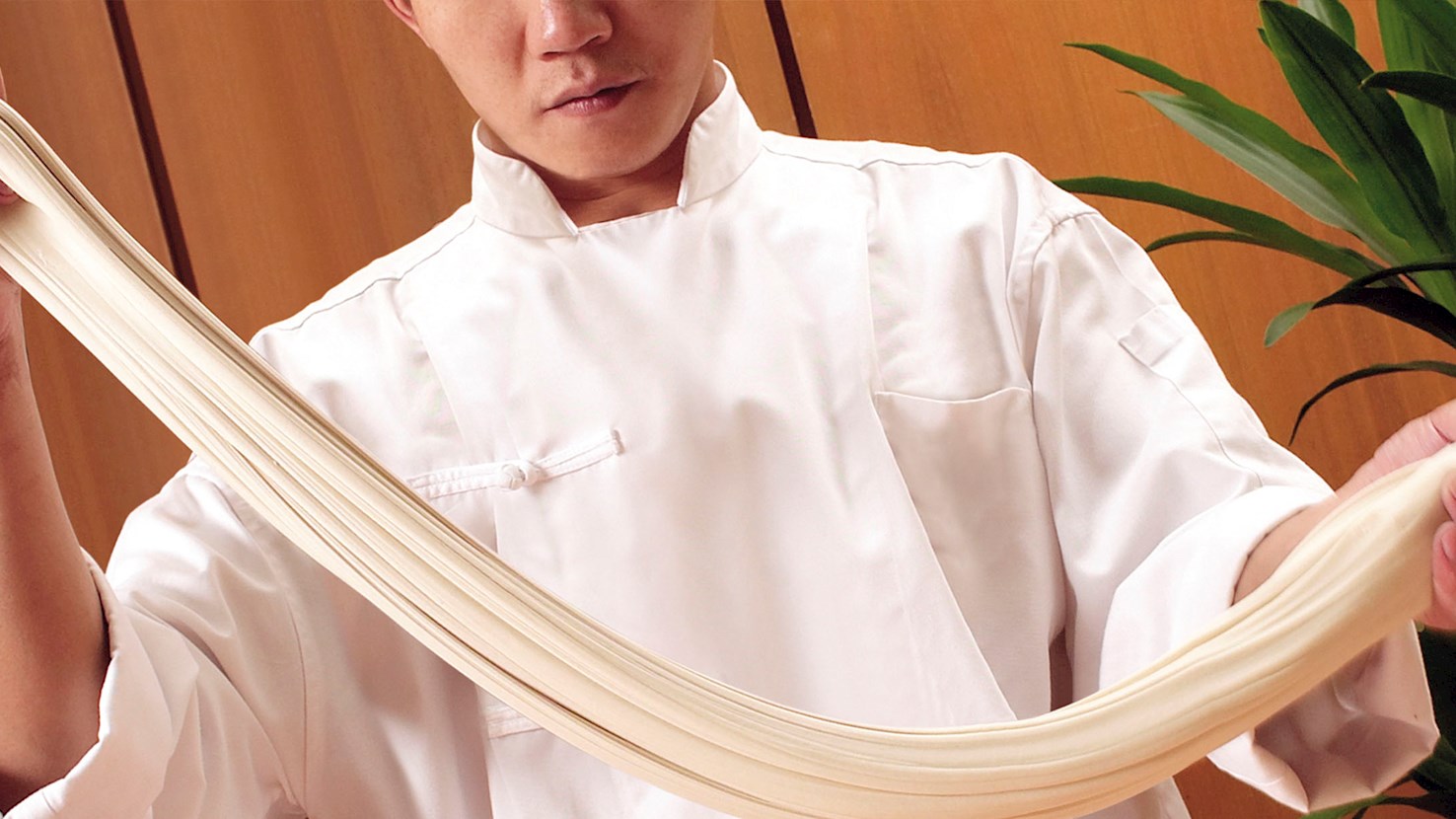
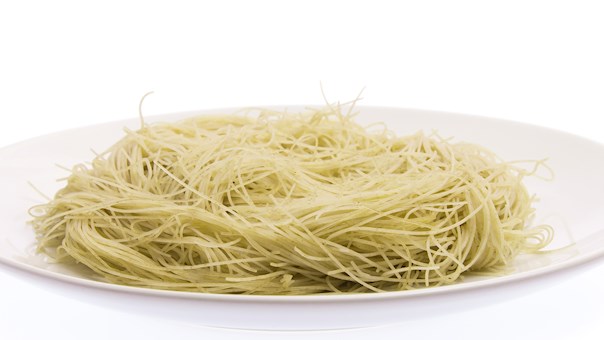
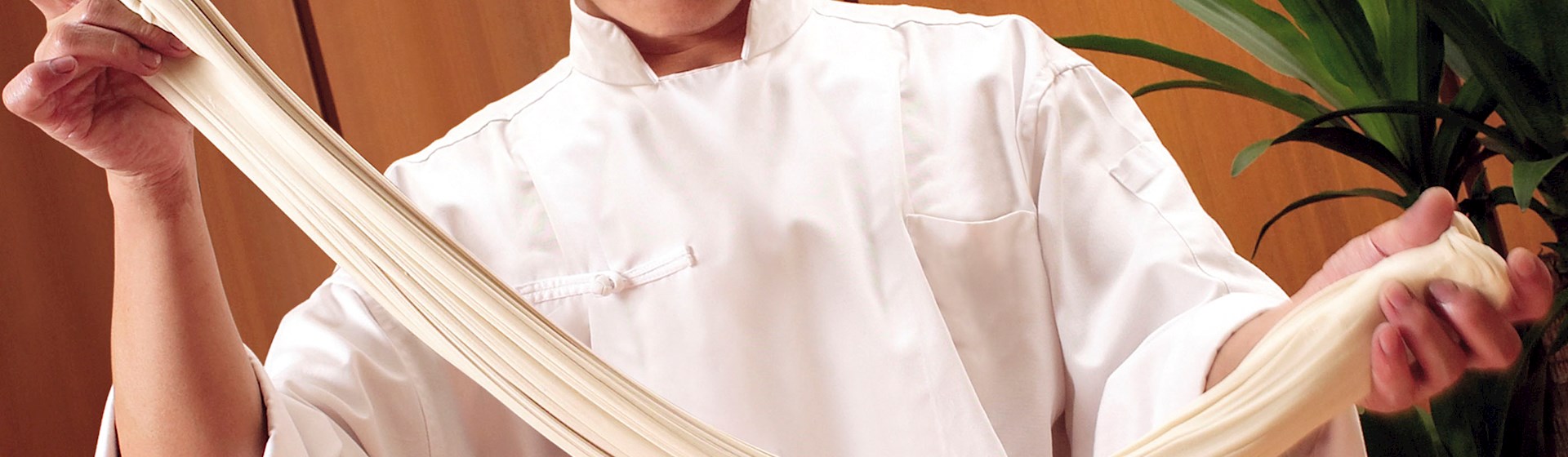
Hand-pulled lamian noodles are one of the cornerstones of traditional Chinese cuisine, and they probably originated in Northern China where wheat has known to be a staple crop for thousands of years. However, the earliest written record describing the unique method of making these noodles was found in a 1504 book Songshi Yangsheng Bu, written by Song Xu. Interestingly, lamian noodles can be stretched into strings that are more than a meter long, and they are traditionally served for the Lunar New Year celebrations as their length symbolizes prosperity and long life. Lamian noodles are widely used in numerous stir-fry dishes and soups, especially those made with beef or mutton. In fact, one of the most popular lamian dishes and the city of Lanzhou's favorite meal is the hearty niu rou mian soup: noodles in a light beef broth, usually flavored with la jiao jiang (lit. hot chili oil). And while beef noodles are a typical food of the Hui people, a Muslim minority traditionally preparing only halāl dishes, another common lamian variety is the spicy zhajiangmian - noodles topped with ground pork and stir-fried with a fermented soybean paste called zhajiand. For a light summer meal, lamian noodles can also be stir-fried and served cold in numerous shredded vegetable salads, and just like with other types of pasta, the variations are endless.
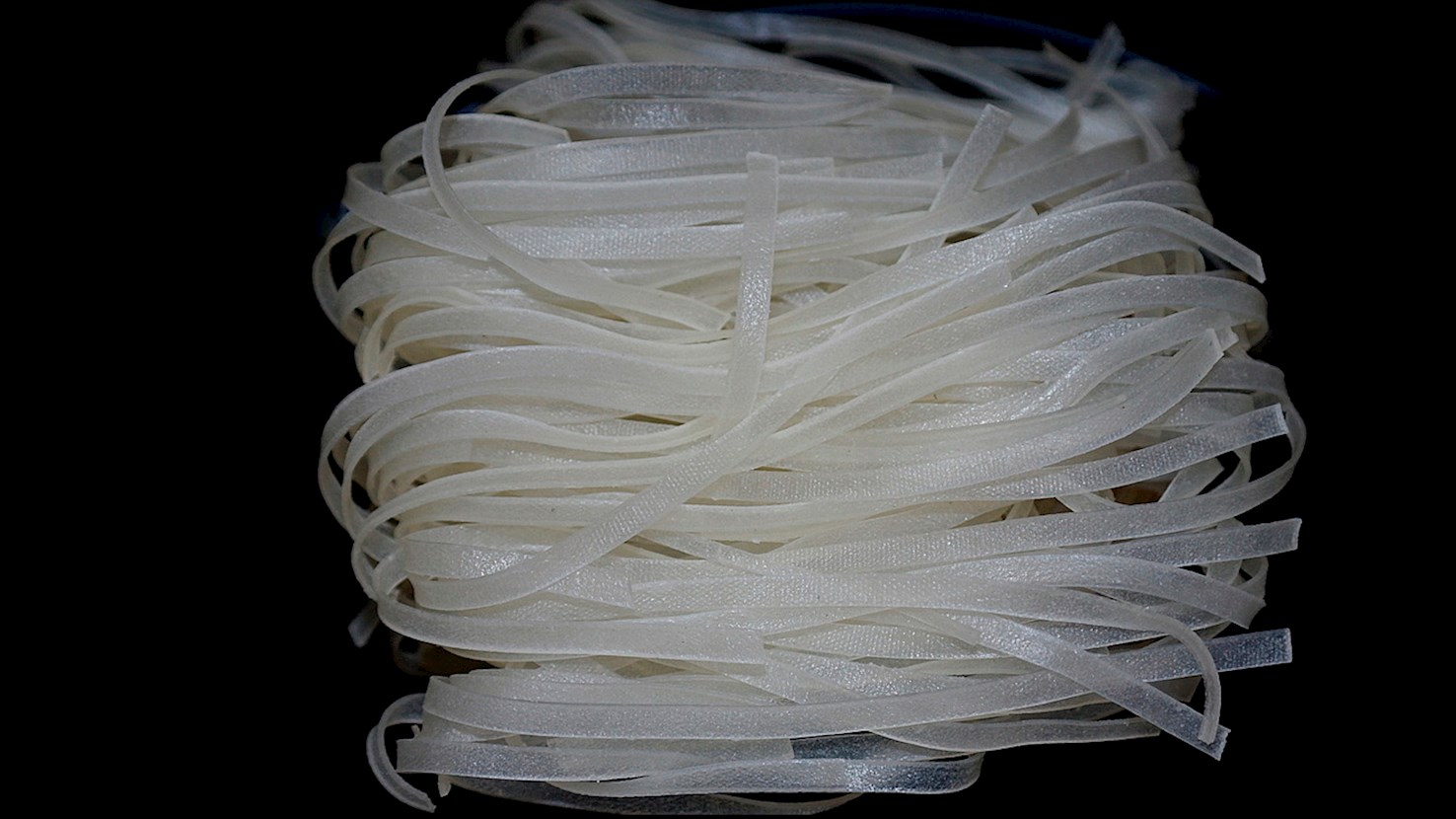
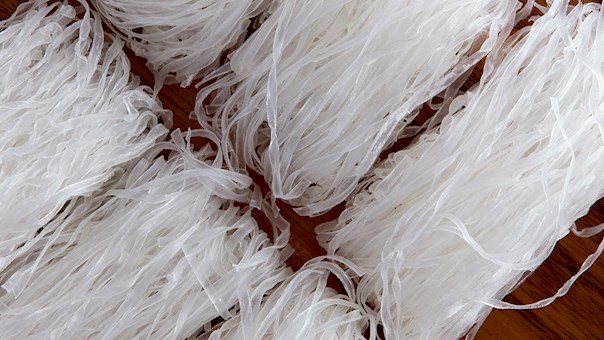
Bánh phở are flat and wide Vietnamese rice noodles. They are characterized by their white color and slightly sweet flavor reminiscent of rice. When cooked, the noodles become almost translucent with a soft but firm and slippery texture. These rice noodles are best known for their use in phở, but they can also be stir-fried and used in other noodle-based dishes. Although they are best used fresh (tươi), bánh phở also come in the form of dried, pre-packed noodles. Outside of Vietnam, they are also known as chantaboon or rice sticks.
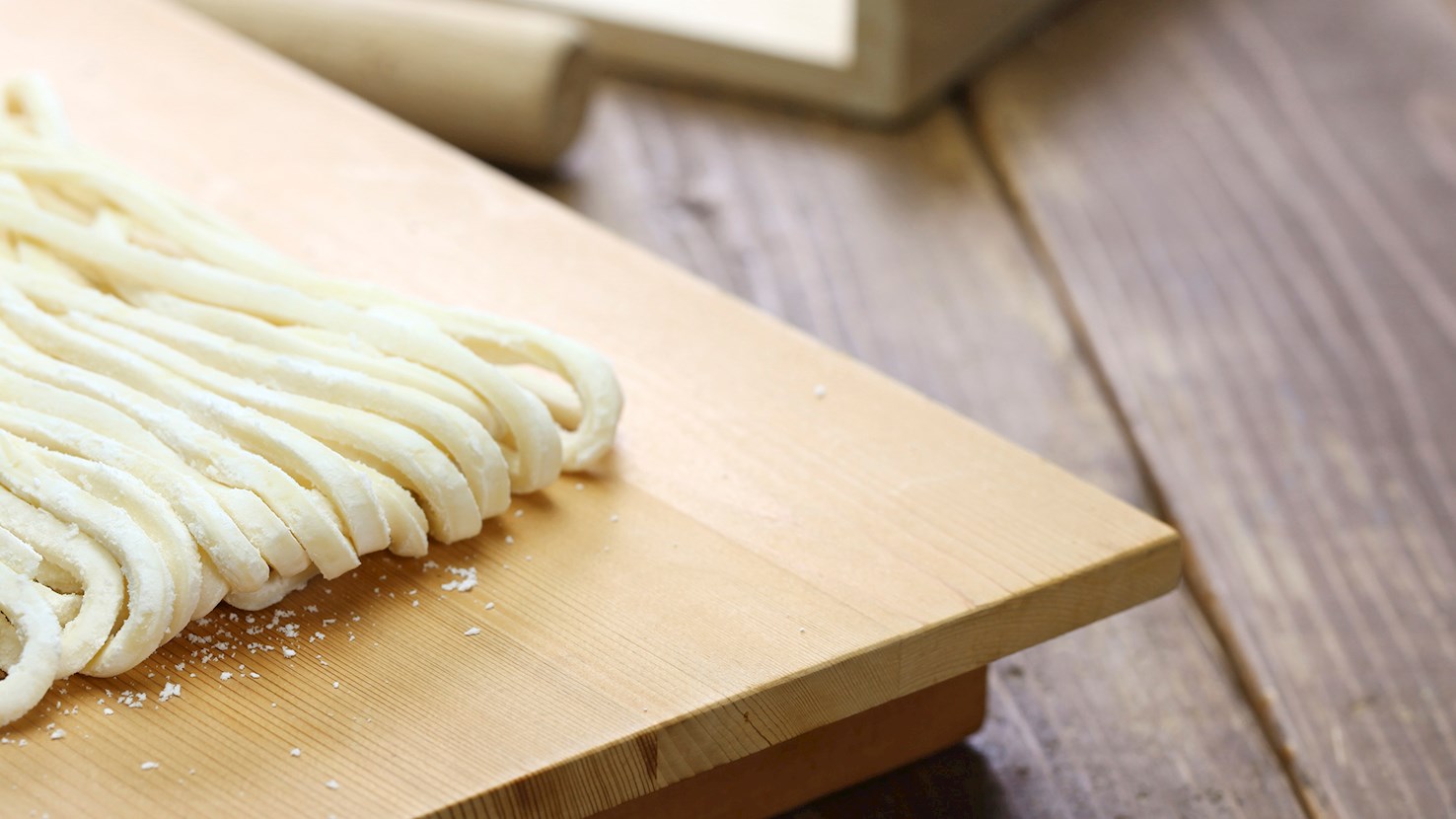
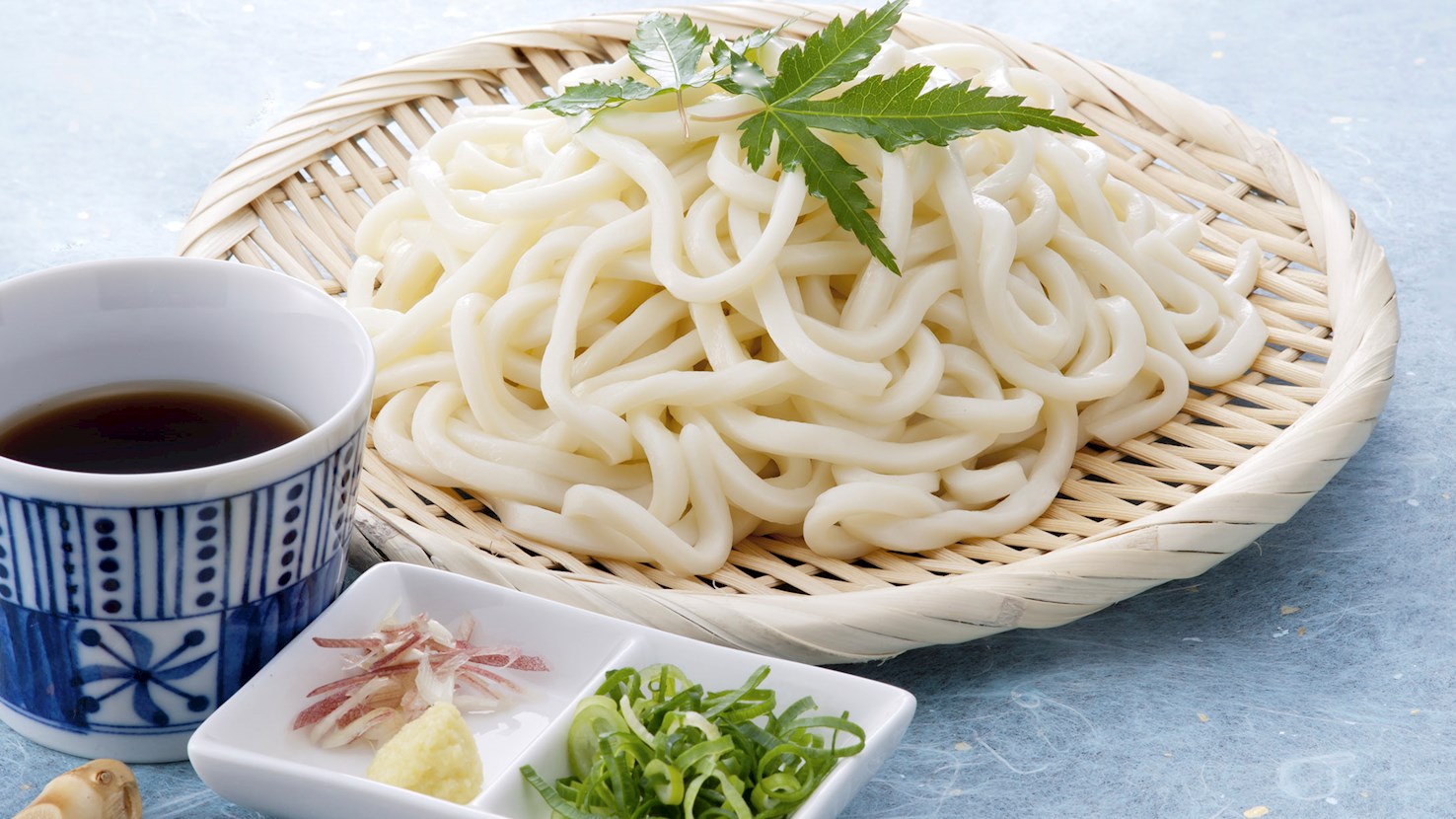
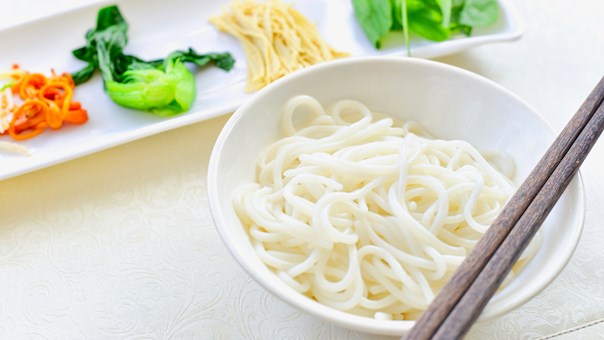
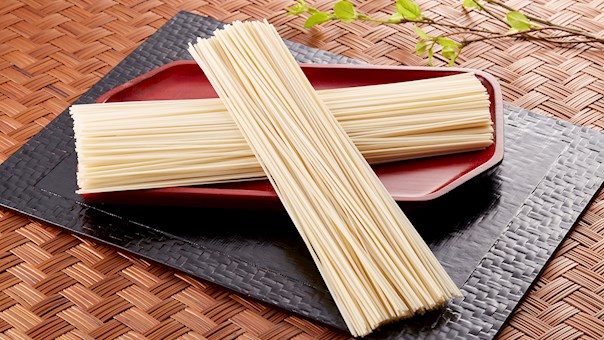
Sanuki udon are one of the most popular types of thick and chewy udon noodles. They are made with wheat flour during the time-consuming process in which the noodles are kneaded by hand, left to rise, and are then pressed with hand and feet in order to create the firm dough which is rolled and sliced into udon strips. Quickly boiled, they should always be cooked al dente, to retain their legendary dense structure. Udon noodles can be served in a myriad of ways and complemented with many ingredients. They are commonly doused in hot broths or served alongside flavorful cold dipping sauces during warmer seasons. The invention of these thick noodles is usually associated with Kagawa prefecture, formerly known as Sanuki, where they still represent an important part of gastronomy, culture, and tradition.
These thick and chewy Japanese noodles are made with wheat flour, and along with soba, they are one of the most popular and most common Japanese noodle varieties. The traditional and most common form of udon is characterized by its round shape, firm texture, and substantial size. However, there are also many regional varieties that differ in size and thickness. A staple of Japanese cuisine, they are used in numerous traditional dishes and local specialties. In their simplest form, udon noodles are served in kake udon, a refreshing noodle soup with a flavorful broth made with soy sauce, dashi, and mirin. Western Japanese style kake udon usually has a thin broth, while it is usually thicker and richer in the eastern part of the country. Kake udon is usually served hot, but udon noodles can also be served in a cold broth, a dish that is mostly consumed during the warmer seasons. Traditional condiments served on top of or alongside udon noodles depend on the season, and they often include sliced spring onions, tempura-battered vegetables or shrimp, fried tofu, or rice cakes. Numerous stories surround the origin of udon noodles, but most of them agree on the fact that udon was originally Chinese and was probably brought to Japan by Buddhist monks. Initially, they were a type of food that was reserved exclusively for the upper-class citizens, while buckwheat soba noodles were consumed by the lower classes. This relationship has reversed in modern times, and nowadays udon noodles are less expensive and more easily produced than soba. The noodles are traditionally eaten with chopsticks, then slurped down loudly as they are being consumed. If served in a broth, the liquid is drunk directly from the bowl without the use of any utensils. The Japanese typically eat udon at specialized udon-ya restaurants, local eateries, and buffet-style restaurants which offer additional condiments. They have become a recognizable Japanese product, and dried, pre-packed udon can be found in international stores and well-stocked supermarkets all over the world.
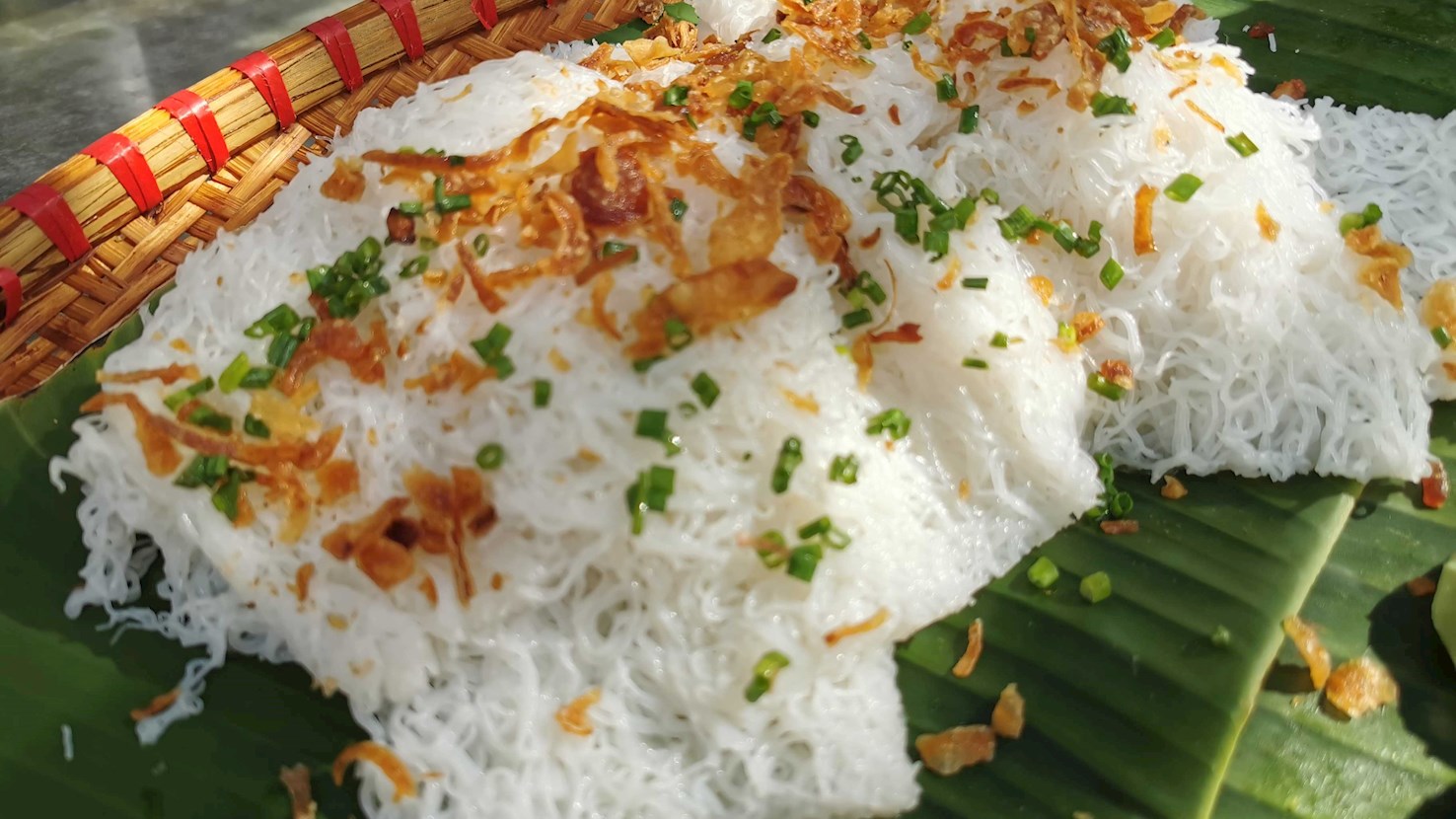
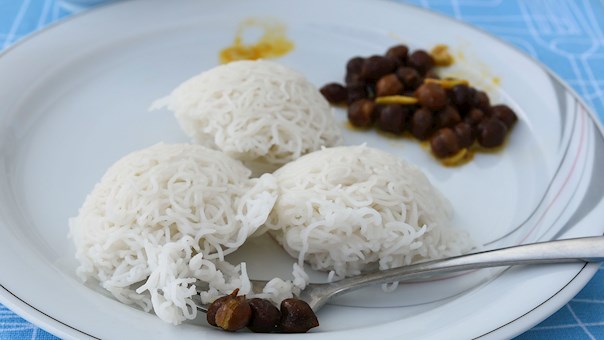
Often compared to vermicelli, bánh hỏi are the incredibly thin Vietnamese rice noodles that are traditionally woven into flat, rectangular bundles. It is believed that the noodles originate from Southern Vietnam, but they are enjoyed throughout the country and are often considered a festive or ceremonial dish. They are typically served cold or at room temperature, topped with sautéed scallions or garlic chives, while other accompaniments mainly include roast pork, grilled meat, or chạo tôm—shrimps on sugarcanes. The noodles, along with the toppings and the sides are usually wrapped into lettuce or herbs, and the assembled wrap is traditionally dipped into nước chấm sauce.
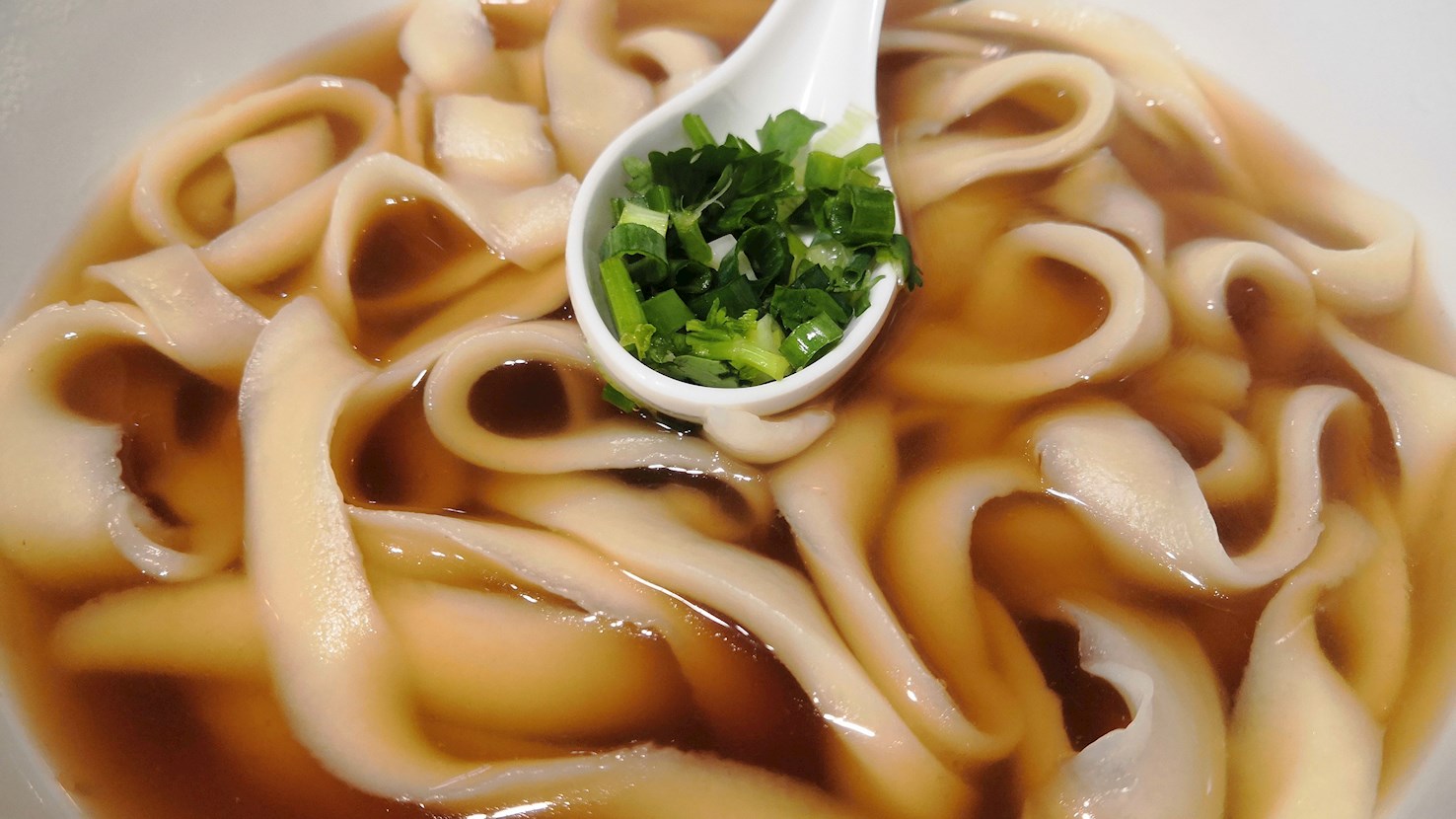
Dao xiao mian are traditional Chinese noodles originating from the province of Shanxi. In order to prepare the noodles, a large block of hearty wheat dough is held downwards and shaved with a sharp knife directly into a pot of boiling water. As a result, the noodles are thick near the center, but soft around the edges. These noodles are usually coated with rich meat sauces or enjoyed in stir-fries and broths in order to accentuate their starchy and elastic texture. It is believed that the first knife-cut noodles were made at the beginning of the Yuan Dynasty (1279-1368). The technique of cutting the noodles with a knife takes years to perfect, along with a sharp knife and a very skilled chef.
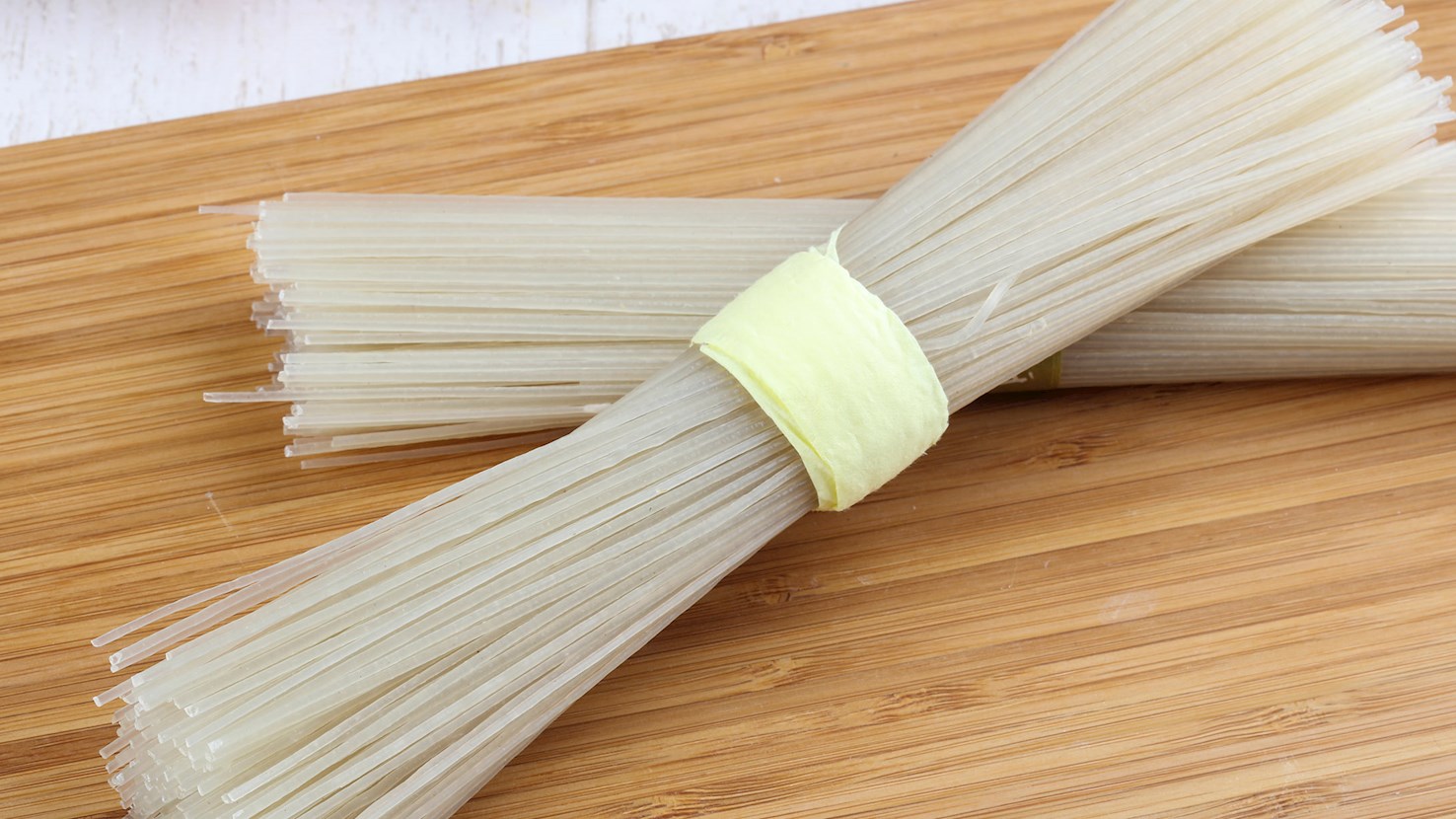
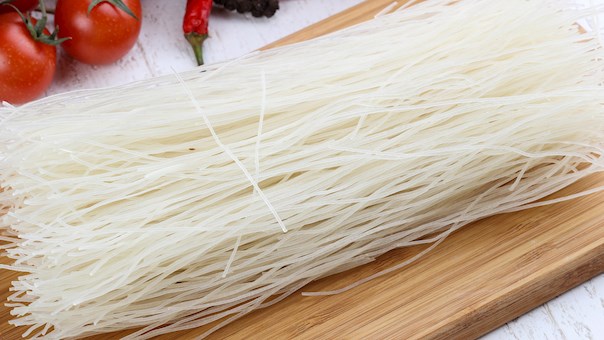
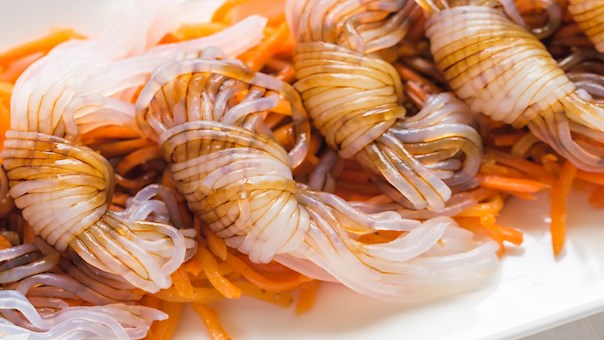
Rice vermicelli are thin noodles made from rice flour and water. They are often used in stir-fries, salads, or soups. The noodles are represented in a variety of notable dishes throughout various countries such as China, Hong Kong, India, Pakistan, Indonesia, Malaysia, Singapore, Myanmar, Taiwan, and Vietnam. Rice noodles are characterized by their shiny white color and their thin structure, reminiscent of silk threads. They originated during the Qin dynasty and had been consumed for more than 2000 years in China. Historical evidence implies that the people from northern China preferred wheat noodles because they were not used to eating rice. When they invaded the south, northern cooks made noodles using rice, inventing rice noodles in the process. Today, rice noodles are served both as a key ingredient and as a side dish. They can be combined with vegetables and meat to create a wide variety of dishes, such as soto, santhakai, bihun sup, and lumpia.
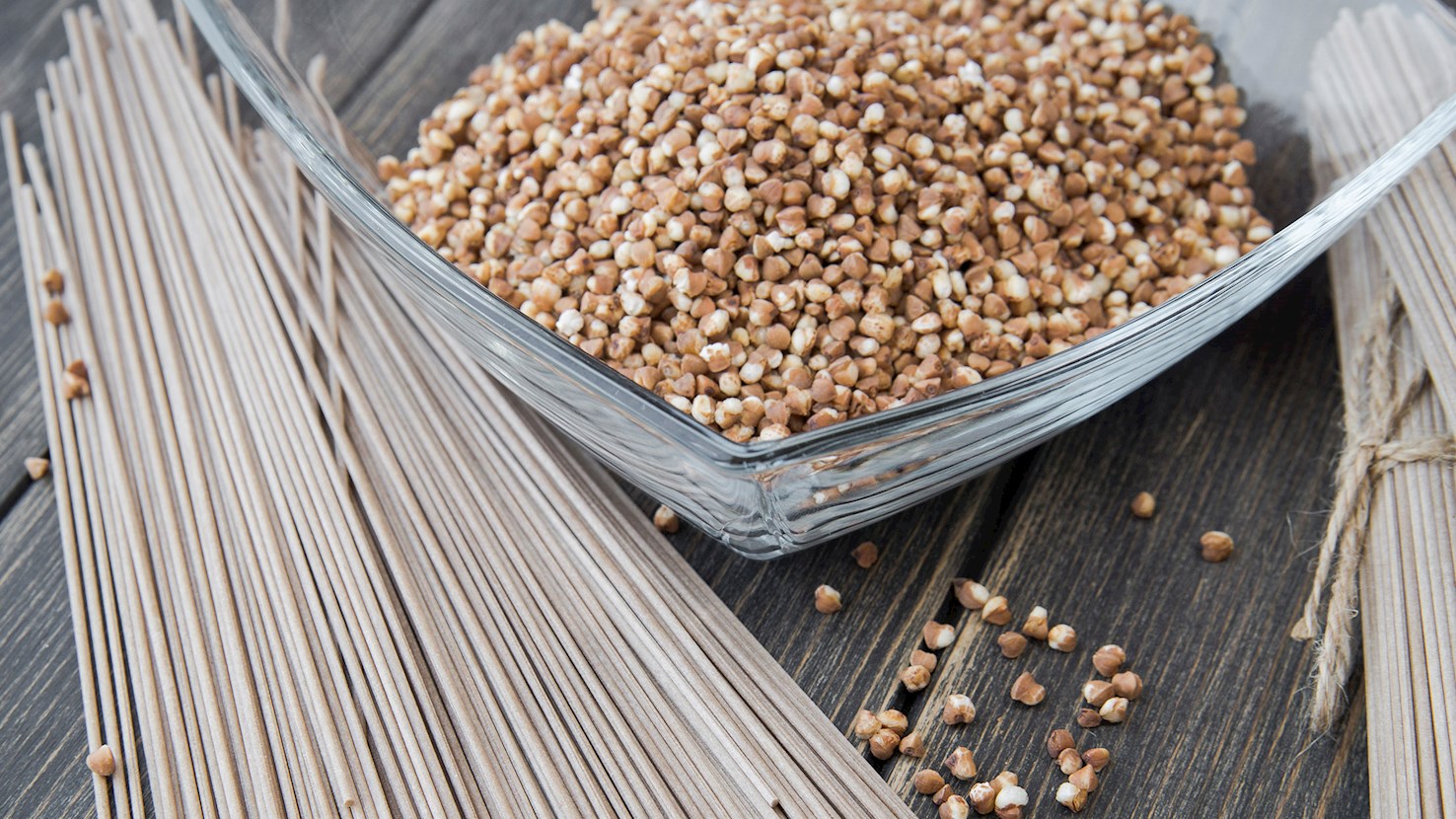
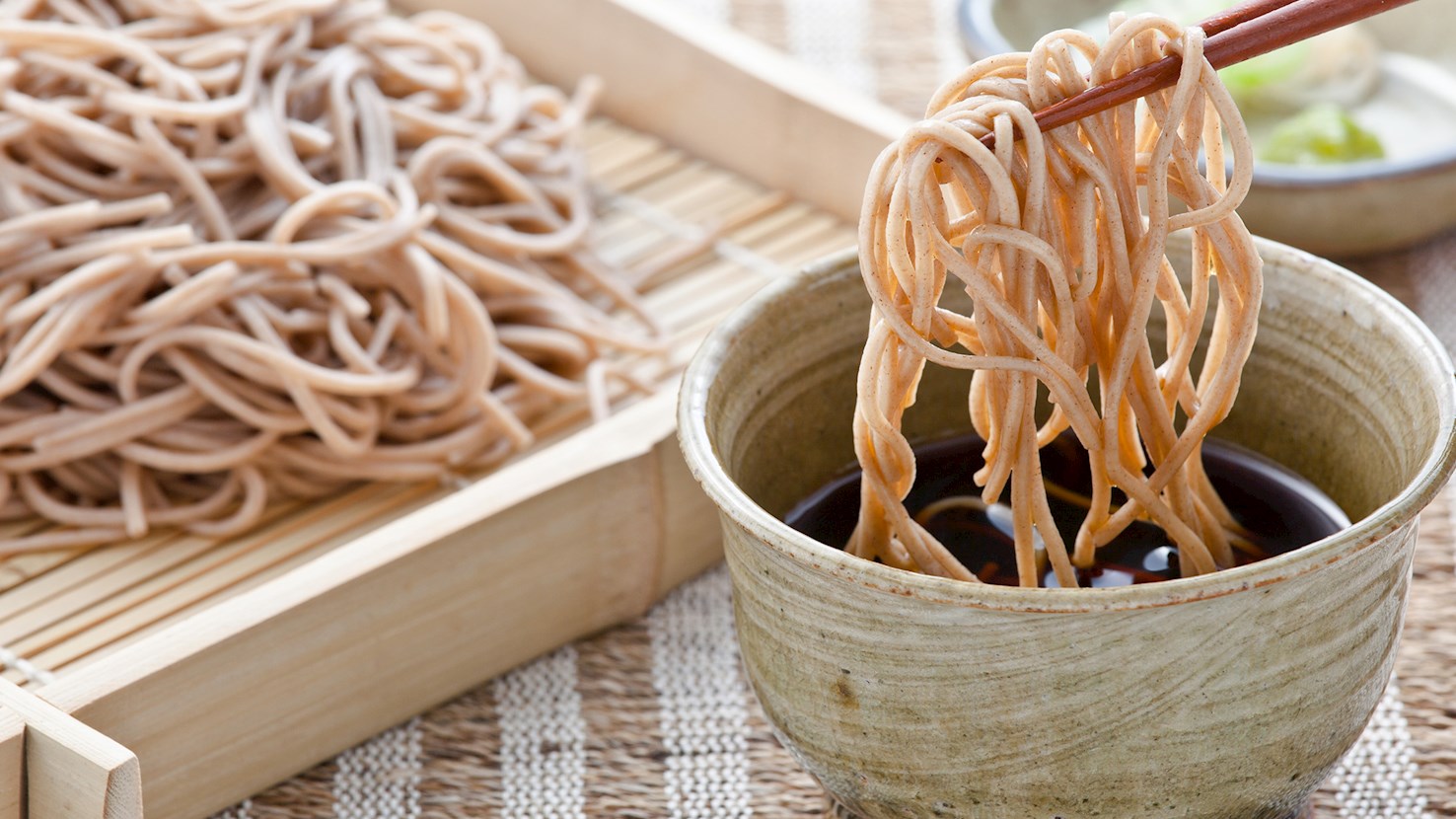
Although soba is the Japanese term for buckwheat, the word typically refers to thin buckwheat noodles. The noodles are usually prepared for numerous hot and cold dishes, and can be consumed at both fast food stands on railway stations and in expensive restaurants. Soba is commonly eaten with chopsticks, and it is recommended to slurp the noodles while making loud noises, as it's a part of common culture in Japan. Eating soba dates back to the Edo period, when every part of town had a few soba establishments, which were used as today's bars. The most basic soba dish is called mori soba, where cold noodles are consumed with tsuyu, a soya-based sauce. On New Year's Eve, toshikoshi soba is traditionally consumed as a symbol of longevity. The most popular soba dishes include kake soba, kitsune soba, tanuki soba, and tempura soba, among others. Of course, there are also regional soba dishes such as wanko soba (Iwate prefecture), ita soba (Yamagata prefecture), matcha soba (Uji), and nishin soba (Kyoto prefecture). In order to prepare pure buckwheat noodles that don't crack and fall apart requires the skills of a true soba master. The Japanese people often say that it takes a year to learn to make the dough, another year to learn how to roll it, and yet another year to learn to cut the noodles properly.
Shinano soba comes from the mountainous Nagano prefecture in Japan. It is considered to be one of the best noodle types in the country. These noodles are made with buckwheat flour, wheat flour, and water. They are usually consumed cold, dipped in tsuyu (soy and dashi-based sauce), and combined with numerous spicy condiments. It is recommended to pair the noodles with freshly grated wasabi, nori seaweed, quail eggs, and finely chopped green onions.
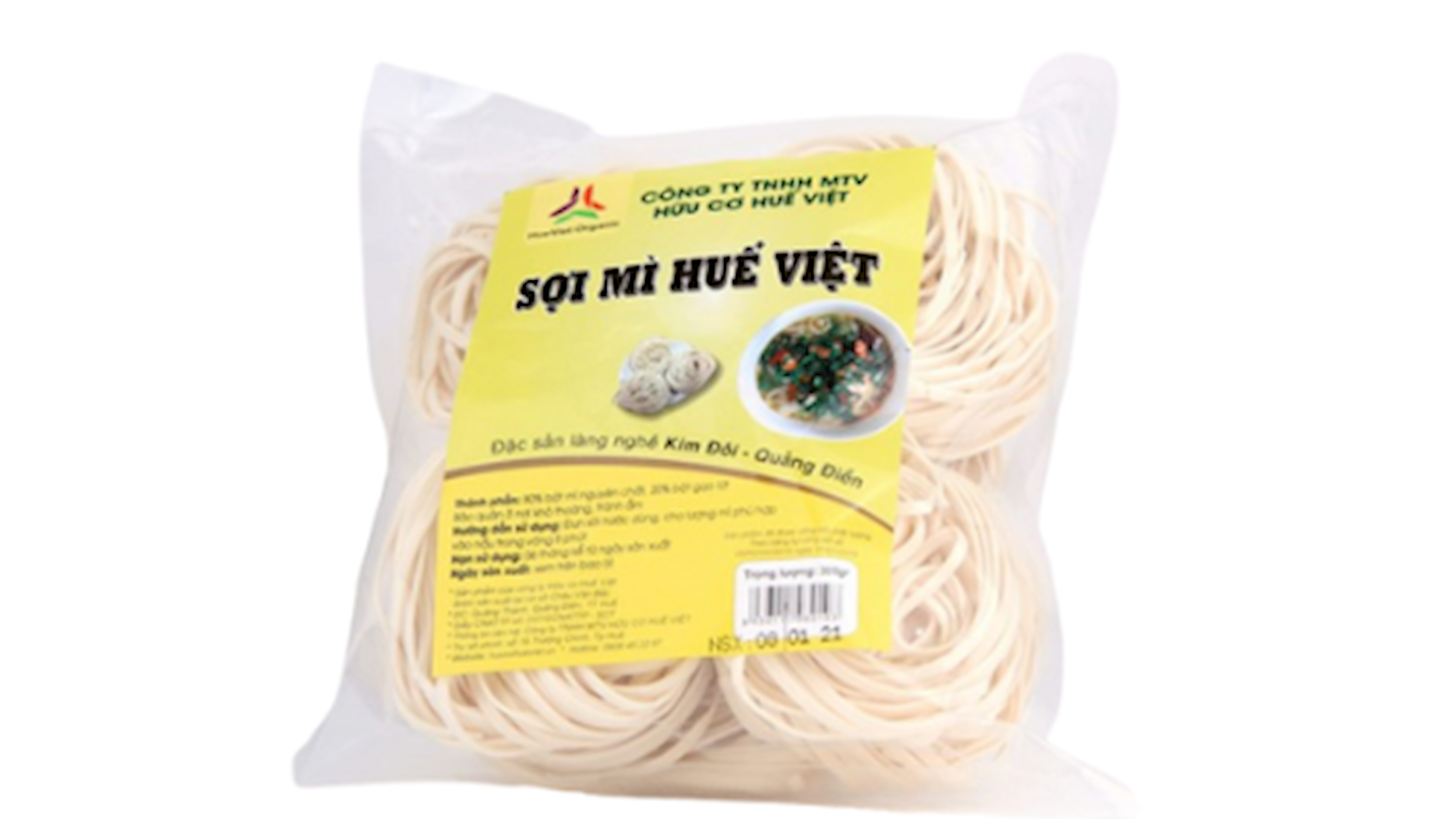
Hữu Cơ Huế Việt is a Huế-based brand focused on producing and distributing organic foods and traditional handcrafted goods in close collaboration with local farmers and artisans. Their approach is rooted in clean, sustainable agriculture, avoiding pesticides, herbicides, chemical fertilizers, and artificial additives, ensuring products with clear origin and minimal processing. The assortment includes organic grains, rice, dried legumes, plant-based flours, herbal teas, natural snacks, and various dried agricultural products, as well as handmade items crafted from local materials such as cỏ bàng grass, supporting the preservation of traditional crafts. The company emphasizes transparency and direct partnerships with producers from the Huế region, aligning its mission with the protection of local identity and the promotion of healthier, more sustainable consumption habits.
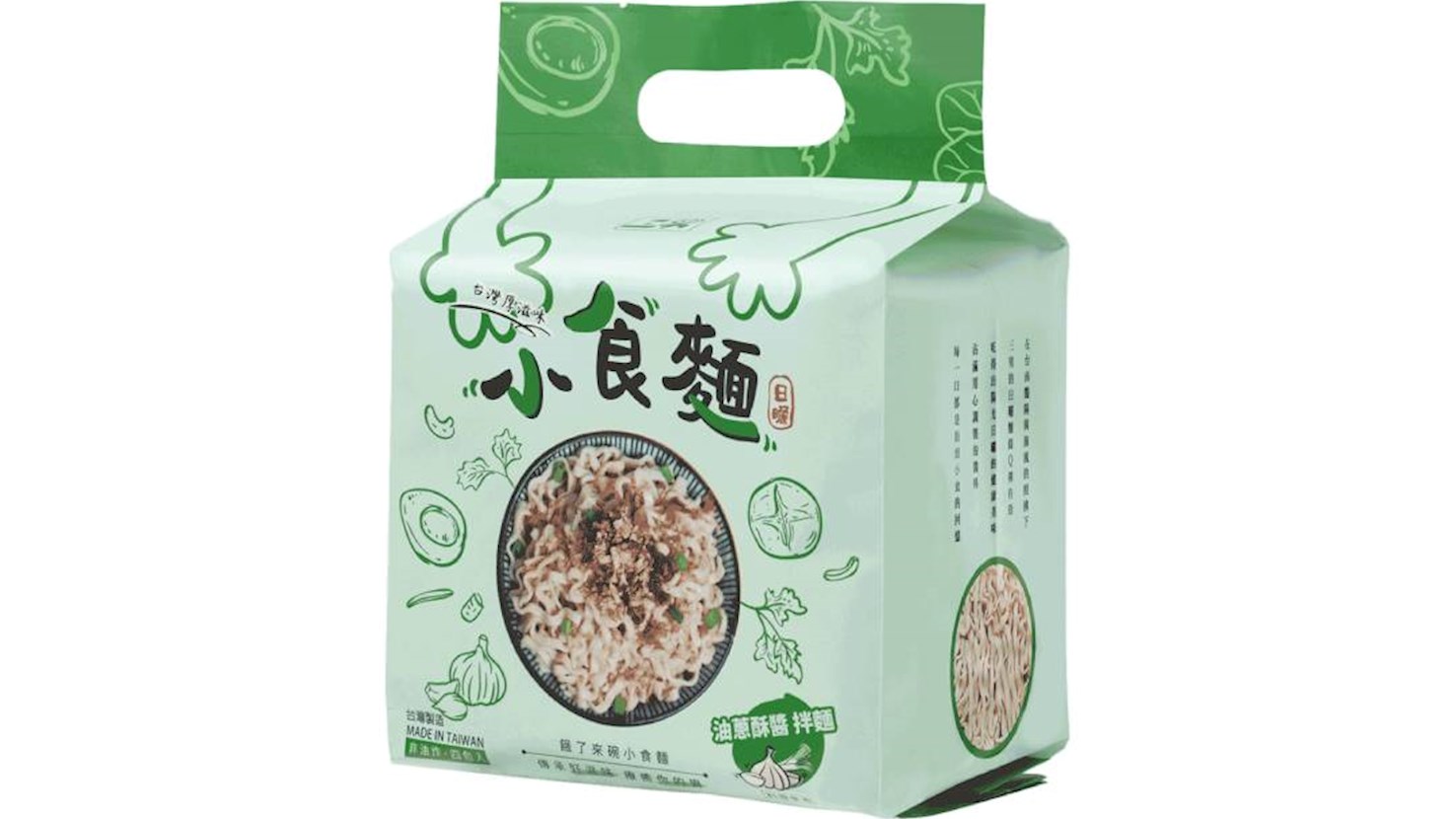
Sannan Noodle is a renowned Taiwanese brand specializing in premium dried noodles and traditional Taiwanese sauce packs, offering the authentic taste of home-cooked meals in a convenient format. By combining high-quality ingredients and carefully crafted recipes, Sannan produces noodles with a rich texture and perfectly balanced flavors, allowing lovers of Asian cuisine to enjoy authentic Taiwanese dishes from the comfort of their homes. The brand stands out for its commitment to natural ingredients, avoiding artificial additives and preservatives to ensure a pure and original taste. Their handcrafted noodles undergo a slow-drying process, giving them a richer texture and superior sauce absorption, making them ideal for various culinary variations—from classic dried noodles with soy sauce to spicy and creamy options.
TasteAtlas food rankings are based on the ratings of the TasteAtlas audience, with a series of mechanisms that recognize real users and that ignore bot,
nationalist or local patriotic ratings, and give additional value to the ratings of users that the system recognizes as knowledgeable.
For the “Top 40 Asian Noodles” list until June 03, 2026, 1,571 ratings were recorded, of which 1,289 were recognized by the system as legitimate.
TasteAtlas Rankings should not be seen as the final global conclusion about food. Their purpose is to promote excellent local foods,
instill pride in traditional dishes, and arouse curiosity about dishes you haven’t tried.
The initial list of top producers was compiled based on available reviews, awards, local recommendations, media and blog coverage, and consumer reviews.
The list will be updated with ratings from TasteAtlas local ambassadors and TasteAtlas users.