


shutterstock

Top 21 Italian Nuts and Seeds

Last updated on June 01, 2026
01

Pistacchio Verde di Bronte

4.6 ·

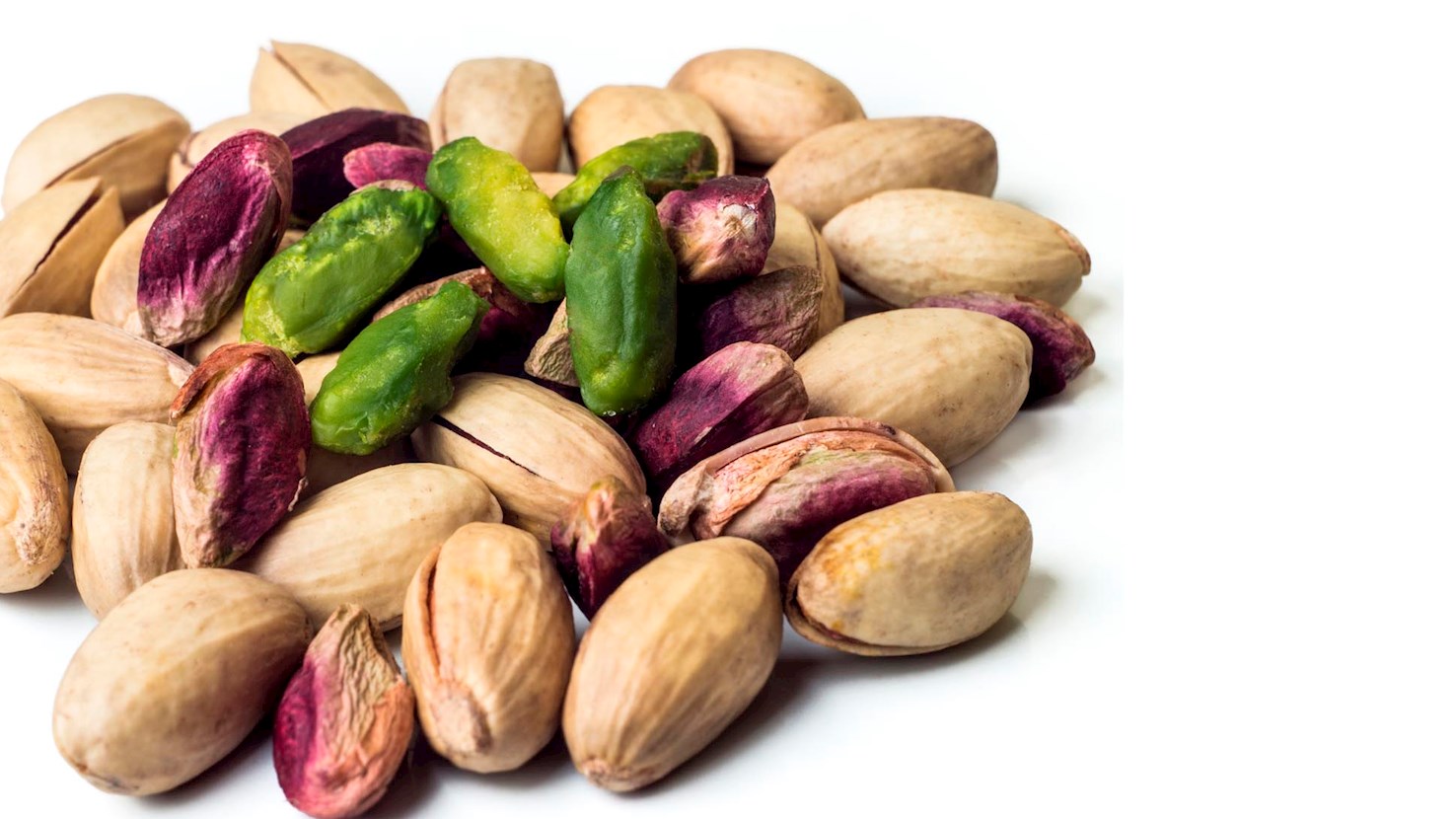
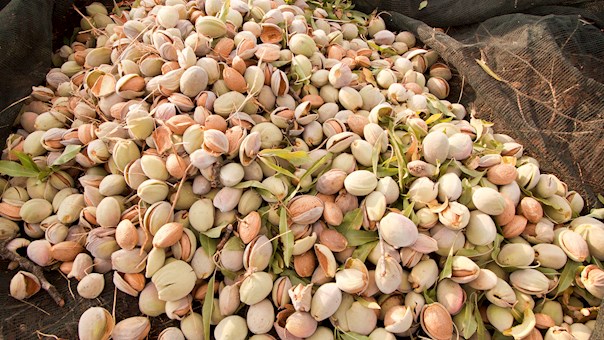
Produced within the Sicilian province of Catania, Pistacchio Verde di Bronte refers to the pistachio nuts of the Napoletana cultivar (also known as Bianca or Nostrale), grown in the fertile volcanic soils around Bronte, a small town settled at the foot of Mount Etna. Since pistachio trees were brought to Italy from the Middle East, in Sicily pistachio is called frastuca, which is adopted from the Arab word fustuq. The versatile Bronte pistachios are traditionally used for preparing a wide variety of sweets and pastries such as cannoli, cassate, torroni or the famous fig and nuts Christmas cake called Bucellato Siciliano. As for savory dishes, Bronte pistachios are the essential ingredient of the aromatic pesto di pistacchi pasta sauce, and they're also used for flavoring mortadella and other charcuterie products. To indulge in many other typical Sicilian pistachio delicacies, an event not to be missed is the Sagra del Pistacchio, held every September in Bronte.

02

Mandorle (Sicilia)

4 ·

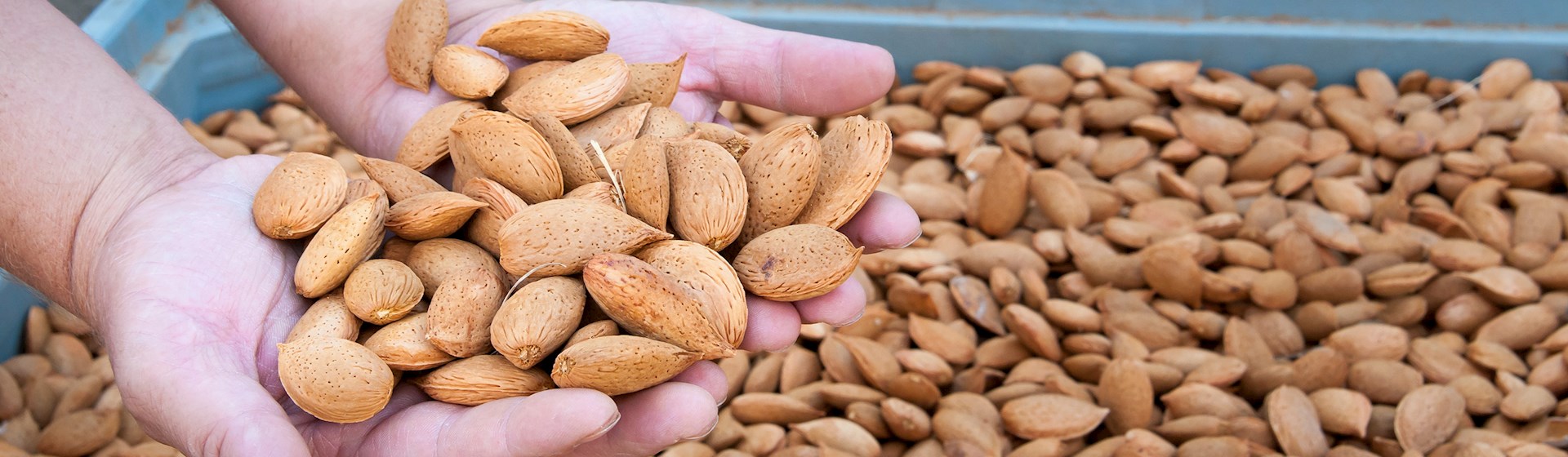
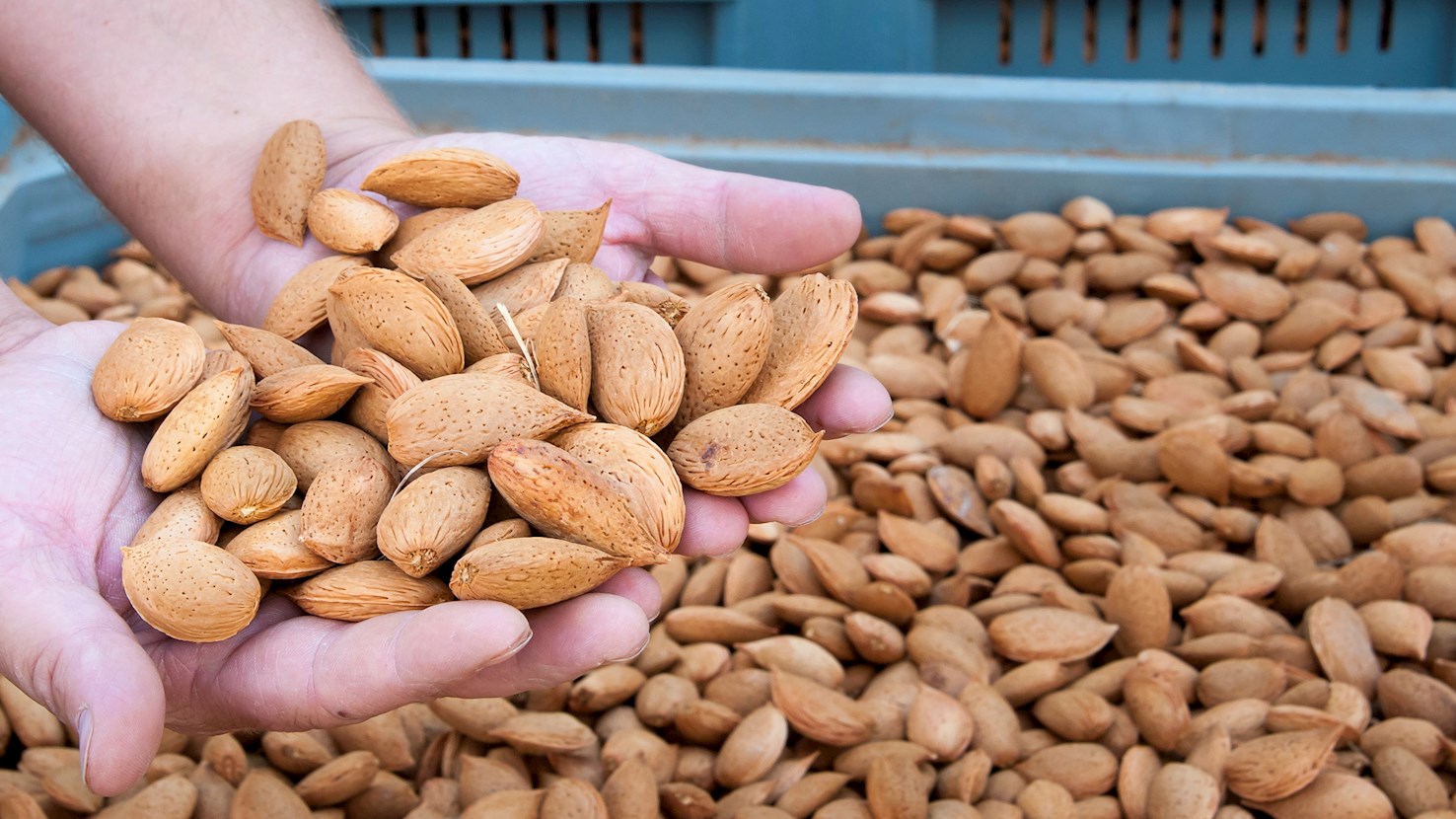
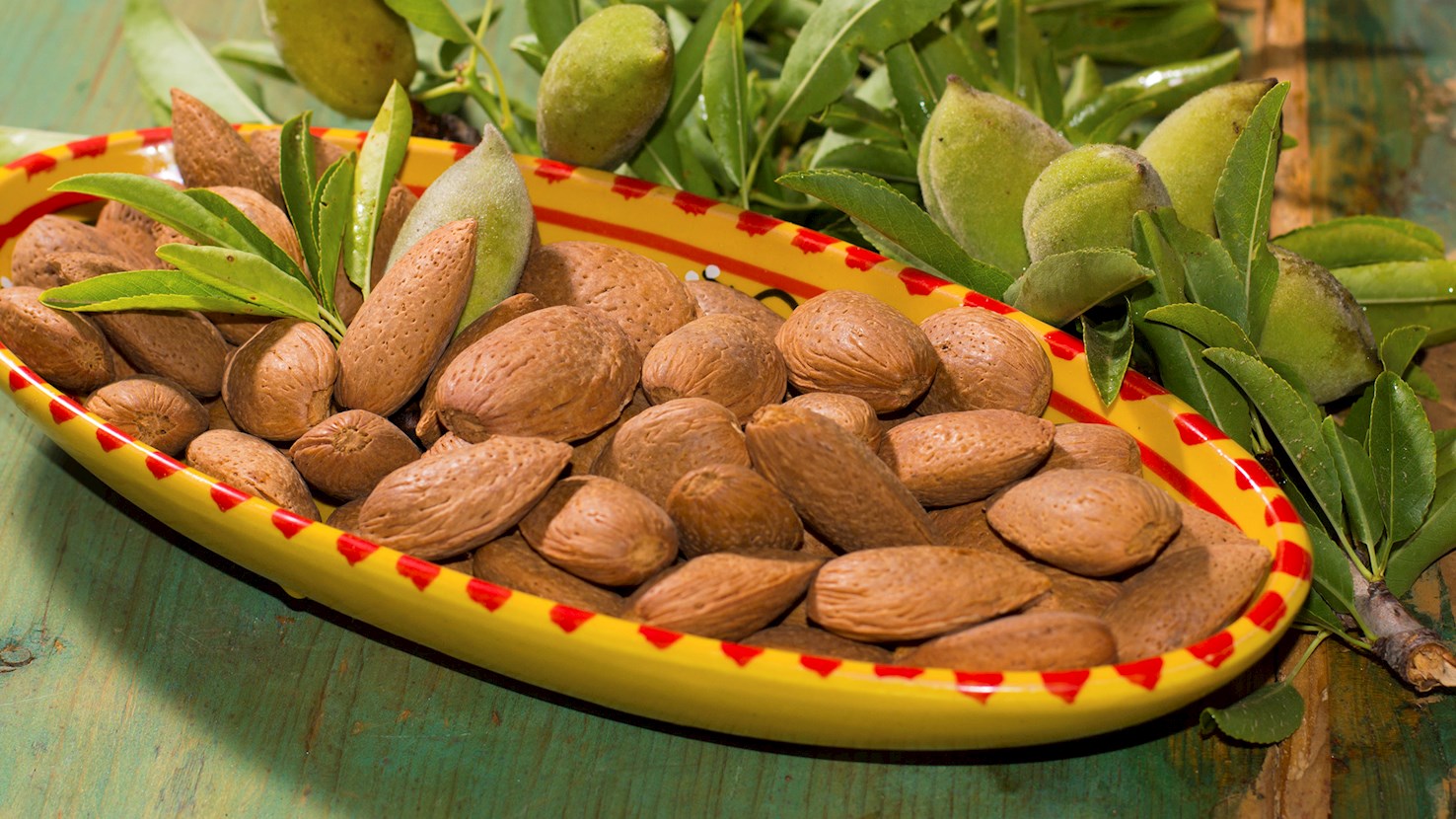
Almonds are the world's most widely grown and consumed tree nut, and Italy is one of the major producers. Particularly rich in aroma and flavor are those cultivated in sunny Sicily, where almonds are the most widely grown fruit after olives. There are many varieties, all related to prunus amygdalus, and the most praised varieties are Pizzuta, Fascionello Romana, Cavaliera and Bonifacio nº 1. They can be either sweet or bitter - the sweet ones are widely used in confectionery, while small quantities of the bitter ones give a typical flavor to certain types of biscuits and liquors. Sicilian almonds are harvested in July and the majority of orchards are located in the province of Siracusa, especially around the cities of Noto and Avola. In Sicily, almonds symbolize good fortune, so it is no surprise that sugar-coated almonds called confetti are a traditional gift at weddings. They are also the leading stars of many local sweets such as biancomangiare, a Sicilian almond pudding, bacioni di Taormina, torrone, amaretti, pasta di mandorle, cassata siciliana or the famous frutta di Martorana, colorful marzipan-based sweets shaped into fruits and vegetables.

03

Nocciola del Piemonte (Piedmont Hazelnuts)

3.9 ·

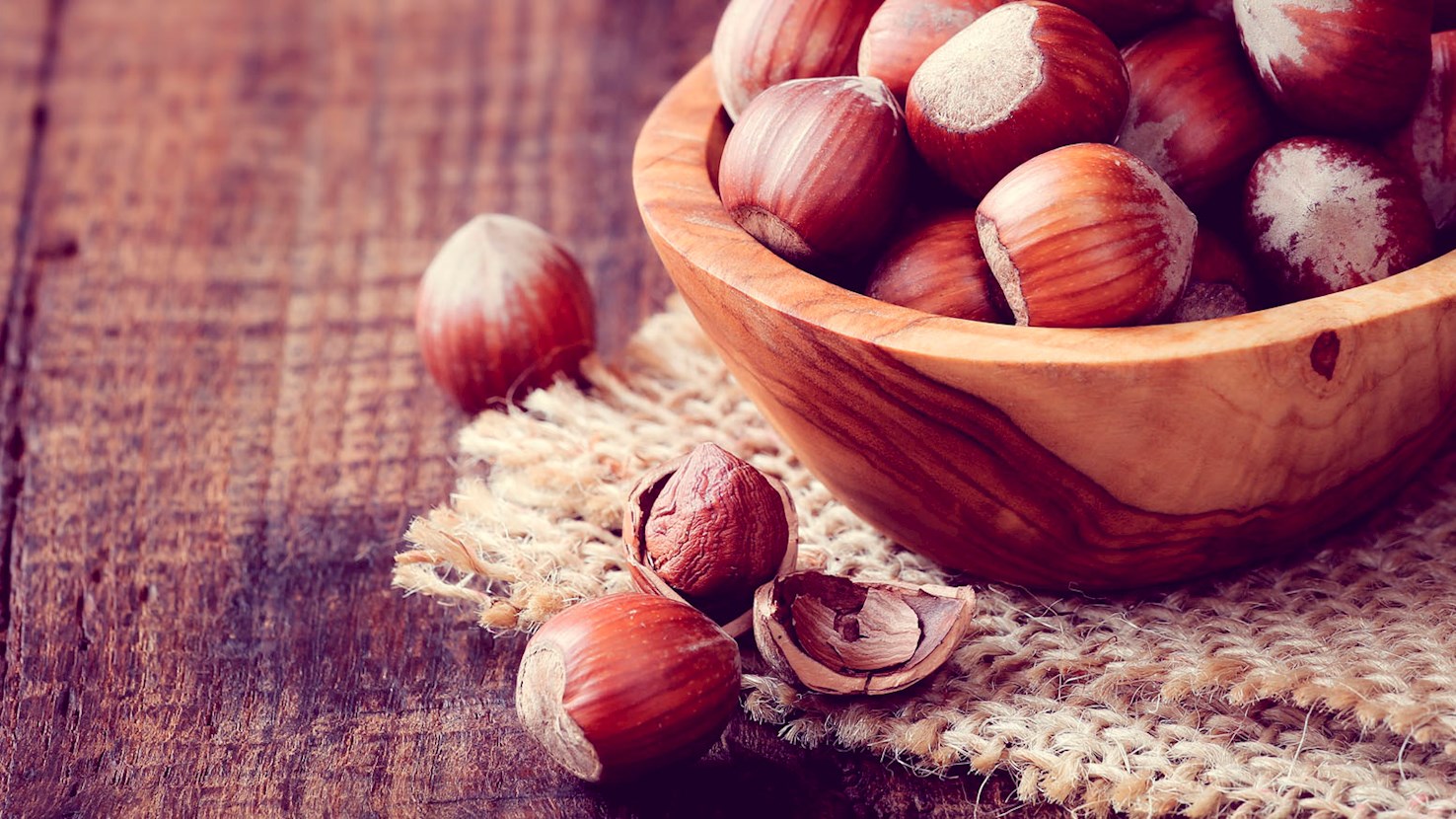
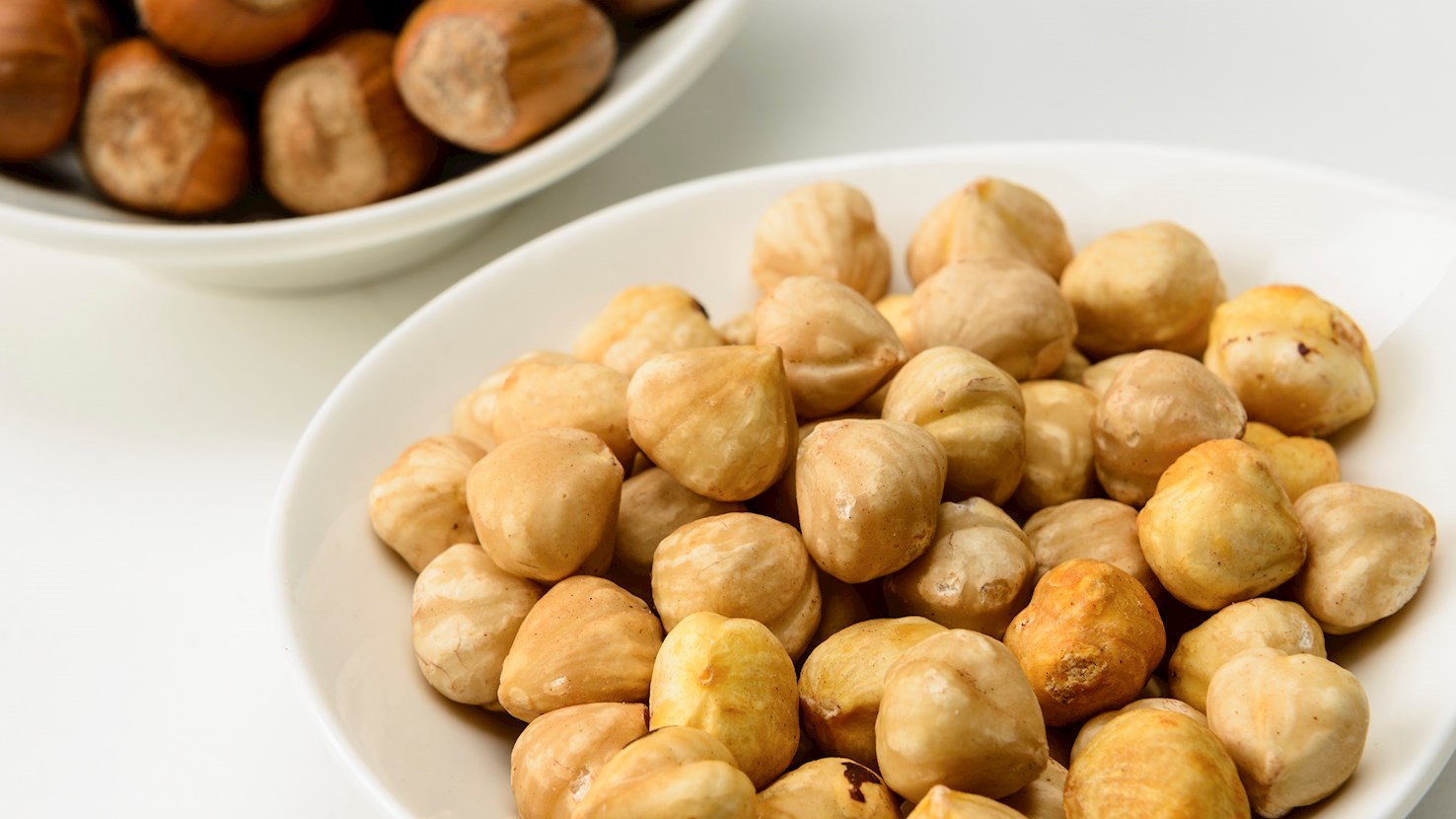
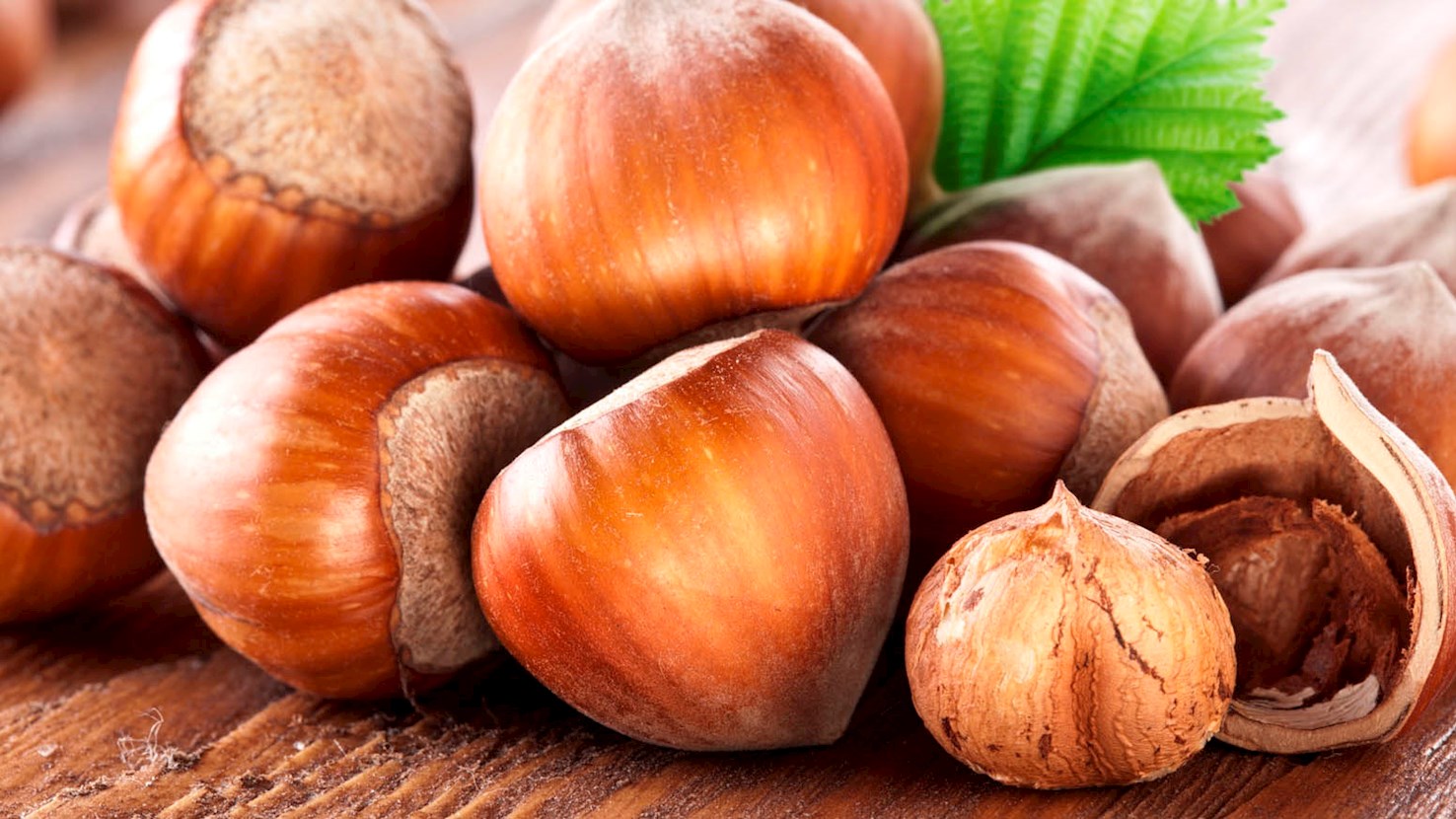
Named after its region of origin, Nocciola del Piemonte (Piedmont hazelnuts) refers to hazelnuts of the Tonda Gentile Trilobata variety, grown in the hills of Langhe-Roero and Monferrato and produced within the provinces of Alessandria, Asti, Cuneo, Turin, Novara, Biella and Vercelli. Considered one of the best hazelnuts for confectionery industry, Nocciola del Piemonte is characterized by its crunchy flesh, long shelf life, and an amazing flavor and aroma, especially if roasted. Piedmont hazelnuts are the essential ingredient of Gianduiotto nougat pralines, a typical Piedmont confectionary product, but they're also widely used in the preparation of various pastry creams, cake, ice creams and liqueurs.

04

Nocciola di Giffoni

3.8 ·

Named after Giffoni Valle Piana, a lush valley settled at the foot of Mount Licinici, Nocciola di Giffoni refers to dried hazelnuts grown and produced within the province of Salerno. Typically shelled and roasted, the hazelnuts of Giffoni are particularly prized by the confectionery industry for their flavor, aroma and long shelf life. Even though they are widely used in local savory dishes, Giffoni hazelnuts are most often marketed as a sweet snack, coated in chocolate, nougat or honey. Also, they make for an excellent ingredient in preparing various cakes and biscuits, pastry creams, ice creams, and even liqueurs.

05

Nocciola Romana

3.5 ·

Traditionally produced in the neighboring provinces of Viterbo and Rome, Nocciola Romana refers to dried hazelnuts of the Tonda Gentile Romana and Nocchione varieties, grown in the micronutrient-rich volcanic soil of the Cimini and Sabatini mountains. Whether enjoyed raw, dried or roasted, the crunchy Roman hazelnuts are packed with mono-unsaturated fats and vitamins E and K, but they're also rich in calories! In the traditional Viterbo cuisine, Roman hazelnuts are most often used as an essential ingredient in the preparation of many local desserts, including Tozzetti - anise, almond and hazelnut biscotti, as well as other biscuits such as Ossetti da Morto, Brutti Buoni and Mostaccioli Romani.

06

Castagna Cuneo

n/a ·

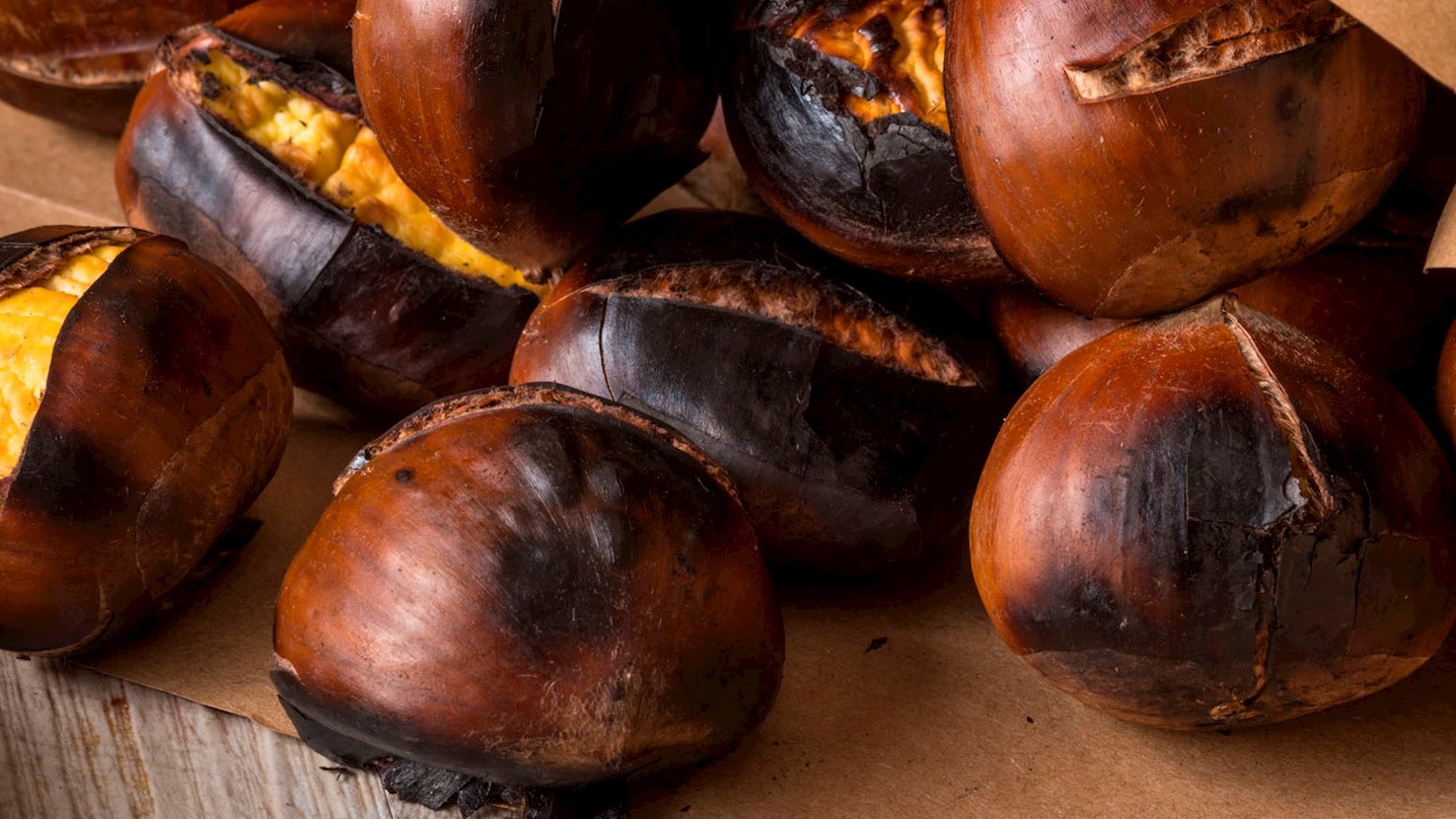
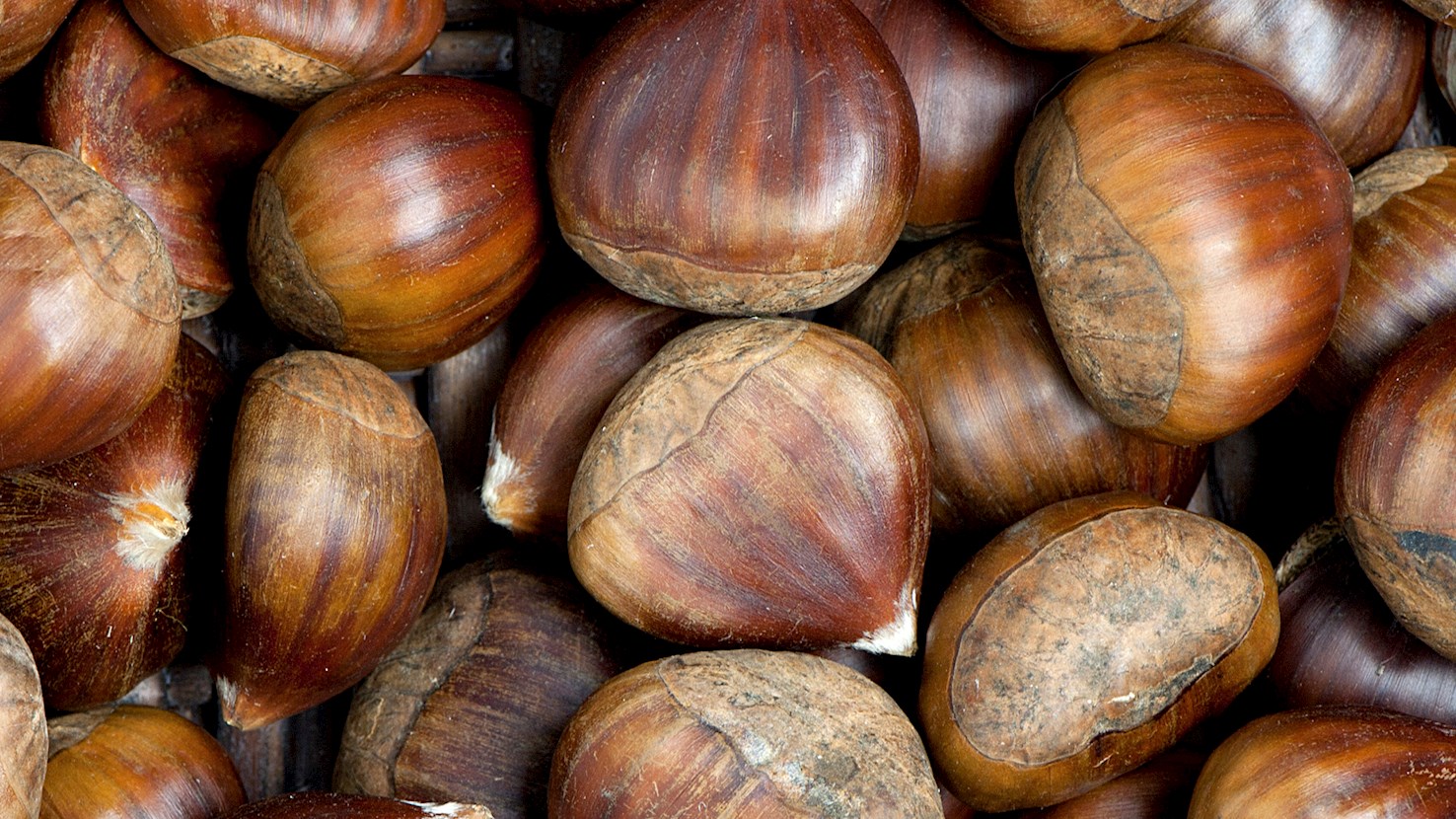
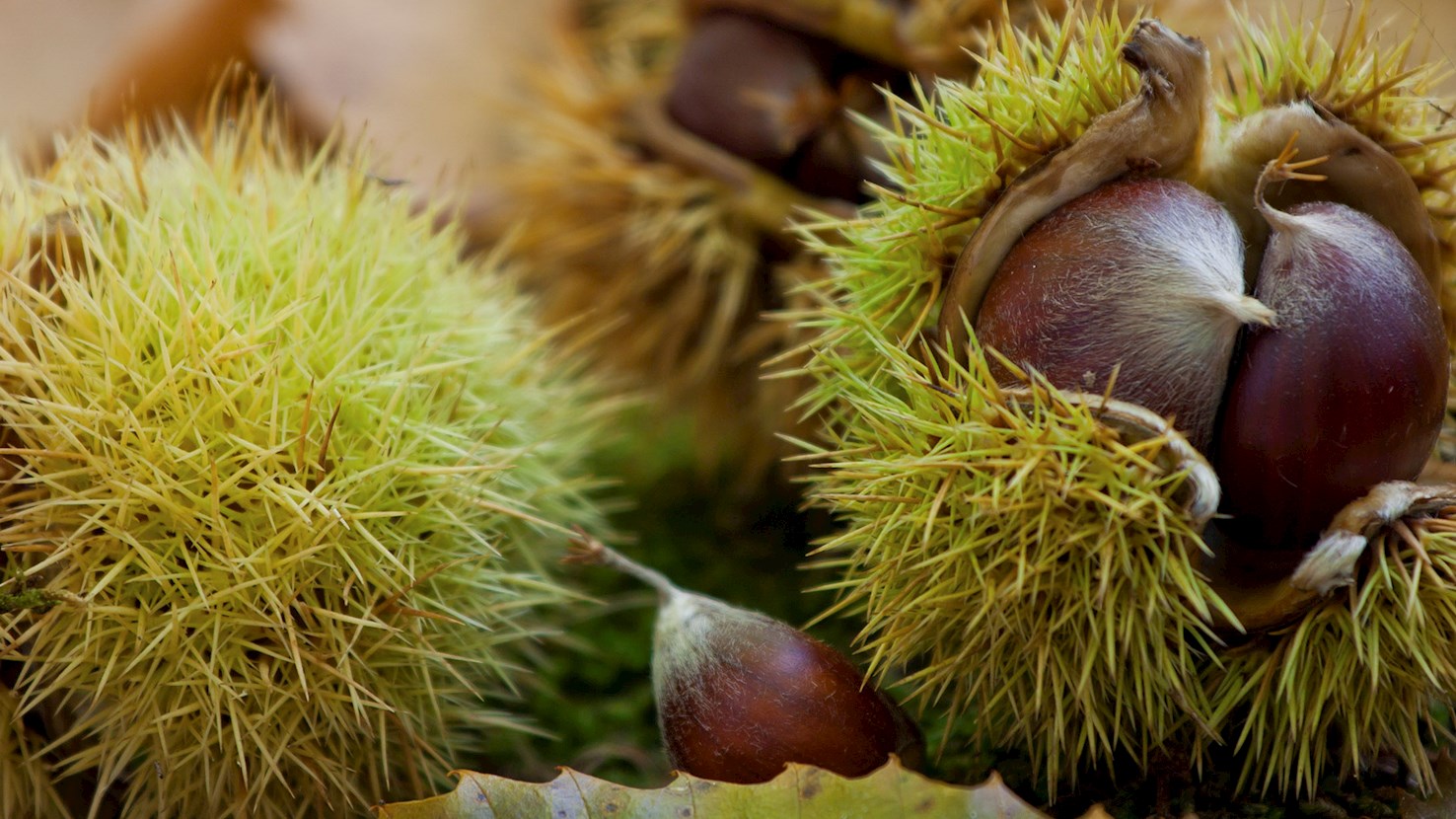
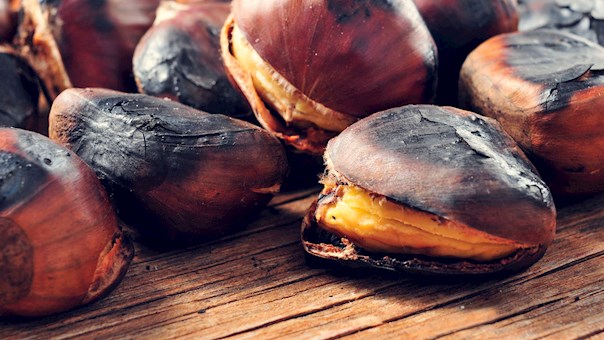
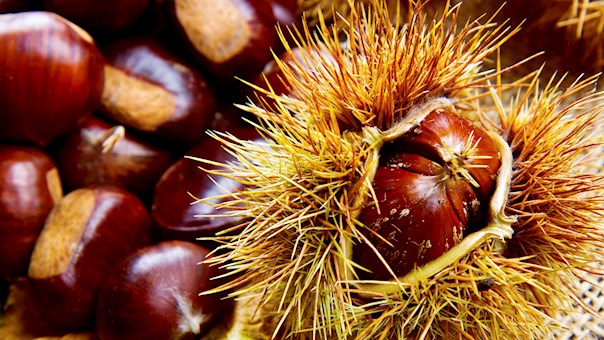
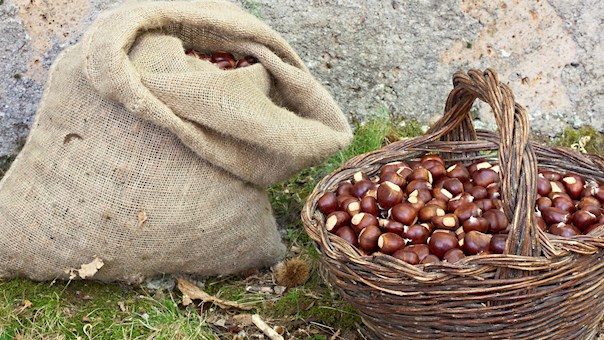
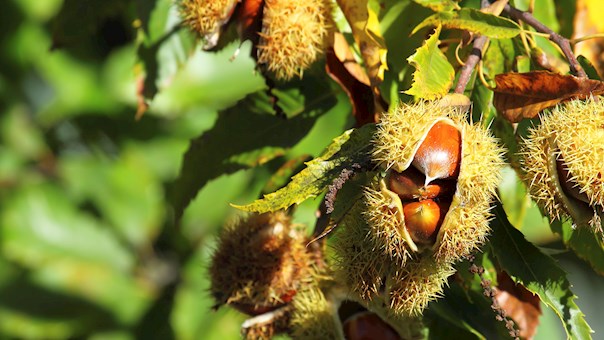
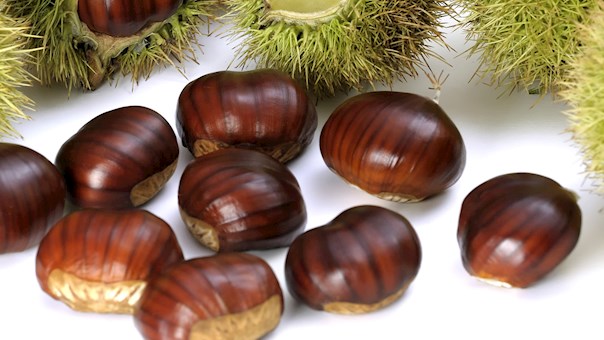
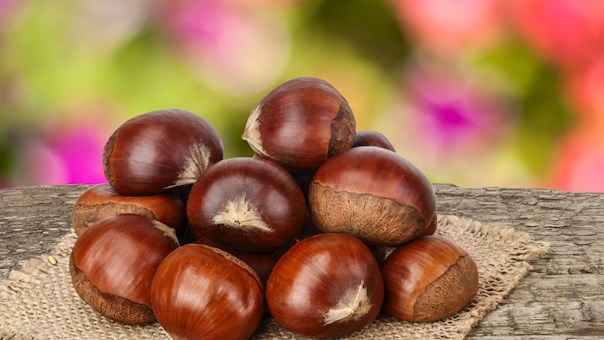
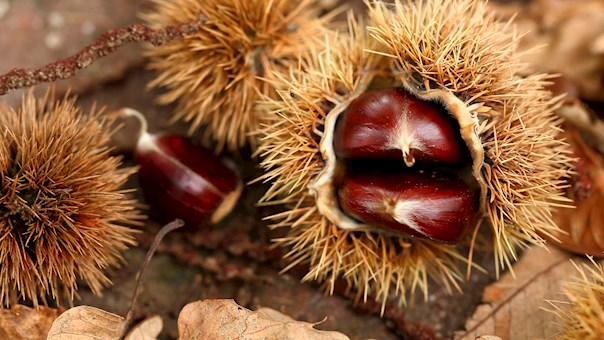
This variety of chestnuts is cultivated in the numerous valleys surrounding the town of Cuneo, where origins of some of the oldest chestnut orchards can be traced back to the 16th century when the royal House of Savoy kept written annual harvest records about the quantity and characteristics of these prized nuts. Cuneo chestnuts are cultivated at a relatively low altitude of about 200 to 1000m above sea level, and they thrive best in a temperate subcontinental climate, growing in well-drained soil, rich in organic matter. The chestnuts of Cuneo are marketed in four varieties: Castagne Fresche (fresh), Essiccate (dried), Fiocchi di Castagna (chestnut flakes), and Farina di Castagna (chestnut flour). The ones intended for drying are traditionally desiccated in special masonry chambers, over constant low heat for about 30 days. Cuneo chestnuts are excellent even raw, however, when fresh they are most often boiled, roasted or used in various desserts and traditional Piedmont dishes.

07

Marrone di Serino

n/a ·

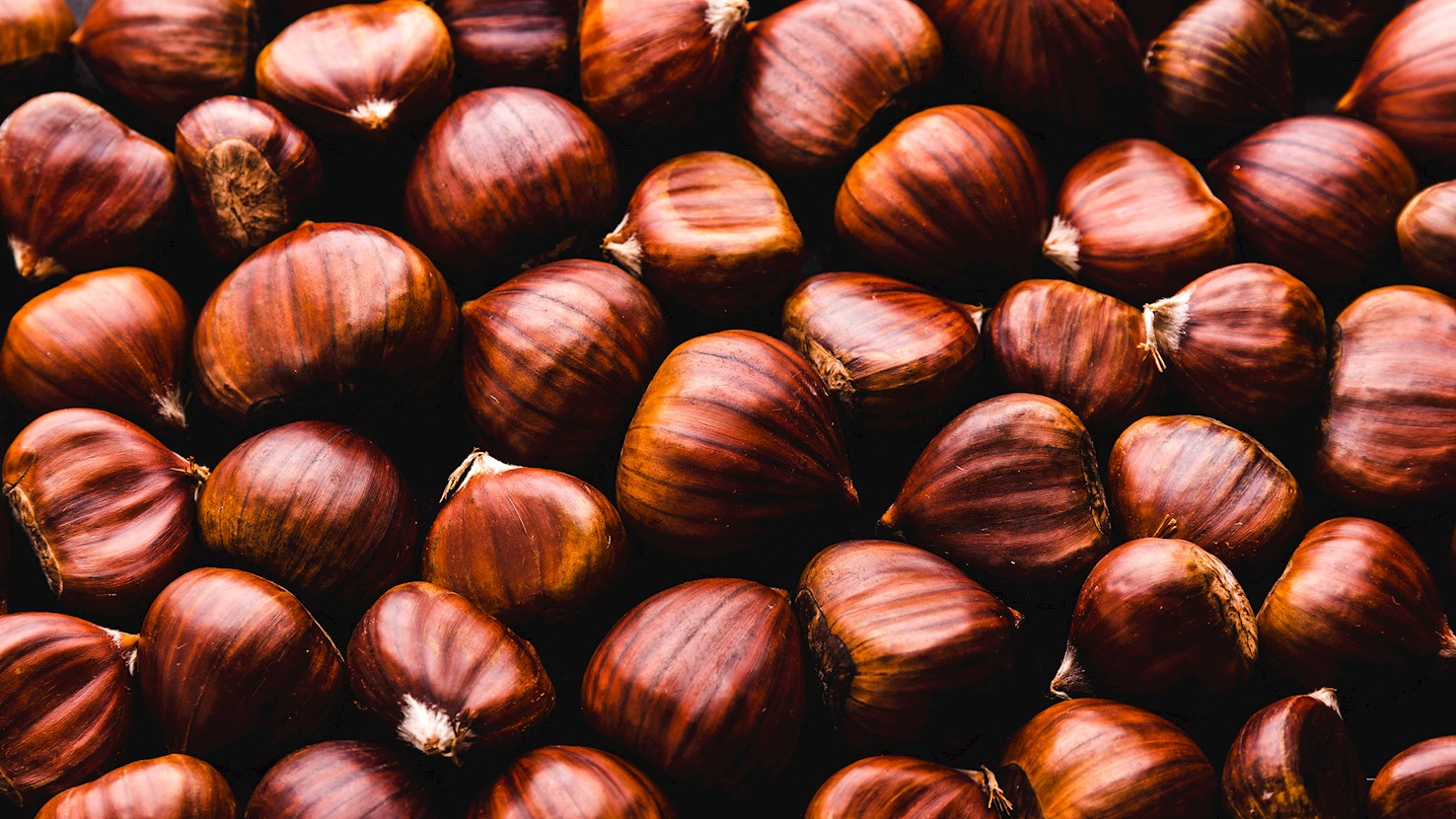
Marrone di Serino, or castagna di Serino is a variety of medium-large chestnut from Campania. The flesh is firm and crunchy with medium sweetness, and it is widely used in cooking. Boiled or roasted, marrone di Serino can be enjoyed on its own or used as an ingredient in the preparation of both savory and sweet dishes. Some of the local savory delicacies using these precious chestnuts are zuppa di marroni di Serino and caldarroste di marrone di Serino, while the most popular desserts include cakes and tarts such as crostata di marrone di Serino, crostata con crema di Marrone di Serino e cioccolato, or tronchetto al cioccolato con marrone di Serino. There is even a Sagra della Castagna della Serino, an annual chestnut festival dedicated to celebrating this delicacy.

08

Marrone di Roccadaspide

n/a ·

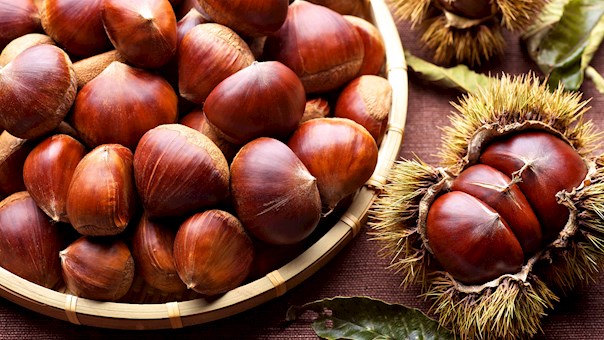
Named after a small town settled west from the Calore Lucano River, the chestnuts of Roccadaspide are fresh or dried fruits of the Anserta, Abate and Castagna Rossa cultivars grown in the province of Salerno, all of which are characterized by large size and a particularly sweet flavor due to their high glucose content. Roccadaspide chestnuts were once the main source of food for the local population, especially the chestnut flour which was used for making long-lasting breads. Today, they are more often enjoyed roasted, glazed, pureed, prepared as a side dish for game meat or used as an ingredient in a number of local desserts.

09

Marrone della Valle di Susa

n/a ·

Grown in the Piedmont's province of Turin, namely the fertile Susa Valley, Marrone della Valle di Susa refers to the chestnut variety characterized by a particular crunchy consistency of flesh, the sweet flavor and an indisputably unique aroma. Even though Susa Valley chestnuts were probably cultivated since the Roman era, most written records can be traced back to the Middle Ages when the most noted groves were the Castagneretum di Templeris which belonged to the Templars. Marrone della Valle di Susa is excellent roasted but it can also be used as an ingredient in many recipes, from hors d’oeuvres to desserts. Ballotte or boiled chestnuts are often served as a side dish; glazed chestnuts make for a delicious dessert, and Susa Valley chestnuts marinated in grappa are a delicacy not to be missed.

10

Mandorla di Avola

n/a ·

Although almonds originated in Asia, nowadays some of the best ones are grown around Avola, a city and comune in the sunny province of Syracuse. They can be either sweet or bitter - the sweet ones are widely used in confectionery, while small quantities of bitter almonds give a unique flavor to certain types of biscuits and liquors. Only three sorts are grown under the prestigious name of mandorle di Avola: Pizzuta, Fascionello, and Romana, also known as Corrente d'Avola. Pizzuta has a hard shell enclosing a symmetrical, reddish-brown seed and it is mostly used for high-quality confectionery products such as sugared almonds and pasta reale, similar to Fascionello, a bit less elegant, but equally delicious sort, while Romana often hides irregularly-shaped twin-seeds inside the shell, and it is usually used for pastries. Harvest time is between July and August, but all three sorts have a thick shell that preserves their flavor and quality, so they can be enjoyed all year-round.

Read more
View all
View map
About this ranking

TasteAtlas food rankings are based on the ratings of the TasteAtlas audience, with a series of mechanisms that recognize real users and that ignore bot, nationalist or local patriotic ratings, and give additional value to the ratings of users that the system recognizes as knowledgeable. For the “Top 21 Italian Nuts and Seeds” list until June 01, 2026, 216 ratings were recorded, of which 140 were recognized by the system as legitimate. TasteAtlas Rankings should not be seen as the final global conclusion about food. Their purpose is to promote excellent local foods, instill pride in traditional dishes, and arouse curiosity about dishes you haven’t tried.

Similar lists