

shutterstock

Top 5 Portuguese Nuts and Seeds

Last updated on June 15, 2026
01

Castanha da Terra Fria

4 ·

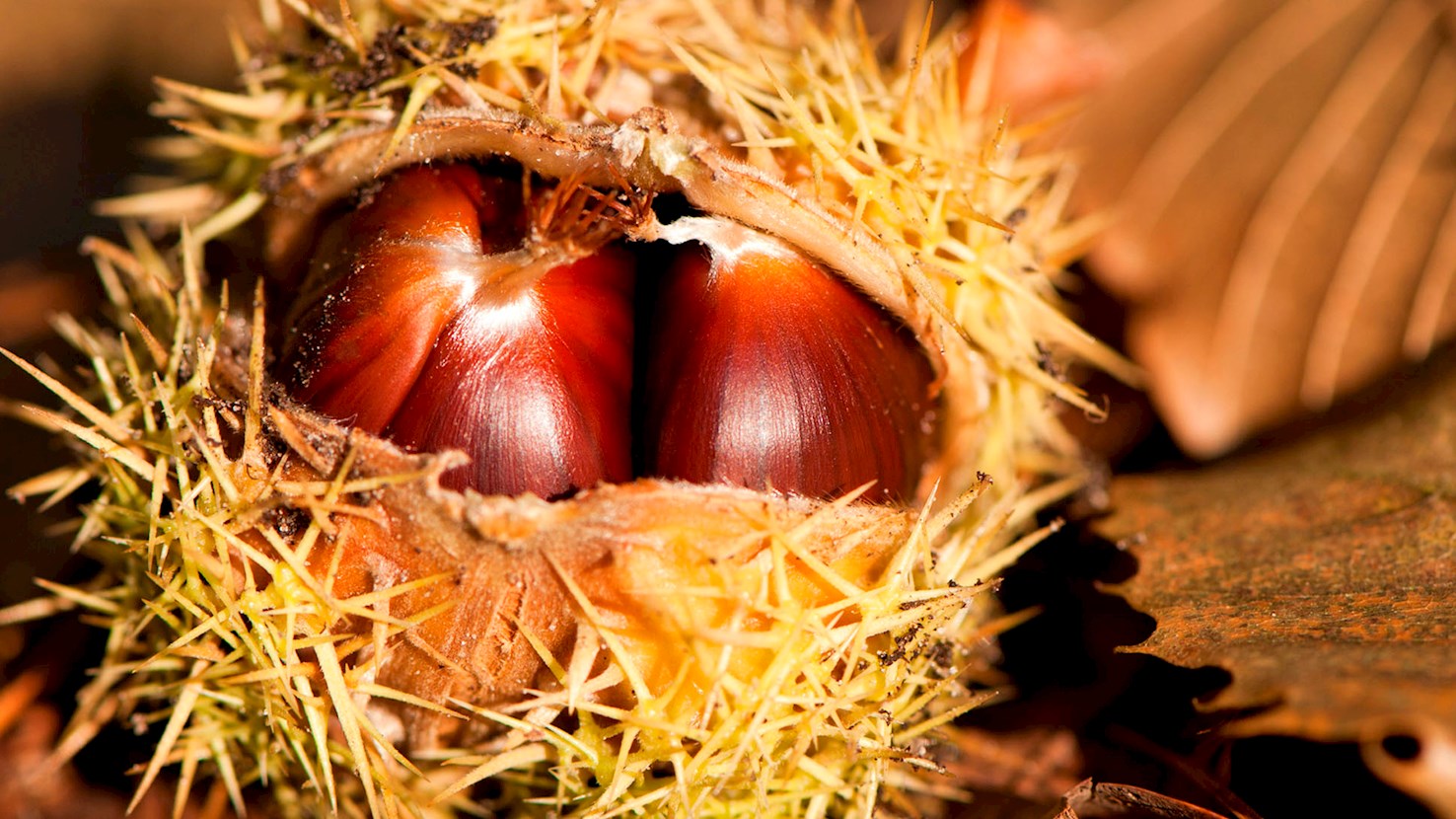
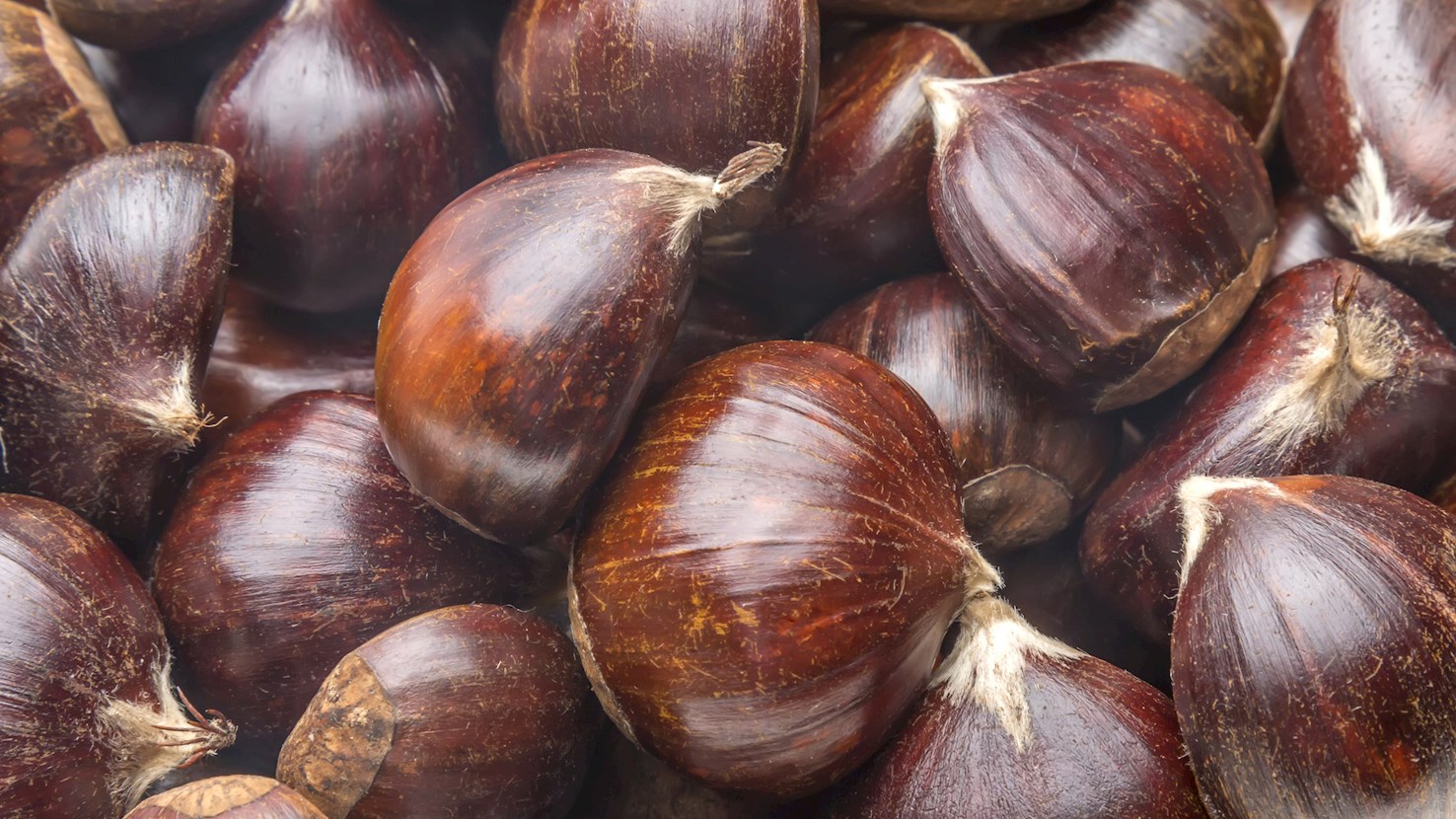
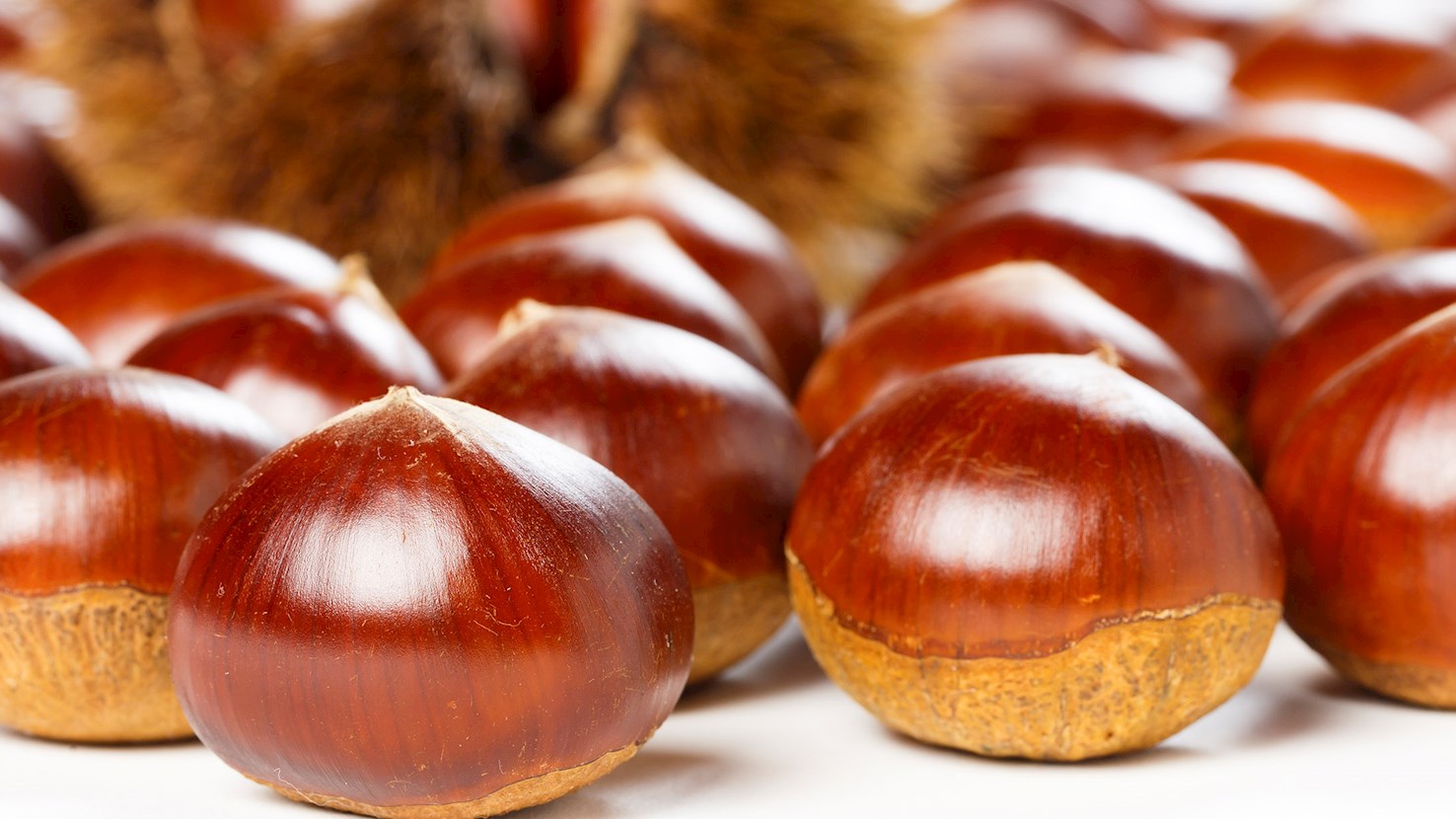
This chestnut is the fruit of the Longal varietal, grown in the Vila Real and Bragança districts in Portugal. These chestnuts are harvested manually when they fall to the ground, and the use of any mechanical instruments or tools during harvesting is forbidden. They are reddish-brown with a bright longitudinal stripe on the exterior, and their flavor is intense and quite aromatic. Terra Fria chestnuts can be frozen or processed into jams, syrups, or caldas. They are a common accompaniment to traditional dishes such as fried meat or pork roasts, and they are also to produce bread, cakes, and chestnut flower. These unique chestnuts also play an important role at the Magusto All Saints' Day festival, when they are roasted and eaten on the streets.

02

Amêndoa Douro

n/a ·

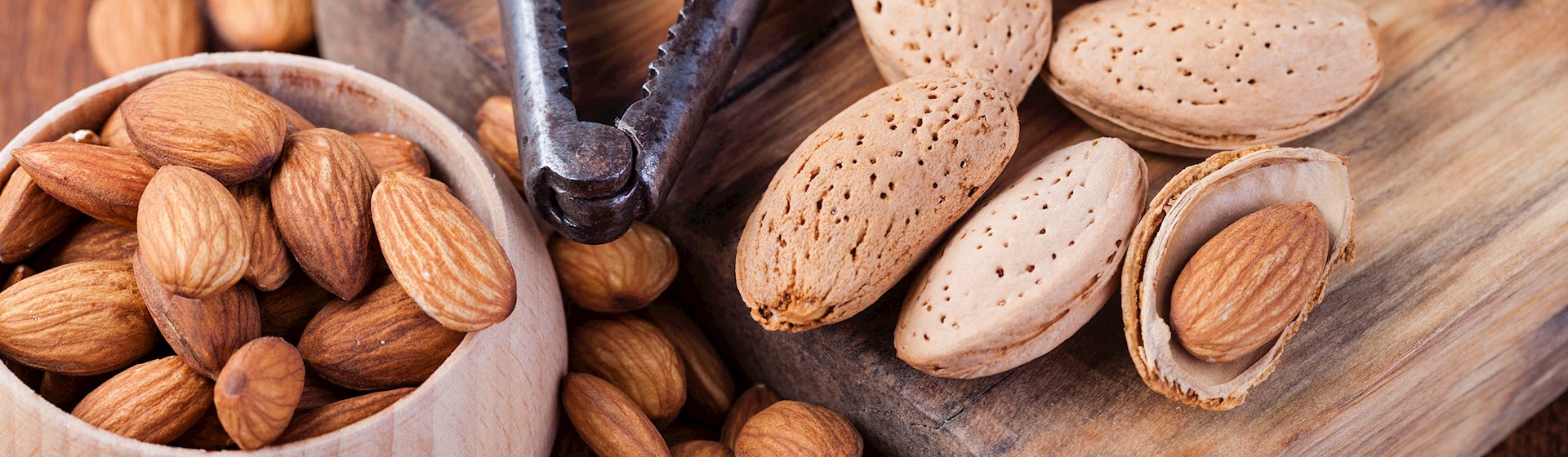
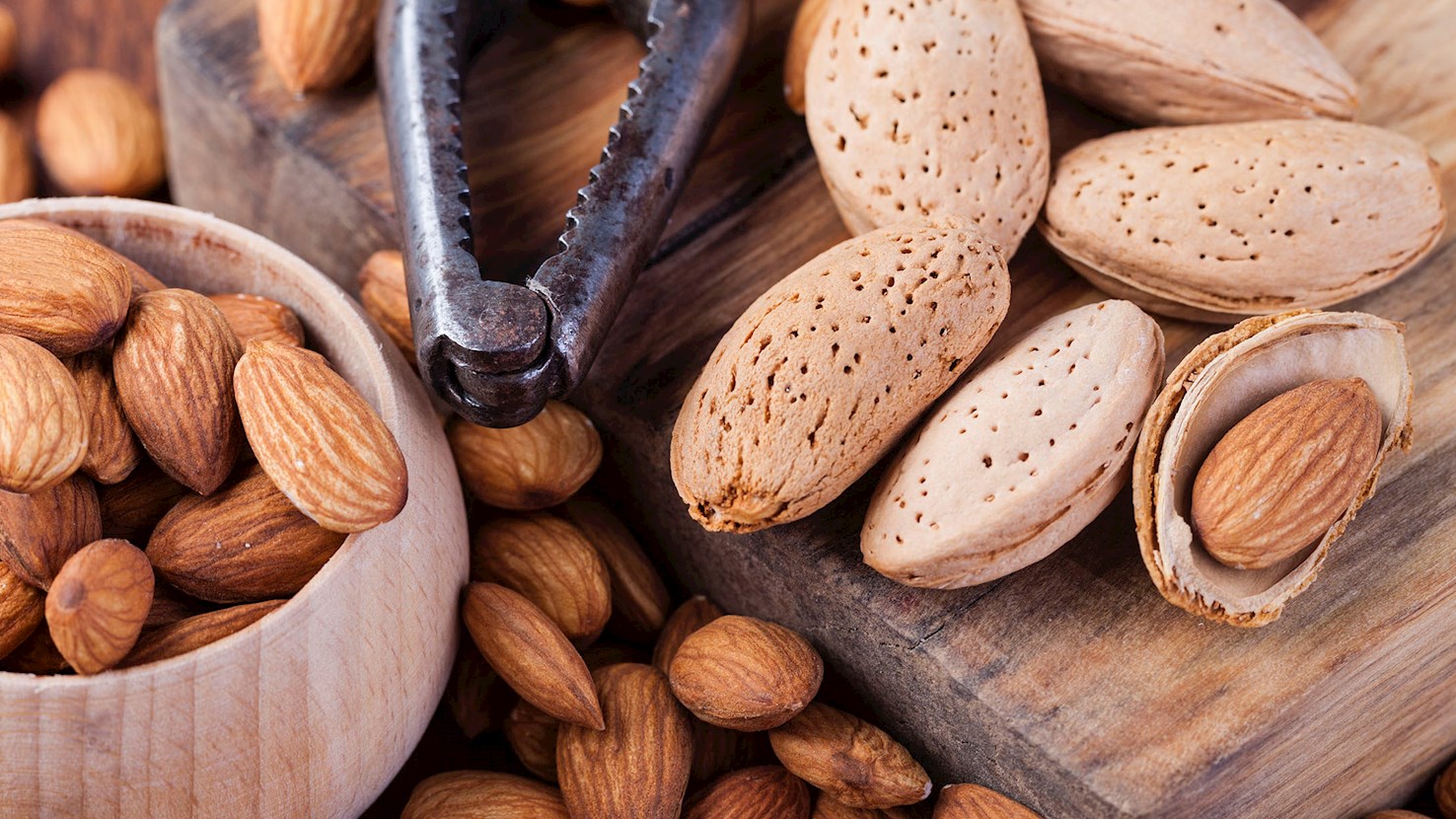
These Portuguese almonds come from the Casa Nava, Parada, Pesianeia, and Duro Italiano varieties. Every year, between February and March, dazzling white and pink almond blossoms cover the rugged slopes of the Upper Douro, thus announcing the end of winter and heralding the arrival of spring. This region still produces almonds traditionally, in harmony with the people and the land. Although almonds are best grown in a hot and arid climate, the varieties grown in Douro have adapted to the colder local weather conditions. Douro almonds possess an unrivaled quality and flavor due to their exceptionally high fat and protein content. They are sold both shelled and unshelled and in a variety of forms, from whole to slivered to ground. Douro almonds are an irreplaceable ingredient in many traditional Portuguese sweet and savory recipes.

03

Castanha Marvão-Portalegre

n/a ·

This chestnut is produced mainly from the Barea and Clarinha varietals, which are cultivated in the Portalegre district in the Alentejo region of Portugal. They are harvested after they fall from the tree, and they are then sorted, graded, and dried using special equipment. Sturdy and hard, their color ranges from light brown to dark red with a shiny, waxy exterior. The distinctive flavor of Marvão-Portalegre chestnuts is so popular that they are used in a variety of regional dishes, such as chestnut soup, pork roast with chestnuts, or turkey with chestnuts. They are also available in the form of chestnut flour, which is used in the production of numerous cakes and desserts.

04

Castanha da Padrela

n/a ·

This chestnut grows in the Portuguese district of Vila Real, whose soil is rich in organic matter and perfect for growing large, healthy chestnuts. The chestnut usually prefers colder climates, and the summer weather conditions in the district have a favorable influence on the size and sweetness of the chestnuts. These chestnuts are harvested only after they fall to the ground to ensure they are fully mature, and they must be whole and healthy to be used. The Padrela chestnut is brown with light or dark stripes, depending on the variety of the plant. It is round in shape and has a naturally shiny surface, a distinctive flavor, and an intense aroma. People in the region have established a special relationship with chestnuts – they were the main source of food in the distant past, and they were even used as a form of currency for land rent payments in the 13th century. These chestnuts can be stored as they are, frozen, or processed into jams, syrups, or caldas. The chestnut is an integral part of the regional cuisine, and is used not only for making chestnut flour or desserts, but sometimes even as a replacement for potatoes in dishes with a starchy component, such as roasts.

05

Castanha dos Soutos da Lapa

n/a ·

This chestnut comes from the Martaínha Longal varietal, grown in the Portuguese districts of Viseu and Guarda, where the chestnut was even used as currency in the thirteenth century. The nut is reddish-brown with dark stripes across its shiny exterior. The flavor is delicately sweet, so it is mostly used in the production of jams and syrups. However, it may also be boiled or roasted and used in a variety of dishes, such as mashed chestnut purée, chicken with chestnuts (in which chestnuts are used as a replacement for potatoes), chestnut mousse, or chestnut flour, which is a key ingredient in numerous desserts.

Read more
View all
View map
About this ranking

TasteAtlas food rankings are based on the ratings of the TasteAtlas audience, with a series of mechanisms that recognize real users and that ignore bot, nationalist or local patriotic ratings, and give additional value to the ratings of users that the system recognizes as knowledgeable. For the “Top 5 Portuguese Nuts and Seeds” list until June 15, 2026, 74 ratings were recorded, of which 34 were recognized by the system as legitimate. TasteAtlas Rankings should not be seen as the final global conclusion about food. Their purpose is to promote excellent local foods, instill pride in traditional dishes, and arouse curiosity about dishes you haven’t tried.

Similar lists