



Top 6 Portuguese Offal Dishes

Last updated on May 15, 2026
01

Moelas (Portuguese chicken gizzards)

3.7 ·

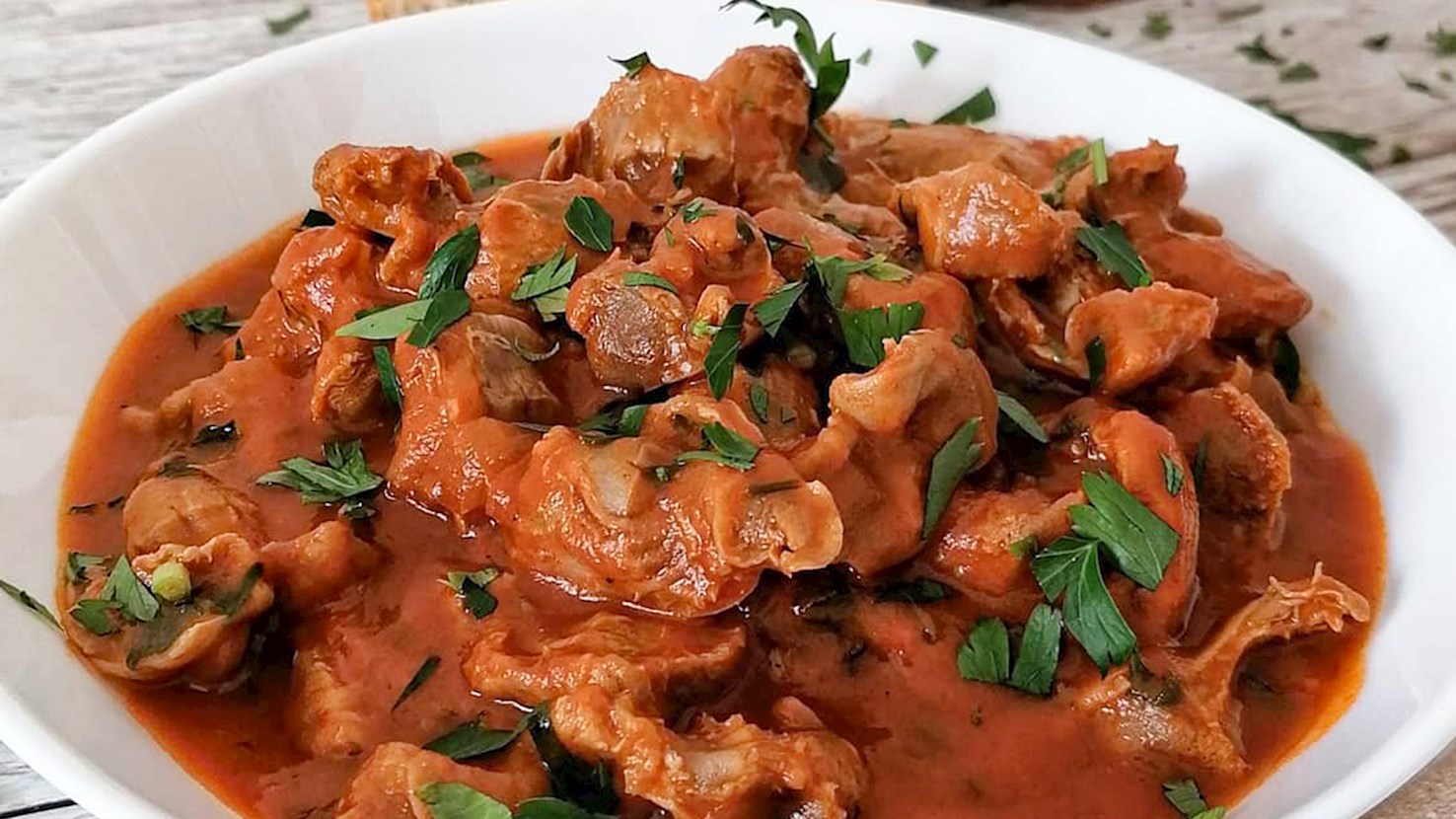
Moelas are a traditional Portuguese dish made from chicken gizzards, slow-cooked in a savory sauce of tomatoes, onions, garlic, white wine, and spices. The gizzards are first sautéed with onions and garlic, then simmered in the tomato and wine sauce until tender. This process allows the gizzards to absorb the rich flavors, resulting in a dish that is both tender and slightly chewy. Hot chili peppers, typically piri-piri, and chouriço, a Portuguese pork sausage spiced with paprika, can also be included, depending on the recipe. Moelas are typically served either as an appetizer or a stew, in which case they are sprinkled with parsley before serving. Regarding sides, moelas are usually paired with toasted papo seco (Portuguese bread rolls), rice, or potatoes.

02

Tripas à moda do Porto

3.6 ·

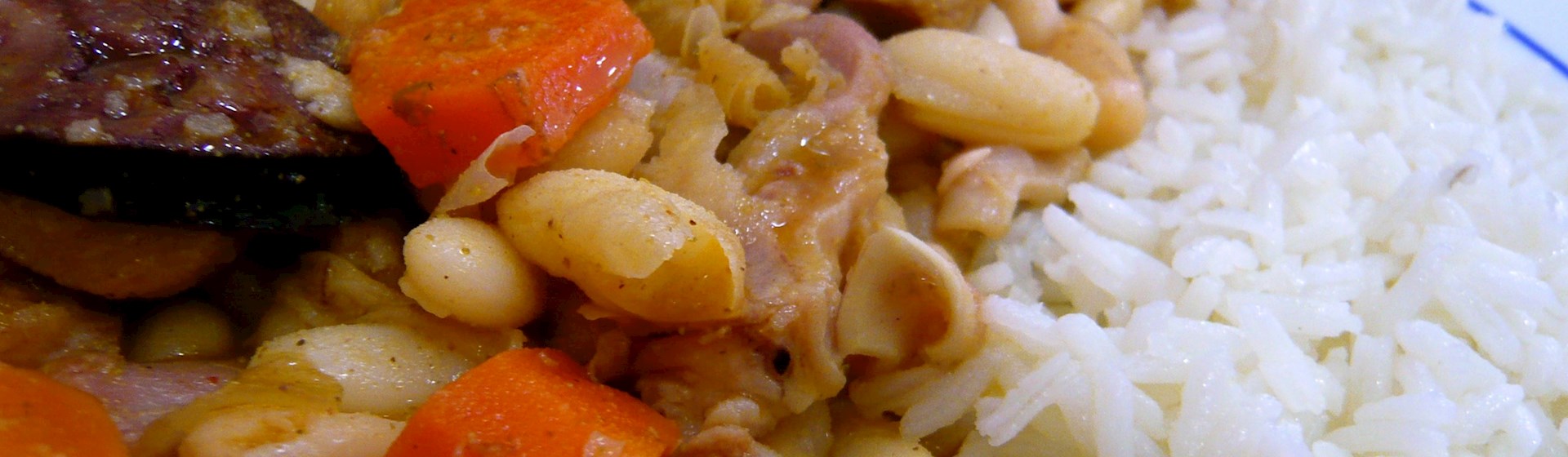
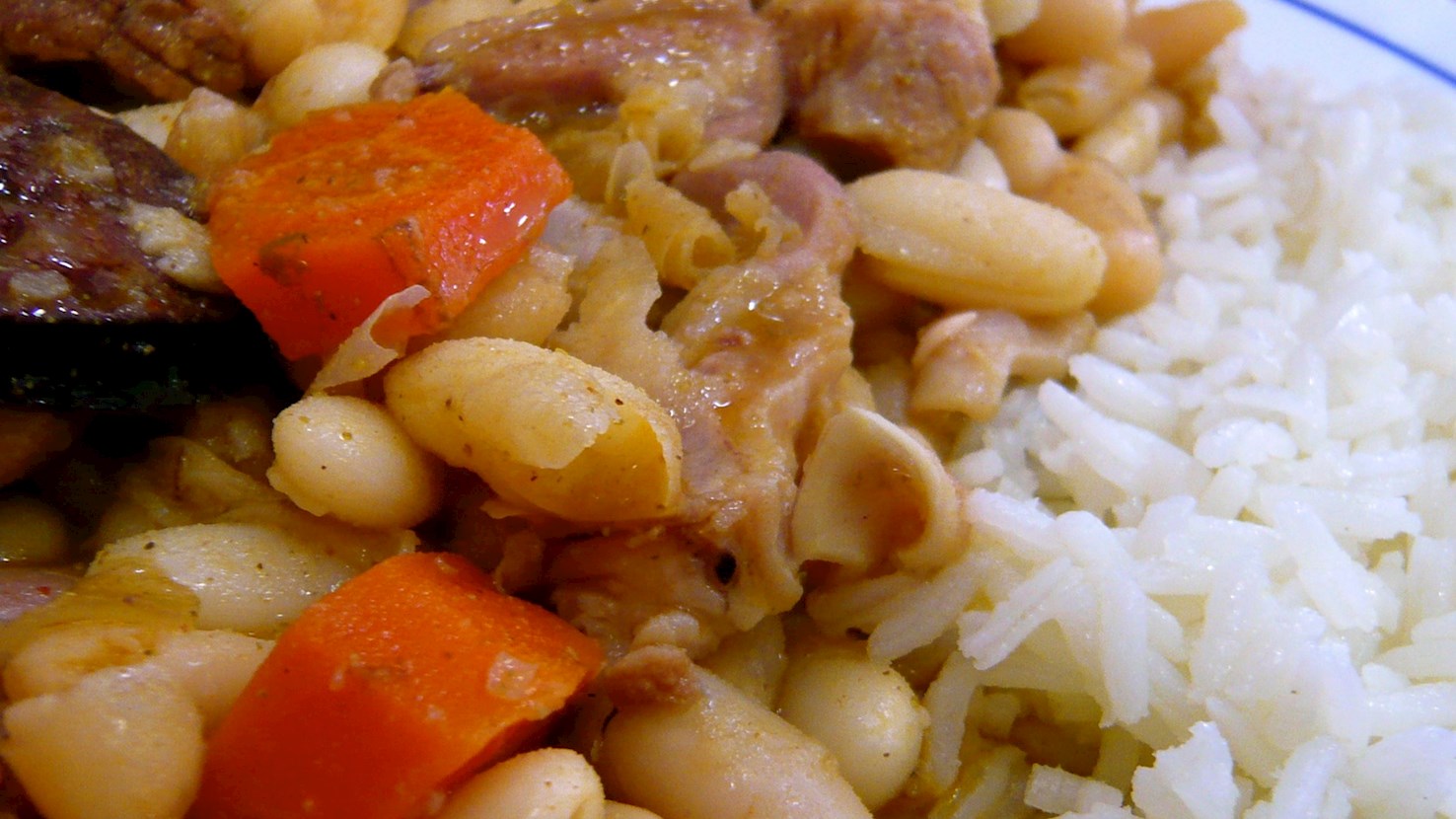
This traditional tripe stew is a signature dish of Porto, a city whose citizens are even nicknamed tripeiros because of their love for tripe. The dish typically consists of veal tripe, white beans, smoked ham and pork sausage, pork or calf knuckles, carrots, onions, various spices such as paprika and cumin, and different cuts of pork and chicken. Though numerous legends describe the invention of the dish, the most popular one claims that when Henry the Navigator went to conquer Ceuta, the locals supplied him with all the meat except tripe, which they then used to create this rustic stew. From the 15th century, the dish evolved into an iconic dish that is a staple in traditional restaurants in Porto. It is best enjoyed with cooked rice on the side.

03

Dobrada

3.3 ·

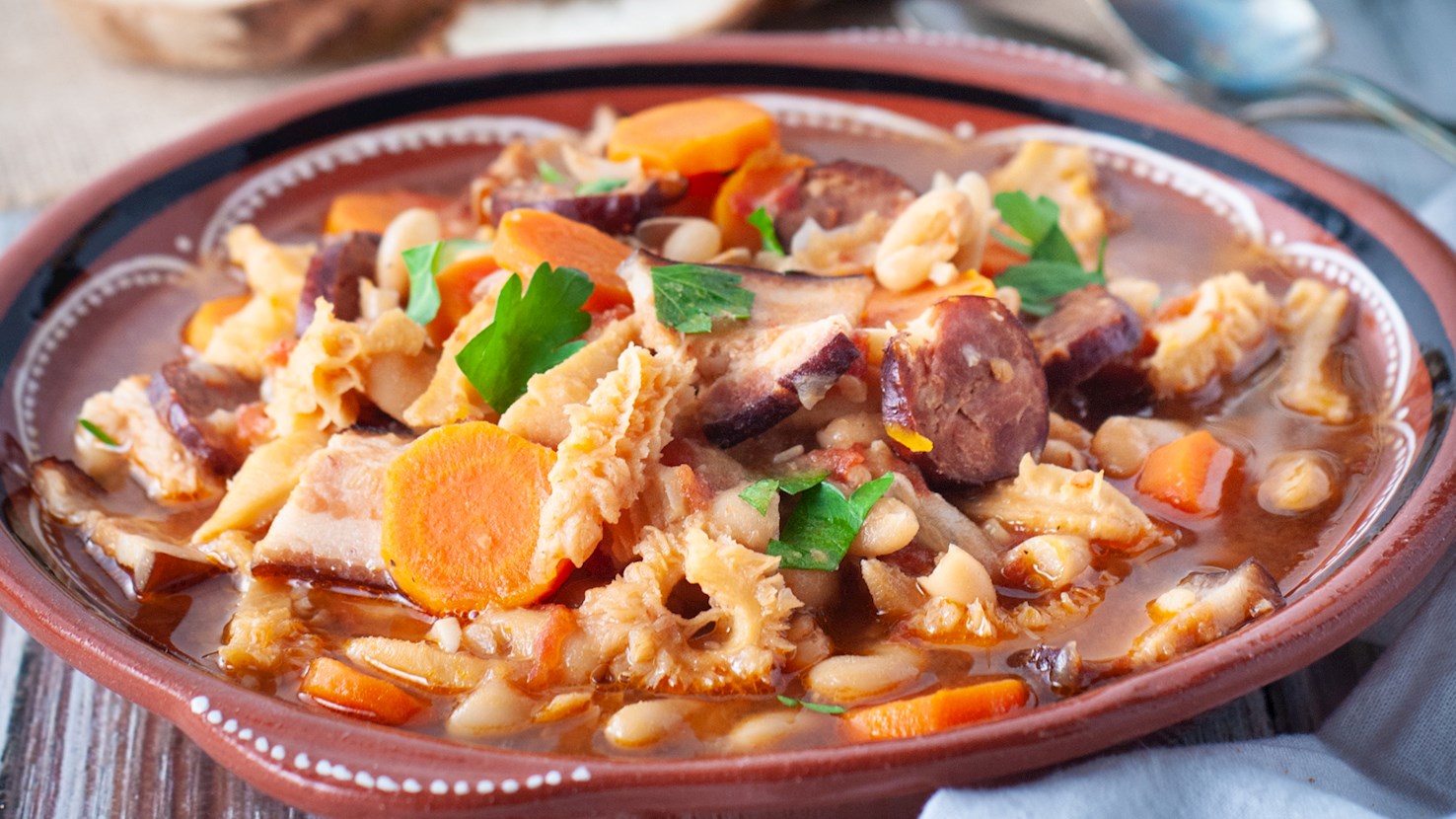
Dobrada or dobradinha is a traditional dish that's also popular in Brazil. Although there are a few variations regarding the recipes, the dish is usually made with a combination of tripe, beans, paprika, tomato paste, garlic, carrots, and onions. Dobrada originates from the northern part of the country. Once done, the dish is often garnished with parsley and mint, then served with white rice on the side. Over the years, dobrada has gained popularity, and now it's served at restaurants and home kitchens across Portugal and Brazil.

04

Iscas de fígado com cebolada

n/a ·

Iscas de fígado com cebolada is a traditional dish featuring liver, typically pork or beef, cooked with onions. The liver is marinated in a mixture of white wine, garlic, bay leaves, and sometimes vinegar, which helps to tenderize it and infuse it with flavor. The liver slices are then sautéed and combined with caramelized onions, creating a rich and savory dish. This dish is often served with boiled potatoes or bread, making it a hearty and flavorful meal.

05

Orelha de porco

n/a ·

Orelha de porco (or orelheira com molho verde) is a traditional dish consisting of pig's ear served with a green sauce. The pig's ear is typically boiled until tender, then either served as is or grilled for added texture. It is then mixed with the so-called "green sauce" (molho de verde), which is a fresh, tangy mixture often made with ingredients such as parsley (or coriander), garlic, olive oil, vinegar, bay leaves, salt, and pepper. This combination creates a flavorful and refreshing accompaniment to the rich and slightly chewy pig's ear, making it a popular appetizer or petisco in Portuguese cuisine.

06

Tripas aos molhos

n/a ·

Tripas aos molhos is a traditional offal dish originating from the Vila Real area. Although there are variations, the dish is usually made with a combination of veal tripe, ham, parsley, onions, white wine, olive oil, salt, paprika, and hot peppers. The tripe is washed and cleaned, cut into squares, stuffed with ham and parsley, then rolled up and tied with a thin string. The onions are sautéed in oil, and the stuffed tripe is then added to the pot. The mixture is covered with water and boiled for more than an hour. The dish is then mixed with the white wine and seasoned with salt, hot peppers, and paprika. After about two hours of simmering, this unusual tripe dish is ready to be served.

Read more
View all
View map
About this ranking

TasteAtlas food rankings are based on the ratings of the TasteAtlas audience, with a series of mechanisms that recognize real users and that ignore bot, nationalist or local patriotic ratings, and give additional value to the ratings of users that the system recognizes as knowledgeable. For the “Top 6 Portuguese Offal Dishes” list until May 15, 2026, 186 ratings were recorded, of which 129 were recognized by the system as legitimate. TasteAtlas Rankings should not be seen as the final global conclusion about food. Their purpose is to promote excellent local foods, instill pride in traditional dishes, and arouse curiosity about dishes you haven’t tried.

Similar lists