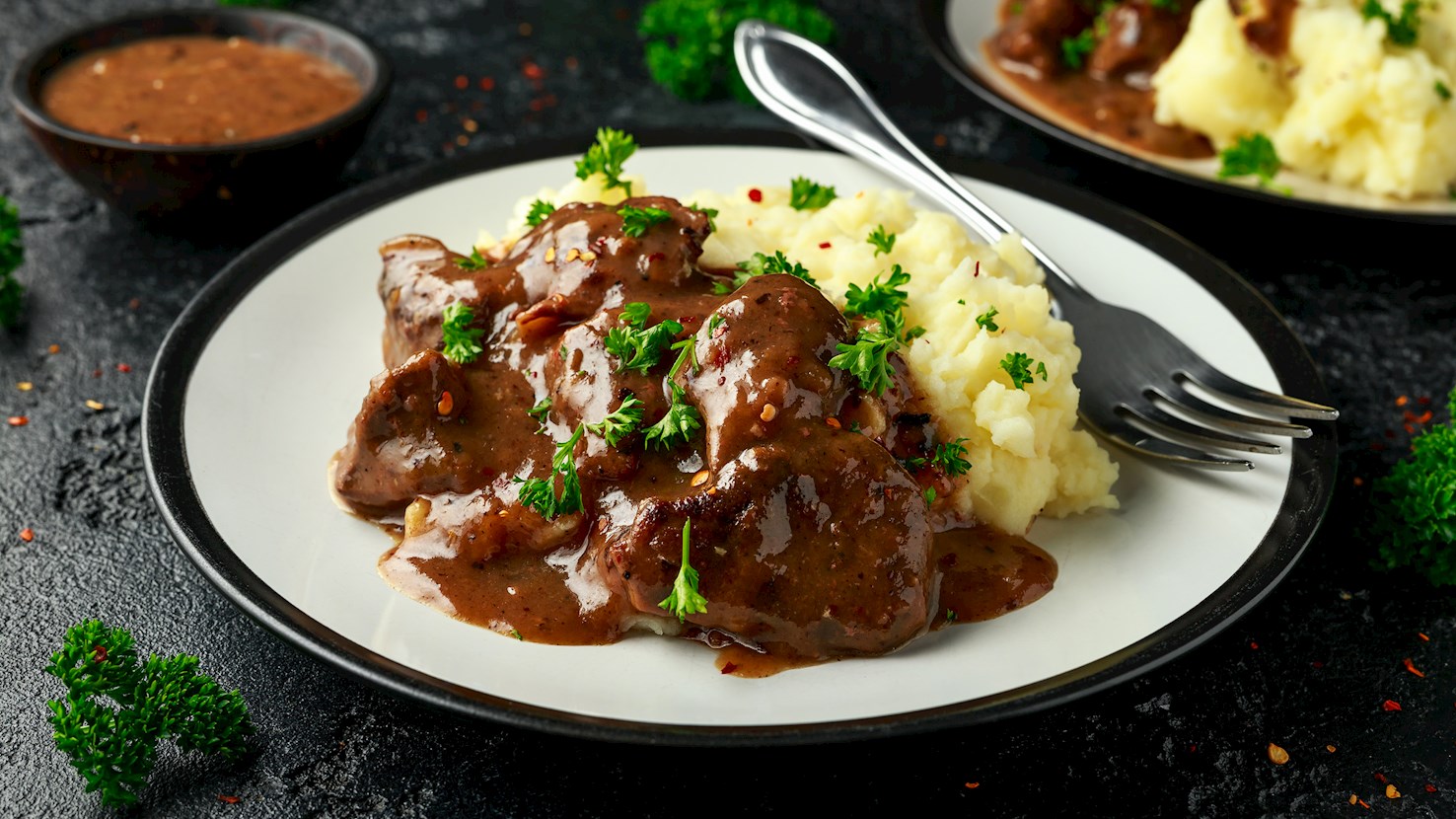
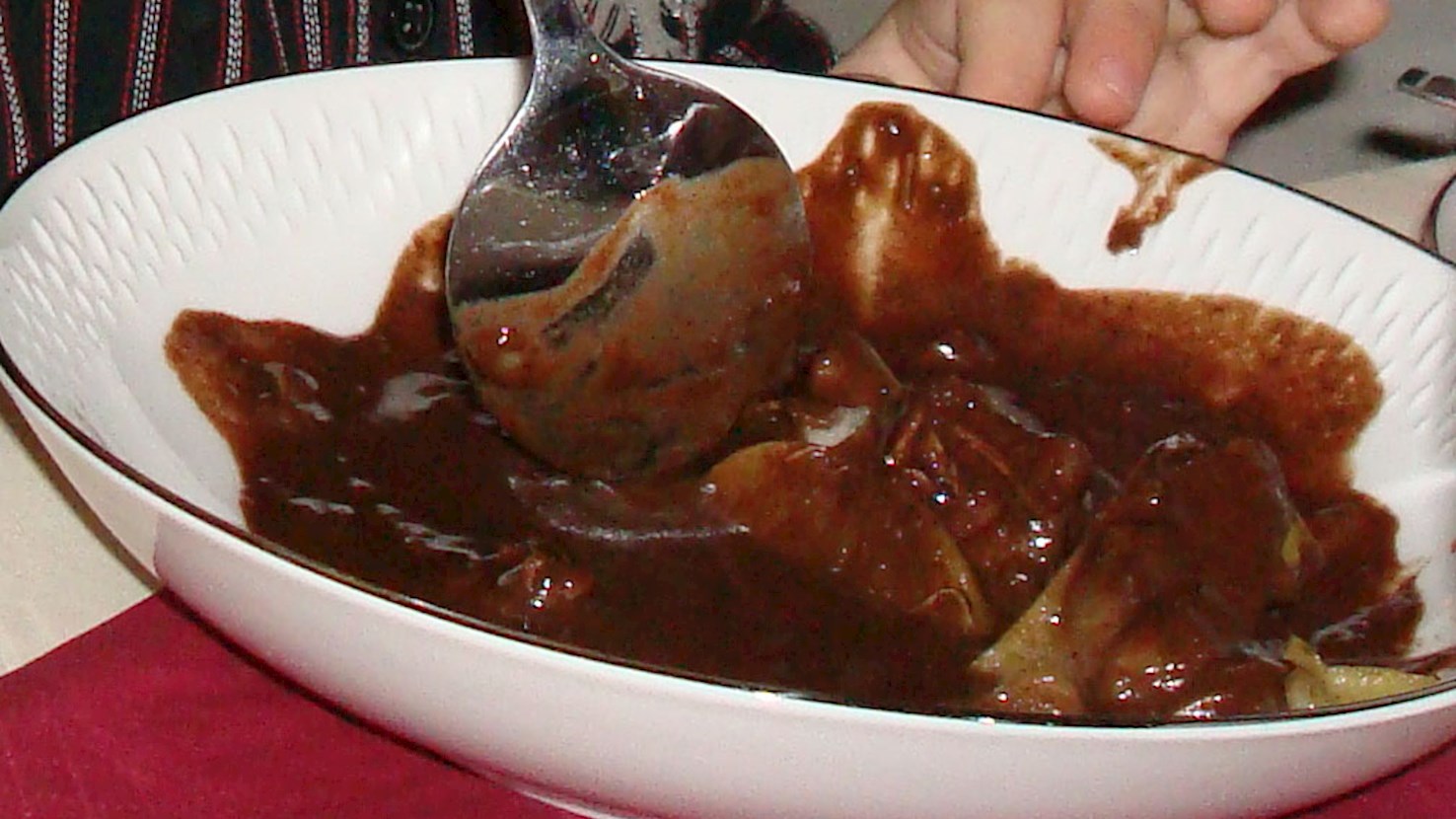
This Danish classic couples pig or beef hearts and a creamy, flavorful sauce. The hearts should be thoroughly cleaned and are usually sliced before they are shortly seared and then braised in a sauce that is enriched with sautéed onions, which provide the essential sweetness. The dark, rich sauce is often toned down with a splash of whipped cream, or it can additionally be thickened with a flour roux. Hjerter i flødesovs, translated as hearts and cream sauce, is typically accompanied by mashed potatoes.
Pan-fried calf’s liver is a traditional dish that can be prepared in a variety of ways. Usually, the liver is dusted with flour and shortly pan-fried until golden. It is often coupled with hefty amounts of caramelized onions and the lightly-thickened deglazed pan sauce. This hearty classic is best accompanied by boiled potatoes that perfectly complement sweet onions, creamy sauce, and earthy calf’s liver.
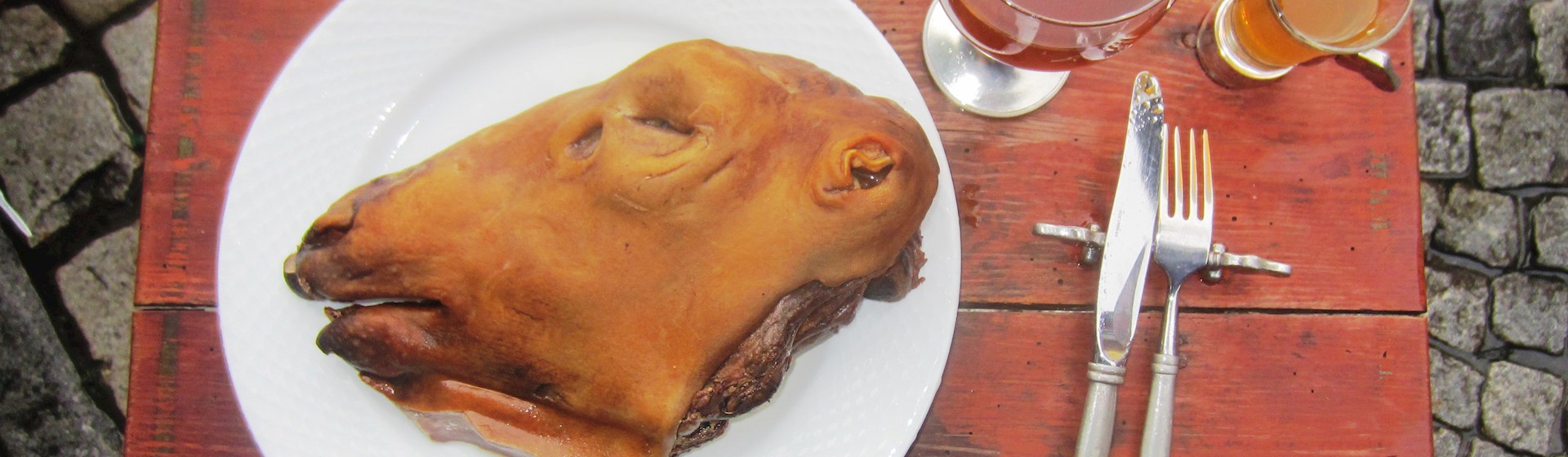
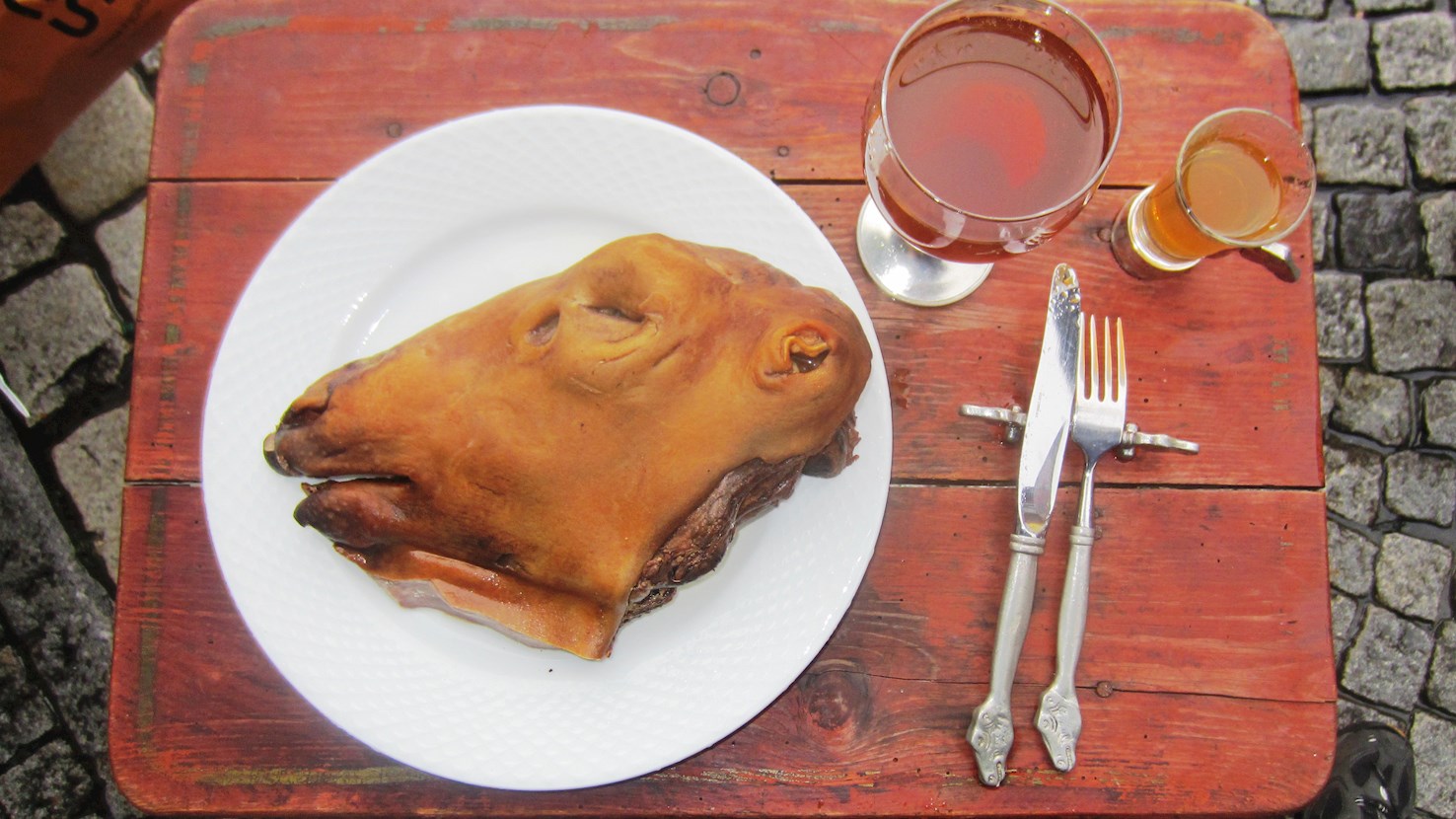
Smalahove is a traditional dish made with sheep's head as the main ingredient. The head is first left to soak in water for 24 hours. After the brine has been created (salt, sugar, saltpetre), the head is left to soak for another 24 hours, and it's then finally boiled. This delicacy is usually prepared and eaten on the Sunday before Christmas. It's most commonly served with a combination of mashed rutabaga and potatoes, white pepper, nutmeg, butter, and cream. Smalahove dates back to the times when food was scarce, but today it's a festive specialty. Serve it with a glass of strong beer or Akvavit, a Scandinavian schnapps-like spirit.
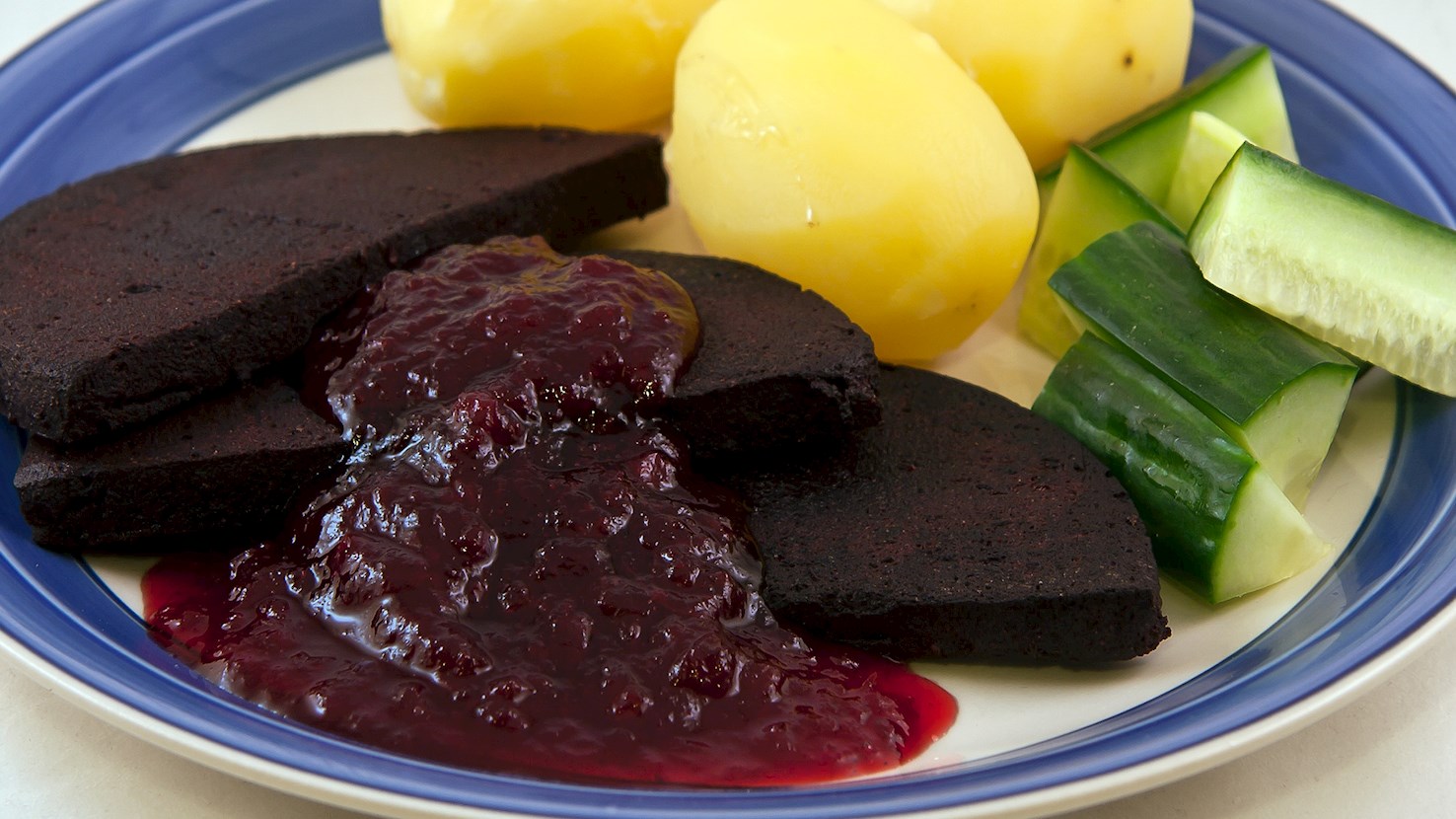
Blodpudding is one of traditional Swedish dishes made with animal blood. It is typically prepared with pig blood that is mixed with flour, beer or svagdricka, butter, and seasonings, then cooked in the oven. Once prepared, it is thinly sliced and fried with a little butter or oil until slightly crispy on the surface. The traditional way of serving it is with lingonberry jam, crispy bacon, and Swedish snaps. A variant of this dish is blodkorv (blood sausage), to which pork fat, raisins, and spices are added besides the usual ingredients. As intriguing as this dish might seem to a foreigner, blood pudding is a very popular and common food eaten for lunch or dinner in most Swedish households. In fact, the Swedes have not abandoned their habit of eating food made with animal blood since they consider this ingredient very nutritious and healthy. Children commonly have it at school, served with potato cakes (potatisbullar) and lingonberries. Premade blood pudding can be bought from any Swedish supermarket, making it a convenient and nutritious meal for students and busy individuals alike.
Svartsoppa is a blood soup that is traditionally served as the first course of Swedish goose dinner, enjoyed annually on St Martin’s Eve. Mostly associated with the region of Skåne, this soup is typically made with goose blood (sometimes also with pig’s blood), goose stock, spices, and seasonings. The spicy, sweet, and sour dish has a thick consistency and is reddish-black in color, so it is often called black soup. Typical accompaniments to the soup include potatoes, entrails, stewed prunes, and goose-liver sausages.
Korvkaka is a baked dish from Västra Götaland in western Sweden, made from liver, barley groats, milk, eggs, and sometimes pork or raisins. Despite its name (literally "sausage cake"), it does not contain sausage; the word “korv” here refers to the mixture being similar to sausage filling, while “kaka” simply means cake. It belongs to the rural cooking of inland Sweden, where people made use of every part of the animal after slaughter and combined it with grains and dairy to create a sustaining meal that could feed many. The dish grew out of the old farm kitchens where thrift and nourishment defined cooking, later spreading across southern Sweden as part of everyday household food. During slaughter season, liver and other less marketable parts of the animal were boiled, chopped, and mixed with barley groats cooked in milk to form a hearty batter. Eggs helped bind the mixture, and spices like white pepper, marjoram, and thyme gave it aroma. Some families added diced pork for richness or a handful of raisins for a slight sweetness that balanced the savory base. The mixture was poured into a greased baking tin and baked slowly until firm and lightly browned, then cut into thick slices. Because it was dense, korvkaka kept well and could be reheated or even fried the next day, making it both practical and satisfying in times when food preservation mattered. Korvkaka remains a dish identified closely with Västra Götaland, though it appears occasionally in nearby provinces like Småland and Östergötland. It is eaten hot, often served with boiled potatoes and lingonberry jam, which cut through the richness and bring brightness to the plate. Melted butter is sometimes spooned over the slices just before serving, adding gloss and warmth. Some households slice the cooled korvkaka and pan-fry it for a crisp exterior, a method that enhances its flavor and texture.
TasteAtlas food rankings are based on the ratings of the TasteAtlas audience, with a series of mechanisms that recognize real users and that ignore bot,
nationalist or local patriotic ratings, and give additional value to the ratings of users that the system recognizes as knowledgeable.
TasteAtlas Rankings should not be seen as the final global conclusion about food. Their purpose is to promote excellent local foods,
instill pride in traditional dishes, and arouse curiosity about dishes you haven’t tried.




What People Say