


shutterstock

Top 4 South African Offal Dishes

Last updated on September 15, 2026
01

Skilpadjies

3.3 ·

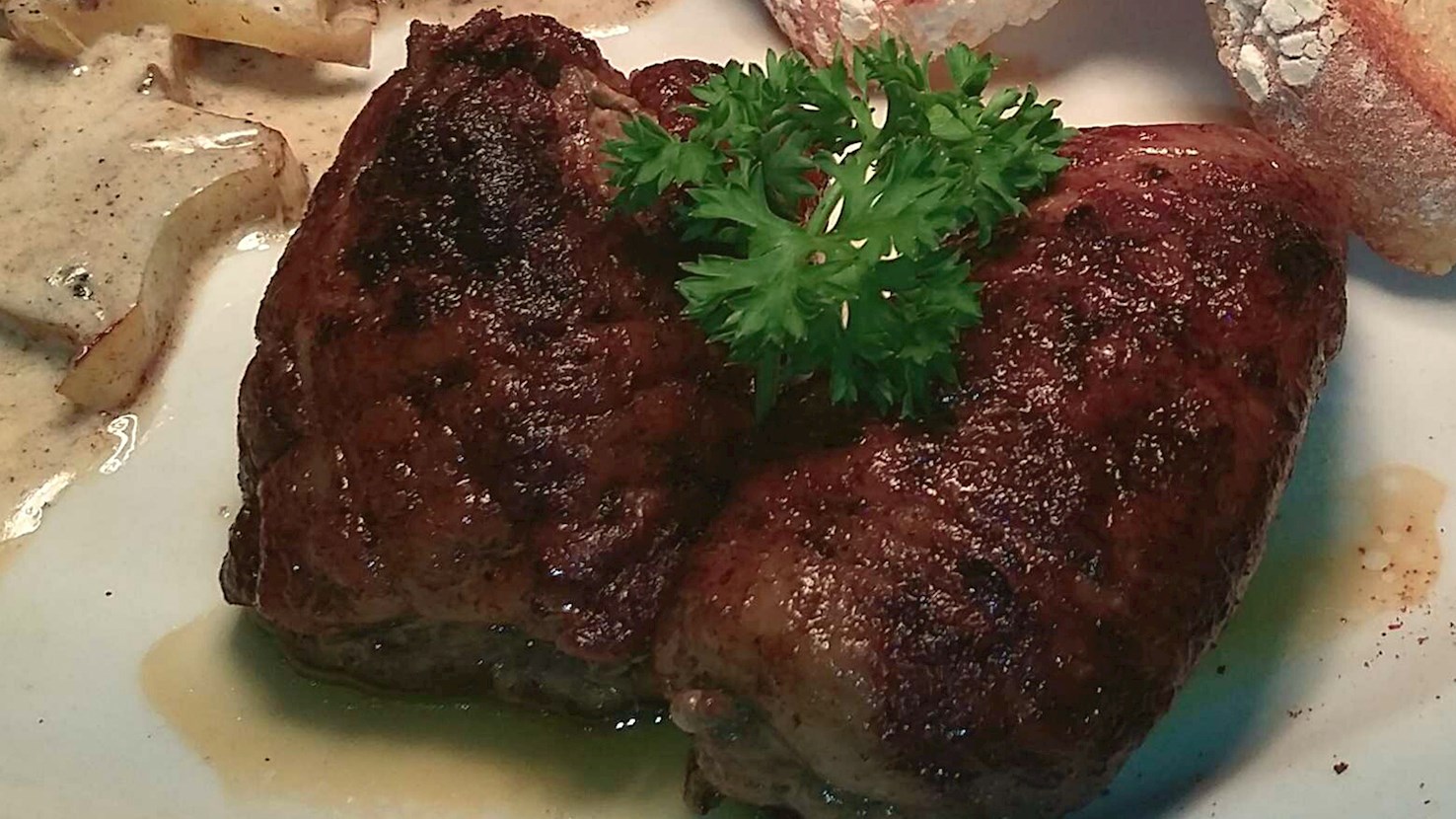
Skilpadjies is a traditional dish consisting of sheep liver that is wrapped in a layer of caul fat. The liver is typically minced and combined with coriander, onions, and Worcestershire sauce. The whole concoction is grilled over hot coals until the caul fat develops a crispy texture. The dish is usually paired with bread or mealie pap on the side.

02

Smiley

n/a ·

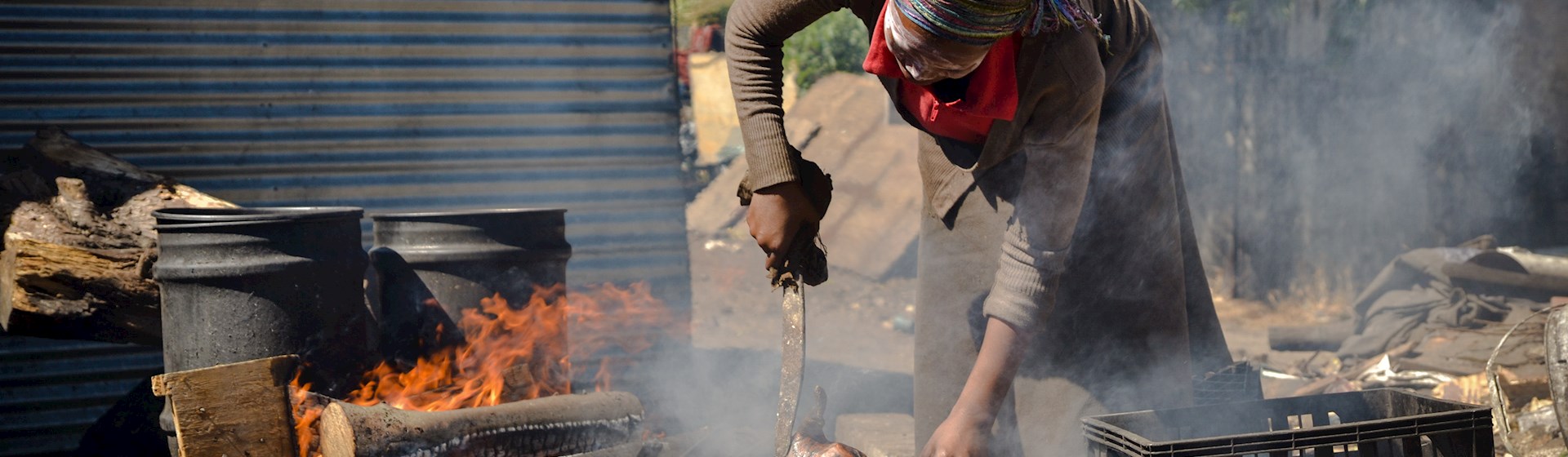
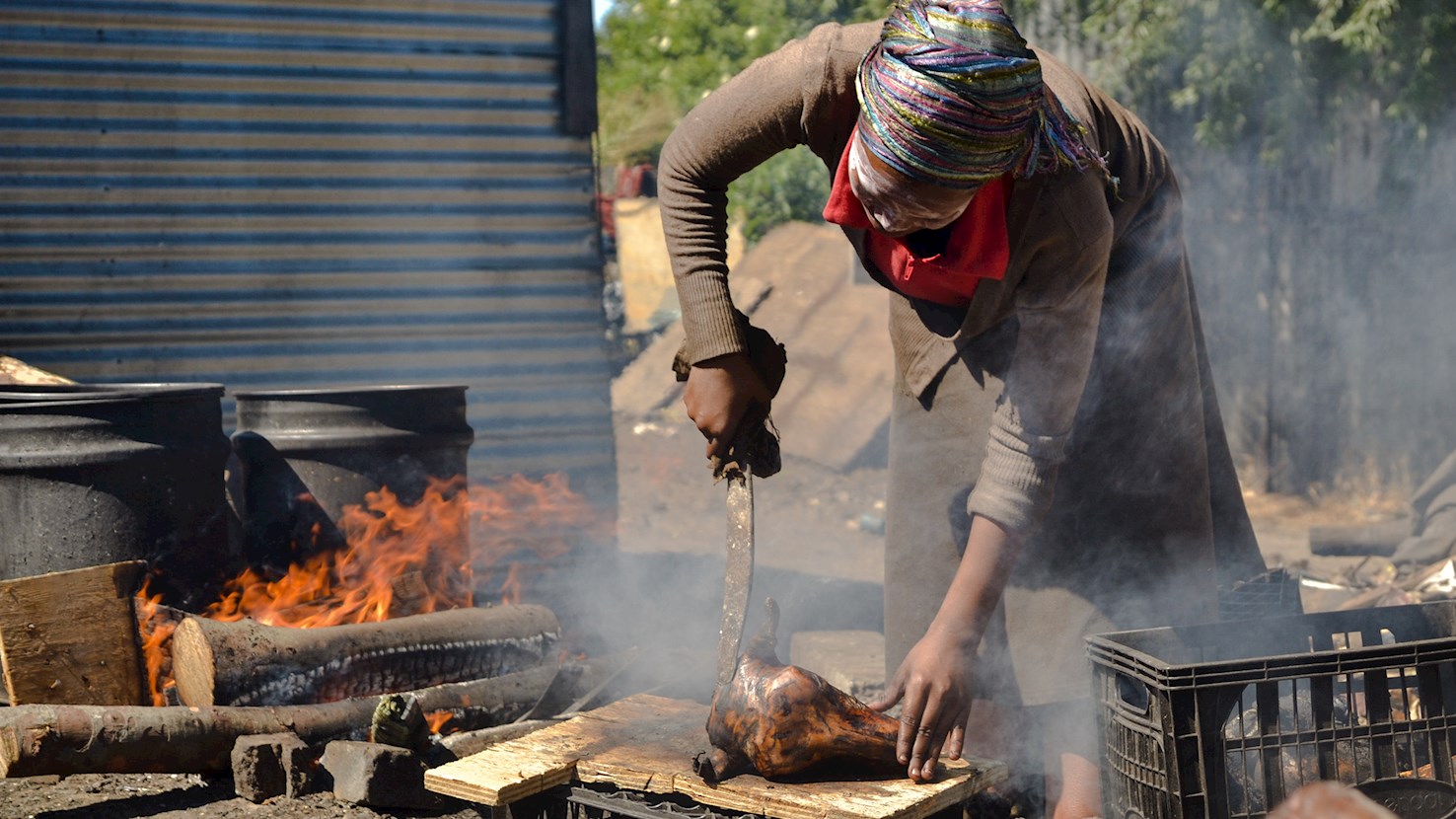
Smiley is a traditional dish featuring sheep's head as the key ingredient. The sheep heads are actually butcher's leftovers which are broiled (usually in large drums), and the fur is then singed with metal rods, while the animal's lips pull back to reveal a grotesque smile, hence the name smiley. The head is served with a bit of salt, and the meat can easily be ripped off with your hands because it's so tender. It is said that the tongue, eyes, cheeks, and brains are the most flavorful parts of smiley. The head is typically served whole, but it can also be cut up and used in stews.

03

Mala mogodu

n/a ·

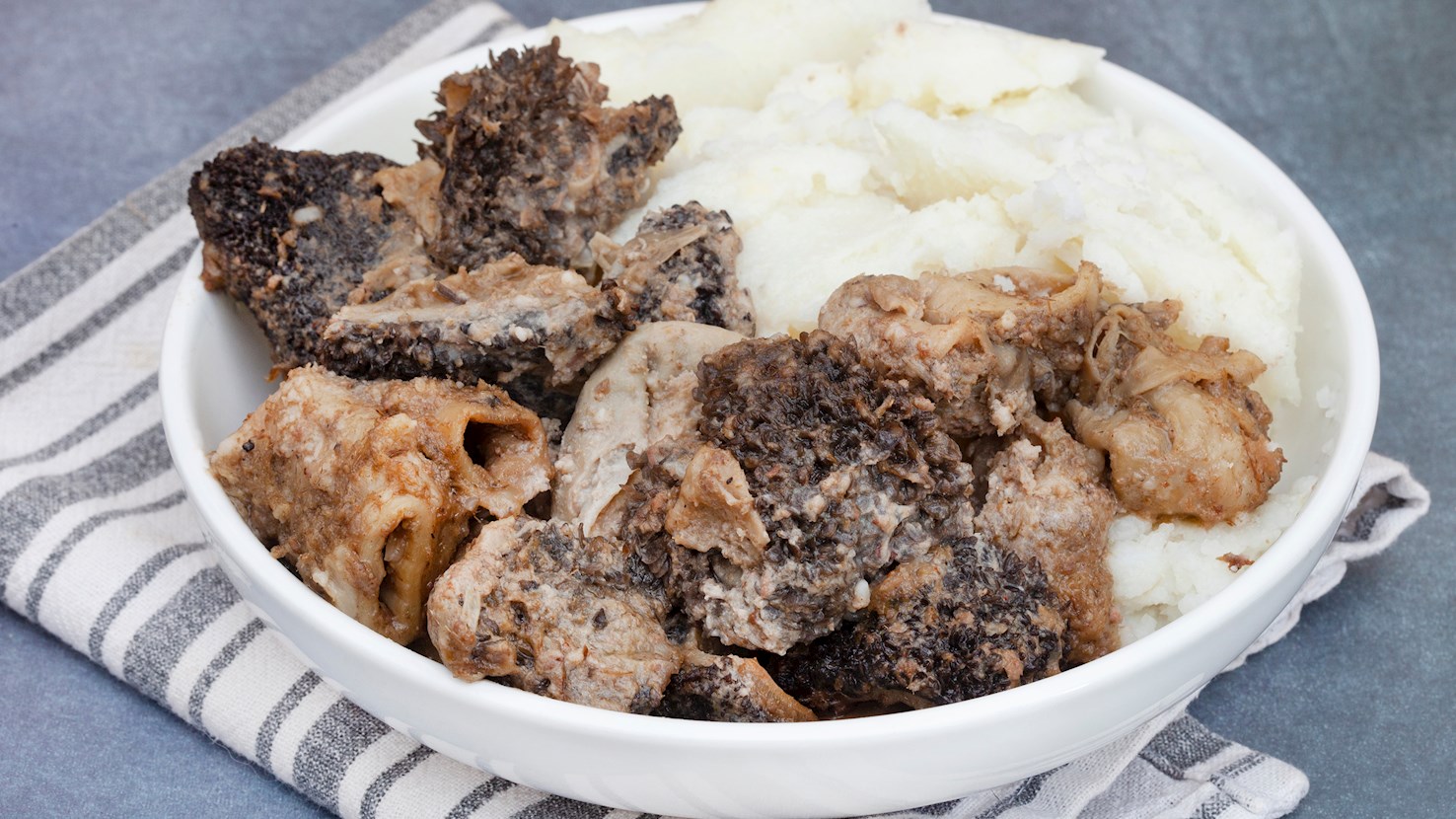
Mala mogodu is a traditional dish consisting of stewed tripe (mala) and stomach lining (mogodu). The dish is considered a delicacy in South Africa, and it's usually served lightly curried and accompanied by pap, dumplings, fried onions, or new potatoes. Mala mogodu is sometimes enriched with the addition of hot green and red chili peppers, depending on personal preferences for spicy food.

04

Inyama yenhloko

n/a ·

Inyama yenhloko is a traditional dish, particularly associated with the Zulu culture. The term translates to "meat from the head" in Zulu. It refers to the preparation of the head of an animal, typically a cow, sheep, or goat, where various parts of the head are cooked and eaten, including the cheeks, tongue, and sometimes the brain. Inyama yenhloko is usually prepared by boiling or roasting the animal's head, and it is often served at traditional gatherings, celebrations, or rituals. The dish is considered a delicacy in many communities, and it holds cultural significance as it is sometimes prepared as part of ceremonies honoring ancestors or marking important events.

About this Ranking

TasteAtlas food rankings are based on the ratings of the TasteAtlas audience, with a series of mechanisms that recognize real users and that ignore bot, nationalist or local patriotic ratings, and give additional value to the ratings of users that the system recognizes as knowledgeable.

TasteAtlas Rankings should not be seen as the final global conclusion about food. Their purpose is to promote excellent local foods, instill pride in traditional dishes, and arouse curiosity about dishes you haven’t tried.

What People Say

Similar Lists