



shutterstock

Top 21 Southeastern European Offal Dishes

Last updated on July 15, 2026
01

Kokoretsi

4.2 ·

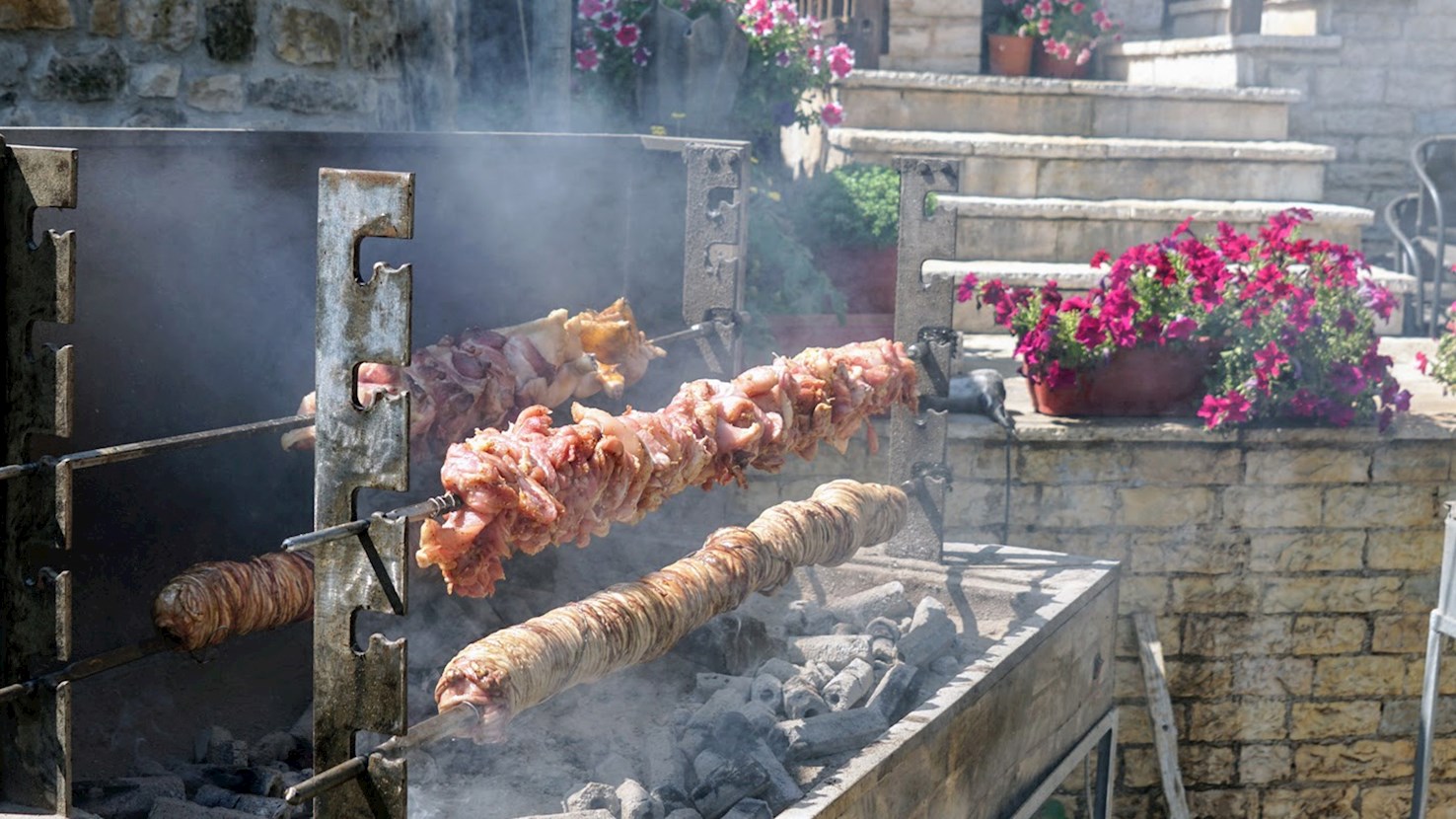
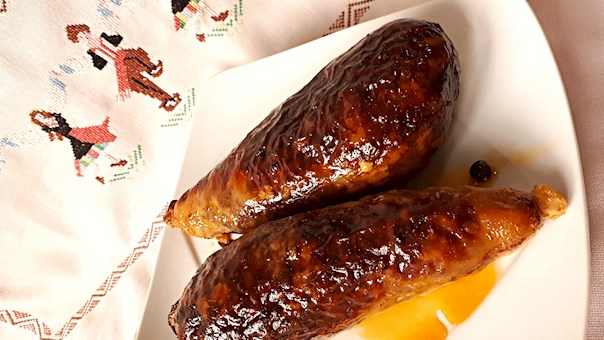
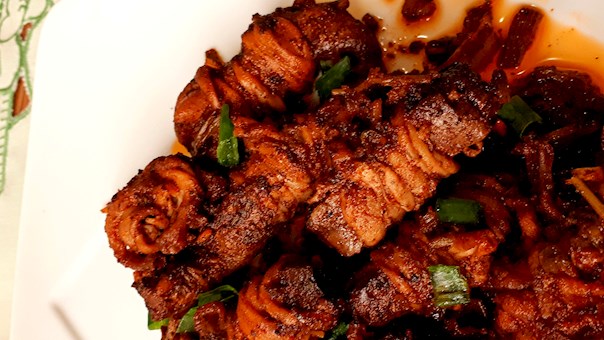
Kokoretsi is a traditional dish consisting of lamb or goat offal that is chopped into tiny pieces, seasoned with lemon juice, olive oil, salt, and pepper. The offal is then skewered, covered with caul fat to keep the pieces in place, and cooked over charcoal. It is traditionally consumed as an appetizer or meze on Easter Sunday in Greece. Although it is associated with Easter, it can usually be found throughout the year across the country. Kokoretsi is also popular throughout the Balkans, and the name of the dish comes from the Albanian word kukurec, meaning tripe. Being an internationally popular dish, kokoretsi is sometimes served as a sandwich on a flatbread, when it is topped with numerous spices and tomatoes, while others like to put it into a baguette with pickles and bell peppers.

02

Ciorbă de burtă

4.0 ·

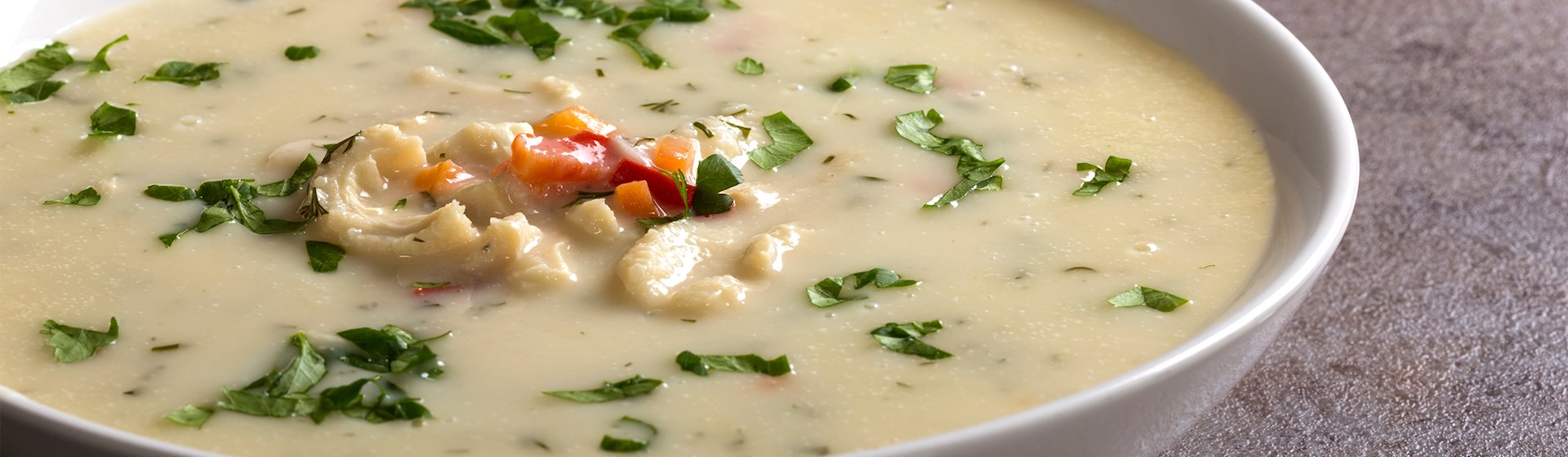
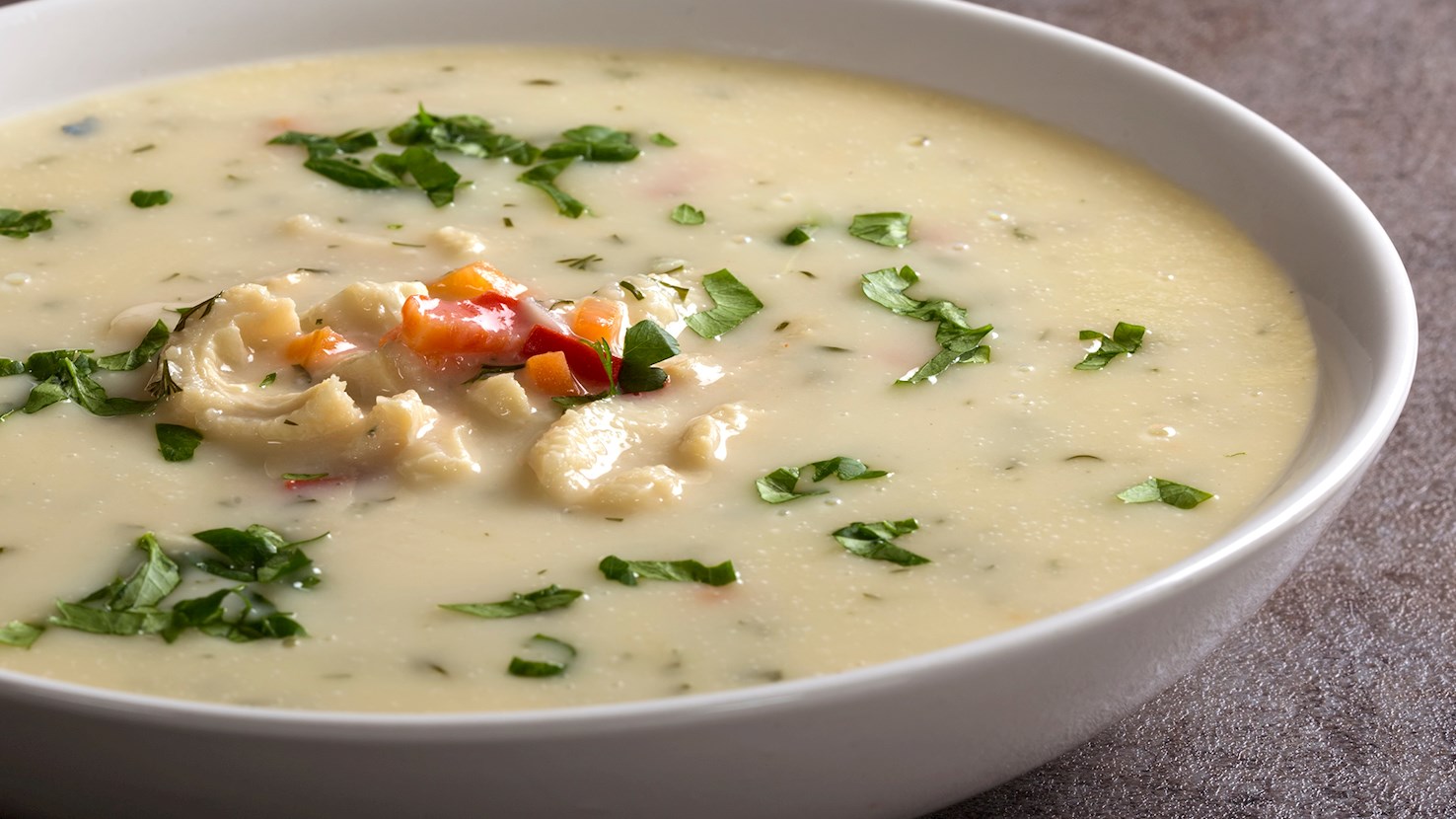
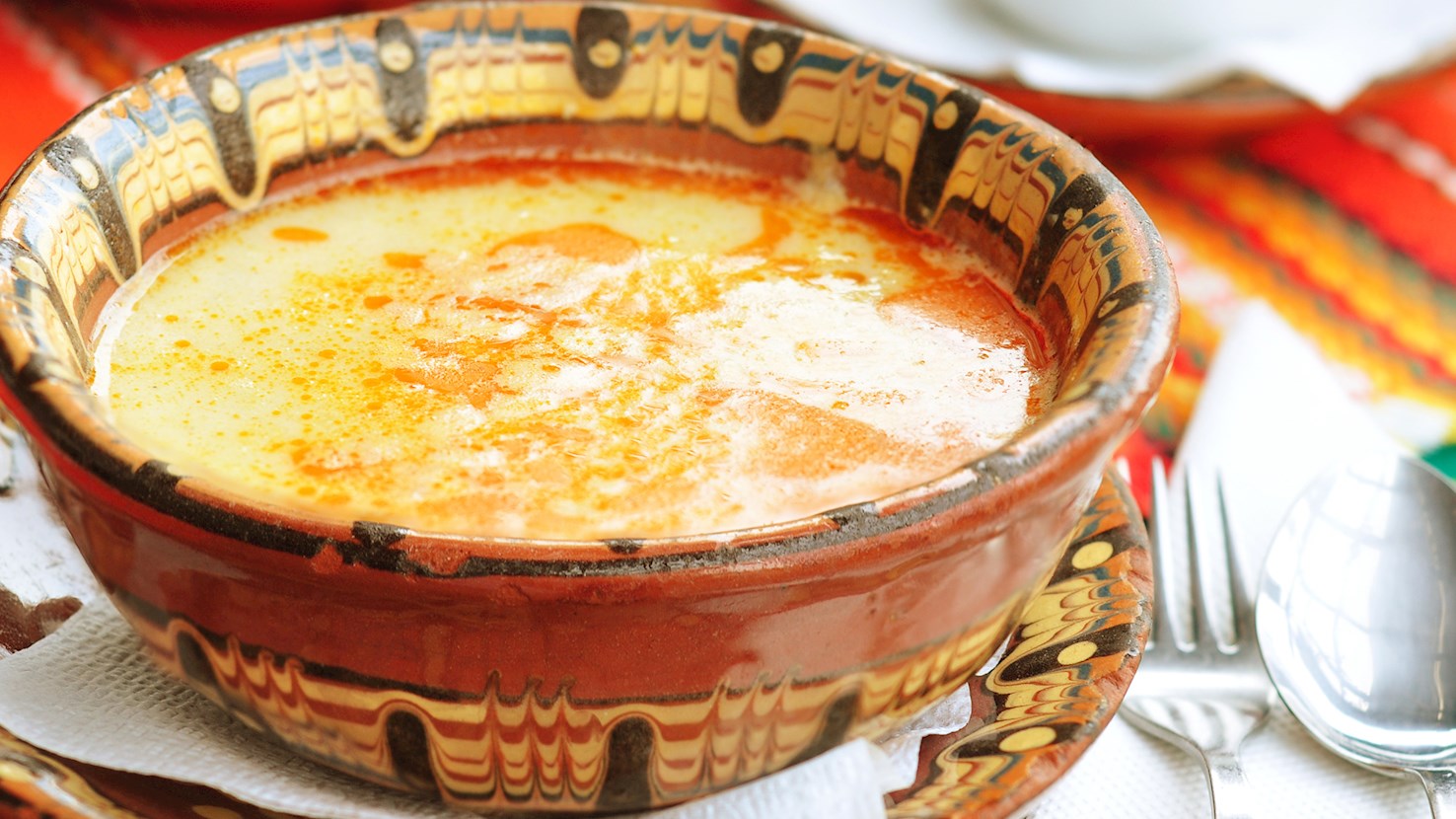
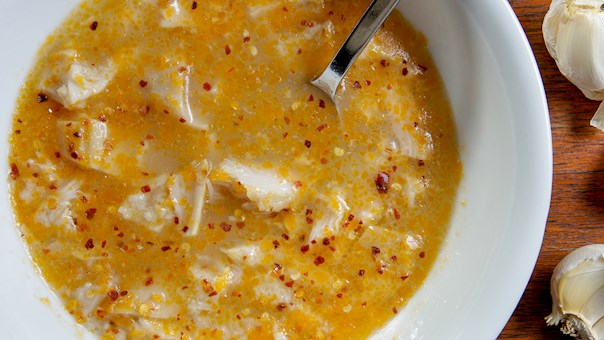
Ciorbă de burtă is a creamy, sour and garlicky, yellow-colored Romanian soup containing strips of beef tripe and slices of red pepper. Although considered a rare delicacy and an acquired taste due to its main ingredient being the lining of a cow’s stomach, ciorbă de burtă is a rather simple dish. It is basically tripe soup seasoned with vinegar, sour cream, and mujdei – a spicy garlic sauce made from crushed garlic cloves, salt, and oil. Various ingredients are used for the broth, including onions, carrots, celery, parsley and parsnip roots, lovage, bay leaves, and peppercorns. Ciorbă de burtă is traditionally served piping hot with spicy green peppers and a dollop or two of sour cream on the side. Just like many other hallmarks of Romanian cuisine, ciorbă de burtă has its origins in the Ottoman Empire.

03

Drob po selski

3.9 ·

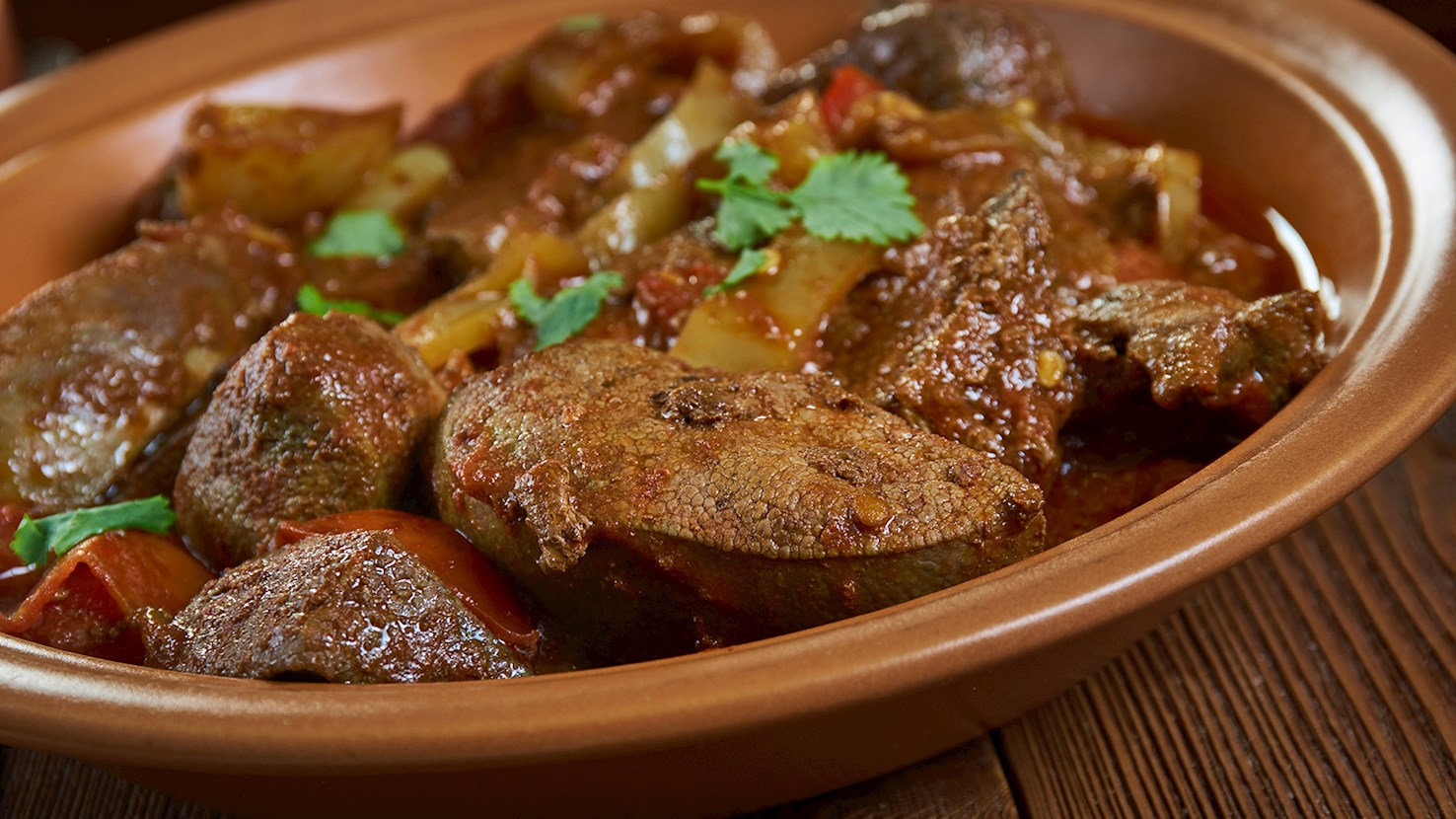
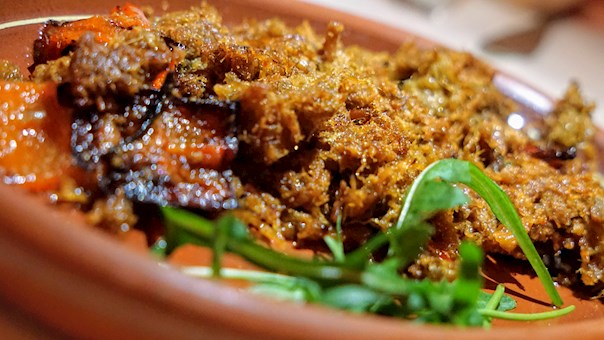
Drob po selski, meaning liver cooked village-style, is a traditional dish that is made by cooking liver with vegetable chunks and (optionally) mushrooms in a clay earthenware pot. Pieces of chicken, beef, or pork liver are first roasted with sautéed onions, carrots, peppers, garlic, tomatoes, and mushrooms, and they are then typically simmered with some water and flour. Wine, tomato purée, and spices are often added to the dish for extra flavor. In Bulgaria, the dish is a typical lunch or dinner meal that is usually garnished with freshly chopped parsley and eaten with slices of homemade bread on the side.

04

Limbă cu măsline

3.9 ·

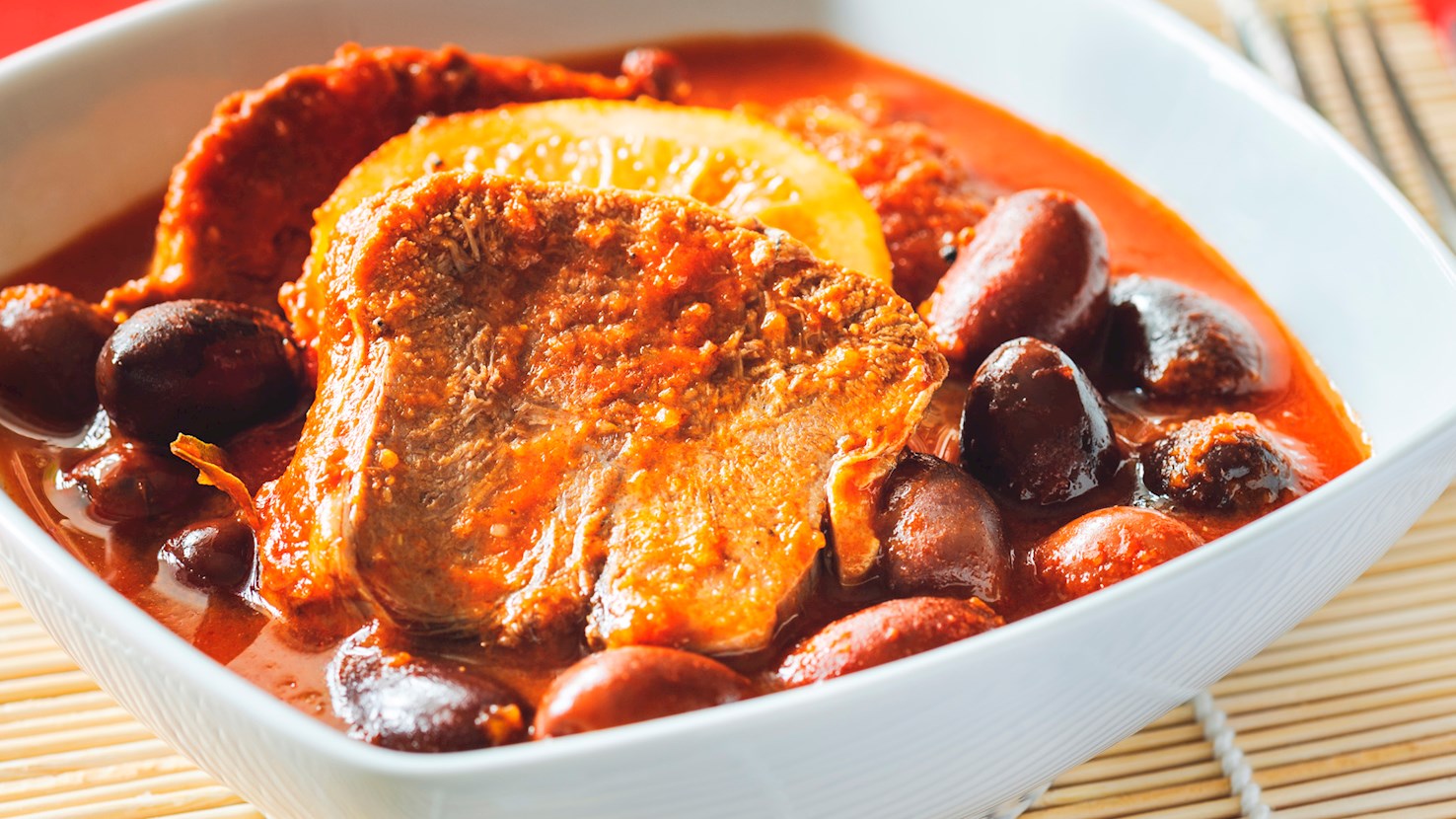
Limbă cu măsline is a traditional stew based on beef tongue and olives. The stew typically consists of slices of cooked beef tongue stewed with tomato sauce and pitted olives. It is usually seasoned with lemon juice and a handful of freshly chopped parsley or chives. Soft and juicy slices of beef tongue topped with an aromatic and robust tomato sauce with olives make for a classic Romanian dish, commonly eaten as an appetizer on festive occasions, such as New Year’s Eve. Served both hot and cold, the stew is usually accompanied by mashed potatoes, rice, pasta, or bread.

05

Frygadeli

3.8 ·

This traditional Greek dish is prepared with pieces of beef or lamb liver which are seasoned and wrapped in mutton suet or caul fat. The liver is then skewered and grilled over charcoal. Frygadeli is traditionally associated with Ionian islands, namely Lefkada, and is typically enjoyed as an appetizer or a meze dish that is usually dressed up with a squeeze of lemon juice and country-style bread served on the side.

06

Magiritsa

3.8 ·

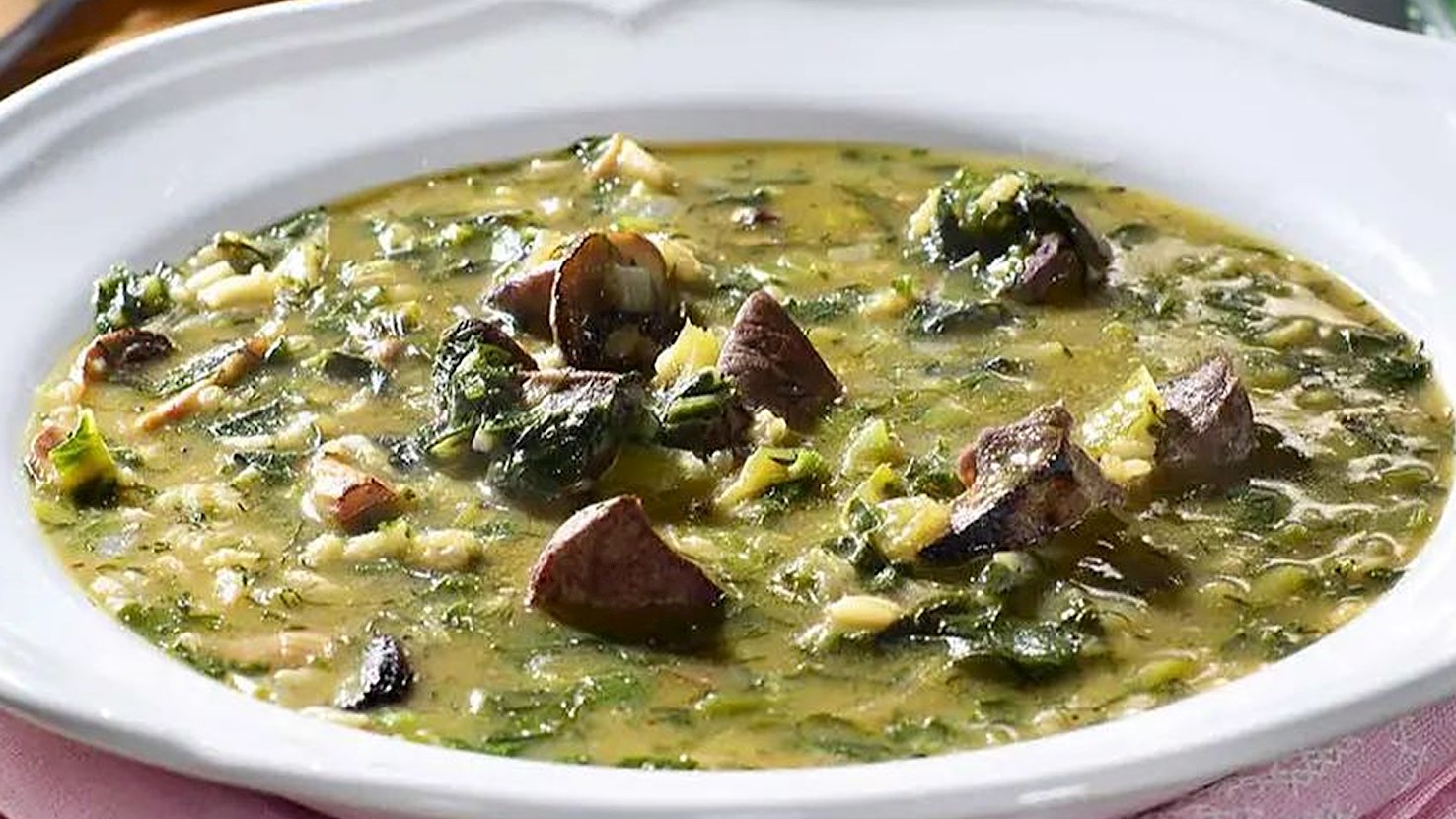
The original version of this classic soup stems from the Greek Easter tradition in which roasted lamb was served as the main course during the festive Easter lunch. The parts of the lamb unsuitable for roasting were then incorporated into magiritsa, and the soup was usually consumed to break the Lent. Today it comes in numerous varieties that are still mainly prepared with lamb, lamb offal, and vegetables. All of the ingredients create a flavorful broth that is thickened with a creamy egg and lemon sauce, then seasoned with various spices and fresh herbs. Despite numerous varieties, magiritsa is still an important part of Greek Easter tradition.

07

Drob de miel

3.7 ·

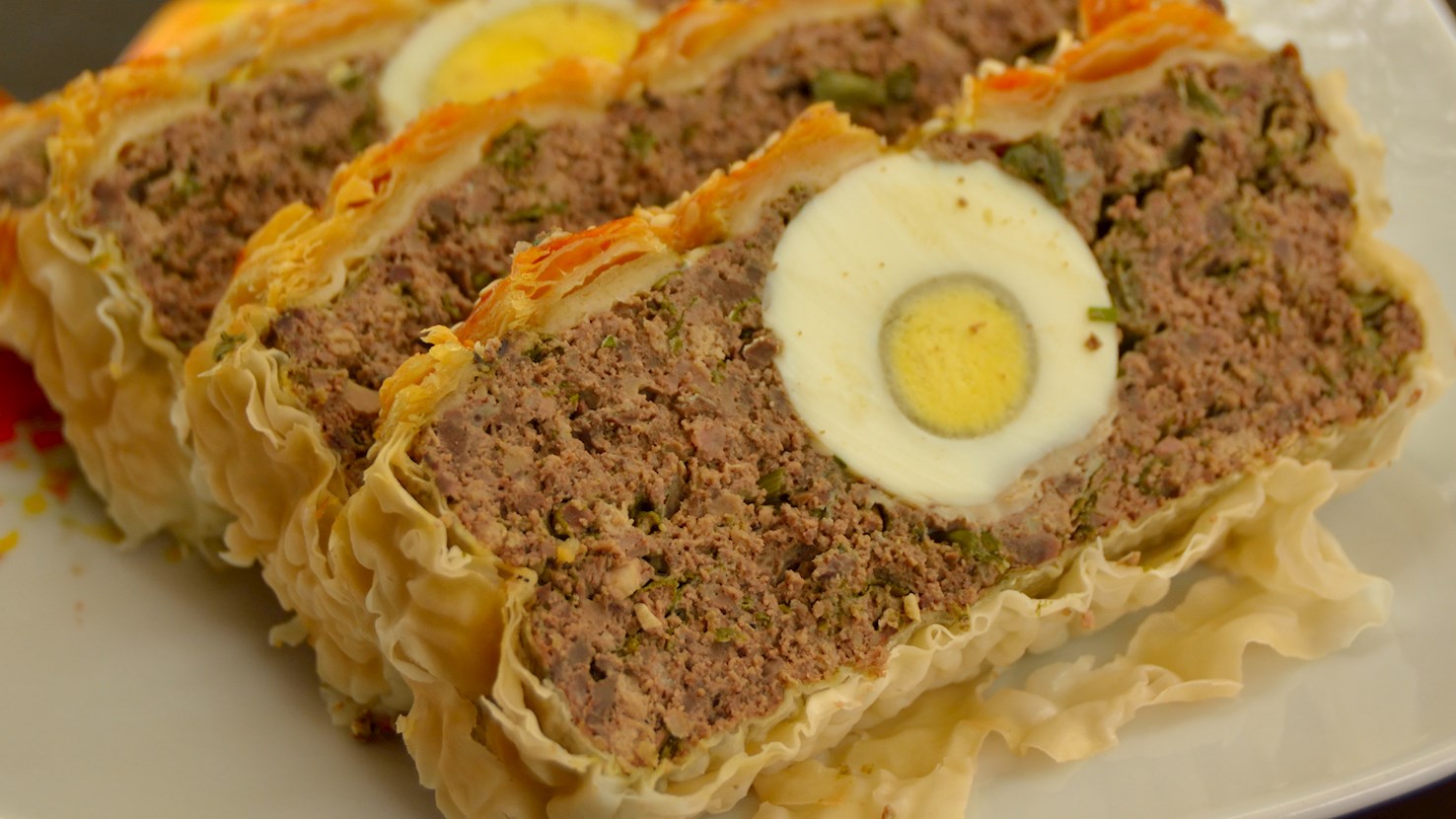
Although the ingredients and the methods of preparation may vary, drob de miel usually consists of a mixture of ground lamb offal, bread dipped in milk, chopped herbs, hard-boiled eggs, and vegetables, wrapped in lamb caul fat. The meatloaf is baked in the oven and can also be prepared with pastry sheets instead of lamb caul fat, a dish known as drob de miel în aluat. Due to its similarity to the Scottish haggis, this dish is often called Romanian lamb haggis. In Romania, this is a typical Easter dish, served as a main course accompanied by various side dishes, or as a simple appetizer.

08

Shkembe chorba

3.5 ·

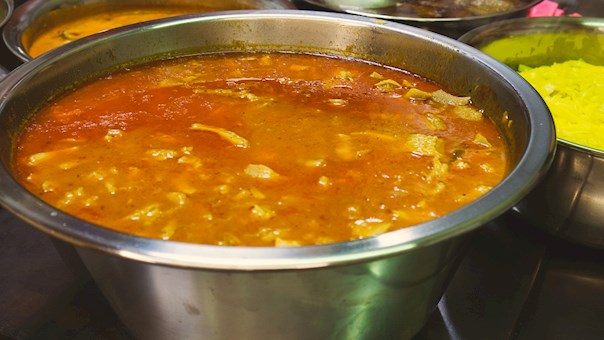
Shkembe chorba is a nourishing Bulgarian soup made with a combination of tripe, water, flour, milk, red wine vinegar, garlic, paprika, and hot chili peppers. When served, it is recommended to garnish it with chopped parsley, then consume it with beer or rakia on the side. This soup is well-known in Bulgaria for being a great hangover cure after a night of clubbing in chalga clubs or mechanas.

09

Paçe koke

3.5 ·

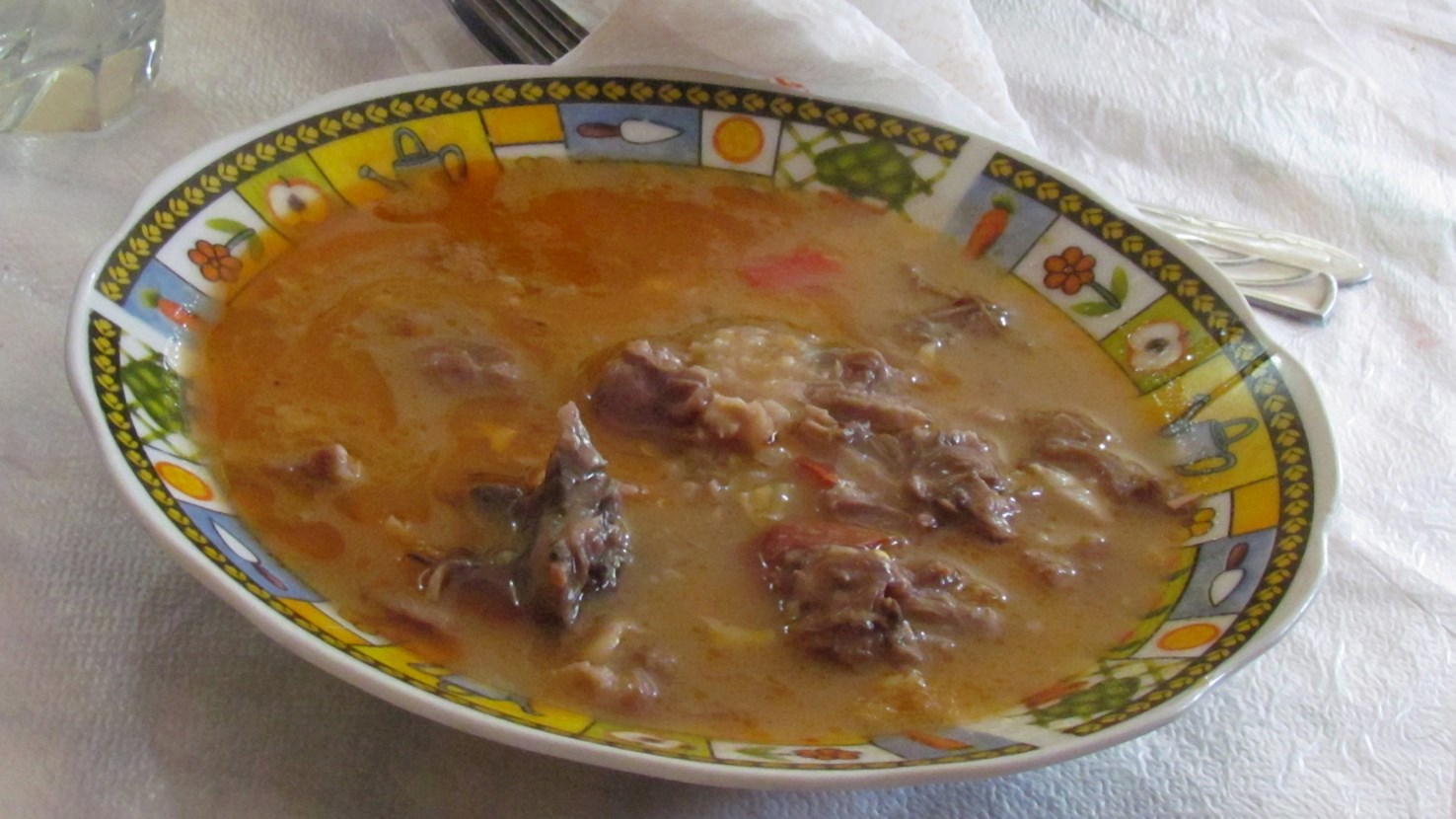
Paçe koke is a traditional stew made with the head of a lamb or a goat. Various fresh local vegetables and greens are added, such as carrots, celery, onions, parsley, and bay leaves. Once the meat is tender enough and easily separates from the bone, it is added to a roux made with butter, flour, garlic, and tomato sauce. The clean broth is then combined with the meat and sauce until the desired consistency has been reached. The stew is typically served over plain rice as a hearty comfort food staple.

10

Ezik v maslo

3.4 ·

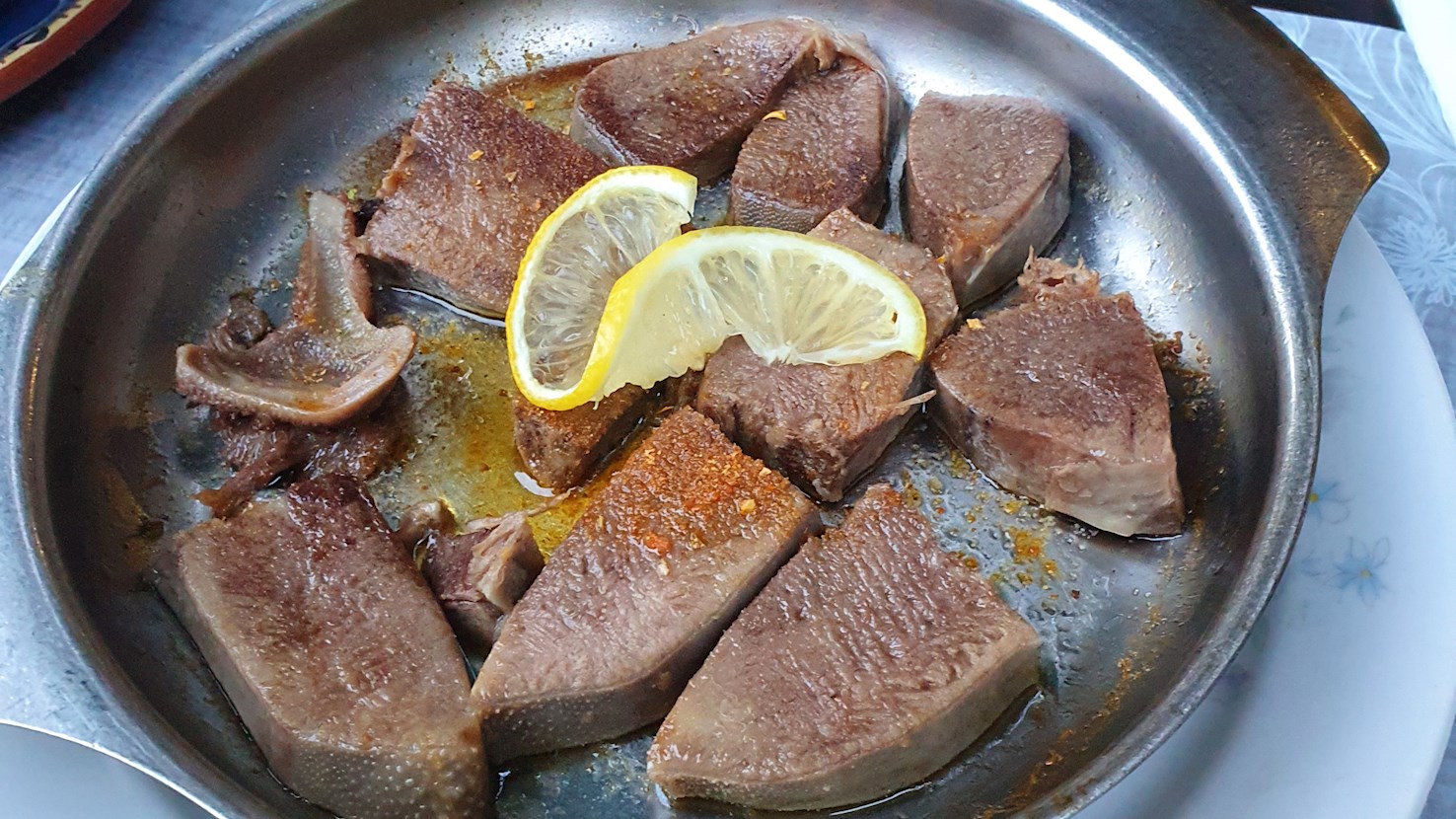
Ezik v maslo is a traditional dish that is made with slices of tongue fried in butter. The dish is typically made with beef tongue, but it can also be made with pork tongue. The tongue is first cooked in salted water with bay leaves and black pepper and then cut into thin slices which are pan-fried in butter. Alternatively, the sliced tongue can be dredged in flour, eggs, and breadcrumbs before being fried. The fried slices of tongue are typically served hot as a meze dish that is usually garnished with finely chopped parsley (or parsley and garlic) on top. The dish pairs well with a glass of wine or a cold beer.

11

Škembe čorba

3.3 ·
15

Bahur

3.2 ·
16

Patsas

3.1 ·
17

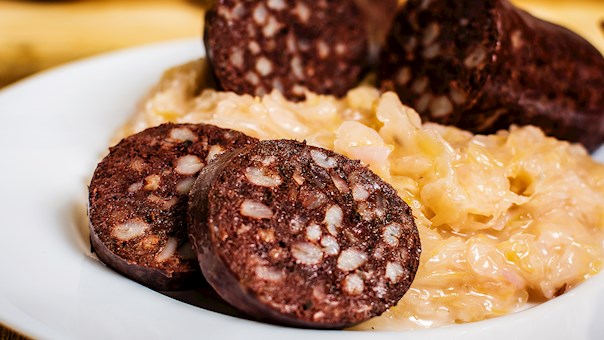
Krvavice

3.0 ·
18

Sângerete

2.9 ·
19

Kukurec

2.7 ·
20

Momițe

n/a ·
Read more
View all
View map
About this ranking

TasteAtlas food rankings are based on the ratings of the TasteAtlas audience, with a series of mechanisms that recognize real users and that ignore bot, nationalist or local patriotic ratings, and give additional value to the ratings of users that the system recognizes as knowledgeable. For the “Top 21 Southeastern European Offal Dishes” list until July 15, 2026, 1,525 ratings were recorded, of which 656 were recognized by the system as legitimate. TasteAtlas Rankings should not be seen as the final global conclusion about food. Their purpose is to promote excellent local foods, instill pride in traditional dishes, and arouse curiosity about dishes you haven’t tried.

Similar lists