





shutterstock

Top 8 Tuscan Offal Dishes

Last updated on June 15, 2026
01

Lampredotto

3.4 ·

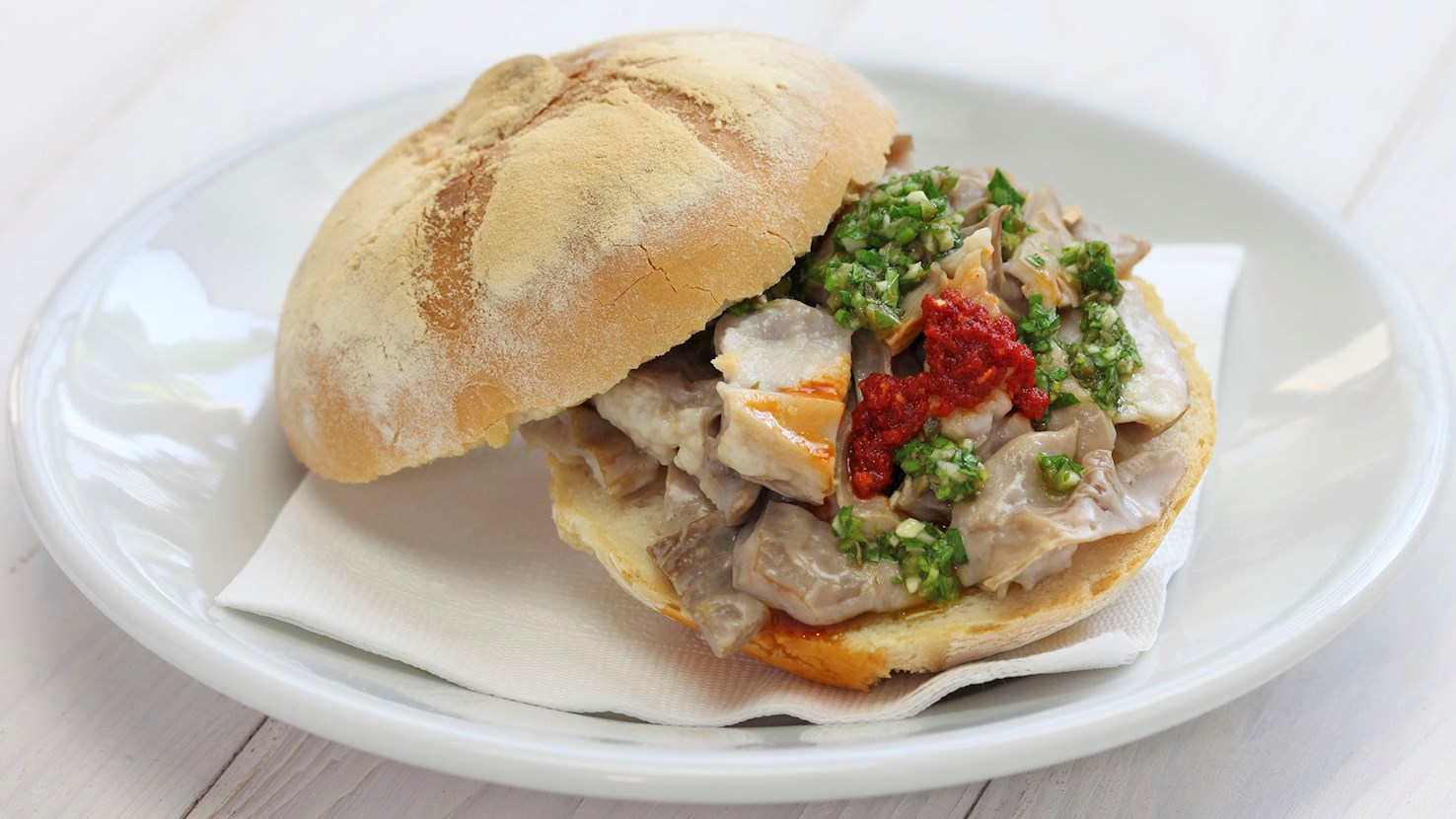
Often said to be as old as the Palazzo Vecchio and as loved as Dante's poetry, lampredotto is Florence's favorite street food and a delicacy not found anywhere else in the world. Prepared for centuries as a quick, cheap and easy meal, lampredotto is basically the fourth stomach of a cow (the abomasum), boiled until tender in an aromatic onion, celery, and tomato broth. This tripe-like dish is prepared as a flavorful, hearty stew that's traditionally used for panini di lampredotto - bread roll sandwiches filled with steaming hot, sliced lampredotto, topped with a spoonful of Italian salsa verde herb sauce. A true classic of Florentine street food scene, lampredotto is sold throughout the city at numerous sidewalk stands, public markets, as well as in paninotecas and bistros.

02

Trippa alla Fiorentina

3.1 ·

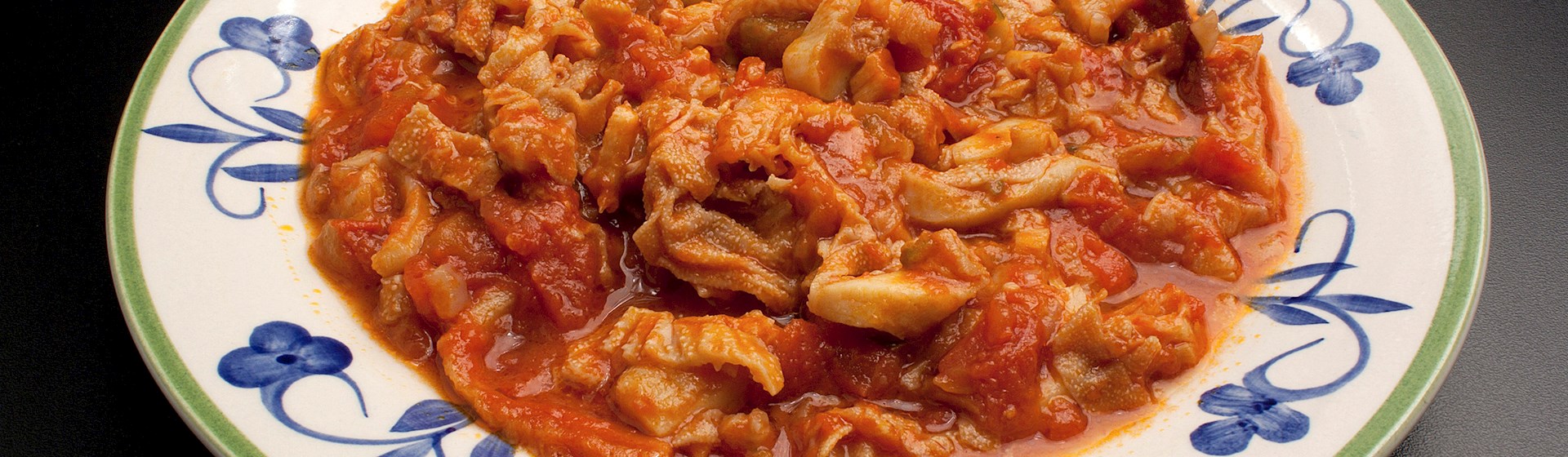
Trippa alla Fiorentina is a traditional Tuscan dish and a street food staple in Florence. The dish is made with strips of tripe that are simmered with onions, carrots, celery, hot peppers, and tomatoes. Once fully cooked and tender, it is served drizzled with Tuscan olive oil and sprinkled with grated Parmiggiano cheese. When reheated the next day, it's said that trippa alla Fiorentina tastes even better. The dish is commonly flavored with bay leaves, but sweet basil leaves are also often added, especially during the summer. It's recommended to accompany trippa alla Fiorentina with a few slices of Tuscan bread.

03

Cibreo

n/a ·

Cibreo is a traditional Tuscan specialty made with chicken giblets as the key ingredient. The livers, combs, testicles, and hearts are peeled and chopped, then combined with tomato paste, garlic, onion, parsley, and a single anchovy that will dissolve as it cooks. A combination of egg yolks, flour, and lemon juice is then added to the pot. It's vigorously mixed and stirred constantly. If the resulting stew is too thick, it can be slightly diluted with broth. This dish goes especially well with crostini and it's traditionally served hot.

04

Fegatini di pollo alla salvia

n/a ·

Fegatini di pollo alla salvia is a traditional dish originating from Tuscany. It's made with a combination of chicken livers, sage, butter, minced prosciutto, dry white wine, and seasonings. The chicken livers are chopped up, seasoned with salt and pepper, and sprinkled with sage. They are then cooked in a mixture of butter and minced prosciutto until browned. Near the end of cooking, dry white wine is added to the pan and the combination is cooked for a few more minutes. It's then served hot, ideally with polenta on the side.

05

Fegato piccante

n/a ·

Fegato piccante is a traditional dish originating from Tuscany. It's made with a combination of calf's liver, olive oil, butter, wine vinegar, salt, pepper, and sage. The olive oil and butter are heated in a pan, and the liver is then cooked in the combination for a few minutes. It is then seasoned with salt and pepper and cooked with vinegar and sage until the mixture comes to the boiling point. The calf's liver in wine vinegar is served immediately out of the pan, while still hot.

06

Trippa alla Pisana

n/a ·

Trippa alla Pisana is a traditional dish hailing from Pisa in Tuscany. The dish is made with veal tripe, onions, celery, carrots, garlic, tomatoes, white wine (Vernaccia di San Gimignano is recommended), and pancetta. The vegetables are sautéed in olive oil with pancetta and tripe. The wine is added to the combination until it evaporates, followed by tomato purée and seasonings. Bouquet garni (parsley, sage, bay leaves, thyme, mint, basil) is usually added for flavoring, and the dish is ready when the tripe become very soft and the sauce becomes thick. Before serving, the dish is traditionally sprinkled with grated Parmigiano-Reggiano.

07

Carcerato

n/a ·

Carcerato is an old Italian soup hailing from the city of Pistoia in Tuscany. The soup's origins are connected with the hungry prisoners of St. Catherine prison, who saw giblets that were thrown as waste in the Brana river by the people from the city's old slaughterhouse. The prisoners asked for permission to collect the offal and make a soup with the addition of water and stale bread. This dish for the poor is nowadays enriched with garlic, cheese, and various spices, but it's not easily found – only a few local trattorias offer this traditional dish on their menus. The name carcerato means prisoner, referring to the origins of this humble soup.

08

Fegatelli di maiale

n/a ·

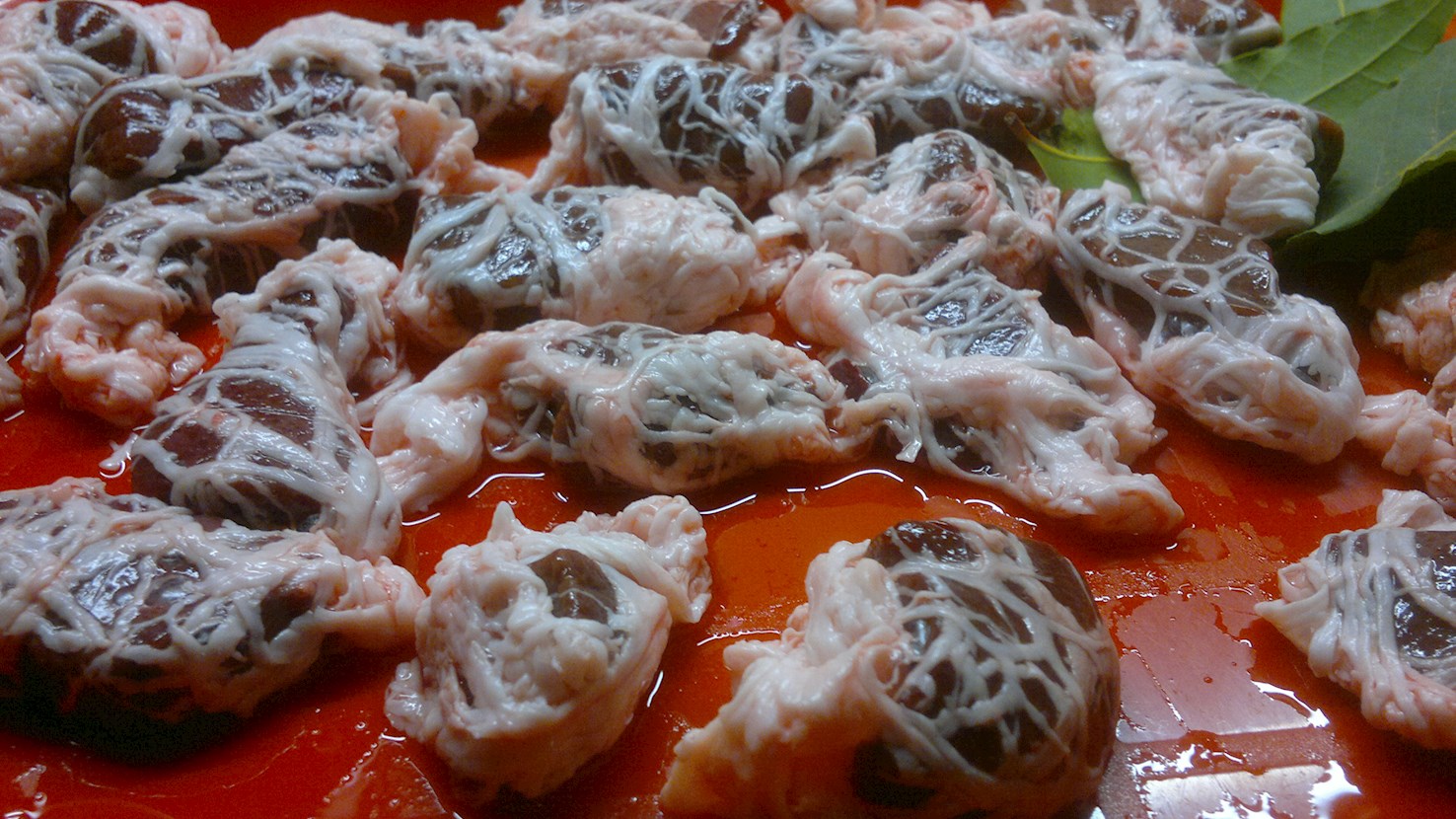
Fegatelli di maiale is an ancient dish prepared throughout Tuscany, in the past usually prepared during the Christmas holidays – not because it is a particularly festive dish, but due to some practical reasons. It was a period when contadini toscani would slaughter their pigs, and this poor man's dish was invented as an attempt to use every single part of the animal. What is special about this dish is that the livers are wrapped in caul fat, or in ratta, how they call it in Tuscan dialect, then flavored with bay leaves and wild fennel seeds, and cooked in lard. The original recipe calls for stems of wild fennel for closing the livers, but nowadays plain wooden sticks are usually used. In Tuscany, the livers can be bought pre-wrapped in caul fat, so this dish can be easily prepared at home. Fegatelli di maiale taste best when paired with light, green vegetables such as spinach, chard, or broccoli rabe.

Read more
View all
View map
About this ranking

TasteAtlas food rankings are based on the ratings of the TasteAtlas audience, with a series of mechanisms that recognize real users and that ignore bot, nationalist or local patriotic ratings, and give additional value to the ratings of users that the system recognizes as knowledgeable. For the “Top 8 Tuscan Offal Dishes” list until June 15, 2026, 136 ratings were recorded, of which 95 were recognized by the system as legitimate. TasteAtlas Rankings should not be seen as the final global conclusion about food. Their purpose is to promote excellent local foods, instill pride in traditional dishes, and arouse curiosity about dishes you haven’t tried.

Similar lists