


Top 19 European Offal Soups

Last updated on May 16, 2026
01

Ciorbă de burtă

4 ·

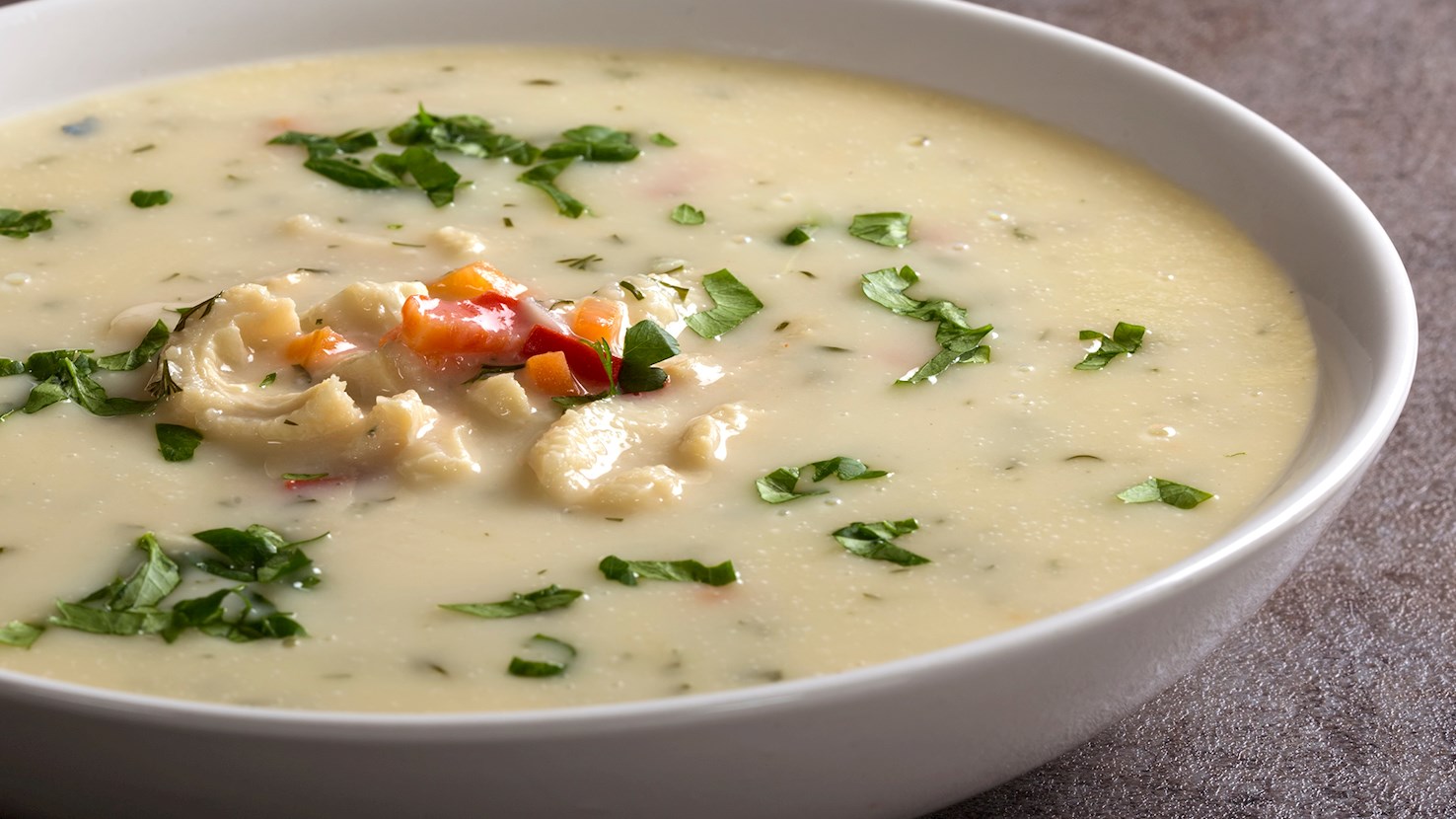
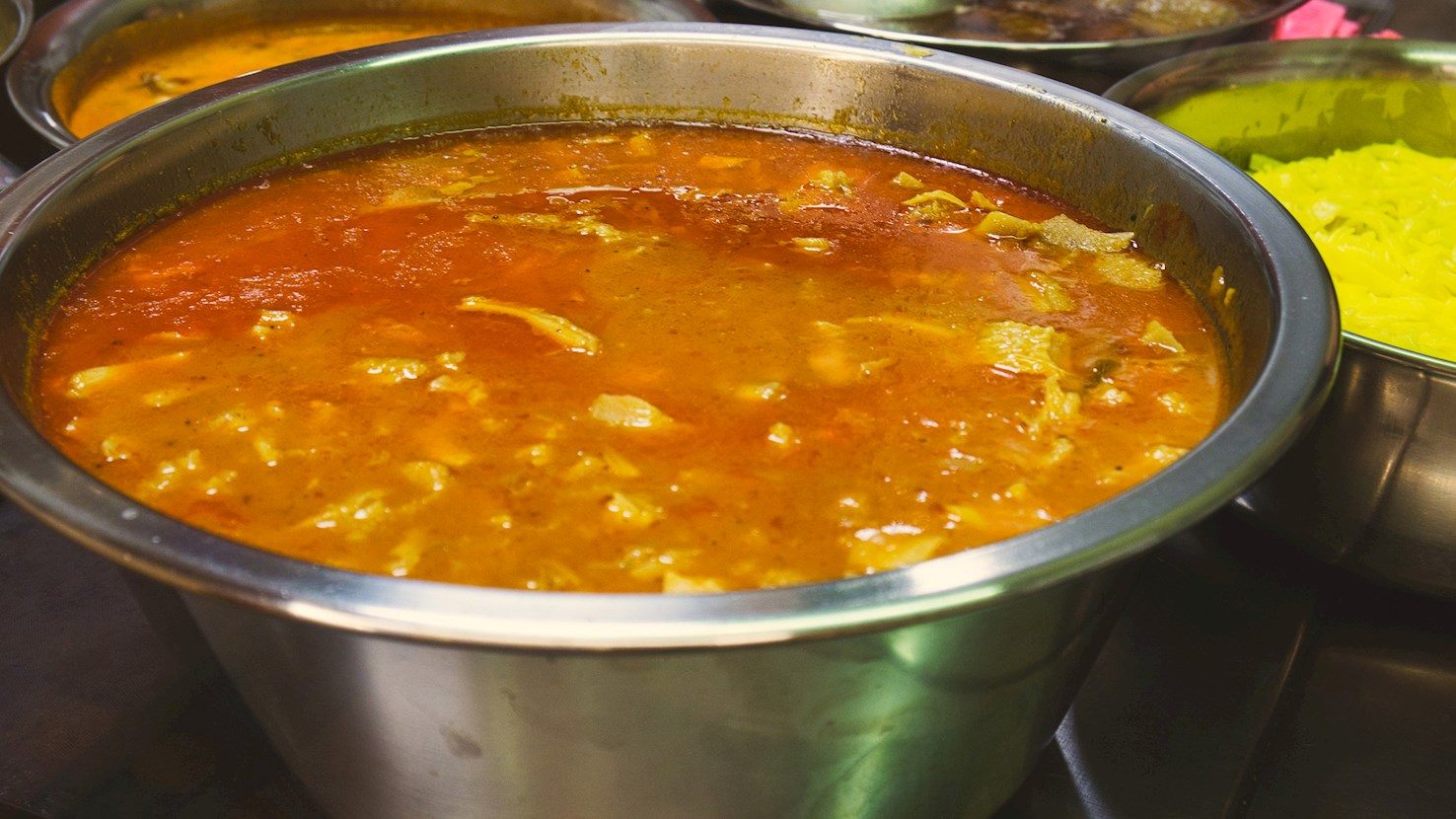
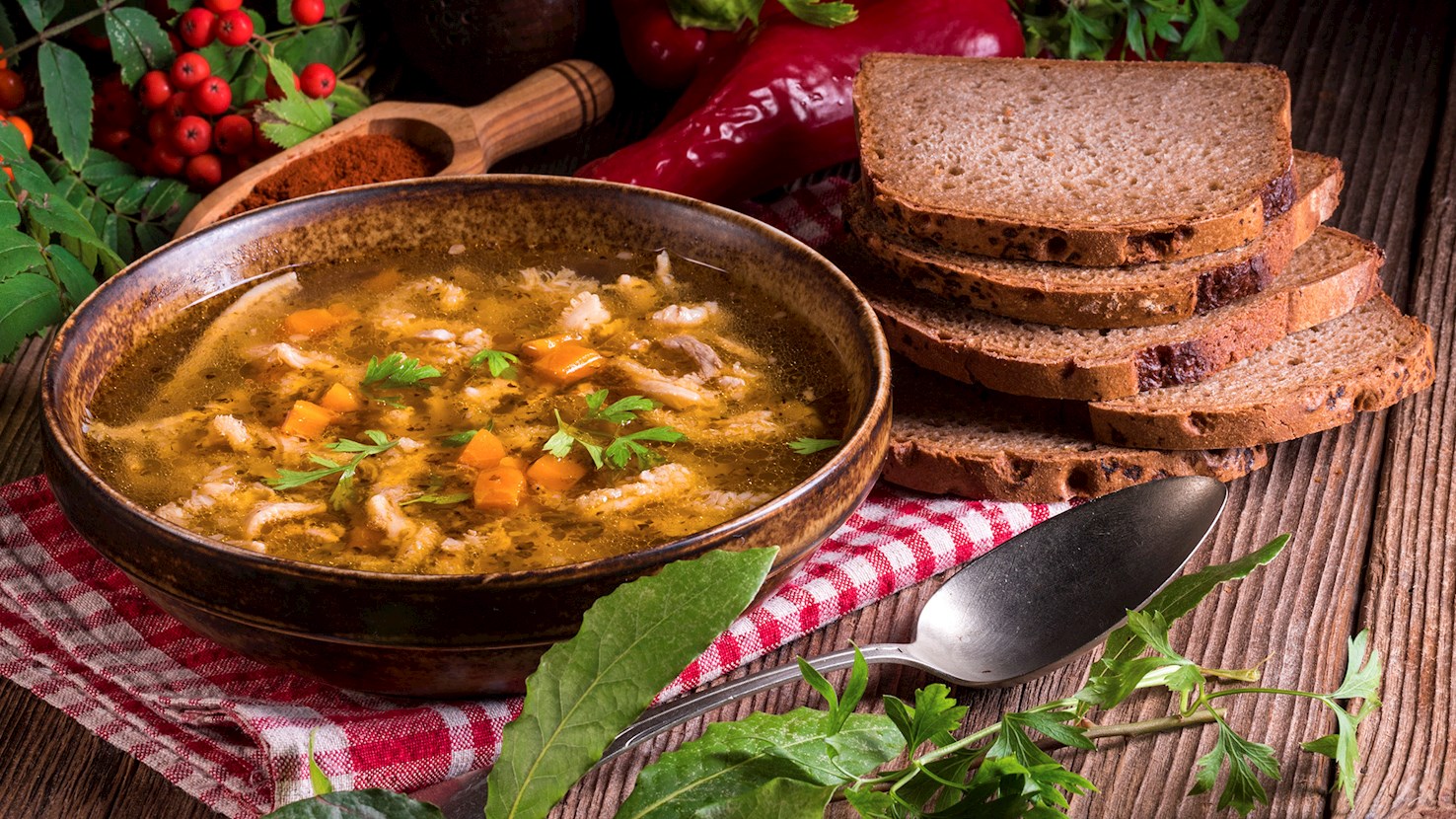
Ciorbă de burtă is a creamy, sour and garlicky, yellow-colored Romanian soup containing strips of beef tripe and slices of red pepper. Although considered a rare delicacy and an acquired taste due to its main ingredient being the lining of a cow’s stomach, ciorbă de burtă is a rather simple dish. It is basically tripe soup seasoned with vinegar, sour cream, and mujdei – a spicy garlic sauce made from crushed garlic cloves, salt, and oil. Various ingredients are used for the broth, including onions, carrots, celery, parsley and parsnip roots, lovage, bay leaves, and peppercorns. Ciorbă de burtă is traditionally served piping hot with spicy green peppers and a dollop or two of sour cream on the side. Just like many other hallmarks of Romanian cuisine, ciorbă de burtă has its origins in the Ottoman Empire.

02

Magiritsa

3.8 ·

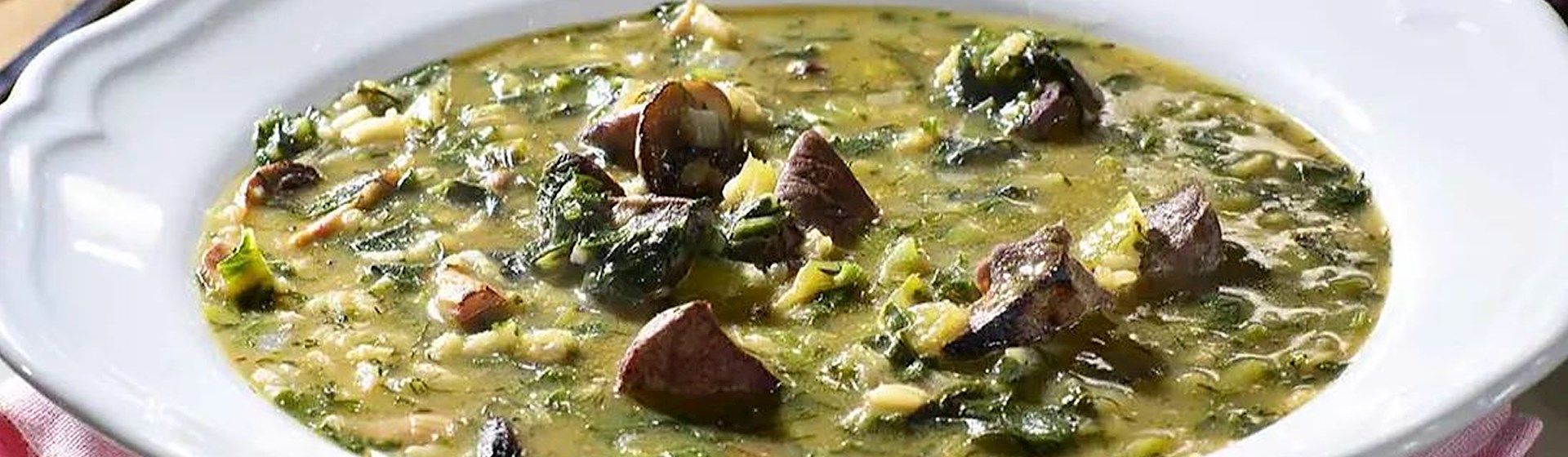
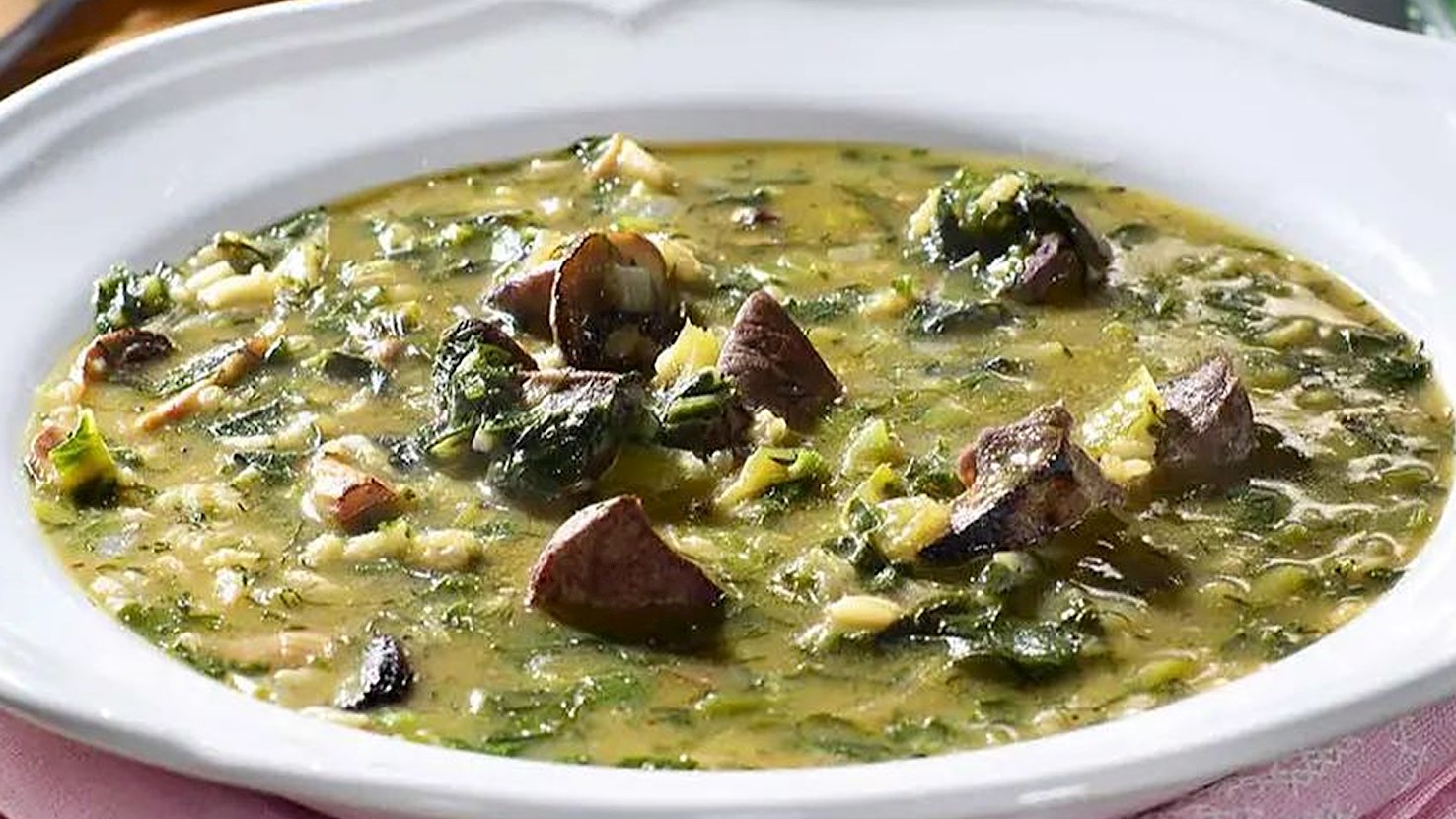
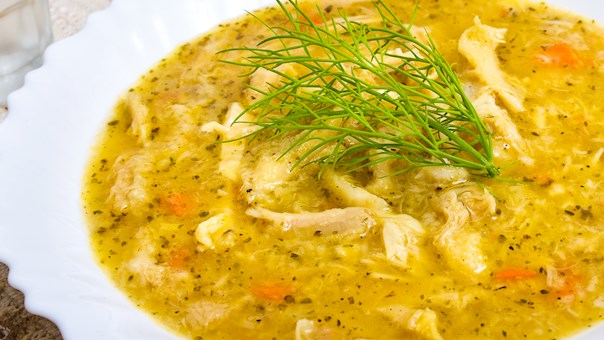
The original version of this classic soup stems from the Greek Easter tradition in which roasted lamb was served as the main course during the festive Easter lunch. The parts of the lamb unsuitable for roasting were then incorporated into magiritsa, and the soup was usually consumed to break the Lent. Today it comes in numerous varieties that are still mainly prepared with lamb, lamb offal, and vegetables. All of the ingredients create a flavorful broth that is thickened with a creamy egg and lemon sauce, then seasoned with various spices and fresh herbs. Despite numerous varieties, magiritsa is still an important part of Greek Easter tradition.

03

Leberknödelsuppe

3.6 ·

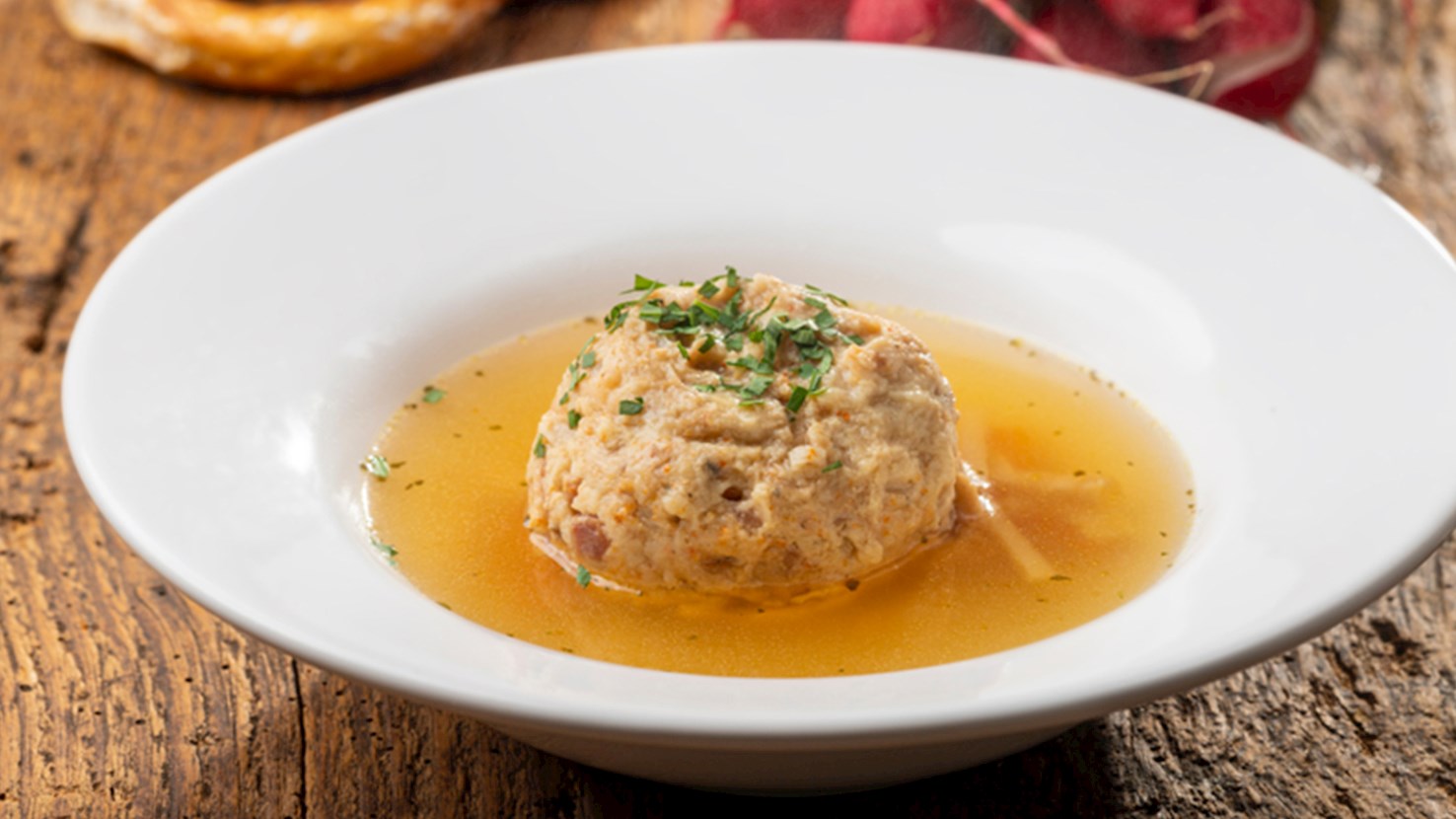
Leberknödelsuppe is a traditional and Austrian soup featuring liver dumplings. The dumplings, or "leberknödel," are made from ground liver (typically beef or pork), stale bread rolls (or bread), onions, eggs, and various herbs and spices. These ingredients are mixed together, shaped into balls, and then gently cooked in a clear broth, usually beef or vegetable. The result is a rich, hearty soup with a robust flavor, ideal for cold weather. Leberknödelsuppe is often served as a starter in traditional meals and is cherished for its comforting and nourishing qualities.

04

Majgaluska leves

3.6 ·

Majgaluska leves is a traditional soup that contains chicken liver dumplings, made by mixing ground liver with eggs, breadcrumbs, onion, salt, pepper, paprika, vegetable oil, and parsley. The broth is made with vegetables such as carrots, celery, kohlrabi, turnips, and onions. The liver mixture is shaped into balls, which are then put into the broth to cook until this tasty soup is ready to be served.

05

Shkembe chorba

3.5 ·

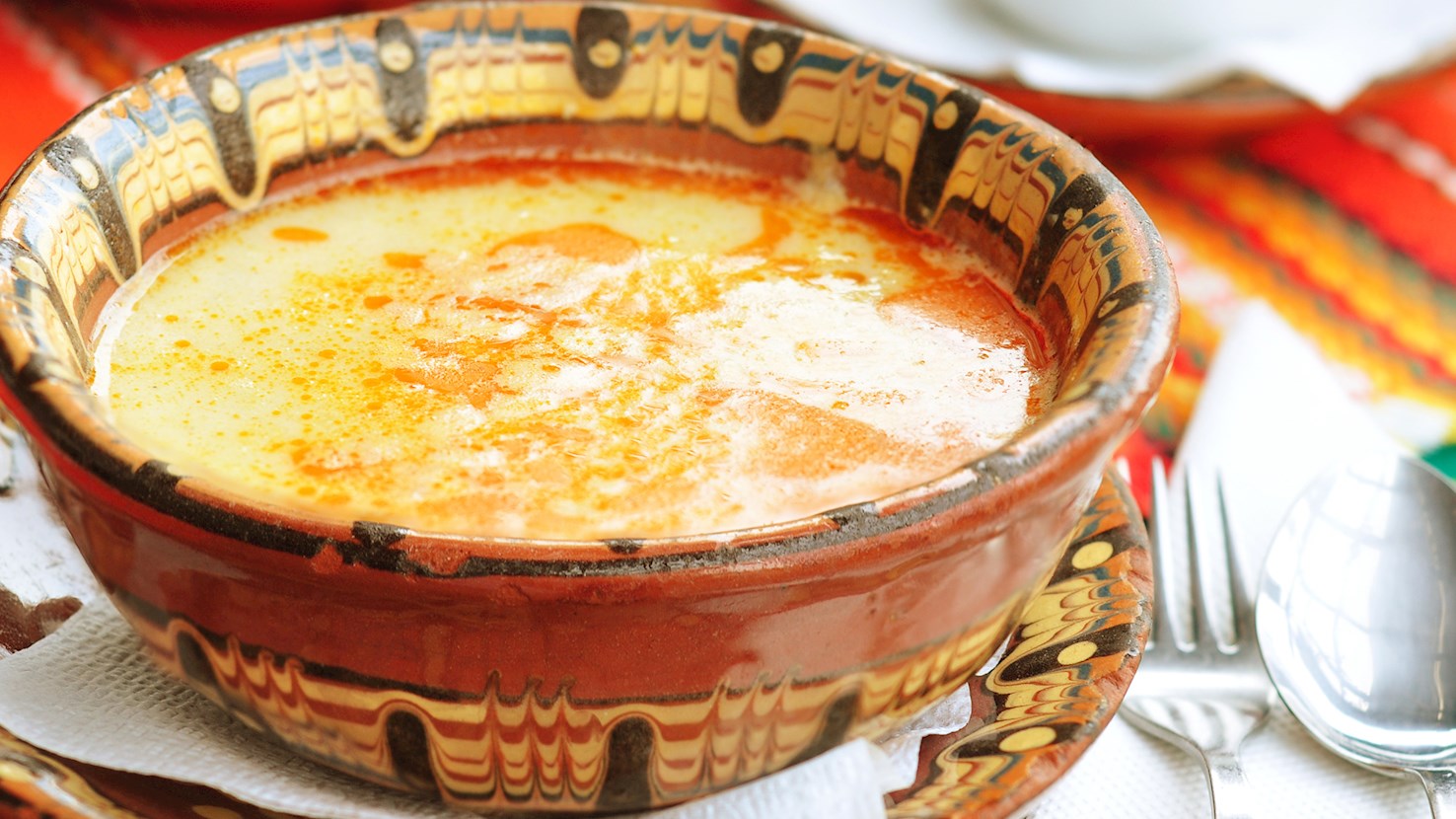
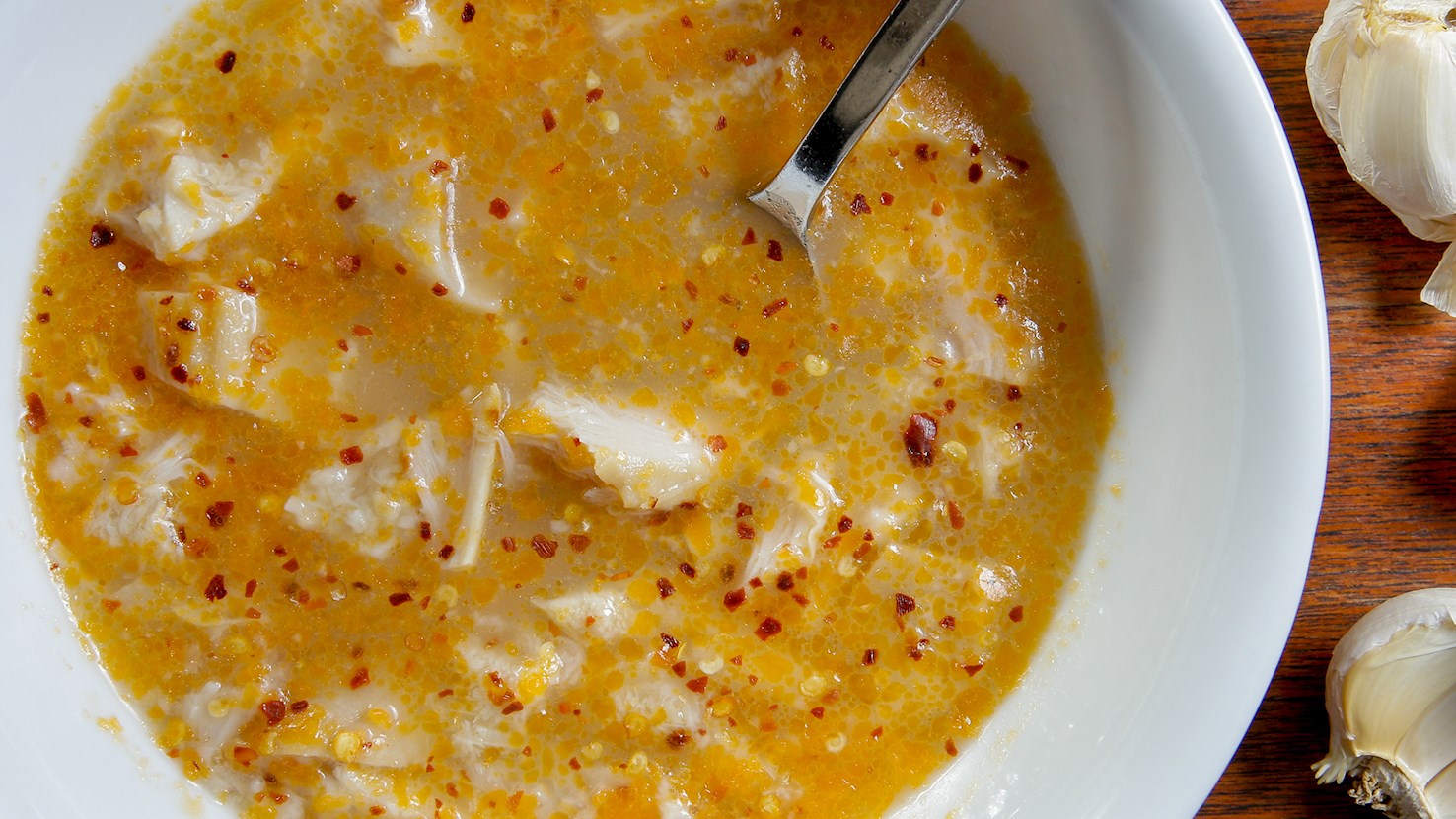
Shkembe chorba is a nourishing Bulgarian soup made with a combination of tripe, water, flour, milk, red wine vinegar, garlic, paprika, and hot chili peppers. When served, it is recommended to garnish it with chopped parsley, then consume it with beer or rakia on the side. This soup is well-known in Bulgaria for being a great hangover cure after a night of clubbing in chalga clubs or mechanas.

06

Škembe čorba

3.3 ·

Škembe čorba is a traditional soup made with a combination of tripe (usually pork or beef), onions, garlic, tomato sauce, bacon, and additional seasonings such as red pepper, black pepper, parsley, and bay leaves. The preparation process is notoriously long: tripe is first cooked separately for at least four hours, cut into thin strips, and then cooked again with the rest of the ingredients. Škembe čorba is typically served with vinegar, sour cream, and warm bread on the side. It also pairs well with seasonal salads. Due to the long preparation process and the strong aromas of tripe, this dish is nowadays mostly found on the menus of traditional restaurants.

07

Dršťková polévka (Czech tripe soup)

3.2 ·

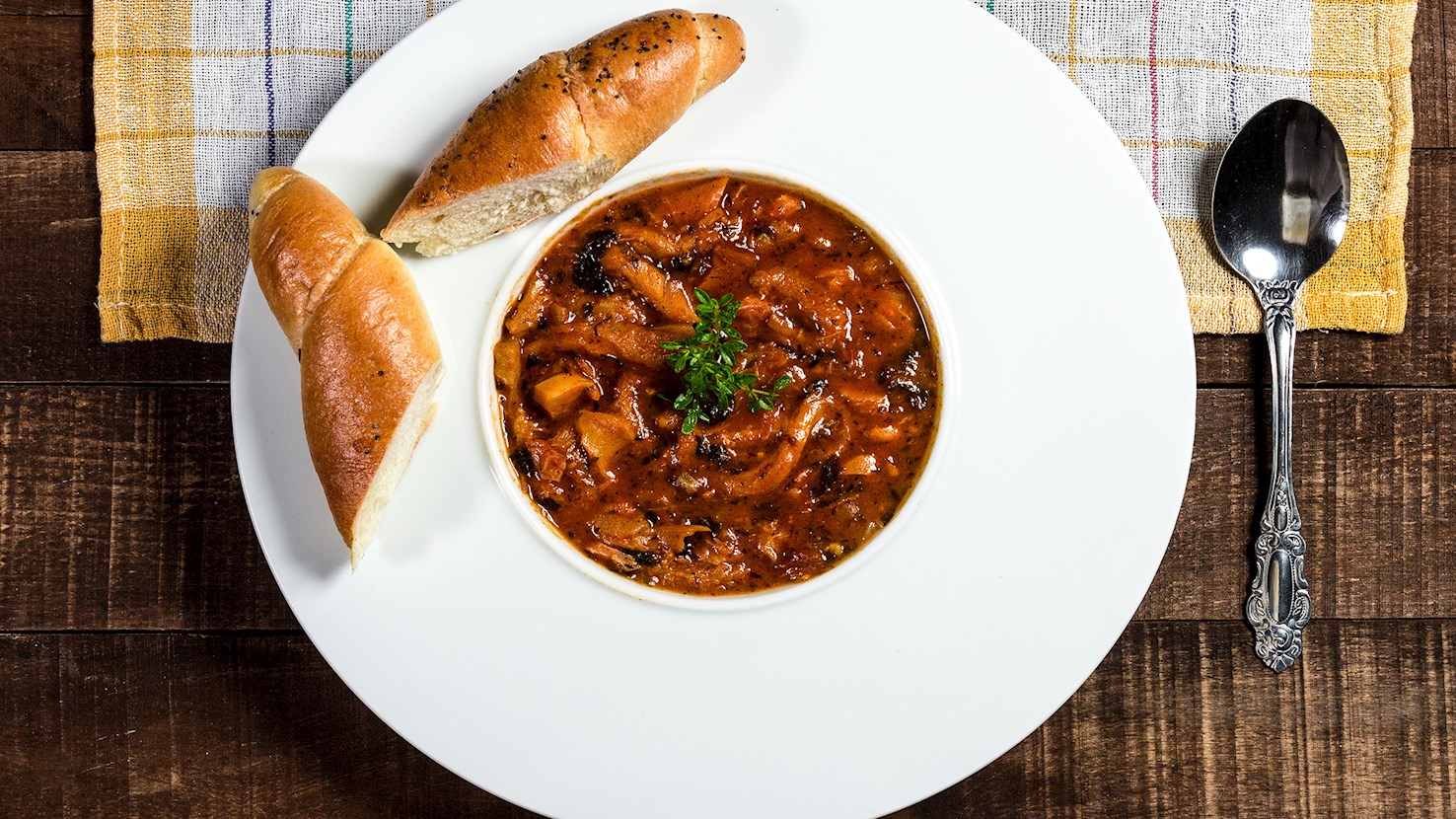
Dršťková is a traditional tripe soup consisting of beef tripe braised in generous amounts of onions and sweet paprika. Although it has numerous regional varieties, this hearty soup typically has a thick consistency, a light red color, and a slightly spicy flavor. Occasionally, pieces of smoked meat or sausages are incorporated into the soup. Tripe soup is often served in traditional pubs and usually comes accompanied with slices of crispy buttered bread. In Slovakia, it appears in a similar form and is better known as držková polievka.

Best restaurants
08

Flaki

3.1 ·

Flaki or flaczki is a traditional tripe soup. Dense and meaty, the soup is traditionally served during Polish weddings as a part of the hot courses of the festivity. The dish is often served with a fresh bread roll on the side. The name flaki refers to its main ingredient–strips of beef tripe. Flaki was known since the 14th century in Poland, and it was one of the favorite dishes of King Wladyslaw Jagiello. Today, some cooks like to add smoked bacon to the dish, as well as additional seasonings such as pepper, ginger, or nutmeg. If meatballs are added to the soup, the dish is then known as flaki po warszawsku (Warsaw-style flaki).

09

Patsas

3.1 ·

This traditional Greek soup employs beef, lamb, or pork tripe as key ingredients. While there are many different regional varieties of the soup, most use animal’s head or feet and enrich the broth with garlic, onions, lemon juice, and vinegar. The broth is occasionally thickened with avgolemono, a mixture of whisked eggs and lemon juice. Patsas is commonly regarded as a great hangover remedy and is traditionally enjoyed in the late hours, after a night of indulgence at Greek taverns. A bowl of patsas is best accompanied by crusty bread on the side.

10

Khash

3 ·

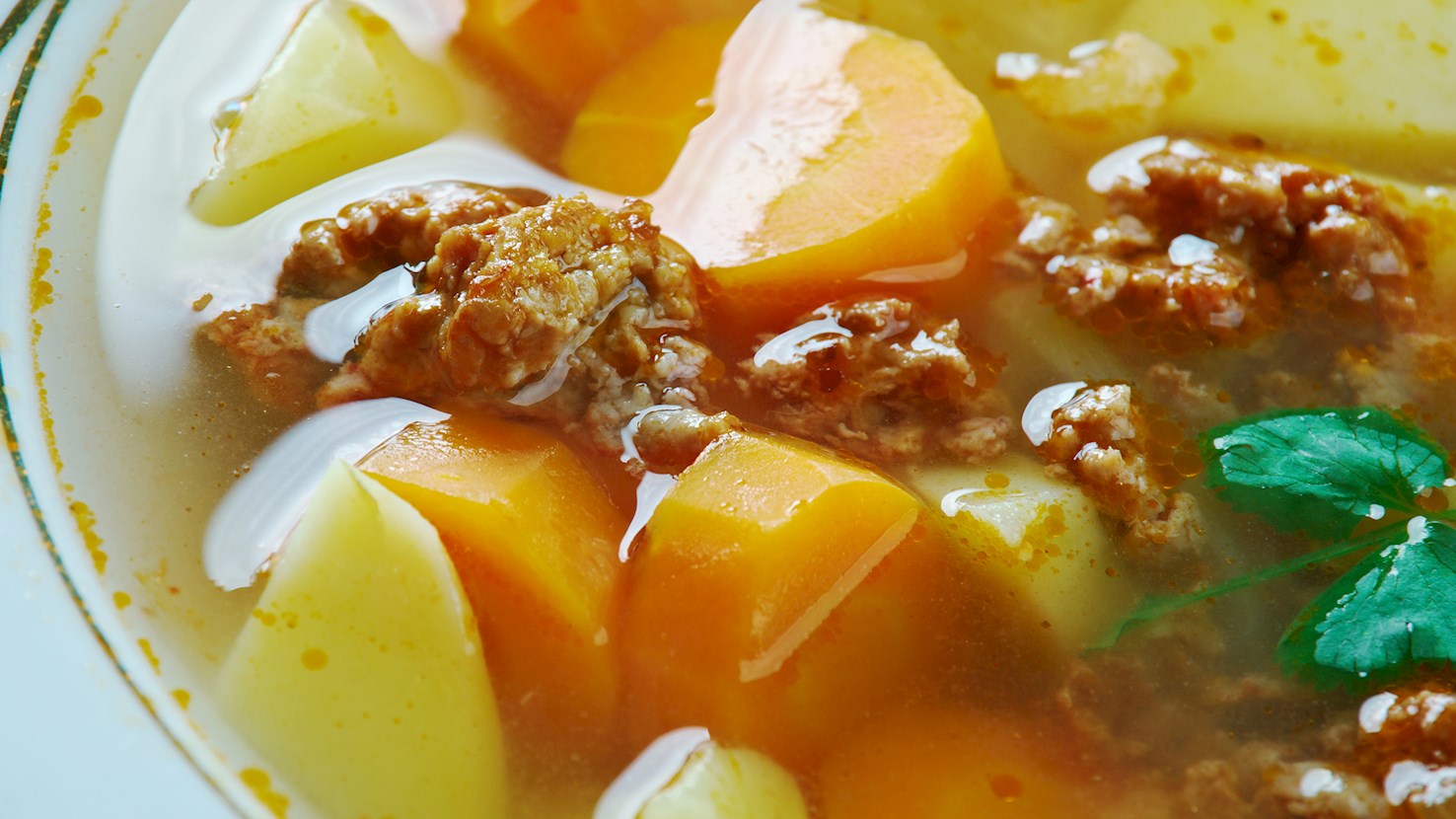
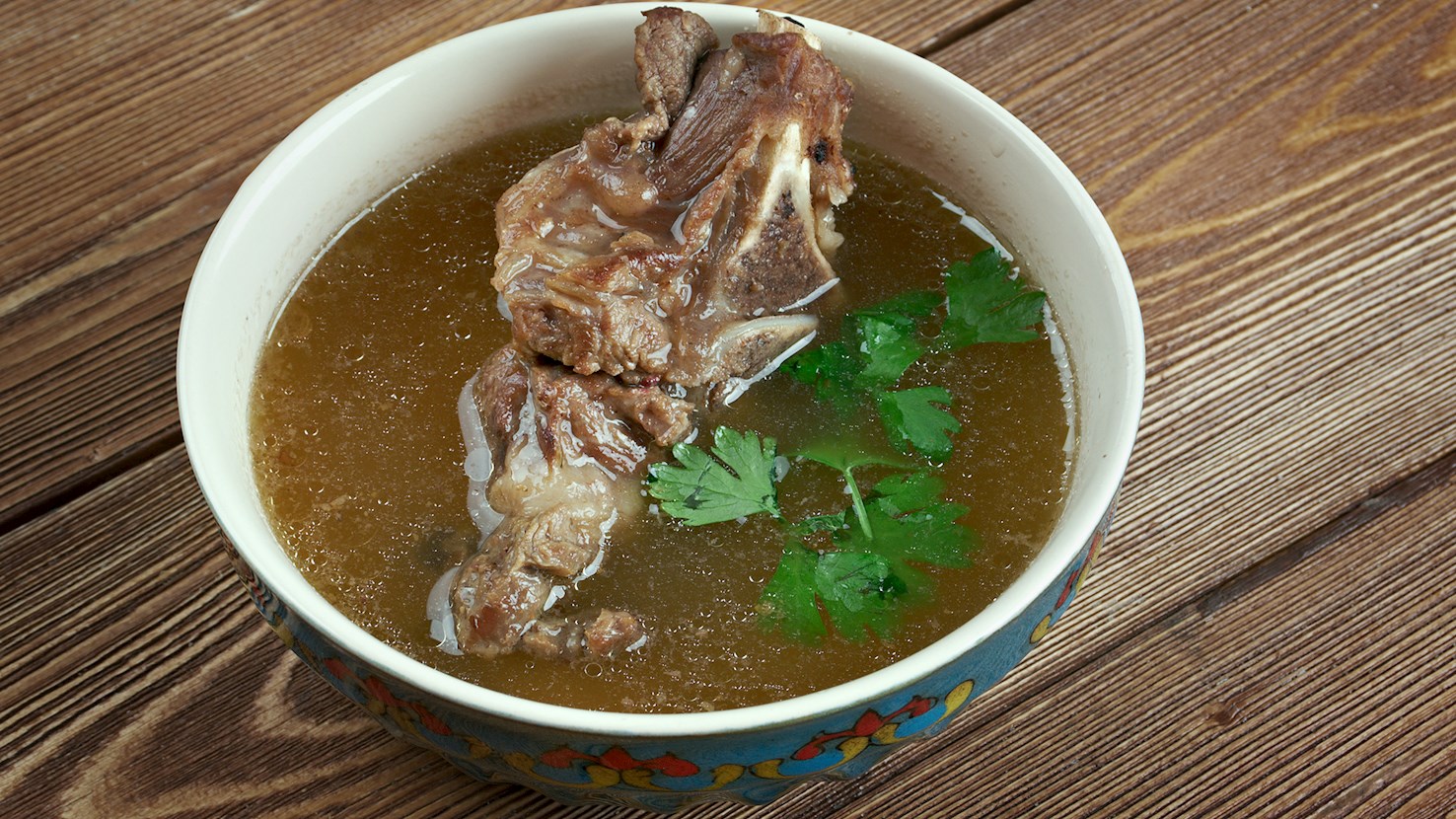
Widely regarded as an excellent hangover cure and a great remedy, khashi is a soup made by boiling beef intestines, tripe, shank, as well as other organs such as kidneys. Carrots, onions, bell peppers, and various greens may also be used. After the broth has been prepared, milk or pieces of milk-soaked bread can be added to the pot along with salt, pepper, and chopped garlic. It is said that khashi was invented when the poor had to give away all their meat to the rich, being left only with the organs, heads, and hooves of the animals. Ever since the promotion of the soup as a particularly healthy dish, it became popular among all social classes.

Read more
View all
View map
About this ranking

TasteAtlas food rankings are based on the ratings of the TasteAtlas audience, with a series of mechanisms that recognize real users and that ignore bot, nationalist or local patriotic ratings, and give additional value to the ratings of users that the system recognizes as knowledgeable. For the “Top 19 European Offal Soups” list until May 16, 2026, 1,357 ratings were recorded, of which 705 were recognized by the system as legitimate. TasteAtlas Rankings should not be seen as the final global conclusion about food. Their purpose is to promote excellent local foods, instill pride in traditional dishes, and arouse curiosity about dishes you haven’t tried.

Similar lists