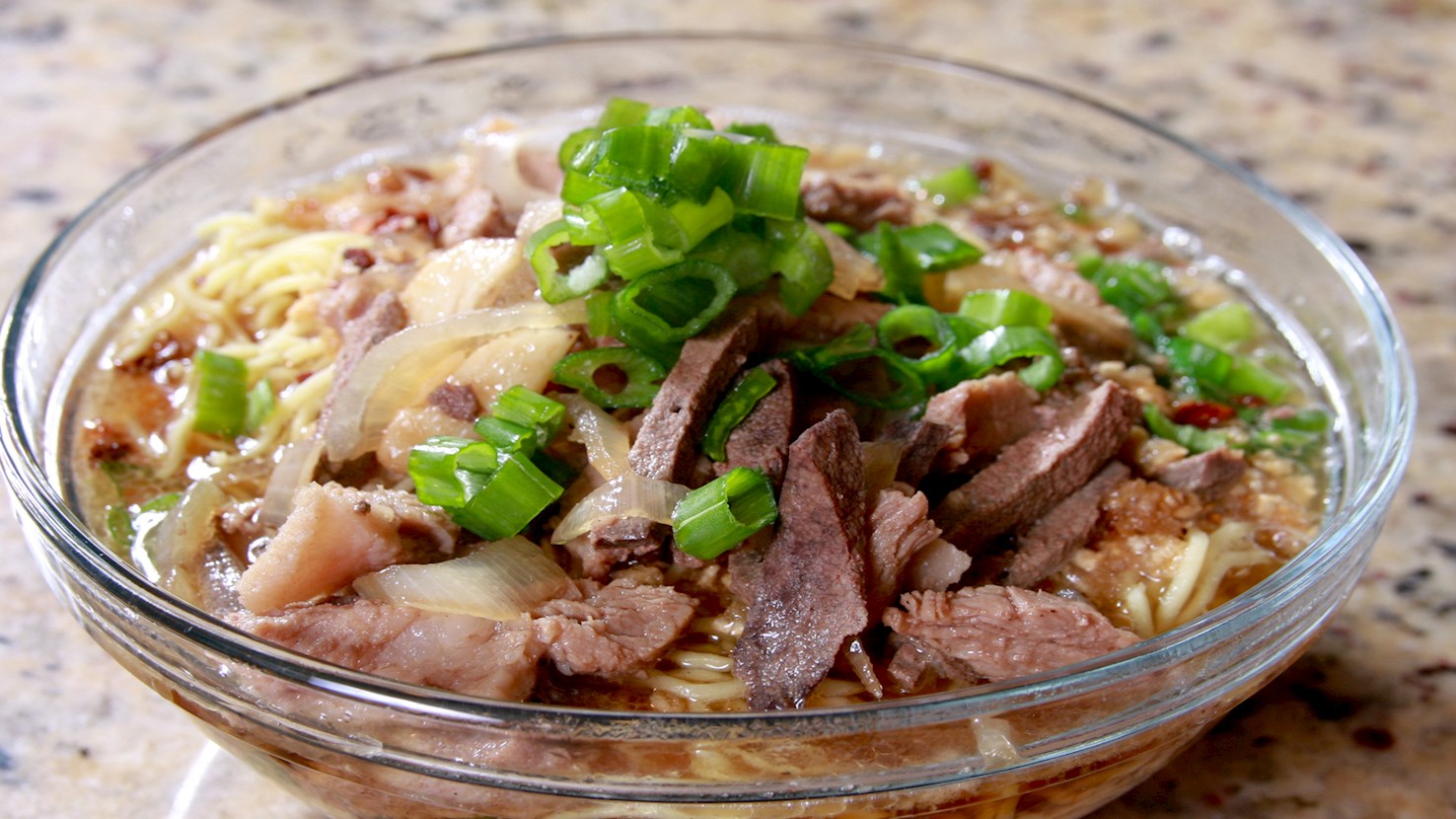
The hearty batchoy is a popular Filipino soup consisting of pork offal, chicken or beef stock, and fresh round egg noodles. Generously seasoned with shrimp paste and (occasionally) soy sauce, the soup is usually topped with pork cracklings, fried garlic, and a raw egg. Although there are numerous stories about the origin of the dish, there is no doubt that it was created in Iloilo, more specifically in the district of La Paz, from where it spread to other parts of the country to become one of the most famous Filipino soup dishes.
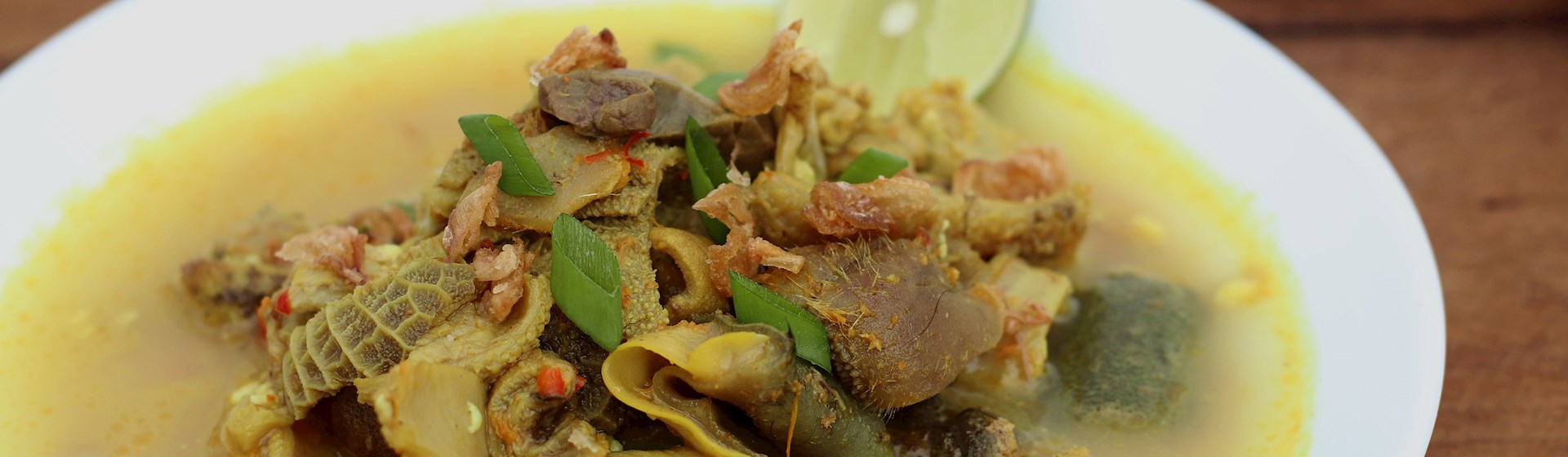
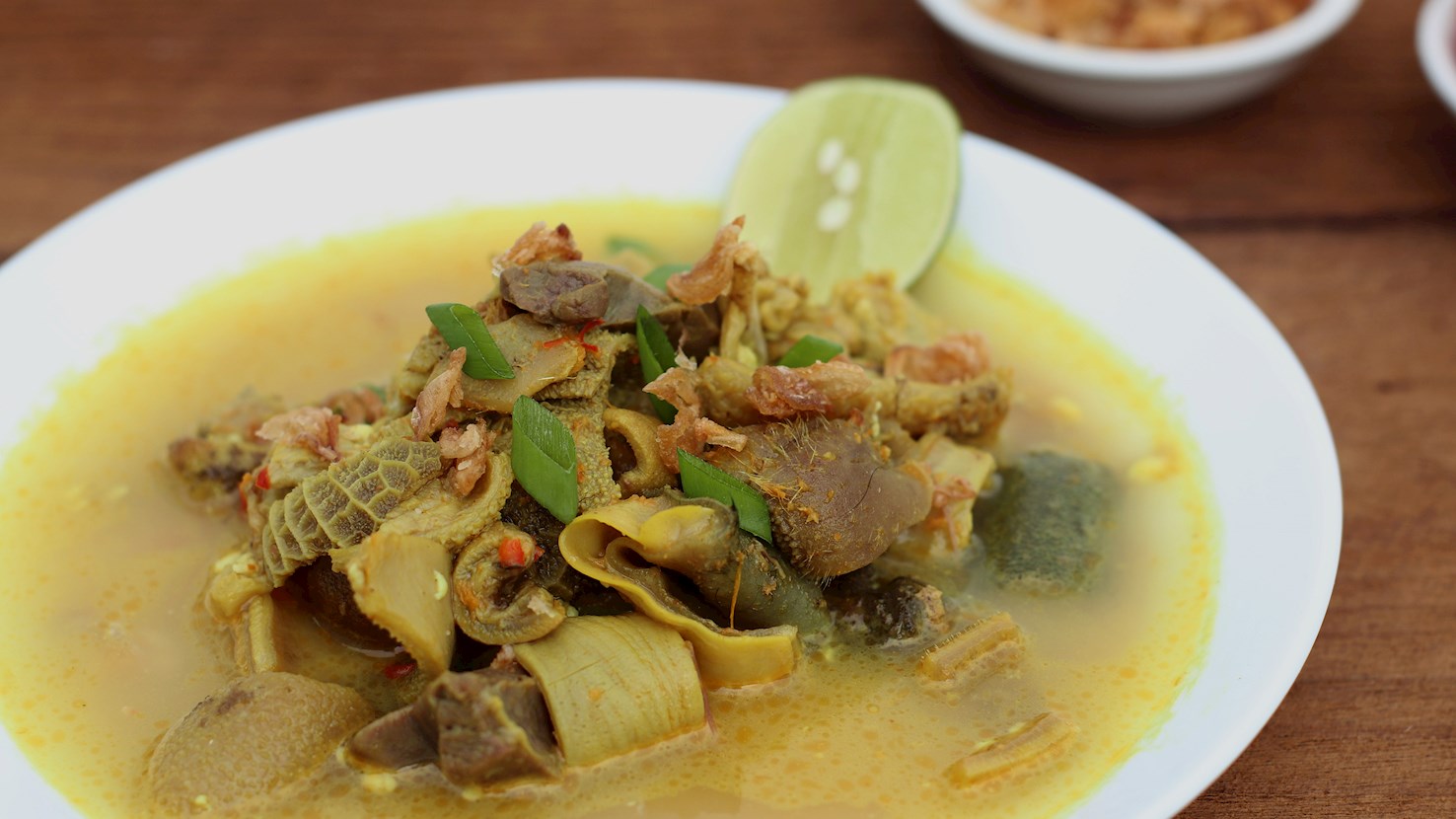
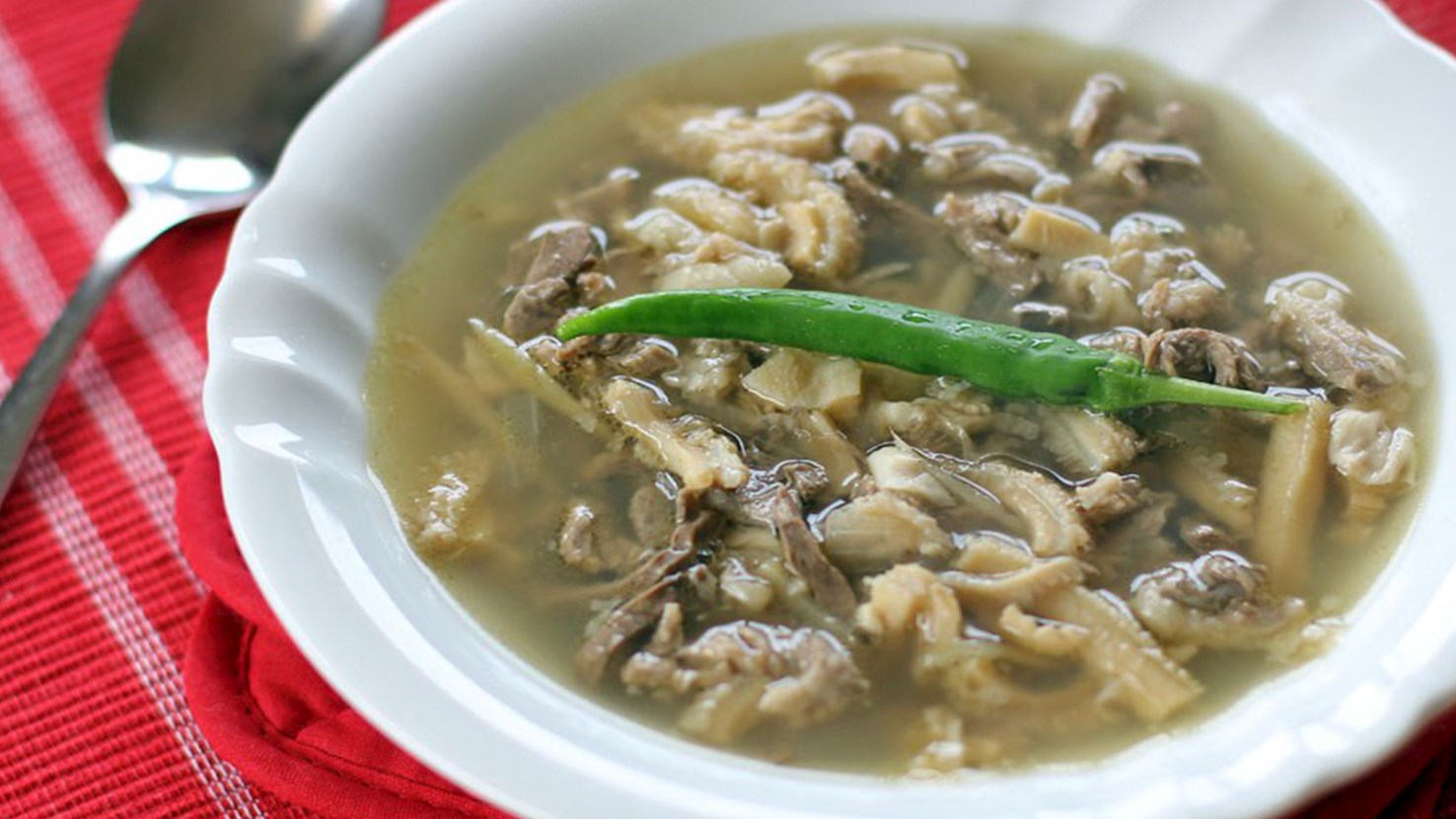
Soto babat is a distinctive Indonesian soup celebrated for its bold flavors and use of beef tripe as its central ingredient. Originating from the island of Java, particularly regions like East Java and Central Java, this dish is part of the broader soto family of soups. Soto babat stands out for its earthy, slightly spicy broth and chewy, flavorful cuts of tripe, making it a favorite among those who appreciate offal cuisine. The broth of soto babat is typically infused with a rich blend of spices including garlic, shallots, turmeric, coriander, lemongrass, and galangal. These aromatics are sautéed to develop their fragrance before being simmered with beef stock, creating a yellow-tinted soup that is both comforting and aromatic. The tripe, carefully cleaned and boiled until tender, absorbs the spices and contributes its own savory richness to the overall dish. Depending on the region and the cook, the broth can be clear or slightly creamy, sometimes enhanced with coconut milk to soften the spices and add a layer of creaminess. Soto babat is commonly served with warm steamed rice or occasionally with rice cakes like lontong, accompanied by toppings such as fried shallots, chopped scallions, lime wedges, sambal, and kerupuk or emping crackers. Some vendors also add boiled egg halves or perkedel, a spiced potato patty, to complete the meal. The presence of these condiments allows diners to tailor the dish to their own preference, adding more acidity, spice, or crunch as desired. Though once considered a dish of the everyday or of modest means, soto babat has become a valued part of Javanese culinary identity, often enjoyed at breakfast or lunch, and found at street food stalls, home kitchens, and warungs throughout Java.
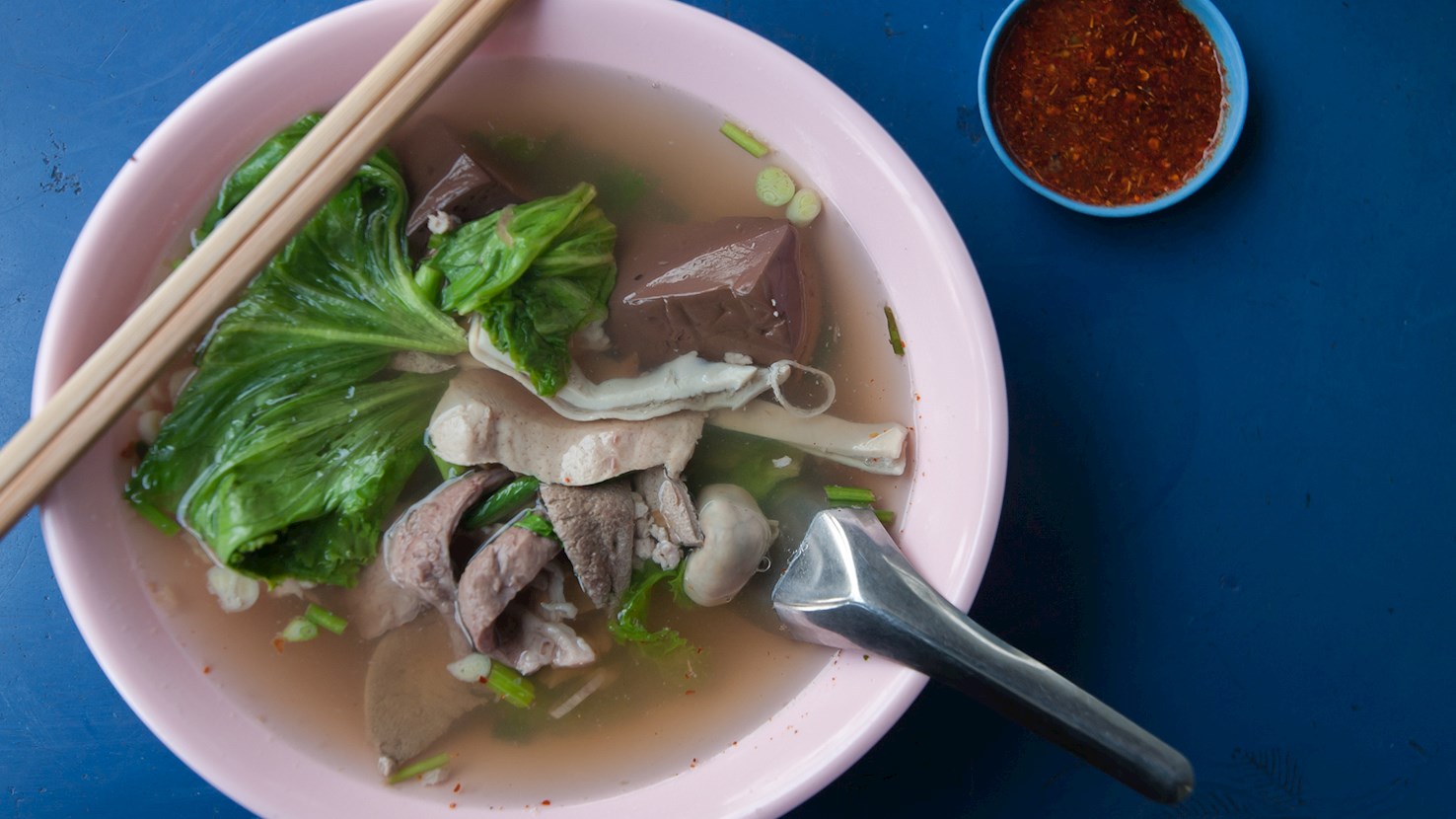
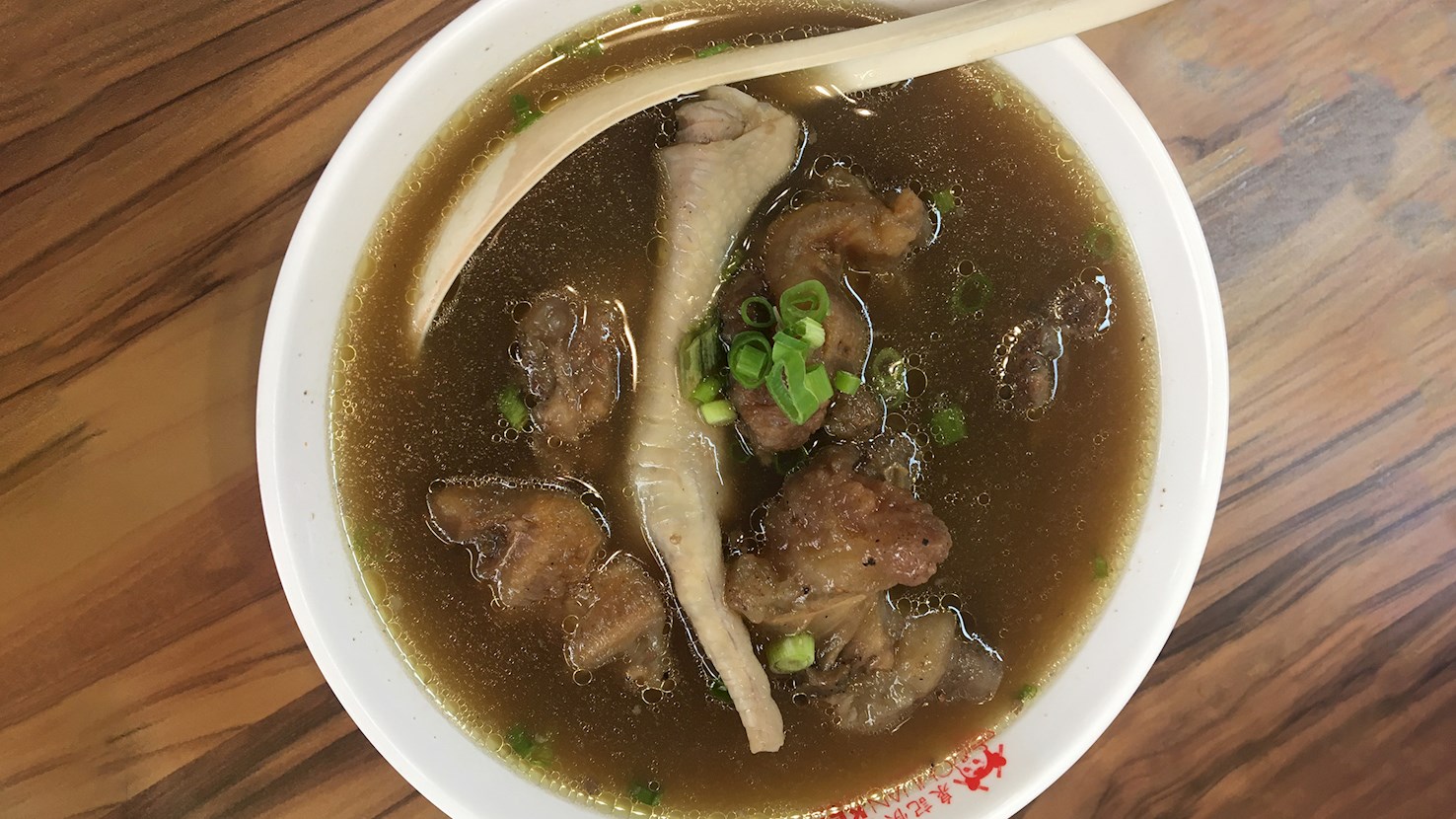
Although it originated from the Chaozhou province in China, pig’s organ soup is nowadays most popular in Singapore. The dish consists of pig offal, sliced pork, vegetable strips, onion leaves, and pepper. It is often served accompanied by eggs, rice, vegetables, braised tofu, or a special sauce prepared with a combination of soy sauce and chopped chili peppers. It is believed that the secret to a good broth is the combination of saltiness and sweetness coming from hours of boiling together pickled vegetables and pork bones.
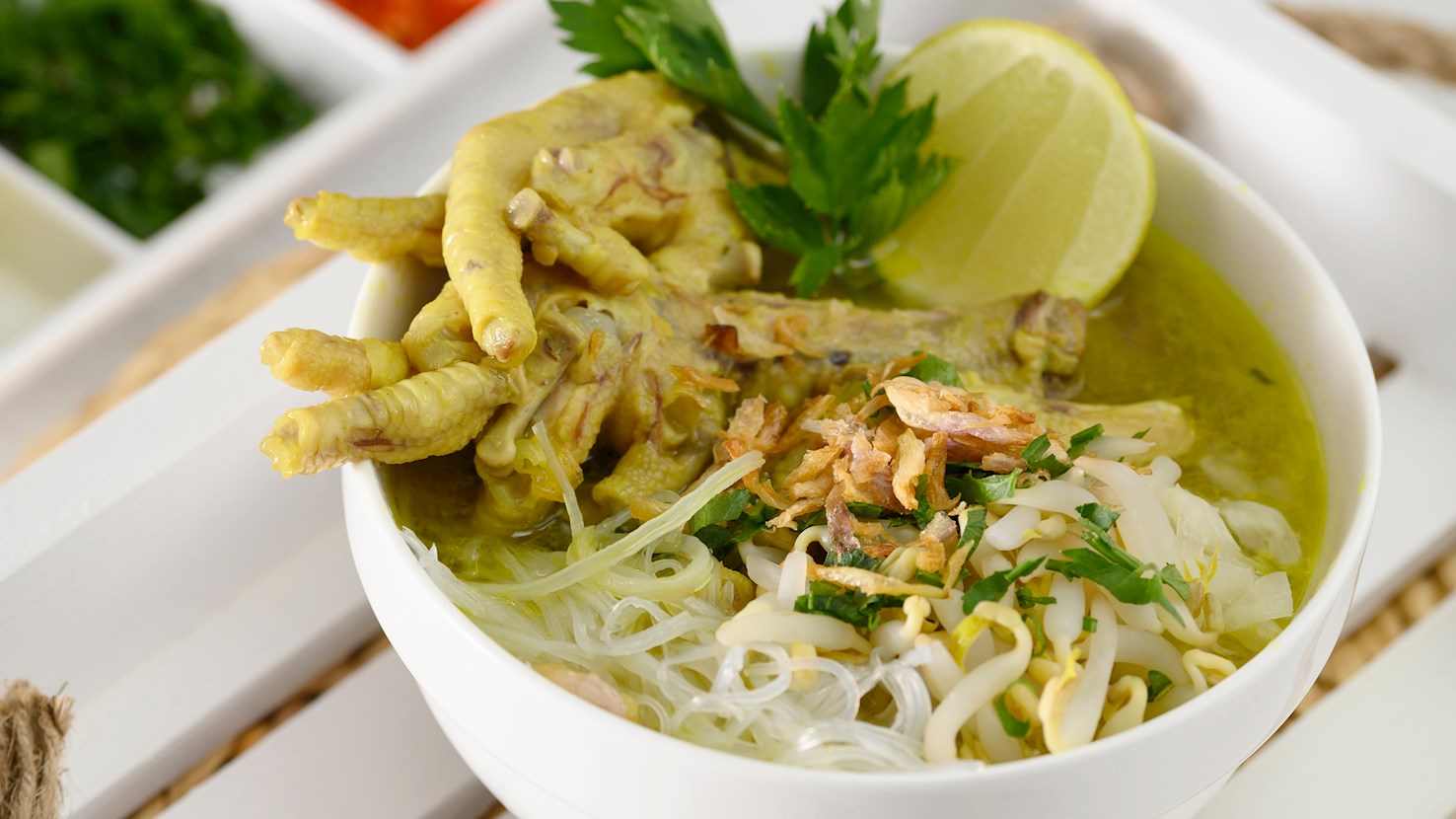
Soto ceker is an Indonesian chicken foot soup that originates primarily from Java, where soto in its various forms is a staple of daily meals. The word ceker means chicken feet in Indonesian, and this dish highlights an ingredient that is both affordable and appreciated for its unique texture. Soto refers to a broad category of Indonesian soups, typically made with clear or slightly yellow broth, infused with a blend of aromatic spices, and served with rice or rice cakes. In the case of soto ceker, the distinguishing feature is the use of chicken feet as the main protein, offering a gelatinous, tender consistency after long, slow simmering. The broth is made from a base of chicken bones and feet, which are simmered with a ground spice mixture containing garlic, shallots, turmeric, coriander, ginger, galangal, and lemongrass. This mixture is sautéed and added to the simmering pot to develop flavor and color. The turmeric gives the soup a characteristic yellow tint, while the lemongrass and galangal add freshness. The chicken feet are simmered until the connective tissue becomes soft but not disintegrated, allowing the feet to retain their shape while becoming easy to eat. The broth is usually light but rich in collagen from the slow-cooked bones and skin. Soto ceker is typically served hot with a side of steamed rice or lontong (rice cakes), and garnished with bean sprouts, fried shallots, scallions, and sometimes cabbage or glass noodles. A squeeze of lime juice and a small spoonful of sambal are common additions, allowing diners to adjust the flavor to their taste. The dish is known for its clean yet spiced broth, which complements the mild flavor and soft texture of the chicken feet. In Java, especially in cities like Jakarta and Yogyakarta, soto ceker is a common offering at street food stalls, night markets, and small eateries. It is often consumed as breakfast or late-night comfort food. While chicken feet may be viewed as an unconventional cut in some culinary cultures, in Indonesia they are valued for their texture and for being rich in gelatin, which gives the broth body and a slightly sticky mouthfeel.
The rich and flavorful papaitan is a popular Filipino soup which consists of goat or cow innards such as heart, tripe, or liver, simmered alongside garlic, onions, and various spices. The most important addition to the dish is bile - a bitter liquid extracted from animal livers, giving the soup its distinctive sour flavor and a light yellow color. This popular Ilocano dish is always served hot and is usually garnished with sliced green onions and chili peppers.
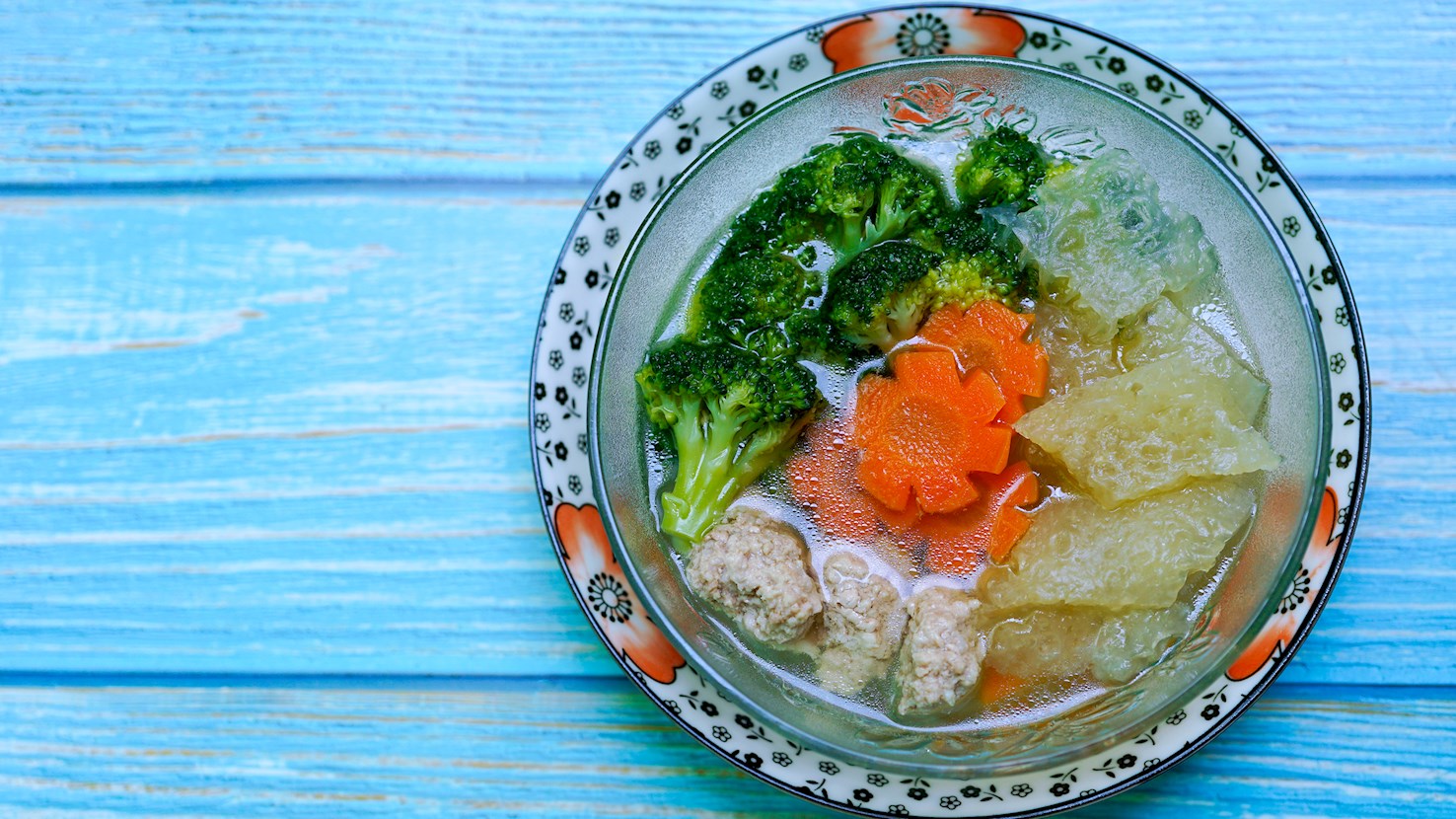
Canh bóng is a traditional soup originating from Vietnam, and it's particularly popular in Hanoi during the Lunar New Year (Tet) celebrations. The main ingredient in the soup is dried pork rind, which is cleaned, washed with ginger juice and vinegar, dried in the sun, and roasted in order to develop bubbles on the surface. The dried rind is usually seasoned with scallions, fish sauce, ginger, and pepper, then cooked with vegetables such as broccoli, carrots, and mushrooms. The soup is presented in a bowl that's topped with the cooked rind, which will float on top of the soup with all the other ingredients.
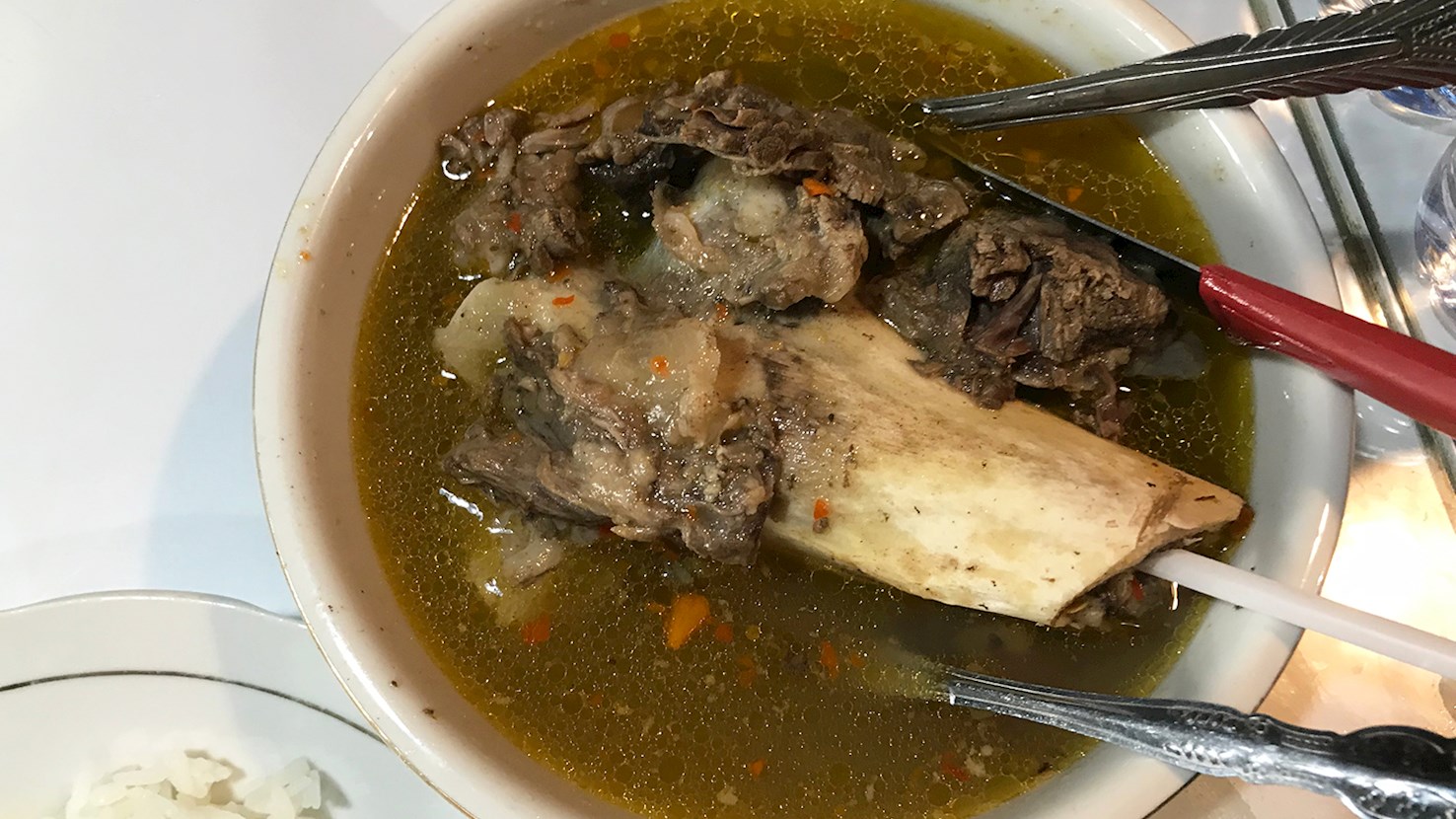
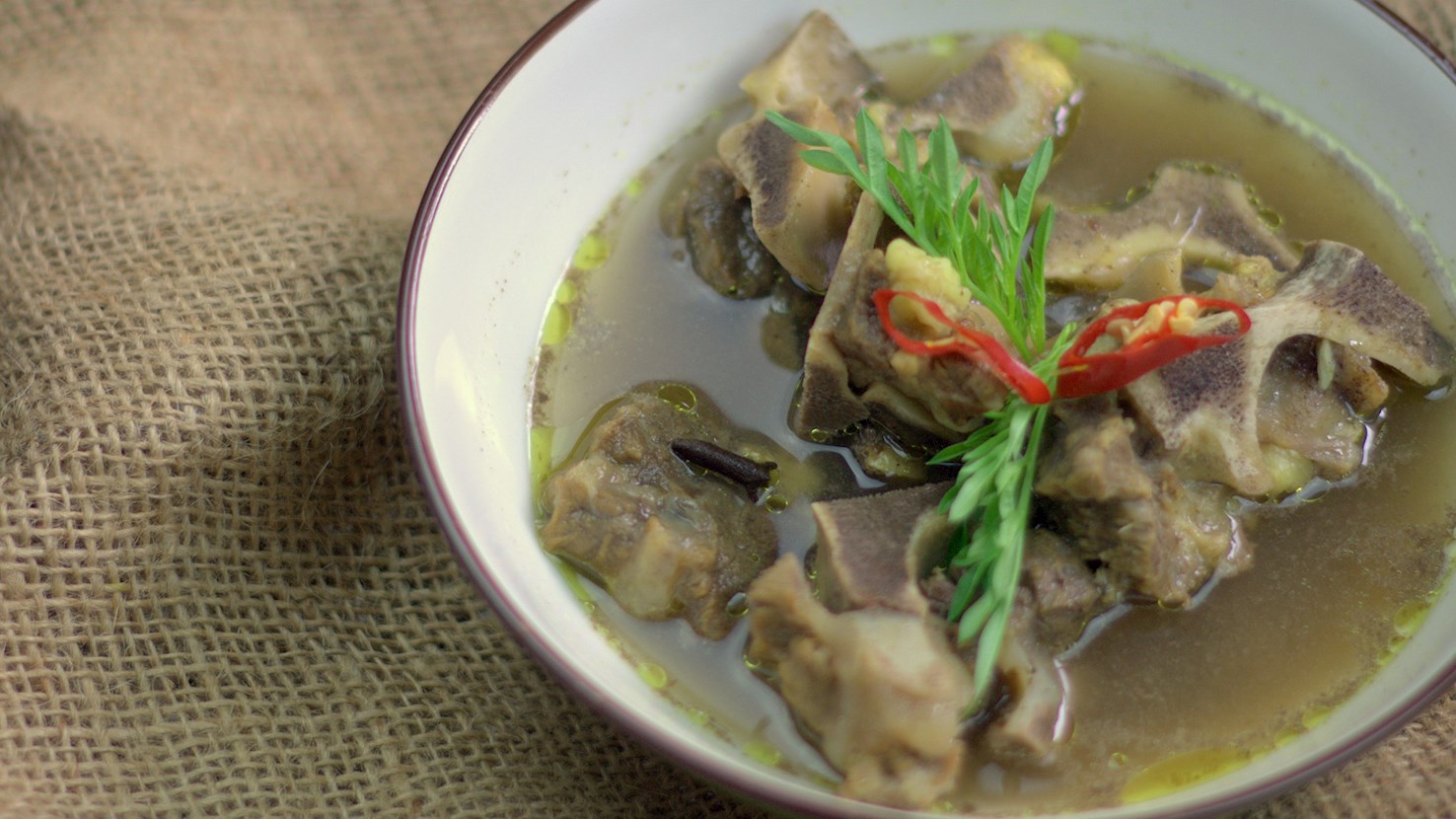
Kaledo is a spicy beef bone soup originating from the city of Palu in Central Sulawesi, Indonesia. The name is a local abbreviation of kaki lembu Donggala, which translates to “cow leg from Donggala,” referring to the key ingredient and the nearby regency where the dish is believed to have first gained popularity. Kaledo is considered one of the region’s most iconic culinary specialties and is widely recognized for its unique presentation, which features large cuts of beef leg bones served in a thin, tangy broth. The core of the dish is beef leg bones, often including marrow-filled segments, which are simmered for several hours to extract flavor and achieve a soft, gelatinous texture in the meat and connective tissues. The broth is relatively clear and light compared to other Indonesian meat soups, but it is deeply flavorful due to long boiling and the inclusion of aromatics such as lemongrass, garlic, shallots, and chilies. A significant aspect of kaledo’s flavor comes from the use of tamarind or lime juice, which gives the soup a sharp, sour element that cuts through the richness of the meat. Unlike more elaborate soups that rely on complex spice pastes or coconut milk, kaledo emphasizes purity of flavor, built around the natural taste of slow-cooked beef and bones. The seasoning is minimal, allowing the broth to remain clear and focused. The dish is usually served with steamed cassava rather than rice, distinguishing it from many other Indonesian soups and reflecting local agricultural preferences. Kaledo is typically eaten with a spoon and straw combination, where the spoon is used for the broth and meat, while the straw is provided to extract the rich bone marrow. This method of eating is both practical and central to the dish’s identity, highlighting the importance of the marrow as a prized component. The experience is casual and often communal, frequently enjoyed at roadside stalls or small local eateries in Palu.
Soup number five is a Filipino soup prepared with unusual key ingredients – bull's penis and testicles. Other ingredients include a plethora of (mostly) herbs and spices such as chili peppers, green onions, lemongrass, ginger, onions, garlic, salt, sugar, pepper, fish sauce, beef broth, and oil. There are many variations on the soup, as well as secret recipes. In the Philippines, the soup is thought to be an aphrodisiac and to have healing properties. It's also very popular as a hangover cure and a pulutan – a dish that's eaten while drinking alcohol. The unusual name with the number five, however, is still shrouded in mystery. In the province of Cebu, this soup is known as lanciao or lansiao.
Soup tulang is a traditional dish that consists of meaty mutton or lamb bones in a spicy and vibrant red sauce or gravy. The star of this dish is the soft and greasy bone marrow contained in the meat bones which is either sipped with a straw or tapped out onto a plate. Thick, sweet, and flavorful, the gravy is typically made with mutton or lamb stock, tomato purée, chilis, spices, and (optionally) red food coloring, used for a more vibrant look of the dish. Thick slices of bread usually accompany the specialty, and they're used for soaking up all of the rich gravy. Abdul Kadir, an Indian Muslim stallholder, has been credited for inventing the dish back in the 1950s at his hawker stall located in Jalan Sultan in Singapore.
TasteAtlas food rankings are based on the ratings of the TasteAtlas audience, with a series of mechanisms that recognize real users and that ignore bot,
nationalist or local patriotic ratings, and give additional value to the ratings of users that the system recognizes as knowledgeable.
For the “Top 9 Southeast Asian Offal Soups” list until May 16, 2026, 163 ratings were recorded, of which 91 were recognized by the system as legitimate.
TasteAtlas Rankings should not be seen as the final global conclusion about food. Their purpose is to promote excellent local foods,
instill pride in traditional dishes, and arouse curiosity about dishes you haven’t tried.