Named after the Sicilian Belice River valley where olive cultivation has been carried out for over 3000 years, Nocellara del Belice is a variety of green and black table olives which are also used for the production of Valle del Belice extra virgin olive oil. As a table olive, the fleshy Nocellara is excellent with cheese, salami and traditional Italian oil marinated vegetables or it can be enjoyed as a delicious accompaniment to various aperitifs. Also, it is used in the production of Belicino, a traditional Sicilian sheep cheese.
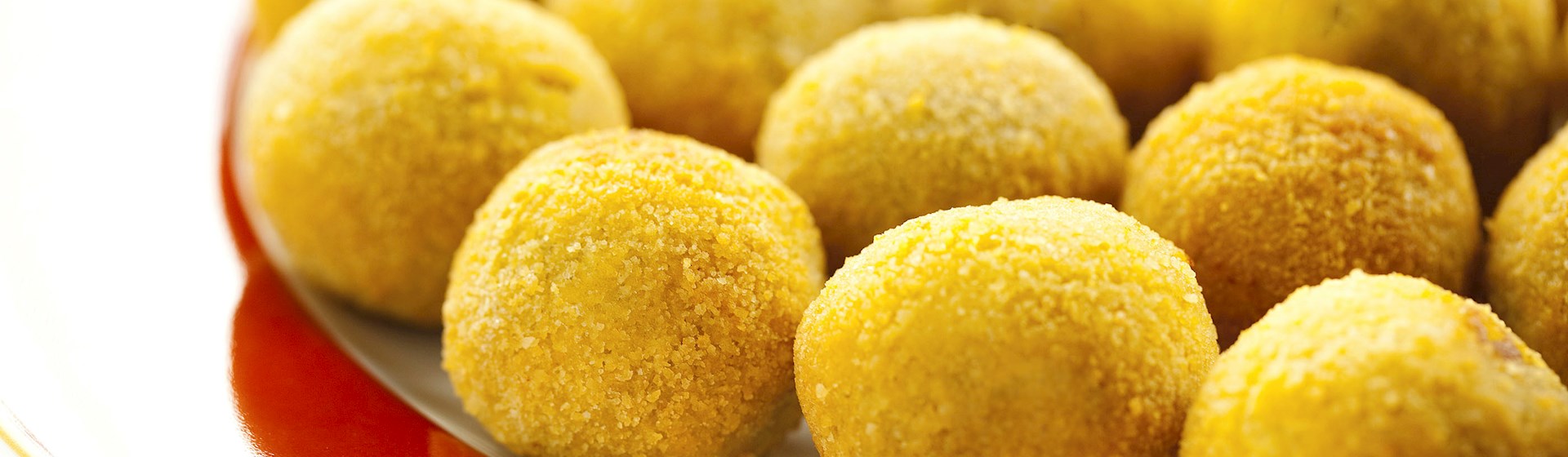
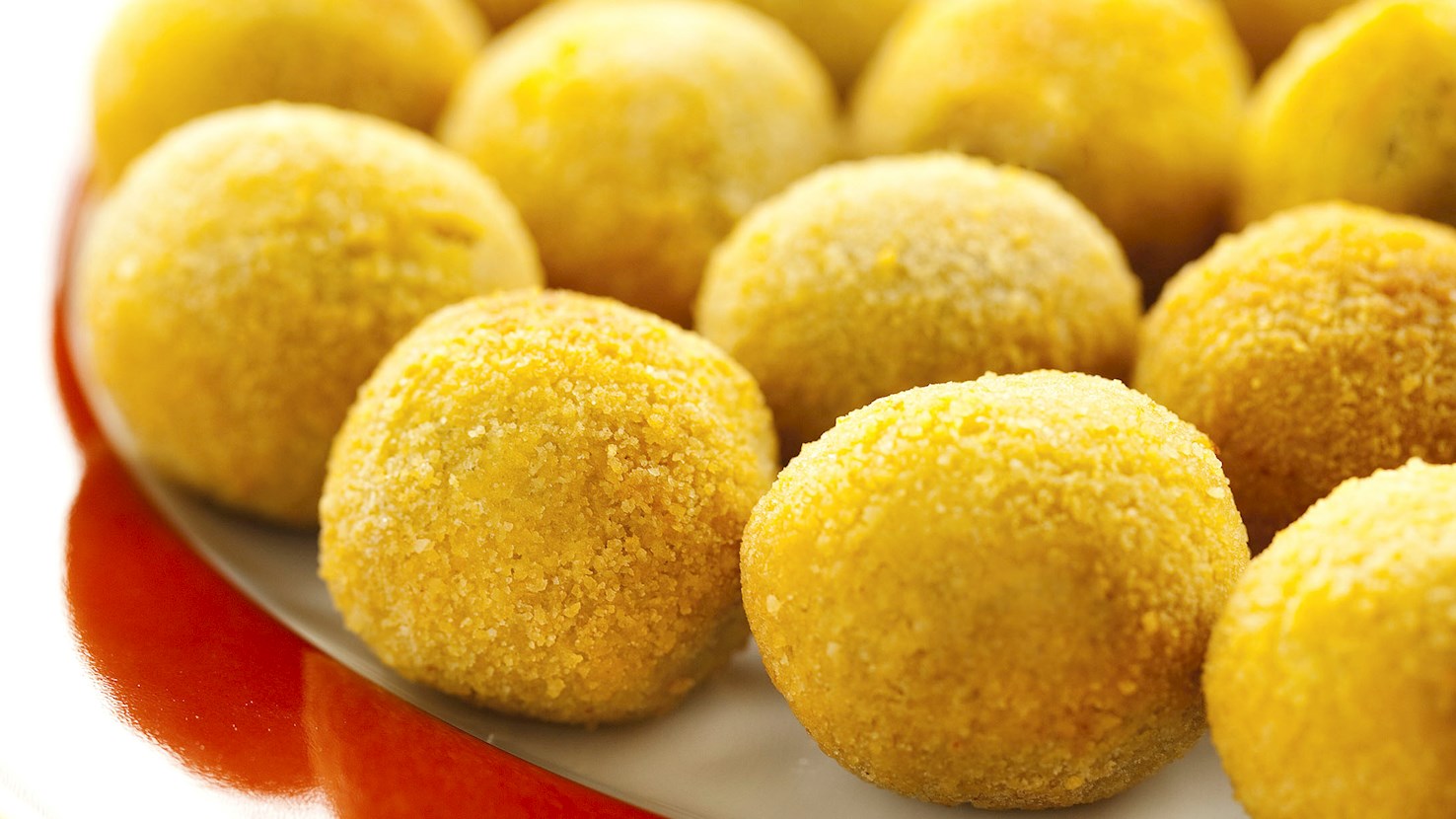
Known as ulivae picenae since the Roman era, Oliva Ascolana del Piceno refers to green table olives of the Ascolana Tenera cultivar grown in the provinces of Ascoli Piceno, Fermo and Teramo. Apart from the naturally debittered and brined varieties, both of which are aromatized with wild fennel, the most famous gastronomic specialty of Ascoli are stuffed olives. Even though the origins of this popular Italian appetizer are relatively unknown, some references to original recipes date back as far as the 1600s, while origins of the meat-based filling are more recent, dating back to the early 19th century. Found virtually on every corner in Ascoli Piceno, the meat stuffed Olive all'Ascolana are aromatized with lemon zest, nutmeg, and cloves, coated in parmesan cheese, crispy bread crumbs and deep fried. They are often served with other fried vegetables such as zucchini and artichokes. For an interesting contrast of sweet and savory flavors, Ascolana olives can be enjoyed with another local specialty - Crema fritta all'Ascolana, breaded and deep fried custard cream cubes.
Leccino olives are a prominent variety of olives primarily grown in Italy, particularly in the Tuscany region, though they are also cultivated in other parts of the Mediterranean and in regions with similar climates around the world. They are highly esteemed for their versatility and the quality of the olive oil they produce. Leccino olives are medium-sized with an elongated, slightly asymmetrical shape. When they mature, the olives transition from green to a dark purple or black color. The olive oil derived from Leccino olives is celebrated for its mild, balanced flavor. It typically features a fruity aroma with subtle notes of herbs, almonds, and sometimes a hint of green apple. The oil is well-balanced with a mild bitterness and a gentle peppery finish, making it versatile for various culinary uses, from salad dressings to cooking and baking. The Leccino olive tree is known for its hardiness and adaptability. It thrives in the Mediterranean climate but can also adapt to a range of other environments. The trees are relatively resistant to cold temperatures, pests, and diseases, contributing to their popularity among olive growers. They are also known for their high productivity and reliable yield.
Frantoio olives are a renowned variety primarily grown in Italy, particularly in the Tuscany region. They are highly valued for their use in olive oil production due to their distinctive flavor and high oil content. Frantoio olives are medium-sized with an oval shape, maturing from green to a dark purple or black color. The olive oil produced from Frantoio olives is known for its excellent quality and complex flavor profile. It typically has a fruity aroma with notes of fresh grass, artichoke, and green apple, along with a balanced bitterness and a peppery finish. This makes Frantoio olive oil a favorite among chefs and food enthusiasts for its ability to enhance the flavor of a wide range of dishes. The Frantoio olive tree is well-suited to the Mediterranean climate, thriving in the warm, dry conditions typical of regions like Tuscany. The trees are known for their productivity and resilience, producing a high yield of olives. They are also relatively resistant to common pests and diseases, contributing to their popularity among olive growers. In addition to its use in olive oil production, Frantoio olives can also be enjoyed as table olives, although this is less common. The olives and the oil derived from them are rich in antioxidants and healthy monounsaturated fats, offering various health benefits, including anti-inflammatory properties and support for cardiovascular health.
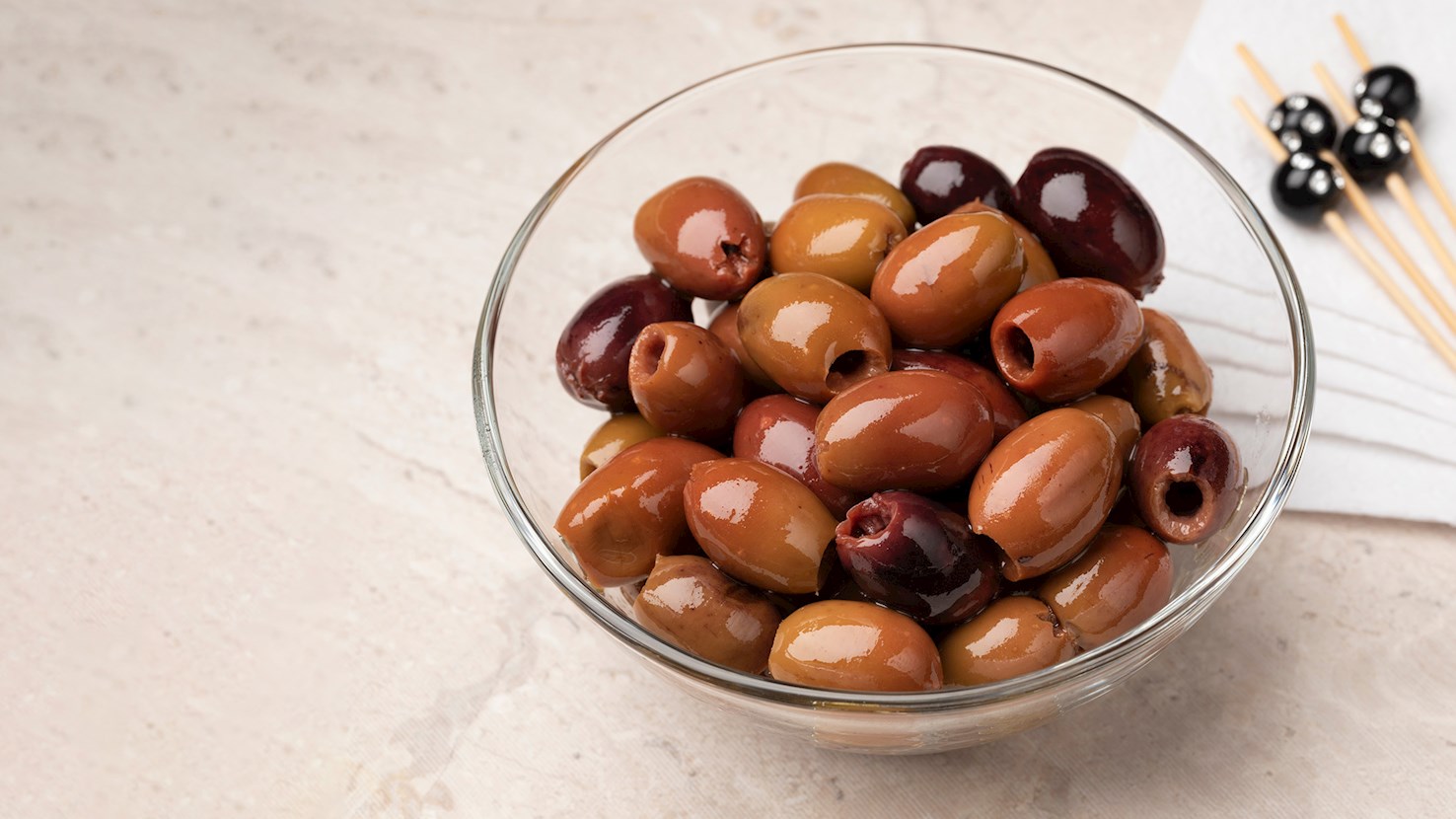
Traditionally grown around the Gulf of Gaeta which is nestled just south of Rome in the province of Latina, Oliva di Gaeta is a variety of small, reddish olives. Salt cured Gaeta olives have wrinkled, black flesh, while the ones brine-cured exhibit a smooth, dark violet texture. Prized for their plump, meaty body and a unique, slightly sour flavor, Gaeta olives are a popular appetizer but can also be used in various salads, risottos and pasta dishes, including the famous Spaghetti alla Puttanesca.
Often presented as one of the best olives in the Mediterranean, La Bella della Daunia is a table olive of the Bella di Cerignola variety grown in the Apulian province of Foggia. Once known as the historical region of Daunia, these fertile flatlands of Foggia are today called Tavoliere - the second largest Italian plain famous for its agriculture, especially the lush green olive groves. Although Daunia olives are not suitable for oil production, they are much prized for their flesh-to-pit ratio and an outstandingly rich, savoury flavor. The green ones are called the queens of appetizers, while the black ones are typically used for preparing various sauces and added to a number of Apulian dishes.
Coratina is a prominent variety of olive native to the Apulia region in southern Italy, known for its vigorous growth and ability to thrive in the Mediterranean climate characterized by hot, dry summers and mild winters. This olive is notable for its small to medium size, thick skin, and high oil content, producing an oil that is intensely flavorful with robust bitterness and pungency balanced by fruity and herbal notes. Cultivated extensively in Apulia, Coratina has become synonymous with high-quality extra virgin olive oil, contributing significantly to Italy’s reputation as a leading producer of premium olive oils. The history of Coratina dates back centuries, deeply embedded in the agricultural heritage of Apulia where olive cultivation has long been a cornerstone of local livelihoods and culture. The variety gained importance due to its resilience and the distinctive flavor profile of its oil, which was favored for both domestic consumption and trade. As olive oil production evolved, Coratina’s oil was often blended with other varieties to balance its assertive character, but it also gained recognition as a standalone product appreciated by connoisseurs. The region’s dedication to cultivating and preserving Coratina reflects a broader commitment to quality and regional identity within the Italian olive oil industry. Preparation of Coratina olives for oil involves harvesting at optimal ripeness to capture the ideal balance of bitterness and fruitiness. The olives undergo cold pressing, a method that preserves the delicate flavors and nutritional properties of the oil. Coratina oil is characterized by its deep green color and intense aroma, often featuring hints of artichoke, tomato leaf, and fresh herbs. This oil is versatile in culinary use, commonly used for drizzling over salads, grilled vegetables, and breads, as well as in cooking to impart depth and complexity to dishes. The robust flavor profile of Coratina oil pairs well with hearty foods typical of southern Italian cuisine, enhancing the overall sensory experience. Coratina olive oil is widely enjoyed across Italy and increasingly appreciated internationally, where it is sought after by chefs and food enthusiasts who value its bold character and authenticity. In Apulia, it remains a staple in daily cooking and is often featured in local markets and festivals celebrating the region’s agricultural products.
Leucocarpa or leucolea is a traditional olive variety that's widely spread in southern Italy and a strong presence in Calabria. What makes this olive unique is the small size of its fruits which become ivory-white during ripening. The white color of these olives symbolizes purity, and in the past they were used for religious purposes. As a result, Leucocarpa is usually grown near convents and churches. The extra-virgin olive oil made from this variety first receives a blessing, and it's then used for Catholic rites such as sacraments. In the past, the Leucocarpa olive oil was used to anoint the emperor during the ceremonial coronation. This is the only olive variety which remains white at all stages of maturation, and the tree was introduced by Basilian monks from the Greek island of Kasos in the 6th century A.D.
Moraiolo olives are a highly regarded variety of olives primarily grown in Italy, especially in the region of Tuscany. They are well-known for their use in producing high-quality extra virgin olive oil. Moraiolo olives are small to medium in size and have a somewhat round to oval shape. When mature, these olives turn from green to a dark purple or black color. The olive oil produced from Moraiolo olives is particularly esteemed for its robust, intense flavor profile. It is characterized by a fruity aroma with notes of herbs, artichoke, and sometimes green apple. The oil typically has a pronounced bitterness and a strong peppery finish, making it a favorite among those who appreciate bold, flavorful oils. The Moraiolo olive tree is adapted to the Mediterranean climate and is well-suited to the hilly, rocky terrain of central Italy. These trees are known for their resilience and ability to withstand adverse weather conditions, including drought and wind. They are typically medium-sized and produce a high yield of olives, making them a popular choice among olive growers.
TasteAtlas food rankings are based on the ratings of the TasteAtlas audience, with a series of mechanisms that recognize real users and that ignore bot,
nationalist or local patriotic ratings, and give additional value to the ratings of users that the system recognizes as knowledgeable.
TasteAtlas Rankings should not be seen as the final global conclusion about food. Their purpose is to promote excellent local foods,
instill pride in traditional dishes, and arouse curiosity about dishes you haven’t tried.




What People Say