shutterstock

Top 24 Southeastern European Olives

Last updated on June 01, 2026

Best Southeastern European Olives Types
01

Eliá Kalamatas

4.3 ·

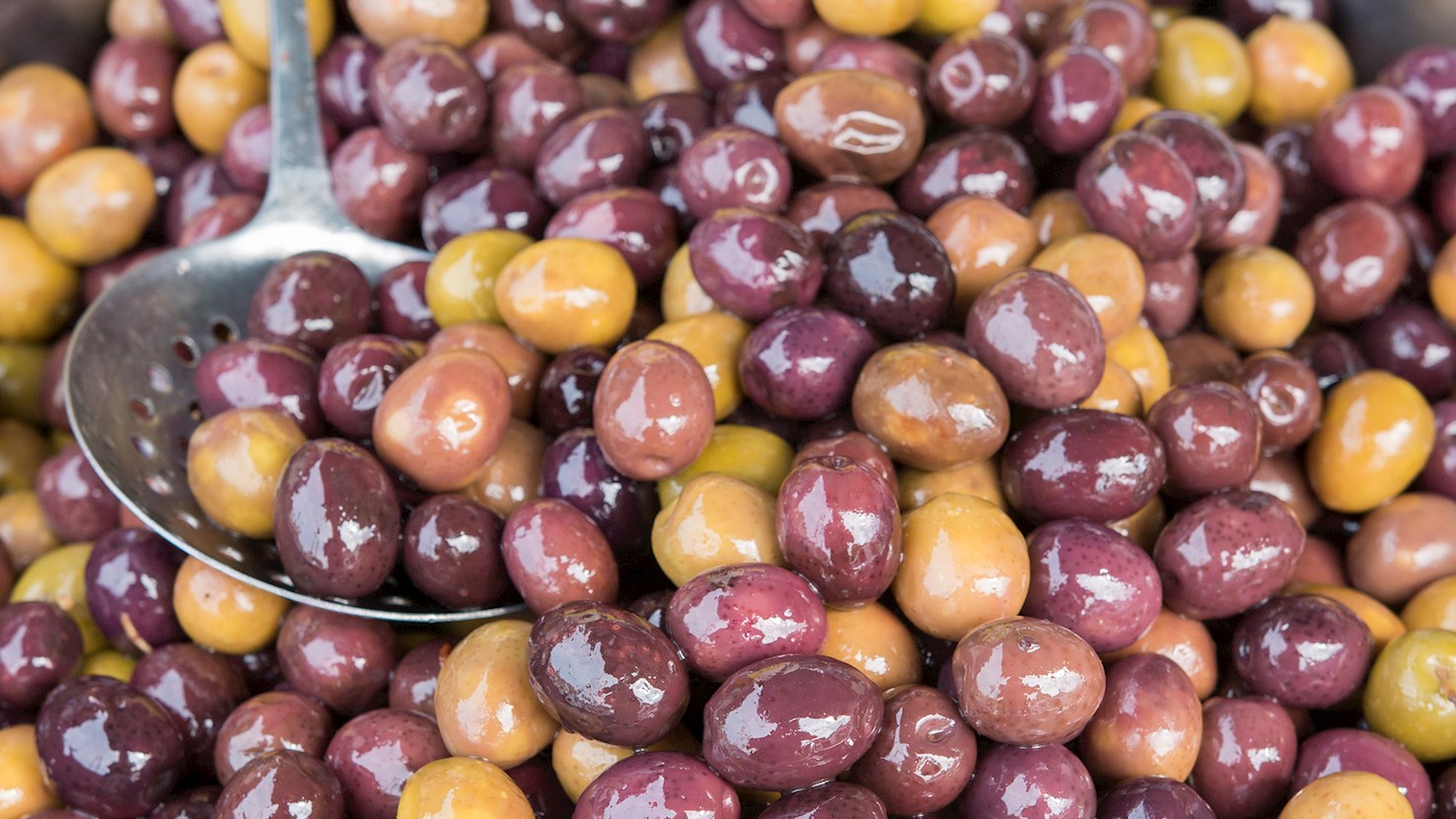
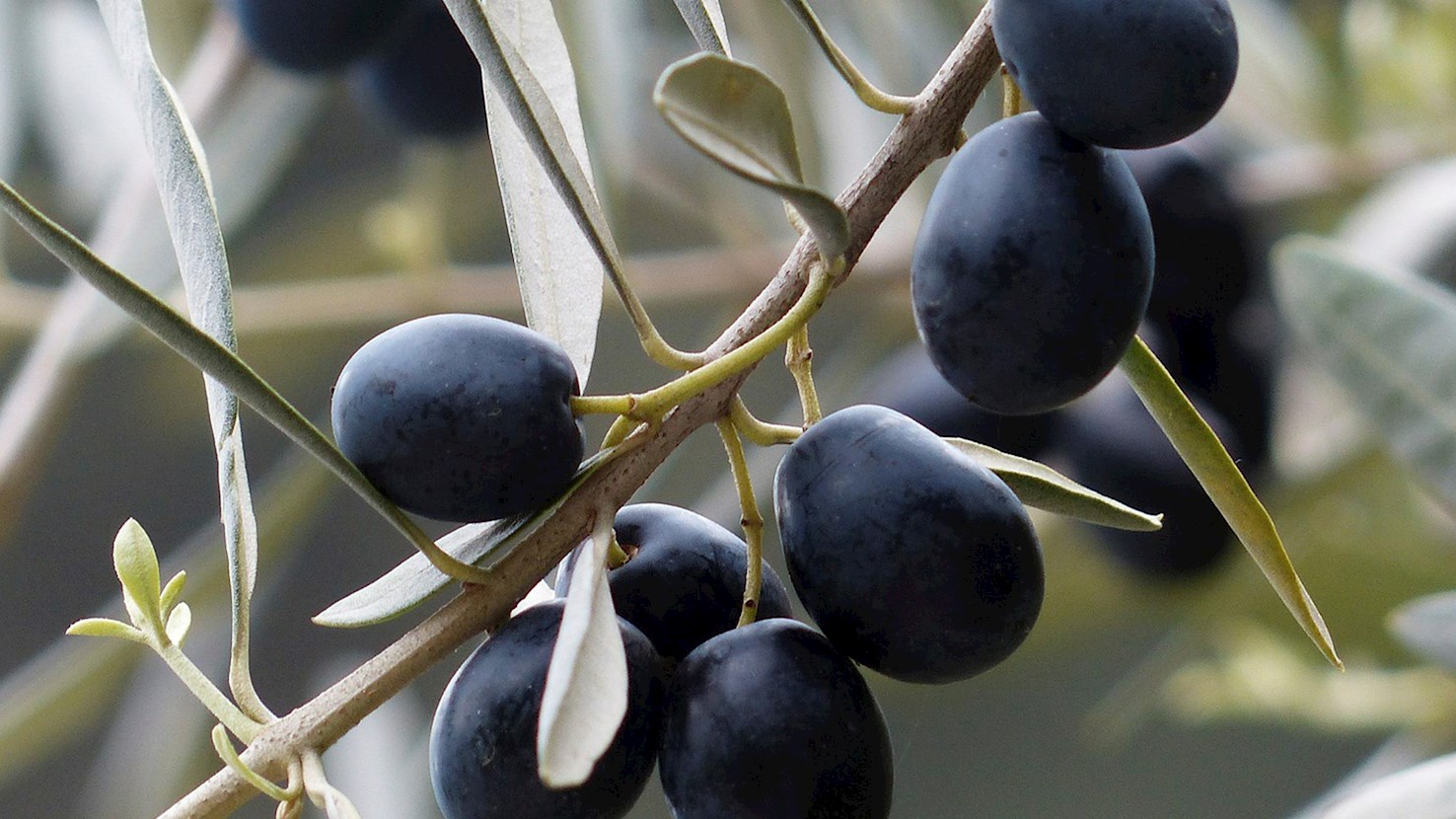
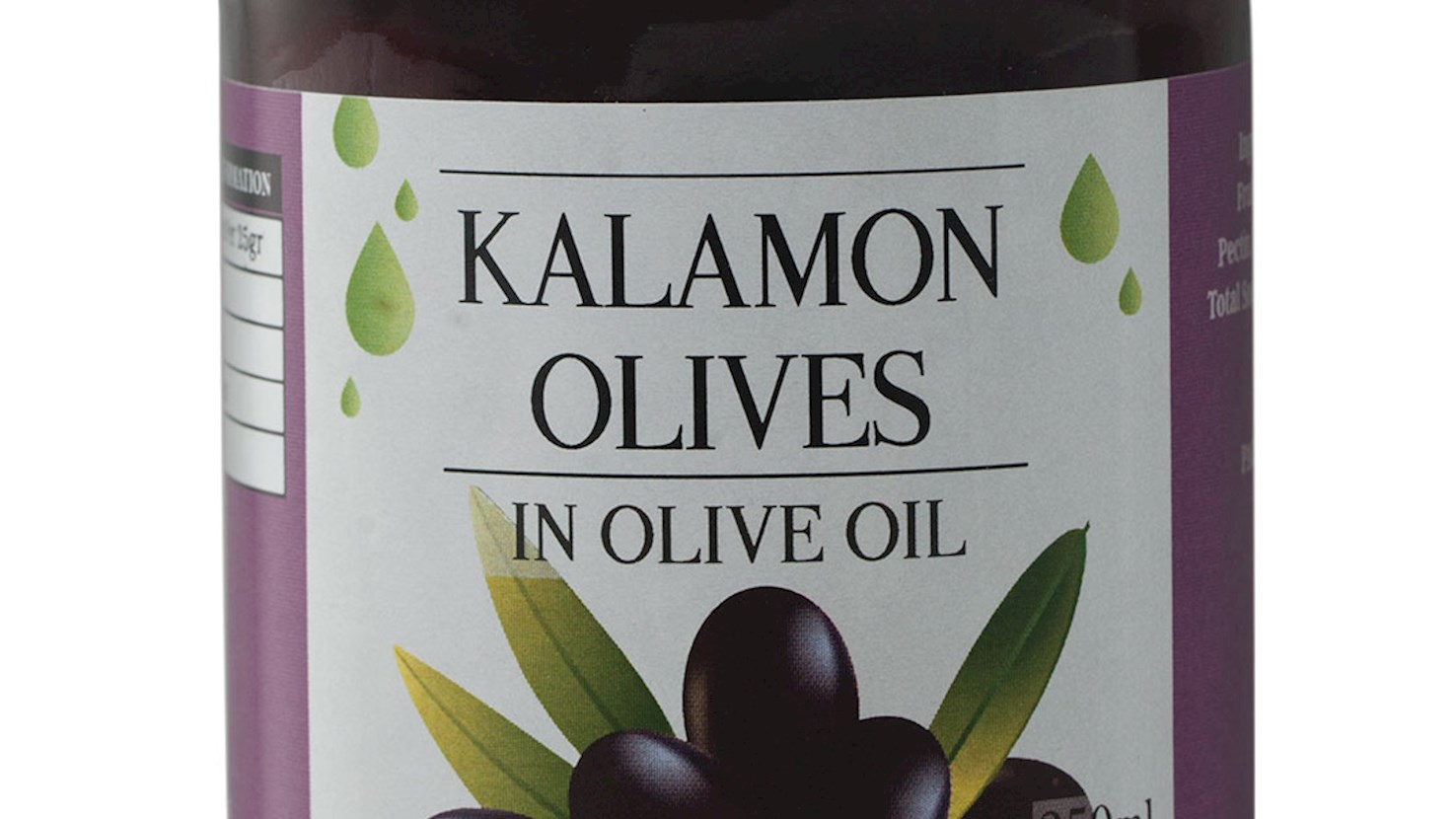
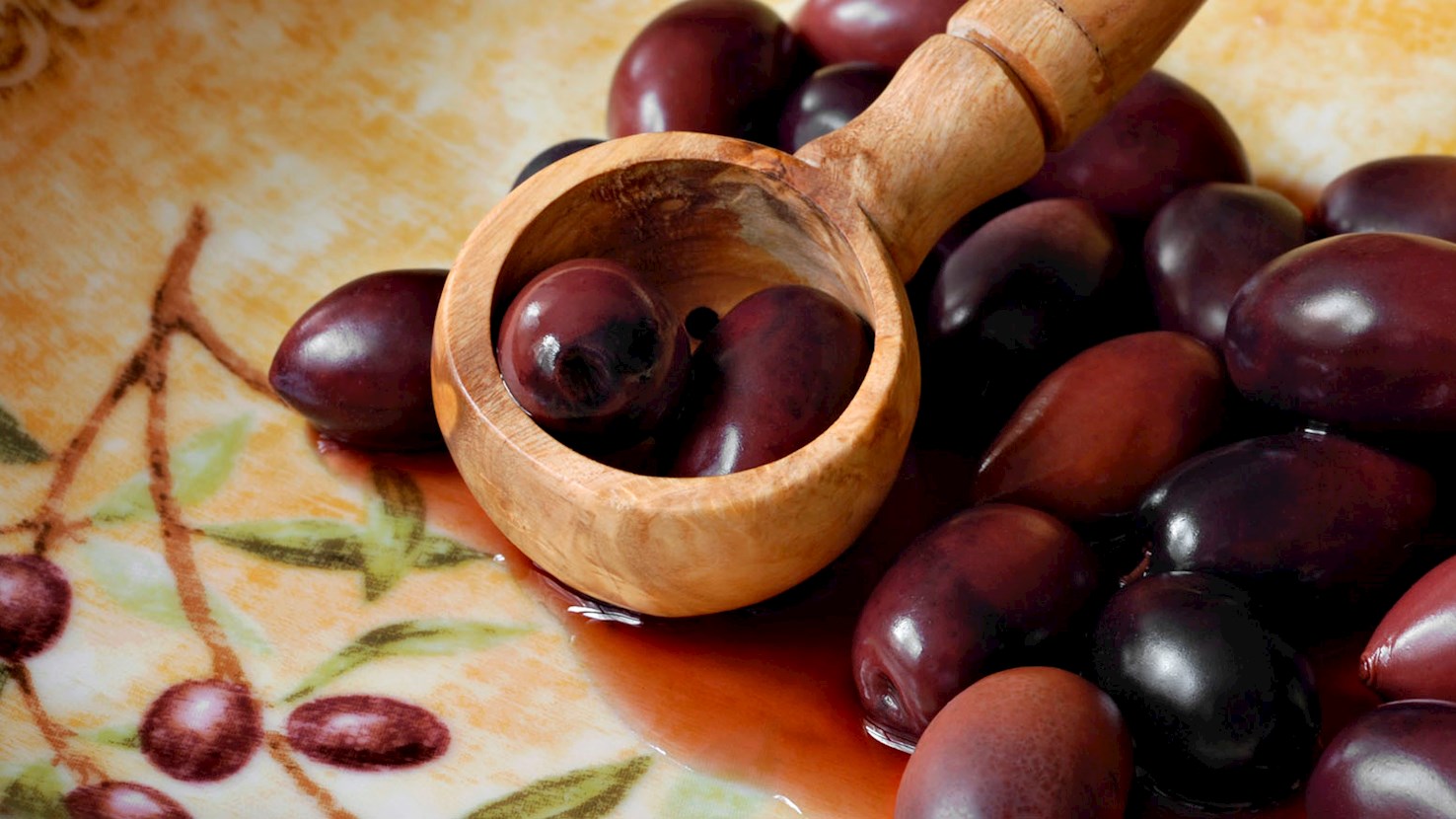
Called either Kalamata, after the city and region on the southwestern side of the Peloponnese where they are traditionally grown, or Kalamon, after the variety of olive tree, these olives are an organic product of exceptional quality that stands out for its authentic taste and intense aroma. They are never harvested green, and to avoid bruising, they must be hand-picked. These tight-skinned, meaty olives are particularly large in size, almond-shaped, and dark aubergine in color. Their exquisitely rich, fruity flavor is the result of adding either red wine or red wine vinegar to the brine during the curing process. Oil from these fruits is recognized as one of the healthiest edible oils. Besides providing energy, they are packed with many valuable nutrients: antioxidants, phytosterols, essential Omega fatty acids, and high quantities of minerals. Kalamata olives make a fantastic appetizer or a simple snack between meals, but they are more typically served as mezés alongside cheese and other vegetables. With their high proportion of pulp to pit, Kalamata olives are often used in olive-based tapenades.

Best producers
02

Prasines Elies Chalkidikis

4.1 ·

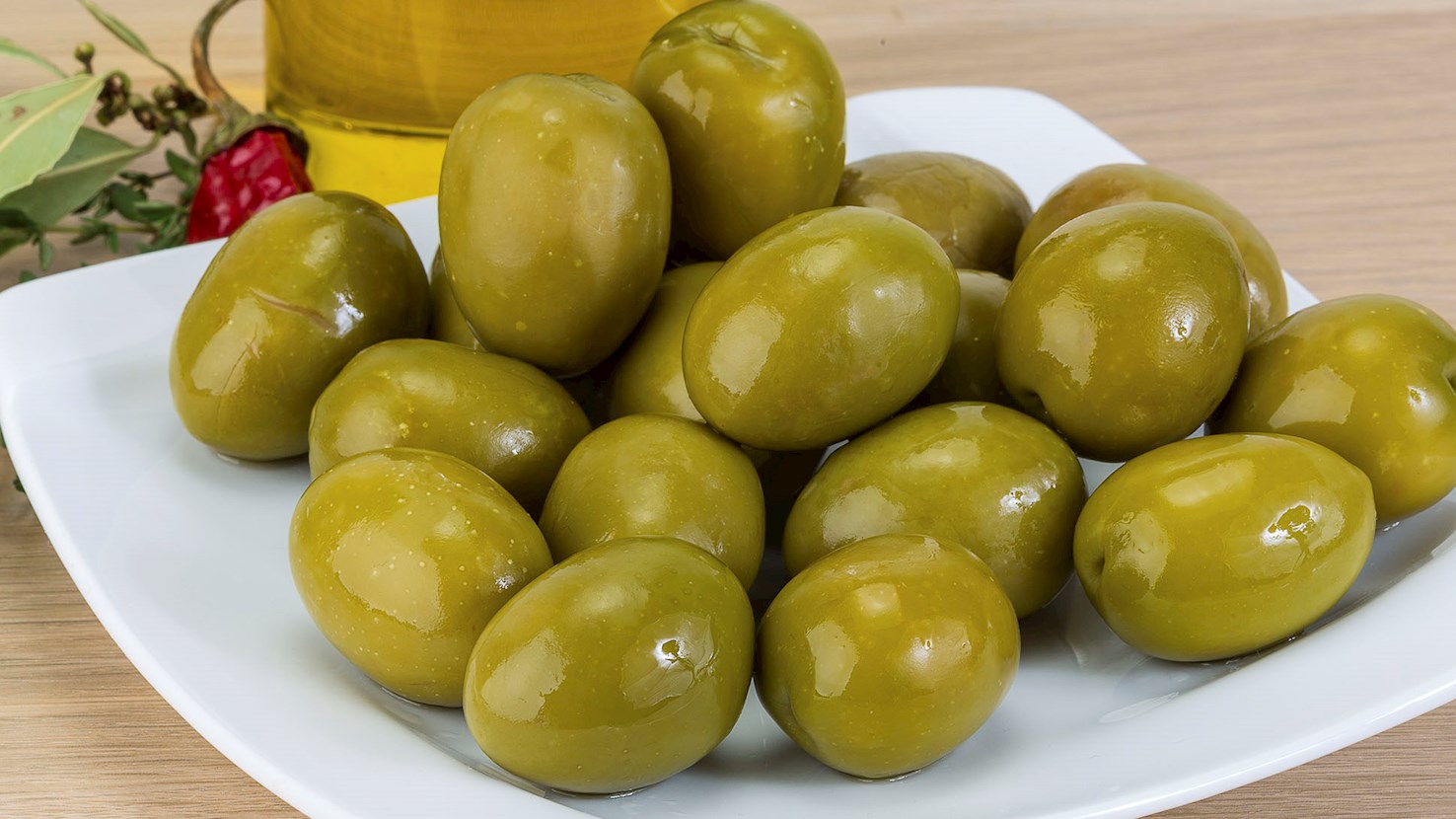
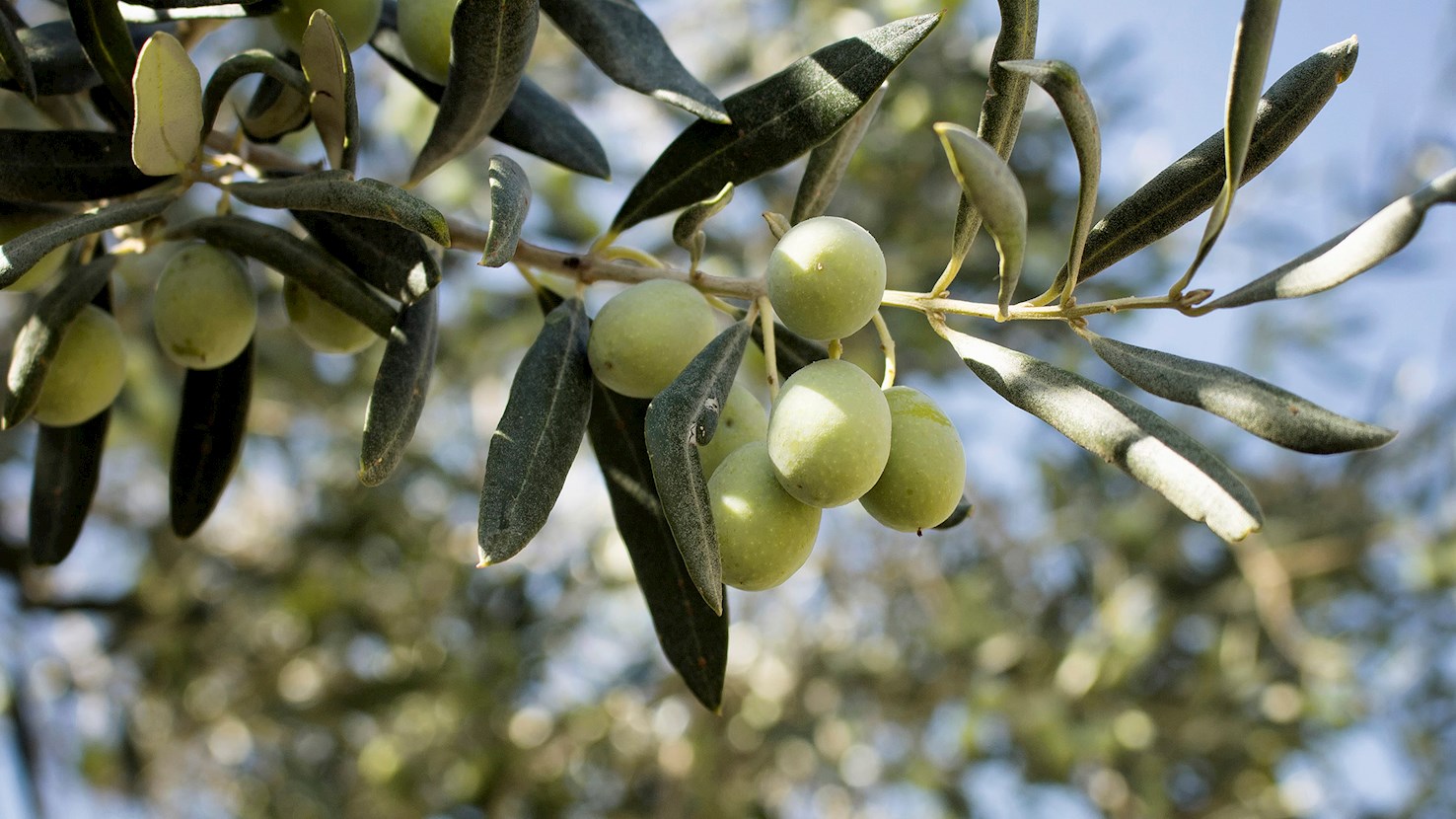
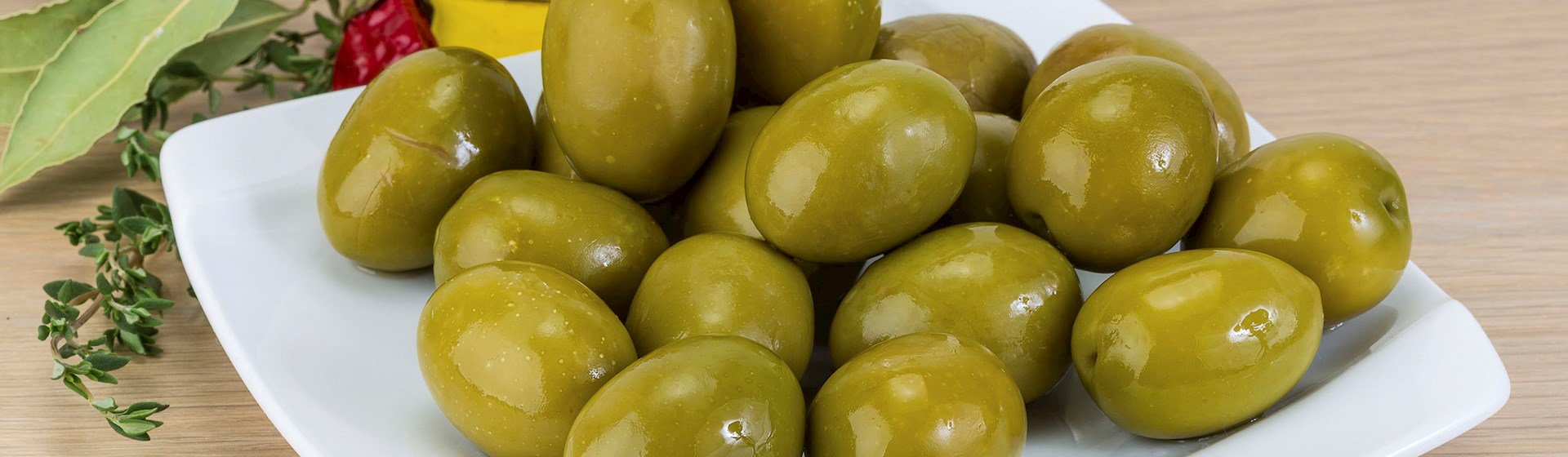
Produced exclusively from the Hondrolia Chalkidikis and Chalkidiki varieties of olive tree, Halkidiki olives are grown, processed, and packaged in the Prefecture of Chalkidiki. The largest variety of Greek olive, they are often called 'donkey olives'. Characterized by a robust and bright green glossy skin, rich, firm flesh and a subtle fruity aroma with a somewhat bitter, spicy flavor, they are praised in Greece and beyond as one of the best table olives on the market. Four different types of these olives are available: whole olives, pitted olives, crushed olives, and pitted olives stuffed with almonds or small pieces of red pepper, carrot, pickle, blue cheese, or garlic. All of these varieties are usually flavored with regional aromatic herbs. To enjoy these healthy, tasty olives, it is best to keep it simple and serve them as a snack or hors d'oeuvre.

03

Throumpa Thassou

3.5 ·

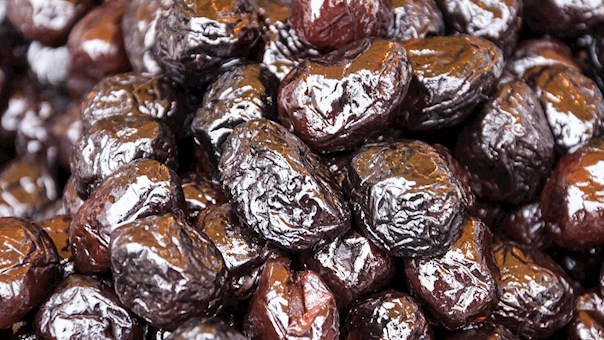
The island of Thassos has been known for its olives since ancient times. The famous Thassitiki olive of the Throumba variety was even named after this island. These olives are harvested from early November through mid-January, when they become fully ripe or even overripe and develop their distinct black color. Due to the presence of the Phoma oleae fungus, Throumba olives lose their bitterness while ripening and can be eaten straight from the tree. The olives are primarily picked by hand in order to avoid any bruising of the fruit. After picking, they are washed in mountain spring water, graded by size, and cured in coarse salt. After 30 to 40 days, they are ready for consumption after being exposed to air, which improves their color through oxidation. The olives aren't heat-treated at all. The final product is a shrunken olive with a wonderful flavor and a bittersweet aroma, with just a hint of salt.

04

Konservolia Amfissis

3.1 ·

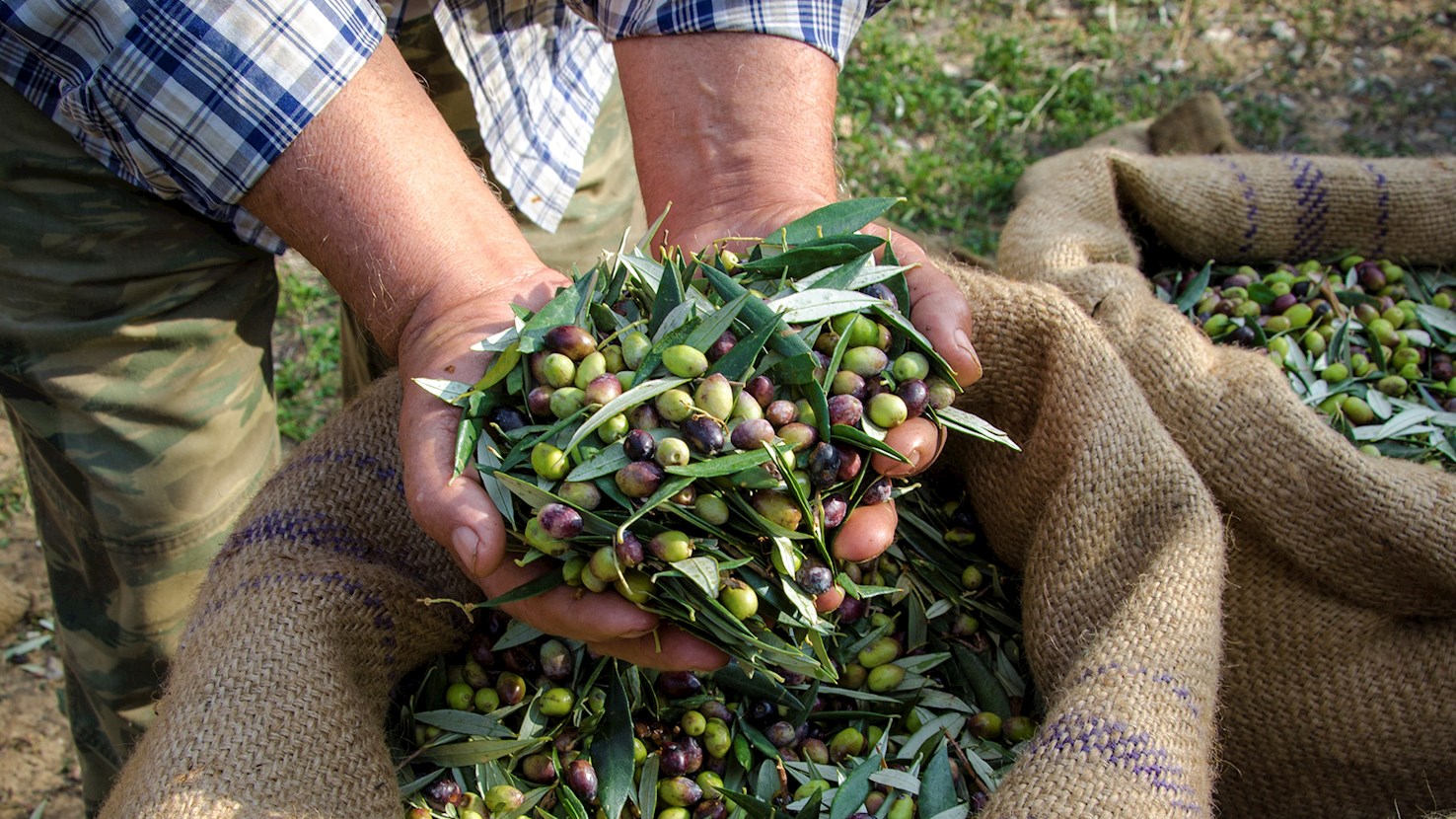
This table olive is obtained from olive trees of the Konservolia Amfissis variety grown in the municipalities of Amfissa, Itea, Delfi, Chrisso, Sernikaki, Aghios Konstantinos, Aghios Georgios, Eleonas, Drossochori, Prossilio, and Kirra in Phocis prefecture. Even though conditions in this mountainous region are not ideal for cultivating olives because of its cool winters, the Konservolia variety has adapted well. The olives are usually harvested when fully ripe and gathered by hand using small wooden sticks. Selected olives are fermented in a brine for four months to reduce their bitterness, and then preserved in salt. These olives are more round than oval, with a meaty, soft flesh, and a pleasant, mildly sweet flavor. Around 70% of the table olives produced in Greece are of this variety. The olives are often pitted and used for stuffing. Konservolia Amfissis olives are best served in salads, with cheeses such as manouri or meta, or in warm tarts with goat cheese.

05

Konservolia Artas

3 ·

This table olive is obtained from olive trees of the Konservolia variety grown in the municipal areas of Peta, Komboti, Grammenitsa, Vlama, Sykies, Sellades, Makryniada, and Kommeno in the Epirus region. The weather and soil conditions in these areas are not ideal for olive cultivation, but this variety has adapted well to wet soils and cold winters. The olives are harvested manually and transferred to a processing plant, where they must pass a quality control check. The best olives are placed in containers with brine to ferment. The fermentation process lasts from 20 to 60 days for green olives and four to five months for yellow and black olives. Artas olives are average in size and are green, yellow, or black in colored according to how ripe they are when picked. These olives are usually served in salads or as appetizers along with Greek cheeses.

06

Konservolia Piliou Volou

3 ·

This table olive grows on olive trees of the Konservolia variety in the province of Volos in the Thessaly region. This region has a Mediterranean climate with dry summers and mild winters that are suitable for the cultivation of olive trees. The olives are harvested by hand, either while they are still green or when they are fully ripe and purple-black to black in color. They are transferred to a processing plant where they are treated with caustic soda if they are ripe or a salt solution while still green, and then pickled. The flavor of these olives can be described as fruity and pleasantly sweet. The best way to serve Konservolia Piliou Volou is alongside delicious cheeses or sliced over salads.

07

Throumpa Ampadias Rethymnis Kritis

2.7 ·

These olives are cultivated in the province of Amario in Rethymnon prefecture on the island of Crete. The Mediterranean climate and fertile soil on the island provide excellent conditions for olive growing. These Throuba olives fall on the ground when fully ripe, and they are collected using olive nets. They are characteristically black in color and have a meaty texture. They are not bitter because these olive trees are infested with the Phoma oleae fungus, which causes the olives to lose their bitterness as they ripen on the tree. Besides selecting the best olives, no further human processing is required. Throumpa Ampadias Rethymnis Kritis are very rich in oil and are a must-try table olive when visiting this beautiful island.

08

Barske masline

n/a ·

Barske masline are olive trees of the Olea europea species that have been cultivated in the Montenegrin region of Bar for centuries. One of these ancient olive trees known locally as Stara maslina (Old Olive Tree) continues to bear fruit even though it has been estimated to be more than 2000 years old, which makes it one of the oldest trees in the world. This long tradition of olive cultivation in the country has made olives and olive oil an integral part of the country’s life, culture, and tradition. Most of these olive trees belong to an indigenous Montenegrin species called barska žutica that yields high-quality green olives characterized by a perfectly balanced, fruity, and piquant flavor, with a fresh, grassy finish. Harvesting typically begins in October, when the fruits are traditionally hand-picked, although these days they are more commonly harvested using mechanical tools such as hand shakers or nets. The olives are then consumed as table olives paired with wine, cheeses, and prosciuttos, made into olive spreads, or pressed into high-quality olive oil and used to enhance a wide range of salads, seafood, or baked goods. In Bar, there’s an annual festival called Maslinijada that celebrates olives and olive products.

09

Konservolia Rovion

n/a ·

This table olive is obtained from olive trees of the Konservolia variety grown within the Rovies municipality in central Greece. The weather conditions and soil in this area are perfect for olive cultivation. Traditionally, these olives are harvested by hand and transported to a processing plant. In order to make them less bitter, they are doused in a solution of caustic soda for twelve hours. Afterwards, they are placed in a brine with added lactobacillus bacteria to ferment. The pleasantly sweet flavor and fruity aroma of these olives have made them quite popular, and they can be found served on appetizer platters with cheeses or sliced over salads and pasta.

10

Lianolia Kerkyras (Corfu olive)

n/a ·

Lianolia Kerkyras is the primary olive variety cultivated on the Greek island of Corfu, and the olive trees on the island, many of which are several hundreds of years old, are a testament to the long-standing tradition of cultivation. Both Lianolia trees and fruits are typically small to medium in size, and the olives themselves are elongated in shape, with high oil content. That's why they are predominantly used for oil production rather than served as table olives. The oil obtained from Lianolia Kerkyras is noted for its unique, fruity taste and aromatic character.

Best Southeastern European Olives
01

Donika Olive Oil

4.8 ·
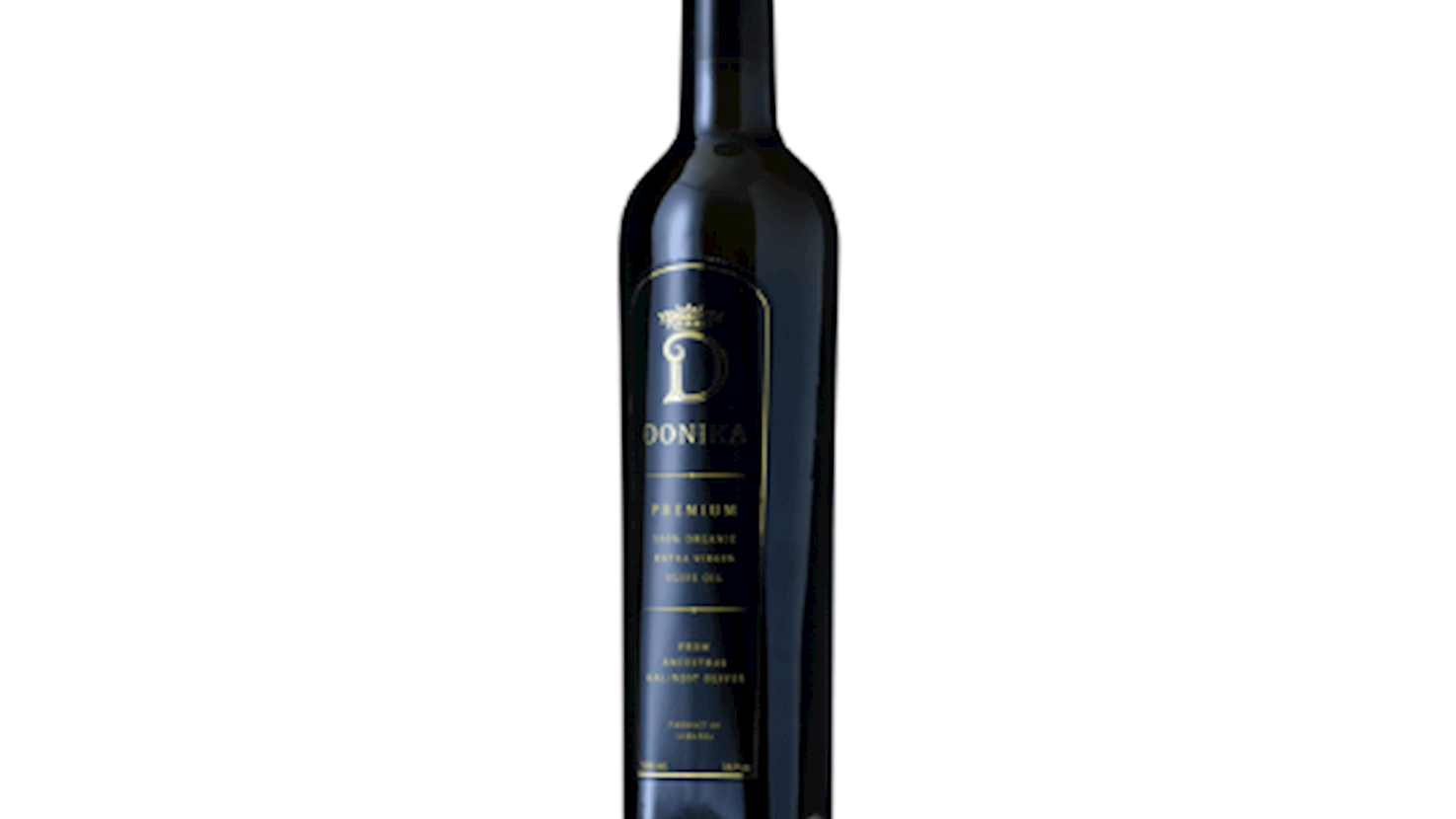
Donika Olive Oil produces organic extra virgin olive oil made exclusively from the indigenous Albanian Kalinjot variety, with strict control over every step - from handpicking the olives to rapid cold extraction, usually within about three hours of harvest. This approach preserves the high polyphenol content, pronounced aroma, and fresh green-fruity profile typical of this cultivar. The oil has a deep green color with golden hues, while its flavor reveals notes of fresh herbs, green almond, aromatic plants, and a gentle peppery finish. Each bottle is filled only upon order, ensuring maximum freshness for the customer. Led by Bianti Danaj, the brand aims to promote Albanian olive groves and traditional cultivation through a modern, high-quality product recognized at international competitions. The result is an oil with a clearly defined origin, strong character, and minimal processing, suitable for cold use and for Mediterranean dishes where its full aromatic potential can be appreciated.
Awards
NYIOOC - Gold (2025)
NYIOOC - Silver (2024)
02

Musai Olive Oil

4.8 ·
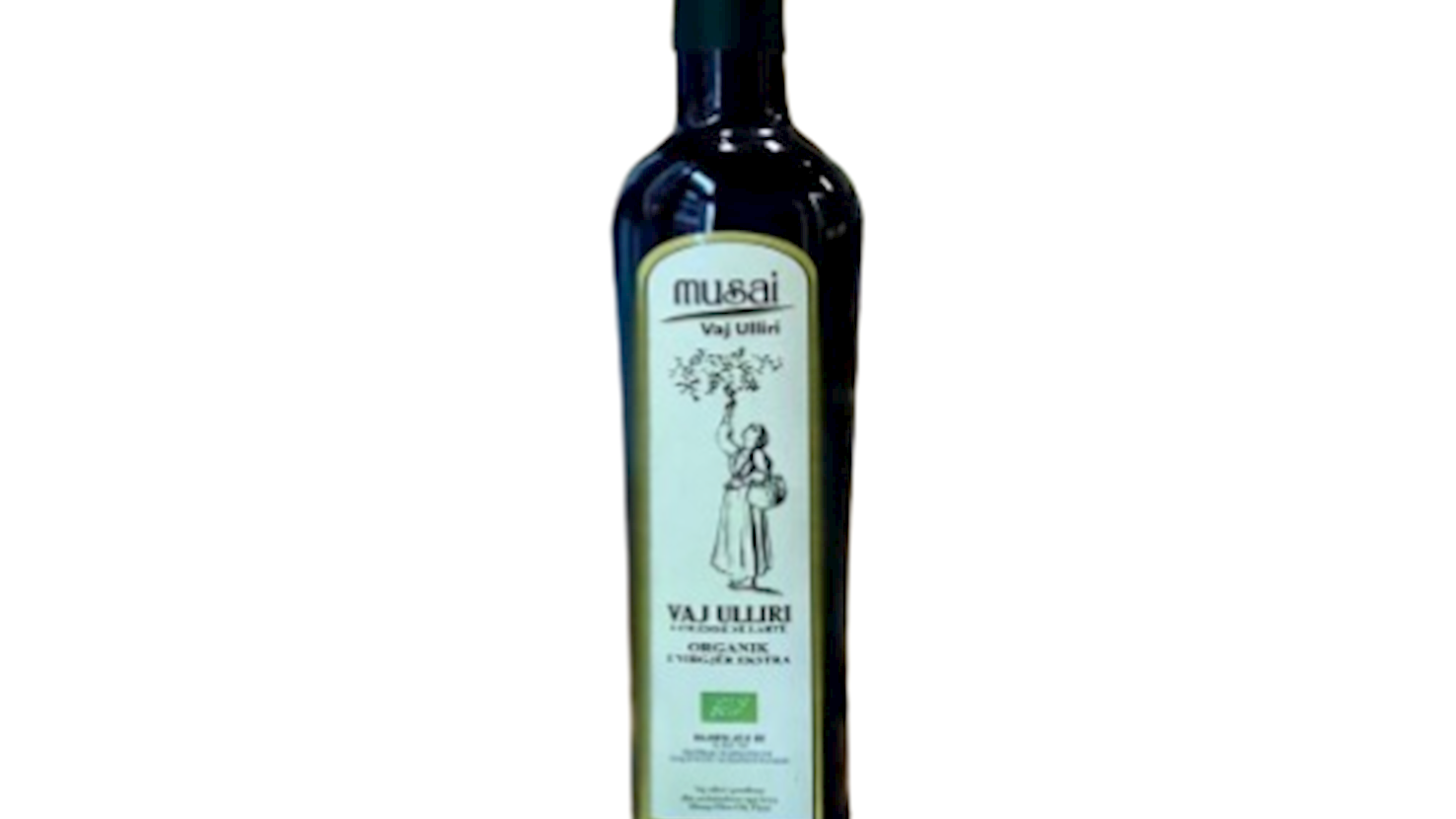
Musai Olive Oil is a family-run producer from southern Albania, known for its extra virgin olive oil made exclusively from the indigenous Kalinjot variety grown on the hillside groves surrounding Vlorë. The olives are handpicked and cold-processed within 12-24 hours, preserving freshness, low acidity, and pronounced herbal aromas. Production takes place in a modern mill equipped with advanced crushers and centrifuges, while traditional principles are maintained to achieve an oil with an intense green-gold color and a flavor dominated by notes of fresh grass, green almond, and a gentle peppery finish. The brand also offers olive mill visits and tasting experiences, showcasing the entire production chain - from the grove to the bottle. The result is an oil with a strong regional identity, highlighting tradition, terroir, and minimal processing.
03

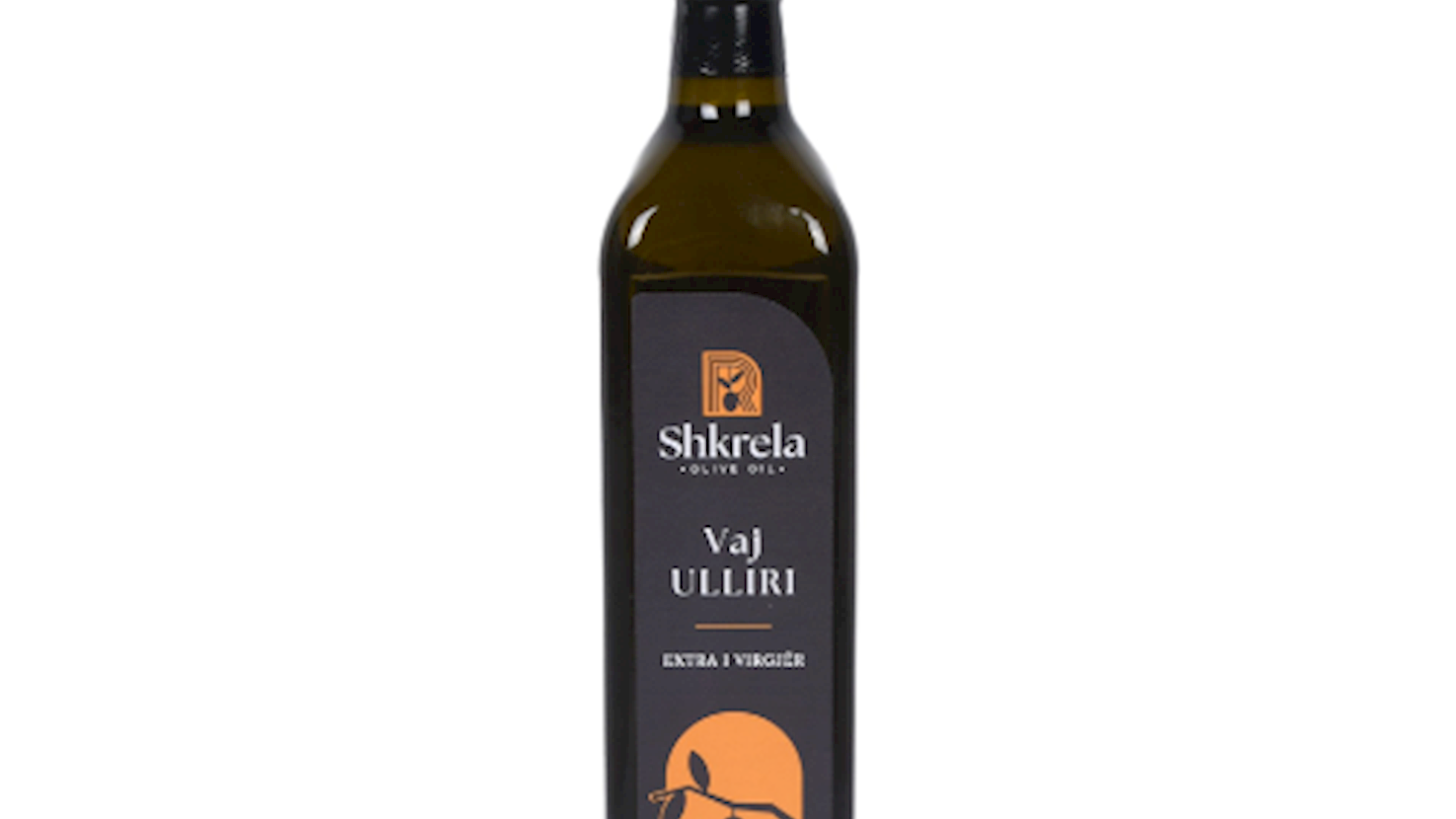
Shkrela Olive Oil

4.8 ·
Shkrela Olive Oil is a family-run producer from southern Albania, crafting organic extra virgin olive oil from olives grown on the hillside groves around Vlorë, where the combination of Mediterranean climate and rocky soil gives the fruit a distinctive aroma and stable nutritional profile. The olives are handpicked at optimal ripeness and cold-pressed within 24 hours, preserving natural antioxidants, low acidity, and a fresh, herbaceous character. Production takes place in a modern mill with a capacity of up to 500 kg per hour, using advanced crushers and centrifuges to ensure consistent quality. The oil is bottled in dark glass to prevent oxidation and maintain its aroma, which features notes of fresh grass, green almond, and a gentle peppery finish. Shkrela holds organic certifications and emphasizes cultivation free from pesticides and chemical additives, confirming the purity of its origin. The result is a fresh, terroir-driven oil ideal for cold use and Mediterranean dishes where high-quality extra virgin olive oil enhances flavor and depth.
04

Melira

4.5 ·
Melira is a honey producer located in Attica, Greece. The company specializes in high-quality honey products derived from various types of flowers and trees. Melira is known for its innovative packaging and commitment to preserving the natural properties of honey. Their product line includes flavors such as thyme honey, pine honey, and heather honey.
Awards
Great Taste Awards - 3 Stars (2023)
ATHENA IOOC - Gold (2022)
05

Medbest

4.5 ·
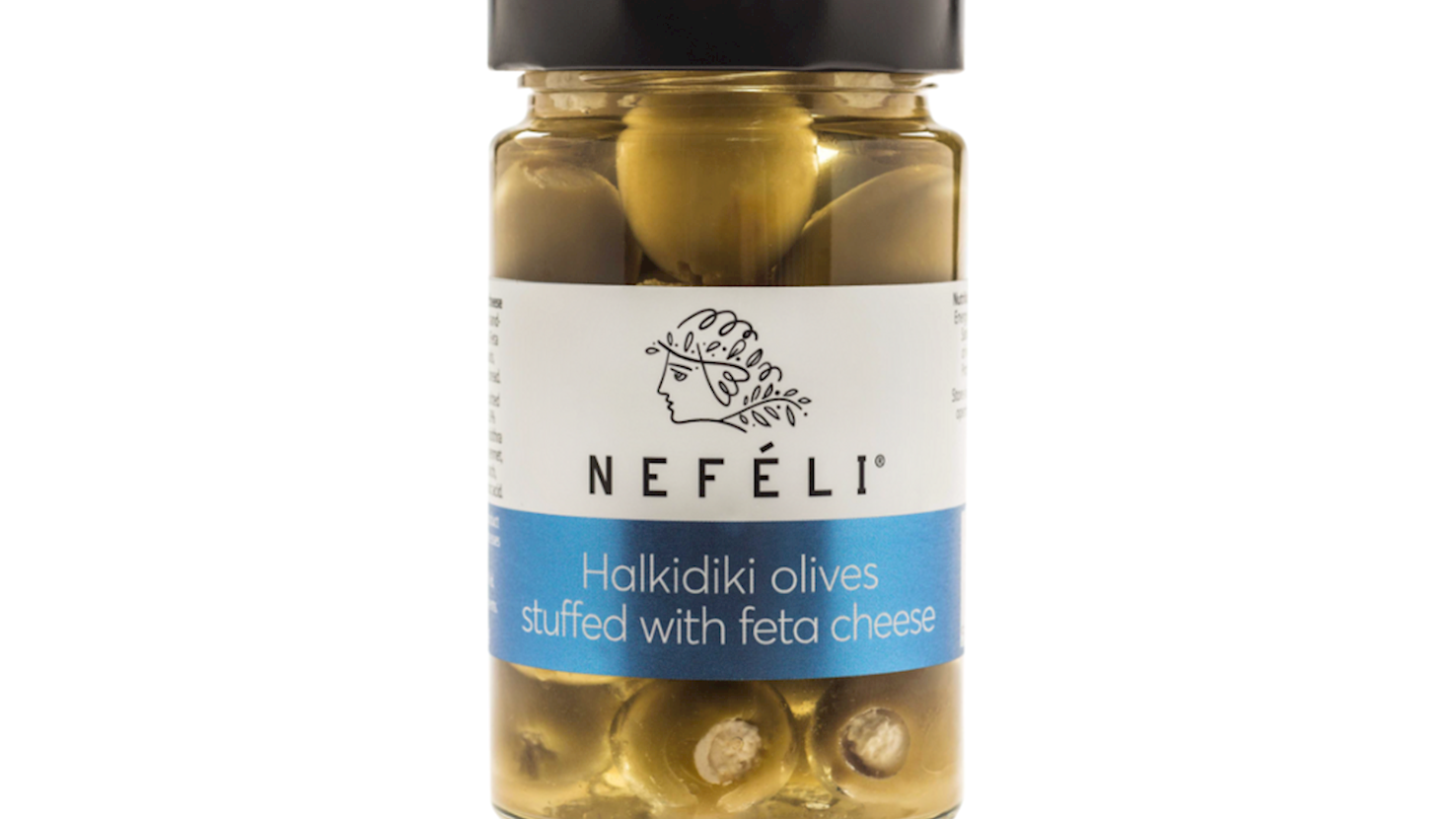
Medbest is a renowned Greek company specialized in the production and export of high-quality Mediterranean food products. Headquartered in Athens, Medbest has become one of the leading exporters of authentic Greek food, with a presence in more than 30 countries worldwide. The company stands out for its rich product portfolio, which blends traditional recipes, carefully selected raw materials, and modern packaging technologies. Its business philosophy is rooted in preserving Greece’s culinary heritage by offering products that reflect the Mediterranean way of life - full of flavor, aroma, and nutritional value. Medbest is best known for its brand Nefeli, which includes a wide range of products recognized for their exceptional quality, authentic formulations, and use of pure, natural ingredients. The Nefeli line features olives, olive oil, gourmet spreads, honey, balsamic creams, and other carefully crafted specialties that embody the genuine character of Greek cuisine. All products are manufactured under strict quality control standards, with a strong emphasis on freshness, safety, and nutritional integrity. Thanks to its commitment to excellence and dedication to tradition, Medbest products can be found in gourmet shops, supermarkets, and restaurants around the globe that value true Mediterranean flavor.
Awards
Dubai International Taste Awards - Platinum (2024)
Dubai International Taste Awards - Gold (2024)
06

Elitsa Charana

4.5 ·
Awards
Great Taste Awards - 2 Stars (2021)
07

Pelopac Mediterranean Food Specialties

4.2 ·
Awards
Great Taste Awards - 2 Stars (2024)
Read more
View all
View map
About this ranking

TasteAtlas food rankings are based on the ratings of the TasteAtlas audience, with a series of mechanisms that recognize real users and that ignore bot, nationalist or local patriotic ratings, and give additional value to the ratings of users that the system recognizes as knowledgeable. For the “Top 24 Southeastern European Olives” list until June 01, 2026, 769 ratings were recorded, of which 352 were recognized by the system as legitimate. TasteAtlas Rankings should not be seen as the final global conclusion about food. Their purpose is to promote excellent local foods, instill pride in traditional dishes, and arouse curiosity about dishes you haven’t tried.

The initial list of top producers was compiled based on available reviews, awards, local recommendations, media and blog coverage, and consumer reviews. The list will be updated with ratings from TasteAtlas local ambassadors and TasteAtlas users.

Similar lists