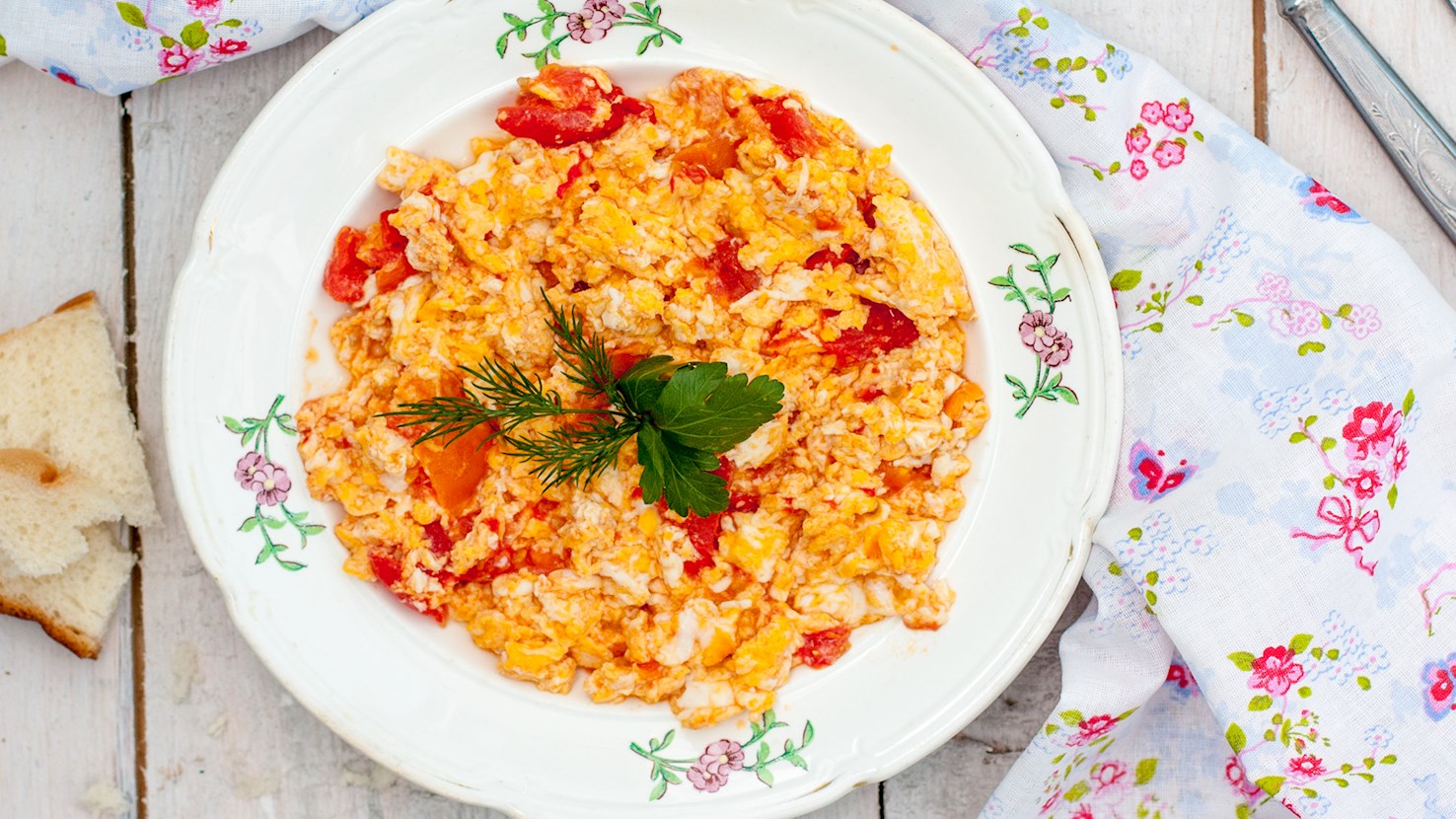
This popular Greek dish, which goes under the name strapatsada or kagianas, consists of diced, sautéed tomatoes that are seasoned with fresh herbs, then combined with lightly beaten eggs and topped with crumbled feta cheese. With its rustic appeal and clean, refreshing flavors, it is mainly enjoyed as a light main course or a side to various roasts or grilled meat. Even though it is traditionally associated with Ionian islands, it is commonly eaten throughout the country.
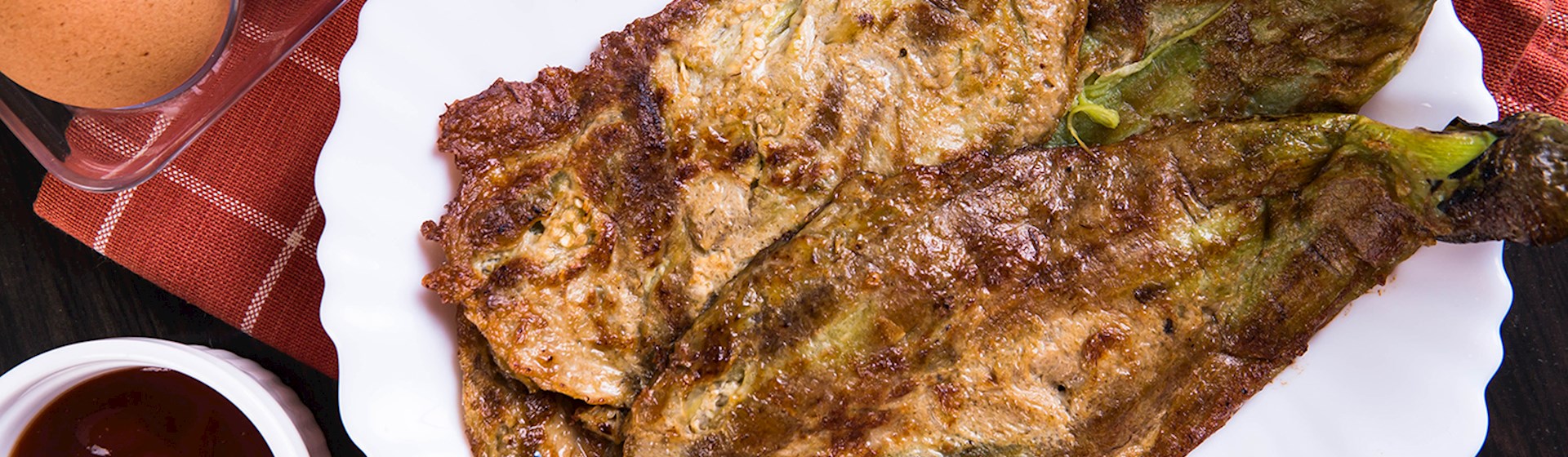
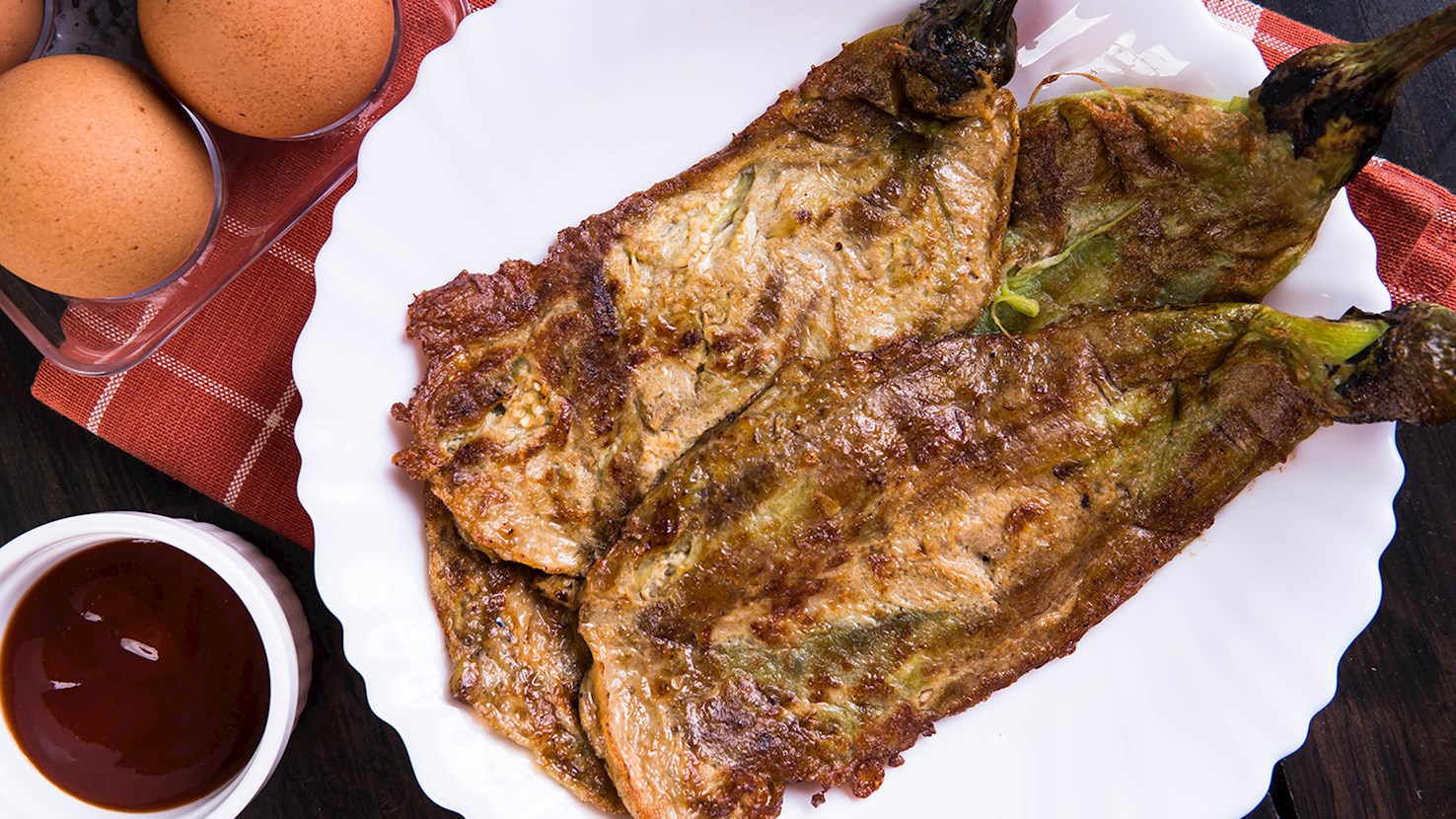
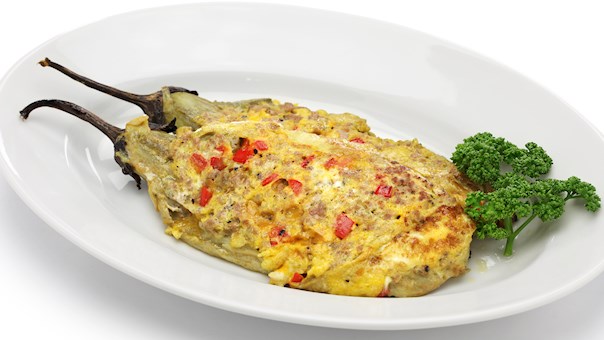
Tortang talong is a simple Filipino dish made with a combination of roasted eggplants and lightly beaten eggs. Whole eggplants are dipped into the egg mixture and are then shortly pan-fried until the entire dish starts to resemble a crispy omelet. This versatile delicacy is easily adapted with additional ingredients such as ground meat and vegetables, and it is traditionally served accompanied by steamed rice and tomato or banana ketchup. Inexpensive and quickly prepared, tortang talong can be enjoyed at any time of day as a hearty breakfast, lunch, or dinner.
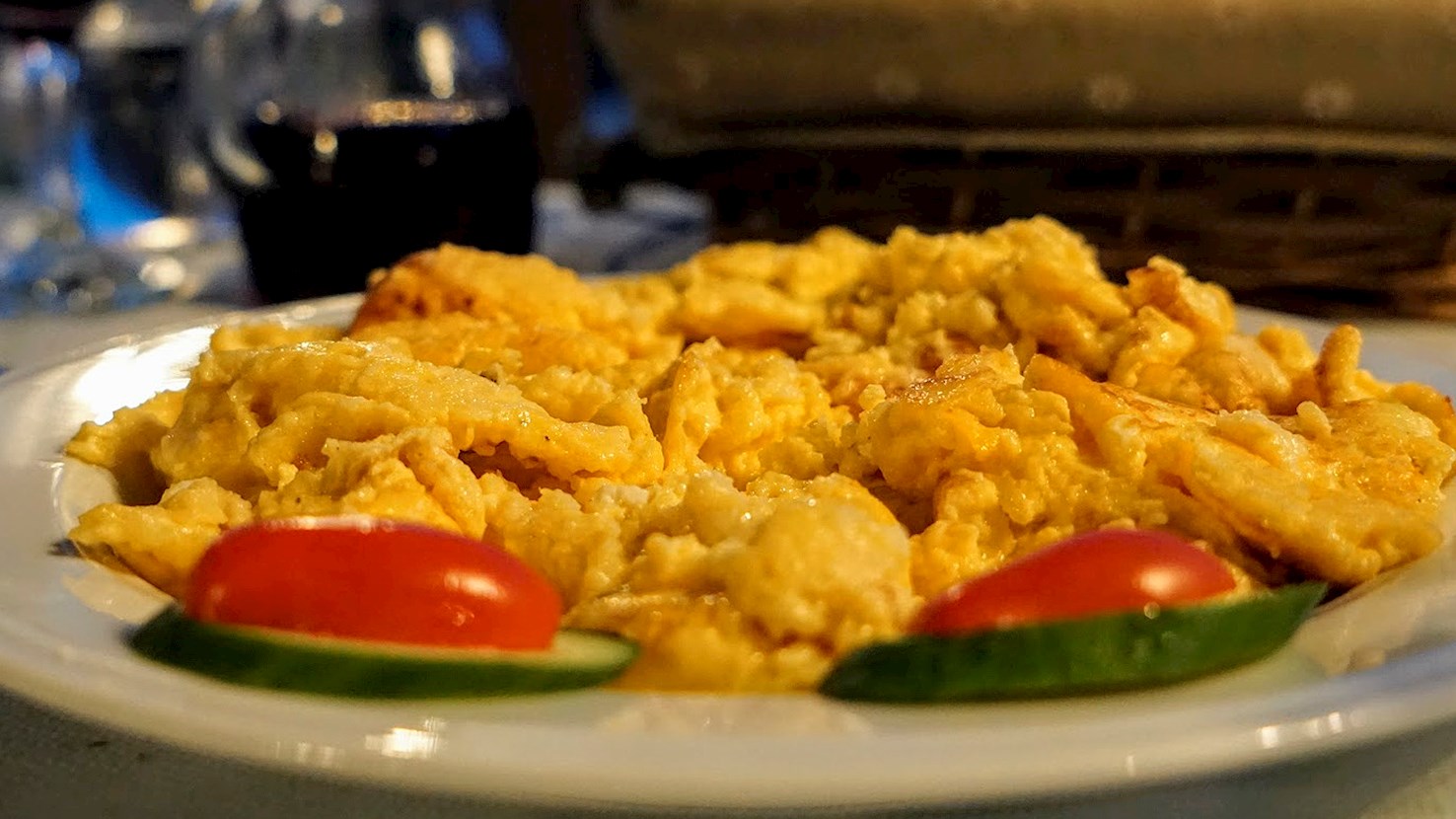
Staka me ayga is a simple Cretan dish consisting of poached or fried eggs and local staka (a type of buttery cream mixed with flour). The combination is usually seasoned with salt and pepper, and it is typically enjoyed warm for breakfast. Eggs with staka are often paired with apaki (smoked pork), another traditional Cretan product. Staka is a unique specialty of Cretan cuisine, and it can also be eaten as a spread on slices of bread or as a side dish.
Fourtalia is a traditional omelet hailing from the island of Andros. Although the ingredients may vary from area to area, the basic recipe always contains eggs, potatoes, and sausages. The cut potatoes are fried in olive oil and pork fat, with the addition of sausage bits just after the potatoes start to turn golden. At this stage, you can add peppers, onions, and bacon, if desired. The final step is the addition of beaten eggs, and the omelet is then fried until fluffy or firm, based on personal preferences. Fourtalia should always be served hot, straight out of the pan. If desired, garnish it with fresh mint on top.
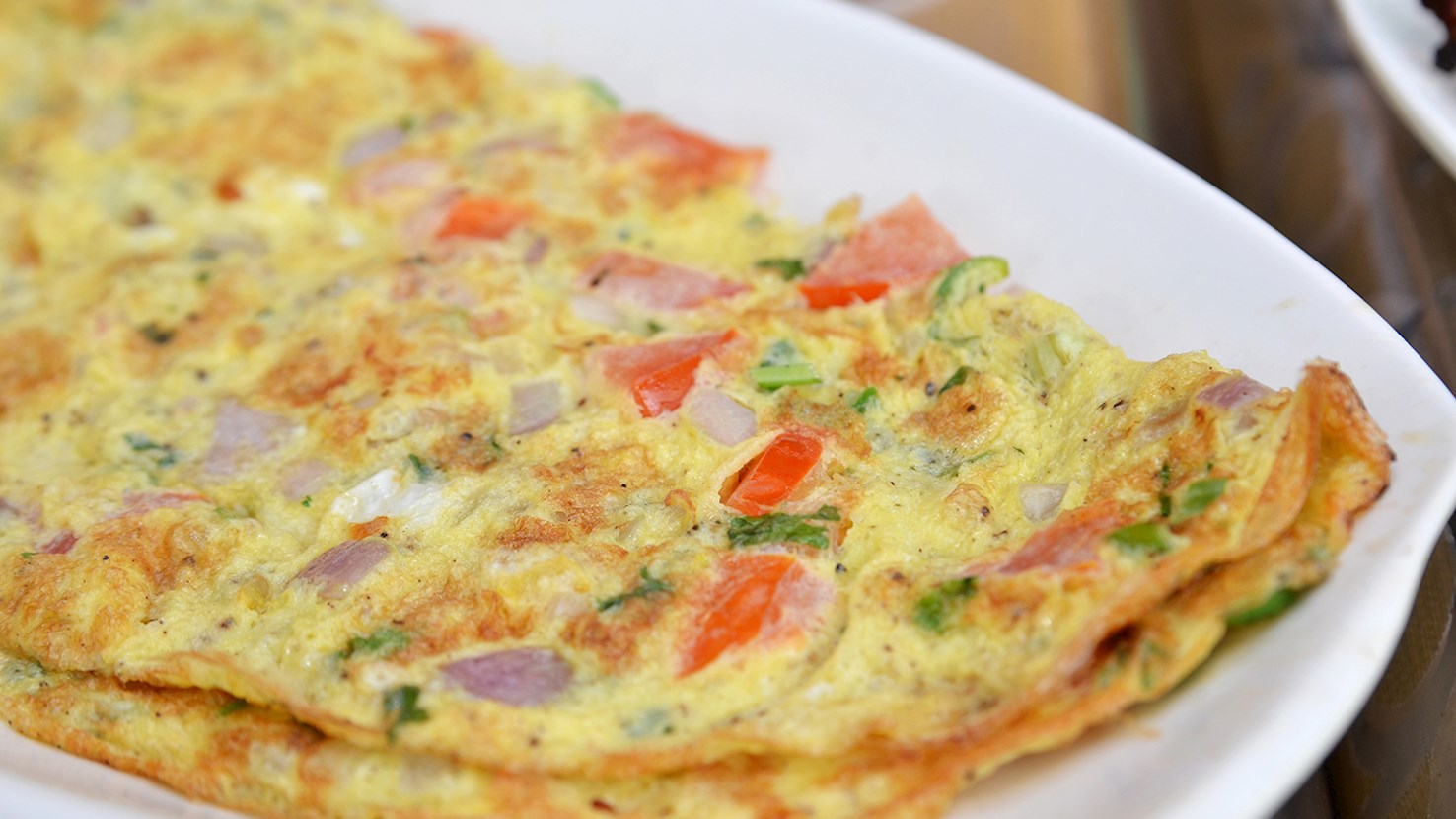
Indian masala omelet is a traditional egg-based dish originating from South India. The dish is made with a combination of eggs, onions, green chili peppers, coriander, chili powder, and turmeric powder. The eggs are whisked with the other ingredients, and the mix is then cooked on both sides in a pan until the omelet becomes slightly crisp on the edges. This spicy omelet is traditionally served for breakfast and it's recommended to eat it with pav (bread). If desired, it can be rolled in hot chapati flatbread. The dish is also often prepared and sold at street stalls in the area, and some vendors add ingredients such as tomatoes, coriander leaves, and cheese to the omelet.
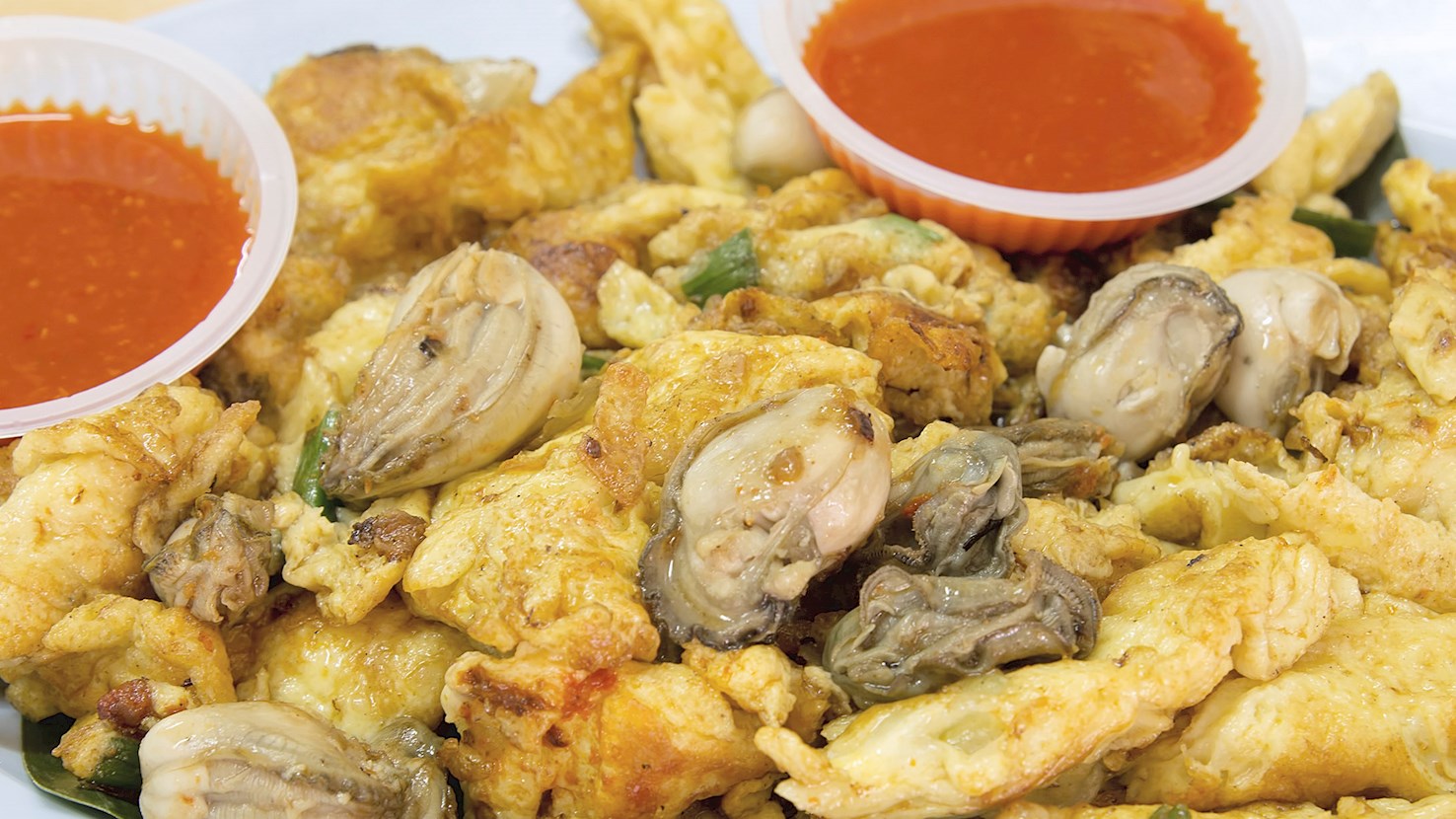
Oyster omelette is a savory egg-based dish originating in the coastal regions of southern China, particularly in Fujian and Guangdong, and it later spread across Southeast Asia, where it became a beloved staple of street food culture in places like Taiwan, Thailand, Malaysia, Singapore, and the Philippines. It combines small, fresh oysters with eggs and a starch batter, resulting in a dish that is crisp on the outside and soft within, often finished with herbs, sauces, or spicy condiments. Its roots lie in the coastal abundance of oysters and the ingenuity of cooks who sought to make use of seasonal shellfish in a satisfying and economical way. In port cities and fishing towns, oysters were plentiful but perishable, and incorporating them into quick, hot dishes allowed them to be eaten fresh while also providing nourishment and flavor to working families and laborers. The dish evolved over time, with each region adapting it to local tastes. In Fujian and Chaoshan areas, the emphasis is often on the delicate interplay of soft oysters and lightly set eggs, while in Taiwan the starch component became more prominent, forming a chewy, slightly gooey texture that contrasts with the crisp edges from the hot griddle. Thai and Malaysian versions tend to be spicier and sometimes include additional aromatics or bean sprouts for freshness and crunch. Preparation begins with a batter made of sweet potato, tapioca, or potato starch mixed with water, poured onto a hot, greased griddle or wok, and spread into a thin layer. Oysters are added on top, followed by beaten eggs, which cook quickly and bind the ingredients together. The omelette is flipped and browned until parts become crisp while the interior remains tender and moist. It is usually served hot, garnished with cilantro or scallions, and accompanied by a sweet, sour, or spicy dipping sauce, depending on the region. Today, oyster omelette is eaten both as a street snack and a restaurant dish, often associated with night markets, coastal seafood stalls, and festive occasions. It pairs well with light soups or rice porridge and is sometimes enjoyed alongside beer or tea, especially in settings where it is served as part of a shared meal.
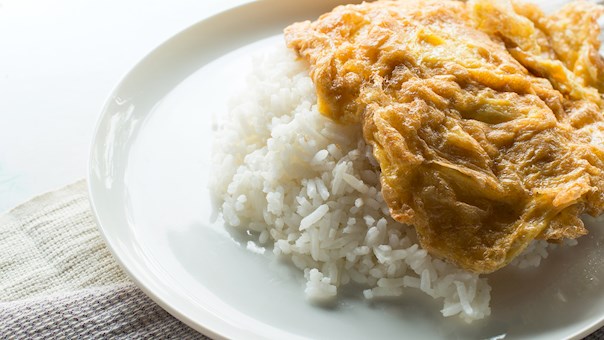
Omurice is a short form of omelet and rice, the two essential ingredients of this Japanese fusion dish. The rice is usually pan-fried together with chicken and ketchup, then wrapped in a thin omelet sheet. Finally, the dish is generously covered with ketchup. Occasionally, scrambled eggs can be put on top of the rice, and ketchup can be substituted with demi-glace sauce. Omurice is one of many Japanese dishes influenced by Western cooking techniques and ingredients. Although it has become a traditional Japanese dish, it is usually prepared at home or served in non-traditional Japanese restaurants. There are two stories about the true origin and creation of this unusual fusion dish. One claims that it was created in Tokyo as a quickly-prepared dish to feed the restaurant staff. However, the other story tells that it was in fact invented in Osaka as a specially-designed meal for a particular customer who could only eat light food. Whichever theory is true; it is certain that the dish has been present in Japanese cuisine since the beginning of the 20th century. Nowadays, it is also commonly found in South Korea and Taiwan.
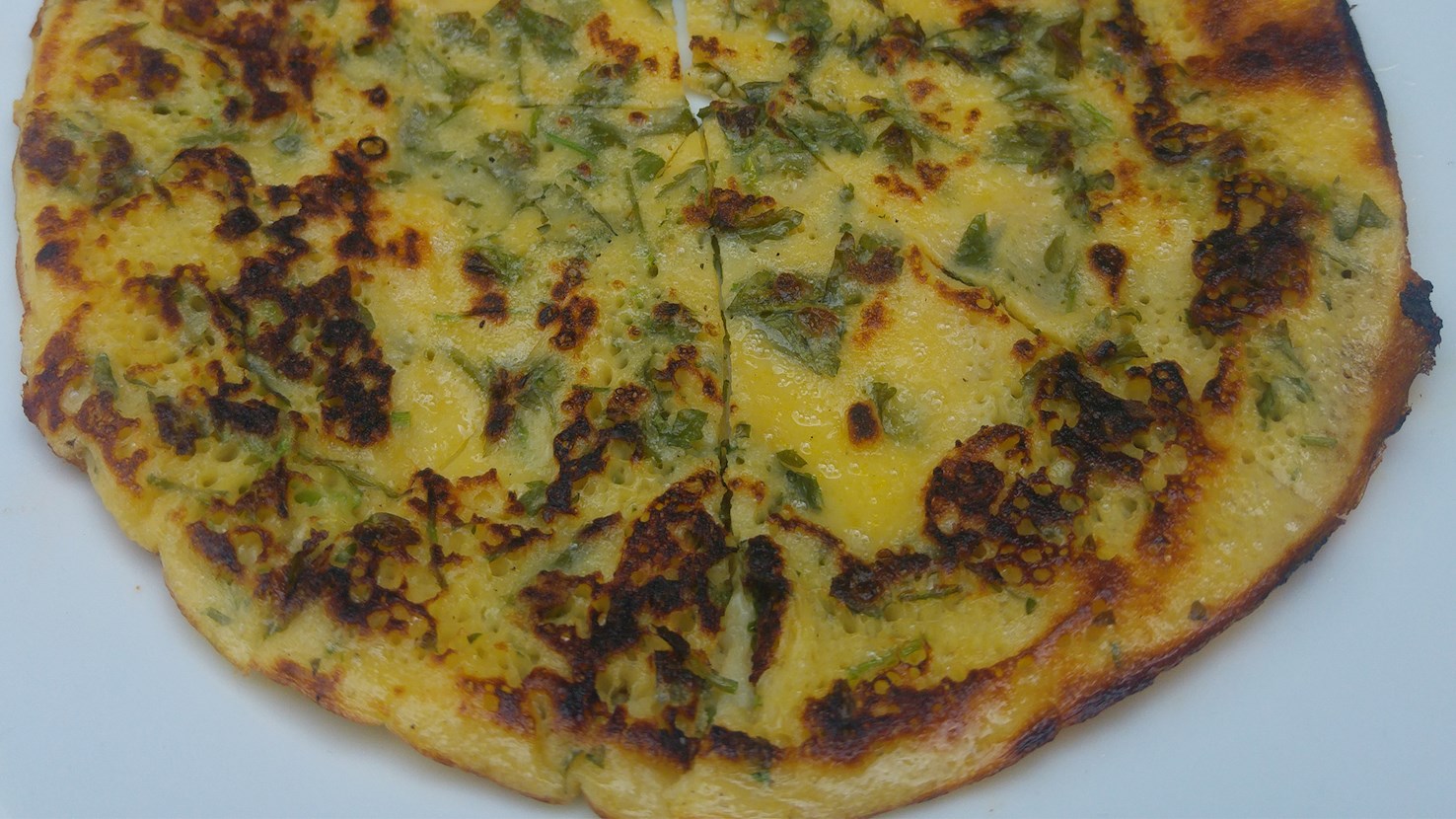
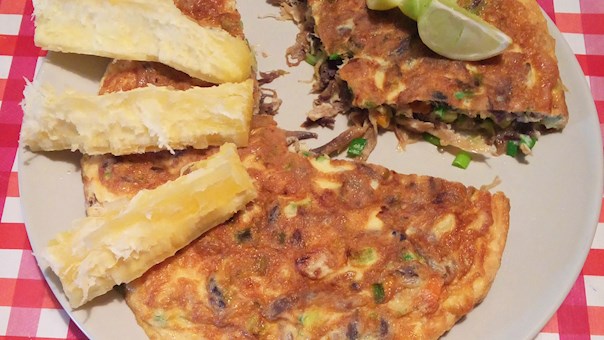
Kaygana is a popular Turkish egg-based dish that can be found in numerous variations across the country. The basic version is typically prepared with just a few ingredients: eggs, flour, salt, and milk. The ingredients are mixed into a batter which is then fried in butter, and the final result is something between an omelet and a pancake. Kaygana is often enriched with ingredients such as peppers, feta cheese, tomatoes, bacon, anchovies, eggplants, green onions, mushrooms, and even honey for the sweet versions. It is recommended to serve the dish warm, ideally with bread and a beverage of choice.
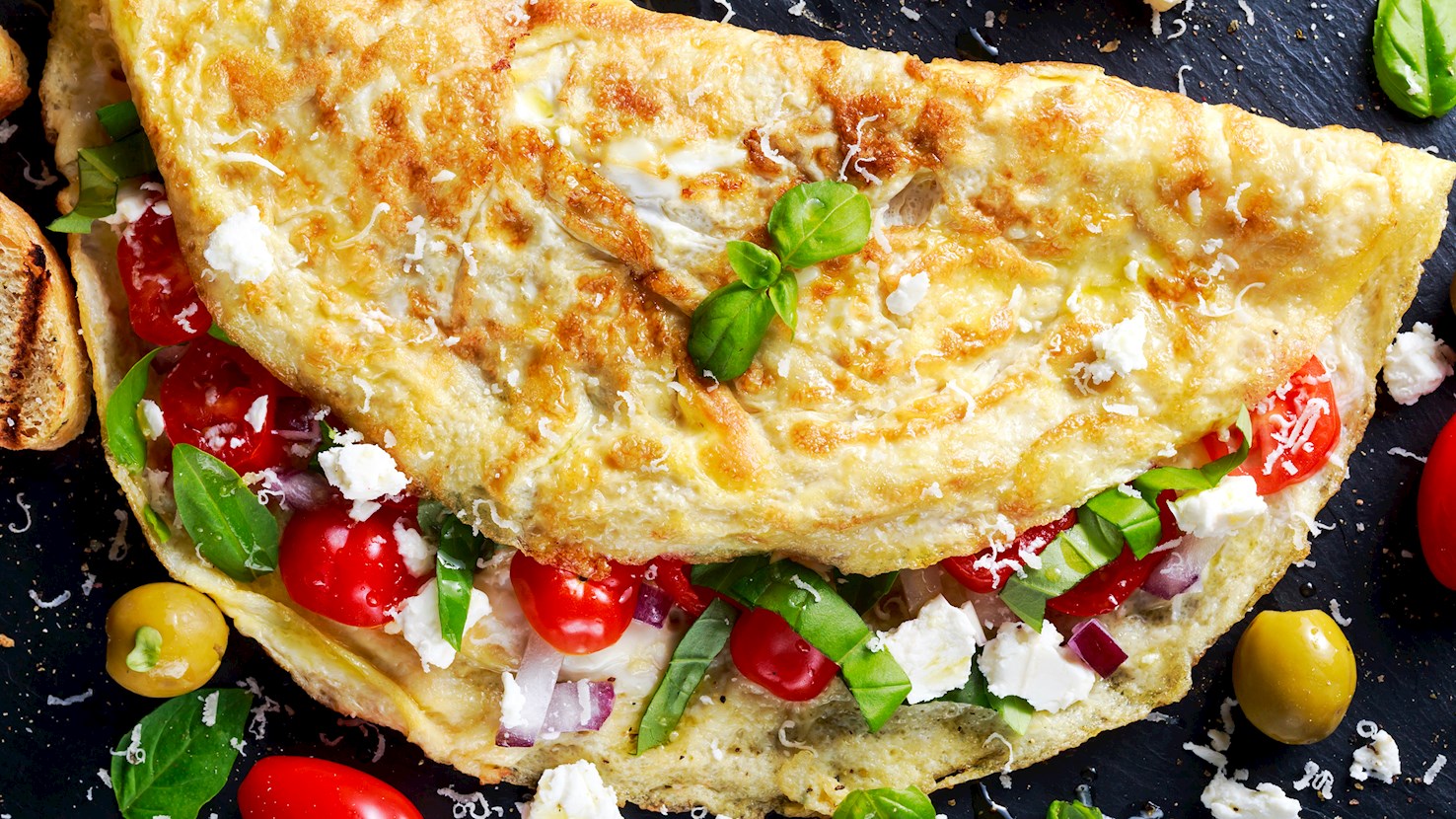
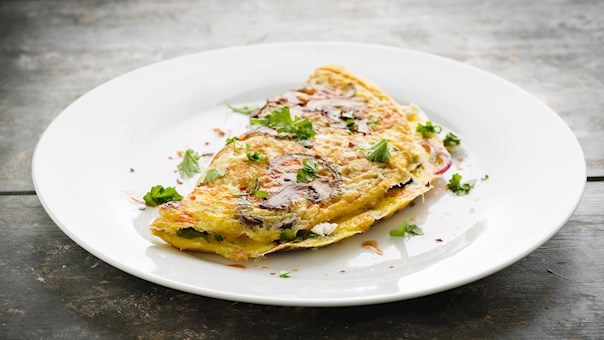
Omeleta is a traditional Greek-style omelet made with Mediterranean ingredients, giving it a distinct and flavorful twist compared to classic omelets. Unlike a typical omelet, the Greek omeleta incorporates local vegetables, cheeses, and sometimes meats directly into the eggs rather than as fillings. The base is made with whisked eggs seasoned with salt and pepper, and crumbled feta cheese is a common addition, adding a tangy, creamy flavor. Fresh tomatoes, bell peppers, onions, and sometimes zucchini are included, giving the omelet vibrant color and taste, while Kalamata olives contribute a briny depth. Fresh herbs such as oregano, parsley, or thyme enhance the Mediterranean flavor, and olive oil is used instead of butter for cooking, adding a fruity richness. The vegetables are typically sautéed in olive oil until softened, after which the beaten eggs are poured over to incorporate the cheese and herbs, cooking slowly to allow the flavors to meld. The Greek omeleta is often enjoyed as a breakfast or light lunch and is served with fresh bread and a side of Greek yogurt or tzatziki.
Tamagoyaki is a sweet and savory rolled omelet made by folding over successive thin layers of beaten egg in a rectangular pan. The omelet is made of eggs, whisked vigorously with dashi broth, soy sauce, mirin, and sugar, creating a distinct balance of umami and sweetness. Crafting the rolled shape requires a specific rectangular copper or non-stick pan called a makiyakinabe. A thin layer of the liquid is poured into the hot, oiled metal, allowed to set briefly, and then rolled tightly from one end to the other. The resulting roll is pushed to the back of the pan, more oil is applied, and another thin layer of egg is poured in, ensuring the liquid flows beneath the first roll. As this new layer solidifies, the existing roll is rolled back over it, wrapping the new layer around the outside. This cycle repeats until the mixture is completely spent, resulting in a dense, rectangular block with a visible spiral cross-section. The flavor changes based on regional preferences. The Kantō version heavily features sugar and soy sauce for a darker, sweeter finish, while the Kansai iteration relies primarily on extra dashi broth for a lighter, softer, and more savory result known as dashimaki tamago. Other variations introduce fillings such as spicy cod roe, chopped scallions, roasted eel, or seaweed, incorporated directly into the liquid before it hits the heat. The name of the dish can be literally translated as "eggs cooked over dry heat." The widespread consumption of this item dates back to the late 19th century, gaining massive popularity in the 1950s when the government actively encouraged chicken farming and eggs became affordable for everyday households. Served cold or warm, it appears frequently in lunch boxes due to its sturdy texture, acts as a standard topping fastened with a strip of nori over vinegared rice at sushi restaurants, or arrives simply sliced on a small plate alongside grated daikon radish and a splash of soy sauce for a light breakfast.
TasteAtlas food rankings are based on the ratings of the TasteAtlas audience, with a series of mechanisms that recognize real users and that ignore bot,
nationalist or local patriotic ratings, and give additional value to the ratings of users that the system recognizes as knowledgeable.
For the “45 Omelet Varieties Ranked From the Best To the Worst” list until September 17, 2026, 804,807 ratings were recorded, of which 527,136 were recognized by the system as legitimate.
TasteAtlas Rankings should not be seen as the final global conclusion about food. Their purpose is to promote excellent local foods,
instill pride in traditional dishes, and arouse curiosity about dishes you haven’t tried.












What People Say