


shutterstock

Top 4 Central European Onions

Last updated on June 02, 2026
01

Makói vöröshagyma

4.3 ·

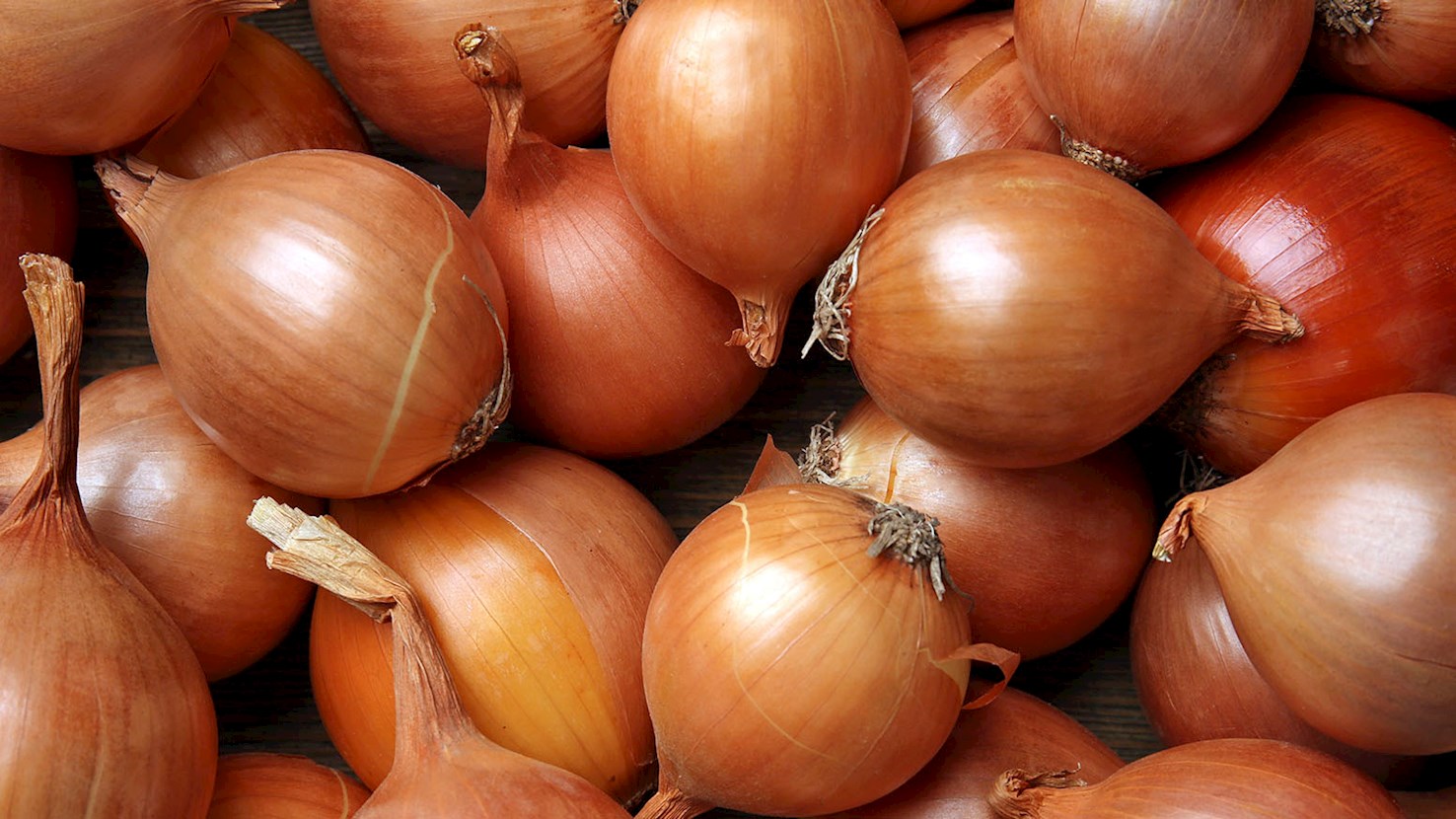
Makói hagyma is a strong tasting, round onion from the Makó region in Hungary that has a very high dry matter percentage and firm, white flesh. The town of Makó is also called the "Hungarian onion capital", and holds an annual Onion Festival where one can sample tasty dishes made with these onions - bread, strudels, scones and others. The high dry matter content in the onion is due to the dry weather season at the end of summer, resulting in an onion which does not spoil easily and has a long shelf life. Its skin is bronze-red in colour and its strong, hot taste is owed to the high amounts of allyl sulphide (a colourless liquid with an intense smell)found in the Makoi hagyma.

02

Všestarská cibule

4.3 ·

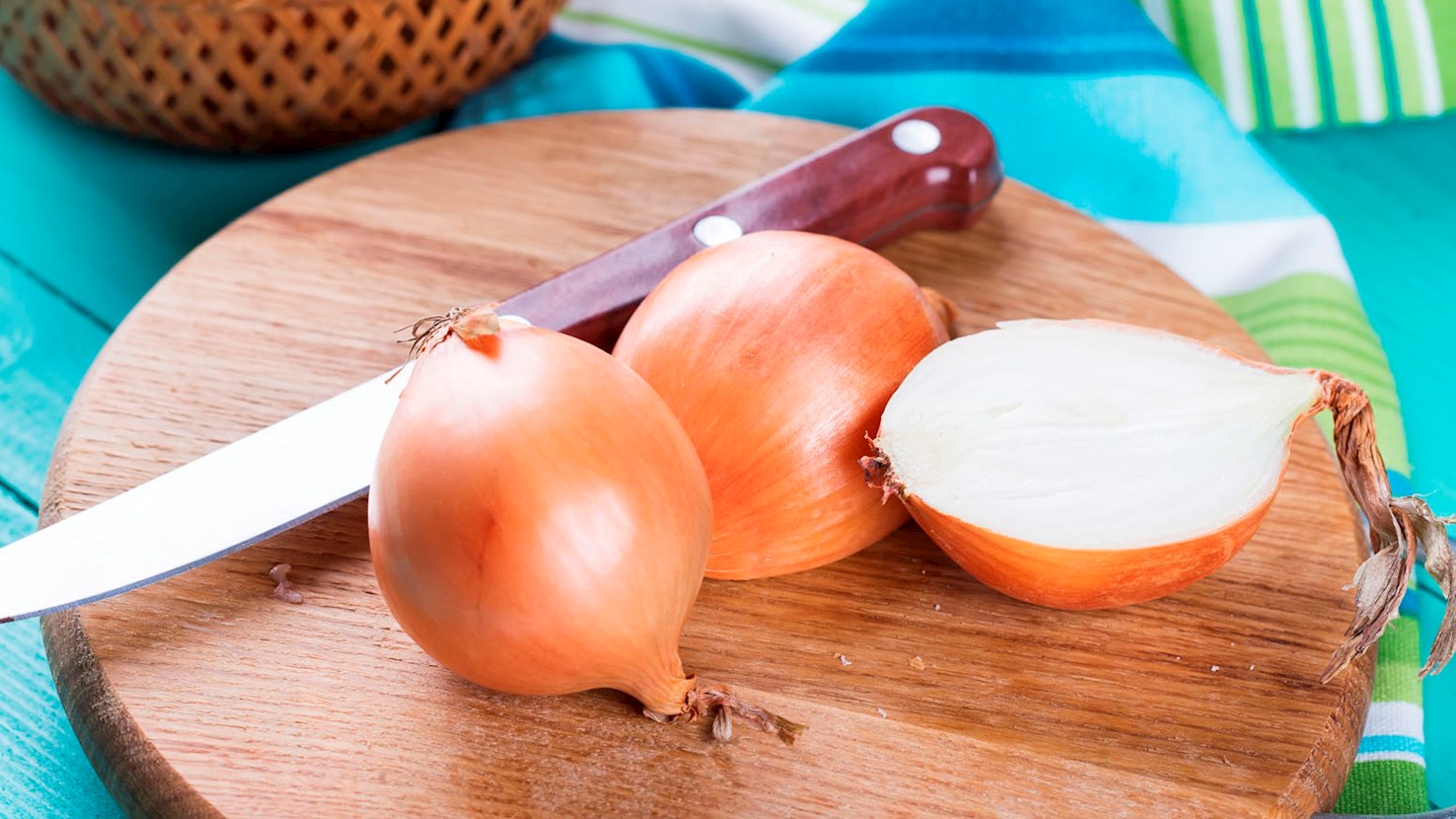
Všestarská cibule are high-quality onions produced in the Municipality of Všestary and the neighbouring areas in the Czech Republic. The onions come in a great number of varieties, namely Radar, Armstrong, Hyskin, Sedona, Hybelle, Sturon, Baldito, Narvito, Takmar, Canto, Wellington, Takstar, Viktory, Profit, and Festival. They come either in a spherical or ovate shape, with golden yellow skins, and a white to greenish-white flesh on the interior. The scent of the onions is sweet and slightly pungent, typical for onions. The taste is unique, delicately sweet with a varying degree of sharpness, depending on the variety of onion. As the weather and soil condition in the area favorably influence the growing of onions, they produce Všestarská onions with high levels of iron and vitamin B3 (niacin), and there is a total absence or very low levels of harmful substances found in other onions.

03

Ptujski Lük

n/a ·

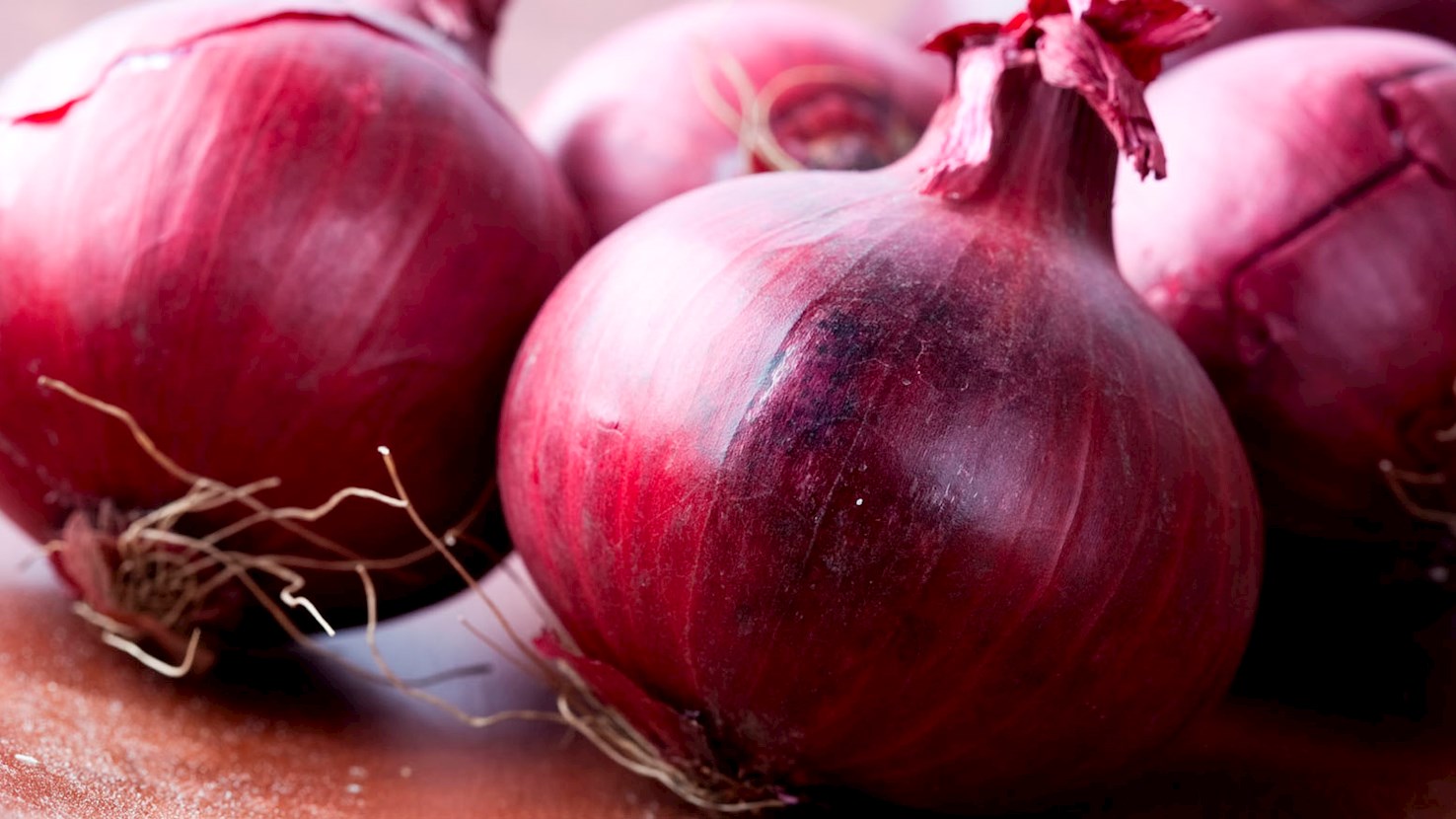
This red onion of the Ptujska Rdeča variety is widely known for its excellent culinary properties. Ptujski Lük is a red onion cultivated only in the Podravje region of northeast Slovenia, between the towns of Ptuj and Ormož, namely within Ptujsko polje, which is an area of fertile plains nestled along the banks of the Drava river. Named after 'lük', an old Slovenian word for onion, and famous for its 300-year-old tradition of cultivating exclusively onions, Ptujsko polje is still today known simply as Lukarija. The bulbs of Ptuj onions are medium sized, slightly flattened, and heart-shaped or kidney-shaped in cross-section, which is quite a recognizable feature. They have red to purplish brown skin, and white flesh with the outer leaves also tinged with purple. The significantly lower water content in Ptuj onions means this variety has a longer shelf-life and is well adapted to droughts that can occur in the Podravje region during summer. They are commonly used for savory dishes that don't require longer cooking, since this onion cooks in a relatively short time while maintaining its full hearty flavor. The aroma of these onions often ranges from mild to pungent.

04

Höri-Bülle

n/a ·

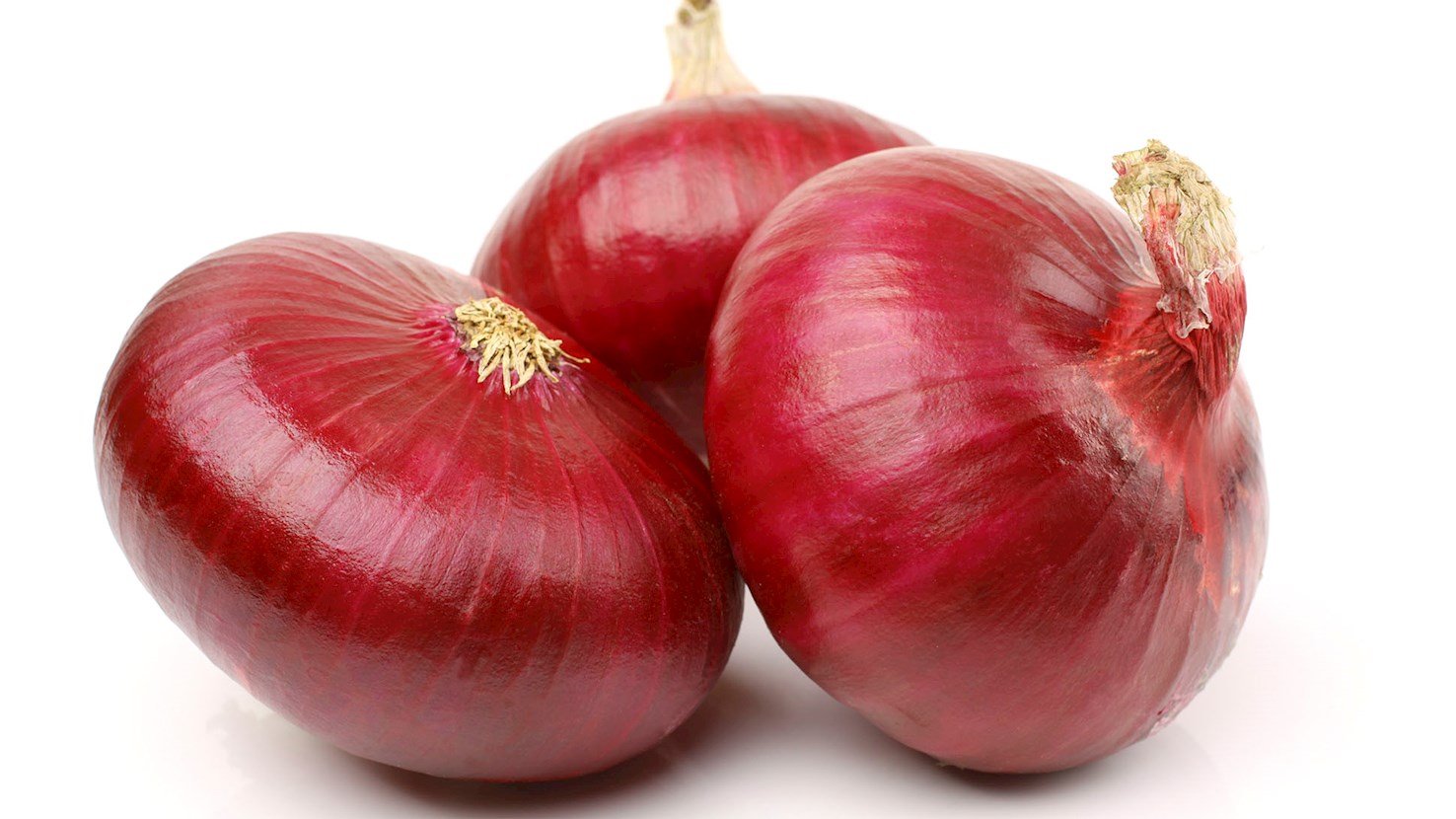
This varietal of red onion with a distinct shape and color is traditionally grown on the Lake Constance peninsula of Höri. The outer skin has an intense red-brown color that does not rub off when the onions are cut, and their typical flattened form is particularly well suited to weaving traditional onion braids. Hori-Bülle onion is characterized by its delicate aroma and mild, delicate flavor. This makes it an ideal onion to eat raw – Höri-Bülle performs quite well in salads. When cooked, Bülle develops a rich aroma without losing its characteristic red color. It is no wonder that it plays a role in numerous regional recipes, whether with fish, meat, or baked into Bülle-Thin, a local single crust onion pie made with sautéed onions, diced bacon, cream, and caraway seeds.

Read more
View all
View map
About this ranking

TasteAtlas food rankings are based on the ratings of the TasteAtlas audience, with a series of mechanisms that recognize real users and that ignore bot, nationalist or local patriotic ratings, and give additional value to the ratings of users that the system recognizes as knowledgeable. For the “Top 4 Central European Onions” list until June 02, 2026, 50 ratings were recorded, of which 31 were recognized by the system as legitimate. TasteAtlas Rankings should not be seen as the final global conclusion about food. Their purpose is to promote excellent local foods, instill pride in traditional dishes, and arouse curiosity about dishes you haven’t tried.

Similar lists