




shutterstock

Top 20 Onions
in the World

Last updated on June 24, 2026
01

Cipolla Rossa di Tropea Calabria

4.5 ·

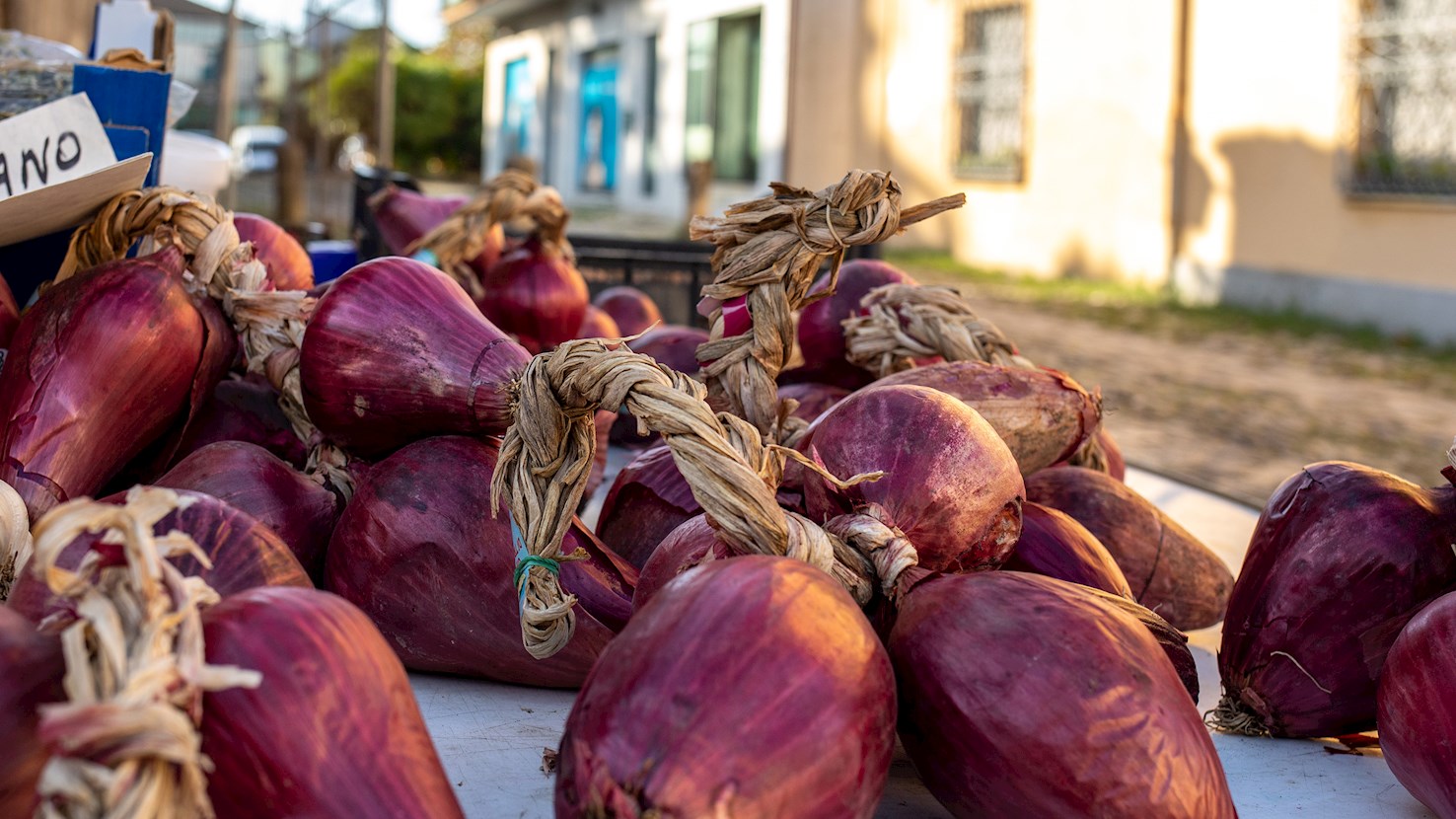
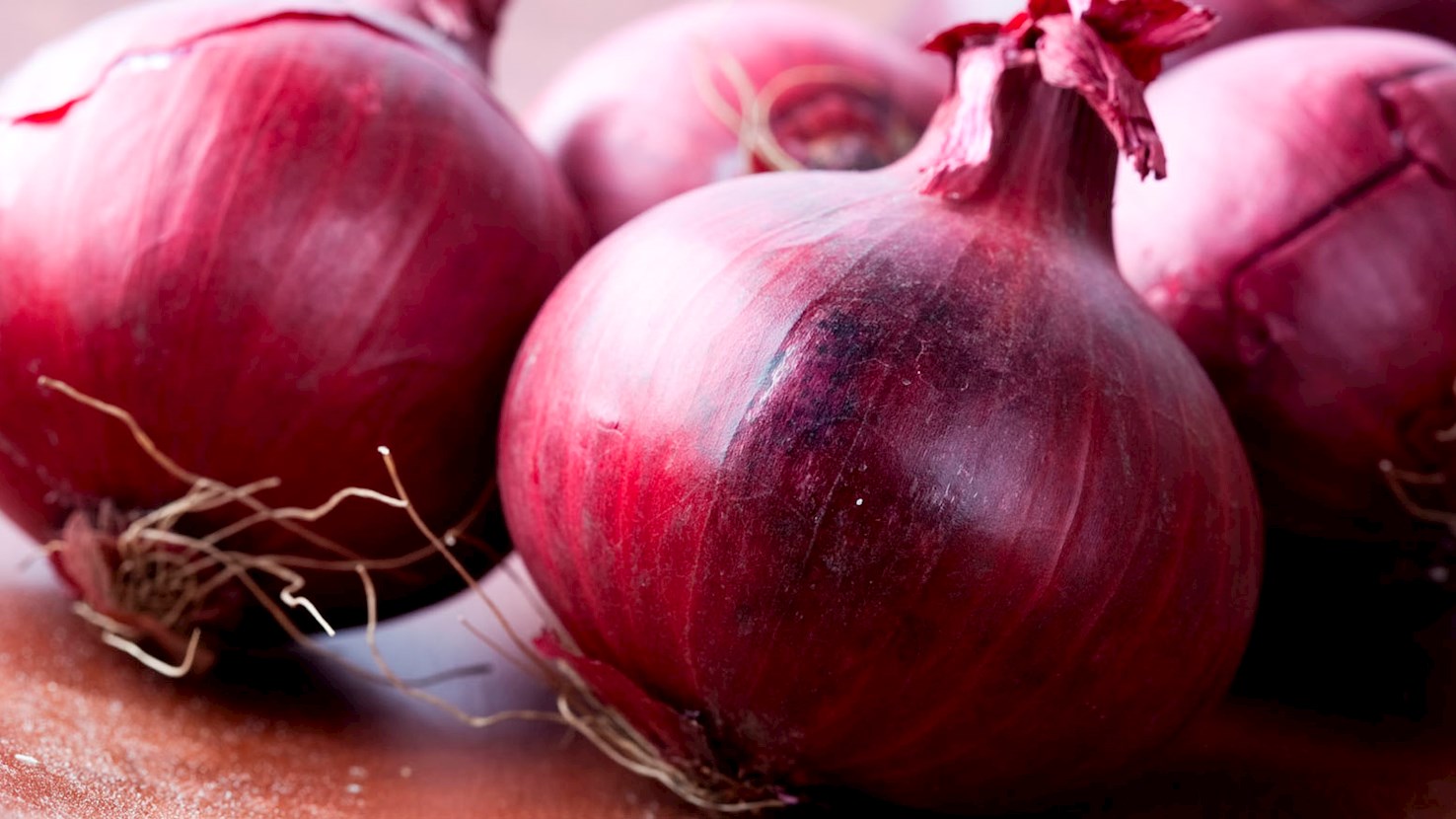
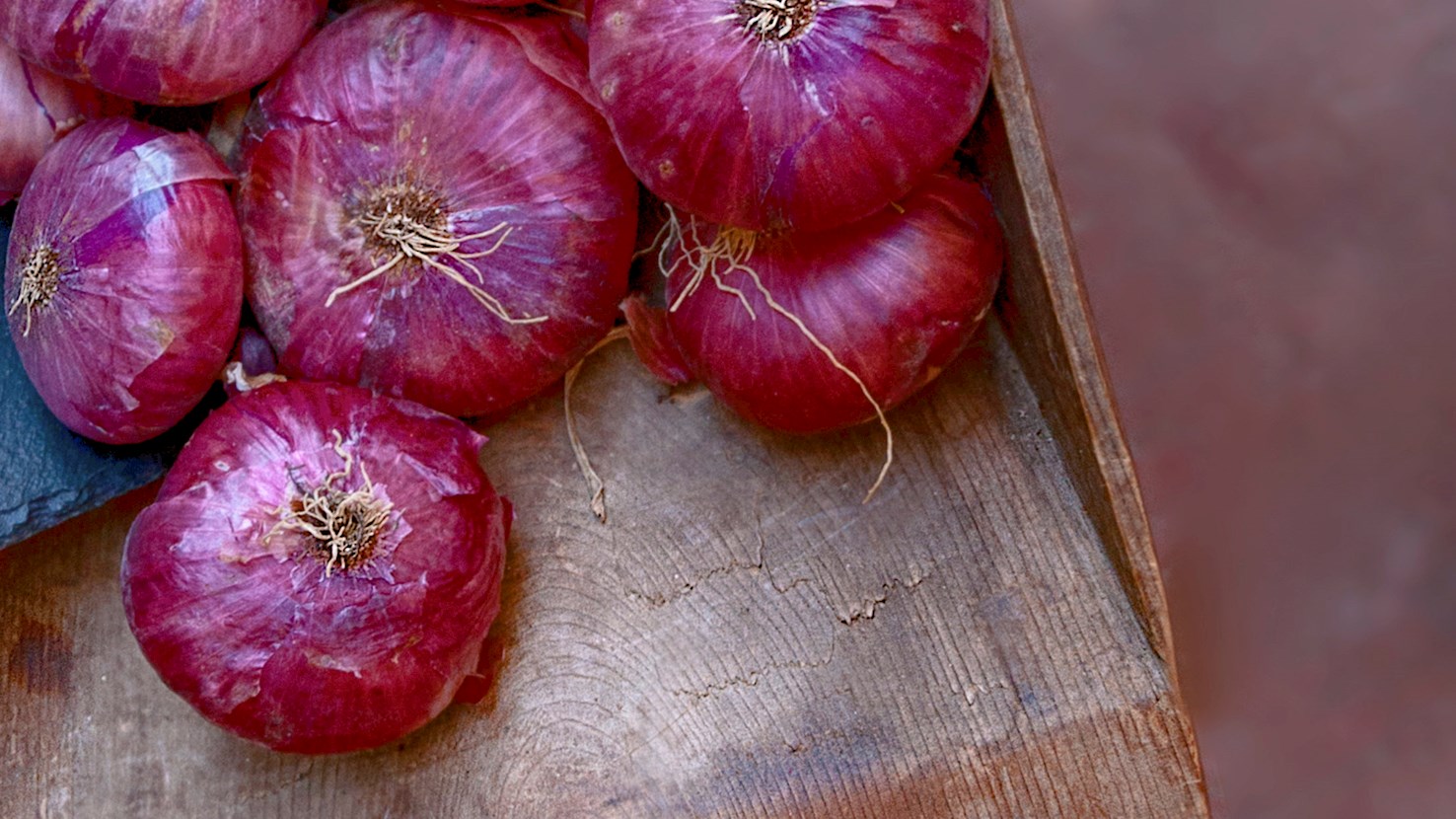
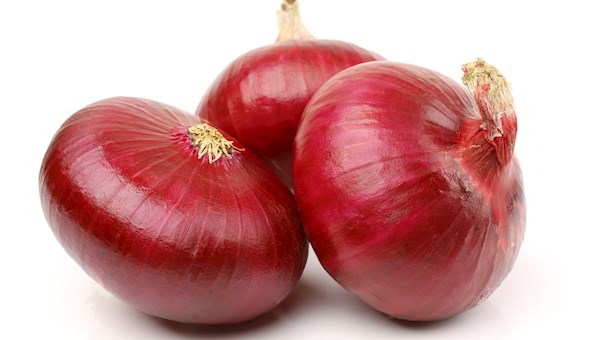
Named after the Calabrian town of Tropea settled along the Tyrrhenian coast in the province of Vibo Valentia, Cipolla Rossa di Tropea Calabria refers to the red onions of the following cultivars: Tondo Piatta (early ripening), Mezza Campana (mid-season) and Allungata (late ripening). They are further categorized into three types: Cipollotto (scallion), Cipolla da Consumo Fresco (fresh onion) and Cipolla da Serbo (preserved onion). Fully ripe Tropea onions are either round or slightly elongated, succulent and particularly sweet. Due to their pleasant flavor, these onions are most often used for sautéeing, added to salads, paired with various vegetables and cheeses, and the smallest bulbs are excellent for pickling. Also, Tropea onions are great for making marmalades, mousses or local dishes such as Tropeana onion soup and Omelette alla Contadina.

02

Makói vöröshagyma

4.3 ·

Makói hagyma is a strong tasting, round onion from the Makó region in Hungary that has a very high dry matter percentage and firm, white flesh. The town of Makó is also called the "Hungarian onion capital", and holds an annual Onion Festival where one can sample tasty dishes made with these onions - bread, strudels, scones and others. The high dry matter content in the onion is due to the dry weather season at the end of summer, resulting in an onion which does not spoil easily and has a long shelf life. Its skin is bronze-red in colour and its strong, hot taste is owed to the high amounts of allyl sulphide (a colourless liquid with an intense smell)found in the Makoi hagyma.

03

Oignon de Roscoff

4.0 ·

Oignon de Roscoff is an onion of the Allium cepa family, with a round, elongated to flattened shape produced in the Finistére region in France. The onion is full of flavor, slightly sweet and has a melt-in-the-mouth quality. The aromas are fruity, and the texture is juicy and crunchy while it is raw, and once it is cooked the texture becomes tender and the taste even sweeter. These onions are well known for their long shelf life and the high vitamin C content, and are so popular that they even have their own museum in Roscoff. A truly versatile product, it can be used as a condiment, a vegetable, a side dish or as a base for many stews and cooked meals.

04

Vidalia Onion

4.0 ·

Vidalia onion is a unique variety of onions with a sweet flavor, produced in Vidalia, Georgia in the United States of America. By 1977, the onions had their own annual festival, a tradition that continues up to this day. In 1990, Vidalia onions became the Official State Vegetable of Georgia. The onions are at their peak in late summer, when they are used raw in salads or caramelized and combined with mashed potatoes.

05

Všestarská cibule

4.3 ·

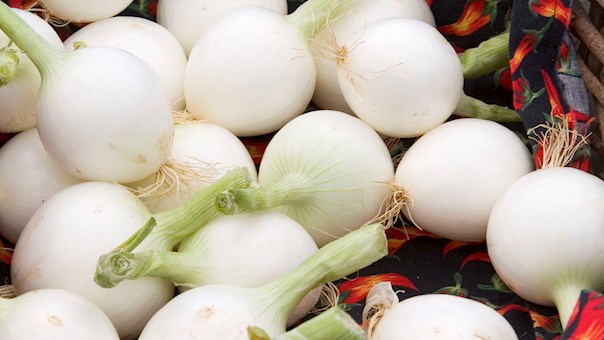
Všestarská cibule are high-quality onions produced in the Municipality of Všestary and the neighbouring areas in the Czech Republic. The onions come in a great number of varieties, namely Radar, Armstrong, Hyskin, Sedona, Hybelle, Sturon, Baldito, Narvito, Takmar, Canto, Wellington, Takstar, Viktory, Profit, and Festival. They come either in a spherical or ovate shape, with golden yellow skins, and a white to greenish-white flesh on the interior. The scent of the onions is sweet and slightly pungent, typical for onions. The taste is unique, delicately sweet with a varying degree of sharpness, depending on the variety of onion. As the weather and soil condition in the area favorably influence the growing of onions, they produce Všestarská onions with high levels of iron and vitamin B3 (niacin), and there is a total absence or very low levels of harmful substances found in other onions.

06

Maui onion

3.3 ·

Maui onions are a variety of sweet onion grown on the island of Maui in Hawaii. They are known for their unique, sweet flavor and low sulfur content, which makes them less pungent and more palatable when eaten raw compared to other onion varieties. These onions are typically plump and round with a pale golden peel and a juicy, white flesh. They are known for being crisp and firm. Due to their sweetness, Maui onions are versatile in the kitchen. They can be eaten raw in salads or sandwiches, grilled, roasted, or used in salsas and dips. Their sweetness also caramelizes well, making them a popular choice for cooking.

07

Oignon doux des Cévennes

3.2 ·

Oignon doux des Cévennes is a unique sweet onion grown in the Gard region in France, with its rugged terrain, light soils not susceptible to parasites, and a Mediterranean climate with dry summers and heavy rainfall. The onions are pearly white to almost copper in color with an elongated bulb and delicate, translucent skin. On the inside, there is a firm, juicy, crunchy flesh with balanced flavors. The flavors are sweet and mild with hints of honey when the onion is consumed raw. It is just as good for cooking, making a great onion tart or a savory, thick onion soup with bread, pepper, olive oil and Gruyére cheese. For a signature dish of the region, try caramelized sweet onions with anchovies.

08

Ptujski Lük

n/a ·

This red onion of the Ptujska Rdeča variety is widely known for its excellent culinary properties. Ptujski Lük is a red onion cultivated only in the Podravje region of northeast Slovenia, between the towns of Ptuj and Ormož, namely within Ptujsko polje, which is an area of fertile plains nestled along the banks of the Drava river. Named after 'lük', an old Slovenian word for onion, and famous for its 300-year-old tradition of cultivating exclusively onions, Ptujsko polje is still today known simply as Lukarija. The bulbs of Ptuj onions are medium sized, slightly flattened, and heart-shaped or kidney-shaped in cross-section, which is quite a recognizable feature. They have red to purplish brown skin, and white flesh with the outer leaves also tinged with purple. The significantly lower water content in Ptuj onions means this variety has a longer shelf-life and is well adapted to droughts that can occur in the Podravje region during summer. They are commonly used for savory dishes that don't require longer cooking, since this onion cooks in a relatively short time while maintaining its full hearty flavor. The aroma of these onions often ranges from mild to pungent.

09

Cipolla di Certaldo

n/a ·

Cipolla di Certaldo is a symbol of the Tuscan town of Certaldo – beloved local onions were even mentioned in book VI of the Decameron, a famous work by Giovanni Boccaccio, who was born in Certaldo. Cipolla di Certaldo truly has a special meaning for the locals - they even call themselves cipolloni, meaning big onions. There are two main types of these onions, and each is harvested in a different season. Statina is a summer onion, characterized by a light violet color, juicy texture, and relatively sweet flavor, while the dark red vernina, which is harvested in autumn, has a strong, pungent flavor. Cipolla di Certaldo is mainly grown inside the municipal territory of Certaldo, but it can also be found in the nearby cities of Montespertoli, Barberino Val d'Elsa, San Gimignano, Gambassi Terme, and Castelfiorentino. These onions are widely used in local cuisine - one of the classic local recipes combines them sautéed with stock and potatoes in a cream that is flavored with extra virgin olive oil, typically enjoyed spread on toasted slices of Tuscan bread.

10

Cipolla di Giarratana

n/a ·

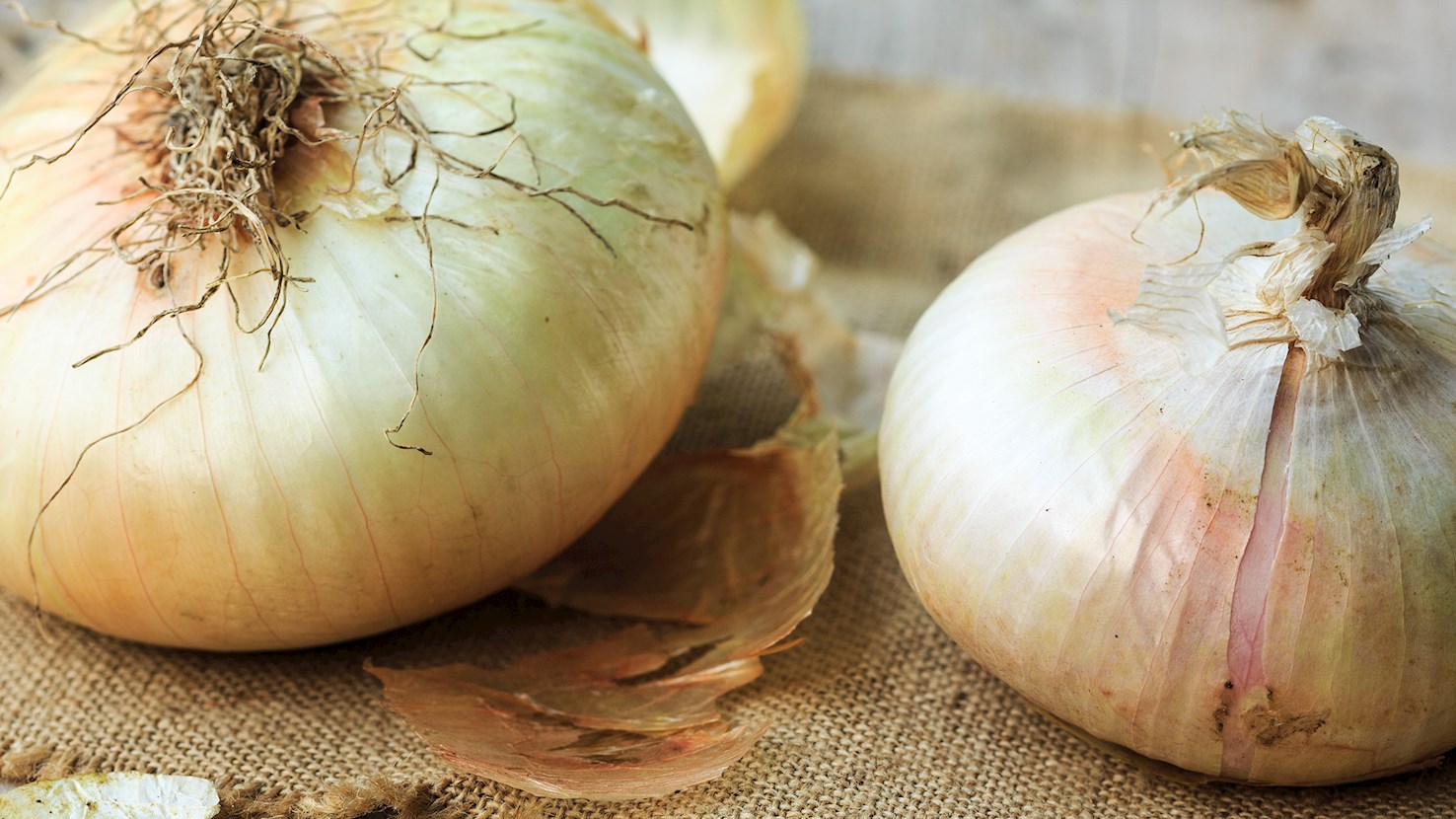
Listed as a traditional Italian food product, cipolla di Giarratana is a huge, very sweet variety of onion, grown only in the small Sicilian village of Giarratana, located in the Hyblaean Mountains. Ranging in size from 200 grams to 2 kg, they are often sold with a long stem, so they can be hanged when stored. The paper-thin golden skins hide a juicy, white interior with a very delicate flavor. Due to their deliciousness, Giarratana onions are often eaten raw in salads, but they are also excellent when used as a filling for focaccia, simply grilled or baked with various condiments.

About this ranking

TasteAtlas food rankings are based on the ratings of the TasteAtlas audience, with a series of mechanisms that recognize real users and that ignore bot, nationalist or local patriotic ratings, and give additional value to the ratings of users that the system recognizes as knowledgeable. For the “Top 20 Onions in the World” list until June 24, 2026, 254 ratings were recorded, of which 205 were recognized by the system as legitimate. TasteAtlas Rankings should not be seen as the final global conclusion about food. Their purpose is to promote excellent local foods, instill pride in traditional dishes, and arouse curiosity about dishes you haven’t tried.

Similar lists